
The Evolution of Warfare: How Ancient India Shaped Military Strategies

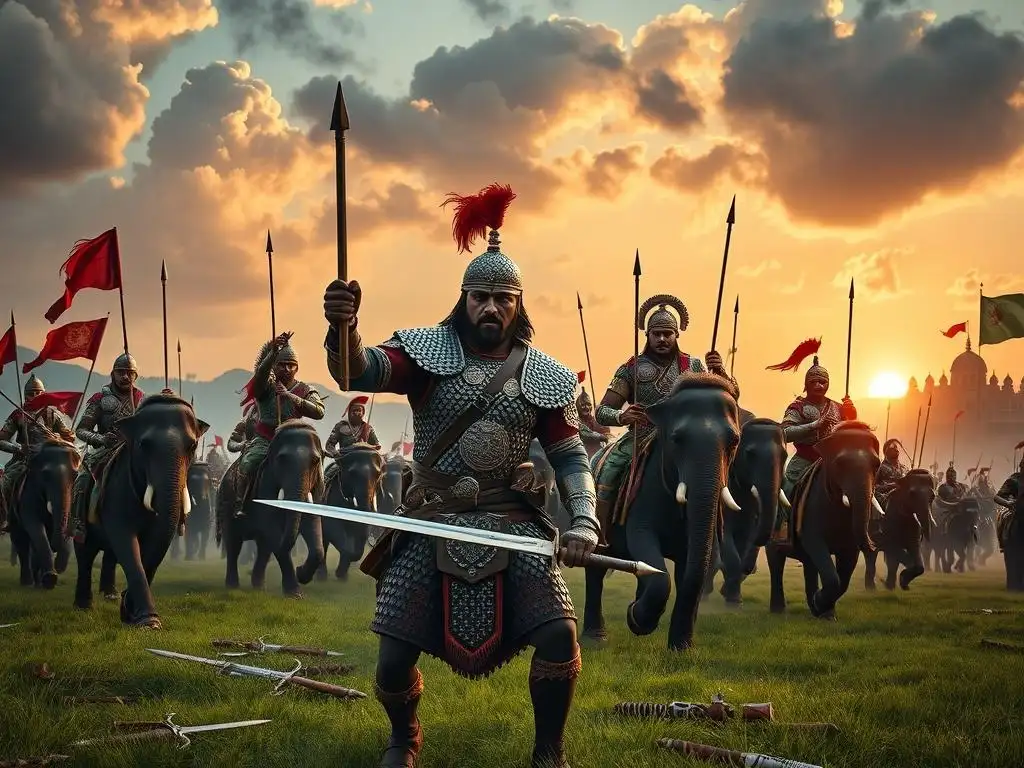
Welcome to Ancient India History! Dive into the fascinating world of Ancient Indian military strategies, where we unravel the intricate tapestry of warfare that shaped not only the subcontinent but also the course of history itself. From the formidable tactics of the Indus Valley civilization to the sophisticated maneuvers of the Gupta Empire, discover how these ancient warriors innovated and influenced military practices across the globe. Are you ready to explore the evolution of warfare and uncover the secrets behind their strategic genius? Join us as we embark on this captivating journey through time!
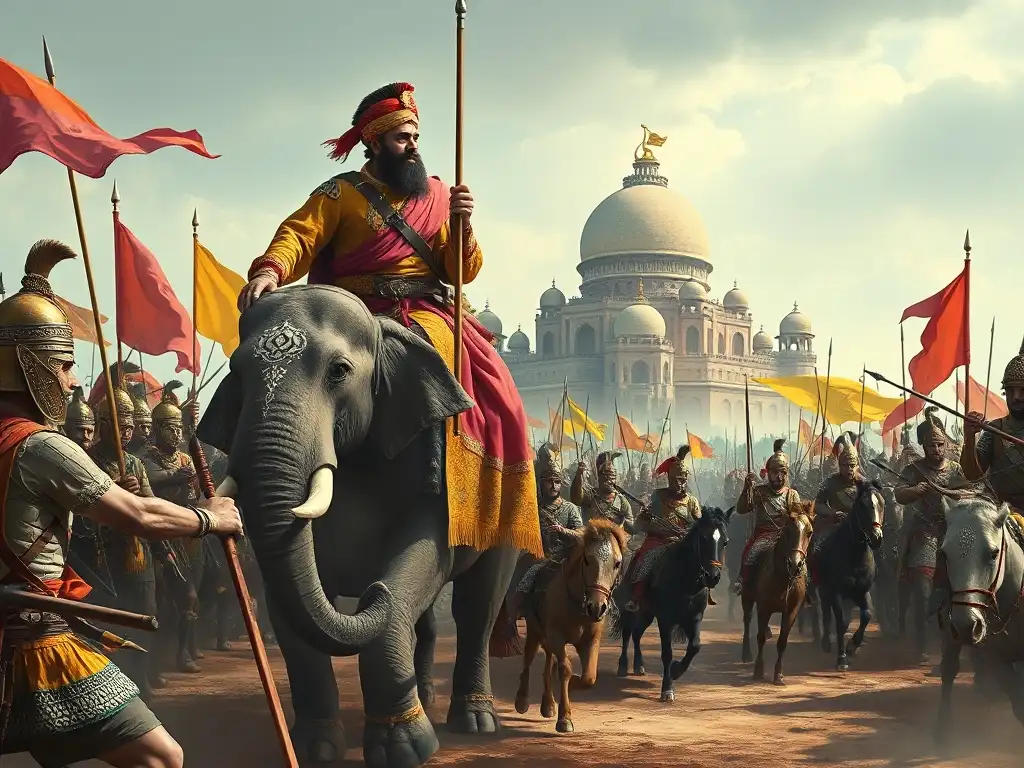
Introduction to Ancient Indian Military Strategies
The history of warfare in ancient India is a fascinating tapestry woven with diverse cultural influences, innovative strategies, and significant technological advancements. Ancient Indian military strategies were not merely about brute force but were deeply rooted in the socio-political contexts of the time, reflecting a comprehensive understanding of tactics, terrain, and the psychological aspects of warfare. From the meticulously planned battles of the Indus Valley Civilization to the sophisticated strategies employed during the Gupta Empire, ancient Indian civilizations contributed significantly to the evolution of military thought and practice.
As we delve deeper into this rich history, we'll explore how various factors such as geography, cultural philosophies, and technological innovations shaped the military strategies of ancient India. Understanding these elements is crucial not only for appreciating the complexities of ancient Indian warfare but also for recognizing their lasting impact on military practices in subsequent eras.
Historical Context of Warfare in Ancient India
The historical context of warfare in ancient India reveals a society that was constantly evolving and adapting to new challenges. Warfare was influenced by various factors, including the rise and fall of powerful empires, the interaction between different cultures, and the need for defense against invasions. Key periods, such as the Vedic Age, the Maurya Empire, and the Gupta Empire, each contributed distinct approaches to military organization and strategy.
Timeline of Military Development in Ancient India
- Indus Valley Civilization (c. 2500 – 1900 BCE):
- Early evidence of fortified cities and advanced urban planning.
- Use of simple weapons and possibly chariots in conflict.
- Vedic Period (c. 1500 – 500 BCE):
- Introduction of the concept of Dharma in warfare, emphasizing moral conduct.
- Development of cavalry and increased use of chariots.
- Maurya Empire (c. 322 – 185 BCE):
- Centralized military organization and advanced logistics.
- Use of war elephants and sophisticated siege tactics.
- Gupta Empire (c. 320 – 550 CE):
- Emphasis on strategic alliances and diplomacy.
- Innovations in military technology, including improved weapons and armor.
Influence of Geography on Military Tactics
The geography of ancient India played a pivotal role in shaping military tactics. The vast and varied landscape, ranging from the towering Himalayas to the extensive river systems and dense forests, influenced how armies were organized and how battles were fought.
- Mountainous Regions:
- Natural barriers provided defensive advantages and required specialized tactics for mountain warfare.
- River Valleys:
- Rivers served as important routes for trade and military movement, influencing the placement of fortifications and the selection of battlefields.
- Deserts and Plains:
- Open plains favored cavalry and chariot warfare, necessitating different strategies for engaging the enemy.
Understanding these geographical influences helps us appreciate the complexity and ingenuity of ancient Indian military strategies, which were tailored to effectively utilize the environment in both offensive and defensive scenarios.
Key Features of Ancient Indian Military Strategies
Ancient Indian military strategies were characterized by a combination of innovative tactics, versatile weaponry, and deep understanding of terrain. These strategies evolved over centuries, influenced by various factors such as geography, cultural practices, and the need to defend against invasions.
One of the key features of ancient Indian military strategies was the emphasis on organized warfare. Unlike many contemporary civilizations, Indian armies were often structured into distinct units, each specializing in different forms of combat. This organization allowed for coordinated attacks and effective defense mechanisms.
Another notable aspect was the integration of psychological warfare. Leaders understood the importance of morale and often used tactics to instill fear in the enemy, such as surprise attacks and deceptive maneuvers. The strategic use of fortifications and geographical advantages, like rivers and mountains, also played a crucial role in shaping military outcomes.
Weaponry and Technology in Ancient India
The weaponry of ancient India was diverse and sophisticated, reflecting the culture's technological advancements. Early warriors utilized simple tools such as bows and arrows, spears, and swords crafted from bronze and iron. Over time, the introduction of new materials and techniques led to the development of advanced weaponry, including the famed katana and khanda, both of which were revered for their craftsmanship and effectiveness in battle.
In addition to hand-held weapons, ancient Indian military technology included war chariots and elephants, which were pivotal in large-scale battles. Chariots, often pulled by horses, provided mobility and speed, while war elephants served as both transport and a fearsome presence on the battlefield, capable of trampling enemy troops.
The use of siege tactics and machinery, such as catapults and battering rams, illustrated the strategic complexity of ancient Indian warfare. These innovations allowed armies to lay siege to fortified cities effectively, changing the dynamics of warfare during that era.
Military Organization and Structure
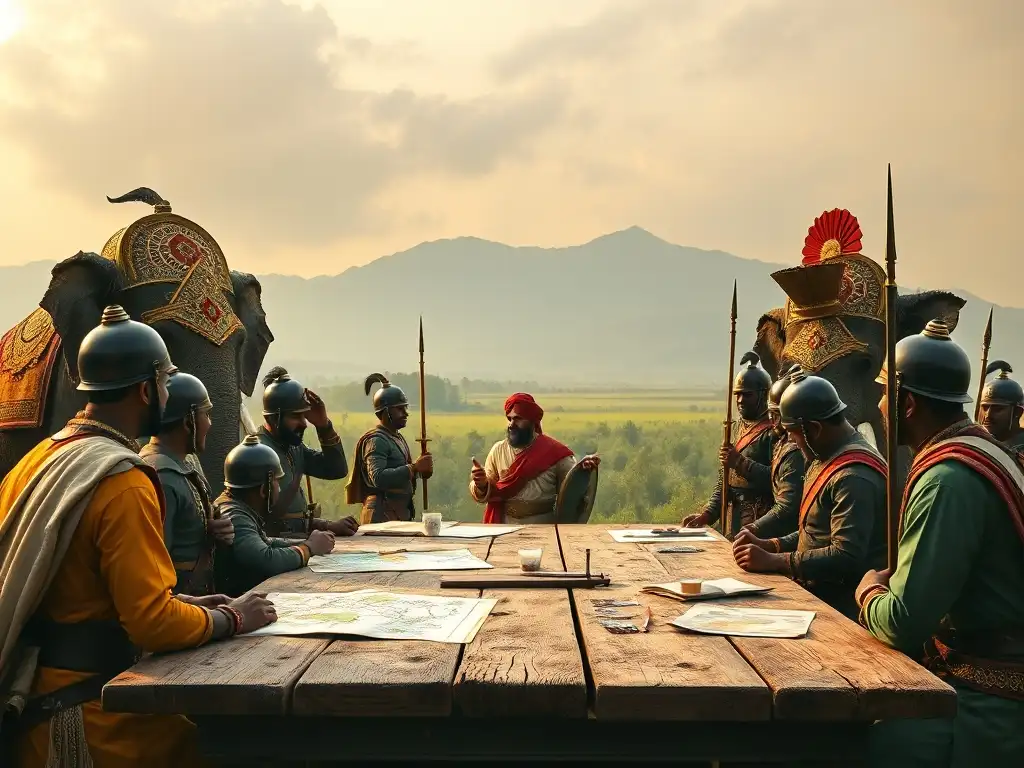
The military organization of ancient India was hierarchical, with a clear structure that facilitated command and control during campaigns. At the top was a king or emperor, often regarded as the supreme commander. Below him were various officers, including generals and field commanders, responsible for leading different units.
Troops were typically divided into categories based on their combat roles, such as infantry, cavalry, and archers. Each unit had specific functions during warfare, allowing for tactical flexibility. The integration of local militias and allies also played a significant role in strengthening the military force, as they provided additional manpower and local knowledge.
Moreover, ancient Indian armies often operated under a code of conduct, emphasizing honor and bravery in battle. This code not only fostered loyalty among soldiers but also helped in maintaining discipline within the ranks.
Prominent Battles and Military Campaigns
Throughout ancient Indian history, several battles and campaigns stand out due to their strategic significance and the lessons they imparted on warfare. One of the most notable is the Battle of Kalinga, fought in 261 BCE. This battle marked a turning point in Emperor Ashoka's reign, leading him to embrace Buddhism and non-violence after witnessing the devastation it caused.
Another significant campaign was the conquests of Chandragupta Maurya, who established the Maurya Empire. His military strategies emphasized the importance of alliances and guerilla tactics against larger forces, which he successfully employed to unify much of northern India.
Notable Military Conflicts in Ancient India
Ancient India witnessed several notable military conflicts that shaped its history and military strategies. The Mahabharata, a revered epic, chronicles the great Kurukshetra War, illustrating the complexity of warfare, moral dilemmas, and strategic planning involved in ancient battles.
Additionally, the invasions by foreign powers, such as the Greeks led by Alexander the Great, tested Indian military capabilities. The subsequent encounters revealed the adaptability of Indian forces to incorporate lessons learned from adversaries, further enriching their military strategies.
Strategies Employed in Key Battles
In key battles, ancient Indian military leaders employed various strategies to gain the upper hand. One common tactic was the flanking maneuver, where forces would attack the enemy from the sides, exploiting weaknesses in their formation. This approach was evident in several historical conflicts, including the confrontations during the Mauryan Empire.
The use of deception was another significant strategy. Leaders often misled their opponents regarding troop movements or the timing of attacks, creating opportunities for surprise assaults. The Battle of Kalinga exemplifies this, as Ashoka's forces utilized terrain knowledge to outmaneuver the Kalingans.
Moreover, the concept of defensive warfare was prominent, where fortified positions were used to withstand sieges, allowing for counter-attacks when the enemy was least prepared. This strategy was pivotal in many historical battles, showcasing the importance of preparation and strategic foresight in ancient Indian military history.
Philosophical and Cultural Influences on Warfare
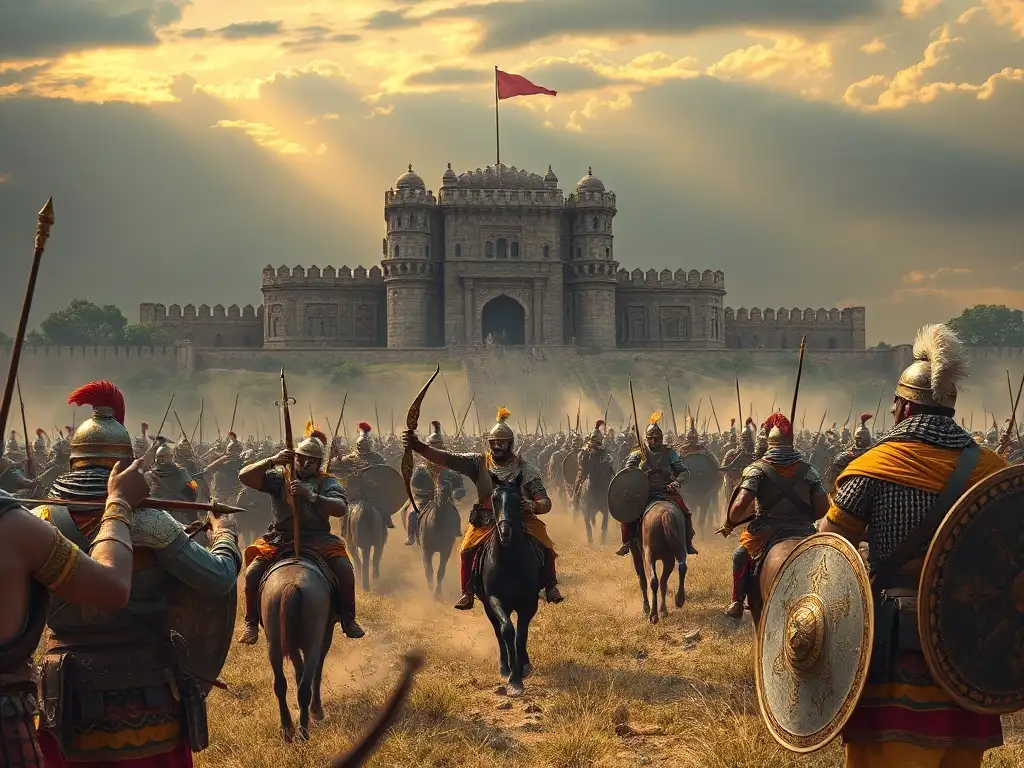
The philosophical and cultural landscape of ancient India significantly shaped its military strategies and practices. Central to this influence was the concept of Dharma, or duty, which permeated various aspects of life, including warfare. Warriors were expected to adhere to a code of ethics that dictated honorable conduct on the battlefield. This blend of duty and morality often led to unique approaches in military engagements, emphasizing not just victory but the righteousness of the cause.
Furthermore, the influence of Hinduism, Buddhism, and Jainism instilled a sense of restraint and ethical consideration in warfare. Texts like the Bhagavad Gita, set in the context of the Kurukshetra War, present a profound dialogue on duty, righteousness, and the nature of conflict. Such teachings encouraged warriors to view battle as a last resort, urging them to seek diplomatic resolutions before resorting to violence.
Culturally, ancient Indian society viewed warfare as part of the broader cosmic struggle between good and evil. This perspective integrated spiritual dimensions into military strategies, where victories were often attributed to divine favor. As a result, rituals and prayers were commonplace before engagements, reflecting a deep-seated belief in the interconnection between the spiritual and the martial.
The Role of Warfare in Ancient Indian Society
Warfare played a pivotal role in the socio-political structure of ancient Indian civilization. It was not merely a tool for conquest but a means to establish and maintain order. Kings and rulers often engaged in military campaigns to expand their territories, assert dominance over rival states, and protect their subjects. While warfare allowed for territorial expansion, it also facilitated trade and cultural exchange, leading to the growth of prosperous kingdoms.
Additionally, the warrior class, known as the Kshatriyas, held a vital position in society. They were revered not only for their martial prowess but also for their role as protectors of dharma. This societal reverence for warriors fostered a culture where military training was essential, ensuring that each generation was adequately prepared for the responsibilities of defense and conquest.
Moreover, ancient Indian warfare often reflected the complexities of alliances and feudal loyalties. Rulers frequently formed alliances through marriages or treaties, and these relationships directly influenced military strategies. The shifting dynamics of power in ancient India made warfare a fluid and adaptive practice, further reinforcing its significance in society.
Texts and Teachings on Warfare
Ancient Indian literature is replete with texts that delve into military strategies and philosophies. One of the most notable works is Arthashastra, attributed to Kautilya (Chanakya), a learned strategist and advisor to Chandragupta Maurya. This treatise offers insights into statecraft, economic policy, and military strategy, emphasizing the importance of espionage, deception, and psychological warfare. Kautilya’s teachings underscore the pragmatic aspects of warfare, advocating for calculated and strategic approaches to conflict.
Another significant text is the Mahabharata, which, aside from being an epic narrative, serves as a rich source of military wisdom. The Bhagavad Gita, a part of this epic, presents profound philosophical discussions on duty in warfare, addressing the moral dilemmas faced by warriors. It emphasizes the need for a warrior to maintain composure and integrity, regardless of the chaos of battle.
Additionally, the Ramayana offers valuable insights into the heroism and valor associated with warfare. The character of Rama exemplifies the ideal warrior, embodying virtues such as honor, loyalty, and righteousness in his battles against the demon king Ravana. These texts collectively reflect a comprehensive understanding of warfare, balancing ethical considerations with strategic imperatives.
Comparative Analysis of Ancient Indian Military Strategies
Ancient Indian military strategies were distinctive, often characterized by an emphasis on chariot warfare, infantry formations, and the use of elephants. The integration of these elements created a unique approach to battle that was both effective and culturally significant.
Comparison with Other Ancient Civilizations
When compared to other ancient civilizations, such as the Greeks and Romans, ancient Indian military strategies exhibited both similarities and differences. Like the Greeks, ancient Indians utilized phalanx formations and heavily armored infantry, but they also relied heavily on chariots and war elephants, which were less prominent in Western military traditions. The strategic deployment of elephants could instill fear and chaos in enemy ranks, often leading to psychological advantages on the battlefield.
Furthermore, while Roman military strategies emphasized discipline and cohesive formations, Indian strategies were often more fluid and adaptable. Ancient Indian rulers utilized guerrilla tactics, leveraging the terrain to their advantage. This adaptability was crucial in the diverse landscapes of the Indian subcontinent, where forested areas, deserts, and mountains presented unique challenges.
Adaptation and Evolution of Military Tactics
The evolution of military tactics in ancient India is a testament to the adaptability of its warriors. As new technologies and methods of warfare emerged, Indian military strategies evolved accordingly. The introduction of crossbows, for instance, gradually influenced infantry tactics, leading to the development of combined arms approaches that integrated archers with heavy infantry.
Additionally, the influence of neighboring cultures and invasions prompted significant adaptations. For example, the contact with Persian and Central Asian warriors introduced new cavalry tactics and techniques that Indian armies assimilated into their own. This cross-cultural exchange not only enhanced military effectiveness but also contributed to the rich tapestry of ancient Indian warfare.
Overall, the evolution of military strategies in ancient India illustrates a dynamic interplay of tradition, innovation, and cultural exchange, shaping a distinctive approach to warfare that left a lasting legacy in military history.
Conclusion: The Legacy of Ancient Indian Military Strategies
The legacy of ancient Indian military strategies is vast and influential, extending beyond the boundaries of the subcontinent and resonating through various cultures and civilizations worldwide. From the sophisticated tactics employed in the Indus Valley Civilization to the well-documented military doctrines of the Maurya and Gupta Empires, ancient Indian warfare was marked by innovation and strategic depth.
One of the most significant contributions was the development of guerrilla warfare tactics, which were notably utilized by leaders such as Chandragupta Maurya and later by the famous king, Shivaji. These strategies emphasized mobility, surprise, and the use of terrain to gain advantage over larger, more conventional forces. Moreover, the Kautilyan principles outlined in the Arthashastra remain a cornerstone of military strategy, focusing on diplomacy, espionage, and the psychological aspects of warfare.
Additionally, the integration of various combat forms—infantry, cavalry, and war elephants—illustrates an advanced understanding of combined arms tactics, which would inform military thinking in regions far beyond India. The intricate use of these elements enabled ancient Indian armies to adapt to diverse combat scenarios, ensuring their resilience against invaders and rival states.
The cultural impact of these strategies is also noteworthy. Ancient texts and epics, such as the Mahabharata, not only serve as historical records but also as sources of moral and ethical debates on warfare. The philosophical underpinnings associated with conflict reflect a complex understanding of duty, honor, and the consequences of war, which continue to influence contemporary military ethics.
The ancient Indian military strategies have bequeathed a rich legacy, characterized by both tactical innovation and philosophical depth. Their enduring influence can be observed in modern military thought, underscoring the importance of these historical practices in the broader context of warfare.
Further Reading on Ancient Indian Military History
For those interested in delving deeper into the fascinating world of ancient Indian military history, a variety of resources and texts provide valuable insights into the strategies, technologies, and philosophies that shaped warfare in the region. Here are some recommended readings:
- "The Arthashastra" by Kautilya (Chanakya): This ancient treatise on statecraft and military strategy provides an in-depth look at the principles of governance and warfare in ancient India.
- "War in Ancient India" by A. K. Narain: This book explores the various aspects of military organization, tactics, and equipment used throughout Indian history.
- "The History of India, as Told by Its Own Historians" by Henry Miers Elliot: A compilation of historical accounts that provide context to the military practices and conflicts over centuries in India.
- "Indian Military History: A Sourcebook" by R. C. Gupta: A comprehensive sourcebook that collects various primary and secondary sources on military history in India, covering different dynasties and their warfare strategies.
- "The Mahabharata" (various translations): This epic not only narrates the great war of Kurukshetra but also embeds various strategic lessons and moral questions related to warfare.
- "A History of Ancient and Early Medieval India: From the Stone Age to the 12th Century" by Upinder Singh: This text provides a broader historical context while touching upon military developments throughout ancient Indian history.
Exploring these resources will enhance your understanding of the intricate military strategies of ancient India and their lasting impact on both historical and modern warfare.
- Introduction to Ancient Indian Military Strategies
- Historical Context of Warfare in Ancient India
- Key Features of Ancient Indian Military Strategies
- Weaponry and Technology in Ancient India
- Military Organization and Structure
- Prominent Battles and Military Campaigns
- Notable Military Conflicts in Ancient India
- Strategies Employed in Key Battles
- Philosophical and Cultural Influences on Warfare
- Comparative Analysis of Ancient Indian Military Strategies
- Conclusion: The Legacy of Ancient Indian Military Strategies
- Further Reading on Ancient Indian Military History
- What were the primary military strategies used in ancient India?
- How did the Indus Valley civilization influence military tactics?
- What role did the Gupta Empire play in shaping military strategies?
- How did ancient Indian texts contribute to military strategies?
- Were there any notable battles that exemplified ancient Indian military strategies?
Frequently Asked Questions
What were the primary military strategies used in ancient India?
Ancient Indian military strategies included tactics such as elephant warfare, chariotry, and infantry formations. These strategies were designed to exploit the terrain and enemy weaknesses.
How did the Indus Valley civilization influence military tactics?
The Indus Valley civilization laid the groundwork for organized defense and urban planning, showcasing advanced fortifications and strategic city layouts that influenced later military tactics.
What role did the Gupta Empire play in shaping military strategies?
The Gupta Empire is known for its innovative warfare techniques and emphasis on cavalry, which enhanced mobility and combat effectiveness, setting a precedent for future military organizations in India.
How did ancient Indian texts contribute to military strategies?
Ancient texts like the Arthashastra provided in-depth insights on strategy, espionage, and diplomacy, significantly influencing military tactics and statecraft throughout Indian history.
Were there any notable battles that exemplified ancient Indian military strategies?
Yes, battles such as the Battle of the Hydaspes and the conflicts against the Mauryan Empire showcased the effectiveness of combined arms tactics and the use of war elephants, highlighting ancient India's military ingenuity.
Final Reflection: The Enduring Legacy of Ancient Indian Military Strategies
The exploration of Ancient Indian military strategies reveals profound insights that resonate with the complexities of modern warfare. As we navigate an era marked by rapid technological advancements and shifting geopolitical landscapes, the principles derived from ancient practices remain strikingly relevant. The strategic acumen displayed by ancient Indian warriors not only shaped their own historical context but also provides a framework for understanding contemporary military tactics. The wisdom of the past continues to inform our present, reminding us that the essence of strategy transcends time.
The influence of these ancient strategies extends far beyond the battlefield, permeating cultural and social dimensions of society. The lessons learned from the tactical ingenuity of ancient Indian military leaders underscore the importance of adaptability, foresight, and unity in overcoming challenges. As we reflect on the past, we can draw inspiration from the words of Chanakya, who famously stated, "> “There is some self-interest behind every friendship.
There is no friendship without self-interests.” This highlights the intricate balance of alliances and strategies that remain crucial in today's interconnected world. The legacy of these military strategies continues to shape not only military doctrines but also the broader narrative of cooperation and conflict in our global society.
As we conclude this exploration, I invite you to reflect on how the principles of Ancient Indian military strategies can be applied in your own life. Consider the importance of strategic thinking, adaptability, and collaboration in your personal and professional endeavors. Embrace the lessons of history as you navigate your own challenges, and let the wisdom of the past guide you toward a more informed and resilient future. The evolution of warfare is not just a tale of battles fought; it is a testament to the enduring human spirit and our capacity to learn, adapt, and thrive.
Unveil the Legacy of Ancient Indian Warfare!
Thank you for diving into the fascinating world of Ancient India's military strategies! We've explored how these innovations not only shaped warfare in their time but also continue to influence modern tactics. Now that you've gained insight into this historical evolution, it's time to put that knowledge into action.
- Explore further: Delve into ancient texts and traditional martial arts to understand the principles that guided warriors throughout history.
- Join the conversation: Share your thoughts and insights on social media or in the comments below, connecting with fellow history enthusiasts.
- Try a new perspective: Consider how these ancient strategies could be applied in today's context—could they inform your problem-solving skills in everyday life?
Which aspects of Ancient Indian military strategy resonate most with you, and how do you envision applying those lessons in the modern world?