
The Intersection of Science and Leadership: Contributions of Ancient Indian Kings

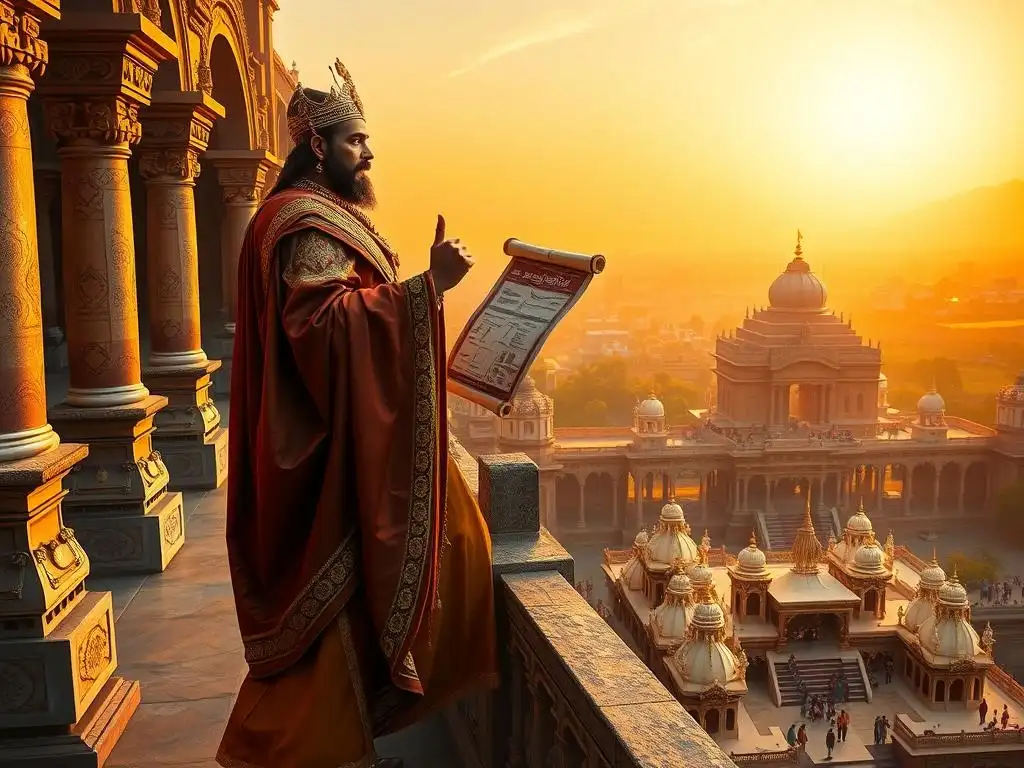
Welcome to Ancient India History, where we embark on a fascinating journey into the rich tapestry of India’s past. Here, we delve into the remarkable contributions of ancient Indian kings, whose leadership not only shaped their kingdoms but also left an indelible mark on science, culture, and governance.
In our featured article, "The Intersection of Science and Leadership: Contributions of Ancient Indian Kings," you will uncover the extraordinary achievements that transformed the ancient world. Prepare to be captivated by stories of innovation and wisdom that continue to resonate today— let your curiosity guide you as you explore the profound legacy of these historical figures!
Introduction to Ancient Indian Kings and Their Contributions
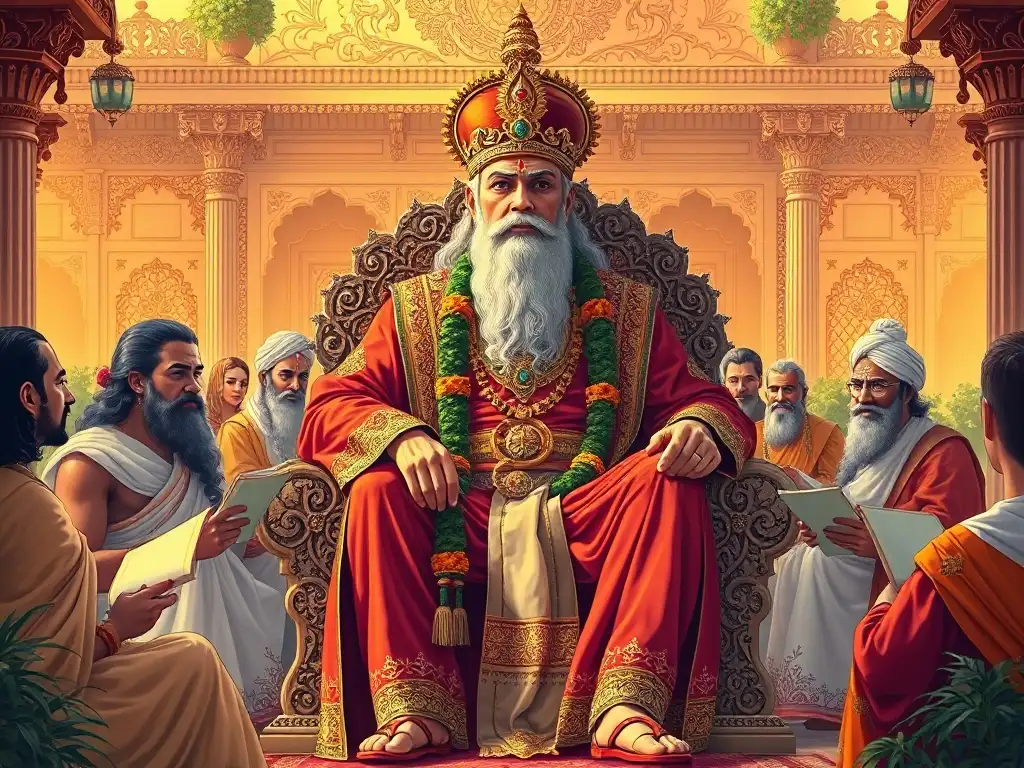
The history of ancient India is a rich tapestry woven from the threads of diverse civilizations, each contributing uniquely to the realms of governance, culture, and science. The kings and rulers of these periods were not merely warriors or conquerors; they were visionaries and intellectuals who shaped the societal frameworks and scientific advancements of their time. This article delves into the significant contributions of ancient Indian kings, focusing on how their leadership intersected with scientific progress, ultimately paving the way for innovations that resonate even today.
Overview of Ancient Indian Civilizations
Ancient India is characterized by a multitude of civilizations, with the Indus Valley Civilization being one of the earliest examples, flourishing around 2500 BCE. This civilization is renowned for its advanced urban planning, architecture, and social organization. Following this, the Vedic period introduced a new wave of cultural and intellectual growth, where the foundations of Hindu philosophy, mathematics, and science were laid down.
Key civilizations such as the Maurya and Gupta empires further exemplified the richness of ancient Indian history. Under the reign of notable kings like Chandragupta Maurya and Ashoka the Great, India witnessed significant developments in governance, trade, and culture. The Gupta Empire, often referred to as the "Golden Age of India," is particularly celebrated for its advancements in science, mathematics, and astronomy, driven largely by the patronage of its rulers.
Significance of Leadership in Ancient India
Leadership in ancient India transcended mere authority; it involved the responsibility of fostering societal growth and intellectual pursuits. Kings were expected to be learned individuals, often well-versed in philosophy, religion, and the sciences. They were seen as protectors of knowledge and culture, and their patronage played a crucial role in the flourishing of various disciplines.
The concept of Dharma (righteousness) was integral to leadership, wherein kings were tasked with upholding moral and ethical standards within their realms. This ethical framework not only guided their governance but also influenced their support for scientific endeavors, as many rulers believed that promoting knowledge would lead to societal prosperity.
The Role of Science in Ancient Indian Leadership
Understanding Science in Ancient Indian Context
Science in ancient India was deeply intertwined with philosophy and spirituality. Scholars such as Aryabhata and Brahmagupta made significant strides in mathematics and astronomy, laying the groundwork for future generations. The approach to science was holistic, often blending empirical observation with philosophical inquiry.
The Siddhantas—ancient astronomical texts—demonstrate the sophistication of Indian astronomy, with theories on planetary motion and eclipses that were remarkable for their time. This scientific knowledge was not only theoretical; it had practical applications in agriculture, navigation, and timekeeping, which were essential for effective governance.
Contributions of Ancient Indian Kings to Scientific Advancements
Ancient Indian kings played a pivotal role in advancing scientific knowledge by providing patronage and establishing institutions for learning. For instance, the Gupta emperor Samudragupta is known to have supported scholars who made significant contributions to mathematics and astronomy. The establishment of Nalanda University during this period became a beacon of learning, attracting students and scholars from across Asia.
Moreover, rulers often commissioned works that documented scientific knowledge, ensuring its preservation and dissemination. The contributions of kings to science were not just limited to funding; they often engaged in the intellectual discourse themselves, promoting a culture of inquiry and innovation.
The intersection of science and leadership in ancient India reveals a profound legacy of contributions made by kings who recognized the importance of knowledge in governance. Their commitment to fostering scientific advancements not only enriched their kingdoms but also laid the groundwork for future developments in various fields. As we explore the specific contributions of these ancient rulers, we gain a deeper understanding of their enduring impact on the world.
Key Contributions of Notable Ancient Indian Kings
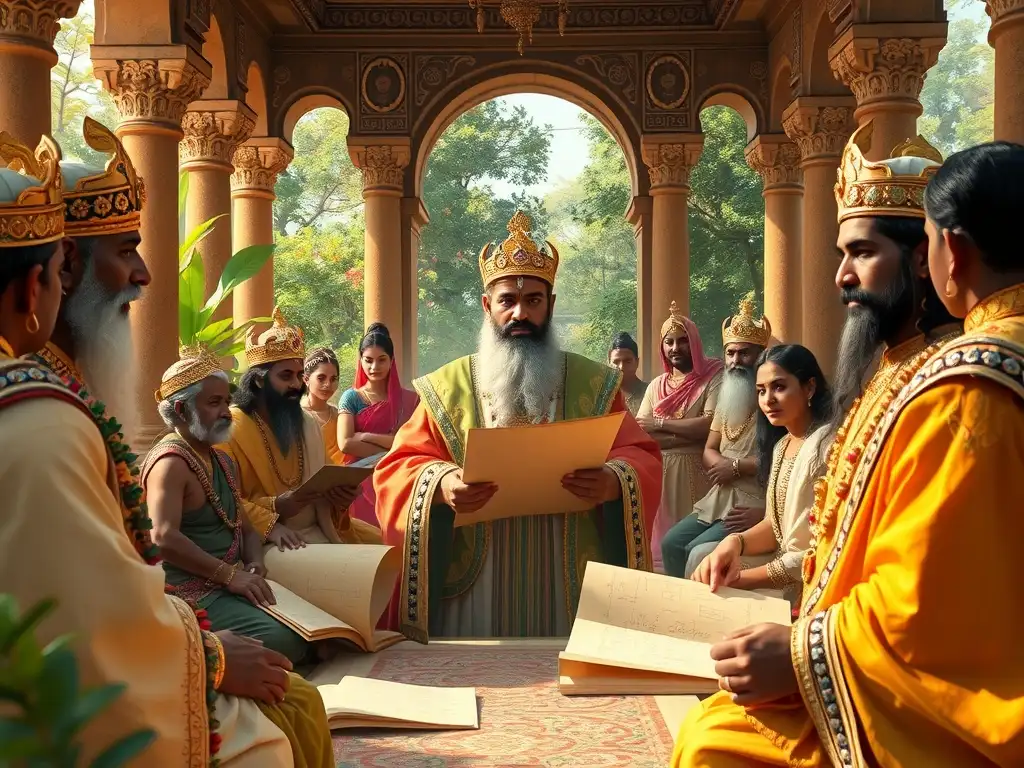
Ancient Indian kings were not only rulers but also visionaries who made significant contributions to various fields, including science, architecture, and governance. Their efforts helped shape the cultural and intellectual fabric of India. These contributions are often reflective of their leadership styles and the socio-political contexts in which they operated. Below are some notable kings whose contributions have had a lasting impact on Indian civilization.
Chandragupta Maurya: The Unifier and Innovator
Chandragupta Maurya (c. 340–297 BCE) is known as the founder of the Maurya Empire, which was the first large empire in ancient India. His achievements go beyond mere conquest; he was an innovator who established a centralized government and implemented efficient administrative practices.
- Unification of India: Chandragupta unified several smaller kingdoms under a single banner, laying the groundwork for a cohesive Indian identity.
- Administrative Reforms: He introduced a system of taxation and governance that was highly structured, inspired in part by the teachings of his advisor, Chanakya, who authored the Arthashastra, a treatise on statecraft that emphasized the importance of economics and governance.
- Infrastructure Development: His reign saw developments in infrastructure, including roads and trade routes, which facilitated commerce and cultural exchange across regions.
Chandragupta's ability to innovate and govern effectively earned him a legacy that would influence future leaders in India.
Ashoka the Great: The Philosopher King
Ashoka the Great (c. 268–232 BCE), grandson of Chandragupta, is one of the most celebrated rulers in Indian history. His reign marked a significant transformation from a militaristic approach to one that embraced peace and welfare.
- Promotion of Buddhism: After the Kalinga War, Ashoka renounced violence and adopted Buddhism, promoting its principles across his empire. He built stupas and monasteries, which became centers of learning and culture.
- Edicts of Ashoka: He inscribed his teachings and policies on pillars and rocks throughout his empire, which advocated for ethical governance, tolerance, and non-violence. These edicts serve as some of the earliest examples of written communication in India.
- Public Welfare Initiatives: Ashoka implemented various public welfare policies, including the establishment of hospitals and rest houses for travelers, showcasing a governance model that prioritized the well-being of citizens.
Ashoka’s contributions reflect a blend of leadership and philosophical thought, making him a pivotal figure in the history of ancient India.
Raja Bhoja: The Scholar King
Raja Bhoja (c. 1010–1055 CE) was a king of the Paramara dynasty, renowned for his patronage of the arts and sciences. His reign is often considered a golden age of learning and culture in ancient India.
- Cultural Patronage: Raja Bhoja was a prolific patron of scholars, poets, and artists. He encouraged the development of literature and the fine arts, which flourished during his reign.
- Scientific Contributions: He made significant contributions to various sciences, including astronomy and medicine. His work, Samaraangana Sutradhara, is an important treatise on architecture and engineering.
- Establishment of Learning Centers: Bhoja founded institutions of learning that attracted scholars from across the region, promoting an exchange of ideas and knowledge that enriched Indian culture.
Raja Bhoja exemplifies how kings could act as catalysts for intellectual and cultural progress, leaving an enduring legacy in ancient Indian history.
The Intersection of Science and Governance
The relationship between science and governance in ancient India was intricate and profound. Kings recognized the importance of scientific knowledge in enhancing their rule and improving the lives of their subjects. This intersection fostered an environment where intellectual pursuits thrived alongside political ambition.
How Ancient Indian Kings Integrated Science into Governance
Ancient Indian kings often employed scientific principles to enhance their administrative capabilities, military strategies, and public welfare initiatives.
- Agricultural Innovations: Many rulers implemented agricultural advancements, such as irrigation systems and crop rotation methods, ensuring food security and economic stability.
- Astronomical Knowledge: Kings like Raja Bhoja and others utilized astronomical understanding for timekeeping and agricultural planning, which directly influenced governance and taxation.
- Medicine and Health: The integration of Ayurvedic practices into state policy under various kings demonstrated an early recognition of public health as a critical aspect of governance.
By incorporating scientific knowledge into their ruling strategies, these kings not only improved their governance but also fostered a culture of inquiry and innovation.
The Impact of Scientific Innovations on Society and Culture
The scientific innovations introduced and supported by ancient Indian kings had far-reaching effects on society and culture.
- Advancements in Architecture: The application of mathematical principles in architecture led to the construction of enduring monuments and temples, which became symbols of cultural identity.
- Cultural Exchange: Enhanced trade routes facilitated by scientific advancements allowed for cultural exchange between different regions, enriching the societal tapestry of ancient India.
- Education and Literacy: The establishment of centers of learning promoted literacy and education, paving the way for future generations to contribute to various fields of knowledge.
The contributions of ancient Indian kings in integrating science with governance not only shaped the administrative landscape but also fostered a vibrant cultural environment, leaving a legacy that continues to influence modern India.
Legacy of Ancient Indian Kings in Today's Scientific Landscape
The contributions of ancient Indian kings to science and technology have left an indelible mark on the modern scientific landscape. These rulers not only patronized scholars and scientists but also actively participated in the advancement of knowledge across various fields, including mathematics, astronomy, medicine, and architecture. Through their foresight and vision, they created an environment that fostered intellectual growth and innovation, leading to discoveries that resonate even today.
One of the most profound legacies is the establishment of sophisticated educational institutions, such as the ancient universities of Taxila and Nalanda. These centers of learning attracted scholars from across the globe, facilitating the exchange of ideas and knowledge. The curriculum often included subjects like medicine (Ayurveda), mathematics, and astronomy, laying the groundwork for future advancements in these disciplines.
Moreover, the ancient kings’ contributions extended to practical applications, such as urban planning and irrigation systems, which demonstrated a deep understanding of science in governance. Their work in these areas has influenced modern approaches to sustainable development and environmental management.
Influence on Modern Indian Scientific Thought
The influence of ancient Indian kings on modern Indian scientific thought is significant and multifaceted. Their patronage of various sciences led to the development of foundational concepts that are still relevant today. For instance, Aryabhata, under the patronage of King Gupta I, made groundbreaking contributions to mathematics and astronomy, including the concept of zero and the approximation of π (pi), which are integral to mathematics today.
The emphasis on empirical observation and experimentation during their reigns laid the groundwork for a scientific approach that permeates contemporary Indian thought. This legacy is evident in the works of modern scientists who draw inspiration from ancient texts and philosophies, incorporating traditional knowledge into modern scientific practices.
Furthermore, the integration of Ayurveda into modern healthcare can be traced back to the ancient rulers who promoted its study and practice. This holistic approach continues to influence various aspects of health and wellness, reinforcing the importance of ancient wisdom in contemporary society.
Recognition of Ancient Contributions in Contemporary Science
In recent years, there has been a growing recognition of the contributions made by ancient Indian kings and their scholars in the field of science. Various academic institutions and research bodies are beginning to acknowledge the significance of ancient texts, manuscripts, and artifacts that document these contributions.
For example, the works of Brahmagupta on mathematics and astronomy are being revisited and appreciated for their advanced methodologies and insights. Similarly, texts like the "Sushruta Samhita," which details surgical techniques, are increasingly highlighted in medical curricula, showcasing the depth of knowledge present in ancient Indian medicine.
Efforts to digitize and preserve ancient manuscripts have also played a crucial role in bringing these contributions to the forefront of modern scientific discourse. Conferences and workshops focusing on ancient Indian science have gained popularity, allowing scholars to explore and disseminate knowledge that was once overlooked.
Conclusion: The Lasting Impact of Ancient Indian Kings
The lasting impact of ancient Indian kings on science and technology is a testament to their vision and commitment to knowledge. Their contributions not only advanced their own civilizations but also set a precedent for future generations to build upon.
Summary of Contributions and Their Relevance Today
The contributions of ancient Indian kings encompass a wide range of fields, including mathematics, astronomy, medicine, and urban planning. These advancements have shaped modern scientific thought and practice, revealing a rich tapestry of knowledge that continues to influence contemporary society. The kings’ dedication to fostering education and innovation has led to a legacy that remains relevant today, highlighting the importance of cross-disciplinary approaches in understanding and solving modern challenges.
Encouraging Further Exploration of Ancient Indian History and Science
As we delve deeper into the contributions of ancient Indian kings, it becomes evident that there is much more to discover. Encouraging further exploration of ancient Indian history and science can provide valuable insights into our present and future. By studying the innovative spirit of these rulers and their scholars, we can draw lessons that inspire contemporary scientific inquiry and leadership. Engaging with this rich heritage not only honors the past but also empowers us to envision a future grounded in the wisdom and knowledge of our ancestors.
- Introduction to Ancient Indian Kings and Their Contributions
- Overview of Ancient Indian Civilizations
- Significance of Leadership in Ancient India
- The Role of Science in Ancient Indian Leadership
- Key Contributions of Notable Ancient Indian Kings
- The Intersection of Science and Governance
- Legacy of Ancient Indian Kings in Today's Scientific Landscape
- Conclusion: The Lasting Impact of Ancient Indian Kings
- What were some major contributions of ancient Indian kings?
- How did the Gupta Empire influence science and culture?
- Who were some notable ancient Indian kings known for their contributions?
- What role did ancient Indian kings play in promoting education?
- How did ancient Indian kings contribute to architecture?
Frequently Asked Questions
What were some major contributions of ancient Indian kings?
Ancient Indian kings made significant contributions in various fields, including science, mathematics, and architecture, laying the groundwork for future advancements.
How did the Gupta Empire influence science and culture?
The Gupta Empire is often referred to as the Golden Age of India, where advancements in astronomy, medicine, and literature flourished under the patronage of its kings.
Who were some notable ancient Indian kings known for their contributions?
Kings like Chandragupta Maurya, Ashoka the Great, and Samudragupta are renowned for their administrative skills and cultural patronage, significantly impacting Indian civilization.
What role did ancient Indian kings play in promoting education?
Many ancient Indian kings established universities and centers of learning, fostering education in subjects like philosophy, grammar, and the sciences, which contributed to intellectual growth.
How did ancient Indian kings contribute to architecture?
Kings from various dynasties commissioned temples, palaces, and cities that showcased advanced engineering techniques and artistic styles, reflecting their cultural richness and heritage.
Final Reflection: The Enduring Legacy of Ancient Indian Kings' Contributions
The contributions of ancient Indian kings resonate profoundly in today's world, as their innovative approaches to governance and science laid the groundwork for modern leadership and societal development. In an era where effective leadership is more crucial than ever, the lessons drawn from these historical figures remind us that the fusion of intellect and authority can lead to transformative change. Their legacy is not just a relic of the past; it is a guiding light for contemporary leaders who aspire to create a harmonious balance between knowledge and power.
The influence of these ancient kings continues to shape our cultural and social landscape, inspiring a renewed appreciation for the integration of science and leadership. Their pioneering efforts in fields such as mathematics, astronomy, and architecture underscore the importance of knowledge in governance. As we navigate the complexities of modern society, we can draw inspiration from their wisdom. The greatest leader is not necessarily the one who does the greatest things. He is the one that gets the people to do the greatest things.
– Ronald Reagan. This quote encapsulates the essence of leadership that these ancient kings exemplified, emphasizing the power of inspiring others through knowledge and vision.
As we reflect on the remarkable contributions of ancient Indian kings, I invite you to consider how you can embody their spirit of leadership in your own life. What lessons can you draw from their stories to inspire your actions and decisions? Whether in your personal endeavors or professional pursuits, let the wisdom of the past guide you toward a future where knowledge and leadership intersect to create a better world for all. Embrace the challenge of becoming a leader who not only seeks knowledge but also empowers others to achieve greatness.
Unleash the Legacy of Ancient Wisdom!
Thank you for diving into the profound insights regarding the remarkable contributions of ancient Indian kings at the intersection of science and leadership. Your exploration of this unique relationship opens up a world of inspiration and knowledge!
Now, let’s take actionable steps to connect further with this legacy:
- Read more: Explore additional articles on the principles of leadership in ancient cultures and uncover timeless strategies to empower your own leadership style.
- Engage: Share your thoughts or experiences about historical leaders in our comment section below, fostering a dialogue that celebrates ancient wisdom.
- Connect: Join our newsletter to receive intriguing stories and insights that bridge the gap between history and modern leadership.
What aspect of ancient Indian leadership inspires you the most, and how can it influence your own journey today?