
The Caste System's Legacy: How Ancient Hierarchies Affect Modern India

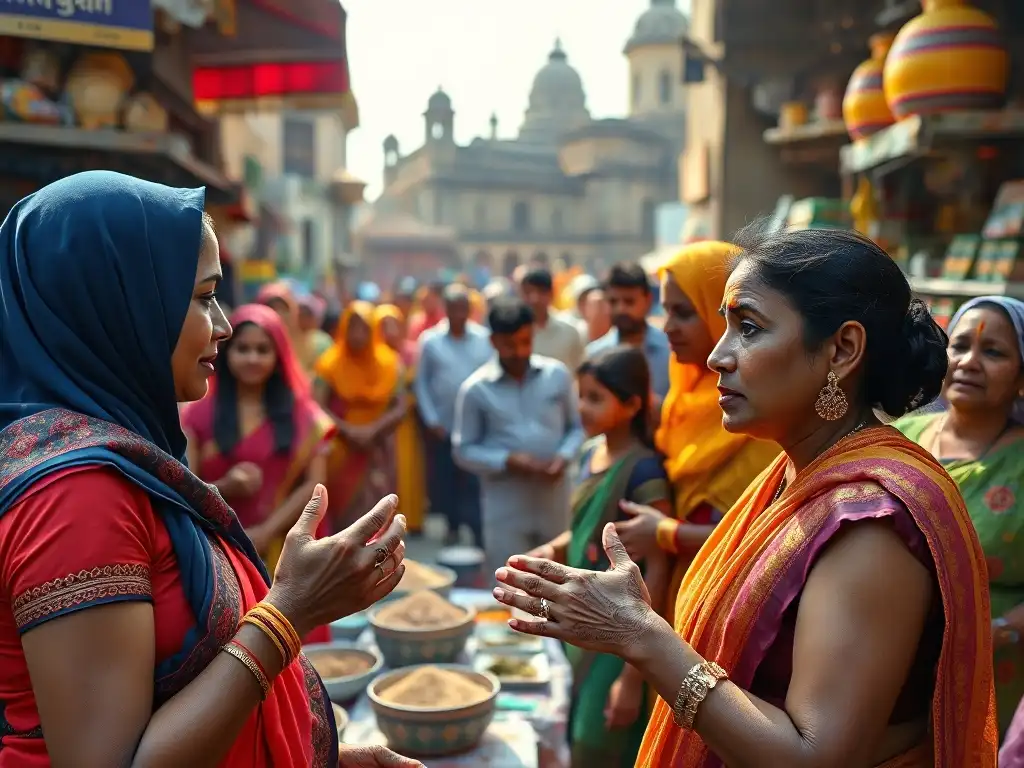
Welcome to Ancient India History, where we embark on an extraordinary journey through the rich tapestry of ancient Indian civilizations! Here, we delve into the profound impact of the ancient caste system, exploring how these historical hierarchies continue to shape modern Indian society in unexpected ways. As you navigate through our insights and stories, prepare to uncover the complexities of daily life, culture, and the legacies that have transcended time. Join us as we unravel the threads of history and spark your curiosity about the enduring influences of the past. Your exploration starts now!
The caste system in India is a complex and enduring social hierarchy that has its roots in ancient traditions and practices. Emerging from the socio-religious framework established during the Vedic period, this system has profoundly influenced the social fabric of the Indian subcontinent for centuries.
Understanding the impact of the ancient caste system is crucial not only to grasp the historical context of Indian society but also to recognize its ongoing implications in contemporary India. This article delves into how the legacies of these ancient hierarchies continue to shape the dynamics of modern society, affecting everything from social interactions to economic opportunities.
Through an exploration of various aspects such as historical foundations, social stratification, and modern-day repercussions, we aim to shed light on the intricate connections between past and present. By examining both the continuity and the evolution of these structures, readers will gain insight into the enduring nature of the caste system and its significant role in shaping the identity and dynamics of Indian society today. Join us as we unravel the complexities of this ancient social order and its lasting legacy in the modern world.
- Understanding the Ancient Caste System in India
- The Impact of Ancient Caste System on Modern Indian Society
- Cultural Legacy of the Caste System
- Political Dimensions of the Caste System
- Social Movements and Changes in Caste Perception
- Conclusion: Reflecting on the Impact of Ancient Caste System
-
Frequently Asked Questions
- What was the caste system in ancient India?
- How has the caste system's legacy influenced modern India?
- What are the key contributions of ancient Indian civilizations?
- How did the Indus Valley Civilization contribute to the caste system?
- What role did the Gupta Empire play in shaping the caste system?
- Final Reflection: The Enduring Impact of Ancient Caste Systems on Modern India
- Unveil the Legacy: Transform Your Understanding of Ancient Hierarchies!
Understanding the Ancient Caste System in India
Definition of the Caste System
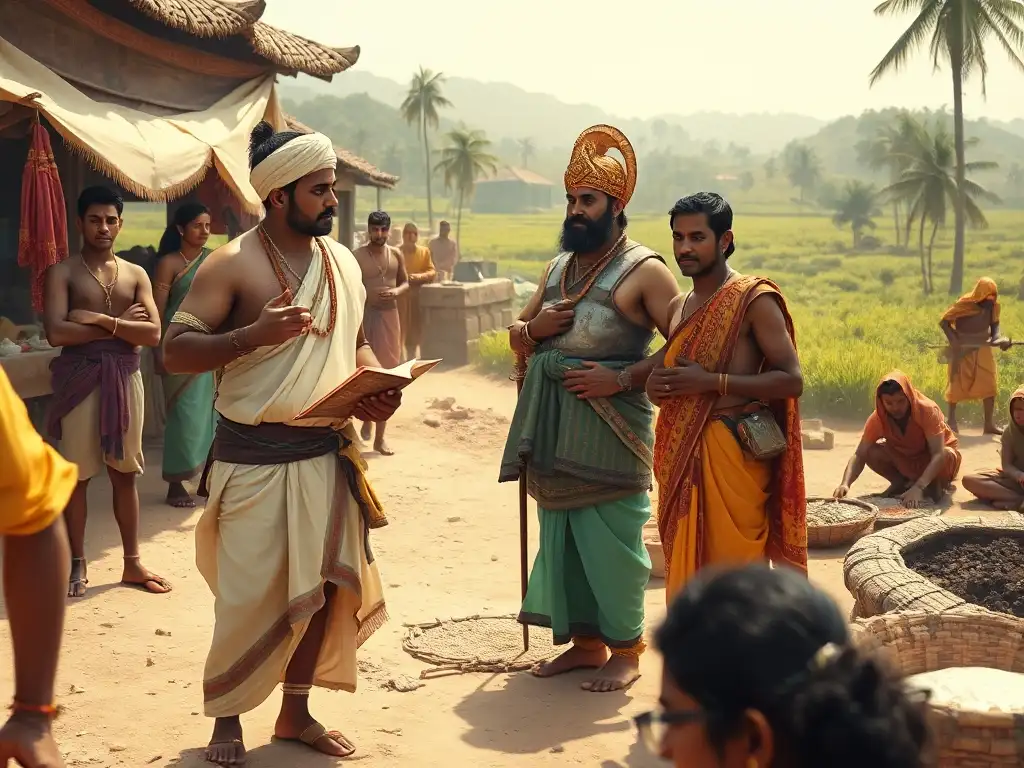
The caste system in ancient India is a hierarchical social structure that classified individuals into different groups based on their occupations, rituals, and social standing. This system, known as varna, originally comprised four primary categories:
- Brahmins: The priestly class responsible for spiritual leadership, rituals, and teaching.
- Kshatriyas: The warrior and ruler class tasked with governance and protection of the realm.
- Vaishyas: The merchant and agricultural class engaged in trade and agriculture.
- Shudras: The laboring class responsible for serving the above three varnas.
The caste system was not merely a social classification; it also dictated many aspects of daily life, including marriage, dietary practices, and occupational choices. Each caste had its own set of duties and responsibilities, creating a complex web of interdependence among the groups.
Historical Origins of Caste in Ancient India
The origins of the caste system can be traced back to the Vedic period, which began around 1500 BCE. Early texts, such as the Rigveda, mention the concept of varna, but it was during the later Dharmashastra texts that the system became more codified. According to traditional beliefs, the caste system is rooted in the Purusha Sukta hymn, where the cosmic being Purusha was sacrificed, and from his body, the four varnas emerged.
Over centuries, the caste system evolved and became more rigid, influenced by factors such as:
- Geographical diversity: Different regions developed unique occupational groups based on local resources.
- Religious practices: Ritual purity and the association of certain occupations with pollution further stratified the system.
- Political power: As kingdoms and empires rose, rulers often utilized caste to maintain control and governance.
This historical progression led to a complex social order that, while originally fluid, became increasingly stratified and hereditary.
Major Castes and Their Roles in Society
The ancient caste system was not solely comprised of the four primary varnas; it encompassed a vast array of sub-castes or jatis, each with specific roles and responsibilities. Here are some of the major castes and their societal roles:
- Brahmins:
- Roles: Conducting rituals, teaching, and preserving sacred texts.
- Influence: They held significant power in religious and educational domains.
- Kshatriyas:
- Roles: Engaging in warfare, governance, and law enforcement.
- Influence: They were crucial in maintaining order and protecting the society from external threats.
- Vaishyas:
- Roles: Involved in agriculture, trade, and commerce.
- Influence: They contributed to the economy and facilitated wealth generation within the society.
- Shudras:
- Roles: Performing manual labor and serving the upper castes.
- Influence: They were essential for the functioning of everyday life, yet often faced social stigmatization.
This intricate system of castes formed the backbone of ancient Indian society, shaping social interactions, economic practices, and cultural norms. Understanding these roles is vital to grasping the impact of the ancient caste system on modern India, where remnants of these hierarchies continue to influence social dynamics today.
The Impact of Ancient Caste System on Modern Indian Society

Continuity of Caste-Based Practices Today
The legacy of the ancient caste system continues to resonate in modern India, influencing social interactions, marriage practices, and community structures. Despite legal prohibitions against caste discrimination, many communities still uphold traditional caste-based practices. The continuity of these practices can be observed in several areas:
- Marriage: Arranged marriages often prioritize caste alignment. Many families prefer to marry within their caste to maintain social status and cultural practices. This preference is evident in matrimonial advertisements, which frequently specify caste as a critical criterion.
- Social Gatherings: Community events, festivals, and religious functions often segregate participants based on caste. Certain rituals and responsibilities may be restricted to specific castes, perpetuating divisions and influencing social cohesion.
- Religious Practices: Caste can dictate access to temples and participation in religious ceremonies. Some temples have historical restrictions based on caste, although many have seen reforms in recent years.
This persistence of caste-based practices highlights the complex interplay between tradition and modernity in Indian society, demonstrating that while legal frameworks may change, social realities can be slower to adapt.
Economic Implications of the Caste System
The economic impact of the ancient caste system is significant and multifaceted. Historically, occupations were assigned based on caste, with certain groups monopolizing specific trades. This division of labor has had lasting effects on modern economic structures in India:
- Employment Opportunities: The caste system has historically constrained individuals to particular professions, often limiting upward mobility. While education and affirmative action policies have opened avenues for marginalized castes, barriers still exist, affecting job opportunities and income levels.
- Access to Resources: Certain castes, particularly those in the higher tiers, have historically had better access to land, capital, and education. This unequal distribution of resources has perpetuated economic disparities, with lower castes often remaining in low-paying and informal jobs.
- Entrepreneurship: Caste can influence business networks and access to funding. Entrepreneurs from higher castes may find it easier to secure investments due to established connections and trust within their communities.
The economic implications of the ancient caste system are evident in contemporary India, where caste still plays a crucial role in shaping individual and group economic outcomes.
The social stratification rooted in the ancient caste system continues to manifest in various forms of inequality in modern India. This enduring hierarchy affects access to education, healthcare, and political representation, resulting in systemic challenges for lower-caste individuals:
- Educational Disparities: Access to quality education often correlates with caste identity. Many lower-caste individuals face discrimination in educational institutions, leading to lower enrollment and completion rates. This educational inequality subsequently affects employment opportunities.
- Healthcare Access: Discrimination based on caste can extend to healthcare systems, where lower-caste individuals may receive inferior treatment or face stigma. Access to healthcare facilities is often unequal, exacerbating health disparities among different caste groups.
- Political Representation: While the Indian Constitution provides for affirmative action to improve representation for marginalized groups, the political landscape is still heavily influenced by caste. Political parties may cater to specific caste groups, leading to the entrenchment of caste-based voting patterns.
The social stratification stemming from the ancient caste system continues to shape contemporary Indian society, underscoring the need for ongoing efforts to address these disparities and promote social equity.
Cultural Legacy of the Caste System
Influence on Festivals and Rituals
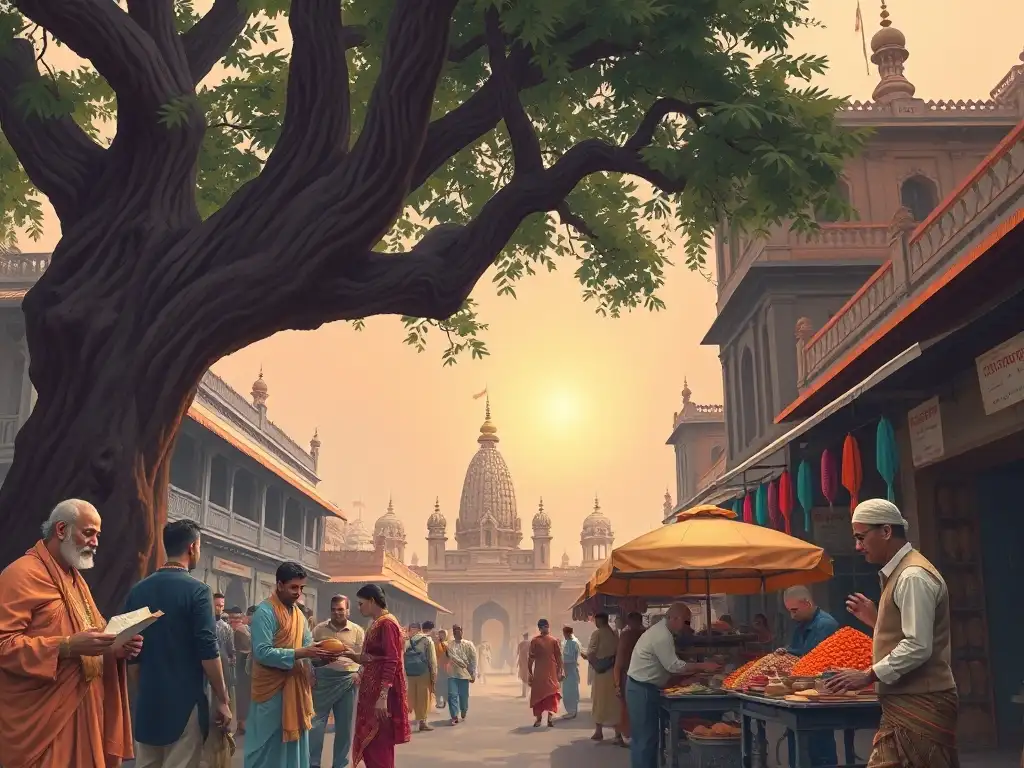
The caste system in ancient India has profoundly influenced the way festivals and rituals are observed in contemporary society. Each caste traditionally has its own set of festivals, often reflecting the specific agricultural, social, or religious practices tied to their historical roles. For instance, the Brahmins may emphasize rituals that involve Vedic chants during major festivals like Diwali or Makar Sankranti, while Dalits may have unique celebrations that stem from their local customs and agricultural cycles.
- Regional Variations: Different regions of India celebrate festivals in ways that often reflect their dominant caste. For example:
- Pongal in Tamil Nadu is primarily celebrated by the agricultural communities, showcasing their reliance on harvest.
- Onam in Kerala highlights the significance of the Puli Kali dance, historically tied to the local caste of performers.
The intertwining of caste with festivals also manifests in the ritual purity associated with certain practices. Festivals often require adherence to specific caste protocols, affecting who can participate in particular rituals and ceremonies. This aspect contributes to ongoing discussions about inclusivity and social equality in modern India, as efforts to democratize festival participation challenge traditional caste-based restrictions.
Caste and Religion: Interconnections in Modern India
The relationship between caste and religion remains a significant aspect of Indian society, deeply rooted in ancient traditions. The hierarchical structures established by the Varna system (Brahmins, Kshatriyas, Vaishyas, and Shudras) continue to influence religious practices today.
- Hinduism: In Hinduism, the caste system is often justified through religious texts, promoting the idea that one's caste is determined by karma and dharma. This belief persists in various forms of worship, where certain rituals and roles are reserved for specific castes.
- Buddhism and Jainism: Both religions emerged as responses to the rigidities of the caste system. While Buddhism sought to abolish caste distinctions, many of its followers still experience caste-related discrimination. Jainism, on the other hand, emphasizes non-violence and community service, but its followers also navigate caste identities in contemporary contexts.
Religious leaders play a crucial role in shaping caste dynamics, often reinforcing traditional hierarchies or advocating for reform. This influence creates a complex web of interactions that continue to shape the social landscape of modern India, impacting everything from political affiliations to personal relationships.
The Role of Caste in Indian Art and Literature
Indian art and literature have long been influenced by the caste system, with varying representations of social hierarchies and relationships. From ancient scriptures to contemporary works, the impact of the caste system is evident in various artistic expressions.
- Literature: Many classical texts, such as the Mahabharata and Ramayana, depict characters from different castes, illustrating their roles and relationships in society. The portrayal of these characters often reflects the values and norms associated with their respective castes, influencing how they are perceived in modern literature.
- Art: Caste distinctions are also manifested in traditional Indian art forms. For example, Madhubani paintings from Bihar often depict themes related to specific deities, rituals, and societal roles, while the Tanjore paintings of Tamil Nadu showcase royal patronage, often associated with higher castes.
The legacy of caste in art and literature raises important questions about representation and inclusivity. As modern Indian artists and writers seek to challenge traditional narratives, they often highlight the struggles and contributions of marginalized communities, thereby fostering a dialogue about caste identity and social justice.
The impact of the ancient caste system on modern Indian society is multifaceted, shaping aspects of cultural practices, religious beliefs, and artistic expressions. Understanding these influences is crucial for navigating the complexities of contemporary social dynamics in India.
Political Dimensions of the Caste System
Caste Politics in Modern India
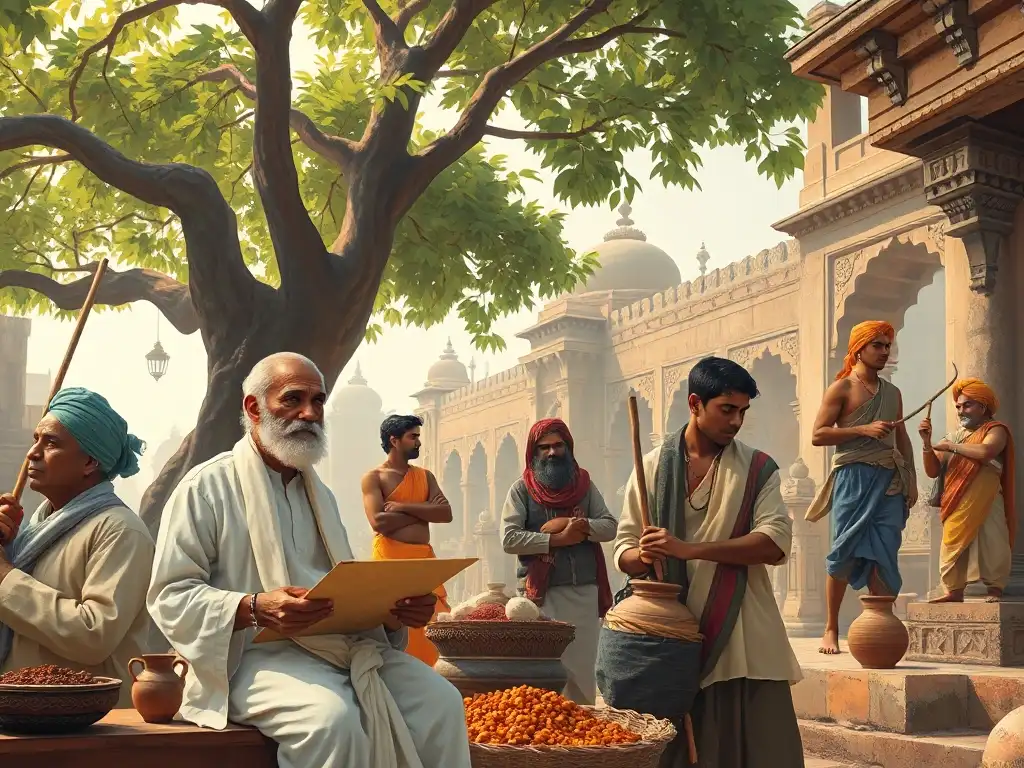
The impact of the ancient caste system on modern Indian politics is profound and multifaceted. Caste identities continue to shape political alliances, voter behavior, and party strategies. Political parties often appeal to specific caste groups, leveraging their collective voting power to secure electoral victories. This phenomenon is particularly evident in states like Uttar Pradesh and Bihar, where caste-based political mobilization has become a pivotal element of electoral campaigns.
Key Aspects of Caste Politics:
- Caste-Based Parties: Numerous political parties in India have emerged that primarily represent the interests of specific caste groups. For example, the Bahujan Samaj Party (BSP) focuses on the rights of Scheduled Castes (SC), Scheduled Tribes (ST), and Other Backward Classes (OBC), while the Rashtriya Janata Dal (RJD) caters to the interests of the Yadav community.
- Electoral Strategies: Caste dynamics influence candidate selection, with parties often choosing candidates from dominant castes in a constituency to maximize their chances of winning. This strategy can lead to the exclusion of other groups, perpetuating existing hierarchies.
- Caste as a Mobilizing Force: Caste identities serve as a powerful mobilizing force for political engagement. Voter turnout can significantly vary based on caste affiliations, affecting the overall democratic process.
Reservation Policies and Their Historical Context
The impact of the ancient caste system is also evident in India's reservation policies, designed to address historical injustices faced by marginalized communities. Introduced during British colonial rule, these policies aimed to uplift the socio-economic status of SCs, STs, and OBCs. The reservations provide a certain percentage of seats in educational institutions, government jobs, and legislative bodies, thereby seeking to rectify historical disparities.
Historical Evolution of Reservation Policies:
- British Era: The British introduced the system of separate electorates for different caste groups, institutionalizing caste identities in the political framework.
- Post-Independence: The Indian Constitution, adopted in 1950, enshrined provisions for affirmative action, establishing quotas for SCs and STs. The Mandal Commission in 1980 further expanded reservations to include OBCs, reflecting the growing recognition of caste-based inequalities.
- Contemporary Debates: The reservation system remains a contentious issue, with debates surrounding its effectiveness, the criteria for eligibility, and the call for reservations for economically weaker sections across all castes.
The Role of Caste in Elections and Governance
Caste continues to play a crucial role in shaping not only electoral outcomes but also governance in modern India. The implications are significant, affecting policy formulation and the representation of diverse communities in government.
Influence on Governance:
- Policy Decisions: Elected representatives often prioritize the needs and demands of their caste constituents, which can lead to policies that favor specific groups over others. This has implications for equitable resource distribution and social justice.
- Representation: The representation of various caste groups in legislative bodies can significantly influence the political landscape. For instance, increased representation of OBCs has altered traditional power dynamics, challenging long-standing hierarchies.
- Caste-Based Conflicts: While caste politics can enhance representation, it can also lead to tensions and conflicts among different groups. The competition for resources and political power can manifest in violence or social unrest, highlighting the complexities of caste relations in governance.
The impact of the ancient caste system on modern India is extensive, influencing political structures, reservation policies, and governance practices. Understanding these dynamics is essential for comprehending the contemporary socio-political landscape of India.
Historical Movements Against Caste Discrimination
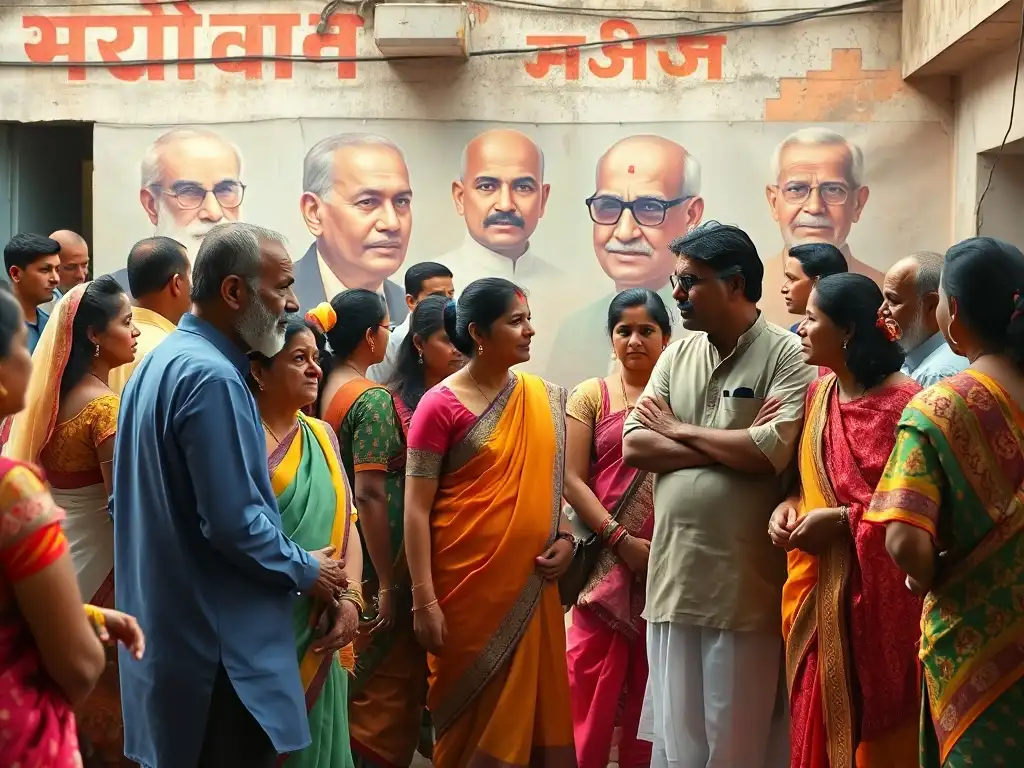
The struggle against caste discrimination in India has deep historical roots, with various movements emerging across different periods to challenge the entrenched hierarchies of the caste system. One of the earliest recorded movements was led by the Buddha in the 6th century BCE, who advocated for equality and social harmony, promoting the idea that one's actions (karma) and intentions were more significant than birth. This foundational philosophy laid the groundwork for future reformers.
In the 19th century, the Brahmo Samaj, founded by Raja Ram Mohan Roy, sought to eradicate social evils associated with caste and promote rational thought. The movement encouraged social reform, including the upliftment of the lower castes, and inspired many to question traditional practices.
Another significant figure was Jyotirao Phule, who, in the late 1800s, launched a movement aimed at improving the status of the lower castes and women. He founded the Satyashodhak Samaj (Society of Truth Seekers) in 1873, which focused on social justice and education for the marginalized. Phule's efforts were pivotal in raising awareness about the injustices of the caste system and advocating for the rights of the oppressed.
The Indian National Movement also played a crucial role in addressing caste discrimination. Leaders like Mahatma Gandhi emphasized the need for social reform, labeling the lower castes as "Harijans" (children of God) to promote dignity and respect. However, it was Dr. B.R. Ambedkar, a prominent figure in the fight against caste oppression, who made transformative contributions. He championed the rights of Dalits and argued for a complete overhaul of the caste system, ultimately drafting the Indian Constitution, which abolished "untouchability" and promoted equality.
Modern Activism and the Fight for Equality
In contemporary India, the fight against caste discrimination has evolved, with various social movements and organizations dedicated to advocating for the rights of marginalized communities. The Dalit Movement, gaining momentum in the late 20th century, has been at the forefront, demanding social justice and political representation. Leaders like Mayawati and Kanshi Ram have worked tirelessly to empower Dalits, mobilizing them politically and socially.
The rise of Ambedkarite organizations has also been significant, promoting the teachings of Dr. B.R. Ambedkar and pushing for the rights of Dalits through education and political engagement. These groups often organize protests, awareness campaigns, and educational programs to challenge caste-based discrimination actively.
In recent years, the digital age has facilitated a new wave of activism. Social media platforms have become vital tools for raising awareness and mobilizing support against caste discrimination. Campaigns such as #DalitLivesMatter have drawn attention to ongoing injustices, amplifying voices that were once marginalized.
Moreover, various NGOs and civil society organizations are working on the ground to provide resources, education, and support for those affected by caste discrimination. Initiatives focused on economic empowerment, legal aid, and community development are essential in fostering change and promoting equality across social strata.
The Role of Education in Changing Caste Dynamics
Education has emerged as a powerful tool in dismantling the rigid structures of the caste system. Access to quality education can significantly alter the social dynamics and empower individuals from marginalized communities.
Historically, the denial of educational opportunities was one of the primary means of maintaining caste hierarchies. However, initiatives such as Reservation Policies in India, which allocate a certain percentage of educational and employment opportunities to Scheduled Castes and Scheduled Tribes, aim to rectify historical injustices and promote equal access.
Educational institutions, particularly those emphasizing inclusive curricula and social justice, play a crucial role in raising awareness about the caste system and its impacts. Schools and colleges that encourage discussions around caste discrimination foster critical thinking among students, challenging preconceived notions and promoting empathy.
Furthermore, individuals from lower castes who attain higher education often become role models within their communities. Their success stories inspire others to pursue education and challenge the societal norms associated with caste. By breaking the cycle of poverty and ignorance, education can effectively contribute to changing caste dynamics and promoting social mobility.
The interplay of historical movements, modern activism, and educational initiatives is pivotal in reshaping perceptions of the caste system in India. As society progresses, the impact of these efforts continues to reverberate, highlighting the ongoing struggle for equality and justice in the face of deep-seated social hierarchies.
Conclusion: Reflecting on the Impact of Ancient Caste System
Summary of Key Points
The impact of the ancient caste system on modern India is multifaceted and significant. Throughout the course of Indian history, this social hierarchy has shaped not only personal identities but also broader societal structures. Here are some key points that encapsulate its legacy:
- Social Stratification: The caste system established rigid social strata, which continue to influence interactions among different groups in present-day India. Despite legal abolishment, many individuals still navigate social dynamics through the lens of caste.
- Economic Disparities: Historically, certain castes were assigned specific occupations, leading to economic divisions that persist today. For instance, Scheduled Castes (SCs) and Scheduled Tribes (STs) often face challenges in accessing resources and opportunities.
- Political Influence: The caste system has also played a pivotal role in Indian politics, with various parties and movements forming along caste lines. This political mobilization can both empower marginalized groups and perpetuate divisions.
- Cultural Identity: Caste has deeply influenced cultural practices, rituals, and community interactions, shaping regional identities that are still evident in modern cultural expressions.
Future Perspectives on Caste in India
Looking ahead, the impact of the ancient caste system will likely continue to evolve as India grapples with modernization and globalization. Here are several perspectives on the future of caste in India:
- Legal Reforms and Affirmative Action: Ongoing legal measures and affirmative action policies aim to uplift marginalized communities. The effectiveness of these initiatives will be crucial in determining whether caste-based inequalities diminish over time.
- Education and Awareness: Increased access to education can challenge traditional views on caste. As more individuals from lower caste backgrounds pursue higher education, the societal perception of caste may shift, fostering greater equality.
- Urbanization: As urban areas become melting pots of diverse cultures and backgrounds, the rigid boundaries of caste may blur. Inter-caste relationships and collaborations in urban settings could facilitate a more integrated society.
- Global Influence: The impact of globalization and migration may also alter caste dynamics. Exposed to diverse cultures, younger generations may adopt more inclusive attitudes, challenging age-old hierarchies.
Final Thoughts on the Legacy of the Caste System
The legacy of the ancient caste system in India is a complex tapestry woven from historical, social, and cultural threads. While the system's roots lie deep in ancient traditions, its ramifications are very much alive in contemporary society. The ongoing struggle against caste-based discrimination signifies a critical aspect of India's journey towards social justice and equality.
As India continues to evolve, recognizing the historical context of the caste system is vital for fostering a more equitable society. Addressing the enduring impacts of caste will require collective efforts—both at the grassroots level and through policy initiatives—to dismantle the barriers that have persisted for centuries. Only through sustained dialogue, education, and reform can India hope to transcend these ancient hierarchies and build a more inclusive future.
Frequently Asked Questions
What was the caste system in ancient India?
The caste system was a social hierarchy that categorized individuals into distinct groups based on their occupation and birth, influencing various aspects of life, including marriage, social interactions, and economic opportunities.
How has the caste system's legacy influenced modern India?
The legacy of the caste system continues to affect modern India by impacting social dynamics, political representation, and economic inequality, making it a significant factor in contemporary social issues and discrimination.
What are the key contributions of ancient Indian civilizations?
Ancient Indian civilizations made significant contributions in various fields, including mathematics, science, art, and literature, which have had a lasting impact on both Indian culture and global knowledge.
How did the Indus Valley Civilization contribute to the caste system?
The Indus Valley Civilization laid the foundation for social stratification, where evidence suggests early forms of hierarchical organization that later influenced the development of the caste system in subsequent Indian societies.
What role did the Gupta Empire play in shaping the caste system?
During the Gupta Empire, the caste system became more defined and codified, influencing social structure and religious practices, which helped entrench the hierarchies that persist in various forms today.
Final Reflection: The Enduring Impact of Ancient Caste Systems on Modern India
The legacy of the caste system remains a powerful force in contemporary Indian society, shaping social dynamics, economic opportunities, and individual identities. As we navigate a world increasingly defined by globalization and technological advancement, it is crucial to recognize how these ancient hierarchies continue to influence modern interactions and societal structures. The caste system is not merely a relic of the past; it is a living framework that still dictates the lives of millions, reminding us that history's shadows can loom large over the present.
The impact of the caste system extends beyond mere social stratification; it permeates the cultural fabric of India, affecting everything from marriage practices to political representation. This ongoing influence serves as a poignant reminder of the need for awareness and change. As Mahatma Gandhi once said, The true measure of any society can be found in how it treats its most vulnerable members.
This quote encapsulates the essence of our responsibility to challenge and dismantle the remnants of caste-based discrimination, fostering a more equitable society for all.
As we reflect on the lessons of the caste system's legacy, I invite you to consider your role in shaping a more inclusive future. How can you contribute to breaking down barriers and promoting equality in your community? Let this be a call to action, encouraging you to engage with the complexities of social hierarchies and advocate for justice and understanding. Together, we can honor the past while forging a path toward a more equitable tomorrow, ensuring that the impact of ancient caste systems does not define our collective future.
Unveil the Legacy: Transform Your Understanding of Ancient Hierarchies!
Thank you for diving into the complex world of the caste system and its ongoing impact in modern India. You've taken an important step in understanding how ancient social structures continue to shape contemporary society. Now, let’s move this knowledge from the page into practice!
Here’s how you can engage further and make a difference:
- Join a community discussion: Connect with others who are interested in social dynamics by participating in online forums or local groups that focus on caste, culture, and equity.
- Share your insights: Discuss what you've learned with friends or on social media to foster awareness and spark conversations about social hierarchies.
- Explore more resources: Investigate scholarly articles and personal narratives related to the caste system and its effects on modern India; consider reading books, watching documentaries, or attending lectures.
What new perspective have you gained about the caste system that could inspire change in your community? **We invite you to share your thoughts below! **