
The Role of Festivals in Bridging Caste Divides in Ancient India

Welcome to Ancient India History, where we embark on a fascinating journey through the vibrant tapestry of ancient Indian civilizations. As we delve into the role of festivals in ancient Indian culture, you'll uncover how these celebratory occasions not only marked the passage of time but also served as powerful tools for bridging caste divides. What unique traditions and communal bonds did these festivals foster?
Join us as we explore this captivating aspect of daily life and society in ancient India, and prepare to be inspired by the rich cultural heritage that continues to influence us today. Keep reading to discover the remarkable stories behind these age-old celebrations!
Introduction to Festivals in Ancient Indian Culture
Festivals have always been a vibrant and integral part of ancient Indian culture, serving not only as a means of celebration but also as a significant social mechanism. They played a crucial role in fostering community ties, transcending the rigid boundaries of the caste system that often defined interpersonal relations in ancient societies.
By examining the multifaceted role of festivals, we can uncover how these celebrations acted as a bridge, connecting diverse groups and promoting a sense of unity among people from different backgrounds. Festivals in ancient India were not merely occasions for revelry; they were platforms where individuals from various castes could come together, share experiences, and partake in collective rituals, thereby diminishing the barriers imposed by social divisions.
Importance of Festivals in Social Cohesion
Festivals in ancient India were instrumental in promoting social cohesion among different castes. They offered a unique opportunity for individuals to engage in shared traditions and rituals, which fostered a sense of belonging and community spirit. The following aspects highlight their importance:
- Collective Participation: Festivals encouraged participation from all segments of society, allowing people to set aside their differences and celebrate together.
- Cultural Exchange: These occasions facilitated the exchange of cultural practices, beliefs, and values, enriching the communal fabric.
- Rituals and Ceremonies: Shared rituals, such as processions, prayers, and feasts, served as common ground for interaction among various caste groups.
Overview of Caste Divides in Ancient India
The caste system in ancient India was a complex social hierarchy that dictated the roles, responsibilities, and interactions of individuals. With four primary categories—Brahmins, Kshatriyas, Vaishyas, and Shudras—this system often created divisions that hindered social mobility and interaction. Understanding the impact of festivals on these divides is essential:
- Rigid Boundaries: Castes were characterized by strict boundaries, influencing aspects such as marriage, occupation, and social interaction.
- Social Stigma: Members of lower castes often faced discrimination and marginalization, limiting their participation in broader societal activities.
- Potential for Unity: Despite these divides, festivals offered potential for breaking down barriers, as they brought people together in celebration and reverence.
Historical Context of Festivals in Ancient Indian Society
The historical landscape of ancient India reveals a dynamic evolution of festivals, shaped by cultural, religious, and social influences. By exploring this context, we can appreciate how festivals served as a unifying force across different epochs.
Evolution of Festivals from the Indus Valley to the Gupta Empire
Festivals can be traced back to the Indus Valley Civilization, where evidence of communal gatherings and celebrations has been found. Over the centuries, these festivals evolved significantly:
- Indus Valley Civilization: Early festivals likely centered around agricultural cycles and nature worship, reflecting the community's reliance on agriculture.
- Vedic Period: The emergence of rituals and ceremonies associated with Vedic deities marked a transition towards more structured festivals that involved elaborate rites.
- Gupta Empire: During this period, festivals became more elaborate, incorporating diverse regional practices and laying the groundwork for many contemporary celebrations.
Major Festivals Celebrated Across Different Regions
Ancient India was home to a plethora of festivals, each with unique cultural significance that transcended regional and caste boundaries. Some notable festivals included:
- Diwali: Celebrated across India, Diwali symbolizes the victory of light over darkness and is marked by communal gatherings, feasting, and fireworks.
- Holi: Known as the festival of colors, Holi encourages people to come together in joyous celebration, breaking down social barriers through playful interactions.
- Pongal: Particularly in South India, this harvest festival fosters unity among agricultural communities, emphasizing gratitude and communal sharing.
Through these diverse celebrations, the role of festivals in ancient Indian culture becomes evident, as they served not only to honor deities and seasonal changes but also to strengthen communal bonds and bridge caste divides.
Festivals in ancient Indian culture served as vital agents of social integration, fostering a sense of community and belonging across different castes. These celebrations often transcended social boundaries and created opportunities for interaction among diverse groups. By bringing people together for shared experiences, festivals played a pivotal role in mitigating caste divisions and reinforcing social cohesion. The communal aspects of these festivals allowed individuals from various backgrounds to engage in collective rituals, celebrations, and festivities, thereby blurring the rigid lines often drawn by the caste system.
Moreover, the vibrant nature of these gatherings facilitated not only social interaction but also cultural exchange. As people from different castes participated in the same festival, they shared their unique customs, food, music, and dances, cultivating mutual respect and understanding. This dynamic interplay contributed to a gradual softening of caste distinctions, allowing for a more unified social fabric, especially during significant festivals like Diwali, Holi, and Makar Sankranti.
How Festivals Fostered Interactions Among Different Castes
Festivals provided structured opportunities for individuals from various castes to come together, often in public spaces such as temples or community grounds. This communal participation was crucial in breaking down barriers, as it encouraged voluntary interactions. During festivals, people were more likely to engage in communal meals, joint worship, and public performances, facilitating connections that may have otherwise been limited by caste restrictions.
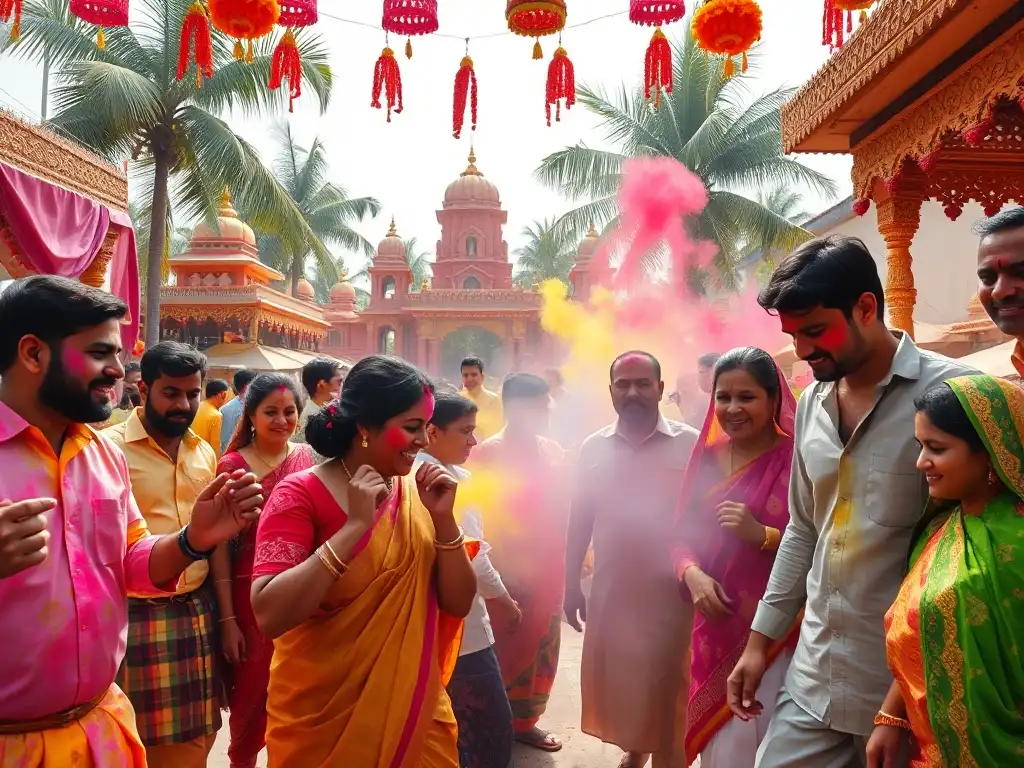
For instance, during the festival of Holi, the act of throwing colored powders was not only a form of celebration but also a symbolic gesture of equality. People from different castes would partake in the festivities, momentarily setting aside their social standings. This shared experience allowed for laughter, camaraderie, and a sense of belonging that transcended caste divisions.
Additionally, festivals often included rituals that required collective participation, such as the preparation of traditional foods or the construction of temporary altars. These activities necessitated collaboration across caste lines, thus fostering relationships and encouraging a sense of unity among participants. The blending of traditions and practices during these events contributed significantly to social integration in ancient Indian society.
Case Studies of Notable Festivals Promoting Unity
Several notable festivals in ancient India exemplified the role of celebrations in promoting unity among castes. One prominent example is the Kumbh Mela, a massive pilgrimage and festival that draws millions of devotees from various backgrounds. The Kumbh Mela emphasizes shared religious devotion and communal worship, creating an environment where caste distinctions are diminished in favor of spiritual unity.
Another example is the festival of Baisakhi, celebrated primarily in Punjab. This harvest festival not only marks the beginning of the new harvest season but also serves as a time for community gatherings. During Baisakhi, people from different castes come together to partake in traditional music, dance, and feasting, thereby strengthening social bonds and promoting harmony.
Additionally, the festival of Onam in Kerala showcases the spirit of inclusivity. Celebrated by various communities, Onam features a grand feast known as the Onam Sadya, which includes dishes prepared by individuals from different castes. This act of sharing food transcends social barriers, fostering a communal spirit and reinforcing the idea of unity in diversity.
Rituals and Practices During Festivals
Rituals and practices during festivals in ancient India were often imbued with deep cultural significance and served as a means to reinforce communal identity. These rituals provided a framework for social interaction, allowing individuals from different castes to engage in shared activities. The collective participation in rituals such as prayers, offerings, and ceremonies fostered a sense of belonging and unity among attendees.
Furthermore, the diverse range of rituals performed during festivals often displayed a blend of regional traditions and practices, highlighting the rich tapestry of Indian culture. As various castes participated in these rituals, they contributed their unique customs, enhancing the overall celebratory experience while promoting inter-caste understanding.
Common Rituals Shared by Various Castes
Common rituals during festivals often included elements such as communal prayers, processions, and feasting. For instance, during Diwali, the festival of lights, families from different castes would come together to light diyas (oil lamps) and share sweets, symbolizing joy and prosperity. This shared act of worship and celebration created an inclusive atmosphere where caste lines were temporarily dissolved.
Another widely observed practice was the communal gathering for rituals at local temples. During festivals, temples would often host large celebrations that included chanting, singing, and other devotional activities. These events not only attracted devotees from various castes but also encouraged participation in rituals that emphasized collective worship and reverence.
The act of sharing food was also a significant ritual that transcended caste boundaries. Many festivals featured community kitchens (langars) where meals were prepared and served to all attendees, regardless of their social status. This practice not only nourished the body but also nourished the spirit of equality and togetherness.
Influence of Local Traditions on Festival Celebrations
The influence of local traditions on festival celebrations in ancient India played a crucial role in shaping the character and significance of these events. Each region had its unique cultural practices and customs that were integrated into larger festival celebrations. This localization of festivals resulted in diverse expressions of shared identity, allowing for variations that reflected the rich cultural heritage of different communities.
For example, while Diwali is celebrated across India, the way it is observed varies significantly from region to region. In West Bengal, it coincides with the goddess Durga's worship, while in the north, it emphasizes the return of Lord Rama. Such variations in rituals and practices not only showcase regional diversity but also promote inter-caste participation as people come together to learn and appreciate different customs.
Additionally, local agricultural practices often influenced the timing and nature of festivals, especially those related to harvests. Festivals like Pongal in Tamil Nadu and Makar Sankranti in other states celebrate the harvest season, bringing people together to give thanks for the bounty. These celebrations often include local music, dance, and cuisine, further enhancing community bonds and promoting unity across caste lines.
The intertwining of local traditions with broader festival practices exemplifies how festivals in ancient Indian culture served as platforms for social integration, fostering unity and understanding among diverse castes.
Role of Festivals in Challenging Caste Norms
In ancient India, festivals were not merely occasions for celebration but also played a pivotal role in challenging and reshaping the rigid caste norms that defined social interactions. These events acted as catalysts for social integration, transcending the boundaries that typically separated various caste groups. By fostering communal participation, festivals created environments where people from different backgrounds could come together, share experiences, and engage in collective rituals. This phenomenon not only promoted a sense of unity but also gradually eroded the barriers imposed by the caste system.
The communal nature of festivals facilitated interactions between individuals of varying social standings. For instance, during large gatherings, such as the Kumbh Mela, which attracted participants from all walks of life, the divisions of caste were often temporarily suspended. People participated in shared rituals, feasted together, and engaged in cultural exchanges, thereby challenging the established norms that dictated social hierarchies. The spirit of inclusiveness inherent in many festivals encouraged a sense of belonging and solidarity among diverse groups, thus contributing to a slow but significant shift in caste dynamics.
Festivals as Platforms for Social Change
Festivals served as powerful platforms for social change by promoting values of equality and unity among participants. Many festivals featured rituals that symbolized the dismantling of caste barriers, such as communal prayers, shared meals, and collective dances. These practices not only fostered harmony but also highlighted the interconnectedness of all individuals, regardless of caste affiliations.
One notable example is the festival of Holi, which celebrates the arrival of spring. Holi is characterized by the throwing of colored powders and water, an act that transcends caste distinctions as everyone participates in the festivities with equal fervor. The playful nature of Holi encourages interactions among various caste groups, allowing individuals to temporarily set aside their societal roles. This engagement fosters a spirit of camaraderie and mutual respect, reinforcing the idea that joy and celebration are universal experiences.
Moreover, festivals often included performances of folk arts and local traditions that showcased the diverse cultural heritage of the community, further promoting an appreciation of various customs and practices across caste lines. These artistic expressions contributed to a broader understanding of shared identities, which facilitated social cohesion and reduced the perceived barriers between caste groups.
Examples of Festivals Encouraging Caste Intermingling
Several key festivals in ancient India exemplified the practice of intermingling among castes, showcasing the potential for unity amidst diversity.
- Pongal: Celebrated predominantly in Tamil Nadu, Pongal is a harvest festival that encourages participation from all agricultural communities. The rituals associated with Pongal, such as cooking the traditional dish of rice and offering it to the sun god, invite people of different castes to come together in celebration. The festival’s emphasis on gratitude and abundance fosters communal bonds that transcend caste divisions.
- Durga Puja: This festival, especially popular in Bengal, highlights the themes of victory over evil and unity among diverse groups. During Durga Puja, people from various castes engage in elaborate preparations, rituals, and processions. The collective effort involved in the festivities promotes camaraderie and encourages interactions among participants, breaking down caste barriers.
- Navaratri: This nine-night festival honoring the goddess Durga involves music, dance, and communal worship. The Garba and Dandiya Raas dances are characterized by their inclusiveness, drawing participants from different castes to join in the celebration. The shared experience of dance and devotion fosters a sense of equality and collective identity.
The Influence of Religion on Festivals and Caste Dynamics
The intersection of religion and festivals played a crucial role in shaping the dynamics of caste in ancient India. Religious beliefs and practices provided a framework within which festivals were celebrated, influencing their significance and the interactions they encouraged among different caste groups.
Religious Significance of Festivals in Ancient India
Festivals in ancient India were deeply rooted in religious significance, often commemorating mythological events, seasonal changes, or agricultural cycles. These celebrations frequently included rituals, prayers, and offerings to deities, reinforcing the spiritual aspect of communal gatherings. The shared act of worship not only fostered a sense of belonging but also provided a common ground for individuals from different castes to engage with one another.
The reverence associated with these festivals often overshadowed caste distinctions, positioning devotion and spirituality as more significant than social hierarchy. For instance, during the festival of Diwali, the celebration of the triumph of light over darkness brought people together for prayers, feasting, and festivities, emphasizing collective joy regardless of caste affiliations.
The Interaction Between Religion and Caste in Festival Celebrations
The interaction between religion and caste during festival celebrations often resulted in complex dynamics where religious beliefs both reinforced and challenged caste systems. While certain rituals may have been exclusive to higher castes, the inclusive nature of many festivals allowed for participation from all groups. This duality illustrated the ongoing negotiation between adherence to traditional caste roles and the emerging sense of communal identity.
In some instances, religious leaders and reformers used festivals as opportunities to advocate for social change, emphasizing the importance of equality and unity. Figures such as Saint Kabir and Guru Nanak highlighted the need for transcending caste divisions through their teachings, which resonated during festival celebrations. Their messages found expression in communal festivals, inspiring collective action that sought to dismantle entrenched social hierarchies.
Overall, the interplay between religion and festivals contributed to a gradual evolution of caste dynamics in ancient India, fostering an environment where social change could take root amidst the rich tapestry of cultural and religious practices.
Conclusion: The Lasting Impact of Festivals on Caste Relations
Festivals in ancient Indian culture played a pivotal role in mitigating caste divides and fostering a sense of community. They served as a platform where individuals from various social strata could come together, celebrate, and participate in shared rituals. This communal vibe often transcended the rigid boundaries imposed by the caste system, allowing for greater interaction and understanding among diverse groups. The collective participation in festivals not only facilitated social mixing but also nurtured a sense of belonging and identity that was crucial for the socio-cultural fabric of ancient India.
The celebration of festivals often included elements that honored deities and local traditions, further reinforcing the idea of inclusivity. For example, during major festivals like Diwali or Makar Sankranti, people from different castes would engage in communal activities, share food, and perform rituals together. Such practices fostered relationships that were based on mutual respect and shared joy, ultimately contributing to a gradual breakdown of caste barriers. The historical significance of these festivals continues to resonate, echoing the importance of inclusivity and cooperation in society.
Reflection on the Contemporary Relevance of Ancient Festivals
The relevance of ancient festivals in today's context cannot be overstated. In modern India, where caste divisions still persist, the spirit of these festivals can offer valuable lessons. They remind us of a time when communities came together, celebrating diversity rather than allowing it to divide them. Current celebrations often incorporate elements that reflect this spirit of togetherness, fostering interactions among diverse groups.
Moreover, contemporary festivals often serve as platforms for social reform, drawing attention to issues of caste discrimination and promoting messages of unity and equality. The essence of ancient festivals can inspire collective efforts to bridge divides, encouraging people to acknowledge and respect differences while celebrating shared cultural heritage. This legacy of festivals as tools for social cohesion continues to shape modern Indian society, providing a framework for addressing contemporary social challenges.
Final Thoughts on Festivals as Catalysts for Social Harmony
Festivals in ancient Indian culture were more than mere celebrations; they acted as catalysts for social harmony. By bringing together individuals from various castes and backgrounds, these festivals helped to cultivate a collective identity that transcended social divisions. The vibrant tapestry of rituals, shared experiences, and communal joy created an environment conducive to understanding and acceptance.
As we reflect on the role of festivals in bridging caste divides, it becomes clear that their impact is both historical and ongoing. They offer a blueprint for fostering inclusivity and social cohesion in a diverse society. Emphasizing the lessons learned from ancient practices can guide contemporary efforts to promote social harmony, making festivals a vital element in the ongoing discourse around caste and community relations in India.
References
Academic Sources
- Basham, A. L. (1954). The Wonder That Was India. New York: Penguin Books. This seminal work provides an overview of ancient Indian culture, including the role of festivals in social structures.
- Srinivasan, K. (2014). "The Role of Festivals in the Cultural Framework of Indian Society." Journal of South Asian Studies, 27(2), 123-136. This article explores the social implications of festivals in ancient India.
Historical Texts and Artifacts
- The Rigveda: This ancient Indian scripture includes references to various rituals and festivals that highlight the communal aspects of ancient Indian life.
- Arthashastra by Kautilya: This ancient treatise offers insights into the socio-economic aspects of ancient Indian society, including the significance of festivals in maintaining social order and harmony.
These sources and artifacts illustrate the integral role of festivals in shaping social dynamics and bridging caste divides in ancient India, serving as a testament to their enduring legacy.
- Introduction to Festivals in Ancient Indian Culture
- Historical Context of Festivals in Ancient Indian Society
- Festivals as Agents of Social Integration
- Rituals and Practices During Festivals
- Role of Festivals in Challenging Caste Norms
- The Influence of Religion on Festivals and Caste Dynamics
- Conclusion: The Lasting Impact of Festivals on Caste Relations
- References
- What were some key festivals in ancient Indian culture?
- How did festivals contribute to social cohesion in ancient India?
- Were there any specific festivals dedicated to deities in ancient India?
- How did the timing of festivals affect agricultural practices?
- Did festivals in ancient India influence art and literature?
Frequently Asked Questions
What were some key festivals in ancient Indian culture?
Ancient Indian culture celebrated various festivals such as Makar Sankranti, Diwali, and Holi, which played significant roles in community bonding and spiritual practices.
Festivals helped bridge caste divides by encouraging interactions among different social groups, fostering a sense of unity and shared identity during celebrations.
Were there any specific festivals dedicated to deities in ancient India?
Yes, many festivals were dedicated to prominent deities like Durga, Krishna, and Shiva, symbolizing devotion and cultural significance within the society.
How did the timing of festivals affect agricultural practices?
Festivals often aligned with harvest cycles, celebrating the fruits of labor and reinforcing the connection between agriculture and religious practices in ancient Indian life.
Did festivals in ancient India influence art and literature?
Absolutely! Festivals inspired artistic expressions and literary works, reflecting the rich tapestry of cultural narratives and mythology that shaped ancient Indian civilization.
Final Reflection: Festivals as Catalysts for Unity in Ancient Indian Culture
In exploring the intricate tapestry of festivals in ancient Indian culture, we uncover their profound role in fostering social cohesion and bridging caste divides. These vibrant celebrations were not merely occasions for merriment; they served as vital platforms for interaction and understanding among diverse communities. Today, as we navigate a world still grappling with social stratification, the lessons from these ancient practices resonate powerfully. Festivals have the potential to transcend barriers, uniting people in shared joy and collective identity.
The influence of these festivals extends far beyond their historical context; they continue to shape the cultural and social landscape of modern India. By celebrating shared traditions and values, festivals promote inclusivity and understanding among different castes and communities. As we reflect on this enduring legacy, we are reminded of the words of Mahatma Gandhi: Unity is not the absence of conflict, but the ability to cope with it.
This sentiment underscores the importance of festivals as a means to navigate and embrace our differences, fostering a sense of belonging and mutual respect.
As we conclude, I invite you to reflect on the role of festivals in your own life and community. Consider how these celebrations can serve as opportunities for connection and understanding, helping to break down the barriers that still exist today. Embrace the spirit of unity that festivals embody, and let it inspire you to engage with others, fostering a culture of inclusivity and harmony. Together, we can honor the lessons of our past and create a brighter, more unified future.
Unveil the Power of Festivals in Unity!
Thank you for exploring the fascinating world of festivals and their vital role in bridging divides in society. You’ve discovered valuable insights that highlight the unifying potential of these cultural celebrations. Now, it’s time to take that knowledge and put it into action!
Here are a few steps you can take to connect with this topic in a deeper way:
- Join a local cultural festival and experience firsthand how these gatherings promote inclusivity and strengthen community bonds.
- Share this article with friends and family to spark conversations about the importance of cultural unity in today’s world.
- Participate in an online forum or social media group dedicated to discussing the history of festivals to delve deeper into their impact on social dynamics.
What are your thoughts on how festivals can continue to bridge divides in our modern society? Share your insights below!