
The Evolution of Indian Artifacts in the Global Auction Scene


Welcome to Ancient India History, where we embark on an enlightening journey through the rich tapestry of ancient Indian civilizations. Discover how the echoes of the Indus Valley and the grandeur of the Gupta Empire have shaped not only a nation but also the global stage for art and culture.
In our featured article, "The Evolution of Indian Artifacts in the Global Auction Scene," we delve into the fascinating world of Indian artifacts, exploring their significance and the intriguing dynamics of their presence in global auctions. Prepare to uncover the hidden stories and transformative impact these treasures hold—your adventure into the past begins now!
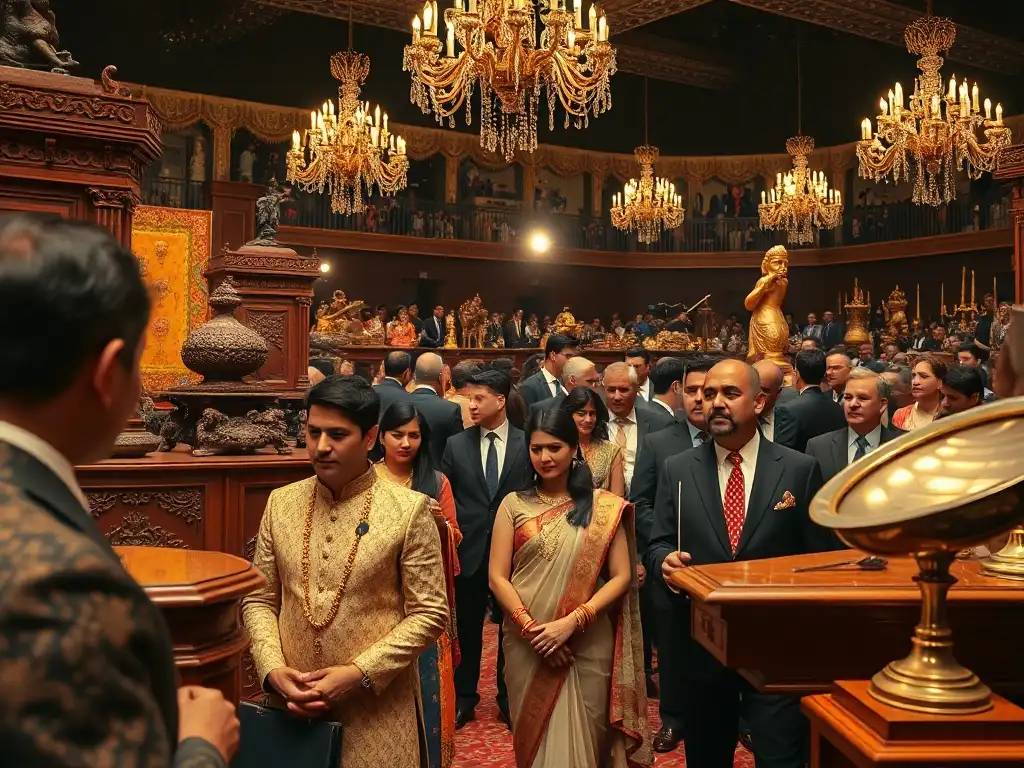
Introduction to Indian Artifacts in Global Auctions
The world of art and antiquities has seen a remarkable transformation over the years, particularly concerning Indian artifacts in global auctions. These artifacts, which embody the rich cultural heritage and artistic prowess of ancient Indian civilizations, have captured the attention of collectors and investors worldwide. From intricate sculptures to beautifully crafted textiles, the significance of these items extends beyond mere aesthetics; they serve as tangible links to India's profound history and diverse traditions.
As we delve into this topic, it is essential to understand how Indian artifacts have evolved within the context of global marketplaces. The burgeoning interest in these pieces reflects a broader trend of globalization, where cultural items are both sought after and revered. Consequently, the auction scene has become a pivotal platform for promoting and preserving Indian heritage, offering insights into not just the artifacts themselves but also the historical narratives they encapsulate.
Historical Context of Indian Artifacts
The history of Indian artifacts is as diverse as the civilizations that produced them. From the Indus Valley Civilization, known for its advanced urban planning and artistic craftsmanship, to the grand artistry of the Gupta Empire, the evolution of Indian artifacts has been shaped by various cultural, religious, and technological influences.
- Indus Valley Civilization (c. 3300–1300 BCE): Known for its intricate seals, pottery, and figurines, this civilization displayed a high level of craftsmanship that laid the foundation for future artistic endeavors.
- Maurya and Post-Maurya Periods (c. 322–185 BCE): The introduction of stone carvings and sculptures marked a significant advancement in artistic expression, exemplified by the Ashoka Pillars.
- Gupta Period (c. 240–550 CE): Often referred to as the Golden Age of India, this period was characterized by remarkable advancements in art, literature, and science. Artifacts from this period, such as exquisite sculptures of deities and intricate coins, are highly prized.
These historical contexts are crucial in understanding the provenance and value of Indian artifacts in today's auction market. Each piece carries a story, a cultural significance that enhances its desirability among collectors.
The Rise of Indian Artifacts in Global Auctions
In recent years, the demand for Indian artifacts in global auctions has witnessed a dramatic increase. This surge can be attributed to several factors:
- Growing Global Interest: The global appreciation for Indian culture and history has intensified, leading to increased interest from international collectors and investors.
- Auction Houses' Role: Renowned auction houses have begun to actively promote Indian artifacts, providing a platform for these treasures to reach a wider audience.
- Investment Potential: As art continues to be considered a viable investment, Indian artifacts are increasingly seen as valuable assets that can appreciate over time.
The intersection of these factors has created a vibrant market for Indian artifacts, positioning them as desirable items in global auctions. Not only do they represent a cultural heritage, but they also offer potential financial returns, making them attractive to a diverse range of buyers.
As we explore the intricate dynamics of this market, it becomes clear that the evolution of Indian artifacts in the global auction scene is not merely a reflection of their aesthetic appeal but also an acknowledgment of their historical and cultural significance.
Factors Influencing the Value of Indian Artifacts in Global Auctions
The value of Indian artifacts in global auctions is shaped by a multitude of factors, each playing a crucial role in determining how much collectors and investors are willing to pay. Here are some key influences:
- Provenance: The history and origin of an artifact significantly impact its value. Artifacts with a documented history of ownership, particularly those associated with notable individuals or significant historical events, tend to attract higher bids.
- Rarity: Unique items or those that are part of a limited series often command higher prices. Rarity can stem from the age of the artifact, the materials used, or the cultural significance it embodies.
- Condition: The physical state of an artifact is paramount. Well-preserved items with minimal damage or restoration work are more desirable. Collectors often prefer artifacts that retain their original features and craftsmanship.
- Market Trends: The demand for certain types of artifacts can fluctuate based on current trends in the art and antiques market. Factors such as popular exhibitions or increased interest in Indian culture can lead to spikes in auction prices.
- Cultural Significance: The cultural context of an artifact can enhance its appeal. Items that represent important aspects of Indian heritage, such as religious artifacts or traditional crafts, often attract collectors who value their cultural significance.
Understanding these factors can provide insights into why certain Indian artifacts achieve remarkable prices at global auctions, while others may not meet expectations.
Key Players in the Global Auction Scene for Indian Artifacts
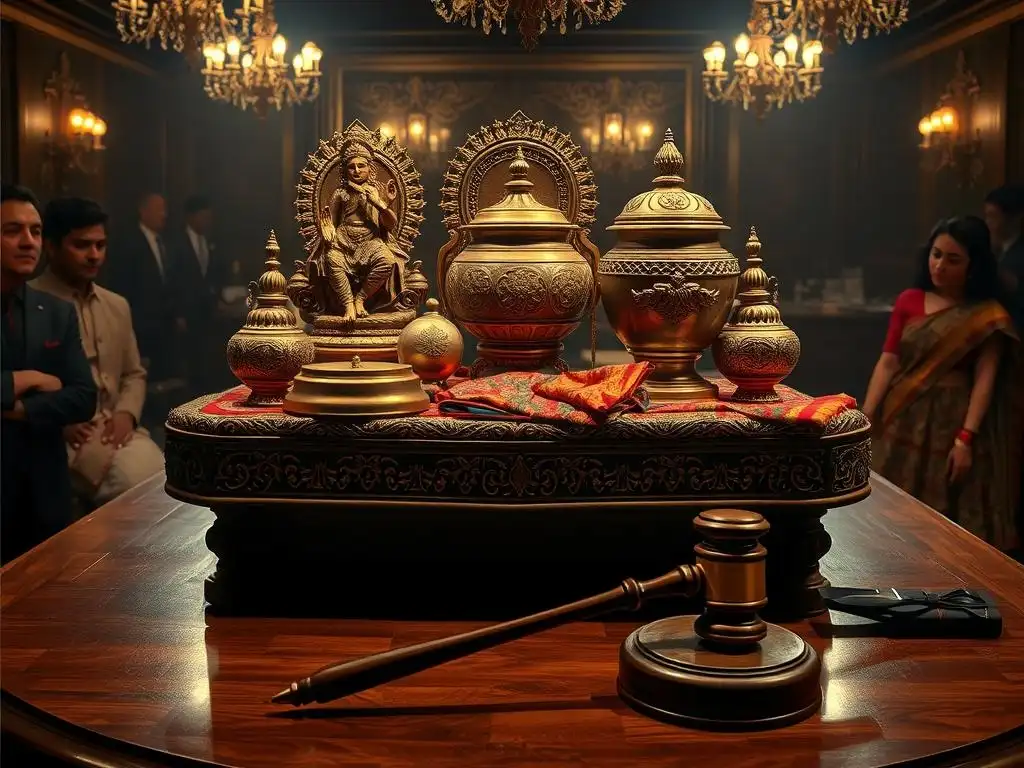
The global auction scene for Indian artifacts is populated by various key players who influence the buying and selling dynamics. Their roles and contributions include:
- Auction Houses: Renowned auction houses such as Sotheby’s, Christie’s, and Bonhams are pivotal in the global auction market. They host high-profile auctions featuring Indian artifacts, providing a platform for sellers to reach a broader audience.
- Collectors and Investors: Individual collectors and institutional investors are essential in driving demand. Their interest can vary from personal collection goals to investment strategies, influencing which types of artifacts are sought after.
- Art Dealers and Galleries: Art dealers and galleries often act as intermediaries, curating collections and representing sellers. Their expertise in pricing and marketing can significantly affect the auction outcomes.
- Cultural Institutions: Museums and cultural organizations also play a role, sometimes acquiring artifacts through auctions to enhance their collections. Their participation can elevate the perceived value of certain pieces.
- Online Platforms: With the advent of digital technology, online auction platforms have emerged, allowing for greater accessibility and participation from global buyers. These platforms have democratized the auction process, enabling a wider audience to engage with Indian artifacts.
By understanding the dynamics among these key players, one can better appreciate the complexities of the auction landscape for Indian artifacts.
Understanding the Global Market Dynamics for Indian Artifacts
The global market for Indian artifacts is characterized by unique dynamics that reflect both cultural appreciation and economic trends. Key elements include:
- International Demand: The fascination with Indian culture and heritage has led to a growing international demand for Indian artifacts. Collectors from various countries seek to own pieces that represent India's rich history, influencing market prices and availability.
- Cultural Exchange: Globalization has facilitated cultural exchange, making Indian artifacts more accessible to a wider audience. As awareness of Indian art and culture expands, so does interest in acquiring these artifacts.
- Investment Potential: Many investors view Indian artifacts as a viable investment opportunity. The potential for appreciation in value over time attracts both seasoned collectors and new investors, adding a financial dimension to the market.
- Regulatory Considerations: The global trade of artifacts is subject to various regulations, including laws concerning cultural heritage and repatriation. Understanding these legal frameworks is crucial for both buyers and sellers in navigating the auction landscape.
- Market Fluctuations: Economic factors, such as changes in disposable income, economic downturns, or shifts in currency valuations, can impact the global auction market. These fluctuations can lead to varying degrees of interest and investment in Indian artifacts.
The global market dynamics for Indian artifacts are complex and multifaceted, driven by cultural, economic, and legal factors that shape the landscape of auctions and investments.
Challenges Faced in the Auction of Indian Artifacts
The auctioning of Indian artifacts presents a unique set of challenges that can significantly impact the market. One of the foremost issues is provenance. Many artifacts lack clear documentation that traces their history, making it difficult for buyers to ascertain their authenticity and legal standing. This absence of verifiable provenance can lead to disputes over ownership and raise ethical concerns regarding the artifact's acquisition.
Another significant challenge is the cultural sensitivity surrounding Indian artifacts. Many items carry deep cultural and religious significance, and their sale can be viewed as commodification of a culture. This concern often leads to backlash from communities and organizations dedicated to preserving cultural heritage. Auction houses must navigate these sensitivities carefully to avoid alienating potential buyers and stakeholders.
Additionally, there is the issue of regulation and legal frameworks. Various countries have differing laws regarding the export and sale of cultural property. Auction houses dealing with Indian artifacts must be well-versed in these legalities to avoid potential legal repercussions. The rise of international treaties aimed at preventing the trafficking of cultural property adds another layer of complexity to the auction process.
Lastly, the fluctuating market demand for Indian artifacts can pose a challenge. While interest in Indian art and culture is growing, economic downturns or shifting trends in art collecting can lead to decreased sales. Auction houses must remain adaptable to these changes and continually engage with collectors to sustain interest in Indian artifacts.
Future Prospects for Indian Artifacts in Global Auctions
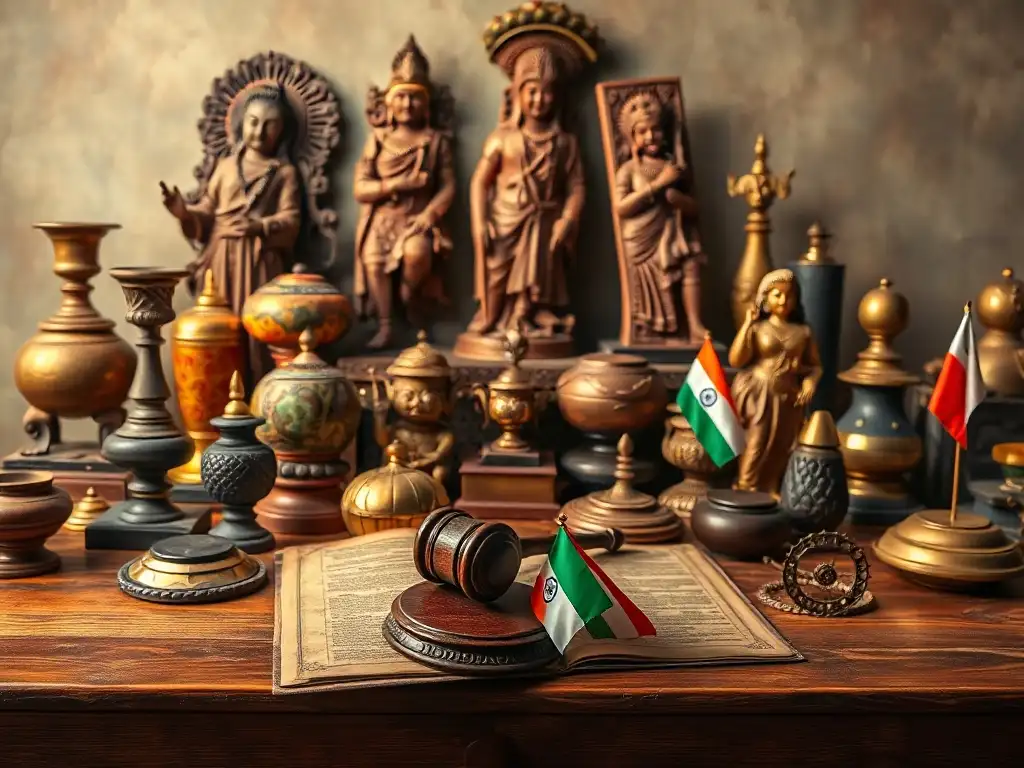
The future of Indian artifacts in global auctions appears promising, boosted by increasing interest in diverse cultural representations. As globalization continues to expand, more collectors and investors are seeking unique items that reflect rich histories and traditions. Indian artifacts, with their intricate designs and storied pasts, are well-positioned to attract attention in this evolving market.
Technological advancements are also playing a pivotal role in shaping the future of auctions. Online platforms are democratizing access to Indian artifacts, allowing a broader audience to participate in bidding. This trend not only increases visibility but also enhances competition, potentially driving up prices and making auctions more lucrative for sellers.
Furthermore, there is a growing recognition of the importance of cultural heritage among global audiences. Initiatives aimed at educating potential buyers about the significance of Indian artifacts are likely to enhance their desirability. Auction houses that emphasize the cultural narratives behind the artifacts they sell can create a more compelling case for their value, appealing to collectors' interests in provenance and story.
Collaboration with cultural institutions and museums is another avenue for enhancing the market for Indian artifacts. By working together, auction houses can ensure more accurate representations of the artifacts and safeguard their cultural significance. This collaboration can lead to curated auctions that highlight the artistry and historical importance of the items, attracting both seasoned collectors and new enthusiasts.
Conclusion: The Significance of Indian Artifacts in the Global Auction Market
Indian artifacts hold a significant position in the global auction market, reflecting the intricate tapestry of India's cultural heritage. Their artistic value, historical context, and the stories they embody make them highly sought after by collectors around the world. As the demand for diverse cultural artifacts continues to grow, Indian artifacts are increasingly recognized not only for their aesthetic appeal but also for their cultural importance.
The challenges faced in this sector, including issues of provenance, cultural sensitivity, and legal regulations, highlight the need for ethical practices within the auction landscape. Addressing these challenges will be crucial for sustaining and enhancing the market for Indian artifacts.
Looking forward, the integration of technology and increased awareness of cultural heritage will likely drive the future success of Indian artifacts in global auctions. By fostering appreciation and understanding of these artifacts, auction houses can contribute to preserving and celebrating India's rich history, ensuring that these treasures continue to be valued in the global context.
Call to Action: Exploring Opportunities in Indian Artifacts
The global auction scene for Indian artifacts presents a unique and dynamic marketplace that is ripe with opportunities for collectors, investors, and enthusiasts alike. As the appreciation for cultural heritage continues to grow, so too does the demand for authentic Indian artifacts, making this an opportune moment to delve into this fascinating sector.
Understanding the Market Potential
The market for Indian artifacts is expanding due to a heightened global interest in diverse cultures and their historical significance. Auction houses, both online and offline, are increasingly featuring Indian artifacts, ranging from ancient sculptures and textiles to pottery and jewelry. This surge in visibility brings with it potential investment opportunities for those looking to diversify their portfolios.
- Diverse Offerings: The range of artifacts available in auctions is vast, catering to varied tastes and interests. From the exquisite craftsmanship of Mughal miniatures to intricate bronze sculptures from South India, each piece tells a story that resonates with collectors.
- Appreciation Trends: Historical artifacts often appreciate in value, especially when linked to significant cultural narratives or periods. Understanding these trends can provide collectors and investors with insights into which pieces may hold or increase in value over time.
Engaging with Auctions
Participating in auctions can be an exciting way to acquire Indian artifacts, but it requires a strategic approach. Here are some steps to consider:
- Research Auction Houses: Familiarize yourself with prominent auction houses that specialize in Indian artifacts. Notable names include Sotheby's and Christie’s, which regularly showcase Indian pieces.
- Attend Pre-Auction Exhibitions: Many auction houses hold exhibitions prior to the auction. Attending these can provide a deeper understanding of the artifacts' provenance and condition, aiding in making informed bids.
- Set a Budget: Establish clear financial parameters before participating in an auction to avoid overspending amidst the excitement.
Building a Collection
For those passionate about Indian history and culture, building a collection of Indian artifacts can be both fulfilling and profitable. Here are a few tips to get started:
- Focus on Authenticity: Ensure that the artifacts you consider purchasing come with proper documentation and provenance. This not only guarantees authenticity but also enhances the value of the piece.
- Network with Other Collectors: Engaging with fellow collectors can provide valuable insights and tips on where to find quality artifacts. Online forums, social media groups, and local clubs can be great resources.
- Stay Informed: Keep abreast of market trends and upcoming auctions through newsletters, online platforms, and specialized publications. This knowledge can help you recognize valuable pieces and make timely decisions.
Conclusion
The landscape of Indian artifacts in global auctions is vibrant and full of potential. Whether you are a seasoned collector or a newcomer, now is an excellent time to explore this market. By understanding the nuances of the auction process, investing wisely, and passionately engaging with the rich history behind each artifact, you can embark on a rewarding journey that celebrates the cultural heritage of ancient India. So, take the plunge, immerse yourself in this captivating world, and discover the remarkable opportunities that await!
- Introduction to Indian Artifacts in Global Auctions
- Historical Context of Indian Artifacts
- The Rise of Indian Artifacts in Global Auctions
- Factors Influencing the Value of Indian Artifacts in Global Auctions
- Key Players in the Global Auction Scene for Indian Artifacts
- Understanding the Global Market Dynamics for Indian Artifacts
- Challenges Faced in the Auction of Indian Artifacts
- Future Prospects for Indian Artifacts in Global Auctions
- Conclusion: The Significance of Indian Artifacts in the Global Auction Market
- Call to Action: Exploring Opportunities in Indian Artifacts
- What are Indian artifacts in global auctions?
- Why are Indian artifacts valuable in global auctions?
- How has the perception of Indian artifacts changed in recent years?
- What are some notable examples of Indian artifacts sold at auctions?
- How can collectors ensure the authenticity of Indian artifacts?
Frequently Asked Questions
What are Indian artifacts in global auctions?
Indian artifacts in global auctions refer to historical objects and cultural items from ancient Indian civilizations that are sold in international auction houses, highlighting their artistic and historical significance.
Why are Indian artifacts valuable in global auctions?
The value of Indian artifacts stems from their cultural heritage, craftsmanship, and historical importance, making them highly sought-after by collectors and enthusiasts worldwide.
How has the perception of Indian artifacts changed in recent years?
In recent years, there has been a growing appreciation for Indian artifacts, leading to increased recognition of their cultural significance and a surge in their presence in global auction platforms.
What are some notable examples of Indian artifacts sold at auctions?
Notable examples include ancient sculptures, ceramics, and textiles that showcase the diverse artistry of ancient Indian civilizations, often fetching high prices due to their rarity and beauty.
How can collectors ensure the authenticity of Indian artifacts?
Collectors should seek provenance documentation, consult experts, and consider appraisal services to verify the authenticity of Indian artifacts before making purchases at auctions.
Final Reflection: The Timeless Journey of Indian Artifacts in Global Auctions
The evolution of Indian artifacts in global auctions underscores a profound connection between culture and commerce. As we witness the increasing interest in these treasures, it becomes clear that they are not merely items of aesthetic value but are also vessels of history, identity, and heritage. The global auction scene has transformed into a vibrant marketplace where the stories of Indian artifacts resonate, reminding us of their significance in a rapidly changing world.
Culturally, the presence of Indian artifacts in global auctions has sparked a renewed appreciation for the rich tapestry of Indian history and craftsmanship. This ongoing dialogue between cultures invites us to reflect on our shared human experience and the importance of preserving our heritage. As the renowned art historian, John Berger, once said, The relation between what we see and what we know is never settled.
This sentiment rings true as we engage with Indian artifacts, allowing us to explore the narratives that shape our understanding of art and culture.
As we move forward, I invite you to reflect on the role that Indian artifacts play in your own life and the broader context of cultural appreciation. Consider how you can contribute to the preservation and celebration of these treasures, whether through education, advocacy, or simply by sharing their stories. Let us embrace the opportunity to connect with our past while fostering a future that honors the beauty and significance of Indian artifacts in the global auction landscape.
Unleash the Legacy: Participate in the Global Art Auction Scene!
Thank you for taking the time to explore the fascinating evolution of Indian artifacts in the global auction arena! You’ve gained valuable insights into how these historic treasures have captivated collectors and art lovers alike. Now, let’s turn that newfound knowledge into action!
Here are some exciting ways you can engage with this vibrant world of art:
- Dive into an Auction: Explore upcoming auctions that feature Indian artifacts and consider placing a bid. Experience the thrill and prestige of owning a piece of history!
- Share Your Passion: Participate in online forums or social media groups focused on Indian art. Share your insights and connect with fellow enthusiasts to exchange ideas and perspectives.
- Discover New Artists: Investigate contemporary Indian artists who draw inspiration from traditional artifacts. Support their work and deepen your understanding of the ongoing evolution of Indian culture.
What unique artifact or artist has captured your attention the most, and why do you believe it deserves recognition in today’s art narrative?