
The Visionary Leadership of Ashoka the Great: A Study of His Reforms and Impact

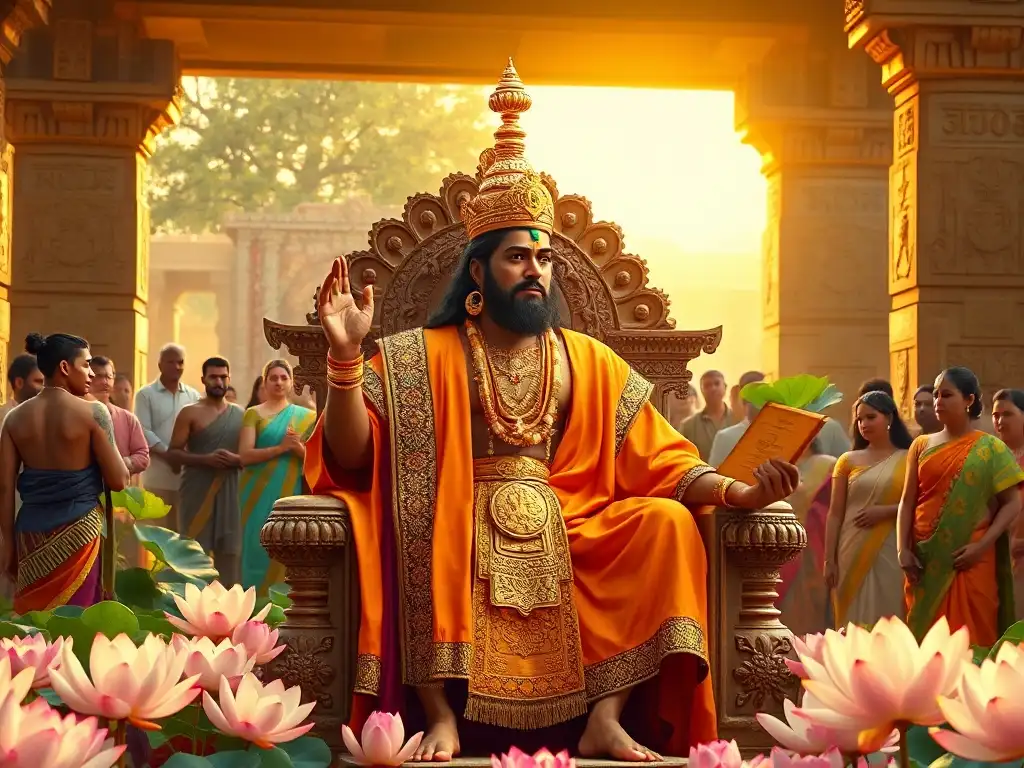
Welcome to Ancient India History, where we delve deep into the captivating tapestry of India’s past! Today, we invite you to explore the extraordinary legacy of Ashoka the Great, a ruler whose visionary leadership and profound reforms reshaped the very fabric of ancient civilization. Discover how his dedication to peace, governance, and social welfare left an indelible mark on history, and learn about the far-reaching impacts of his transformative policies.
Prepare to embark on a journey through time that not only enlightens but also ignites your curiosity about one of history's most influential figures. Join us as we unravel the fascinating story of Ashoka and his enduring influence!
Introduction to Ashoka the Great
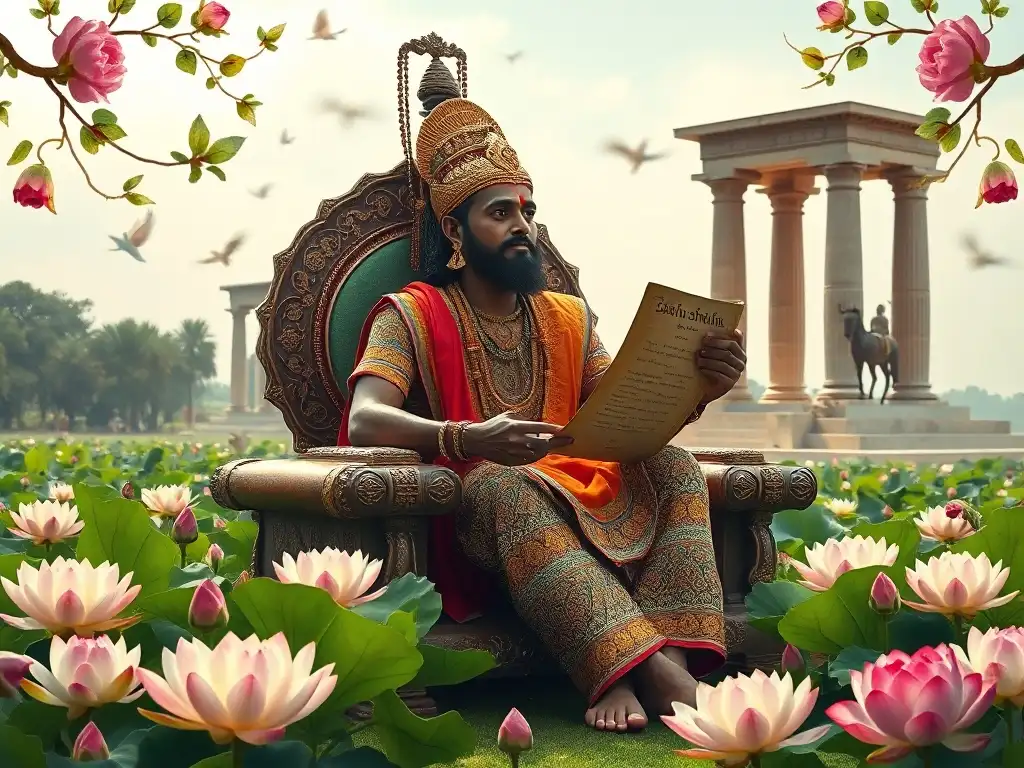
Ashoka the Great stands as one of the most monumental figures in ancient Indian history, renowned for his visionary leadership and profound influence on the social, political, and cultural landscape of his time. Ascending to the throne of the Maurya Empire around 268 BCE, Ashoka's reign marked a significant turning point, characterized by an unwavering commitment to the principles of Buddhism and non-violence following the devastating Kalinga War.
His legacy is not merely a record of conquests but rather a reflection of the deep transformations he initiated to promote ethical governance and societal welfare. This article delves into the reforms enacted by Ashoka and examines their lasting impact on Indian civilization, providing a comprehensive understanding of his role as a pivotal leader in shaping the future of India.
Overview of Ashoka's Life and Reign
Born into the Maurya dynasty, Ashoka was the grandson of the founder Chandragupta Maurya. Initially known for his military prowess, Ashoka's perspective shifted dramatically after witnessing the horrors of war during the Kalinga conflict. This pivotal moment catalyzed his conversion to Buddhism, leading him to adopt a philosophy centered around compassion, tolerance, and non-violence. Ashoka's reign extended over a vast territory, which included most of the Indian subcontinent, and he became known for his efforts to unify and govern this diverse empire effectively.
Significance of Ashoka in Ancient Indian History
Ashoka's significance transcends his political achievements; he is revered as a cultural and moral beacon in Indian history. His policies laid the groundwork for a more humane form of governance, emphasizing social justice and the welfare of his subjects. Moreover, Ashoka played a crucial role in spreading Buddhism, both within and beyond India, establishing a legacy that would influence countless generations. His edicts, inscribed on pillars and rocks across the empire, serve as enduring testimonies to his commitment to ethical administration and social harmony.
Ashoka's Reforms: An In-depth Analysis
Introduction to Ashoka's Reforms
The reforms of Ashoka the Great were revolutionary for their time, reflecting a sophisticated understanding of governance that prioritized the welfare of the people over military conquest. His approach to leadership was marked by a unique combination of ethical governance and pragmatic reforms, aiming to create a just and peaceful society. This section will explore the various reforms introduced by Ashoka and assess their implications on the socio-political fabric of ancient India.
Major Reforms Implemented by Ashoka
Ashoka's reforms encompassed several key areas, including:
- Administrative Reforms: Establishing a decentralized administrative system that allowed local governance while maintaining overall imperial authority.
- Legal Reforms: Implementing laws based on moral principles derived from Buddhist teachings, promoting justice and fairness.
- Social Welfare Initiatives: Creating infrastructure for public health, education, and the promotion of ethical behavior among citizens.
- Promotion of Buddhism: Actively supporting the spread of Buddhism through the establishment of stupas, monasteries, and the sending of missionaries.
Impact of Ashoka's Reforms on Society
The impact of Ashoka's reforms on society was profound and transformative. His focus on non-violence and compassion fostered a culture of peace, allowing for greater stability and prosperity across the empire. The widespread acceptance of Buddhist principles contributed to the development of a more cohesive societal identity, while his policies on public welfare improved the quality of life for many. Furthermore, Ashoka's emphasis on ethical governance has served as a model for future leaders, establishing a legacy that resonates in modern governance discussions.
Ashoka the Great's visionary leadership and his reforms had far-reaching implications that not only shaped ancient India but also left a lasting legacy on the principles of governance, ethics, and social welfare.
The Philosophy Behind Ashoka's Leadership
Ashoka the Great, the third Mauryan emperor, is often celebrated for his transformative leadership philosophy, which was deeply rooted in ethical governance and moral responsibility. His reign, which lasted from approximately 268 to 232 BCE, was marked by a profound shift from militaristic expansion to a focus on peace and social welfare. The turning point in Ashoka's philosophy occurred after the Kalinga War, where he witnessed the devastating effects of violence and suffering. This led him to embrace a more compassionate and humane approach to leadership, emphasizing the well-being of his subjects over territorial conquests.
Ashoka's philosophy can be summarized by his commitment to the principles of Dhamma, which he interpreted as a moral code that transcended religious affiliations and advocated for universal ethics. This belief system shaped his policies and reforms, encouraging a society built on respect, tolerance, and kindness. Through a blend of personal conviction and governance, Ashoka aimed to create a harmonious society, demonstrating that effective leadership extends beyond power and authority to include empathy and moral integrity.
The Role of Buddhism in Ashoka's Vision
Buddhism played a pivotal role in shaping Ashoka's vision of leadership and governance. After his conversion to Buddhism, Ashoka adopted its core values, such as compassion, mindfulness, and the pursuit of enlightenment, which profoundly influenced his administrative policies. He viewed Buddhism not only as a spiritual path but also as a practical framework for ruling justly and ethically.
Ashoka's endorsement of Buddhism led to significant state support for the religion, resulting in the construction of stupas and monasteries, as well as the patronage of Buddhist scholars and missionaries. His commitment to spreading Buddhist teachings extended beyond India, as he sought to promote a message of peace and non-violence throughout his empire and beyond, demonstrating how a ruler can utilize religious principles to foster social cohesion.
Principles of Dhamma and Their Influence on Governance
The principles of Dhamma were central to Ashoka's approach to governance and can be seen as a precursor to modern concepts of human rights and social justice. He articulated Dhamma as a code of ethical conduct that emphasized honesty, compassion, tolerance, and respect for all living beings. These principles were not just theoretical; they were operationalized through various edicts and policies aimed at improving the welfare of his subjects.
Ashoka's governance model included the establishment of welfare programs, such as the construction of hospitals, rest houses, and wells for travelers and the needy. He also appointed Dhamma Mahamatras, officials responsible for promoting Dhamma and ensuring that his policies were implemented fairly. This innovative approach to governance highlighted the potential for moral leadership to effect positive change within society, serving as an early example of a ruler prioritizing the well-being of the populace.
Ashoka's Policies on Tolerance and Non-violence
Ashoka's commitment to tolerance and non-violence is perhaps one of his most enduring legacies. Following the Kalinga War, he recognized the futility of aggression and the importance of peaceful coexistence among diverse religious communities. His edicts advocated for respect and understanding among various faiths, promoting a culture of dialogue and cooperation rather than conflict.
The concept of ahimsa, or non-violence, became a cornerstone of Ashoka's policies. He emphasized that rulers should lead by example, practicing restraint and compassion in all actions. This commitment to non-violence not only influenced his domestic policies but also extended to foreign relations, as he sought to maintain peaceful interactions with neighboring states. Through these efforts, Ashoka laid the foundation for a society that valued peace and mutual respect, which resonated throughout Indian history and continues to influence contemporary thought.
Ashoka's Legacy: Long-term Impact on India and Beyond
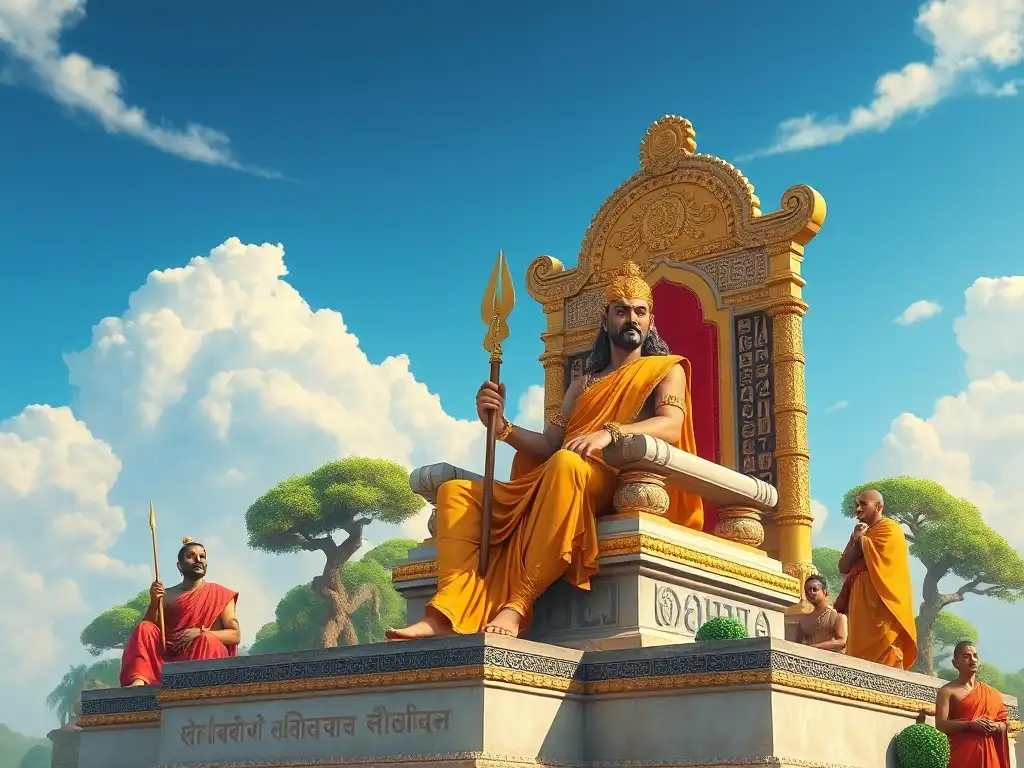
Ashoka's legacy is profound, shaping the socio-political landscape of India and influencing cultures beyond its borders. His innovative reforms and commitment to ethical governance have left an indelible mark on the Indian consciousness, fostering ideals of justice, tolerance, and compassion that resonate to this day.
Influence of Ashoka's Reforms on Future Indian Leaders
The principles espoused by Ashoka set a precedent for future Indian leaders, who drew inspiration from his model of ethical governance. Leaders such as Mahatma Gandhi and Jawaharlal Nehru referenced Ashoka's ideals in their own visions for India, promoting non-violence, secularism, and social welfare. The emphasis on compassion and moral responsibility in leadership continues to influence contemporary political discourse in India, reflecting Ashoka's enduring impact on the nation’s ethos.
Ashoka's Role in Spreading Buddhism Across Asia
Ashoka's reign marked a significant turning point in the spread of Buddhism, transforming it from a regional faith into a major world religion. He dispatched missionaries across Asia, including to regions such as Sri Lanka, Central Asia, and beyond, facilitating the transmission of Buddhist teachings and practices. This not only contributed to the growth of Buddhism but also fostered cultural exchanges that enriched various societies.
The establishment of trade routes and diplomatic ties during Ashoka's reign further facilitated the dissemination of Buddhist philosophy, art, and culture across Asia. His efforts to promote Buddhism served as a unifying force, impacting diverse societies and contributing to the rich tapestry of Asian history.
The Enduring Symbolism of Ashoka's Edicts
Ashoka’s edicts, inscribed on pillars and rocks throughout his empire, serve as a powerful testament to his vision of governance and social ethics. These inscriptions, written in multiple languages and scripts, communicate his commitment to Dhamma, tolerance, and welfare, making them accessible to a broad audience.
The edicts not only reflect Ashoka's thoughts and policies but also symbolize the role of communication in governance. They have inspired generations and continue to be studied for their insights into leadership and ethics. The Lion Capital of Ashoka, a representation of his ideals, has become a national emblem of India, reinforcing the lasting significance of his legacy in promoting peace, unity, and moral leadership.
Comparison of Ashoka's Leadership with Other Historical Figures
Ashoka the Great stands out as a transformative leader whose reign marked a significant departure from traditional forms of governance in ancient India. His approach to leadership, characterized by compassion and a commitment to ethical principles, sets him apart from many historical figures both within India and globally.
Unlike conquerors who relied heavily on military might and fear to maintain control, Ashoka embraced a philosophy of Dhamma, promoting non-violence and moral governance. This contrast is particularly notable when comparing Ashoka to leaders such as Alexander the Great, who, while also a visionary, primarily sought expansion through conquest and military prowess.
Ashoka’s emphasis on welfare and public service resonates with the leadership styles of figures like Emperor Akbar of the Mughal Empire and Mahatma Gandhi in the modern era. Both Akbar and Gandhi promoted inclusivity and social justice, similar to Ashoka’s reforms aimed at improving the lives of his subjects. However, Ashoka's unique integration of spiritual values into governance marks a distinct legacy, highlighting the potential for moral leadership to foster societal harmony and progress.
Ashoka vs. Other Indian Kings: A Leadership Perspective
When examining Ashoka in the context of other Indian kings, it becomes clear that his leadership style was revolutionary for its time. Many rulers, such as Chandragupta Maurya, Ashoka's grandfather, focused primarily on territorial expansion and establishing a powerful empire. While Ashoka initially followed this path, his conversion to Buddhism after the Kalinga War led to a profound shift in his priorities.
Ashoka’s policies were rooted in the principles of Dharma, advocating for the welfare of all beings, which starkly contrasts with the often militaristic and expansionist strategies of his predecessors. This transformation illustrates a pivotal moment in Indian history where a ruler prioritized ethical governance over the accumulation of power. His decrees, inscribed on stone pillars and rocks, are among the earliest examples of public policy aimed at social reform, emphasizing his commitment to justice, tolerance, and the well-being of his subjects.
Lessons from Ashoka's Reforms in Modern Governance
The reforms instituted by Ashoka the Great offer valuable lessons for contemporary governance. His focus on ethical leadership and public welfare serves as a powerful reminder of the importance of moral values in political decision-making. Modern leaders can draw from Ashoka's example by prioritizing inclusivity and social justice, ensuring that policies benefit all sections of society rather than a privileged few.
Moreover, Ashoka's use of communication through edicts to disseminate his message highlights the significance of transparency and accountability in governance. In an age where public trust in governmental institutions is often waning, the lessons from Ashoka’s reign underscore the need for leaders to engage meaningfully with their constituents and promote policies that reflect the values of compassion and integrity.
Conclusion: The Lasting Impact of Ashoka the Great's Reforms
Ashoka the Great's reforms created a profound and lasting impact on the course of Indian history and governance. His promotion of Buddhism and the principles of Dhamma not only transformed the socio-political landscape of his time but also left an indelible mark on future generations. The edicts of Ashoka, which advocated for non-violence, religious tolerance, and social welfare, continue to inspire leaders and thinkers around the world.
Summary of Ashoka's Contributions to Ancient India
Ashoka's contributions to ancient India are manifold, encompassing administrative reforms, promotion of the arts, and the establishment of a unique approach to governance based on ethical principles. His efforts to spread Buddhism facilitated cultural exchange and integration across the Indian subcontinent and beyond. The establishment of hospitals, wells, and roads during his reign reflects a commitment to public welfare that resonates in the context of modern governance.
Additionally, Ashoka's edicts serve as historical documents that provide insight into the values and priorities of his administration, making him a pivotal figure not only in Indian history but in the broader context of world history.
Reflection on the Relevance of Ashoka's Vision in Today's World
The vision of Ashoka the Great remains remarkably relevant in today’s world, where challenges such as violence, inequality, and environmental degradation persist. His emphasis on non-violence and compassion can inform contemporary discourse on conflict resolution and peacebuilding. Furthermore, as societies grapple with issues of governance and ethics, Ashoka’s model of leadership—focused on the welfare of the people—serves as a beacon for policymakers striving to create just and equitable societies.
In a global context increasingly characterized by division and strife, Ashoka's legacy offers a timeless reminder of the power of visionary leadership that prioritizes humanity and ethical governance, encouraging modern leaders to adopt similar principles in their pursuit of progress and harmony.
- Introduction to Ashoka the Great
- Ashoka's Reforms: An In-depth Analysis
- The Philosophy Behind Ashoka's Leadership
- Ashoka's Legacy: Long-term Impact on India and Beyond
- Comparison of Ashoka's Leadership with Other Historical Figures
- Conclusion: The Lasting Impact of Ashoka the Great's Reforms
Frequently Asked Questions
What were the main reforms introduced by Ashoka the Great?
Ashoka the Great implemented several transformative reforms, including the promotion of Buddhism, the establishment of Dhamma, and the introduction of welfare measures aimed at improving the lives of his subjects.
How did Ashoka's reforms impact the Indian society?
His reforms significantly transformed Indian society by fostering religious tolerance, enhancing social welfare, and promoting ethical governance, which encouraged a more harmonious and prosperous community.
What role did Ashoka play in the spread of Buddhism?
Ashoka was a key figure in the spread of Buddhism, as he not only converted to the faith but also sent missionaries across Asia, actively promoting Buddhist teachings and values.
How did Ashoka's leadership style influence future rulers?
Ashoka's vision of compassionate leadership and emphasis on moral governance set a precedent for future rulers, encouraging them to prioritize the welfare of their people over mere conquest.
What long-term effects did Ashoka's reign have on Indian history?
The long-term effects of Ashoka's reign include the establishment of Buddhism as a major religion, the promotion of cultural exchange, and the creation of a legacy of ethical governance that influenced subsequent dynasties.
Final Reflection: The Enduring Legacy of Ashoka the Great's Reforms
The visionary leadership of Ashoka the Great remains profoundly relevant today, as his reforms resonate with contemporary values of peace, tolerance, and social welfare. In an era marked by conflict and division, Ashoka's commitment to non-violence and the well-being of his people serves as a powerful reminder of the impact that compassionate governance can have on society. His legacy challenges us to rethink our priorities and encourages leaders to embrace empathy and ethical responsibility in their decision-making.
Culture and society continue to be shaped by the principles that Ashoka championed, demonstrating the timelessness of his vision. His reforms not only transformed the Mauryan Empire but also laid the groundwork for future generations to aspire towards a more just and harmonious world. As Mahatma Gandhi once said, "> The greatness of a nation and its moral progress can be judged by the way its animals are treated." This sentiment echoes Ashoka's own dedication to the welfare of all living beings, illustrating how his values transcend time and continue to inspire movements for social justice and environmental stewardship.
As we reflect on the lessons from Ashoka the Great's life and leadership, let us embrace the call to action that his story presents. Consider how you can embody the principles of compassion, inclusivity, and reform in your own life. Whether through community service, advocacy for social change, or simply practicing kindness in your daily interactions, each of us has the power to contribute to a more equitable and peaceful world. Let Ashoka's legacy inspire you to be a leader in your own right, fostering a culture of understanding and progress in your community.
Unleash Your Inner Visionary: Take Action Today!
Thank you for diving into the fascinating world of Ashoka the Great and his remarkable leadership. You've explored his inspiring reforms and the profound impact he had on ancient India. Now, it’s time to channel that inspiration into action!
Here are some ways you can apply what you've learned:
- Reflect on Your Leadership Style: Consider how you can embrace visionary leadership in your own life or community.
- Share Your Insights: Engage in discussions about Ashoka’s values and leadership with friends or colleagues. Initiate conversations that could inspire positive change!
- Explore Ancient Leadership Qualities: Research and learn about other influential leaders throughout history. What insights can you gain from their approaches to enhance your own leadership journey?
What key lesson from Ashoka’s leadership resonates with you the most, and how will you incorporate it into your own style? Let's spark a discussion below!