
The Changing Face of Labor: How Empires Reshaped Occupations in Ancient India

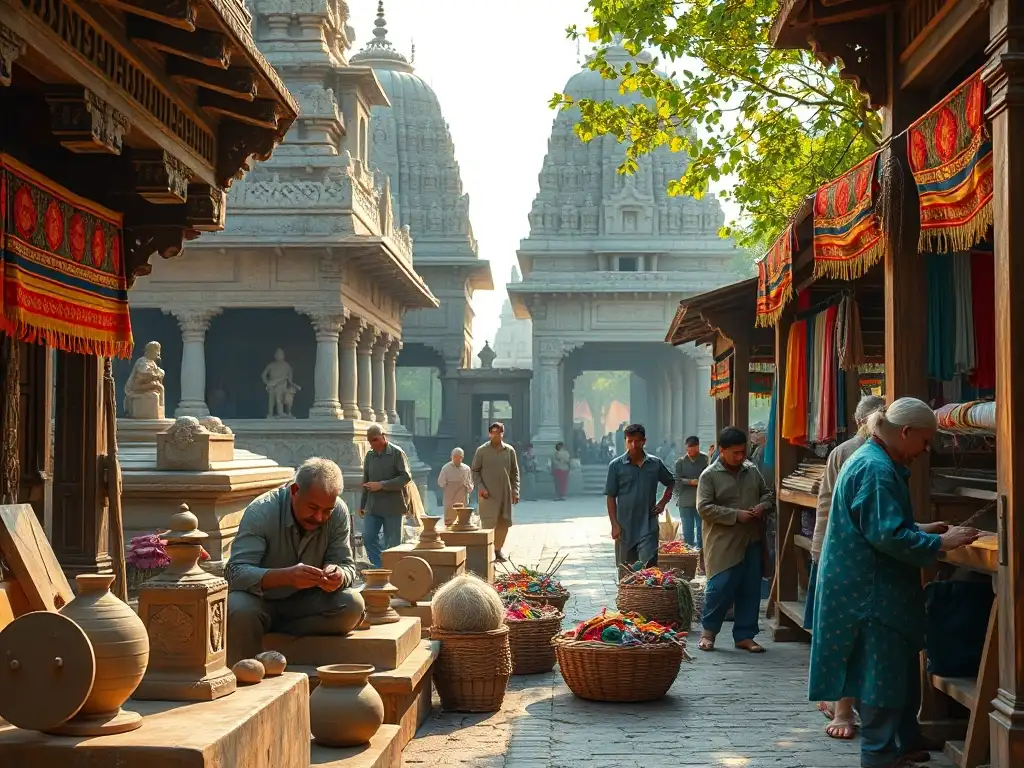
Welcome to Ancient India History, where we embark on a fascinating journey through the rich tapestry of civilizations that shaped the subcontinent. In our featured article, "The Changing Face of Labor: How Empires Reshaped Occupations in Ancient India," we delve into the intricate threads of ancient Indian labor history. Discover how the rise and fall of empires influenced the roles and lives of countless individuals, transforming society in ways that echo through time.
Get ready to uncover the stories behind the labor forces that built monumental architectures, crafted exquisite art, and contributed to the vibrant economy of ancient India. Your exploration begins here!
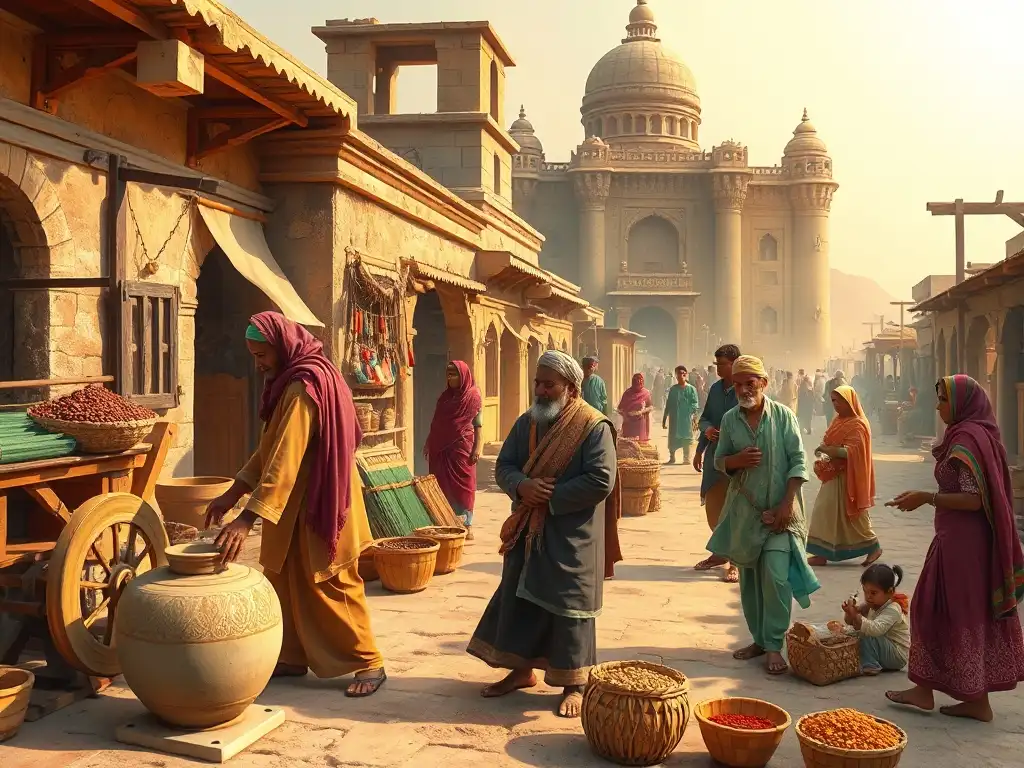
Introduction to Ancient Indian Labor History
The history of labor in ancient India is a fascinating tapestry woven with the threads of social structures, economic practices, and cultural developments. As various empires rose and fell, they significantly influenced the nature of occupations and the organization of labor across the subcontinent.
From the sophisticated urban planning of the Indus Valley Civilization to the vast administrative systems of the Maurya and Gupta Empires, the evolution of labor systems reflects the changing socio-political landscapes and economic needs of the time. Understanding ancient Indian labor history not only sheds light on the daily lives of individuals but also reveals the broader dynamics of power, trade, and cultural exchange that shaped one of the world's oldest civilizations.
Overview of Labor Systems in Ancient India
Ancient Indian labor systems were diverse and multifaceted, influenced by factors such as geography, religion, and social hierarchy. The division of labor was often organized along caste lines, where different groups were assigned specific roles based on hereditary occupation. This system was deeply rooted in the Varna concept, which categorized society into four main groups:
- Brahmins (priests and scholars)
- Kshatriyas (warriors and rulers)
- Vaishyas (traders and agriculturalists)
- Shudras (laborers and service providers)
Each group contributed to the economy in distinct ways, ensuring the functioning of society. Additionally, craft specialization emerged, particularly in urban centers, leading to the development of skilled artisans and tradespeople. This intricate web of occupations facilitated trade, both within India and with neighboring regions, establishing ancient India as a significant economic hub.
Importance of Studying Labor History in Ancient Civilizations
Studying labor history in ancient civilizations, particularly ancient India, offers valuable insights into the socio-economic structures that defined their societies. By examining the evolution of labor systems, researchers can better understand:
- Social Mobility: How individuals navigated their positions within rigid caste structures.
- Economic Development: The role of labor in fostering trade and industry, contributing to the wealth of empires.
- Cultural Exchange: How labor practices influenced and were influenced by interactions with other cultures, especially through trade routes.
Moreover, labor history provides a lens through which we can analyze the impact of imperial policies on daily life, revealing the complexities of power dynamics and societal changes.
Major Empires and Their Influence on Labor
The influence of major empires on labor systems in ancient India cannot be overstated. Each empire brought about unique changes that reshaped occupations and the organization of work, reflecting the needs and priorities of their respective eras.
The Indus Valley Civilization: Foundations of Labor
The Indus Valley Civilization (c. 3300–1300 BCE) laid the groundwork for labor systems in ancient India. Characterized by advanced urban planning and a sophisticated economy, this civilization featured:
- Specialized Crafts: Artisans produced textiles, pottery, and metalwork, showcasing their skills in well-planned cities like Harappa and Mohenjo-Daro.
- Trade Networks: The civilization engaged in extensive trade with neighboring regions, facilitating the exchange of goods and ideas.
- Agricultural Practices: A focus on irrigation and crop production supported a growing population, highlighting the importance of agricultural labor.
The organizational skills and innovations of the Indus Valley people established fundamental practices that influenced subsequent civilizations.
The Maurya Empire: A Shift in Labor Dynamics
The Maurya Empire (c. 322–185 BCE), one of the largest and most powerful empires in ancient India, introduced significant changes to labor dynamics:
- Centralized Administration: The establishment of a bureaucratic system streamlined labor organization, enhancing efficiency in tax collection and resource management.
- State Control: The state took an active role in regulating trade and agriculture, leading to increased state-sponsored projects, such as road construction and irrigation, which provided employment opportunities.
- Cultural Integration: The Mauryan period saw the blending of various cultures and practices, influencing labor roles and expanding the scope of occupations.
This centralization and regulation marked a distinct shift in how labor was perceived and organized, laying the foundation for future empires.
The Gupta Empire: Cultural Flourishing and Labor Evolution
The Gupta Empire (c. 240–550 CE) is often referred to as a golden age in Indian history, characterized by cultural and scientific advancements. Labor systems evolved during this period in several ways:
- Artistic and Intellectual Pursuits: There was a flourishing of arts, literature, and sciences, leading to new occupations in creative and scholarly fields.
- Trade Expansion: The Gupta Empire enhanced trade routes, promoting commerce and leading to the rise of merchant classes.
- Urbanization: Increased urbanization created new job opportunities, shifting many laborers from rural agriculture to urban crafts and services.
The contributions of the Gupta Empire to labor history illustrate how cultural and economic prosperity can reshape the workforce, revealing the interconnectedness of societal development and labor practices.
By exploring these themes, we gain a comprehensive understanding of the changing face of labor in ancient India, highlighting the significant impact of empires on the occupational landscape throughout history.
In ancient India, labor was intricately tied to the social hierarchies that defined society. The stratification of occupations was not merely a matter of economic necessity but was deeply embedded in the cultural and religious fabric of the time. Social hierarchies influenced not only who could perform certain tasks but also how labor was perceived and valued within different communities. This stratification often dictated the flow of resources, access to education, and opportunities for social mobility.
The rigid framework of social hierarchies meant that certain occupations were reserved for specific groups, often based on birth. This division of labor was vital in maintaining the socio-economic order of the time, as individuals were largely expected to follow the occupations of their forebears. As a result, many skilled trades and artisanal crafts became associated with particular social classes, reinforcing the idea that one’s occupation was predetermined by their lineage.
Caste System and Its Impact on Occupations
The caste system played a significant role in shaping labor practices in ancient India. It categorized individuals into distinct groups, each with defined roles and responsibilities. At the top of this hierarchy were the Brahmins, primarily priests and scholars, followed by Kshatriyas (warriors and rulers), Vaishyas (traders and agriculturists), and Shudras (laborers and service providers). This classification not only defined social interactions but also determined the types of labor individuals could engage in.
Each caste had its own set of skills and occupations. For instance, while Brahmins were responsible for religious rituals and education, Shudras performed menial and manual labor. This division often limited social mobility and reinforced economic disparities. Moreover, the caste system's stringent rules led to the stigmatization of certain occupations, particularly those deemed "unclean," which further impacted labor dynamics in ancient society.
Gender Roles in Ancient Indian Labor
Gender roles in ancient India significantly influenced labor practices and the types of work available to men and women. Traditionally, labor was divided along gender lines, where men were predominantly engaged in agricultural and trade activities, while women were often relegated to domestic roles and handicrafts. This division was not only a reflection of physical capabilities but also of social norms and cultural expectations.
Women played crucial roles in household economies, contributing to weaving, pottery, and food preparation. However, their labor was often undervalued and went unrecognized in the broader economic framework. Some historical texts indicate that women could also engage in trade and own property, but these instances were exceptions rather than the norm. The patriarchal structure of society often limited their opportunities and reinforced their roles as caregivers, affecting their participation in more formal labor systems.
The Transformation of Labor Practices
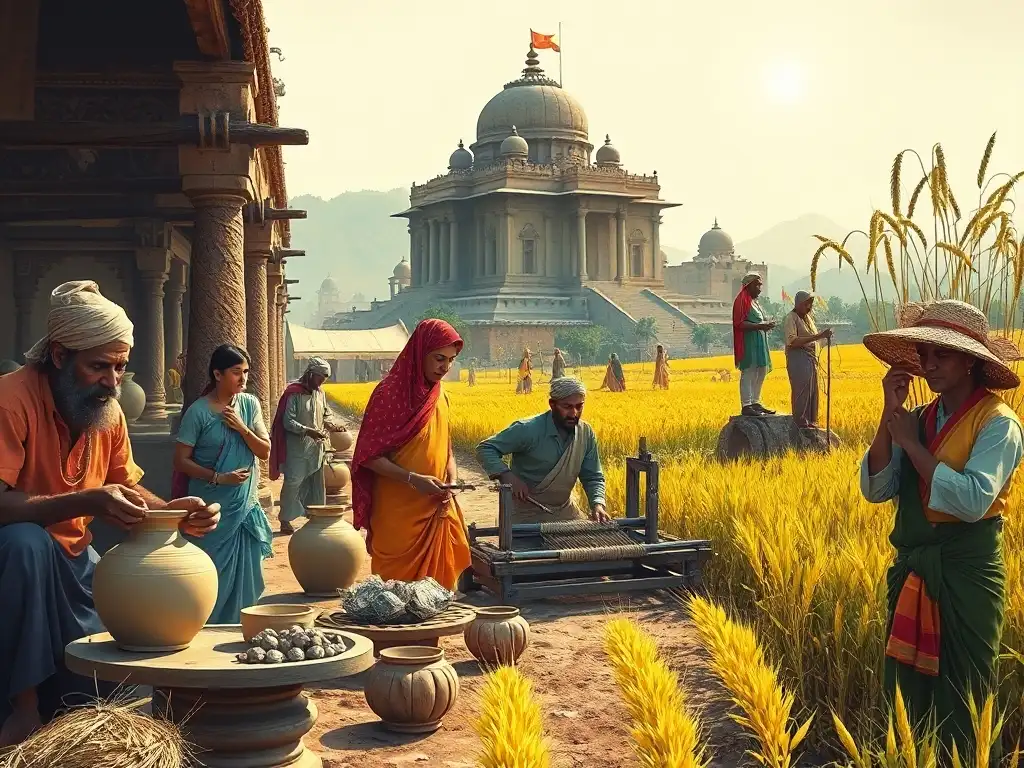
As ancient Indian civilizations evolved, so did their labor practices. With the rise and fall of various empires, including the Maurya and Gupta dynasties, there were significant shifts in economic structures, technological advancements, and cultural exchanges that transformed how labor was organized and executed.
Technological Advancements and Their Effects on Labor
Technological innovations played a pivotal role in reshaping labor practices in ancient India. The introduction of new agricultural tools, such as the iron plow, significantly increased productivity and efficiency in farming. This advancement allowed for the cultivation of more land and the growth of surplus crops, leading to the development of trade and commerce.
In addition to agriculture, advancements in crafts and metallurgy also transformed labor. The emergence of skilled artisans, who were able to produce intricate textiles, jewelry, and pottery, reflected a growing complexity in labor roles. These technological changes not only improved the quality of goods produced but also expanded the market for trade, allowing occupational specialization to flourish.
Cross-Cultural Influences on Labor Systems
The interactions between ancient Indian civilizations and neighboring cultures significantly affected labor systems. Trade routes, such as the Silk Road, facilitated the exchange of goods, ideas, and technologies, which in turn influenced indigenous labor practices. For example, the introduction of new crops and agricultural techniques from foreign lands transformed farming practices in India.
Furthermore, the conquests and migrations of various groups led to the blending of different cultural labor practices. The incorporation of Persian, Greek, and Central Asian influences during different historical periods enriched the occupational landscape of ancient India. This cross-cultural exchange fostered a more dynamic economy and created opportunities for innovation within traditional labor systems, contributing to the evolution of ancient Indian labor history.
Case Studies of Notable Labor Practices
Throughout ancient Indian history, labor practices evolved significantly, influenced by various empires and their administrative frameworks. A close examination of specific case studies reveals the diversity and complexity of occupations during these times.
One prominent example is the merchant class, particularly during the Maurya Empire (322-185 BCE). The Mauryan rulers established trade routes that facilitated commerce across vast distances, leading to the emergence of thriving marketplaces. Merchants, known as "sreshthins," played a crucial role in the economy, engaging in trade not only with neighboring regions but also with distant lands such as Rome and Persia. Their wealth and influence grew, leading to the establishment of guilds that regulated trade practices, quality standards, and pricing.
Another notable case is the agricultural labor system in the Indus Valley Civilization (circa 3300-1300 BCE). The extensive irrigation systems and advanced agricultural techniques enabled the cultivation of a variety of crops, including wheat and barley. This agricultural prosperity supported a significant population and allowed for the development of specialized occupations, including artisans and traders, who contributed to a flourishing economy.
Analysis of Specific Occupations: Merchants and Farmers
The roles of merchants and farmers in ancient India were pivotal to the socio-economic structure of the time. Merchants were not merely traders; they were also key players in cultural exchanges. They traveled widely, bringing back new ideas, technologies, and goods. The establishment of trading routes, such as the famous Silk Road, allowed for the exchange of not just commodities but also cultural practices and beliefs.
Farmers, on the other hand, formed the backbone of ancient Indian society. They practiced diverse agricultural methods, often tailored to the regional climate and soil conditions. The shift from subsistence farming to more commercial approaches can be traced back to the Gupta Empire (circa 320-550 CE), where surplus production became common. This surplus facilitated trade and led to the rise of urban centers, as not everyone was required to work in agriculture.
The interdependence of merchants and farmers created a dynamic economy that supported a variety of occupations. The reciprocal relationship between these two groups played a significant role in shaping the labor landscape of ancient India.
The Role of Labor in Religious and Cultural Practices
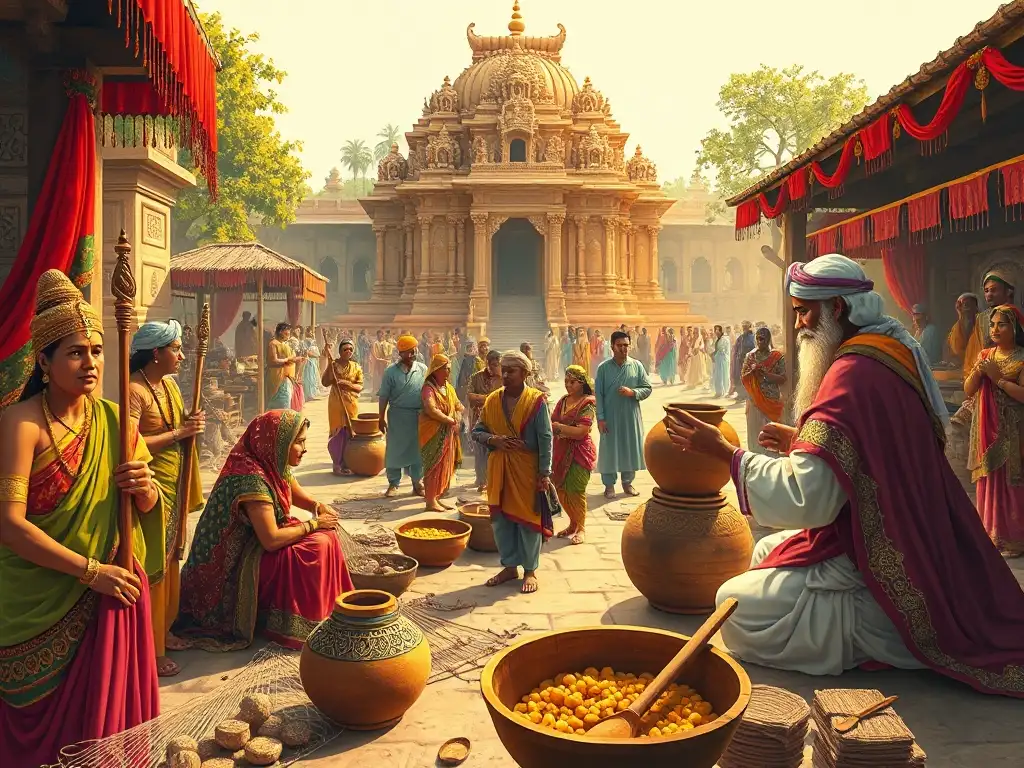
Labor in ancient India was deeply intertwined with religious and cultural practices. Various occupations were often linked to specific castes, which emerged as a means to organize society and allocate labor. For instance, the priestly class (Brahmins) engaged in religious rituals and education, whereas the Kshatriyas were warriors responsible for protection and governance. The Vaishyas, primarily merchants and landowners, contributed to the economy, while the Shudras served in service-oriented roles.
Ritualistic duties played a critical role in the labor of Brahmins, who were tasked with performing sacrifices and maintaining sacred knowledge. Their labor was considered essential for societal order and spiritual well-being. In contrast, agricultural labor was celebrated during festivals, emphasizing the connection between labor and the agrarian cycle.
Furthermore, many ancient texts, such as the Arthashastra by Kautilya, provide insights into the economic roles and responsibilities associated with different occupations, reflecting the societal hierarchy and the significance of labor in maintaining cultural traditions.
Conclusion: The Legacy of Ancient Indian Labor History
The labor practices of ancient India have left a profound legacy that continues to influence modern society. The evolution of occupations, shaped by empires and cultural practices, reveals a history rich in diversity and adaptation. Understanding this legacy offers valuable insights into how labor systems have evolved over time.
Lasting Impacts on Modern Labor Systems
The hierarchical nature of labor and the division of occupations established in ancient India can still be observed in contemporary labor systems. The caste system, with its origins in ancient occupational roles, continues to influence social dynamics and employment opportunities in modern India. Moreover, the emphasis on trade and commerce established by ancient merchants laid the groundwork for India’s current position in the global economy.
The agricultural practices developed in ancient times, including crop rotation and irrigation techniques, still resonate in modern farming methods. This continuity underscores the importance of traditional knowledge in contemporary agricultural practices.
The Importance of Understanding Labor History in Ancient India
Understanding ancient Indian labor history is essential for several reasons. It provides context for the evolution of social structures, economic systems, and cultural practices. By studying the labor systems of the past, we can gain insights into the challenges and opportunities that shaped the livelihoods of ancient Indians.
Moreover, this exploration fosters a deeper appreciation for the complexities of labor dynamics and their impacts on society. As we reflect on these historical labor practices, we can draw lessons that inform current discussions about labor rights, economic equity, and social justice in today’s world.
References and Further Reading
To deepen your understanding of ancient Indian labor history and the evolution of occupations throughout the various empires, the following resources provide invaluable insights. These texts cover a range of topics, from economic systems to social structures and the significance of labor in shaping ancient Indian civilization.
Suggested Books and Articles on Ancient Indian Labor History
-
"The Economic History of India in the Middle Ages" by Romila Thapar
This book offers a comprehensive analysis of economic practices during the medieval period, including labor dynamics and occupational shifts.
-
"Labour and Economic Change in India" by Prashant K. Gupta
This text examines the relationship between labor and economic transformations across different periods, offering case studies on various labor systems.
-
"Crafts and Craftsmen in Ancient India" by K. R. Qanungo
This detailed study highlights the various crafts and artisan roles in ancient India, illustrating the impact of labor specialization on society.
-
"Social and Economic History of Ancient India" by R. S. Sharma
A seminal work that discusses the evolution of social structures and economic activities, shedding light on the labor systems of ancient Indian civilizations.
-
"The Indus Valley Civilization: A Contemporary Perspective" by J. M. Kenoyer
This article explores the labor practices and economic systems of one of the earliest urban cultures in India, providing context for later developments.
Important Archaeological Sites Related to Labor Practices in Ancient India
- Harappa and Mohenjo-Daro
- Overview: These sites are crucial to understanding early urban planning and labor specialization in the Indus Valley Civilization. Excavations reveal advanced craftsmanship in bead-making, pottery, and metallurgy.
- Significance: The presence of standardized weights and measures suggests a sophisticated economy reliant on organized labor systems.
- Taxila
- Overview: A key center for trade and education, Taxila illustrates the intersection of commerce and labor. Artifacts indicate a variety of occupations, from artisans to merchants.
- Significance: The site showcases how labor practices evolved with the influx of diverse cultures due to trade routes.
- Ajanta and Ellora Caves
- Overview: Renowned for their stunning rock-cut architecture and intricate frescoes, these caves highlight the skilled labor of artisans during the Gupta period.
- Significance: The monumental scale of these sites reflects the organized labor force and the importance of craft in religious and cultural expressions.
- Pataliputra
- Overview: The capital of the Maurya Empire, Pataliputra was a hub for administrative and commercial activities, revealing insights into labor organization and urban life.
- Significance: Archaeological findings, including coins and inscriptions, provide evidence of a diverse workforce contributing to the empire's economy.
- Nalanda
- Overview: An ancient center of higher learning, Nalanda attracted scholars and students from across Asia, indicating the role of education in shaping labor demands.
- Significance: The site's remnants reflect the complex interactions between education, labor, and societal advancement in ancient India.
These references and archaeological sites serve as essential resources for anyone interested in exploring the intricate tapestry of ancient Indian labor history and the dynamic role of occupations in shaping civilizations.
- Introduction to Ancient Indian Labor History
- Major Empires and Their Influence on Labor
- Social Hierarchies and Labor
- The Transformation of Labor Practices
- Case Studies of Notable Labor Practices
- Analysis of Specific Occupations: Merchants and Farmers
- The Role of Labor in Religious and Cultural Practices
- Conclusion: The Legacy of Ancient Indian Labor History
- References and Further Reading
Frequently Asked Questions
What is ancient Indian labor history?
Ancient Indian labor history refers to the study of various occupations, labor practices, and the socio-economic structures that defined work in ancient Indian civilizations, including the Indus Valley Civilization and the Gupta Empire.
How did empires influence occupations in ancient India?
Empires like the Maurya and Gupta significantly influenced occupations by establishing trade networks, promoting agriculture, and creating job specialization, which led to a more organized labor system.
What were the main occupations in ancient India?
Common occupations in ancient India included agriculture, craftsmanship, trading, and servitude. Each of these roles contributed to the economic framework and cultural richness of the time.
Social class played a crucial role in determining labor roles. The caste system often dictated one's occupation, leading to a structured society where certain jobs were assigned based on birth rather than individual choice.
What contributions did ancient Indian civilizations make to labor practices?
Ancient Indian civilizations contributed significantly to labor practices by developing manual skills, creating extensive trade routes, and establishing guilds that organized craftsmen and merchants, which influenced later economic systems.
Final Reflection: The Enduring Legacy of Ancient Indian Labor History
The exploration of ancient Indian labor history reveals profound insights into how empires have shaped occupations and societal structures over time. Today, as we navigate a rapidly changing global economy, the lessons from the past resonate more than ever. The transformation of labor in ancient India serves as a striking reminder that the dynamics of work are not static; they evolve with cultural, political, and economic shifts. Understanding these historical patterns can empower us to better comprehend our current labor landscape and anticipate future changes.
The influence of ancient labor practices continues to echo in our cultural and social frameworks. The intricate tapestry of occupations in ancient India not only reflects the skills and trades of the time but also illustrates the interconnectedness of society.
This historical context enriches our understanding of modern labor relations and the importance of adaptability in the face of change. As Mahatma Gandhi once said, “The best way to find yourself is to lose yourself in the service of others.” This quote encapsulates the spirit of labor as a means of contributing to the greater good, a sentiment that remains relevant in today's workforce.
As we reflect on the lessons of ancient Indian labor history, I invite you to consider how these insights can inform your own life and work. Think about the roles you play in your community and how you can contribute to a more equitable and dynamic labor environment.
Embrace the opportunity to learn from the past, adapt to the present, and shape a future where labor is not just a means of survival but a pathway to fulfillment and purpose. Let us honor the legacy of those who came before us by actively engaging in the evolution of work in our own lives.
Reignite Your Curiosity: Explore the Labor Revolution of Ancient India!
Thank you for diving into the fascinating world of how empires transformed occupations in ancient India! You've unlocked a treasure trove of insights about the intricate relationship between labor and imperial power. Now, it's time to take this knowledge further and make it work for you.
Here are a few ways you can deepen your understanding and get involved:
- Uncover more stories: Explore additional articles on our site about various social and labor systems within ancient cultures—there's so much more to discover!
- Join the conversation: Share your thoughts or ask questions in the comments below. Connecting with fellow history enthusiasts can provide valuable new perspectives and insights.
- Attend a local history event: Look for workshops or lectures in your area that focus on ancient civilizations for a more immersive experience.
What aspects of labor in ancient India intrigue you the most, and how do you believe these historical changes influence our world today?