
The Intersection of Caste and Regional Identity in Ancient India

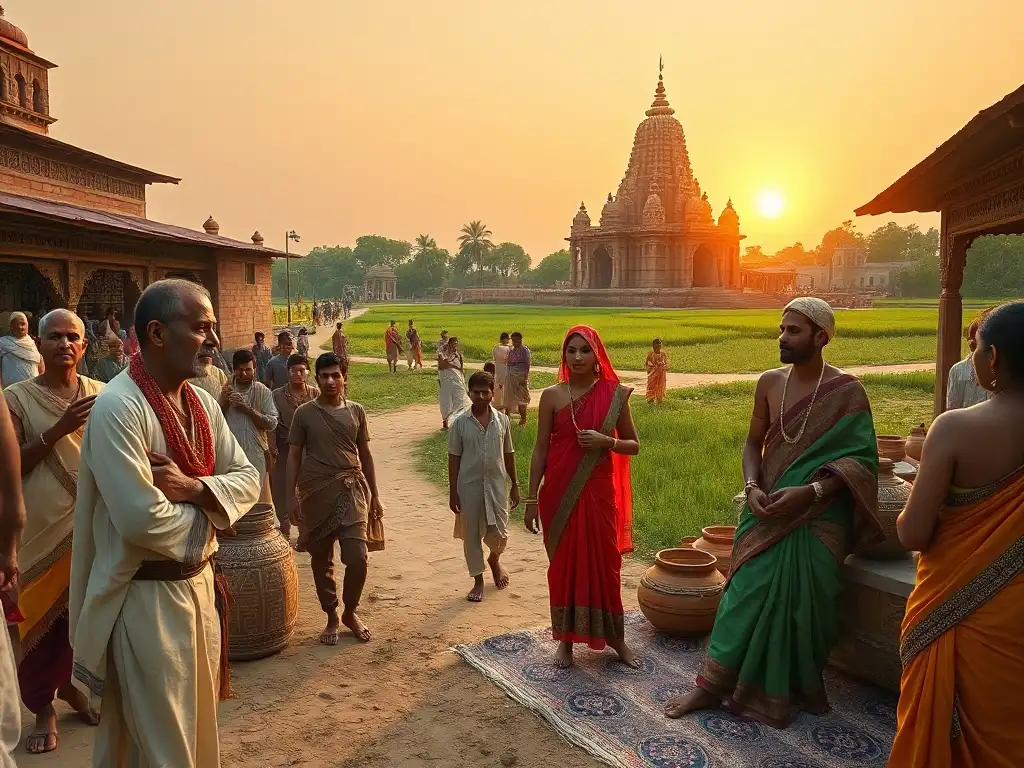
Welcome to Ancient India History, where we embark on a fascinating journey through the rich tapestry of ancient Indian civilizations. In our featured article, "The Intersection of Caste and Regional Identity in Ancient India," we delve into how social structures and regional affiliations shaped daily life and society in this remarkable era.
As we uncover the intricate relationships between caste systems and regional identities, you'll find yourself questioning how these elements continue to influence modern India. Join us as we explore the profound contributions and diverse cultures that have left an indelible mark on history, igniting your curiosity to learn more!
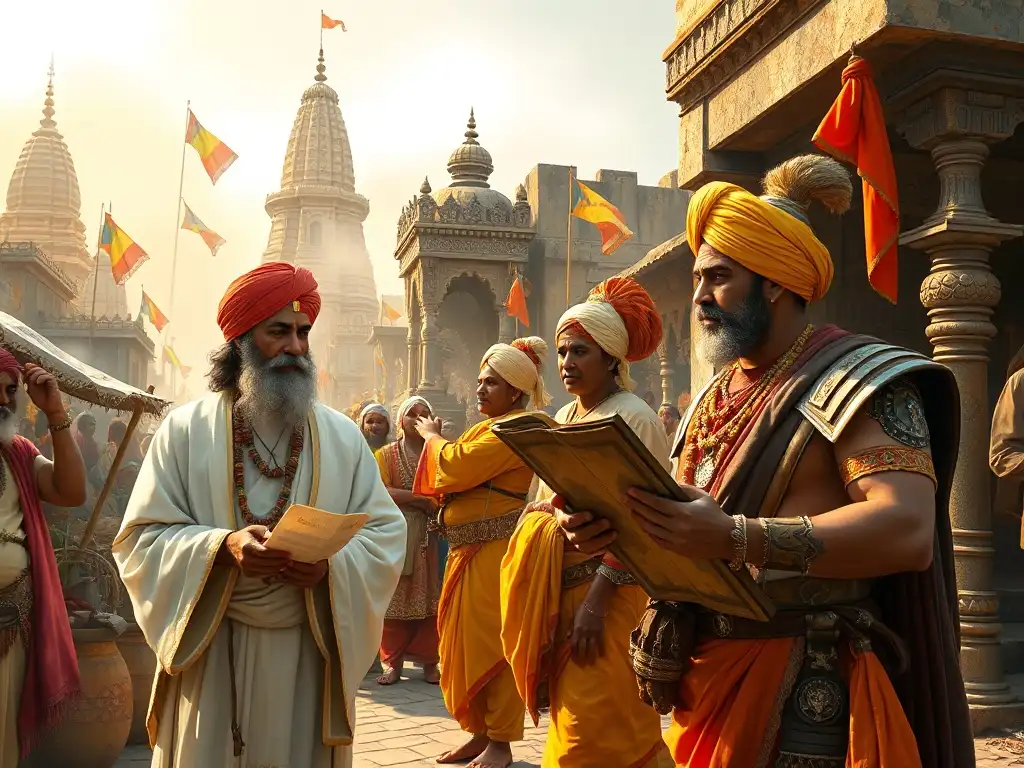
The interplay between caste and regional identity in ancient India is a complex and multifaceted subject that reveals much about the social fabric of historical Indian civilizations. From the time of the Indus Valley Civilization through to the Gupta Empire, the caste system provided a framework through which individuals navigated their roles within society, while regional identity shaped cultural practices, languages, and local customs.
Understanding this intersection is crucial for grasping how ancient Indian societies functioned and evolved, and how these historical dynamics continue to influence modern India. This article will delve into the foundational elements of the caste system, explore the diverse regional identities that emerged across the subcontinent, and examine the intricate relationship between these two influential aspects of ancient Indian life.
Understanding Caste in Ancient India
The Origins of the Caste System
The caste system in ancient India has roots that can be traced back to the Vedic period, around 1500 BCE. Initially, the division of society into four primary categories—Brahmins (priests), Kshatriyas (warriors), Vaishyas (merchants), and Shudras (laborers)—was based on occupational roles and duties. This system, known as varna, gradually evolved into a more rigid structure, influenced by various factors including:
- Religious beliefs: The concept of karma and dharma played significant roles in justifying the caste hierarchy.
- Social practices: Interactions between different groups led to the emergence of numerous sub-castes, or jatis, which further complicated the social landscape.
Key Features of the Caste System
The caste system was characterized by several defining features that marked social interactions and individual roles:
- Endogamy: Strict rules governed marriage within a caste, reinforcing social boundaries.
- Occupational specialization: Each caste was associated with specific occupations, limiting economic mobility.
- Social stratification: Castes were ranked hierarchically, with Brahmins at the top and Shudras at the bottom, creating a system of privilege and oppression.
These features not only shaped the social dynamics of ancient India but also contributed to the formation of regional identities, as different areas adopted and adapted the caste system to their unique contexts.
Major Castes and Their Roles in Society
In ancient India, several major castes played pivotal roles in the functioning of society. These included:
| Caste | Primary Roles and Responsibilities |
|---|---|
| Brahmins | Priests, scholars, and teachers |
| Kshatriyas | Warriors, rulers, and protectors |
| Vaishyas | Merchants, farmers, and artisans |
| Shudras | Laborers and service providers |
Each caste not only contributed to the economic and social structure but also influenced cultural practices and regional identities, fostering a rich tapestry of life across different parts of India.
Regional Identity in Ancient India
Overview of Regional Diversity in Ancient India
Ancient India was home to a vast array of regional identities, shaped by geography, culture, and history. The subcontinent's diversity can be categorized into distinct regions, each with its own unique characteristics, such as:
- North India: Known for its Indo-Aryan culture, language, and the emergence of powerful kingdoms.
- South India: Renowned for its Dravidian heritage, rich temples, and advanced agricultural practices.
- Eastern India: Characterized by its rivers and fertile land, fostering trade and cultural exchange.
- Western India: Influenced by trade routes and diverse communities, leading to a blend of cultures.
Impact of Geography on Regional Identity
Geography played a crucial role in shaping the regional identities of ancient India. The physical landscape, including mountains, rivers, and plateaus, influenced the development of distinct societies. For example:
- The Himalayas: Acted as a natural barrier, fostering unique cultural developments in the north.
- The Deccan Plateau: Supported agrarian communities and led to the rise of regional powers in the south.
- The Indo-Gangetic Plain: Served as a cradle for early civilizations, facilitating trade and cultural exchanges.
These geographical factors contributed to the formation of regional identities that were often interwoven with caste dynamics, creating a rich social tapestry.
Cultural Practices and Regional Identity
Cultural practices in ancient India were deeply intertwined with regional identity, reflecting the diverse customs, languages, and traditions across various communities. These practices included:
- Festivals: Unique celebrations marked by local significance, often tied to agricultural cycles or religious beliefs.
- Language: The emergence of regional languages and dialects that fostered a sense of belonging and identity.
- Art and Architecture: Distinct styles of temple architecture and artistic expressions that reflected local culture and traditions.
By examining these cultural practices, we can better understand how caste and regional identity coalesced to shape the experiences of individuals and communities in ancient India, laying the groundwork for the complex society that emerged over the centuries.
The Interplay Between Caste and Regional Identity
The relationship between caste and regional identity in ancient India is a complex and multifaceted phenomenon. Caste, as a social stratification system, has long been a defining characteristic of Indian society, influencing not only social relations but also regional identities. In ancient India, the caste system was not uniformly applied across the subcontinent; instead, it exhibited significant regional variations. This interplay between caste and regional identity shaped community dynamics, social roles, and cultural practices, reflecting the unique historical, geographical, and economic contexts of different regions.
In many ancient Indian societies, caste and regional identity were interwoven, with specific castes often aligning with particular geographic areas. For instance, certain agricultural communities in the fertile plains of the Ganges developed distinct identities linked to their occupations and local customs. This regional specificity contributed to the formation of localized caste identities, which sometimes emphasized solidarity and mutual support within the community. Conversely, regional identities could also reinforce caste distinctions, as local customs and practices sometimes diverged significantly from those of neighboring regions.
Understanding this interplay requires examining various historical contexts, including trade, migration, and conquest. As different regions engaged with one another through trade routes or military campaigns, the interactions among diverse castes and communities led to the evolution of caste identities, influenced by local traditions and external factors. Ultimately, the intersection of caste and regional identity in ancient India played a crucial role in shaping the social fabric of the time, with lasting implications for modern Indian society.
How Caste Influences Regional Identity
Caste has been a pivotal factor in forming and expressing regional identity throughout ancient India's history. Each caste often held its own set of customs, rituals, and practices, which were deeply embedded in the cultural identity of a region. For example, the agrarian castes in regions like Punjab or Bengal developed identities closely tied to the agricultural cycles and local deities, which reinforced their connection to the land and community.
Moreover, caste influenced social hierarchy within regions, dictating interactions among various groups. Higher castes often assumed leadership roles within regional governance, shaping local politics and community organization. This hierarchical structure sometimes led to the emergence of regional identities that were distinct yet intertwined with caste affiliations. Consequently, the social standing of a caste could significantly impact the recognition and legitimacy of regional identities.
The influence of caste on regional identity was also evident in the arts and cultural expressions. Different regions developed unique art forms, music, and dance associated with specific castes, further solidifying the link between caste and regional identity. The rituals and celebrations of various communities often highlighted their caste affiliations, contributing to a shared sense of belonging and community pride.
Regional Variations in Caste Practices
Caste practices in ancient India exhibited substantial regional variations, influenced by local customs, traditions, and historical developments. While the broad outlines of the caste system, including the four primary varnas—Brahmins, Kshatriyas, Vaishyas, and Shudras—provided a framework, the actual practices could differ markedly from one region to another.
For instance, in southern India, the caste system incorporated elements of regional history and local governance, leading to a more fluid caste hierarchy where occupational mobility was more common. In contrast, northern regions often adhered to more rigid caste distinctions, where social mobility was limited and caste purity was stringently maintained.
Additionally, regional variations extended to the role of women within the caste system. In some regions, women from specific castes enjoyed greater autonomy and participation in economic activities, while in others, they were more restricted by social norms and expectations. These differences reflect the adaptive nature of the caste system, which evolved in response to local conditions and cultural practices.
Through examining these regional variations, it becomes clear that the caste system was not a monolithic entity but rather a dynamic and diverse social structure that responded to the particularities of each region.
Case Studies: Caste and Regional Identity in Specific Regions
To illustrate the interplay of caste and regional identity, several case studies highlight how these elements interact in specific areas of ancient India.
- Punjab: In this region, the Jat community, primarily involved in agriculture, developed a distinct regional identity. The Jats' social organization and customs were closely linked to their agrarian lifestyle, which reinforced their identity as custodians of the land. The prominence of Sikhism in Punjab also contributed to a unique fusion of caste and regional identity, as Sikh practices often emphasized egalitarianism while still acknowledging caste origins.
- Bengal: The caste system in Bengal exhibited significant regional variation, particularly with the emergence of the Brahmins and Kayasthas, who played influential roles in administration and culture. The rich literary and artistic heritage of Bengal was shaped by these castes, which developed a strong regional identity through their contributions to literature, music, and art, often interwoven with local festivals and customs.
- Tamil Nadu: In southern India, the development of the temple culture in Tamil Nadu is a prime example of the relationship between caste and regional identity. The Nayakkar and Vellalar castes were instrumental in temple construction and administration, forging regional identities linked to religious practices. The vibrant cultural expressions associated with temples often reflected caste-specific contributions, enhancing the region's unique identity.
These case studies illustrate how caste can both shape and be shaped by regional identities, contributing to the rich tapestry of ancient Indian society.
The Role of Religion in Shaping Caste and Regional Identity
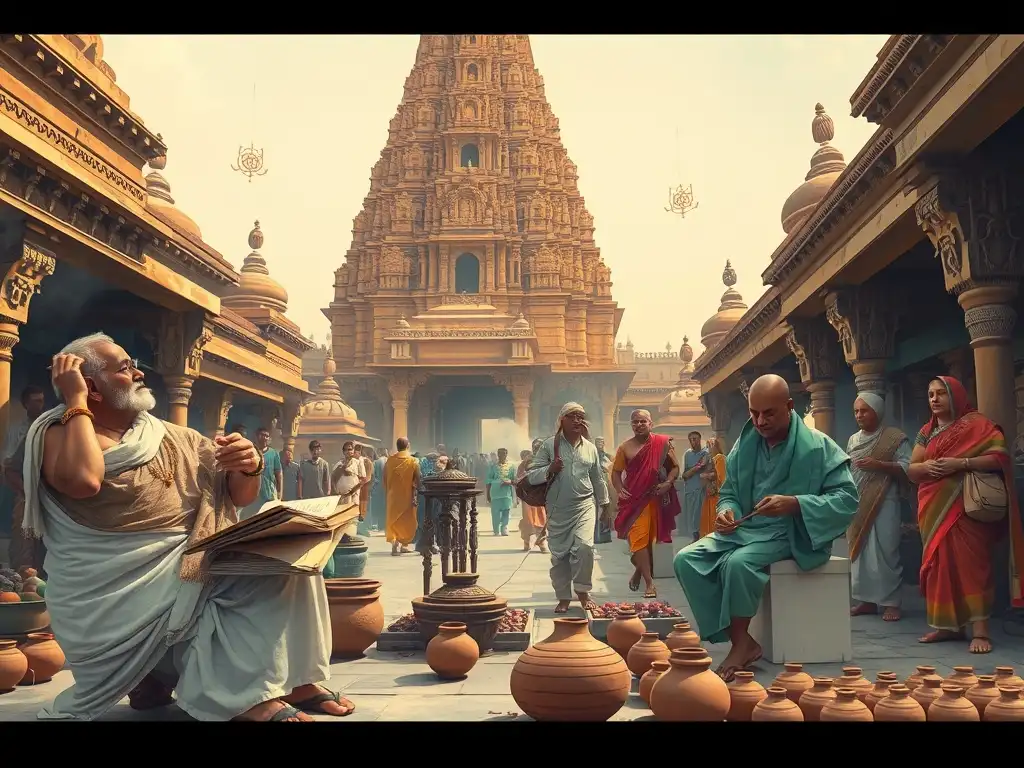
Religion played a critical role in the development and reinforcement of both caste and regional identities in ancient India. The intertwining of religious beliefs and caste practices established a framework that influenced social dynamics, community organization, and cultural expressions across different regions.
Religious Texts and Their Influence on Caste
Religious texts, such as the Vedas and Manusmriti, provided the ideological foundation for the caste system, articulating the roles and responsibilities assigned to each varna. These texts not only codified caste hierarchies but also legitimized them through sacred narratives and divine sanction. As such, the caste system became intertwined with religious beliefs, reinforcing the social order across various regions.
Different regions often interpreted these texts through local lenses, leading to variations in caste practices and identities. For instance, interpretations of dharma (duty) in relation to caste could shift based on regional contexts, which in turn shaped how communities understood their roles within the broader social fabric. The teachings of various religious leaders and philosophers also contributed to these interpretations, leading to distinct regional expressions of caste dynamics.
Festivals and Their Connection to Caste and Region
Festivals in ancient India served as vital expressions of both caste and regional identity. Each community celebrated specific festivals that were closely tied to their agricultural cycles, religious beliefs, and caste affiliations. For example, harvest festivals like Pongal in Tamil Nadu or Baisakhi in Punjab not only celebrated agricultural bounty but also reinforced communal ties within castes, highlighting their contributions to local culture.
Moreover, the participation of various castes in regional festivals often reflected their social standing and relationships with other communities. While some festivals were inclusive, allowing for inter-caste participation, others reinforced caste boundaries, illustrating the complex interplay of caste and regional identity. The rituals and customs associated with these festivals helped solidify community bonds and fostered a sense of belonging, ultimately shaping the regional identity.
The Impact of Religious Leaders on Caste Structures
Religious leaders played a crucial role in shaping the dynamics of caste and regional identity in ancient India. Figures such as gurus, saints, and local deities often influenced the perceptions and practices surrounding caste. Their teachings could challenge or reinforce existing caste hierarchies, leading to shifts in social structures.
In many cases, religious leaders emerged from specific castes, advocating for the rights and voices of their communities. For instance, the Bhakti movement, which emphasized devotion over caste distinctions, saw leaders like Kabir and Namdev championing a more inclusive approach to spirituality. This movement not only challenged rigid caste boundaries but also fostered new regional identities that transcended traditional divisions.
Conversely, some religious leaders upheld caste distinctions, reinforcing social hierarchies within their communities. This dual influence of religious leadership highlights the complexity of the relationship between caste and regional identity, demonstrating how religious beliefs can both unify and divide communities in ancient India.
Changes Over Time: The Evolution of Caste and Regional Identity
The concept of caste and regional identity in ancient India underwent significant transformations, influenced by a variety of social, economic, and political factors. Initially, the caste system was predominantly linked to occupational specialization and societal roles, where individuals were categorized based on their professions. Over time, this system became more rigid, solidifying into a hierarchical structure that defined social status and mobility.
Regional identity also played a crucial role in shaping caste dynamics. Different regions in ancient India developed unique cultural practices, languages, and social norms, which influenced how caste was perceived and enacted. For instance, the interaction between local traditions and the overarching caste system led to the emergence of sub-castes or jatis, which often reflected regional occupations or social practices, further complicating the relationship between caste and regional identity.
This evolution was not linear; it was marked by various historical events that prompted shifts in social structure, leading to a complex interplay between caste and regional identities throughout India's history.
Historical Events that Shaped Caste and Regional Dynamics
Several historical events significantly impacted the development of caste and regional dynamics in ancient India. The arrival of Aryan migrants around 1500 BCE introduced the Vedic texts, which laid the foundational ideologies of caste, primarily the division into the four varnas: Brahmins, Kshatriyas, Vaishyas, and Shudras. This system was further elaborated and modified through the centuries.
The rise of powerful empires, such as the Maurya and Gupta empires, also reshaped social structures. During the Maurya Empire, particularly under Ashoka, efforts were made to promote social welfare and inclusivity, which challenged rigid caste norms. Conversely, the Gupta period witnessed a resurgence of Brahminical authority, reinforcing caste hierarchies and further entrenching regional identities associated with specific castes.
Additionally, invasions and trade interactions with various cultures introduced new dynamics, leading to the assimilation or rejection of external influences that affected both caste and regional identities. The establishment of trade routes and the movement of peoples fostered a blend of cultures, often resulting in the emergence of hybrid identities that blurred traditional caste boundaries.
The Influence of Empires on Caste and Regional Identity
Empires in ancient India played a pivotal role in shaping the relationship between caste and regional identity. The Maurya Empire, known for its vast expanse and diverse population, implemented policies aimed at unifying different regional identities while promoting a sense of belonging that transcended caste affiliations. Ashoka’s edicts emphasized moral values and ethical behavior, encouraging social cohesion rather than strict adherence to caste divisions.
In contrast, during the Gupta Empire, there was a notable revival of Brahminical traditions and the caste system. This period saw the codification of caste rules and the re-establishment of Brahmins as the dominant class, which significantly impacted regional identities. Different regions began to align more closely with specific castes, leading to the proliferation of regional identities that were often defined by caste affiliations.
The influence of these empires extended beyond their reigns, as they left a lasting legacy on local governance and social organization. The integration of regional customs into the broader framework of caste established a complex identity system that persisted even as India transitioned into medieval and modern periods.
Modern Implications of Ancient Caste and Regional Structures
The implications of ancient caste and regional structures continue to resonate in contemporary India. Historical caste divisions have evolved but remain influential in societal interactions, political affiliations, and economic opportunities. Many regions still exhibit strong regional identities tied to specific castes, which can affect social mobility and access to resources.
Furthermore, the persistence of caste-based politics highlights the enduring nature of these ancient identities. Political parties often mobilize support based on caste affiliations, reflecting the historical significance of caste in shaping social and political landscapes. This can lead to both positive and negative outcomes, as caste-based solidarity can empower marginalized groups while also perpetuating divisions.
The legacy of caste and regional identity also manifests in cultural expressions, festivals, and even cuisine, where regional variations often reflect caste histories. Recognizing these connections is essential for understanding the complexities of modern Indian society, as the intertwining of caste and regional identities continues to influence social dynamics and individual experiences.
Conclusion
Summary of Key Insights on Caste and Regional Identity
The examination of caste and regional identity in ancient India reveals a rich tapestry of social dynamics that shaped the historical narrative of the subcontinent. Key insights include the initial occupational basis of caste, the impact of regional customs, and the significant influence of empires that molded both caste hierarchies and regional identities. Historical events, such as migrations and invasions, further complicated these relationships, leading to a nuanced understanding of identity in ancient India.
The Legacy of Caste and Regional Identity in Contemporary India
The legacy of caste and regional identity from ancient India is deeply embedded in modern society. While significant changes have occurred over centuries, the historical foundations laid by ancient systems continue to inform social interactions and political structures today. Understanding this legacy is crucial for addressing contemporary issues of inequality and identity politics in India, as it illuminates the complex interplay between tradition and modernity in shaping the nation's social fabric.
- Understanding Caste in Ancient India
- Regional Identity in Ancient India
- The Interplay Between Caste and Regional Identity
- The Role of Religion in Shaping Caste and Regional Identity
- Changes Over Time: The Evolution of Caste and Regional Identity
- Conclusion
- What is the significance of caste in ancient Indian society?
- How did regional identity shape the development of ancient Indian civilizations?
- What were the main caste divisions in ancient India?
- How did the intersection of caste and regional identity manifest in ancient India?
- What are some key contributions of ancient Indian civilizations related to caste and regional identities?
Frequently Asked Questions
What is the significance of caste in ancient Indian society?
The caste system played a crucial role in structuring social hierarchies and regional identities, influencing various aspects of life, including occupation, marriage, and social interactions.
How did regional identity shape the development of ancient Indian civilizations?
Regional identity contributed to the diversity of cultures, languages, and practices across different areas, impacting the unique contributions of civilizations such as the Indus Valley and the Gupta Empire.
What were the main caste divisions in ancient India?
The primary caste divisions included the Brahmins (priests and scholars), Kshatriyas (warriors and rulers), Vaishyas (traders and agriculturists), and Shudras (laborers and service providers).
How did the intersection of caste and regional identity manifest in ancient India?
The intersection of caste and regional identity often influenced local governance, trade practices, and cultural expressions, leading to a rich tapestry of customs and traditions.
Ancient Indian civilizations made significant contributions in fields like philosophy, art, and science, with each region reflecting its unique caste dynamics and cultural practices, enriching the overall heritage of India.
Final Reflection: Understanding the Tapestry of Caste and Regional Identity in Ancient India
The intricate relationship between caste and regional identity in ancient India remains profoundly relevant today, as it shapes not only our understanding of historical contexts but also informs contemporary social dynamics. The complexities of these identities echo through time, reminding us that the past is not merely a series of events but a living narrative that continues to influence societal structures. Recognizing this connection is essential for fostering a more inclusive future.
The exploration of caste and regional identity has significantly influenced our cultural and social landscape, revealing the multifaceted nature of Indian society. This historical interplay is not just a relic of the past; it continues to resonate in modern discussions about identity, belonging, and social justice. As we navigate these conversations, we must remember the words of the renowned historian Romila Thapar: History is not just about the past; it is a tool to understand the present.
This insight encourages us to reflect on how our understanding of ancient identities can inform our responses to current social challenges.
As we conclude this exploration, I invite you to reflect on your own identity and the identities of those around you. Consider how the lessons from ancient India can inspire you to foster empathy and understanding in your community. By engaging with the complexities of caste and regional identity, we can work towards a more equitable society that honors the rich tapestry of our shared history. Let us carry these insights forward, ensuring that the narratives of the past guide us in building a more inclusive future.
Unveil the Rich Tapestry of Ancient India!
Thank you for exploring the fascinating intersection of caste and regional identity in Ancient India with us. Your interest in this complex topic highlights the intricate dynamics that have shaped society over centuries. Now, let’s take this inspiration further and engage with the history that surrounds us.
Here’s how you can deepen your connection to this rich subject:
- Dive deeper: Explore historical texts and accounts from various regions of Ancient India to gain insights into their unique contributions and identities.
- Share your insights: Engage in discussions with friends or online communities of history enthusiasts, inspiring others with the knowledge you’ve acquired.
- Connect with experts: Reach out to historians or join local history groups to participate in enriching discussions that enhance your understanding and appreciation of Ancient Indian culture.
What aspect of Ancient India's caste and regional identity resonates most with you, and how do you believe it influences our understanding of society today?