
The Influence of Ancient Indian Occupational Practices on Neighboring Cultures

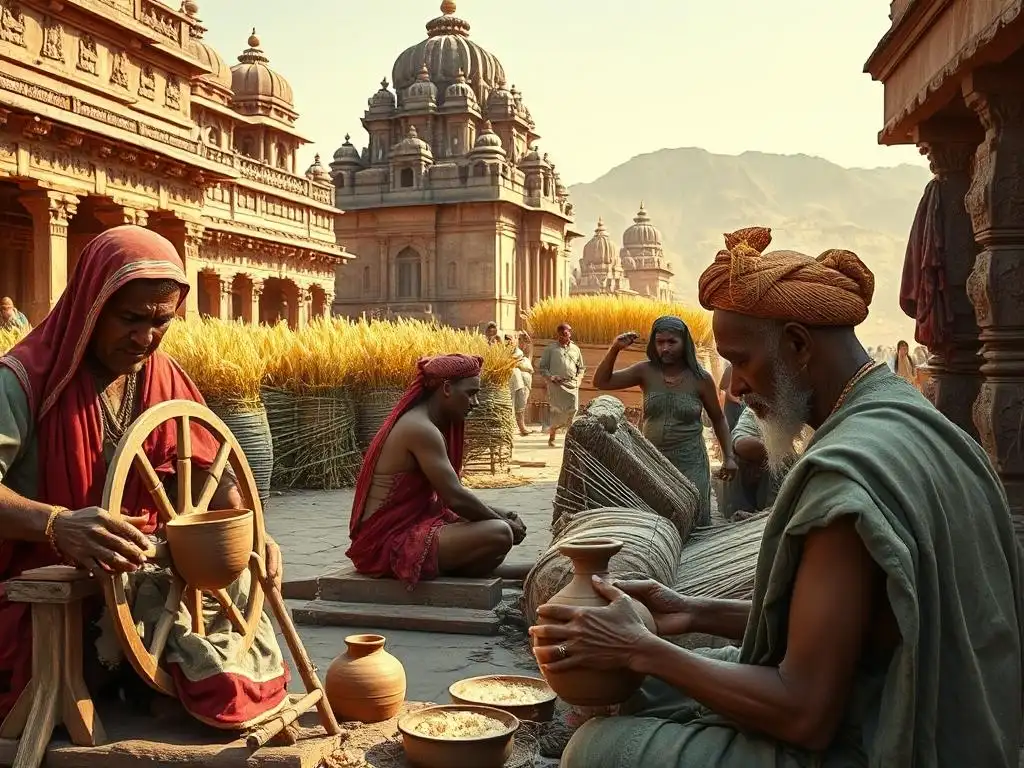
Welcome to Ancient India History, where the past comes alive through the vibrant tapestry of ancient civilizations! Dive into our featured article, "The Influence of Ancient Indian Occupational Practices on Neighboring Cultures," and uncover how the professional skills and trades of ancient Indians shaped not only their society but also left a lasting imprint on the cultures around them. From the intricate craftsmanship of the Indus Valley to the scholarly pursuits of the Gupta Empire, the occupational practices of these civilizations tell a compelling story of innovation and exchange.
Are you ready to explore the profound impact of these practices on daily life and society? Join us on this journey through time and discover the connections that bind us all!
Introduction to Ancient Indian Occupational Practices
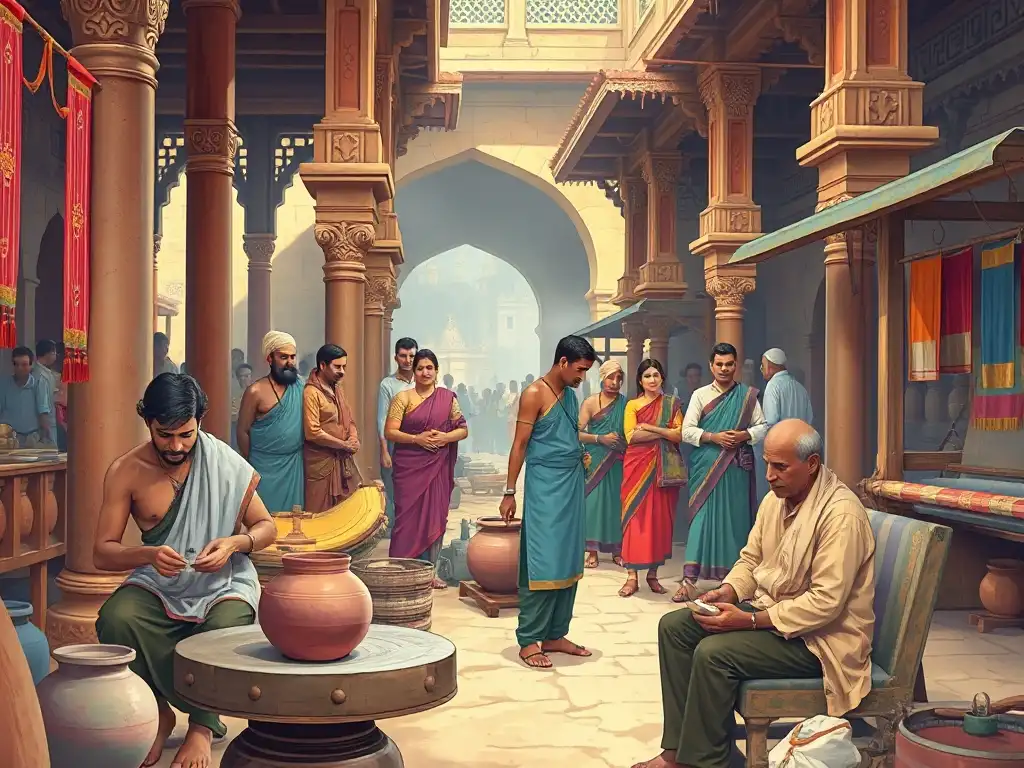
The tapestry of Ancient Indian occupational practices is woven with threads of tradition, innovation, and cultural exchange that not only defined the daily lives of its people but also influenced neighboring civilizations. Understanding these practices offers profound insights into the socio-economic structures, cultural values, and technological advancements of ancient India. From the early agrarian societies of the Indus Valley to the sophisticated craft industries of the Gupta Empire, these occupational practices played a pivotal role in shaping the social fabric and economic framework of the region.
Furthermore, as ancient Indian societies interacted with their neighbors, they exchanged ideas and techniques, leading to a significant influence on the occupational practices of surrounding cultures. This article delves into the intricacies of these practices, exploring their historical context and enduring significance.
Definition and Overview of Occupational Practices in Ancient India
Occupational practices in ancient India encompassed a wide range of activities that provided livelihoods and fostered community development. These included:
- Agriculture: The backbone of the economy, with staple crops like rice, wheat, and barley being cultivated.
- Artisanal Crafts: Skilled craftspeople produced textiles, pottery, metalworks, and jewelry, contributing to both local economies and trade.
- Trade and Commerce: Markets flourished as goods were exchanged, both locally and with distant lands, enhancing economic interdependence.
- Services: Roles such as teachers, healers, and priests were integral to societal function and cultural continuity.
These practices not only fulfilled the material needs of society but also reflected the spiritual and cultural values prevalent during various periods of Indian history.
Significance of Labor Systems in Ancient Indian Society
Labor systems in ancient India were intricately linked to social structures and cultural ideologies. The significance of these systems can be highlighted through several aspects:
- Economic Stability: Diverse occupations ensured that communities could sustain themselves, leading to economic resilience.
- Social Hierarchy: Occupational roles often reinforced social stratification, particularly through the caste system, which dictated the types of jobs individuals could undertake.
- Cultural Identity: Many occupations were tied to religious and cultural practices, allowing communities to maintain their unique identities.
The interplay between these factors contributed to the richness of ancient Indian society and its lasting influence on neighboring cultures.
Historical Context of Ancient Indian Occupational Practices
Evolution of Occupations from the Indus Valley Civilization
The Indus Valley Civilization (c. 3300–1300 BCE) marked a significant milestone in the evolution of occupational practices in ancient India. The discovery of well-planned cities such as Harappa and Mohenjo-Daro reveals a sophisticated understanding of urban planning and resource management. Key features of occupational evolution during this period included:
- Agricultural Advancements: Early farming techniques were complemented by irrigation, enhancing crop yields.
- Specialization of Labor: Artisans began to emerge, with specialized skills in pottery, metallurgy, and weaving, reflecting a growing complexity in the economy.
- Trade Networks: The civilization engaged in extensive trade with Mesopotamia and other regions, facilitating cultural exchanges and the spread of occupational knowledge.
These developments laid the groundwork for subsequent occupational systems that would flourish in later eras.
The Role of Caste System in Shaping Occupational Practices
The caste system emerged as a defining feature of social organization in ancient India, deeply influencing occupational practices. This hierarchical structure categorized individuals based on their birth and the nature of their work, leading to a division of labor that became entrenched over centuries. Key aspects of this influence included:
- Fixed Occupational Roles: Each caste was associated with specific occupations, limiting mobility and ensuring the continuity of traditional skills.
- Social Order: The caste system reinforced social stability, as each group contributed to the economy in its designated role.
- Cultural Transmission: Knowledge and skills were passed down through generations within castes, preserving traditional practices while also adapting to changing circumstances.
Understanding the role of the caste system is essential to grasping the complexity of ancient Indian occupational practices and their impact on neighboring cultures.
Key Occupational Practices in Ancient India
Ancient India was characterized by a diverse range of occupational practices that not only sustained its economy but also shaped its cultural and social structures. The major occupations included agriculture, handicrafts, trade, and various artisanal skills. These practices were vital for the sustenance of communities and contributed significantly to the development of a complex society, enabling the flourishing of various civilizations.
Each of these occupational practices was influenced by geographical, climatic, and social factors, leading to specialized skills and techniques. For instance, the diverse climatic conditions across regions fostered distinct agricultural practices, while the availability of raw materials shaped the development of handicrafts and trade. The interactions among these practices not only laid the foundation for internal economic systems but also facilitated cultural exchanges with neighboring regions, thereby amplifying their influence beyond the Indian subcontinent.
Agriculture and Its Impact on Society
Agriculture was the cornerstone of ancient Indian society, serving as the primary occupation for the majority of the population. The fertile plains of the Indus Valley and the Ganges enabled the cultivation of various crops, including rice, wheat, and pulses. Innovations such as irrigation systems, plowing techniques, and crop rotation significantly enhanced productivity. This agricultural surplus supported population growth and urbanization, allowing for the emergence of complex societal structures and governance.
The social implications of agricultural practices were profound. Land ownership patterns defined social hierarchies, and the agrarian lifestyle fostered communal living and cooperation among villagers. Festivals and rituals related to agriculture, such as harvest celebrations, played a crucial role in reinforcing community bonds and cultural identity. Additionally, successful agricultural practices influenced trade networks, as surplus produce became a commodity, enhancing economic interactions with neighboring cultures.
Handicrafts and Artisan Work: Skills Passed Down Through Generations
The tradition of handicrafts in ancient India was not merely an economic activity but also a reflection of cultural identity and artistic expression. Craftspeople specialized in various fields, including pottery, weaving, metalwork, and jewelry making, often employing techniques passed down through generations. The guild system played a crucial role in preserving these skills, as craftsmen would train apprentices, ensuring the continuity of their trades.
Craftsmanship was not only vital for local markets but also for trade, as these artisanal goods were highly sought after in regional and international markets. The intricate designs and quality of Indian handicrafts earned a reputation that transcended borders, influencing artistic traditions in neighboring cultures. This exchange of techniques and styles enriched both Indian and foreign artistic expressions, creating a tapestry of shared cultural heritage.
Trade and Commerce: Connecting Cultures
Trade and commerce were pivotal in ancient India, facilitating exchanges not just of goods but also of ideas, cultures, and technologies. The establishment of trade routes, such as the Silk Road and maritime pathways, connected India with distant lands, including the Middle East, Southeast Asia, and beyond. Indian traders were known for their sophisticated practices, which included the use of coins, barter systems, and credit.
Through trade, India exported a variety of products, including spices, textiles, and gems, while importing luxury goods and raw materials. This reciprocal exchange fostered a spirit of cooperation and understanding among diverse cultures. As merchants traveled, they brought back not only commodities but also innovations, religious beliefs, and artistic influences, enriching the social fabric of ancient Indian society and its neighbors.
Influence on Neighboring Cultures
The occupational practices of ancient India had a lasting impact on neighboring cultures, shaping their economies, social structures, and artistic expressions. This influence is evident in various aspects of life across regions, reflecting the interconnectedness of ancient civilizations.
Cultural Exchange Through Trade Routes
The trade routes that connected ancient India to neighboring cultures facilitated significant cultural exchanges. Goods, ideas, and practices traveled along these paths, leading to the sharing of agricultural techniques, religious beliefs, and artistic styles. For instance, the introduction of Indian agricultural methods, such as rice cultivation, significantly affected food production in Southeast Asia.
Moreover, Indian merchants and travelers often acted as cultural emissaries, introducing local populations to Indian philosophies, religions, and art forms. The spread of Buddhism and Hinduism into regions like Central Asia and Southeast Asia is a testament to how occupational practices intertwined with cultural exchanges, fostering a shared heritage that transcended borders.
Adoption of Agricultural Techniques by Neighboring Societies
Neighboring cultures were influenced by the advanced agricultural techniques developed in ancient India. The introduction of irrigation methods, crop diversification, and the use of plows were adopted by societies in regions such as Persia and Southeast Asia. These practices led to increased agricultural productivity, which in turn supported population growth and urban development in those areas.
The success of Indian agriculture served as a model for neighboring civilizations, leading to the establishment of more complex societies that mirrored the agrarian lifestyle of ancient India. This adoption of agricultural techniques significantly contributed to the economic and social evolution of these cultures.
Influence of Indian Craftsmanship on Regional Art Forms
The craftsmanship of ancient India left a profound mark on regional art forms in neighboring cultures. Techniques in textile production, pottery, and metalwork were disseminated through trade and cultural exchanges, inspiring local artisans. For instance, the intricate designs of Indian textiles influenced the weaving traditions in regions like Persia and Central Asia, leading to the creation of unique hybrid styles.
Additionally, the motifs and symbols found in Indian art were often integrated into the artistic expressions of neighboring cultures, resulting in a rich tapestry of shared aesthetics. This cross-pollination of artistic practices demonstrates how ancient Indian occupational practices not only shaped its own civilization but also enriched the cultural landscapes of surrounding regions.
Case Studies of Cultural Influence
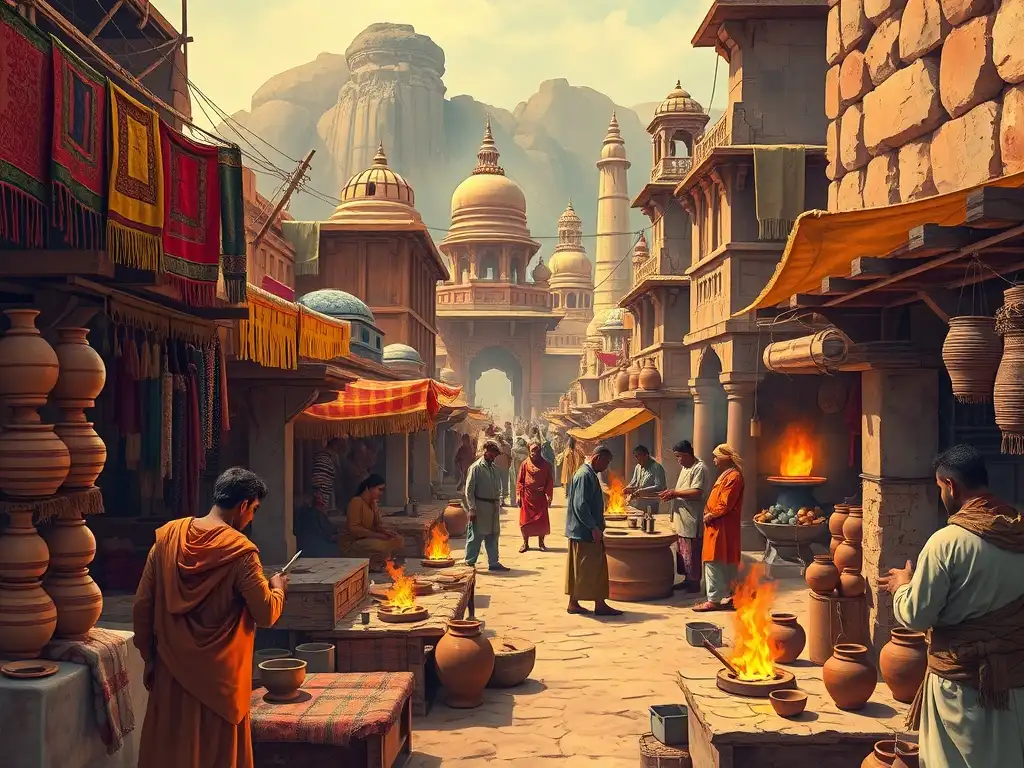
The influence of ancient Indian occupational practices extended far beyond the subcontinent, shaping various cultures and economies throughout Asia and beyond. This section explores key case studies that demonstrate the profound impact of these practices.
The Spread of Indian Agricultural Practices in Southeast Asia
Ancient Indian agricultural practices significantly influenced the agrarian systems of Southeast Asia. Techniques such as wet rice cultivation were adopted by local populations, leading to the establishment of flourishing agrarian communities. The introduction of advanced irrigation methods, including the use of canals and terracing, transformed landscapes and increased crop yields.
Indian agrarian texts, such as the Krishi Parashara, played a pivotal role in disseminating knowledge about crop rotation and seasonal planting. As a result, local farmers began to implement these practices, which not only enhanced food security but also facilitated trade. The adoption of Indian agricultural practices contributed to the rise of complex societies in regions like present-day Vietnam, Thailand, and Indonesia.
The Impact of Indian Textiles on Middle Eastern Markets
The ancient Indian textile industry was renowned for its quality and artistry, particularly in producing cotton and silk fabrics. Indian textiles found their way into Middle Eastern markets, where they were highly sought after. The trade routes established during the ancient period enabled the exchange of not only goods but also cultural practices.
Indian craftsmanship influenced local textile production in the Middle East, leading to the integration of Indian designs and dyeing techniques into local traditions. The use of vibrant colors and intricate patterns became a hallmark of Middle Eastern textiles, showcasing the blending of Indian and local artistic expressions. This cultural exchange fostered economic ties and enriched the textile heritage of both regions.
Architectural Influences: Indian Styles in Neighboring Regions
The architectural legacy of ancient India left a lasting imprint on the construction styles of neighboring regions, particularly in Southeast Asia. Temples built during the Gupta and Chola periods served as templates for architectural designs in places like Cambodia and Indonesia. The intricate carvings, stupas, and temple layouts reflect a synthesis of Indian architectural principles with local styles.
For instance, the Angkor Wat temple complex in Cambodia showcases elements reminiscent of Indian temple architecture, including the use of lintels, columns, and elaborate decorative motifs. This fusion of styles highlights how ancient Indian occupational practices in architecture not only influenced building techniques but also facilitated the spread of religious and cultural ideologies, particularly Hinduism and Buddhism.
Conclusion
The examination of ancient Indian occupational practices reveals a rich tapestry of cultural exchanges that have shaped societies across Asia. From agriculture to textiles and architecture, the impact of these practices is profound and enduring.
Summary of the Influence of Ancient Indian Occupational Practices
The ancient Indian occupational practices have significantly influenced neighboring cultures through the introduction of agricultural techniques, the proliferation of textile artistry, and architectural innovation. These exchanges not only fostered economic growth but also enriched cultural identities, demonstrating the interconnectedness of ancient civilizations.
Reflection on the Legacy of Ancient Indian Labor Systems in Modern Cultures
Reflecting on the legacy of ancient Indian labor systems, it is evident that their influence continues to resonate in modern cultures. The agricultural techniques and trade practices established centuries ago still underpin contemporary economic systems in many Southeast Asian nations. Furthermore, the artistic and architectural elements derived from ancient Indian practices can be seen in the cultural expressions and craftsmanship that persist today. This enduring legacy serves as a testament to the resilience and adaptability of ancient Indian occupational practices in shaping the course of history and culture across borders.
Further Reading
To gain a deeper understanding of ancient Indian occupational practices and their influence on neighboring cultures, a variety of resources are available. These resources encompass scholarly articles, books, and historical texts that explore the intricacies of labor systems, trade, and cultural exchanges in ancient Indian societies. Here are some recommended resources and literature that will enrich your knowledge on this fascinating topic.
Recommended Resources for Exploring Ancient Indian Occupational Practices
-
"The Indus Civilization: A Contemporary Perspective" by Gregory L. Possehl
This book provides an in-depth analysis of the Indus Valley civilization, highlighting the occupational practices of its people and their influence on subsequent cultures in the region.
-
"The Economic History of India: 1857-1947" by Tirthankar Roy
While primarily focused on a later period, this work offers insights into the historical evolution of occupational practices in India and how they were shaped by earlier civilizations.
-
Journal of Ancient Indian History
A scholarly journal that publishes research on various aspects of ancient Indian history, including occupational practices. Articles often discuss the economic and social frameworks that influenced labor systems.
-
"Craft and Social Identity in Ancient India" by V. S. Gupta
This text examines the relationship between craft specialization and social identity in ancient India, providing a lens through which to view occupational practices.
-
"Trade and Traders in the Early Indian Ocean World" by M. N. Pearson
This book explores trade networks in the ancient Indian Ocean, shedding light on the occupational roles of merchants and artisans and their cultural exchanges with neighboring regions.
Suggested Literature on Cultural Exchange in Ancient Societies
-
"Cultural Interactions in the Ancient Mediterranean" by David W. J. Gill and Costas Papadopoulos
This collection of essays investigates the cultural exchanges between ancient societies, including the influence of Indian practices on surrounding cultures.
-
"Ancient India and Iran: A Study of Cultural Interactions" by A. R. Sharma
This book focuses on the cultural exchanges between ancient India and Persia, discussing how occupational practices were influenced by and contributed to this interaction.
-
"The Silk Roads: A New History of the World" by Peter Frankopan
While covering a broad historical scope, this book highlights the exchange of goods, ideas, and occupational practices along the Silk Road, including those originating from ancient India.
-
"Trade, Travel, and Exploration in the Middle Ages" by Peter Coss
This work examines how ancient Indian trade routes influenced neighboring regions, highlighting the occupational roles of traders and craftsmen.
-
"Cultural Encounters in the Himalayas" by R. S. Gaur
This book discusses the cultural exchanges and occupational practices in the Himalayan region, emphasizing the impact of ancient Indian traditions on neighboring cultures.
These resources will provide you with a comprehensive view of the diverse occupational practices in ancient India and the ways in which they influenced and were influenced by surrounding cultures. As you delve into these readings, you'll uncover the intricate web of interactions that shaped the historical landscape of ancient India and its neighbors.
- Introduction to Ancient Indian Occupational Practices
- Historical Context of Ancient Indian Occupational Practices
- Key Occupational Practices in Ancient India
- Influence on Neighboring Cultures
- Case Studies of Cultural Influence
- Conclusion
- Further Reading
- What are ancient Indian occupational practices?
- How did these practices influence neighboring cultures?
- What role did caste systems play in these practices?
- Can you give examples of specific occupations in ancient India?
- How did ancient Indian occupational practices contribute to cultural development?
Frequently Asked Questions
What are ancient Indian occupational practices?
Ancient Indian occupational practices refer to the various jobs and trades that were prevalent in ancient India, which included agriculture, craftsmanship, and trade. These practices significantly shaped the economy and society of the time.
How did these practices influence neighboring cultures?
The occupational practices of ancient India had a profound impact on neighboring cultures by introducing new techniques, craftsmanship, and trade routes, fostering cultural exchange and economic ties throughout the region.
What role did caste systems play in these practices?
The caste system in ancient India often determined an individual's occupation, leading to a division of labor. This hierarchical structure influenced social dynamics and the distribution of skills across different communities.
Can you give examples of specific occupations in ancient India?
Yes, notable occupations included agriculture, weaving, metalworking, and trading. These professions not only supported local economies but also contributed to the cultural richness of ancient Indian civilization.
How did ancient Indian occupational practices contribute to cultural development?
These practices fostered innovation and artistry, leading to advancements in technology and art. They also played a key role in the spread of ideas and cultural practices across borders, influencing the broader region.
Final Reflection: The Enduring Legacy of Ancient Indian Occupational Practices
The exploration of ancient Indian occupational practices reveals their profound impact on neighboring cultures, illustrating how traditions can transcend borders and shape societies. Today, as we navigate a world increasingly defined by globalization, understanding these historical connections becomes essential in appreciating the rich tapestry of cultural exchange that continues to influence us. The legacy of these practices is not merely a relic of the past; it is a living testament to the interconnectedness of human experiences.
Cultural practices rooted in ancient Indian traditions have woven themselves into the fabric of various societies, fostering a sense of shared heritage and mutual respect. The influence of these occupational practices can be seen in everything from culinary arts to artisanal crafts, highlighting the importance of preserving and celebrating our diverse histories. As Mahatma Gandhi once said, “A nation’s greatness is measured by how it treats its weakest members,” reminding us that the values embedded in these ancient practices still resonate in our collective consciousness today.
As we reflect on the significance of ancient Indian occupational practices, let us embrace the lessons they impart about resilience, adaptability, and community. I invite you to consider how these historical practices can inspire your own life and work, encouraging you to honor the traditions that shape your identity and to foster connections with others. By doing so, we not only pay homage to our past but also pave the way for a more inclusive and understanding future.
Embrace the Wisdom of Ancient Trades Today!
Thank you for diving into the rich tapestry of ancient Indian occupational practices! Your exploration has equipped you with valuable insights into their profound influence on neighboring cultures. Now, it’s time to harness this knowledge and take action in your own life.
- Start a new hobby that aligns with traditional techniques — whether it’s pottery, weaving, or another craft, let your creativity flourish!
- Share your newfound knowledge with friends and family — consider hosting a discussion or writing a blog post about how these ancient practices can enrich our modern lives.
- Explore local museums or cultural events that celebrate traditional crafts, and immerse yourself in their rich histories.
Which ancient practice do you believe holds the most potential to inspire our modern world? Join the conversation in the comments below!