
Vedic Mythology: Stories and Symbols in Ancient Texts

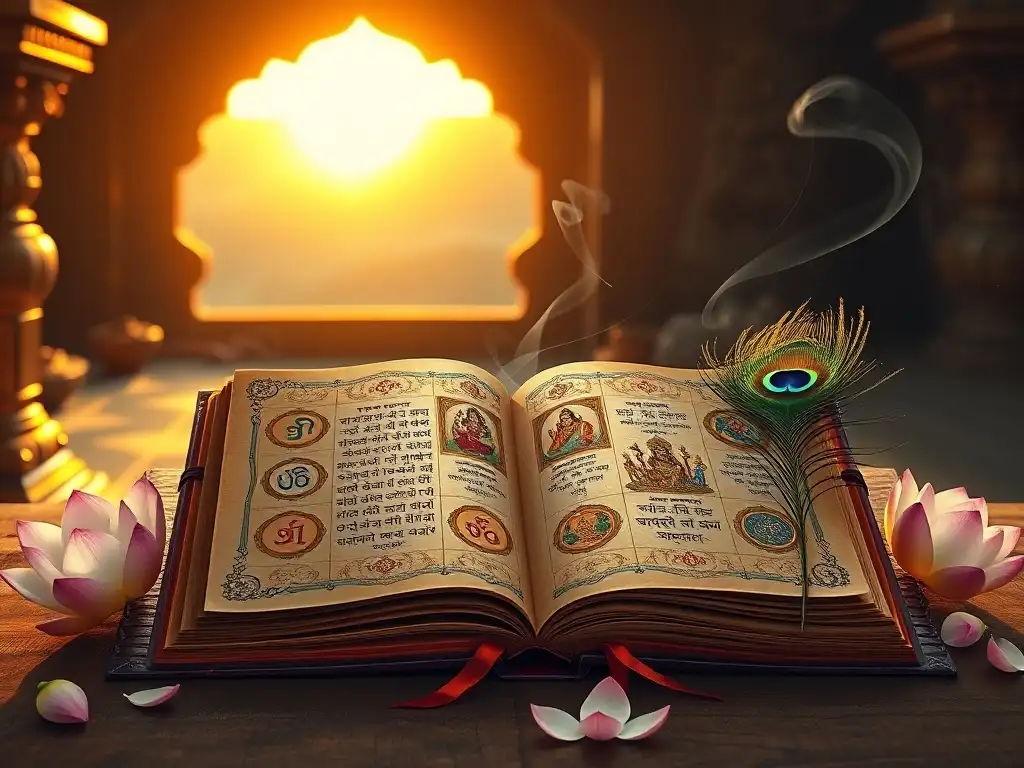
Welcome to Ancient India History, where we embark on a journey through the fascinating tapestry of ancient Indian civilizations. Today, we delve into the enchanting world of Vedic mythology, exploring the symbols and stories that have shaped the cultural landscape of India for millennia. What timeless wisdom lies within these ancient texts? How do these mythological narratives illuminate the beliefs and practices of a bygone era? Join us as we unravel the mysteries and significance of Vedic mythology, igniting your curiosity and inviting you to explore the depths of our rich heritage.
Introduction to Vedic Mythology
Vedic mythology encompasses a rich tapestry of stories, symbols, and philosophical concepts found within the ancient texts known as the Vedas. These texts, composed in Sanskrit, form the foundation of Hindu religious thought and practice, providing insights into the spiritual and cultural life of ancient India.
The Vedas, particularly the Rigveda, Samaveda, Yajurveda, and Atharvaveda, not only serve as sacred scriptures but also as vital historical documents that reflect the beliefs, values, and social structures of Vedic society. Through a deep exploration of Vedic mythology, one can uncover the intricate narratives that illustrate the cosmos, deities, and the moral dilemmas faced by humanity, all of which are conveyed through potent symbols and allegorical tales.
Understanding Vedic Mythology Symbols and Stories
The symbols and stories of Vedic mythology are essential in understanding its complex narrative structure. They contain:
- Deities: Each deity represents fundamental aspects of life and nature, such as Agni (fire), Indra (rain and thunder), and Varuna (cosmic order).
- Cosmological Concepts: The stories often illustrate the creation of the universe, the balance of cosmic forces, and the cyclical nature of time.
- Ritual Significance: Many myths are tied to rituals that were performed to appease gods or to ensure prosperity and harmony within society.
These symbols serve as a bridge between the divine and the mundane, providing a framework for interpreting the human experience in relation to the cosmos. The narratives often carry moral lessons, illustrating the struggles between good and evil, dharma (righteousness), and adharma (unrighteousness).
Importance of Vedic Texts in Ancient Indian Culture
The Vedic texts hold a paramount place in ancient Indian culture, functioning as spiritual guides and cultural touchstones. Their importance can be seen in several aspects:
- Spiritual Foundation: The Vedas set the groundwork for various Hindu philosophies and practices, influencing religious rituals and spiritual discourses.
- Cultural Identity: They contribute significantly to the cultural identity of the Indian subcontinent, shaping language, art, and societal norms.
- Philosophical Inquiry: The texts encourage philosophical inquiry and debate, leading to the development of various schools of thought within Hinduism.
- Literary Legacy: The poetic and lyrical quality of Vedic hymns has inspired countless works of literature and art throughout India’s history.
Through the lens of Vedic mythology, one can appreciate how these texts have not only preserved ancient wisdom but have also fostered a continuous dialogue on life’s profound questions.
Historical Context of Vedic Mythology
To fully appreciate Vedic mythology, it is crucial to understand its historical context, which provides a backdrop for the development of these narratives and symbols.
Origins of the Vedas: A Brief Overview
The Vedas are believed to have been composed between 1500 BCE and 500 BCE, during a period marked by the migration of Indo-Aryan tribes into the Indian subcontinent. The origins of these texts are rooted in oral traditions, where hymns and rituals were passed down through generations before being committed to writing. The Rigveda, the oldest of the four Vedas, captures early Indo-Aryan society's thoughts, rituals, and cosmology, reflecting a world where nature and spirituality were deeply intertwined.
The Role of Mythology in Vedic Society
Mythology played a pivotal role in Vedic society, serving multiple functions:
- Explanation of Natural Phenomena: Myths offered explanations for natural events, such as the changing seasons and celestial movements, linking them to divine actions.
- Social Order: The stories reinforced social norms and values, guiding individuals in their duties (dharma) and responsibilities within the community.
- Spiritual Connection: Engaging with these myths allowed individuals to connect with the divine, facilitating a sense of belonging within the larger cosmos.
In this way, Vedic mythology not only enriched the spiritual landscape of ancient India but also provided a cohesive framework for understanding the world and humanity's place within it.
Key Symbols in Vedic Mythology
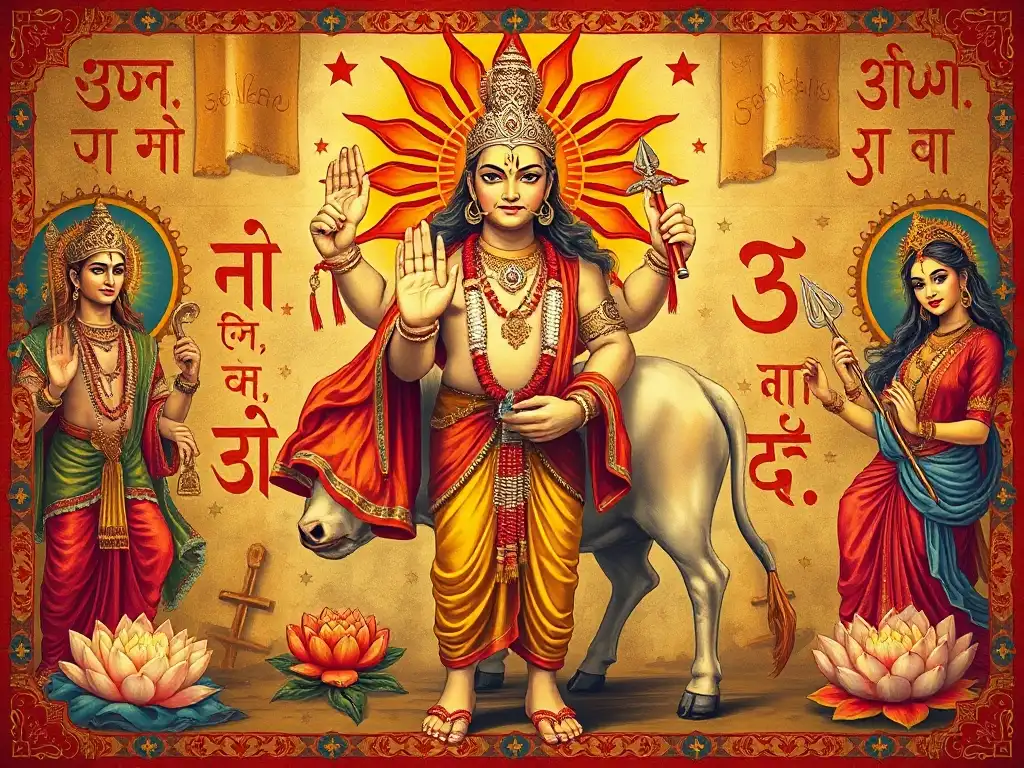
Vedic mythology is rich with symbols that carry profound meanings and insights into the philosophical and spiritual principles of ancient Indian civilization. These symbols are not merely decorative; they serve as metaphysical keys that unlock the deeper understanding of the universe and human existence. The Vedic texts, which include the Rigveda, Samaveda, Yajurveda, and Atharvaveda, are replete with references to these symbols, each contributing to the overarching narrative of the cosmos, existence, and the divine.
- Om: The primordial sound representing the universe's essence.
- Fire (Agni): Symbolizes purity, transformation, and the divine messenger.
- Water: Represents life, fertility, and the flow of consciousness.
- Sacrifice (Yajna): A central theme that embodies the connection between the human and divine realms.
These symbols not only inform the rituals and practices of Vedic religion but also encapsulate the philosophical teachings that have influenced various aspects of Indian thought and spirituality.
The Significance of Om in Vedic Texts
Om, or Aum, is perhaps the most significant symbol in Vedic mythology. It is considered the sound of the universe, embodying the essence of the ultimate reality, known as Brahman. In Vedic texts, Om is used as a sacred syllable at the beginning of mantras and prayers, signifying the invocation of divine presence and consciousness.
- Threefold Nature: Om represents the three states of consciousness: waking (Jagrat), dreaming (Svapna), and deep sleep (Sushupti), along with the fourth state, Turiya, which is transcendental awareness.
- Meditative Tool: Chanting Om is believed to facilitate meditation, align the mind and body, and connect the practitioner with the cosmic energy.
- Spiritual Symbolism: It encapsulates the essence of the Vedas, serving as a bridge between the material and spiritual worlds, making it a central focus in many Vedic rituals and practices.
The profound nature of Om underscores its significance as a key symbol in Vedic mythology, reflecting the holistic view of existence.
The Representation of Deities: Indra, Agni, and Varuna
In Vedic mythology, deities play crucial roles as embodiments of natural forces and principles. Among these, Indra, Agni, and Varuna hold prominent positions, each symbolizing different aspects of life and the cosmos.
- Indra: The king of gods and the deity of rain and thunderstorms, Indra represents strength, bravery, and the warrior spirit. He is often depicted wielding a thunderbolt (Vajra) and is associated with the protection of cosmic order (Rta).
- Agni: As the fire god, Agni symbolizes transformation and purification. He acts as a mediator between humans and gods, carrying offerings to the divine through fire sacrifices. His dual nature represents both the destructive and beneficial aspects of fire.
- Varuna: The god of cosmic order and the celestial ocean, Varuna embodies the moral and ethical forces that govern the universe. He is associated with truth and justice, often depicted with a noose to bind those who transgress cosmic law.
These deities and their representations in Vedic texts illustrate the deep connection between mythology, nature, and human values.
Nature Symbols in Vedic Mythology: Rivers and Mountains
Nature holds a sacred place in Vedic mythology, with rivers and mountains being vital symbols that embody spiritual significance and life-sustaining forces. The Vedas frequently reference these natural elements, attributing them with divine qualities and powers.
- Rivers: Rivers are seen as life-givers, symbolizing fertility, nourishment, and purification. The Sarasvati River, in particular, is revered as a goddess, representing knowledge, wisdom, and the flow of civilization. The act of bathing in sacred rivers during rituals is believed to cleanse the soul.
- Mountains: Mountains symbolize stability, strength, and the abode of the divine. They are often depicted as sacred spaces where gods reside. Mount Meru, for instance, is considered the center of the universe in Vedic cosmology, representing the axis mundi connecting heaven and earth.
The reverence for these natural symbols in Vedic mythology reflects the harmonious relationship between humans and the environment, underscoring the belief in nature's integral role in spiritual life.
Prominent Stories in Vedic Mythology
The narratives within Vedic mythology are rich with profound lessons and moral teachings, often conveyed through allegorical tales. These stories illustrate the principles of dharma (righteousness), sacrifice, and the cosmic order, providing insights into the human experience and the divine.
The Creation Myth: Purusha Sukta and the Cosmic Being
One of the most significant creation myths in Vedic literature is the Purusha Sukta, found in the Rigveda. This hymn describes the cosmic being, Purusha, whose sacrifice led to the creation of the universe.
- Cosmic Sacrifice: According to the hymn, Purusha is a primordial being who embodies everything. The gods, desiring to create the world, sacrificed Purusha, and from his body emerged the various elements of existence: the earth, sky, and the four varnas (social classes).
- Unity in Diversity: The story emphasizes the interconnectedness of all life, highlighting that every being is a part of the divine whole. It illustrates the concept that creation arises from sacrifice, a recurring theme in Vedic thought.
The Purusha Sukta serves as a foundational myth, encapsulating the essence of creation and the relationship between the divine and the material world.
The Churning of the Ocean: Samudra Manthan
The tale of Samudra Manthan, or the churning of the ocean, is a captivating story found in various ancient texts, including the Mahabharata. This mythological narrative illustrates the quest for immortality and the interplay between good and evil.
- Churning Process: The gods and demons collaborated to churn the ocean using Mount Mandara as the churning rod and the serpent Vasuki as the rope. This act aimed to extract the nectar of immortality (amrita) from the depths of the ocean.
- Emergence of Treasures: As the ocean was churned, various divine treasures and beings emerged, including the goddess Lakshmi and the poison that threatened to destroy the world. Lord Shiva intervened by consuming the poison, showcasing his role as the protector of the cosmos.
The Samudra Manthan story highlights the themes of cooperation, sacrifice, and the dual nature of existence, embodying the eternal struggle between good and evil.
The Legend of King Harishchandra: Truth and Sacrifice
The legend of King Harishchandra is a poignant tale that underscores the values of truth and sacrifice in Vedic mythology. It exemplifies the principle of dharma and the trials one must endure to uphold righteousness.
- Unwavering Commitment: King Harishchandra is renowned for his steadfast commitment to truth. When tested by sage Vishwamitra, he faced immense hardships, including the loss of his kingdom and family. Despite these tribulations, he remained resolute in his adherence to truth.
- Ultimate Sacrifice: The story culminates in Harishchandra’s willingness to sell himself into servitude to fulfill his promise of performing his father's last rites. His unwavering dedication to dharma ultimately leads to divine intervention, restoring his kingdom and family.
This legend serves as a powerful reminder of the virtues of integrity and sacrifice, illustrating how adherence to truth can lead to ultimate redemption and honor.
Themes and Lessons in Vedic Mythology
Vedic mythology is rich with themes that explore the complexities of human existence, morality, and the cosmos. Central to these stories is the concept of Dharma, which refers to one's duty and righteousness. Vedic texts encapsulate moral lessons that guide individuals on how to navigate life's challenges, emphasizing the importance of ethical conduct and social responsibilities.
Moreover, the narratives often illustrate the balance between cosmic order (Rita) and chaos, depicting how human actions can either uphold or disrupt this balance. The stories serve as a reflection of the universe's interconnectedness, showcasing the role of deities, nature, and humanity in maintaining harmony. Overall, the lessons in Vedic mythology resonate with the idea that understanding and adhering to one’s Dharma leads to personal and communal well-being.
Morality and Dharma in Vedic Stories
In Vedic stories, morality is intricately tied to the concept of Dharma, which is not merely a set of rules but a dynamic principle guiding righteous living. Characters in these myths often face dilemmas that test their adherence to Dharma, allowing readers to glean insights into ethical decision-making.
For example, the tale of King Harishchandra, known for his unwavering commitment to truth and righteousness, illustrates the extreme sacrifices one might undertake to uphold moral integrity. His narrative emphasizes that true Dharma often comes at a cost but ultimately leads to spiritual rewards. Such stories serve not only as moral fables but also as frameworks for understanding justice, duty, and the consequences of one's actions in both earthly and cosmic realms.
The Concept of Sacrifice: Yajna in Vedic Rituals
One of the most significant symbols in Vedic mythology is Yajna, or sacrifice. Yajna represents the act of offering, whether it be to the gods, nature, or other beings, and is central to the Vedic worldview. These rituals are seen as a means of maintaining cosmic order and fostering harmony between the divine and the earthly realms.
The Vedic texts describe various forms of Yajna, each with its own purpose and significance. For instance, the Ashvamedha Yajna involves the sacrifice of a horse and symbolizes royal authority, prosperity, and the expansion of a kingdom. Through these rituals, practitioners believe they can invoke divine blessings and ensure the continuity of life and prosperity. Thus, Yajna transcends mere ritualistic practice; it embodies the philosophy of reciprocity between humans and the cosmos, reinforcing the idea that offerings must be made to sustain life.
The Interconnection of Nature and Spirituality
The Vedic texts reveal a profound reverence for nature, illustrating how spirituality is deeply interwoven with the natural world. In Vedic mythology, the elements of nature—earth, water, fire, air, and space—are not only physical entities but also embodiments of divine energies.
Deities such as Agni (fire) and Varuna (water) symbolize these natural forces and are invoked in various rituals and narratives. The stories often highlight the importance of living in harmony with nature, portraying it as a source of sustenance and spiritual wisdom. For instance, the reverence for the Ganges River, celebrated for its purity and sanctity, shows how natural features are integral to spiritual practices. The connection between nature and spirituality in Vedic mythology serves as a reminder of the symbiotic relationship between humanity and the environment.
Vedic Mythology's Influence on Later Indian Literature
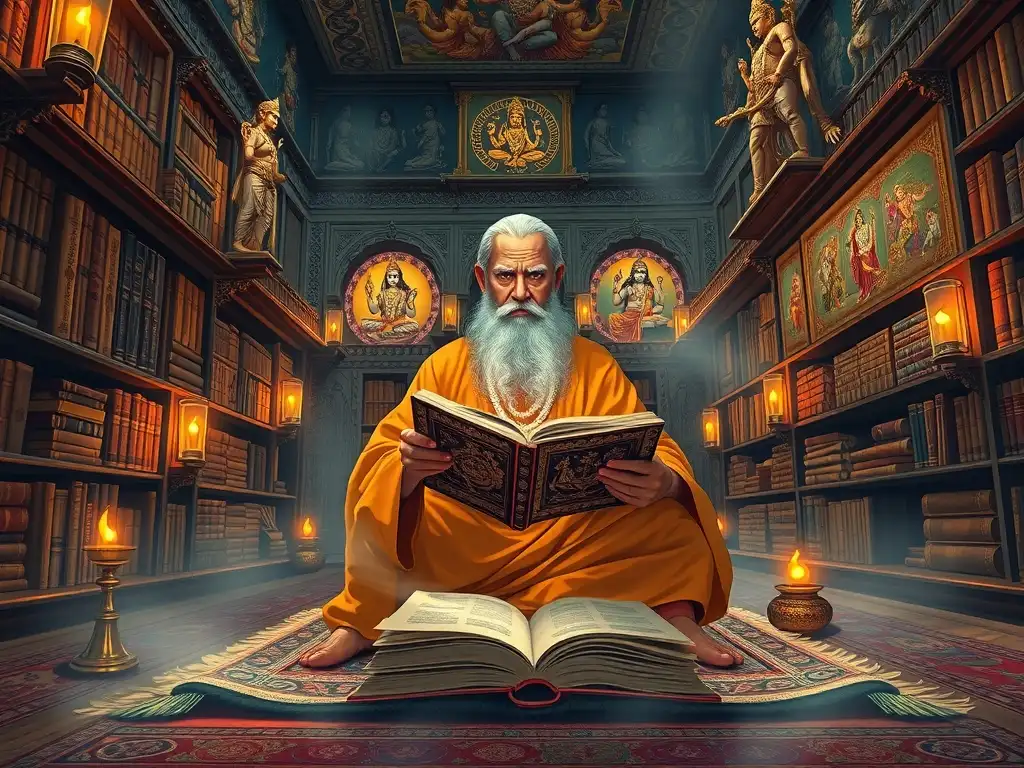
Vedic mythology laid the foundational framework for subsequent Indian literature, influencing a broad spectrum of texts and narratives in the centuries that followed. The themes and symbols originating in the Vedic period can be traced through epic literature, poetry, and philosophical discourses, underscoring the enduring legacy of these ancient stories.
Transitions from Vedic Texts to Epic Literature
The transition from Vedic texts to epic literature, such as the Mahabharata and Ramayana, represents a significant evolution in narrative form and content. While Vedic texts focus on rituals, hymns, and philosophical discourse, epics expand the narrative scope by incorporating complex characters, intricate plots, and moral dilemmas.
In these epics, the themes of Dharma and sacrifice are further explored, often through the lens of personal struggle and societal conflict. For example, the character of Yudhishthira in the Mahabharata embodies the principles of Dharma while grappling with the consequences of his choices. This evolution showcases how the foundational ideas of Vedic mythology were adapted and reinterpreted to address the changing cultural and social landscapes of ancient India.
Comparisons with Hindu Epics: Mahabharata and Ramayana
Comparing Vedic mythology to the Hindu epics reveals both continuity and transformation in themes, symbols, and narrative techniques. The Mahabharata and Ramayana expand upon Vedic concepts, portraying the dynamics of human relationships, the intricacies of morality, and the quest for righteousness in a more relatable context.
For instance, the portrayal of Lord Rama in the Ramayana as the ideal hero underscores the Vedic ideal of Dharma in action, embodying virtues such as honor, loyalty, and duty. Similarly, the epic tales often integrate Vedic deities and rituals, linking back to the rich spiritual heritage established in the Vedic period. These comparative analyses not only highlight the evolution of storytelling but also illustrate how Vedic mythology continues to resonate within the broader framework of Indian cultural and literary traditions.
Conclusion
Vedic mythology is a profound and intricate tapestry of stories and symbols that has shaped the cultural and spiritual landscape of ancient India. Through its oral traditions and sacred texts, the Vedas have preserved narratives that illustrate the complexities of human experience, the divine, and the natural world. The rich symbolism found within Vedic mythology serves as a key to understanding not only the historical context of these ancient tales but also their continued relevance in contemporary society.
The study of Vedic mythology provides insights into the values, beliefs, and practices of ancient Indian civilizations. It highlights the importance of rituals, the reverence for nature, and the exploration of philosophical concepts such as dharma (duty) and karma (action). As we reflect on these stories and symbols, we can appreciate their enduring legacy and the lessons they impart to future generations.
The Enduring Legacy of Vedic Mythology Symbols and Stories
The symbols and stories of Vedic mythology have transcended time and continue to reverberate in various aspects of Indian culture. From art and literature to dance and theater, these ancient narratives have inspired countless expressions of creativity. For example, the epic tales of gods and heroes are often depicted in classical dance forms such as Bharatanatyam and Kathak, where intricate movements convey the essence of these timeless stories.
Moreover, Vedic symbols, such as the sacred sound of "Om" and the concept of the lotus flower, remain powerful representations of spiritual enlightenment and purity. These symbols are not only prevalent in religious practices but also in everyday life, influencing the ethos of modern Indian society. The reverence for nature, a recurring theme in Vedic texts, has also gained renewed interest in contemporary discussions surrounding environmental sustainability and ecological consciousness.
Future Exploration of Vedic Mythology in Modern Context
As global interest in ancient philosophies and spiritual practices grows, Vedic mythology presents an exciting avenue for further exploration. Scholars, practitioners, and enthusiasts are increasingly examining how these ancient stories can be integrated into modern contexts. This includes studying the relevance of Vedic concepts in contemporary psychology, ethics, and environmentalism.
Additionally, the intersection of Vedic mythology with other cultural narratives opens up possibilities for comparative mythology studies, enriching our understanding of human experience across different traditions. Workshops, seminars, and courses focusing on Vedic texts and their interpretations are becoming more popular, fostering a deeper appreciation for these ancient narratives.
The digital age also offers new platforms for disseminating knowledge about Vedic mythology. Podcasts, online courses, and social media discussions provide accessible ways for individuals to engage with these stories and symbols, ensuring that their legacy continues to thrive in a modern context.
References
Suggested Readings on Vedic Mythology
- The Vedas: An Introduction to Hinduism's Ancient Texts by R. C. Sharma
- Mythology of the Hindus by N. N. Gupta
- The Rig Veda: A Historical Analysis by A. K. Mishra
Important Resources for Further Study
- The National Museum of India: Collections related to Vedic artifacts
- The Indian Council for Historical Research: Publications on ancient Indian texts and mythology
- Online databases and repositories for Vedic literature, such as the Digital Library of India and Sacred Texts Archive.
- Introduction to Vedic Mythology
- Understanding Vedic Mythology Symbols and Stories
- Importance of Vedic Texts in Ancient Indian Culture
- Historical Context of Vedic Mythology
- Key Symbols in Vedic Mythology
- Prominent Stories in Vedic Mythology
- Themes and Lessons in Vedic Mythology
- Vedic Mythology's Influence on Later Indian Literature
- Conclusion
- References
Frequently Asked Questions
What are the main symbols in Vedic mythology?
Vedic mythology is rich in symbols such as Mandala, representing cosmic order, and Om, symbolizing the universe and divine sound. These symbols play a crucial role in understanding ancient texts.
How do stories in Vedic mythology reflect ancient Indian culture?
The stories in Vedic mythology illustrate moral values, spiritual teachings, and the relationship between humans and the divine, showcasing the cultural and ethical framework of ancient Indian society.
What role do gods and goddesses play in Vedic mythology?
In Vedic mythology, gods and goddesses are central figures that embody various aspects of life and nature, representing forces such as creation, destruction, and preservation, and are worshipped for their divine intervention.
How does Vedic mythology influence modern culture?
Vedic mythology significantly impacts modern culture through literature, art, and religious practices, continuing to inspire festivals, rituals, and philosophical thought in contemporary Indian society.
Where can I find more information about Vedic mythology symbols and stories?
For more detailed insights into Vedic mythology symbols and stories, explore ancient texts like the Vedas and Upanishads, and consider scholarly articles or books focusing on Indian mythology and cultural history.
Final Reflection: The Enduring Legacy of Vedic Mythology
Vedic mythology, with its rich tapestry of symbols and stories, continues to resonate profoundly in our contemporary world. The themes of creation, morality, and the quest for knowledge found in these ancient texts are not merely relics of the past; they serve as guiding principles that can inform our understanding of the human experience today. The wisdom embedded in these narratives offers us a lens through which we can navigate the complexities of modern life, reminding us that the search for meaning is timeless.
Cultural and social landscapes are often shaped by the stories we tell and the symbols we embrace. The narratives of Vedic mythology have transcended generations, influencing art, literature, and spiritual practices across the globe. As we engage with these stories, we find ourselves connected to a larger narrative of humanity. Myth is not a lie; it is a story that tells the truth.
This quote encapsulates the essence of Vedic mythology, highlighting its role in conveying profound truths about existence, identity, and the universe.
As you reflect on the lessons of Vedic mythology, consider how these ancient symbols and stories can inspire your own journey. Embrace the wisdom of the past to illuminate your path forward. Whether through meditation, storytelling, or simply contemplating the deeper meanings behind these myths, allow yourself to be transformed by their insights. Let the stories of the Vedic tradition guide you in your quest for understanding, purpose, and connection in an ever-evolving world.
Unveil the Mysteries of Vedic Mythology!
Thank you for diving into the fascinating world of Vedic mythology with us! We hope you’ve discovered the deep narratives and rich symbols that shape our understanding of ancient texts. Now, it’s time to transform that knowledge into action!
Here are some ways you can take your exploration further:
- Join a local or online discussion group to share insights and interpretations of Vedic myths and symbols. Engaging with others can deepen your understanding and uncover new perspectives.
- Create your own interpretation of a Vedic story through art, writing, or performance. Share your creations on social media to inspire others!
- Explore further by selecting a specific symbol from the texts and researching its significance across various cultures. You might be surprised by the connections you discover!
What is one Vedic story or symbol that has resonated with you, and how do you plan to explore it further? We can’t wait to hear your thoughts!