
The Mahabharata: How Ancient Wisdom Can Solve Modern Conflicts

Welcome to Ancient India History, where we embark on a captivating journey through the rich tapestry of ancient Indian civilizations. Here, we delve into the profound teachings and timeless insights that have shaped human thought for millennia.
In our featured article, “The Mahabharata: How Ancient Wisdom Can Solve Modern Conflicts,” we uncover the invaluable lessons of ancient Indian wisdom for conflicts, revealing how these epic narratives still resonate in today's world. Join us as we explore the intersection of history and literature, igniting your curiosity and inspiring you to discover the wisdom of the past that holds the keys to a harmonious future.
Introduction to the Mahabharata
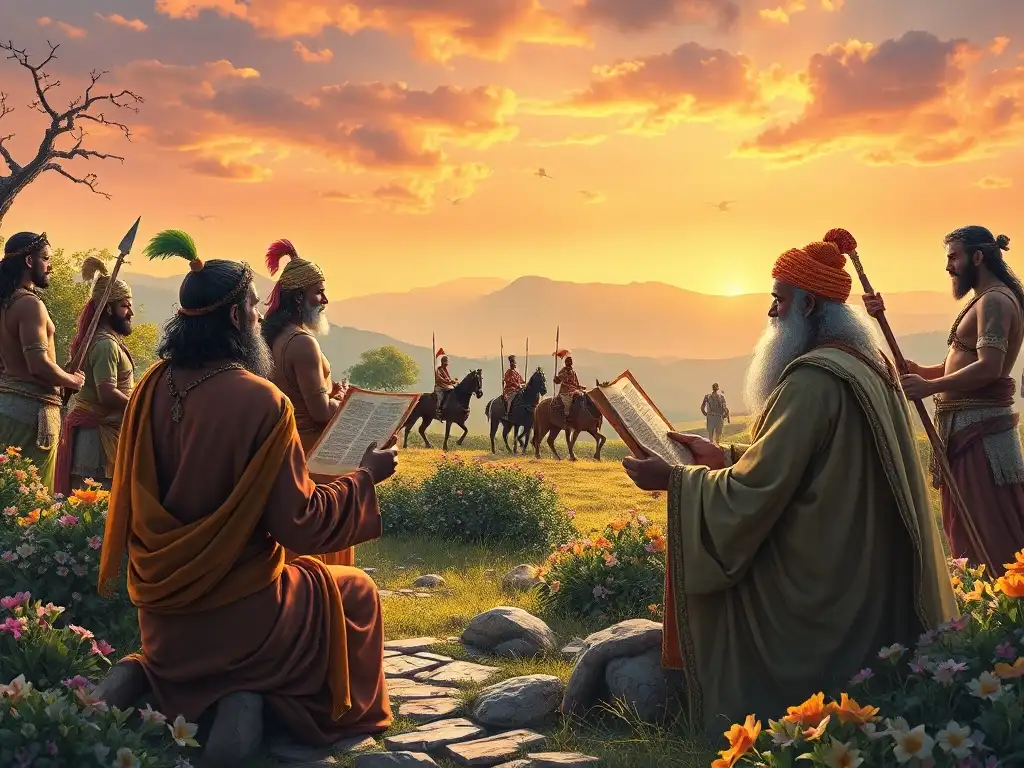
The Mahabharata stands as one of the most profound epics in ancient Indian literature, weaving together intricate narratives filled with moral dilemmas, complex characters, and philosophical insights. This monumental text not only tells the story of the Kurukshetra War between the Pandavas and Kauravas but also encapsulates the wisdom of ancient Indian civilization, offering valuable lessons on conflict resolution that resonate even in today’s complex world. As we delve into the Mahabharata, we uncover an abundance of ancient Indian wisdom for conflicts, providing contemporary readers with tools to navigate their own challenges.
Overview of the Mahabharata as an Epic
The Mahabharata is attributed to the sage Vyasa and is considered the longest epic poem in the world, encompassing over 100,000 shlokas (verses) and divided into 18 books. It is not merely a tale of war; it serves as a comprehensive guide to the human experience, addressing themes of duty ( dharma), righteousness, and the consequences of choices. The epic features a vast array of characters, each representing different facets of human nature and morality, and is interspersed with philosophical discourses, notably the Bhagavad Gita, which is a dialogue between Prince Arjuna and Lord Krishna.
Significance of Ancient Indian Wisdom in the Text
The Mahabharata is a treasure trove of ancient Indian wisdom, encapsulating knowledge that transcends time and geography. Its teachings emphasize:
- Moral and Ethical Guidance: The epic explores the nuances of right and wrong, urging individuals to contemplate their actions and the broader impact on society.
- Conflict Resolution Strategies: Through its narratives, the text presents various methods of resolving disputes, showcasing dialogue, negotiation, and understanding as key components.
- Philosophical Reflections: The wisdom imparted in the Mahabharata encourages self-reflection and critical thinking, allowing individuals to assess their beliefs and values in the face of conflict.
Understanding Conflicts in the Mahabharata
The Mahabharata is rich with conflicts that serve as a reflection of human struggles. Analyzing these conflicts provides deep insights into ancient Indian wisdom for conflicts that can be applied to modern issues.
Major Conflicts Presented in the Epic
The epic presents several key conflicts, including:
- The Struggle for Power: The rivalry between the Pandavas and Kauravas illustrates the destructive nature of ambition and the thirst for power.
- Family Feud: The internal conflicts within families showcase the complexities of loyalty, betrayal, and the consequences of familial obligations.
- Moral Dilemmas: Characters are often faced with challenging decisions that test their moral foundations, providing a rich ground for examining ethical frameworks.
Characters and Their Roles in Conflict Resolution
The Mahabharata features an array of characters, each playing a significant role in conflict resolution:
- Krishna: As a divine strategist, he embodies wisdom and diplomacy, guiding characters towards peaceful resolutions.
- Yudhishthira: The eldest Pandava represents righteousness and moral integrity, often advocating for just solutions.
- Draupadi: Her plight highlights the importance of justice and the voice of the oppressed in resolving conflicts.
Lessons on Conflict from Key Episodes
Several episodes in the Mahabharata offer profound lessons on conflict resolution:
- The Game of Dice: This episode illustrates the dangers of gambling and manipulation, emphasizing the importance of integrity in relationships.
- Bhagavad Gita: The dialogue between Arjuna and Krishna serves as a philosophical cornerstone, addressing the ethical implications of war and the need for self-awareness in decision-making.
- The Peace Mission: Krishna's efforts to broker peace before the war highlights the necessity of dialogue and understanding in resolving disputes.
Through these narratives, the Mahabharata provides timeless insights that remain relevant in addressing contemporary conflicts, reinforcing the enduring value of ancient Indian wisdom for conflicts.
Ancient Indian Wisdom for Conflicts
Ancient Indian wisdom, particularly as encapsulated in texts like the Mahabharata, offers profound insights into the nature of conflict and resolution. This wisdom is not merely historical; it serves as a timeless guide that addresses the complexities of human relationships, ethical dilemmas, and societal disputes. By examining the narratives, characters, and philosophical teachings within the Mahabharata, one can extract valuable lessons that remain relevant in contemporary society.
Definition and Importance of Ancient Indian Wisdom
Ancient Indian wisdom encompasses philosophical teachings, ethical principles, and practical strategies derived from centuries of cultural and spiritual evolution. It emphasizes the balance between individual desires and communal responsibilities, providing frameworks for conflict resolution that prioritize harmony and understanding. This wisdom is grounded in the belief that conflicts can be resolved through introspection, dialogue, and ethical decision-making. Its importance lies in the cultivation of resilience and compassion, enabling individuals and societies to navigate disputes with a focus on mutual respect and long-term sustainability.
Core Philosophies Addressing Conflict in the Mahabharata
The Mahabharata presents several core philosophies that address conflict, including:
- Dharma (Righteousness): Central to the narrative, dharma guides characters in making ethical choices amidst conflicting obligations. The struggle between personal duty and societal responsibilities is a recurring theme that reflects the moral complexities of real-life conflicts.
- Karma (Action and Consequence): The doctrine of karma emphasizes that every action has consequences, urging individuals to consider the long-term effects of their decisions on themselves and others. This perspective fosters accountability and encourages thoughtful responses to conflict.
- Ahimsa (Non-Violence): Although the Mahabharata involves epic battles, the underlying principle of ahimsa advocates for non-violence and compassion, encouraging resolution through understanding rather than aggression.
These philosophies collectively underscore the importance of ethical conduct and introspection in resolving conflicts, providing a comprehensive approach that transcends time and culture.
Practical Applications of These Philosophies
The practical applications of the philosophies found in the Mahabharata can manifest in various ways:
- Conflict Mediation: Utilizing principles of dharma, mediators can guide conflicting parties to find common ground, focusing on shared values and responsibilities rather than entrenched positions.
- Ethical Decision-Making: Individuals can apply the concept of karma by reflecting on the potential consequences of their actions before making decisions, fostering a culture of responsibility and foresight.
- Promoting Non-Violent Communication: In line with ahimsa, approaches such as active listening and empathy can be employed to de-escalate tensions and facilitate constructive dialogues.
By integrating these ancient teachings into modern conflict resolution practices, individuals and organizations can cultivate environments that prioritize understanding and collaboration.
Modern Conflicts and Their Parallels
Modern conflicts, whether they arise in personal relationships, workplaces, or international relations, often echo the themes explored in the Mahabharata. Issues such as power struggles, ethical dilemmas, and the quest for justice are timeless, revealing the enduring relevance of ancient wisdom in contemporary contexts.
Types of Modern Conflicts Resolved by Ancient Wisdom
Ancient Indian wisdom offers solutions for various types of modern conflicts, including:
- Interpersonal Conflicts: Disputes among friends, family, or colleagues can benefit from the principles of dialogue and empathy found in the Mahabharata.
- Organizational Conflicts: Businesses facing internal strife or ethical challenges can draw upon the teachings of dharma to navigate complex situations with integrity.
- Geopolitical Conflicts: Nations embroiled in disputes can find inspiration in the Mahabharata's emphasis on dialogue and diplomacy, promoting peaceful resolutions rather than military confrontations.
These parallels illustrate that the principles of ancient Indian wisdom are not confined to historical contexts; they are adaptable and applicable to the complexities of modern society.
Case Studies: Modern Conflicts and Mahabharata Insights
Numerous modern conflicts can be analyzed through the lens of the Mahabharata:
- India-Pakistan Relations: The enduring tensions between these nations highlight the need for dialogue and understanding, reminiscent of the peace negotiations depicted in the epic. Insights from characters like Krishna, who advocated for diplomacy, can inform contemporary approaches to conflict resolution.
- Workplace Disputes: In corporate settings, the principles of dharma and karma can be applied to foster ethical leadership and accountability, helping resolve issues that arise from power dynamics and competition.
These case studies demonstrate how ancient wisdom can provide frameworks for addressing and resolving conflicts in a modern context.
The Role of Dialogue and Diplomacy in Both Contexts
Dialogue and diplomacy emerge as critical components in both the Mahabharata and modern conflict scenarios. The epic illustrates that effective communication can bridge divides, allowing for understanding and reconciliation.
- In the Mahabharata: Characters like Krishna exemplify the importance of dialogue in resolving disputes, often intervening to mediate conflicts and encourage peaceful solutions.
- In Modern Contexts: Diplomatic efforts in international relations reflect similar principles, where negotiation and dialogue are vital in addressing grievances and building consensus.
By prioritizing communication and understanding, both ancient and contemporary approaches to conflict resolution can lead to sustainable outcomes, reinforcing the timeless relevance of ancient Indian wisdom in navigating human conflicts.
Solutions Offered by the Mahabharata
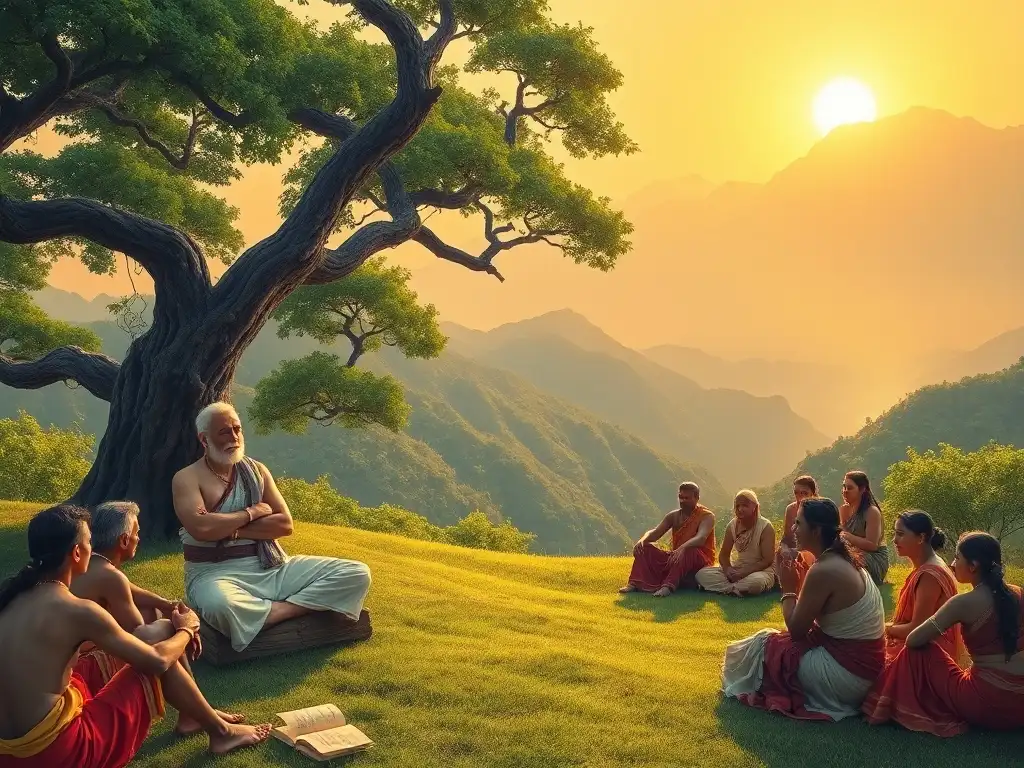
The Mahabharata, one of the longest epic poems in history, is not merely a tale of a great war; it is also a profound exploration of human nature, ethics, and the complexities of conflict. Through its rich narrative, the Mahabharata provides various solutions to conflicts that are not only applicable in ancient times but also resonate with the challenges faced in contemporary society. The epic emphasizes the importance of dialogue, understanding, and the pursuit of righteousness, offering timeless wisdom for resolving disputes and fostering harmony.
Strategies for Conflict Resolution Found in the Text
Several key strategies for conflict resolution can be distilled from the Mahabharata. Firstly, the importance of communication is paramount. Characters such as Krishna exemplify the art of diplomacy, often engaging in dialogue to resolve tensions. For instance, Krishna's counsel to both the Pandavas and Kauravas illustrates the necessity of open discussions to understand differing perspectives.
Additionally, the epic underscores the value of patience and strategic thinking. The character of Yudhishthira often embodies these traits, demonstrating that thoughtful deliberation can lead to more effective outcomes than impulsive actions. Moreover, the use of alliances and the recognition of mutual interests are pivotal themes, as seen in the various allegiances formed throughout the narrative.
Moral and Ethical Guidance from the Mahabharata
The Mahabharata serves as a moral compass, offering guidance on ethical dilemmas that arise in conflicts. Its teachings emphasize the significance of virtues such as truth, duty (dharma), and justice. The epic illustrates that adhering to ethical principles can lead to just resolutions, even in the face of daunting challenges.
For instance, the character of Bhishma, who sacrifices personal desires for the greater good, exemplifies the virtue of selflessness. The epic challenges readers to reflect on their own ethical responsibilities and the impact of their decisions on others, reminding us that moral integrity is crucial in any conflict resolution process.
The Relevance of Dharma (Righteousness) in Modern Conflicts
Dharma, or righteousness, is a central theme in the Mahabharata and remains relevant in modern conflicts. The concept implies that actions should be guided by moral correctness and the welfare of society. In today's context, this can manifest in various ways, such as prioritizing justice over personal gain and fostering a sense of community over individualism.
The Mahabharata teaches that conflicts often arise from a deviation from dharma, highlighting the importance of aligning individual actions with ethical principles. By embracing this ancient wisdom, individuals and societies can navigate contemporary conflicts with a framework that promotes fairness and equity. The pursuit of dharma encourages a holistic approach to conflict resolution, one that seeks to understand the underlying issues and fosters reconciliation.
Integrating Ancient Wisdom into Contemporary Practices
The lessons from the Mahabharata can be integrated into various contemporary practices, offering innovative approaches to conflict resolution. By drawing upon its insights, individuals and organizations can cultivate more harmonious relationships and create a culture of understanding.
How to Apply Lessons from the Mahabharata in Today’s World
Applying the lessons from the Mahabharata in today's world involves a commitment to dialogue and ethical conduct. Practitioners can incorporate storytelling as a tool for conflict resolution, using narratives to bridge gaps between opposing parties. Facilitating discussions that emphasize empathy and shared values can foster deeper connections and understanding.
Moreover, training programs that focus on the principles of dharma can empower individuals to navigate conflicts with integrity. Encouraging reflective practices, such as meditation and ethical reasoning, can help individuals align their actions with their values, leading to more constructive conflict resolution.
Workshops and Initiatives Inspired by Ancient Indian Wisdom
Various workshops and initiatives are emerging that draw inspiration from ancient Indian wisdom, particularly the teachings of the Mahabharata. These programs aim to educate participants on conflict resolution strategies rooted in ethical principles and cultural narratives.
Such initiatives often include interactive sessions that encourage participants to engage in role-playing exercises, allowing them to explore different perspectives and develop empathy. By utilizing ancient texts as a foundation, these workshops provide practical tools for addressing conflicts in personal, professional, and community settings.
The Future of Conflict Resolution Through Ancient Insights
The future of conflict resolution can greatly benefit from the insights provided by ancient texts like the Mahabharata. As societies become increasingly polarized, the need for effective and ethical conflict resolution strategies is more pressing than ever. By returning to the moral and philosophical teachings of the past, individuals and organizations can cultivate a more peaceful and just society.
Ancient wisdom offers a holistic approach that transcends cultural boundaries, providing a framework for addressing conflicts in a manner that respects the dignity of all involved. As we integrate these timeless lessons into modern practices, we pave the way for a future where conflicts are resolved not through violence or coercion, but through understanding, compassion, and shared humanity.
Conclusion
The Mahabharata, one of the most significant epics in ancient Indian literature, offers profound insights into human nature and the complexities of conflict resolution. Its narratives are not merely tales of war and diplomacy; they encapsulate timeless wisdom that can be applied to contemporary issues, illustrating that the struggles faced by its characters resonate deeply with modern dilemmas. As societies continue to grapple with conflicts—be they personal, communal, or international—the teachings derived from the Mahabharata provide valuable guidance in navigating these challenges.
Recap of Ancient Wisdom for Modern Conflicts
The teachings found within the Mahabharata encompass a wealth of strategies and philosophies pertinent to conflict resolution. Key concepts include:
- Dharma (Righteousness): The importance of adhering to moral and ethical codes, which can guide individuals and communities in making just decisions during conflicts.
- Dialogue and Negotiation: Characters such as Krishna exemplify the power of dialogue, advocating for peace and understanding rather than immediate confrontation.
- Empathy and Understanding: The epic encourages the recognition of different perspectives, fostering a sense of empathy that can diffuse tensions and lead to collaborative solutions.
- The Role of Leadership: Effective leadership, as portrayed by figures like Yudhishthira, emphasizes the need for integrity and responsibility in guiding others through conflicts.
These principles serve as a framework that modern individuals and leaders can apply to resolve disputes and promote harmony.
Final Thoughts on the Relevance of the Mahabharata Today
The relevance of the Mahabharata in today’s world cannot be overstated. As we face increasingly complex conflicts—whether in politics, society, or personal relationships—the wisdom imparted by this ancient text remains a beacon of understanding. It challenges us to reflect on our actions, consider the broader implications of our choices, and strive for solutions that honor both justice and compassion.
By embracing the lessons of the Mahabharata, we can cultivate a more peaceful coexistence and address the root causes of conflict with wisdom and foresight. Ultimately, ancient Indian wisdom for conflicts, as demonstrated by the Mahabharata, holds the potential to transform our approaches to modern challenges, fostering a world that values dialogue over discord and understanding over enmity.
- Introduction to the Mahabharata
- Understanding Conflicts in the Mahabharata
- Ancient Indian Wisdom for Conflicts
- Modern Conflicts and Their Parallels
- Solutions Offered by the Mahabharata
- Integrating Ancient Wisdom into Contemporary Practices
- Conclusion
- What is the significance of the Mahabharata in ancient Indian wisdom?
- How can the lessons from the Mahabharata be applied to modern conflicts?
- What are some key themes of ancient Indian wisdom discussed in the article?
- How does the Indus Valley Civilization contribute to our understanding of ancient Indian wisdom?
- Why is it important to study ancient Indian civilizations for contemporary issues?
Frequently Asked Questions
What is the significance of the Mahabharata in ancient Indian wisdom?
The Mahabharata is a profound epic that offers insights into human nature, ethics, and conflict resolution, making it a crucial source of ancient Indian wisdom.
How can the lessons from the Mahabharata be applied to modern conflicts?
The teachings found in the Mahabharata emphasize the importance of diplomacy, understanding, and compromise, which can be effectively utilized to navigate and resolve modern conflicts.
What are some key themes of ancient Indian wisdom discussed in the article?
The article highlights themes like dharma (duty), justice, and moral dilemmas, showcasing how these concepts can guide individuals in resolving conflicts today.
How does the Indus Valley Civilization contribute to our understanding of ancient Indian wisdom?
The Indus Valley Civilization laid the groundwork for many cultural and philosophical ideas that evolved over time, enriching the ancient Indian wisdom that informs conflict resolution today.
Why is it important to study ancient Indian civilizations for contemporary issues?
Studying ancient Indian civilizations helps us uncover timeless wisdom and strategies that can address not only historical conflicts but also modern societal challenges.
Final Reflection: Ancient Wisdom for Modern Conflicts
The teachings of the Mahabharata resonate profoundly in today's world, where conflicts arise not only on battlefields but also in our daily interactions and societal structures. The timeless lessons embedded in this epic provide a framework for understanding and resolving disputes, emphasizing the importance of empathy, justice, and moral integrity. As we navigate the complexities of modern life, the relevance of ancient Indian wisdom for conflicts becomes increasingly apparent, reminding us that the solutions to our most pressing issues may lie in the lessons of the past.
Cultural and social landscapes are continually shaped by the narratives we choose to embrace. The Mahabharata serves as a mirror reflecting the human condition, illustrating the consequences of pride, ambition, and the quest for power. It teaches us that every conflict has multiple perspectives and that understanding these viewpoints is crucial for resolution. As Mahatma Gandhi once said, An eye for an eye only ends up making the whole world blind.
This quote encapsulates the essence of the Mahabharata's teachings, urging us to seek understanding and compassion rather than revenge and hostility.
As you reflect on the insights offered by the Mahabharata, I invite you to consider how you can apply these ancient principles in your own life. Embrace the wisdom of empathy and dialogue in your interactions, and strive to understand the underlying motivations of those with whom you disagree. By doing so, you not only honor the teachings of our ancestors but also contribute to a more harmonious and understanding world. Let the ancient wisdom for conflicts guide you as you navigate the complexities of modern relationships and societal challenges, fostering peace and resolution in your personal sphere.
Unlock the Wisdom of the Mahabharata for Today’s Conflicts!
Thank you for taking the time to explore how the **timeless teachings of the Mahabharata** can offer solutions to the challenges we face in modern society. You've uncovered valuable insights into the intersection of ancient knowledge and contemporary issues, empowering you to foster peace and understanding.
Now, it’s your turn to take action and apply this wisdom in your daily life:
- Start a dialogue! Share these insights with friends or family—discuss how the principles of the Mahabharata can guide your responses to conflict.
- Engage with your community: Join or establish a local book club focused on exploring ancient texts and their relevance today.
- Reflect and write: Keep a journal to document ways you can implement these teachings in your own life, identifying conflicts where you might approach situations differently.
What unique methods inspired by the Mahabharata will you implement in your life this week to promote harmony and understanding?