
The Vedas as Historical Documents: Insights into Ancient Indian Life

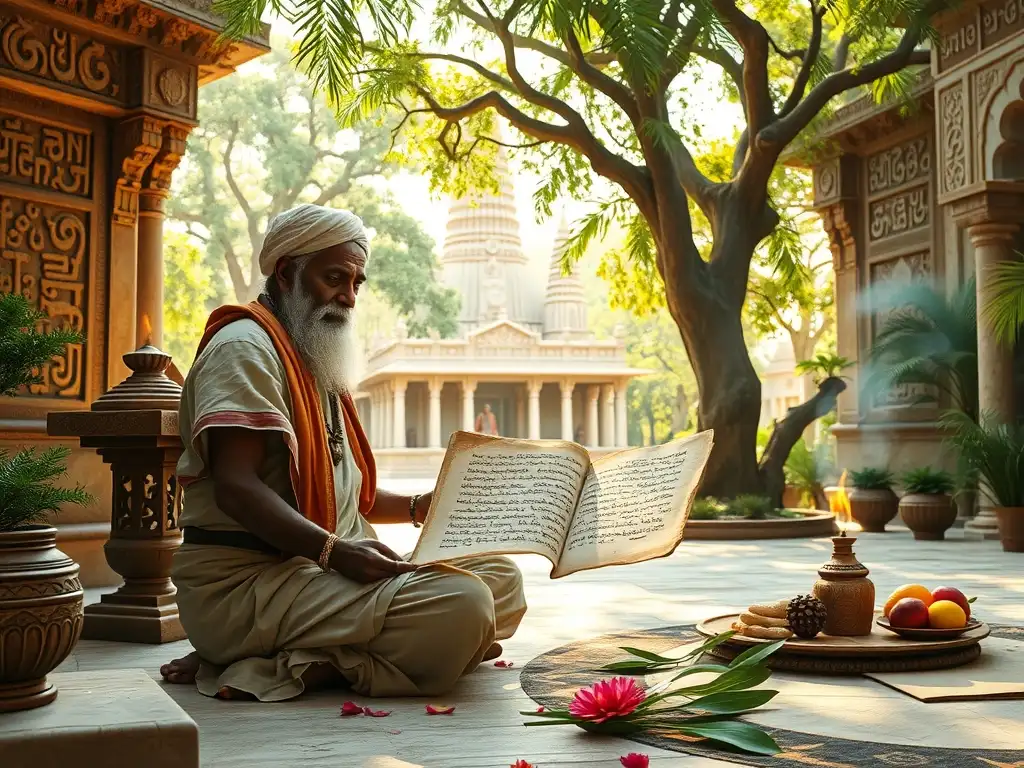
Welcome to Ancient India History, where we embark on a fascinating journey through the rich tapestry of India's past. In this exploration, we delve into the Vedas, uncovering their profound insights into ancient Indian life and culture. These revered texts not only illuminate the spiritual landscape of the time but also serve as vital historical documents that reveal the everyday realities of ancient civilizations. Get ready to unlock the mysteries of the Vedas and discover how they shape our understanding of history. Join us as we dive deeper into the epic literature that has influenced generations!

The Vedas, often considered the foundational texts of ancient Indian literature, serve as a crucial window into the life, culture, and beliefs of early Indian civilizations. Comprising a collection of hymns, rituals, and philosophical discourses, these ancient scriptures not only encapsulate religious practices but also reflect the social, political, and economic structures of their time.
By examining the Vedas, scholars gain invaluable insights into the intricate tapestry of ancient Indian life, making them essential historical documents. This article delves into the significance of the Vedas, exploring their role as historical sources and their contributions to our understanding of ancient Indian civilization.
Introduction to the Vedas
Overview of the Vedas in Ancient Indian Literature
The Vedas, which includes four primary collections—Rigveda, Samaveda, Yajurveda, and Atharvaveda—are revered as the oldest sacred texts in Hinduism. Composed in Sanskrit, these texts date back to approximately 1500 BCE and are divided into two main categories: the Samhitas (hymns) and the Brahmanas (ritualistic texts). Each Veda is a vast compendium of knowledge, covering various aspects of life, including philosophy, medicine, and astrology. Thus, they play a pivotal role in shaping not only religious thought but also cultural practices throughout ancient India.
The Significance of Vedas in Understanding Ancient Indian Civilization
The Vedas hold immense significance for historians and anthropologists studying ancient Indian civilization. They provide a rich source of knowledge about the societal norms, values, and ideologies prevalent during their time. Through the Vedic texts, we can trace the evolution of religious beliefs, the development of social hierarchies, and the emergence of political entities. The hymns and rituals documented within them shed light on the agrarian lifestyle, trade practices, and interactions among different communities, offering a multidimensional view of ancient Indian society.
The Vedas as Historical Sources
Defining Historical Documents: The Role of the Vedas
When considering the Vedas as historical documents, it is essential to define what constitutes a historical source. Historical documents are typically characterized by their capacity to provide evidence of past events, practices, and beliefs. The Vedas, through their extensive narratives and descriptions, fulfill this role by chronicling the experiences and thoughts of people in ancient India. They not only recount religious rituals but also reflect the socio-political landscape, making them invaluable for reconstructing the historical context of the era.
Key Characteristics of Vedas as Historical Texts
The Vedas possess several key characteristics that contribute to their status as historical texts:
- Authenticity: As primary sources, the Vedas are direct testimonies of the beliefs and practices of ancient Indian society.
- Cultural Preservation: They encapsulate rituals, languages, and traditions that have been passed down through generations, providing a glimpse into the past.
- Diverse Perspectives: Different Vedic texts offer varied viewpoints, allowing historians to analyze contrasting ideas and practices within ancient India.
The Vedas are not merely religious scriptures; they are profound historical documents that offer significant insights into ancient Indian life. Understanding their role and characteristics illuminates the complexities of a civilization that has greatly influenced the modern world.
Insights into Ancient Indian Life through the Vedas
The Vedas, comprising the Rigveda, Samaveda, Yajurveda, and Atharvaveda, serve as crucial historical documents that offer profound insights into ancient Indian life. These texts, composed in Sanskrit, reflect the socio-cultural, religious, and economic dimensions of Vedic society. By analyzing hymns, rituals, and philosophical discourses found in the Vedas, scholars can reconstruct a nuanced understanding of the values, beliefs, and practices that characterized this formative period in Indian history.
The Vedas elucidate various aspects of life, ranging from social organization to spiritual practices. They provide a window into the rituals that governed daily existence, the relationships within families and communities, and the broader cosmological views held by ancient Indians. The rich tapestry of knowledge encapsulated in the Vedas not only highlights the achievements of Vedic civilization but also lays the foundation for subsequent developments in Indian philosophy, religion, and culture.
Social Structure and Hierarchies in Vedic Society
The Vedas reveal a complex social structure characterized by distinct hierarchies and roles. Central to this structure is the concept of varna, which divides society into four main categories:
- Brahmins (priests and scholars) - responsible for religious rituals and preserving sacred knowledge.
- Kshatriyas (warriors and rulers) - tasked with governance and protection of the realm.
- Vaishyas (traders and agriculturists) - engaged in commerce and agriculture, contributing to the economy.
- Shudras (laborers and service providers) - served the needs of the other three varnas.
This stratification is evident in Vedic texts, where specific duties and responsibilities are prescribed for each group. The social hierarchy was not merely a rigid system but one that allowed for mobility under certain circumstances, as seen in the emergence of new groups and the evolution of roles over time.
Religious Practices and Beliefs Reflected in the Vedas
Religious life in ancient India, as depicted in the Vedas, was deeply intertwined with nature, cosmology, and ritualistic practices. The Vedas contain hymns dedicated to various deities, including Agni (the fire god), Indra (the king of gods), and Varuna (the god of cosmic order). These texts emphasize the significance of ritual sacrifices ( yajnas) and invocations, which were believed to maintain cosmic order and ensure prosperity.
The Vedic people practiced a form of polytheism, viewing divinity as manifest in natural forces. This belief system fostered a deep respect for nature and its cycles, which is reflected in the agricultural and seasonal rituals documented in the Vedas. Additionally, the concept of dharma, or duty, plays a crucial role in Vedic spirituality, guiding individuals in their responsibilities towards family, community, and the divine.
Economic Activities and Trade in Ancient India: Vedic Perspectives
The Vedas provide valuable insights into the economic life of ancient India, showcasing the significance of agriculture, trade, and craftsmanship. Agricultural practices were central to Vedic society, with hymns celebrating the monsoon, fertility, and harvests, indicating the importance of these elements for sustenance and prosperity.
Trade networks emerged as a vital aspect of the economy, with references to merchants and the exchange of goods. The Vedas mention various commodities, including grains, cattle, textiles, and metals, suggesting a thriving economy supported by both local and long-distance trade. This economic activity not only facilitated wealth accumulation but also fostered cultural exchanges with neighboring regions.
Daily Life and Cultural Norms Illustrated in Vedic Texts
The Vedic texts illuminate daily life, customs, and cultural norms of ancient Indians. Descriptions of domestic life, family structures, and social gatherings reveal a society that valued community and familial bonds. The texts emphasize the role of women in domestic spheres, highlighting their involvement in rituals and household management.
Cultural practices, such as music, dance, and the arts, are also reflected in the Vedas. The Samaveda, in particular, is known for its musical compositions, underscoring the importance of the arts in Vedic culture. Additionally, the texts provide insights into ethical values, hospitality, and the significance of communal rituals, painting a picture of a vibrant and cohesive society.
Vedic Literature and Its Influence on Subsequent Indian History
The influence of Vedic literature extends far beyond its own time, shaping the cultural and philosophical landscape of India for centuries. The foundational concepts introduced in the Vedas laid the groundwork for later texts, including the Upanishads, Puranas, and epics like the Mahabharata and Ramayana.
Philosophical ideas such as moksha (liberation) and karma (action and its consequences) find their roots in Vedic thought, demonstrating the enduring legacy of these ancient texts. The exploration of existential questions and the nature of the divine in Vedic literature continues to resonate in contemporary Indian philosophy and spirituality.
The Impact of Vedic Teachings on Later Indian Texts
The teachings of the Vedas significantly impacted the subsequent development of Indian literature and philosophy. The Upanishads, which delve into metaphysical concepts, build upon Vedic ideas, exploring themes of ultimate reality ( Brahman) and the individual soul ( Atman). These texts further develop the philosophical inquiries initiated in the Vedas, influencing schools of thought like Vedanta and Sankhya.
Moreover, the ethical and moral frameworks established in the Vedas found echoes in later texts, emphasizing the importance of dharma and righteous living. The Vedic hymns' poetic and rhetorical styles also influenced the narrative techniques employed in later epics and philosophical works, creating a rich intertextual dialogue within Indian literature.
Vedas and Their Role in Shaping Indian Philosophical Thought
The philosophical discourse initiated in the Vedas has profoundly shaped Indian thought throughout history. Key concepts such as Brahman, Atman, and dharma serve as cornerstones in various philosophical traditions, including Jainism, Buddhism, and Hinduism.
The Vedas encourage a quest for knowledge and understanding of the self and the universe, laying the groundwork for metaphysical inquiries that continue to be explored in Indian philosophy. Additionally, the dialectical methods and contemplative practices found in Vedic literature have influenced spiritual seekers and philosophers, fostering a culture of inquiry that remains vibrant today.
The Vedas offer a treasure trove of insights into ancient Indian life, encapsulating the complexities of social structure, religious beliefs, economic activities, and cultural norms, while also laying the philosophical foundations that would resonate through the ages.
Archaeological Evidence Supporting Vedic Insights
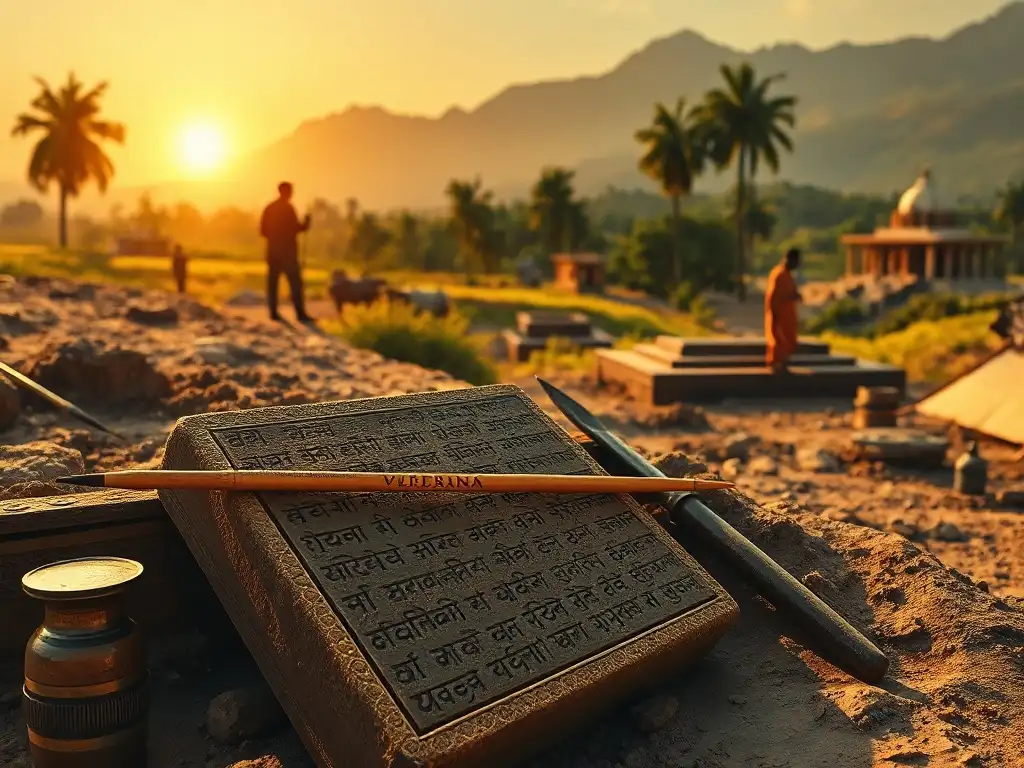
The connection between the Vedas and archaeological findings is a critical aspect of understanding ancient Indian civilization. Archaeologists have uncovered numerous artifacts, settlements, and structures that align with the descriptions and cultural references found within Vedic texts. This evidence not only corroborates the historical context of the Vedas but also sheds light on the lifestyle, beliefs, and societal structures of the time.
Excavations and Findings Correlating with Vedic Texts
Several key excavations across India have provided tangible evidence that supports the narratives found in the Vedas.
- Indus Valley Civilization Sites: The ruins of cities such as Harappa and Mohenjo-Daro offer insights into urban planning, trade, and agricultural practices. Findings like granaries and drainage systems reflect the sophisticated society that the Vedic texts suggest was present during this era.
- Painted Grey Ware (PGW): Excavations in regions like the Ganges Valley have uncovered PGW artifacts, which date back to the early Vedic period. These findings provide a material culture that aligns with the lifestyle described in the Vedas, including domestic practices and ritualistic items.
- Fire Altars and Ritual Sites: Archaeological sites with remnants of fire altars, such as those found in places like Kalibangan, resonate deeply with the sacrificial practices mentioned in the Vedic texts. These altars serve as physical manifestations of the rituals that played a crucial role in Vedic society.
The integration of these archaeological findings with Vedic literature allows researchers to construct a more comprehensive picture of ancient Indian life, illuminating the daily activities, spiritual practices, and community structures of the time.
How Archaeology Enhances Our Understanding of Vedic Life
The contributions of archaeology extend beyond mere validation of Vedic texts. By analyzing artifacts, settlement patterns, and environmental contexts, archaeologists can infer the socio-economic dynamics of Vedic society.
- Agricultural Practices: Evidence of plowed fields and grain storage helps to understand the agricultural advancements during the Vedic period, highlighting the importance of agriculture in sustaining communities.
- Trade and Economy: Discoveries of trade goods, including beads, pottery, and metals, indicate the existence of trade networks that are referenced in Vedic literature, showcasing the economic interactions of ancient Indian civilization.
- Social Structures: The layout of settlements and the distribution of artifacts provide insights into the social hierarchies and familial structures prevalent during the Vedic age. This understanding aids in interpreting the complex social dynamics described in the texts.
Through these archaeological lenses, the Vedas are not merely religious or literary texts; they become valuable historical documents that reveal the intricacies of ancient Indian life.
Conclusion: The Vedas as a Window into Ancient Indian Civilization
The Vedas stand as one of the most significant literary legacies of ancient India, offering profound insights into the civilization that produced them. Their multifaceted nature—spiritual, philosophical, and practical—provides historians and scholars with a rich resource for exploring ancient Indian culture.
Summary of Key Insights from Vedic Texts
- Cultural Practices: The Vedas outline various rituals, prayers, and hymns that reflect the religious and cultural life of ancient Indians, indicating a society deeply intertwined with spiritual practices.
- Philosophical Reflections: Concepts such as Dharma (duty/righteousness) and Karma (action and consequence) introduced in the Vedas continue to influence Indian philosophy and ethics today.
- Social Organization: The texts also hint at the early social stratification and the roles of various groups, laying the groundwork for future societal structures in India.
The Continuing Relevance of Vedas in Modern Historical Studies
The relevance of the Vedas extends far beyond their historical context; they remain crucial for contemporary scholarship.
- Interdisciplinary Studies: The intersection of Vedic studies with archaeology, anthropology, and history enriches our understanding of ancient societies. Modern researchers continue to examine Vedic texts through various academic lenses, making them a dynamic field of study.
- Cultural Identity: For many in modern India, the Vedas symbolize a rich cultural heritage, and their teachings continue to resonate within contemporary society, influencing art, literature, and spiritual practices.
- Historical Framework: The ongoing analysis of Vedic texts, alongside archaeological findings, continues to shape our understanding of ancient Indian civilization, providing essential insights into its evolution and legacy.
The Vedas serve as invaluable historical documents, offering a window into ancient Indian civilization and continuing to inspire both scholarly inquiry and cultural identity today.
References and Further Reading on Vedas and Ancient India
The Vedas are not merely religious texts; they are rich historical documents that offer profound insights into the social, cultural, and spiritual fabric of ancient India. To deepen your understanding of the Vedas and their context, the following resources provide valuable information and perspectives.
Recommended Books and Articles
-
"The Vedas: A Historical and Philosophical Analysis" by A.L. Basham
This book delves into the historical significance of the Vedas, exploring their philosophical underpinnings and their impact on the development of Indian civilization.
-
"The Rig Veda: An Anthology" edited by Wendy Doniger
This anthology presents selected hymns from the Rig Veda, accompanied by insightful commentary that illuminates the cultural and historical context of the verses.
-
"Hinduism: A Very Short Introduction" by Kim Knott
While not exclusively about the Vedas, this concise introduction provides an essential overview of Hinduism, with discussions on the Vedic texts and their role in shaping Hindu thought.
-
"The Vedas: An Introduction to Vedic Literature" by J. C. Chandrakanth
This book serves as a comprehensive introduction to the Vedas, covering their structure, themes, and significance in ancient Indian society.
-
"Vedic India: A Historical Overview" by R. N. Sharma
This article examines the socio-political landscape of Vedic India, providing context for the Vedic texts and their implications for understanding ancient Indian life.
Online Resources for Exploring Vedic Literature and History
-
Sacred Texts Archive
This website offers a wide range of texts, including translations of the Vedas. It serves as a valuable resource for anyone interested in exploring these ancient scriptures.
-
Internet Archive
A treasure trove of digitized books and manuscripts, the Internet Archive has numerous texts on Vedic literature and ancient Indian history, allowing for easy access to scholarly works.
-
The Veda Project
This online platform focuses specifically on the Vedas, providing access to original texts, translations, and commentaries, along with research articles discussing their historical significance.
-
YouTube Channels
Channels like "The History of India" and "Hindu History" often feature documentaries and lectures that analyze Vedic literature within the broader context of Indian history.
-
Academia.edu
An excellent resource for academic papers, this platform allows users to search for and access scholarly articles on various aspects of Vedic texts and their historical implications.
By engaging with these resources, readers can gain a comprehensive understanding of the Vedas and their invaluable insights into ancient Indian life.
- Introduction to the Vedas
- The Vedas as Historical Sources
- Insights into Ancient Indian Life through the Vedas
- Vedic Literature and Its Influence on Subsequent Indian History
- Archaeological Evidence Supporting Vedic Insights
- Conclusion: The Vedas as a Window into Ancient Indian Civilization
- References and Further Reading on Vedas and Ancient India
Frequently Asked Questions
What are the Vedas?
The Vedas are a collection of ancient texts, considered the earliest scriptures of Hinduism, composed in Sanskrit. They provide valuable insights into the rituals, philosophies, and social structures of ancient Indian life.
How do the Vedas contribute to our understanding of ancient Indian culture?
The Vedas serve as historical documents that reveal the spiritual beliefs, practices, and daily life of ancient Indians, demonstrating their complex society and cultural traditions.
What periods do the Vedas cover in ancient Indian history?
The Vedas span several centuries, primarily from the Indus Valley Civilization through to the Vedic period, roughly between 1500 BCE and 500 BCE, marking significant cultural and social evolution.
Are the Vedas considered reliable historical sources?
While the Vedas are vital for understanding ancient Indian life, they are often viewed as religious texts rather than strict historical records. Scholars analyze them for contextual clues about the societal norms and belief systems of the time.
How have the Vedas influenced modern Indian society?
The Vedas continue to shape modern Indian spirituality, philosophy, and cultural practices, influencing everything from rituals to education, thereby maintaining their relevance in contemporary life.
Final Reflection: The Vedas as a Window into Ancient Indian Life
The exploration of the Vedas offers profound insights into ancient Indian life, revealing the intricate tapestry of beliefs, practices, and societal structures that shaped a civilization. In today's world, where we often seek to understand our roots and cultural heritage, the Vedas serve as a crucial link to the past, reminding us of the wisdom and knowledge that have been passed down through generations. Their teachings resonate with contemporary issues, urging us to reflect on our values and the foundations of our society.
The Vedas not only illuminate the historical context of ancient India but also continue to influence modern thought and spirituality. They provide a framework for understanding the evolution of philosophical ideas and social norms that persist today. As we navigate the complexities of modern life, we can draw inspiration from the Vedic texts, which emphasize harmony, duty, and the interconnectedness of all beings. The Vedas are not just ancient texts; they are a living tradition that informs our present and shapes our future.
As we conclude this exploration, I invite you to reflect on the lessons embedded in the Vedas and consider how they can be applied in your own life. Take a moment to ponder the values of wisdom, compassion, and balance that these ancient texts advocate. Let the insights into ancient India inspire you to cultivate a deeper understanding of your own cultural identity and the shared human experience. Embrace the opportunity to learn from the past as we forge a path toward a more enlightened future.
Unveil the Wisdom of the Vedas – Take Action Today!
Thank you for diving into the fascinating insights of the Vedas and their significance as historical documents! You've equipped yourself with a deeper understanding of ancient Indian life, and now it’s time to bring that knowledge to life.
Here are some **inspiring steps** you can take to explore further and connect with this rich history:
- Dive Deeper: **Read a selection of Vedic texts** to experience the wisdom firsthand. Start with the Rig Veda to discover its poetic beauty!
- Join the Conversation: **Share your thoughts** on social media or in local discussions about the impact of the Vedas on modern culture. Engage with others who are passionate about ancient histories!
- Create a Study Group: Gather friends or local enthusiasts to **explore the Vedas together**. Analyze their relevance and discuss historical perspectives, enriching your collective understanding!
What aspect of the Vedas intrigues you the most, and how do you think it influences our understanding of history today?