
Vedic Literature and Its Role in the Development of Indian Languages


Welcome to Ancient India History, where we embark on a captivating journey through the rich tapestry of ancient Indian civilizations. From the enigmatic Indus Valley to the illustrious Gupta Empire, our exploration unveils the profound cultural and historical contributions that continue to shape the world today. In our featured article, “ Vedic Literature and Its Role in the Development of Indian Languages,” we delve into the intriguing influence of Vedic texts on the evolution of languages across the subcontinent.
Join us as we unravel the threads of history that connect ancient wisdom to modern linguistic diversity, sparking curiosity and inspiring deeper understanding of this extraordinary heritage. Dive in to discover more!
- Introduction to Vedic Literature and Its Influence on Indian Languages
- Historical Context of Vedic Literature
- The Linguistic Features of Vedic Literature
- Vedic Literature Influence on Languages
- The Role of Vedic Literature in Shaping Literary Traditions
- Comparative Analysis of Vedic Literature and Other Ancient Texts
- Conclusion: The Lasting Influence of Vedic Literature on Indian Languages
- Frequently Asked Questions
- Final Reflection: The Enduring Influence of Vedic Literature on Indian Languages
- Unleash the Power of Vedic Wisdom!
Introduction to Vedic Literature and Its Influence on Indian Languages
The Vedic period, a cornerstone of ancient Indian civilization, is characterized by the composition of sacred texts known as Vedic literature. These texts not only encapsulate the spiritual and philosophical thoughts of the time but also play a pivotal role in the evolution of Indian languages.
Understanding the influence of Vedic literature on languages is crucial, as it lays the foundation for linguistic development across various regions and communities in India. This article delves into the intricate relationship between Vedic literature and the growth of Indian languages, highlighting how these ancient texts have shaped linguistic structures, vocabulary, and cultural expressions that persist to this day.
Definition of Vedic Literature
Vedic literature refers to a collection of texts composed in ancient Sanskrit, primarily during the Vedic period (circa 1500 – 500 BCE). This body of work includes the four Vedas—Rigveda, Samaveda, Yajurveda, and Atharvaveda—alongside their associated Brahmanas, Aranyakas, and Upanishads. The Vedas are considered the oldest scriptures of Hinduism and encompass various genres, including hymns, rituals, philosophy, and cosmology.
- Rigveda: A compilation of hymns dedicated to deities.
- Samaveda: Focused on melodies and chants for rituals.
- Yajurveda: Contains prose mantras for sacrificial rites.
- Atharvaveda: Addresses everyday life and includes spells and incantations.
The language of these texts, Vedic Sanskrit, showcases rich grammatical structures and a vast lexicon that significantly contributed to the evolution of subsequent Indian languages.
Overview of Indian Languages
India is home to a multitude of languages, reflecting its complex history and cultural diversity. The linguistic landscape is primarily dominated by two major language families: Indo-Aryan and Dravidian.
- Indo-Aryan Languages: This group includes Hindi, Bengali, Punjabi, Marathi, and many others. These languages evolved from Vedic Sanskrit and share a common grammatical framework and vocabulary.
- Dravidian Languages: Predominantly spoken in southern India, this family includes Tamil, Telugu, Kannada, and Malayalam, which have unique characteristics yet show influences from Sanskrit.
The intermingling of these languages over centuries has led to a rich tapestry of dialects and linguistic variations, showcasing the profound impact of historical texts like the Vedas.
Importance of Studying Vedic Literature in Language Development
Studying Vedic literature is vital for understanding the historical context and evolution of Indian languages. The influence of Vedic texts can be observed in several key areas:
- Linguistic Foundations: Vedic Sanskrit laid the groundwork for classical Sanskrit and, subsequently, modern Indo-Aryan languages. Its grammatical rules and vocabulary form the basis of many contemporary languages.
- Cultural Expressions: The themes and concepts found in Vedic literature have permeated various forms of Indian art, literature, and folklore, enriching the linguistic expressions in these languages.
- Philosophical and Scientific Discourse: The philosophical inquiries documented in the Upanishads and other texts have influenced the terminologies and discourse within Indian languages, particularly in fields such as mathematics, astronomy, and medicine.
- Preservation of Knowledge: Vedic literature has played a critical role in preserving ancient knowledge and traditions, which continue to be expressed in modern languages.
The study of Vedic literature is not just about understanding ancient texts; it is about recognizing the profound impact these writings have had on the evolution of Indian languages and, by extension, the cultural identity of the subcontinent. By exploring this relationship, we can gain deeper insights into the linguistic heritage that shapes contemporary Indian society.
Historical Context of Vedic Literature

The Origins of Vedic Texts
The origins of Vedic literature can be traced back to approximately 1500 BCE, during the early phase of the Indo-Aryan migration into the Indian subcontinent. This period marked the transition from a predominantly oral tradition to a more structured literary approach, where the sacred texts began to take shape. The Vedas, which consist of four primary texts— Rigveda, Samaveda, Yajurveda, and Atharvaveda—were composed in Sanskrit, an ancient language that became foundational for many languages in the region.
The Rigveda, the oldest of the Vedas, features hymns dedicated to various deities, illustrating the spiritual and cultural life of early Aryans. The Samaveda focuses on melodies and chants used in rituals, highlighting the importance of music in Vedic practices. The Yajurveda serves as a guide for rituals, while the Atharvaveda incorporates a more practical approach, addressing daily life, healing, and magic.
The Vedic texts are not merely religious scriptures; they also represent a rich tapestry of social, philosophical, and linguistic developments. They laid the groundwork for later Indian philosophy and grammar, influencing the evolution of languages such as Hindi, Bengali, and others derived from Sanskrit.
Timeline of Vedic Literature Development
The timeline of Vedic literature spans several centuries, reflecting a dynamic evolution influenced by cultural and social changes. Below is a simplified overview of key milestones:
| Period | Event |
|---|---|
| 1500 - 1200 BCE | Composition of the Rigveda and early hymns. |
| 1200 - 800 BCE | Development of Yajurveda and Samaveda; emergence of prose. |
| 800 - 600 BCE | Formation of the Atharvaveda; integration of diverse elements. |
| 600 - 300 BCE | Compilation of Brahmanas and Aranyakas; commentaries on rituals. |
| 300 BCE - 200 CE | Upanishads emerge; philosophical texts that delve into spirituality and ethics. |
This timeline illustrates how Vedic literature transitioned from a focus on hymns and rituals to complex philosophical discussions. The later texts, particularly the Upanishads, reflect a shift towards introspection and metaphysical inquiry, indicating the role Vedic literature played in shaping not just languages but also the intellectual landscape of ancient India.
Key Historical Figures in Vedic Literature
Several notable figures contributed to the development and transmission of Vedic literature, each playing a crucial role in its preservation and interpretation:
- Vyasa: Often regarded as the compiler of the Vedas, Vyasa is credited with organizing the vast body of Vedic texts into a coherent structure. His contributions also extend to the Mahabharata, a major epic that incorporates Vedic philosophy.
- Patanjali: A renowned sage, Patanjali is known for his work on Sanskrit grammar and the formulation of the Yoga Sutras. His efforts to systematize Vedic texts have had a lasting impact on the study of language and philosophy.
- Panini: Living around the 4th century BCE, Panini's work on grammar, particularly the Ashtadhyayi, revolutionized linguistic analysis. His framework laid the foundation for Sanskrit as a language of literature and science.
- Sankara: A philosopher who lived in the 8th century CE, Sankara’s commentaries on the Upanishads and the Brahma Sutras brought Vedic texts to the forefront of philosophical discourse, influencing later interpretations and applications in various Indian languages.
These figures not only shaped the Vedic literature itself but also ensured its relevance across generations, paving the way for the profound influence of Vedic literature on Indian languages, philosophy, and culture.
The Linguistic Features of Vedic Literature

The linguistic features of Vedic literature are foundational to understanding the evolution of Indian languages. Vedic Sanskrit, the language of the Vedas, possesses unique characteristics that have influenced not only subsequent forms of Sanskrit but also various regional languages across India. By examining phonetics, vocabulary, and syntax, we can appreciate the intricate ways in which Vedic literature has shaped the linguistic landscape of the subcontinent.
Phonetics and Phonology in Vedic Sanskrit
Vedic Sanskrit exhibits a complex phonetic structure characterized by its use of a rich array of sounds. The phonological system includes:
- Vowels: Vedic Sanskrit has a comprehensive vowel system, including short and long forms. This distinction is crucial as it affects meaning and grammatical function.
- Consonants: The language incorporates a range of consonants, including aspirated and unaspirated sounds, which contribute to its distinctive phonetic quality.
The significance of these phonetic features is underscored by the rules of Sandhi, which govern how sounds interact at word boundaries. For example, the process of vowel elision and the assimilation of consonants can alter the pronunciation and meaning of words significantly.
Moreover, the tonal accent in Vedic Sanskrit, which is less prominent in later forms of Sanskrit, plays a vital role in the poetic structure of Vedic hymns. The placement of accents can change the interpretation of verses, highlighting the intricate relationship between sound and meaning in this early linguistic form.
Vocabulary and Lexical Innovations
The vocabulary of Vedic literature is not only extensive but also innovative, reflecting the cultural and philosophical advancements of ancient Indian society. Some notable aspects include:
- Loanwords: Vedic Sanskrit has absorbed lexical items from surrounding languages, particularly in the context of trade and cultural exchange. For instance, terms related to agriculture, animals, and craftsmanship demonstrate this influence.
- Compound Words: The formation of compound words (samāsa) is prevalent in Vedic texts. These compounds often encapsulate complex ideas and concepts, such as "Brahman" (the ultimate reality) and "Dharma" (moral law), showcasing the evolution of thought within the language.
- Neologisms: The Vedas include many neologisms generated to express new philosophical concepts, rituals, and practices. This linguistic creativity has had a lasting impact on later Indian languages, enriching their lexicons.
The vocabulary found in Vedic texts continues to resonate within modern Indian languages, where many terms have been adapted and retained, illustrating the enduring legacy of Vedic literature.
Syntax and Grammar in Vedic Texts
The syntax and grammatical structures of Vedic literature are pivotal in understanding its linguistic influence. Key features include:
- Flexible Word Order: Vedic Sanskrit exhibits a relatively free word order compared to contemporary languages. This flexibility allows for emphasis and nuance in expression, as the relationships between words are often conveyed through inflection rather than strict syntax.
- Inflectional Morphology: The inflectional nature of Vedic Sanskrit allows for complex grammatical relationships to be expressed. This includes various case endings for nouns, tense, mood, and aspect for verbs, which contribute to the richness of the language.
- Use of Participles: Vedic texts frequently employ participles, which enable the expression of simultaneous actions or states. This grammatical feature facilitates a more nuanced narrative style, reflecting the intricate storytelling traditions present in Vedic literature.
Understanding these syntactic and grammatical features reveals how Vedic literature has influenced the structure of later Indian languages. The principles established in Vedic Sanskrit can be traced through the evolution of languages such as Classical Sanskrit, Prakrits, and eventually modern Indo-Aryan languages.
The linguistic features of Vedic literature—its phonetics, vocabulary, and syntax—play a significant role in the development of Indian languages. The influence of Vedic literature on languages not only underscores its historical importance but also highlights its ongoing relevance in the study of linguistics and cultural heritage.
Vedic Literature Influence on Languages

Vedic literature, encompassing a vast array of texts created during the Vedic period (approximately 1500–500 BCE), has significantly shaped the linguistic landscape of India. The profound influence of these ancient texts extends beyond the sacred rituals and philosophies they encapsulate, reaching deep into the evolution of languages, particularly Sanskrit, and the various regional languages of India. This intricate tapestry of language development reflects the cultural and intellectual heritage of ancient Indian civilizations, where language served as a vehicle for both spiritual and practical expression.
Direct Influence on Sanskrit Language
Sanskrit, often considered the mother of many modern Indian languages, owes much of its structure and vocabulary to the Vedic texts. The Rigveda, Samaveda, Yajurveda, and Atharvaveda not only codified the phonetics and grammatical rules that would define classical Sanskrit but also enriched its lexicon with a plethora of words and expressions.
- Phonetics and Grammar:
- The Vedic texts established a systematic approach to phonetics, which later influenced Panini’s Ashtadhyayi, the foundational grammar of Sanskrit.
- The use of specific phonemes and syllables in chanting Vedic hymns contributed to the development of the phonetic alphabet.
- Vocabulary Expansion:
- Over 50% of the vocabulary used in classical Sanskrit is derived from Vedic literature. Terms related to rituals, philosophy, and cosmology originated in these texts and evolved into more complex forms in later Sanskrit literature.
- For example, the term “ dharma” (duty or law) has its roots in the Vedic literature and continues to be significant in contemporary discussions of ethics and moral philosophy.
- Literary Forms:
- The poetic structures found in the Vedas, such as meter and rhyme, laid the groundwork for subsequent Sanskrit poetry and drama, influencing notable works like Kalidasa’s Shakuntala.
Impact on Regional Languages of India
The influence of Vedic literature extends beyond Sanskrit, permeating various regional languages across India. As the Vedas were transmitted and interpreted in different regions, local dialects and languages absorbed elements of Vedic vocabulary and syntax, leading to a rich linguistic diversity.
- Brahmi and Prakrit:
- The scripts derived from the Brahmi script, used in many regional languages, absorbed phonetic elements from Sanskrit, which itself was heavily influenced by the Vedic texts.
- Prakrit languages, which emerged as vernacular forms of speech, incorporated numerous words and phrases from Sanskrit and, by extension, from the Vedic corpus.
- Influence on Modern Languages:
- Languages such as Hindi, Bengali, Marathi, and Tamil exhibit a significant presence of words rooted in Vedic literature. For instance, words like “ guru” (teacher) and “ yoga” (union) are common across these languages.
- The cultural and philosophical concepts originating in the Vedas have also found expressions in regional languages, enriching their literary traditions.
Evolution of Language through Vedic Texts
The evolution of language in India can be traced through the lens of Vedic literature, which acted as a catalyst for linguistic development:
- Semantic Expansion:
- Vedic texts introduced complex philosophical ideas that required nuanced language to convey meaning. As these ideas were interpreted and reinterpreted, the vocabulary evolved to encapsulate new concepts.
- Cultural Transmission:
- The oral tradition of Vedic chanting and recitation ensured the preservation and transmission of language, creating a cycle of linguistic growth. As Vedic knowledge spread, so did the language, adapting to the cultural contexts of different regions.
- Language as a Cultural Artifact:
- The Vedic texts serve as historical documents that reveal the evolution of language over centuries. They reflect the socio-political and cultural changes that influenced the way language was used and understood.
The influence of Vedic literature on languages, particularly Sanskrit and various regional tongues, is profound and multifaceted. By establishing foundational linguistic structures, enriching vocabularies, and fostering cultural transmission, Vedic texts not only shaped the languages of ancient India but continue to resonate within the linguistic heritage of contemporary Indian society.
The Role of Vedic Literature in Shaping Literary Traditions
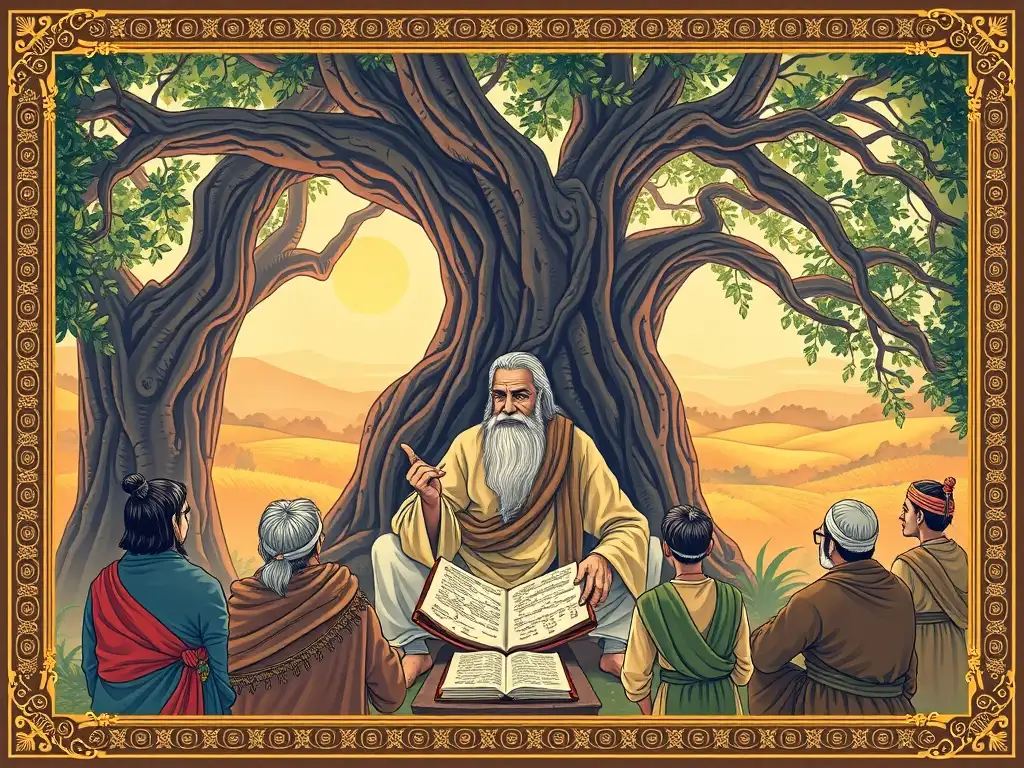
Vedic literature, composed between 1500 and 500 BCE, is fundamental to understanding the linguistic and cultural evolution of ancient India. Its profound influence on languages, particularly Sanskrit, laid the groundwork for various literary traditions. The texts, encompassing hymns, rituals, and philosophical discourses, not only shaped the spiritual landscape of the time but also facilitated the development of languages that emerged from these roots. The impact of Vedic literature extends beyond mere vocabulary; it shaped syntax, semantics, and stylistic elements that permeated subsequent literary works.
Oral Tradition and Its Contribution to Language
The Vedic texts were originally transmitted orally, a practice that played a crucial role in the preservation and evolution of language. This oral tradition fostered linguistic skills through:
- Memorization Techniques: The use of meter and rhyme encouraged the memorization of texts, which helped maintain linguistic consistency. The chanting of verses ensured that the pronunciation and syntax were preserved over generations.
- Improvisation: Oral transmission allowed for improvisation and adaptation, leading to variations in language that enriched its diversity. This adaptability contributed to the evolution of regional dialects and languages influenced by the Vedic corpus.
The emphasis on phonetics in Vedic recitation also led to a detailed understanding of sound patterns, which would later be foundational for grammatical structures in Sanskrit and other languages. The meticulous nature of oral tradition ensured that language remained dynamic, adapting to the cultural and social changes of the time.
Preservation of Language through Written Texts
With the advent of writing, Vedic literature transitioned from oral recitation to written form, marking a significant milestone in the preservation of language. This shift had several implications:
- Standardization: The written form of Vedic texts allowed for standardization of language, which helped in stabilizing the use of Sanskrit. This standardization was vital for the development of classical literature and formal education systems.
- Expansion of Vocabulary: As Vedic texts were transcribed, new words and concepts were documented, enriching the lexicon of Sanskrit and influencing the development of other Indian languages. This expansion facilitated the emergence of diverse literary genres and styles.
- Cultural Transmission: The preservation of Vedic literature in written form enabled the transmission of cultural and philosophical ideas across generations and geographical boundaries. This cultural heritage influenced not only the languages of India but also those of neighboring regions.
The establishment of written Vedic literature contributed to a linguistic legacy that would serve as a foundation for later texts in the realms of philosophy, science, and poetry, showcasing the enduring impact of Vedic language on Indian culture.
Genres of Literature Inspired by Vedic Texts
The influence of Vedic literature extends into various genres that emerged in ancient Indian literature, highlighting its role as a foundational source. Key genres inspired by Vedic texts include:
- Epics: Works like the Mahabharata and Ramayana incorporate Vedic themes and language, showcasing the philosophical and ethical dilemmas rooted in Vedic thought.
- Philosophical Treatises: Texts such as the Upanishads, which delve into metaphysical inquiries, draw heavily from Vedic concepts, further influencing the development of philosophical language.
- Poetry: The poetic forms developed in Vedic literature laid the groundwork for classical Sanskrit poetry, which adopted and adapted meter, rhyme, and themes from the Vedic hymns.
- Drama: Vedic narratives and themes also found their way into classical Indian drama, enriching the linguistic and thematic palette of playwrights.
The continuation of these genres illustrates how Vedic literature influenced not just language but the entire literary landscape of ancient India. Its impact on the evolution of languages remains a significant aspect of cultural identity and expression throughout the Indian subcontinent.
The Vedic literature influence on languages is profound, as it has shaped not only the linguistic structure but also the narrative styles and literary forms that continue to resonate in contemporary Indian literature.
Comparative Analysis of Vedic Literature and Other Ancient Texts

Vedic Literature vs. Other Ancient Indian Literature
The Vedic literature, comprising the four Vedas— Rigveda, Samaveda, Yajurveda, and Atharvaveda—is distinguished by its unique structure, themes, and purposes compared to other ancient Indian texts. While the Vedas primarily focus on spiritual rituals, hymns, and philosophical inquiries, other texts such as the Upanishads, Puranas, and Mahabharata cover a broader range of topics, including mythology, ethics, and law.
| Aspect | Vedic Literature | Other Ancient Indian Literature |
|---|---|---|
| Primary Focus | Rituals, hymns, philosophy | Mythology, ethics, law, history |
| Language Style | Archaic Sanskrit | Evolved Sanskrit and Prakrit variations |
| Cultural Context | Early Indo-Aryan society | Diverse cultures and regional practices |
| Philosophical Depth | Foundations of Indian philosophy and spirituality | Commentary on life, ethics, and moral dilemmas |
| Structure | Rigorous poetic form, meter, and sound symbolism | Narrative forms, prose, and poetic verses |
The Vedic texts set the foundation for subsequent Indian literature, influencing its thematic and linguistic evolution. The transition from the Vedic hymns to the more narrative forms seen in the Mahabharata and Ramayana illustrates a shift from ritualistic to narrative storytelling, reflecting the changing cultural landscape of ancient India.
Influence of Vedic Literature on Indo-European Languages
Vedic literature plays a crucial role in understanding the development of Indo-European languages, particularly through its unique phonetic and grammatical structures. The intricate system of sounds and patterns in Vedic Sanskrit has left a lasting mark on many modern languages, especially those in the Indo-Aryan branch.
Key influences of Vedic literature include:
- Phonetic Structures: The Vedic texts employ a variety of phonetic techniques, such as sandhi (the union of sounds), which can be traced in many Indo-European languages, influencing pronunciation and word formation.
- Grammatical Conventions: The complexity of verb forms and syntactical structures in Vedic Sanskrit has parallels in several modern Indo-European languages, showcasing similarities in verb conjugation and noun declension.
- Lexical Borrowing: Many words found in Vedic literature have cognates in other Indo-European languages, demonstrating the shared linguistic heritage and mutual influence over centuries.
This interconnectivity emphasizes the significance of Vedic literature not just as a cornerstone of Indian languages but also as a vital contributor to the broader Indo-European linguistic family.
Vedic Literature's Role in Global Language Development
The impact of Vedic literature extends beyond the Indian subcontinent, influencing global language development through its philosophical concepts, linguistic frameworks, and cultural narratives. The dissemination of Vedic texts through trade, migration, and cultural exchange has fostered connections between ancient Indian civilizations and other cultures.
- Cultural Exchange: As Vedic texts traveled along trade routes, they introduced Sanskrit vocabulary and concepts into other languages, including Persian and even some European languages, enriching their lexicon and depth.
- Philosophical Influence: The philosophical ideas encapsulated in Vedic literature influenced the development of various schools of thought, including those in Greek philosophy, highlighting an exchange of ideas that shaped intellectual discourse globally.
- Literary Structures: The narrative techniques and poetic forms found in Vedic literature have inspired literary traditions worldwide, contributing to the evolution of epic poetry and storytelling.
Vedic literature not only shaped the linguistic landscape of ancient India but also played a pivotal role in the development of languages and cultures globally. Its influence is a testament to the interconnectedness of human civilizations and the enduring legacy of India's ancient wisdom.
Conclusion: The Lasting Influence of Vedic Literature on Indian Languages

Summary of Key Points
The exploration of Vedic literature reveals its profound influence on the development of Indian languages. Here are some key points to consider:
- Foundation of Sanskrit: The Vedas, comprising hymns, rituals, and philosophical discourses, laid the groundwork for Sanskrit, which became the classical language of India. The grammatical structures and vocabulary of Vedic texts have shaped the evolution of numerous languages in the Indian subcontinent.
- Linguistic Diversity: Vedic literature contributed to the rich tapestry of linguistic diversity in India. As different regions adopted Vedic language elements, they blended these with local dialects, leading to the emergence of various languages, including Hindi, Bengali, and Marathi.
- Philosophical and Cultural Context: The philosophical ideas embedded in Vedic literature, expressed through language, influenced not only linguistic development but also cultural and intellectual traditions in India. Concepts like dharma and karma have transcended language barriers and continue to resonate in modern discourse.
- Preservation of Knowledge: The oral tradition of Vedic recitation played a crucial role in preserving language and knowledge. This tradition ensured that Vedic texts were passed down through generations, fostering a continuity that influenced both spoken and written forms of various Indian languages.
The Future of Vedic Studies and Language Evolution
As we look to the future, the study of Vedic literature remains critical for understanding the evolution of Indian languages. Scholars and linguists are increasingly recognizing the importance of Vedic texts in contemporary language studies. The following trends are emerging:
- Interdisciplinary Research: Collaborations between linguistics, archaeology, and anthropology are shedding new light on how Vedic literature influences language and culture. This interdisciplinary approach can reveal connections between ancient texts and modern linguistic practices.
- Digital Humanities: The advent of digital tools is revolutionizing the study of Vedic literature. Online databases and linguistic software allow for easier access to Vedic texts, enabling more comprehensive analyses of their impact on language development.
- Revival and Preservation Efforts: As interest in Vedic studies grows, there are ongoing efforts to revive ancient languages and scripts. This revival may lead to a resurgence in the usage of Sanskrit and other languages influenced by Vedic literature.
Final Thoughts on Vedic Literature's Legacy
The legacy of Vedic literature is not merely historical; it continues to shape Indian languages and cultures today. Its influence is evident in:
- Literary Works: Many contemporary Indian authors draw inspiration from Vedic themes, showcasing the enduring relevance of these ancient texts.
- Language Policy: The recognition of Sanskrit and other Vedic languages in educational systems highlights their importance in modern India, encouraging students to explore their linguistic heritage.
- Cultural Identity: Vedic literature remains a source of cultural pride, fostering a sense of identity among speakers of languages that trace their roots back to Vedic times.
The Vedic literature influence on languages is profound and multifaceted, continuing to resonate through the ages as it shapes the linguistic landscape of India. Understanding this influence opens doors to a deeper appreciation of both ancient traditions and their modern implications.
Frequently Asked Questions
What is Vedic literature?
Vedic literature refers to the sacred texts of ancient India, composed in Sanskrit, which include the Vedas, Upanishads, and Brahmanas. These texts are foundational to Hindu philosophy and spirituality.
How has Vedic literature influenced Indian languages?
Vedic literature has had a profound influence on the development of Indian languages, particularly through its Sanskrit roots, which have shaped many local dialects and languages across the subcontinent.
What are some key contributions of Vedic literature to Indian culture?
Vedic literature has contributed significantly to Indian culture by shaping rituals, philosophical thought, and literary traditions, thus influencing various aspects of life, including art and social norms.
How does Vedic literature relate to modern Indian languages?
Many modern Indian languages trace their origins to Sanskrit, with Vedic literature serving as a crucial link in the evolution and development of these languages, enriching their vocabulary and structure.
Why is the study of Vedic literature important today?
Studying Vedic literature is essential for understanding the historical context of Indian languages and culture, as well as its impact on contemporary literature and philosophy, fostering a deeper appreciation of India's rich heritage.
Final Reflection: The Enduring Influence of Vedic Literature on Indian Languages
Vedic literature serves as a cornerstone in the evolution of Indian languages, intertwining linguistic development with cultural identity. Today, as we navigate an increasingly globalized world, the significance of these ancient texts remains profound, reminding us of the rich tapestry of language that shapes our understanding of self and society. The echoes of Vedic thought continue to resonate, urging us to appreciate the intricate relationship between language and culture.
Cultural identity is often expressed through language, and Vedic literature has been a pivotal force in shaping this identity across centuries. The wisdom contained within these texts has not only influenced the lexicon and syntax of various Indian languages but has also fostered a sense of unity among diverse linguistic communities. As noted by linguist A. K. Ramanujan, The Vedas are not just texts; they are the very fabric of our linguistic heritage.
This ongoing influence underscores the importance of recognizing and preserving the linguistic legacies that define us.
As we reflect on the lessons from Vedic literature, let us embrace the call to honor our linguistic roots while fostering an environment of inclusivity and understanding. Consider how you can engage with the languages around you, appreciating their histories and contributions to our collective identity. By doing so, we not only pay homage to the past but also pave the way for a future where the richness of our languages continues to thrive and evolve.
Unleash the Power of Vedic Wisdom!
Thank you for diving into the fascinating world of Vedic literature and its influence on the evolution of Indian languages. Your curiosity opens the door to a rich heritage that not only shaped linguistic diversity but also deepened cultural connections across centuries. Now that you grasp the significance of this ancient wisdom, here are a few ways you can further engage and explore:
- Join a local workshop or seminar on Vedic studies to connect with others who share your interests and delve deeper into the subject.
- Share this article with friends and family who might appreciate the insights into how Vedic literature continues to influence modern languages and culture.
- Explore and read original Vedic texts or translations that captivate you, enriching your understanding and appreciation of this literary art.
What aspects of Vedic literature do you find most inspiring, and how do you believe they can shape today's linguistic landscape?