
The Military Innovations of Ancient Indian Kings: A Study of Their Strategies

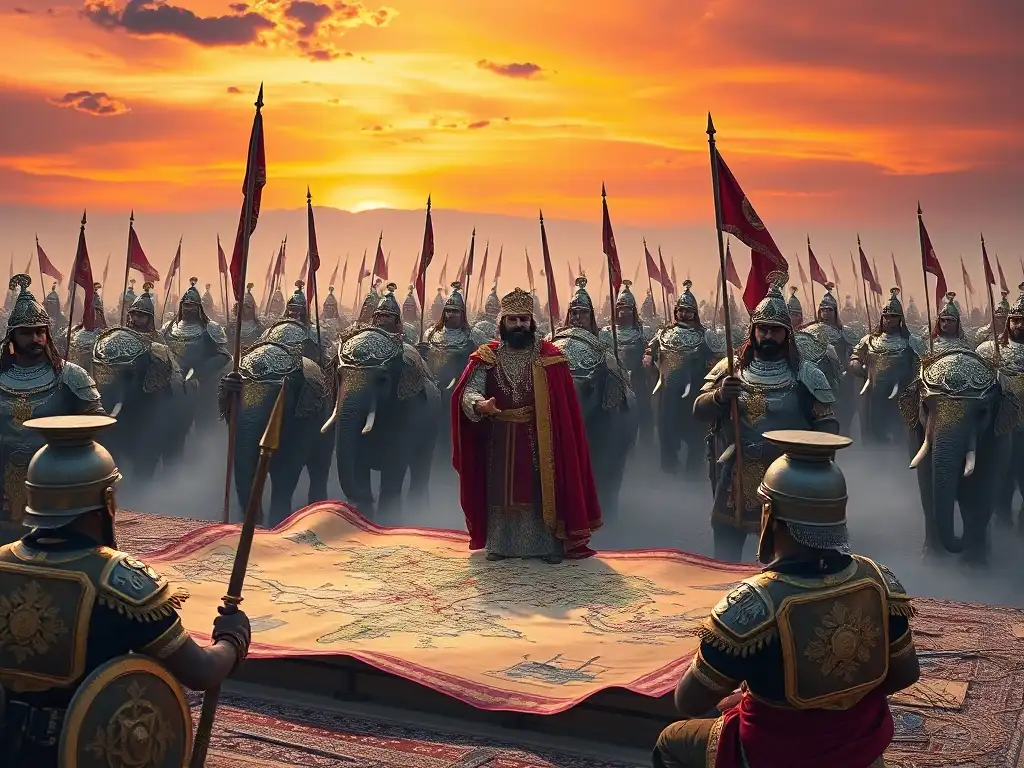
Welcome to Ancient India History, where we embark on a fascinating journey through the rich tapestry of India's past. Here, we delve deep into the military strategies of ancient India, exploring the innovative tactics that shaped the empires of remarkable kings. In our latest article, "The Military Innovations of Ancient Indian Kings: A Study of Their Strategies," we uncover the brilliance behind their approaches to warfare and how these strategies influenced the course of history.
Curious about how ancient Indian generals outsmarted their foes? Join us as we unravel the secrets of their military prowess and invite you to discover the powerful legacy left behind by these key historical figures.
Introduction to Military Strategies of Ancient India
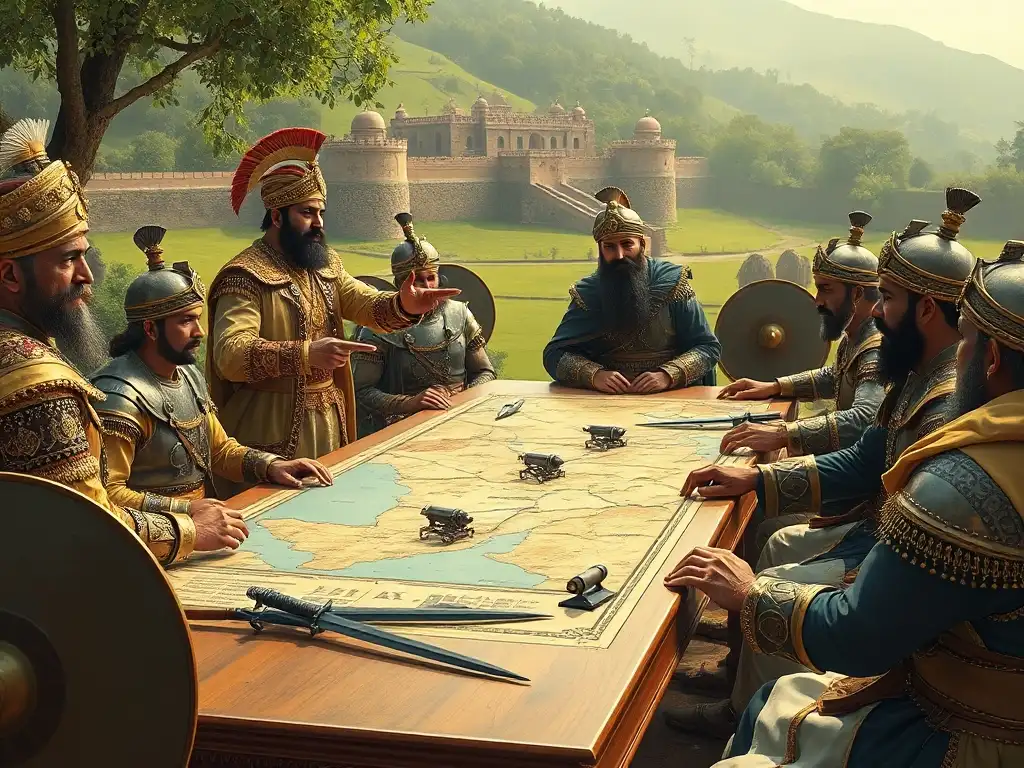
The military strategies of ancient India represent a fascinating and complex tapestry woven from a multitude of regional practices, philosophies, and innovations. From the time of the Indus Valley Civilization to the zenith of the Gupta Empire, warfare in ancient India was not merely about conquest; it was also an art form that involved intricate planning, strategic alliances, and innovative techniques. As we delve into this rich historical narrative, we uncover the various military innovations and strategies employed by ancient Indian kings that significantly influenced the subcontinent's political landscape and power dynamics.
Overview of Ancient Indian Warfare
Ancient Indian warfare was characterized by a unique blend of tactics and technologies that reflected the diverse cultures and terrains of the region. The following elements highlight the key aspects of ancient Indian military practices:
- Diverse Weaponry: Ancient Indian armies utilized a range of weapons including swords, bows, and spears, often made from advanced metallurgy.
- Chariots and Elephants: Chariots were pivotal in battles, providing mobility and a tactical advantage. War elephants were also employed for their sheer size and strength, instilling fear in enemy ranks.
- Fortifications: The construction of forts and fortified cities, like those seen in the Indus Valley, played a crucial role in defense and strategic military positioning.
The evolution of these elements over centuries showcases the adaptability and ingenuity of ancient Indian military leaders.
Importance of Military Innovations in Ancient India
Military innovations in ancient India were not solely about enhancing battlefield performance; they also had profound implications for governance, trade, and diplomacy. Key points include:
- Centralized Power: Innovations in military strategy allowed kings to consolidate power, leading to the formation of large empires such as the Maurya and Gupta empires.
- Economic Impact: A strong military enabled safe trade routes and protection for merchants, fostering economic growth and cultural exchange.
- Cultural Integration: Successful military campaigns often resulted in the integration of diverse cultures, leading to a rich tapestry of societal development.
The legacy of these military innovations continues to influence modern military theory and practice.
Key Historical Figures in Ancient Indian Military Strategies
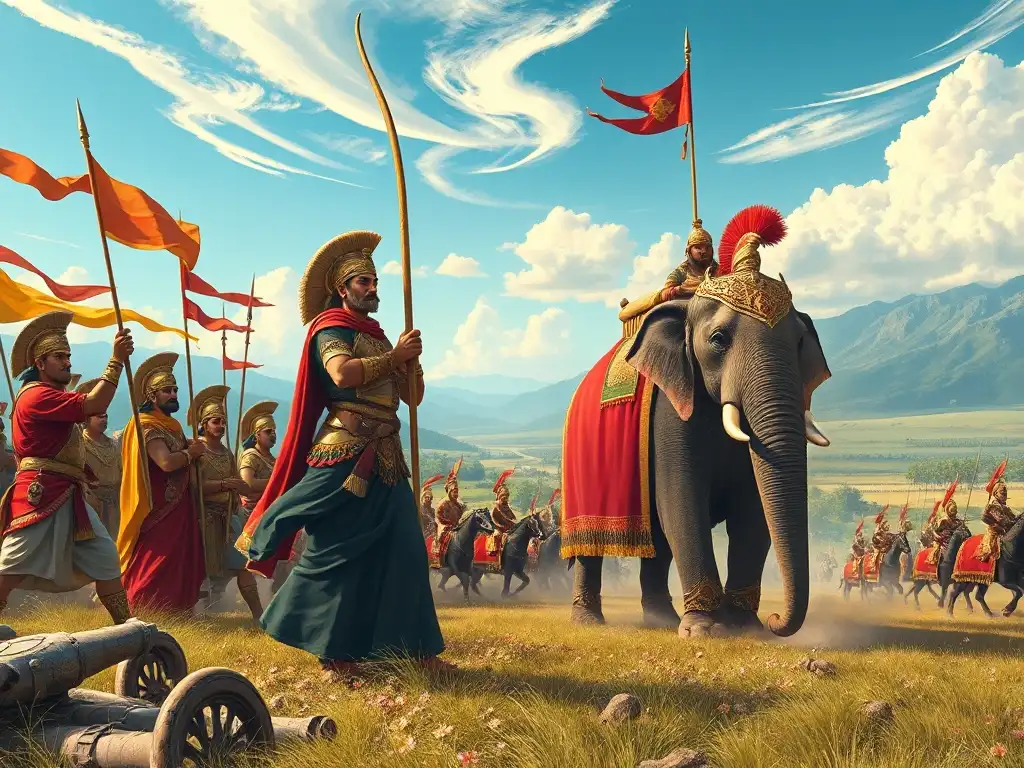
Ancient India was home to several notable figures whose military strategies and innovations left an indelible mark on history. Their contributions shaped the art of warfare and governance in profound ways.
Chandragupta Maurya and the Rise of the Mauryan Empire
Chandragupta Maurya (c. 340–297 BCE) is celebrated for his strategic prowess in unifying the Indian subcontinent under the Mauryan Empire. His key strategies included:
- Formation of Alliances: Chandragupta skillfully forged alliances with local rulers and tribes, facilitating a smoother path to expansion.
- Intelligence and Espionage: He employed a network of spies to gather intelligence, enabling informed decision-making in military campaigns.
- Innovative Warfare Tactics: Utilizing guerrilla warfare and the element of surprise, he effectively overcame larger enemy forces.
These strategies laid the foundation for one of the most significant empires in ancient Indian history.
Ashoka the Great: From Conqueror to Peacekeeper
Ashoka the Great (c. 268–232 BCE), initially known for his military conquests, underwent a profound transformation that altered his approach to governance and warfare:
- Kalinga War: His conquest of Kalinga was a turning point, leading to a deep reflection on the consequences of war.
- Promotion of Dharma: After witnessing the devastation of war, Ashoka adopted a policy of non-violence and promoted Buddhism, emphasizing moral and ethical governance.
- Diplomatic Engagement: Ashoka's reign saw the establishment of diplomatic relations and the spread of Buddhism across Asia, showcasing a strategic shift from military to diplomatic means.
Ashoka's legacy serves as a powerful reminder of the potential for transformation in leadership.
The Chola Dynasty: Naval Power and Military Strategies
The Chola Dynasty (c. 300 BCE–1279 CE) is renowned for its exceptional naval power and innovative military strategies:
- Naval Warfare: The Cholas were pioneers in naval warfare, establishing a formidable fleet that dominated the seas and facilitated trade.
- Invasion of Southeast Asia: Their military strategies extended beyond India, with successful campaigns in regions such as Sri Lanka and parts of Southeast Asia, showcasing their naval prowess.
- Decentralized Military Systems: The Chola administration employed a system of local chieftains and warriors, enabling rapid mobilization of forces when necessary.
These strategies not only enhanced their military capabilities but also contributed to the spread of culture and influence across maritime regions.
Warrior Kings: The Rajputs and Their Military Tactics
The Rajputs, a prominent warrior class in medieval India, were known for their valor and distinctive military tactics:
- Code of Honor: Rajput warfare was deeply influenced by a code of honor, emphasizing bravery and loyalty in battle.
- Fierce Cavalry Charges: Utilizing cavalry as a primary force, Rajputs executed rapid and aggressive maneuvers that often caught enemies off guard.
- Fortified Strongholds: The construction of strong forts across Rajasthan served as both defensive structures and symbolic representations of Rajput pride and resilience.
The Rajputs' military legacy continues to inspire tales of heroism and gallantry in Indian culture.
The evolution of military strategies in ancient India not only reflects the ingenuity of its leaders but also illustrates the profound impact of warfare on the region's history and culture. Understanding these innovations allows us to appreciate the complexities of ancient Indian civilizations and their lasting contributions to military thought and practice.
Military Strategies and Innovations of Ancient Indian Kings
The military strategies of ancient India were characterized by a blend of innovative techniques, strategic thinking, and adaptability, enabling various kingdoms to thrive in a diverse and often turbulent environment. Ancient Indian kings understood the importance of military might not just for territorial expansion but also for securing trade routes, maintaining internal order, and establishing their dominance. Key innovations included the integration of diverse forces, effective use of geography, and the development of specialized military divisions, which collectively contributed to their success on the battlefield.
One of the hallmark features of these strategies was the emphasis on both offensive and defensive tactics. Kings would not only focus on conquering territories but also on fortifying their own realms against potential invasions. This dual approach required a deep understanding of both the art of war and the intricacies of diplomacy, as alliances often played a crucial role in ancient warfare. As we explore specific innovations and strategies, it becomes clear that ancient Indian military practices were advanced for their time and laid the groundwork for future developments in warfare.
Use of Elephants in Warfare
The use of elephants in warfare is one of the most iconic elements of ancient Indian military strategy. Elephants served multiple roles on the battlefield: they were not only used as a means of transportation for commanders but also as a formidable force in hand-to-hand combat. The sight of a charging elephant could instill fear in enemy ranks, often leading to chaos and disarray in their formations.
Kings like Chandragupta Maurya and later, his grandson Ashoka, effectively utilized war elephants to create a psychological advantage. These massive creatures were trained for battle and equipped with armor and weapons, including howdahs (platforms) where archers could be stationed. The strategic deployment of elephants in flanks or at the front lines allowed for a strong offensive push, breaking enemy lines and creating openings for infantry and cavalry to exploit.
Moreover, elephants were integral to logistics, as they could carry heavy supplies and equipment across difficult terrains, thus ensuring that armies were well-supplied during campaigns. Over time, the tactics surrounding the use of elephants evolved, with various dynasties developing specialized training regimens to enhance their effectiveness in warfare.
Strategic Fortification and Defense Mechanisms
The strategic fortification of cities and territories was another significant aspect of military innovation in ancient India. Kings invested heavily in constructing strong defensive structures, including walls, moats, and watchtowers, to protect against invasions. Notable examples include the forts built by the Rajputs, which were often situated on elevated terrain to provide a tactical advantage.
These fortifications were designed not only to deter attackers but also to withstand prolonged sieges. The use of local materials and architectural techniques allowed for the construction of resilient structures that could endure the tests of time and warfare. Kings like Prithviraj Chauhan and Alauddin Khilji employed advanced fortification strategies, incorporating features such as multiple gates, narrow entry points, and fortified towers that provided vantage points for archers.
In addition to physical structures, ancient Indian kings employed innovative defense mechanisms, including the strategic placement of troops within fortified areas. This allowed for rapid mobilization in response to threats, ensuring that defenders could mount effective counterattacks. Such fortification strategies played a crucial role in the defense of key cities and trade routes, shaping the landscape of ancient Indian warfare.
Innovative Weaponry and Armor
The evolution of weaponry and armor in ancient India reflected the ingenuity of its military leaders. From the early use of simple weapons like bows and arrows to more sophisticated armaments, the advancements in technology were pivotal in shaping the outcomes of battles. Ancient Indian warriors utilized a variety of weapons, including swords, spears, and axes, each crafted with unique designs to enhance their effectiveness in combat.
Armor also saw significant advancements, with warriors donning chainmail and plate armor that offered protection without compromising mobility. The use of intricate designs and local materials meant that armor could be both functional and aesthetically pleasing. Additionally, innovations such as the introduction of crossbows and advanced projectile weapons allowed for increased range and power in combat scenarios.
Moreover, the development of siege weaponry, such as catapults and battering rams, enabled armies to breach fortified positions, leading to more aggressive siege tactics. The craftsmanship and tactical deployment of these innovations not only enhanced the battlefield capabilities of ancient Indian armies but also influenced military strategies beyond their borders.
The Role of Intelligence and Espionage
Intelligence and espionage played critical roles in the military strategies of ancient Indian kings. Understanding the movements, strengths, and weaknesses of enemy forces was essential for effective planning and execution of military campaigns. Kings employed spies to gather information, which would provide them with insights into enemy strategies, troop movements, and even the morale of opposing forces.
The intricate networks of informants allowed rulers like Ashoka and Chandragupta Maurya to make informed decisions regarding alliances and military engagements. The ancient Indian texts, including the Arthashastra by Kautilya, emphasize the significance of intelligence in warfare, detailing methods of espionage and counterintelligence.
Additionally, psychological warfare was often employed, where misinformation was spread to mislead opponents. Such strategies would create confusion and could lead to the enemy’s downfall even before a battle commenced. The effective use of intelligence not only improved military outcomes but also highlighted the sophisticated understanding of warfare among ancient Indian kings.
Comparative Analysis of Military Strategies Across Dynasties
The military strategies of ancient Indian kings varied considerably across different dynasties, reflecting their unique contexts, resources, and goals. A comparative analysis reveals how various dynasties adapted their military approaches to meet the challenges they faced, from the Mauryan Empire’s expansive conquests to the Gupta Empire’s focus on internal stability and cultural flourishing.
Mauryan vs. Gupta Military Strategies
The Mauryan and Gupta empires represent two significant phases in ancient Indian military history, each with distinct strategies. The Mauryan Empire, founded by Chandragupta Maurya, emphasized large-scale military campaigns and territorial expansion. The use of elephants, a highly organized infantry, and a strategic approach to diplomacy characterized their military strategies. Under Ashoka, the focus shifted towards consolidating power and spreading Buddhism, leading to a more defensive posture.
In contrast, the Gupta Empire, often referred to as the Golden Age of India, prioritized internal stability and cultural development. Their military strategies included the effective use of regional alliances and a smaller, yet highly trained, standing army. The Guptas also innovated in cavalry tactics, utilizing speed and mobility to outmaneuver larger forces. While both dynasties were successful in their own right, their differing approaches highlight the adaptability of ancient Indian military strategies.
Regional Variations in Warfare Tactics
Ancient India was a tapestry of diverse cultures and kingdoms, each developing unique warfare tactics based on their geographical and socio-political contexts. For instance, the coastal kingdoms of South India, such as the Chola dynasty, focused on naval power and amphibious operations, which allowed them to control trade routes and conduct raids on enemy territories.
In contrast, the northern kingdoms often relied on heavy infantry and cavalry due to the vast plains. The mountainous regions of the Himalayas necessitated guerrilla tactics, as local rulers employed hit-and-run strategies against larger, more conventional armies. These regional variations not only reflect the adaptability of ancient Indian military strategies but also underscore the importance of geography in shaping warfare.
Technological Advancements Over Time
Technological advancements played a pivotal role in the evolution of military strategies throughout ancient Indian history. From the introduction of iron weaponry around the 6th century BCE to the development of advanced siege engines, these innovations significantly influenced combat effectiveness.
The transition from bronze to iron not only improved the durability and lethality of weapons but also made them more accessible to a wider range of warriors. Similarly, the advancement of metallurgy allowed for the production of superior armor and weaponry.
As time progressed, the integration of crossbows and gunpowder-based weapons, which later emerged in medieval India, further transformed military tactics. These advancements highlight the dynamic nature of ancient Indian warfare, as kings and military leaders continuously adapted their strategies in response to both technological developments and the evolving nature of conflict.
The Influence of Geography on Military Strategies
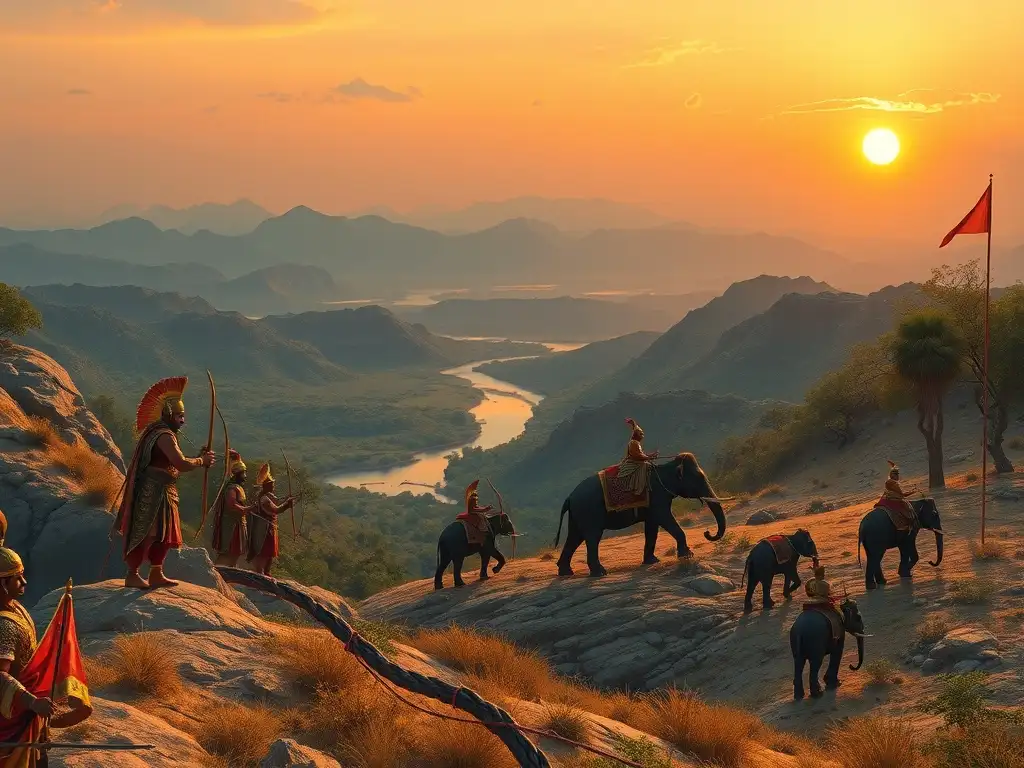
The geography of ancient India played a significant role in shaping the military strategies employed by its kings. The diverse landscapes, ranging from the towering Himalayan mountains to the vast plains of the Indo-Gangetic region, provided both challenges and advantages for military operations. Ancient Indian kings had to devise strategies that accounted for these geographical factors to effectively manage their armies and defend their territories.
The strategic use of natural barriers, such as mountains and rivers, allowed for the development of unique military tactics. Kings often chose battlefields that maximized their strengths while minimizing vulnerabilities, utilizing the terrain to outmaneuver their opponents. This geographical awareness was not just a matter of preference but a necessity, as it directly influenced the outcome of many conflicts throughout ancient Indian history.
Terrain and Its Impact on Warfare
Different terrains required distinct military approaches. For instance, in mountainous regions, guerrilla warfare was often preferred, allowing smaller forces to engage in hit-and-run tactics against larger armies. The rugged landscape provided natural cover and ambush points, enabling skilled warriors to exploit their knowledge of the terrain. In contrast, the plains facilitated large-scale battles, where cavalry and infantry formations could be effectively deployed.
The ancient Indian kings, such as Chandragupta Maurya and his grandson Ashoka, understood these dynamics well. They trained their soldiers in various combat techniques suitable for the terrain they would face, ensuring flexibility in their military engagements. This adaptability was crucial for maintaining control over the vast and diverse territories of their empires.
Rivers and Fortifications: Defensive Strategies
Rivers were not only vital for sustenance and trade but also served as critical defensive barriers. Ancient Indian kings often established their fortifications near rivers, utilizing them to enhance their defensive strategies. For example, the city of Pataliputra, located at the confluence of the Ganges and Son rivers, was fortified extensively, making it a formidable stronghold against invading forces.
Moreover, the construction of strongholds and fortresses along riverbanks allowed for effective surveillance and control over vital trade routes. These fortifications were designed with strategic layouts, incorporating high walls, moats, and strategic entry points, which further augmented their defensive capabilities. The careful planning of these defenses reflected the military acumen of ancient Indian rulers, as they utilized geography to their advantage in both offense and defense.
Legacy of Ancient Indian Military Innovations
The military innovations of ancient Indian kings have left a lasting legacy that influenced not only subsequent Indian dynasties but also military strategies beyond the subcontinent. The tactical ingenuity and resourcefulness of these rulers have been acknowledged in various historical narratives, highlighting their contributions to the art of warfare.
Influence on Subsequent Indian Dynasties
Following the fall of the Maurya Empire, the military strategies developed during this period continued to resonate through later dynasties such as the Gupta Empire and the Rajputs. These successors adopted and adapted the techniques of their predecessors, incorporating advanced formations, use of cavalry, and siege tactics into their military campaigns.
For instance, the Gupta Empire, known for its cultural and scientific advancements, also utilized sophisticated military strategies that reflected the lessons learned from earlier rulers. The emphasis on cavalry and archery, along with the development of war elephants, showcased the evolution of military tactics that were rooted in the geographical realities of the Indian subcontinent.
Global Impact on Military Strategies
The military strategies and innovations of ancient India did not remain confined within its borders; they influenced military thought and practices in other parts of the world as well. Historical accounts suggest that Indian military techniques were studied and adopted by neighboring civilizations, including those in Central Asia and the Middle East.
One notable example is the use of war elephants, which became a significant element of military strategy across various cultures. The effectiveness of these massive animals in battle, combined with the strategic formations developed by Indian kings, captured the interest of military leaders globally. The exchange of knowledge and strategies through trade routes and conquests facilitated a cross-pollination of military ideas that enriched warfare practices across civilizations.
The military innovations of ancient Indian kings, shaped by geographical factors and adapted over centuries, have had a profound and lasting impact on both Indian and global military strategies. Their legacy endures, providing insights into the sophisticated military thought that characterized ancient Indian civilization.
Conclusion: The Enduring Significance of Military Strategies in Ancient India
The military innovations of ancient Indian kings not only shaped the course of their respective empires but also laid the groundwork for future military strategies across the globe. The sophisticated methods employed by these rulers, which included innovative tactics, advanced weaponry, and strategic alliances, reflected a deep understanding of both warfare and the socio-political landscape of their time. As we conclude our exploration of these military strategies, it becomes evident that their significance extends far beyond the battlefield, impacting cultural, political, and social realms.
The legacy of these strategies is apparent in the way they influenced subsequent generations of military thinkers and leaders, both within India and abroad. The principles of adaptability, strategic planning, and the integration of diverse military units remain relevant in contemporary military doctrine. Ancient Indian military strategies thus serve as a historical reference point, showcasing how the art of war has evolved while retaining core philosophies that continue to inform modern practices.
Reflection on the Contributions to Modern Military Studies
The study of military strategies from ancient India offers invaluable insights into the evolution of warfare. Scholars and military historians often turn to these ancient practices as case studies in effective strategy and leadership. Notable contributions include the concepts of guerrilla warfare, which were employed by figures like Chandragupta Maurya, and the use of war elephants and chariots that characterized the battles of the Indian subcontinent.
Furthermore, texts like the Arthashastra by Kautilya provide a comprehensive analysis of statecraft and military strategy that resonates with modern military theories. The principles of intelligence gathering, psychological warfare, and the importance of morale are themes that continue to be relevant in today's military curriculum. By examining these ancient strategies, modern military academies can draw parallels and adapt these historical lessons to contemporary scenarios, enriching their tactical and operational frameworks.
The Cultural Legacy of Warfare in Ancient Indian History
Warfare in ancient India was not merely a series of battles; it was deeply interwoven with the cultural and spiritual fabric of society. The portrayal of heroes and deities in epics like the Mahabharata and Ramayana illustrates how military valor was celebrated and immortalized in literature and art. These narratives not only served to inspire future generations but also reinforced the societal values associated with courage, honor, and duty.
Moreover, the architectural feats of ancient fortifications and cities, such as those found in the Indus Valley and later in Rajputana, reflect a sophisticated understanding of military engineering. These structures were not only defensive bastions but also symbols of power and prestige, showcasing the ingenuity of ancient Indian kings in blending military necessity with cultural expression.
The cultural legacy of warfare in ancient India continues to influence contemporary society, as the lessons learned from past military strategies resonate in modern narratives of honor and resilience. The enduring significance of these military innovations highlights the complex interplay between warfare, culture, and governance, ensuring that the military strategies of ancient India remain a pivotal subject of study in understanding our history.
- Introduction to Military Strategies of Ancient India
- Overview of Ancient Indian Warfare
- Importance of Military Innovations in Ancient India
- Key Historical Figures in Ancient Indian Military Strategies
- Military Strategies and Innovations of Ancient Indian Kings
- Comparative Analysis of Military Strategies Across Dynasties
- The Influence of Geography on Military Strategies
- Legacy of Ancient Indian Military Innovations
- Conclusion: The Enduring Significance of Military Strategies in Ancient India
- What were some key military strategies used by ancient Indian kings?
- How did the Indus Valley Civilization contribute to military innovations?
- What role did cavalry play in ancient Indian warfare?
- How did the Gupta Empire influence military tactics?
- Did ancient Indian kings use alliances in their military strategies?
Frequently Asked Questions
What were some key military strategies used by ancient Indian kings?
Ancient Indian kings employed strategies like guerrilla warfare, the use of elephants in battle, and fortification of cities to enhance their military effectiveness.
How did the Indus Valley Civilization contribute to military innovations?
The Indus Valley Civilization showcased advanced urban planning and defensive structures, which laid the groundwork for future military strategies in ancient India.
What role did cavalry play in ancient Indian warfare?
The cavalry was crucial, providing mobility and speed in battles, allowing commanders to execute rapid attacks and retreats against their enemies.
How did the Gupta Empire influence military tactics?
The Gupta Empire is noted for its organized army, effective logistics, and the introduction of innovative weaponry, which significantly improved their military strategies.
Did ancient Indian kings use alliances in their military strategies?
Yes, ancient kings often formed alliances with neighboring kingdoms to bolster their forces and enhance their strategic advantages in conflicts.
Final Reflection: The Enduring Legacy of Ancient Indian Military Strategies
The military innovations of ancient Indian kings reveal not only their tactical brilliance but also their profound understanding of warfare's complexities. Today, as nations grapple with modern conflicts and the evolving landscape of military strategy, the lessons from ancient India resonate more than ever. The strategic foresight, adaptability, and innovative approaches of these rulers provide a rich tapestry of insights that can inform contemporary military thought and practice.
The influence of these ancient military strategies extends far beyond the battlefield; they have shaped cultural narratives and national identities. From the use of elephants in warfare to the intricate formations of infantry, the ingenuity of ancient Indian kings continues to inspire military leaders and historians alike. As noted by military historian John Keegan, The study of past conflicts is not merely an academic pursuit; it is a means to understand the present and prepare for the future.
This perspective underscores the importance of learning from history, as the principles of strategy and leadership developed by these rulers remain relevant in today's geopolitical climate.
As we reflect on the military strategies of ancient India, I invite you to consider how these lessons can be applied in your own life. Whether in leadership roles, strategic planning, or personal challenges, the principles of adaptability, foresight, and innovation can guide you toward success. Embrace the wisdom of the past as you navigate your own journey, and let the legacy of these ancient kings inspire you to think critically and act decisively in the face of adversity.
Unleash the Wisdom of Ancient Strategies Today!
Thank you for diving into the fascinating world of military innovations brought to life by ancient Indian kings! By exploring their strategies, you've uncovered valuable insights that can inspire modern thinkers and leaders alike. Now, let’s channel this knowledge into actionable steps that keep the spirit of these innovations alive.
- Discover more: Continue your exploration by reading about specific battles and their strategies on our website to see how these lessons can apply in today’s context.
- Engage with our community: Share your thoughts—join the discussion on our forums or social media platforms. Connect with fellow enthusiasts and exchange ideas about ancient tactics.
- Try applying these lessons: Consider implementing a strategy that resonates with you in your own life, whether in leadership, project management, or personal goal setting.
What ancient strategy inspires you the most, and how would you apply it in today's world?