
The Bhakti Movement: How Leaders Like Ramanuja Changed the Spiritual Landscape

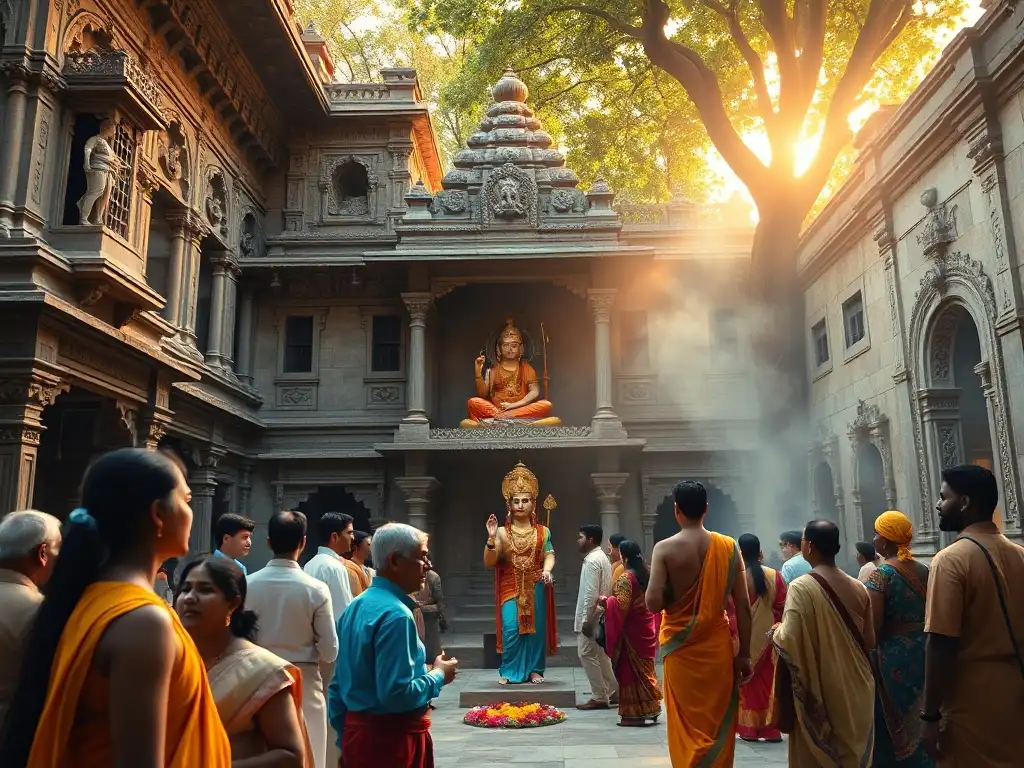
Welcome to Ancient India History, where we embark on a fascinating journey through the vibrant tapestry of India's past. Here, we delve into the profound impact of the Bhakti Movement, a spiritual revolution that reshaped the religious landscape of the subcontinent. Discover how visionary leaders like Ramanuja not only challenged the norms of their time but also fostered a deep connection between the divine and the everyday lives of the people.
As you explore the rich narratives of these key historical figures, prepare to uncover the remarkable contributions that continue to resonate in modern India. Join us as we unravel the layers of this transformative movement and its enduring legacy!
Introduction to the Bhakti Movement
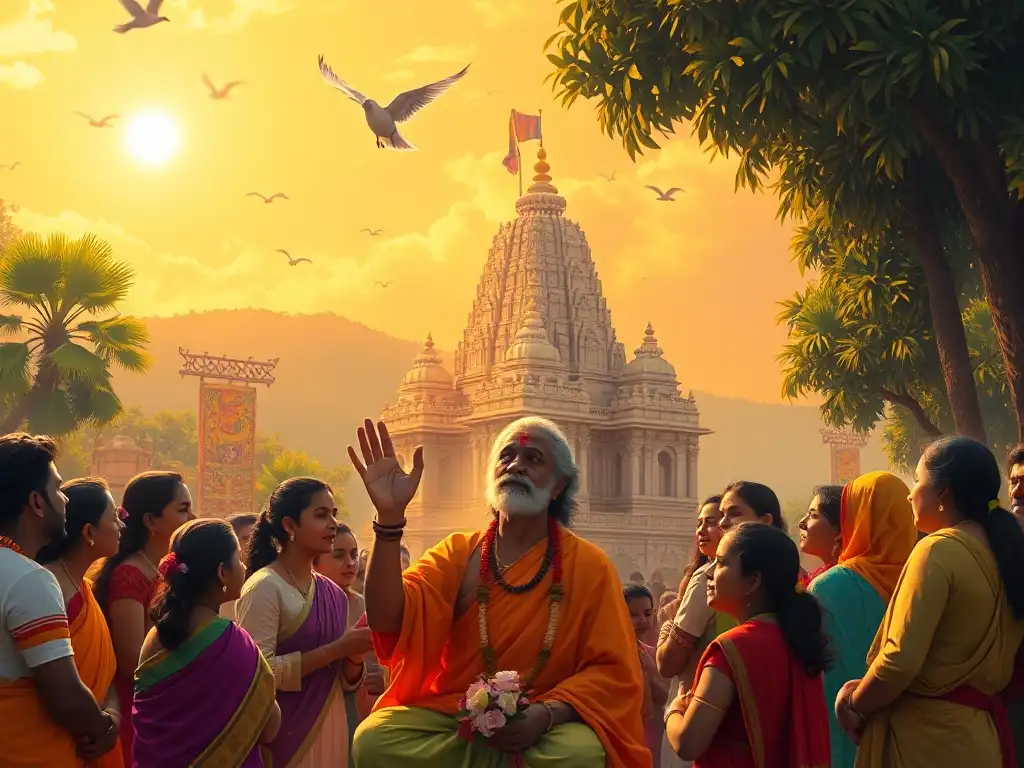
The Bhakti Movement emerged as a significant spiritual and cultural revolution in India, primarily between the 7th and 17th centuries. This movement emphasized personal devotion to a single deity and sought to democratize spirituality, making it accessible to all, regardless of caste or social standing. The leaders of the Bhakti Movement played a crucial role in reshaping the spiritual landscape of India, advocating for love, devotion, and a direct connection with the divine.
Among these leaders, figures like Ramanuja stand out for their profound impact on religious thought and community practices, which continue to influence millions today. Their teachings not only challenged existing social norms but also laid the foundation for a more inclusive and personal approach to spirituality that resonated with the masses.
Definition of the Bhakti Movement
The term "Bhakti" derives from the Sanskrit root "bhaj," which means "to worship" or "to serve." Thus, the Bhakti Movement can be defined as a devotional trend that emphasizes the worship of a personal god through deep emotional attachment and love. This movement transcended ritualistic practices and caste distinctions, focusing instead on the individual's relationship with the divine. The essence of Bhakti lies in:
- Devotion: A heartfelt commitment to a personal deity.
- Inclusivity: Embracing individuals from all walks of life, promoting equality in spiritual practices.
- Accessibility: Encouraging direct access to God, bypassing traditional priestly intermediaries.
Historical Context of Bhakti Movement in India
The roots of the Bhakti Movement can be traced back to various socio-political and religious developments in India. During the medieval period, India experienced significant changes, including:
- Regional Kingdoms: The rise of regional powers led to cultural exchanges and the blending of diverse traditions.
- Islamic Influence: The establishment of Muslim rule introduced new philosophical ideas, which interacted with Hindu beliefs, fostering a spirit of syncretism.
- Social Reform: The stratification of society and the rigidity of caste prompted reformers to advocate for a more egalitarian approach to spirituality.
These factors created a fertile ground for the Bhakti Movement, allowing it to flourish and spread across various regions of India.
Key Leaders of the Bhakti Movement
The Bhakti Movement was characterized by a multitude of leaders who contributed uniquely to its philosophy and outreach. Each leader brought their own interpretations and teachings, enriching the movement's tapestry.
Overview of Influential Bhakti Movement Leaders in India
Some of the most influential Bhakti Movement leaders in India include:
- Ramanuja: An influential theologian who emphasized Vishishtadvaita (qualified non-dualism) and argued for the importance of personal devotion to God.
- Kabir: A poet-saint who critiqued religious orthodoxy and emphasized a direct relationship with the divine through love and devotion.
- Mirabai: A Rajput princess and devotee of Krishna, whose devotional songs and poetry expressed her deep love for God and challenged societal norms.
- Tulsidas: Renowned for his writings, particularly the Ramcharitmanas, which made the story of Lord Rama accessible to the common people.
These leaders, among others, played pivotal roles in shaping the Bhakti Movement, fostering a spiritual awakening that resonated throughout India's cultural landscape.
The Philosophical Foundations of the Bhakti Movement
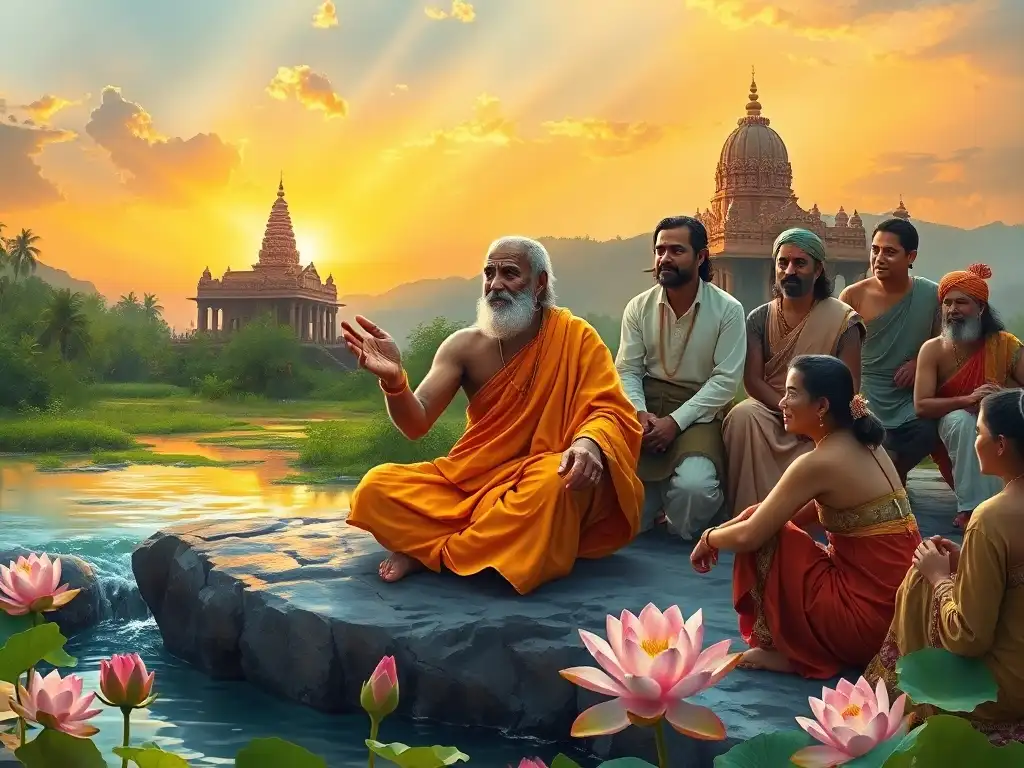
The Bhakti Movement emerged as a significant spiritual force in India, primarily between the 7th and 17th centuries. It emphasized personal devotion to a chosen deity, transcending ritualistic practices and caste distinctions. Rooted in the philosophical principles of Advaita and Vishishtadvaita, the movement was characterized by its focus on devotion ( bhakti) as the ultimate path to salvation. This shift towards a more personal and emotional relationship with the divine marked a departure from the more institutionalized and ritual-heavy practices of the time.
Key philosophers and saints, such as Ramanuja, played a pivotal role in articulating these foundational beliefs. Ramanuja’s interpretation of Vishishtadvaita stressed the importance of loving devotion to God, which was accessible to all, regardless of their social standing. The emphasis on a direct relationship with the divine encouraged followers to engage in worship and spiritual practices that were less hierarchical and more inclusive than previous traditions.
Core Beliefs of Bhakti Movement Leaders
Central to the teachings of Bhakti Movement leaders is the belief in a personal God, who is both immanent and transcendent. Leaders like Ramanuja, Kabir, and Mirabai advocated for:
- Direct Personal Experience: The idea that individual devotion could lead to a direct experience of the divine.
- Rejection of Ritualism: A critical stance against the elaborate rituals and caste-based practices that dominated contemporary religious life.
- Universal Love: The belief that love for God transcends all social and religious barriers, promoting a sense of unity among followers.
- Emphasis on Poetry and Music: The use of vernacular languages in hymns and poetry allowed for wider accessibility and emotional expression of devotion.
These core beliefs fostered a spiritual environment that encouraged inclusivity and personal connection, reshaping the religious landscape of India.
Comparison with Other Indian Philosophical Traditions
The Bhakti Movement presents a unique contrast to other Indian philosophical traditions such as Advaita Vedanta and Nyaya. While Advaita emphasizes non-dualism and the idea that the individual self is ultimately one with the universal spirit ( Brahman), the Bhakti Movement introduces a more relational approach to spirituality.
In comparison to Nyaya, which centers on logic and epistemology, the Bhakti Movement prioritizes emotional engagement and personal devotion. Additionally, unlike Samkhya, which posits a dualistic view of reality, Bhakti embraces a monotheistic perspective wherein God is seen as a personal deity, engaging directly with devotees. This transition towards a more emotional and inclusive spiritual practice marked a significant evolution in Indian philosophy, making spirituality accessible to the masses.
The Bhakti Movement had profound social implications, challenging existing norms and practices in Indian society. By advocating for personal devotion and emotional expression in worship, it fostered significant social changes that reshaped the cultural fabric of the time.
Transformation of Social Norms and Practices
One of the most notable impacts of the Bhakti Movement was its ability to transform rigid social norms. The movement encouraged practices that emphasized community and collective worship, breaking down the barriers imposed by caste and class distinctions. Leaders like Chaitanya Mahaprabhu and Namdev promoted communal gatherings where individuals from various backgrounds could come together to sing hymns and participate in devotional activities.
This emphasis on egalitarianism led to a gradual shift in societal values, as the movement's followers began to challenge the status quo. The Bhakti saints often criticized the prevailing social order, advocating for a more compassionate and inclusive society. As a result, these leaders paved the way for a new cultural ethos that prioritized love and devotion over traditional hierarchies.
Bhakti Movement's Influence on Caste and Gender Issues
The Bhakti Movement played a crucial role in addressing caste and gender issues in Indian society. By promoting the idea that divine love is accessible to all, regardless of caste, the movement undermined the rigid caste system that had dominated Indian society for centuries. Saints like Kabir and Ravidas challenged caste discrimination through their teachings, emphasizing that true devotion transcends social status.
Moreover, the movement had a notable impact on women's participation in religious life. Female saints like Mirabai and Akka Mahadevi not only contributed to the Bhakti tradition through their poetry and devotion but also acted as catalysts for change in gender roles. Their bold expressions of faith and defiance against societal norms inspired many women to participate actively in spiritual practices, thereby challenging patriarchal structures.
The Bhakti Movement, with its leaders and their transformative teachings, significantly altered the spiritual and social landscape of India, fostering an environment of inclusivity, love, and personal devotion that resonates to this day.
The Bhakti Movement's Legacy
The Bhakti Movement, which flourished between the 7th and 17th centuries, left an indelible mark on the spiritual and cultural landscape of India. This socio-religious movement sought to promote devotion to a personal god, transcending traditional caste and ritualistic barriers. The leaders of the Bhakti Movement, including figures such as Ramanuja, Kabir, and Mira Bai, emphasized love, devotion, and a direct connection with the divine, paving the way for a more inclusive and accessible form of spirituality.
The legacy of the Bhakti Movement can be seen in its profound influence on various aspects of Indian society, including literature, music, and philosophy. The devotional poetry and songs created during this period continue to inspire generations and resonate with people across different faiths. Additionally, the movement fostered a sense of unity among diverse communities, promoting the idea that spiritual connection transcends societal divisions.
Lasting Influence on Indian Spirituality
The Bhakti Movement significantly transformed Indian spirituality by emphasizing personal devotion over ritualistic practices. Leaders like Ramanuja developed philosophical frameworks that encouraged individuals to seek a personal relationship with God, rather than relying solely on priests or complex rituals. This shift allowed for a more democratized approach to spirituality, where everyone could engage directly with the divine.
Moreover, the movement's emphasis on love and devotion created a space for emotional expression in worship. This new paradigm resonated deeply with the masses, leading to the emergence of numerous devotional sects and practices. The teachings of Bhakti leaders have since been integrated into various religious traditions, such as Sikhism and certain strands of Hinduism, reinforcing their lasting influence on Indian spirituality.
Bhakti Movement in Contemporary India
Today, the essence of the Bhakti Movement continues to thrive in contemporary India. Various forms of devotional music, dance, and literature inspired by Bhakti traditions are prevalent in cultural expressions across the country. Festivals celebrating the lives and teachings of Bhakti saints draw millions of participants, reflecting the ongoing relevance of their messages.
Moreover, the principles of the Bhakti Movement resonate with modern social movements advocating for equality and justice. The movement's core values of inclusivity and devotion challenge contemporary societal norms and inspire efforts aimed at reducing caste discrimination and promoting communal harmony. As such, the Bhakti Movement remains a vital part of India’s cultural identity and spiritual ethos.
Conclusion: The Enduring Impact of Bhakti Movement Leaders
The leaders of the Bhakti Movement have profoundly shaped the spiritual landscape of India through their teachings and practices. Their emphasis on personal devotion, emotional expression, and inclusivity has left a legacy that continues to influence contemporary society.
Summary of Contributions to Indian Spiritual Landscape
The contributions of Bhakti Movement leaders to the Indian spiritual landscape are both diverse and significant. They fostered:
- A New Form of Worship: By advocating for a direct connection with the divine, they transformed the nature of religious practice.
- Literary Excellence: Their poetry and songs not only enriched Indian literature but also made spiritual concepts more accessible to the common people.
- Social Reform: They challenged existing social hierarchies, promoting values of equality and inclusivity that resonate in modern India.
Reflection on the Relevance of Bhakti Movement Today
In today’s rapidly changing world, the teachings of the Bhakti Movement hold remarkable relevance. The movement’s emphasis on love, tolerance, and personal devotion offers a counter-narrative to the growing divisions within society. By promoting a spirituality that is inclusive and accessible, the values espoused by Bhakti leaders encourage individuals to seek deeper connections with one another and with the divine, fostering a sense of unity that is crucial in contemporary times.
This enduring impact highlights the timeless nature of the Bhakti Movement, reminding us that spiritual exploration and community are vital to human experience, echoing the sentiments of its leaders even centuries later.
- Introduction to the Bhakti Movement
- Definition of the Bhakti Movement
- Historical Context of Bhakti Movement in India
- Key Leaders of the Bhakti Movement
- The Philosophical Foundations of the Bhakti Movement
- The Social Impact of the Bhakti Movement
- The Bhakti Movement's Legacy
- Conclusion: The Enduring Impact of Bhakti Movement Leaders
Frequently Asked Questions
What was the Bhakti Movement?
The Bhakti Movement was a significant spiritual and social reform movement in India that emphasized devotion to a personal god and promoted equality among all believers, regardless of caste.
Who were some prominent leaders of the Bhakti Movement?
Key Bhakti Movement leaders included Ramanuja, Kabir, and Tulsidas, each contributing to the spread of devotional practices and the idea of a personal connection with the divine.
How did Ramanuja influence the Bhakti Movement?
Ramanuja was pivotal in shaping the Bhakti Movement by advocating Vishishtadvaita, or qualified non-dualism, which emphasized devotion to Lord Vishnu and the importance of grace in attaining salvation.
What were the main contributions of the Bhakti Movement to Indian society?
The Bhakti Movement contributed to the social reform by challenging caste hierarchies and promoting unity through shared religious practices, which helped foster a sense of community among diverse groups.
How did the Bhakti Movement impact the spiritual landscape of India?
The Bhakti Movement transformed the spiritual landscape by encouraging personal devotion over ritualistic practices, leading to a rise in spiritual literature and the establishment of various devotional sects throughout India.
Final Reflection: The Enduring Legacy of Bhakti Movement Leaders
The Bhakti Movement leaders in India have left an indelible mark on the spiritual landscape that resonates profoundly in today's society. In an era where individualism often overshadows communal values, the teachings of figures like Ramanuja remind us of the power of devotion and inclusivity. Their emphasis on personal connection with the divine transcends time, urging us to seek a deeper understanding of spirituality beyond rigid dogmas. The relevance of their message is undeniable as we navigate the complexities of modern life, where the quest for meaning is more pressing than ever.
The influence of the Bhakti Movement continues to shape our cultural and social fabric, fostering a sense of unity and acceptance across diverse communities. As we reflect on the teachings of these leaders, we recognize their role in promoting love, compassion, and social justice. Their legacy is not merely historical; it is a living testament to the transformative power of faith and devotion. The essence of the Bhakti Movement lies in its ability to transcend barriers and cultivate a sense of belonging among all.
This ongoing influence serves as a reminder that spirituality can be a unifying force, encouraging us to embrace our shared humanity.
As we conclude our exploration of the Bhakti Movement, I invite you to reflect on how these teachings can inspire your own spiritual journey. Consider how you can embody the principles of love, devotion, and inclusivity in your daily life. Whether through acts of kindness, fostering community, or deepening your personal connection with the divine, let the wisdom of Bhakti leaders guide you toward a more compassionate and fulfilling existence. Embrace the call to action, and become a beacon of light in a world that often craves connection and understanding.
Embrace the Spirit of Devotion: Take Action Today!
Thank you for diving into the transformative world of the Bhakti Movement! Your interest in leaders like Ramanuja not only enriches your understanding of spiritual history but also inspires a deeper connection within yourself. Now, it’s time to carry this inspiration forward!
Here are some empowering actions you can take right now:
- Join a local or online Bhakti group to explore the teachings and practices further. Connect with like-minded individuals who share your passion!
- Share your insights from this article on social media or within your community to spark conversations about devotion and spirituality.
- Create your own moments of devotion—set aside time each week for reflection or practice, utilizing mantras or prayers that resonate with you.
What does devotion mean to you, and how can you incorporate it into your daily life? We’d love to hear your thoughts!