
The Role of Leadership in Ancient Indian Education Systems

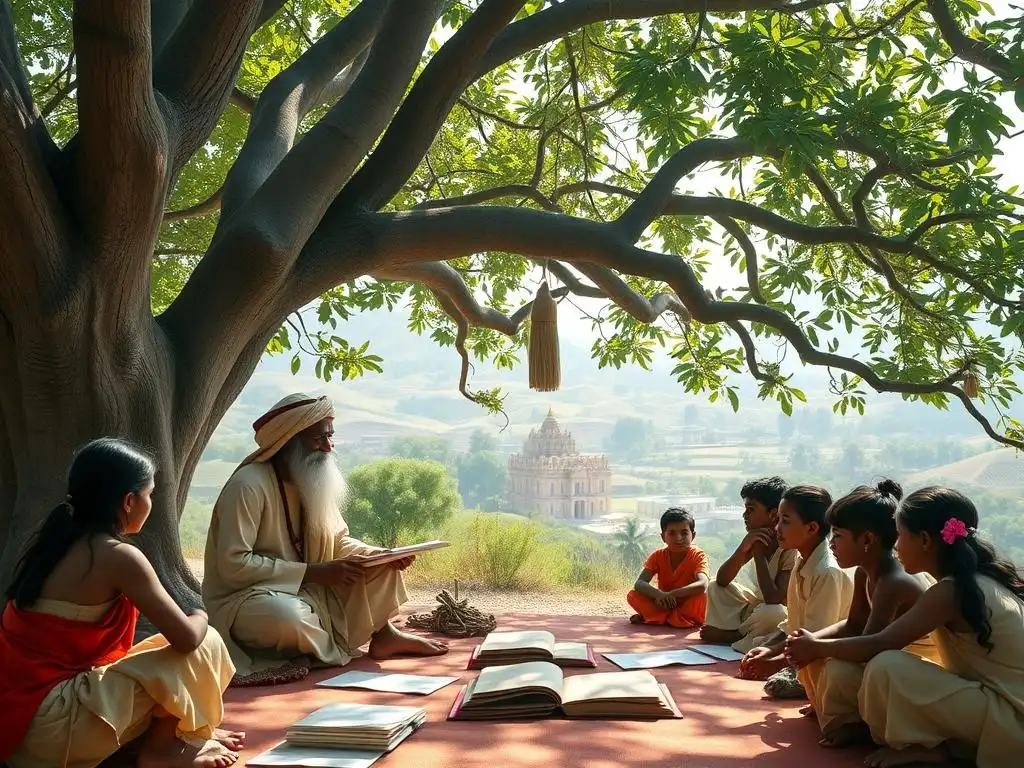
Welcome to Ancient India History, where we embark on a fascinating journey through the rich tapestry of ancient Indian civilizations. In this exploration, we delve into the pivotal theme of leadership in ancient Indian education, uncovering how visionary leaders shaped the learning systems that flourished from the Indus Valley to the Gupta Empire. What drove these leaders to prioritize education, and how did their contributions influence generations?
Join us as we unveil the stories of key historical figures who played a transformative role in nurturing intellect and wisdom in ancient India. Prepare to be captivated as we illuminate the profound impact of leadership on the educational landscape of this remarkable era!
- Introduction to Leadership in Ancient Indian Education Systems
- Key Historical Figures Influencing Education Leadership
- Characteristics of Effective Leadership in Ancient Indian Educational Institutions
- Educational Structures and Leadership Roles
- Leadership Styles in Ancient Indian Education
- The Legacy of Leadership in Ancient Indian Education
- Conclusion: The Significance of Leadership in Ancient Indian Education Systems
-
Frequently Asked Questions
- What was the significance of leadership in ancient Indian education systems?
- How did ancient Indian leaders influence educational practices?
- What were the primary educational institutions in ancient India?
- How did the leadership structure affect student learning?
- What contributions did ancient Indian leaders make to education?
- Final Reflection: The Enduring Legacy of Leadership in Ancient Indian Education
- Unveil the Wisdom of Ancient Leadership!
Introduction to Leadership in Ancient Indian Education Systems
The educational landscape of ancient India was not merely a system of rote learning; it was a profound journey that shaped the minds and spirits of its students. Central to this transformative process was the role of leadership, which guided the philosophical, moral, and practical foundations of education.
The leadership in ancient Indian education was characterized by a unique blend of spirituality, ethics, and governance, influencing not just the dissemination of knowledge but also the very essence of learning itself. This article delves into the intricate relationship between leadership and education in ancient India, exploring how influential figures and their philosophies contributed to the shaping of educational practices from the Indus Valley civilization through to the Gupta Empire.
Overview of Ancient Indian Education
Ancient Indian education was marked by its diversity and depth, evolving through various periods and cultural contexts. Key features include:
-
Gurukula System:
The traditional education model where students lived with their teacher (guru) in a residential setup. Here, education encompassed not just academic learning but also life skills, ethics, and spirituality.
-
Subjects Taught:
Scholars engaged in a wide range of disciplines, including:
- Vedic texts and literature
- Mathematics and astronomy
- Art and music
- Medicine and philosophy
-
Institutions of Learning:
Eminent centers like Takshashila and Nalanda emerged, attracting students from across Asia. These institutions were pivotal in promoting higher learning and interdisciplinary studies.
The educational philosophy emphasized inquiry, debate, and critical thinking, fostering an environment where students were encouraged to question and explore knowledge.
Importance of Leadership in Education
Leadership played a crucial role in shaping the educational frameworks of ancient India. Influential leaders, often seen as spiritual and intellectual mentors, had a far-reaching impact on several aspects of education:
-
Visionary Guidance:
Leaders provided a vision for education that aligned with societal values and goals. Their foresight was essential in establishing curricula that addressed the needs of the community, ensuring that education was relevant and transformative.
-
Moral and Ethical Framework:
Leadership instilled a sense of ethics and morality in education. Leaders like Chanakya, through their teachings, emphasized the importance of character building alongside intellectual development.
-
Cultural Preservation:
Influential figures acted as custodians of culture and knowledge, safeguarding ancient texts and traditions. This preservation was vital in maintaining the continuity of educational practices across generations.
-
Innovation and Reform:
Leaders often spearheaded reforms in educational practices, adapting them to changing societal needs. For instance, during the Gupta period, there was a significant emphasis on the arts and sciences, reflecting the dynamic nature of leadership in shaping education.
Through these facets, leadership in ancient Indian education not only facilitated learning but also fostered a holistic development of individuals, aligning education with the overarching goals of society.
Key Historical Figures Influencing Education Leadership

Role of Rishis and Gurus in Ancient Indian Education
In ancient India, Rishis and Gurus played a pivotal role in shaping the educational landscape. These revered figures were not merely teachers; they embodied the spiritual and intellectual ethos of their time. The Gurukula system, a traditional form of education, was established under their guidance. Here, students resided with their Gurus, learning various subjects, including philosophy, mathematics, astronomy, and the arts.
- Teaching Methodology: Rishis emphasized experiential learning, encouraging students to engage with nature and society. This approach fostered critical thinking and moral development.
- Curriculum Focus: The curriculum was holistic, integrating physical, mental, and spiritual growth. It included Vedic texts, rituals, and discussions on ethics and governance.
- Leadership Traits: Gurus were seen as moral leaders, instilling values such as dharma (righteousness) and ahimsa (non-violence) in their disciples. Their leadership inspired a generation of thinkers and leaders who contributed significantly to various fields.
The legacy of Rishis and Gurus laid the foundation for the importance of leadership in ancient Indian education, emphasizing moral and intellectual development.
Contributions of Ashoka the Great to Educational Leadership
Ashoka the Great, the Mauryan emperor, is renowned for his contributions to education, which were deeply intertwined with his vision of governance. Following his conversion to Buddhism, Ashoka embraced the principles of compassion and non-violence, which profoundly influenced his educational policies.
- Establishment of Learning Centers: Ashoka established numerous monasteries and stupas that served as centers of learning. Notable examples include the great universities of Nalanda and Taxila, which attracted scholars from across Asia.
| Contribution | Description |
|---|---|
| Imperial Edicts | Promoted ethical conduct and education through inscriptions |
| Support for Monastic Institutions | Funded Buddhist monasteries that served as educational hubs |
| Promotion of Dhamma | Encouraged moral education, focusing on social harmony and justice |
- Educational Policies: His policies emphasized the importance of education for both monks and laypeople, promoting literacy and moral development among citizens.
Ashoka's leadership redefined the role of education in society, making it accessible and relevant to all, thereby setting a precedent for future educational leaders.
Impact of Chanakya (Kautilya) on Educational Theory
Chanakya, also known as Kautilya, is celebrated not only as a strategist and philosopher but also as a significant figure in the realm of education. His seminal work, the Arthashastra, provided insights into governance, economics, and education.
- Philosophy of Education: Kautilya emphasized the need for a pragmatic approach to education, advocating for a curriculum that prepared students for real-world challenges. His teachings stressed the importance of critical thinking, strategy, and ethics.
- Influence on Leadership: Kautilya believed that effective leadership was rooted in knowledge and wisdom. He argued that a ruler must be well-versed in various disciplines, including politics, economics, and military science.
- Institutional Framework: He proposed the establishment of educational institutions that focused on training future leaders. This included both practical skills and theoretical knowledge, ensuring a well-rounded education.
The impact of Chanakya's theories on educational leadership continues to resonate, emphasizing the importance of adaptable and strategic thinking in both education and governance. His contributions laid the groundwork for future educational frameworks in ancient India.
Characteristics of Effective Leadership in Ancient Indian Educational Institutions
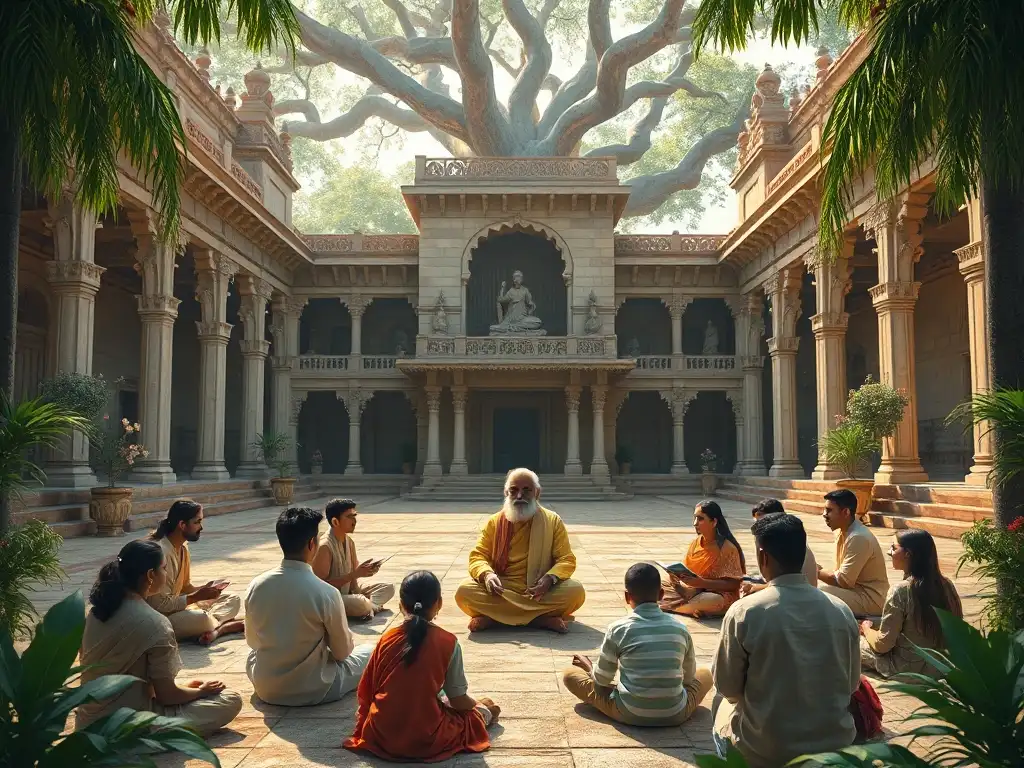
Leadership in ancient Indian education systems was characterized by a unique blend of qualities that fostered an environment conducive to learning and personal development. Effective leaders in this context were not merely administrators; they were visionaries, ethical guides, and community figures who played a pivotal role in shaping educational practices. Below are the key characteristics that defined effective leadership in these institutions.
- Visionary Thinking: Leaders were expected to have a clear vision for education that aligned with the broader societal values and goals. They aimed to cultivate not just scholars but well-rounded individuals who could contribute positively to society.
- Ethical Integrity: Ethical leadership was paramount, as leaders were often seen as moral examples for students and faculty alike. Their commitment to justice, fairness, and moral responsibility influenced the educational atmosphere.
- Community Engagement: Effective leaders actively involved the community in educational initiatives, recognizing that education is a communal responsibility. They fostered partnerships with families and local leaders to enhance the learning experience.
- Adaptability: Leaders needed to be adaptable to the evolving educational landscape, incorporating new ideas and methods while staying grounded in traditional values. This was particularly important during periods of cultural exchange and change.
- Mentorship and Guidance: Leadership also entailed being a mentor. Leaders provided guidance not just in academic pursuits but also in personal development, instilling values such as discipline, respect, and critical thinking.
Visionary Leadership in Gurukuls and Universities
In ancient India, Gurukuls (traditional schools) and universities, such as Nalanda and Takshashila, showcased a form of visionary leadership that was integral to their success. Leaders in these educational institutions were not just instructors; they were visionary figures who inspired students and faculty alike.
- Holistic Education Approach: Leaders emphasized a holistic approach to education, focusing on knowledge, skills, and character development. The curriculum included a blend of subjects ranging from philosophy and mathematics to arts and sciences.
- Cultivating Intellectual Freedom: Leaders encouraged a culture of questioning and intellectual exploration. This was crucial in nurturing critical thinking among students, allowing them to challenge established norms and contribute original ideas.
- Long-Term Impact: Visionary leaders designed educational frameworks that were intended to have a long-lasting impact on society. This was evident in the way they integrated practical skills into the curriculum, preparing students for real-world challenges.
- Promoting Inclusivity: These leaders often worked towards inclusivity, ensuring that education was accessible to diverse groups within society. This included efforts to educate not just the elite but also students from various backgrounds, fostering a richer educational environment.
Ethical Leadership and Its Implications for Education
Ethical leadership played a crucial role in shaping the educational landscape of ancient India. Leaders were expected to uphold high ethical standards, which had profound implications for the education system.
- Role Modeling: Leaders who practiced ethical behavior served as role models for students. Their integrity influenced the values imparted within the educational settings, promoting honesty, respect, and accountability.
- Creating a Safe Learning Environment: An ethical leader ensured that the learning environment was safe and conducive to open dialogue. This was vital for fostering trust among students, allowing them to express their thoughts and ideas freely.
- Balancing Authority and Compassion: Ethical leaders balanced their authority with compassion, understanding the needs and struggles of their students. This approach helped in building strong mentor-student relationships, crucial for effective learning.
- Long-Term Vision for Society: Leaders recognized that the education system had a broader societal role. They aimed to cultivate future leaders who would contribute to the ethical and moral fabric of society, reinforcing the importance of education in societal development.
Community Involvement and Support in Educational Leadership
Community involvement was a cornerstone of effective leadership in ancient Indian education systems. Leaders understood that education thrived best when supported by the community.
- Partnerships with Families: Leaders actively sought partnerships with families, recognizing that parental involvement was essential for student success. They engaged with parents to discuss educational goals and strategies, fostering a collaborative atmosphere.
- Cultural and Social Support: Leaders often encouraged the community to participate in cultural and social activities related to education, such as festivals, debates, and public lectures. This not only enriched the educational experience but also strengthened community bonds.
- Resource Mobilization: Effective leaders were adept at mobilizing community resources to support educational initiatives. This included securing funding, materials, and other forms of assistance that benefited educational institutions.
- Feedback Mechanisms: Community involvement also included establishing feedback mechanisms where community members could express their views on educational practices. Leaders utilized this feedback to make informed decisions, ensuring that educational offerings met the community's needs.
The leadership in ancient Indian education systems was multifaceted, characterized by visionary thinking, ethical integrity, and active community involvement. These elements combined to create a rich and dynamic educational landscape that contributed significantly to the intellectual and cultural development of society.
Educational Structures and Leadership Roles
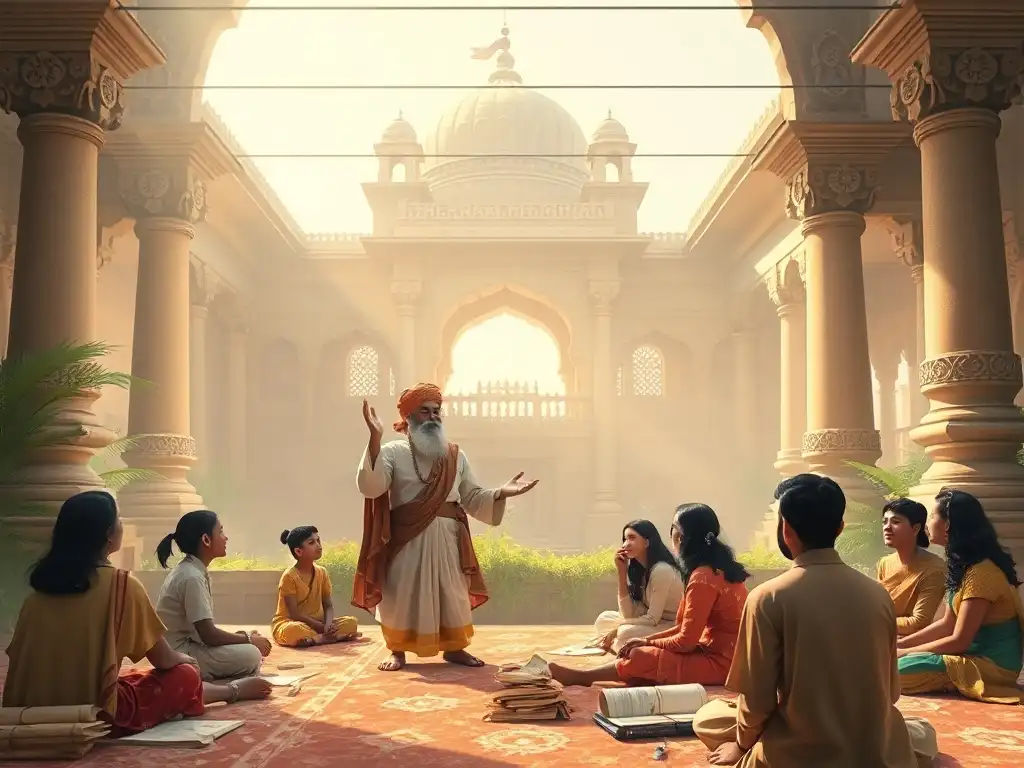
The Gurukul System: Leadership and Pedagogical Approaches
The Gurukul system was a cornerstone of ancient Indian education, where students, known as shishyas, lived with their teachers, or gurus, in a semi-residential setup. This close-knit environment fostered not only academic learning but also moral and ethical development. The leadership dynamics within this system were structured around the guru's authority and wisdom, which were pivotal in shaping the educational experience.
- Mentorship and Guidance:
- The guru served as a mentor, guiding students through various disciplines such as philosophy, mathematics, astronomy, and the arts. The personal bond between the guru and shishyas created a unique learning atmosphere where knowledge was imparted through discussion and debate.
- The leadership style of the guru was often democratic, encouraging students to express their thoughts and engage in critical thinking.
- Curriculum Design and Adaptation:
- Gurus had the autonomy to design their curricula based on the needs of their students and the socio-cultural context. This adaptability showcased their leadership in education, as they tailored teachings to the strengths and weaknesses of each student.
- Instruction often included practical skills, ensuring that education was holistic and relevant to the students' future roles in society.
- Community Leadership:
- Gurus played a vital role in their communities, often acting as spiritual and social leaders. Their influence extended beyond the classroom, impacting the community's values and beliefs, thereby reinforcing their leadership in education.
Nalanda and Takshashila: Centers of Leadership in Higher Education
Nalanda and Takshashila were two of the most prominent centers of higher learning in ancient India, exemplifying the role of leadership in shaping educational frameworks.
- Nalanda University:
- Established in the 5th century CE, Nalanda was a major center for Buddhist studies and attracted scholars from across Asia. Its leadership was characterized by a structured governance system that included a council of learned scholars who made decisions regarding academic and administrative matters.
- The university's curriculum was extensive, covering diverse subjects such as logic, medicine, and the arts, reflecting the leadership’s commitment to fostering an inclusive educational environment.
- Takshashila (Taxila):
- Takshashila, dating back to the 6th century BCE, is noted for its academic rigor and diverse curriculum. The leadership here was often decentralized, allowing various scholars to teach independently, which encouraged a variety of pedagogical approaches.
- Scholars like Chanakya (Kautilya) emerged from this institution, exemplifying how educational leadership could influence political and military strategies in ancient India.
- Collaborative Leadership:
- Both institutions exemplified collaborative leadership where scholars worked together, sharing knowledge and resources. This collective approach not only enhanced the learning experience but also fostered a rich intellectual environment that encouraged innovation and critical inquiry.
The Role of Kings and Patrons in Supporting Educational Leadership
Throughout ancient Indian history, the patronage of kings and wealthy individuals played a crucial role in the establishment and maintenance of educational institutions, significantly influencing leadership in ancient Indian education.
- Royal Patronage:
- Kings like Harsha and Ashoka provided substantial support to educational institutions, ensuring their growth and sustainability. This patronage was not merely financial; it also included the establishment of policies that encouraged the proliferation of learning.
- By endowing institutions with land, resources, and scholarships for students, these leaders demonstrated a commitment to education that transcended personal interests, focusing instead on the collective good.
- Influence on Curriculum and Pedagogy:
- Royal influence often dictated the curriculum, with a focus on subjects that aligned with the rulers' interests, such as governance, military strategy, and philosophy. This leadership role helped shape the educational landscape, making it responsive to the needs of the state.
- The presence of royal courts as venues for learning and debate further enriched the educational experience, allowing scholars to engage directly with the ruling elite.
- Cultural Leadership:
- Kings also acted as cultural leaders, promoting arts and literature that enriched educational content. Their support for scholars and artists helped create a vibrant intellectual culture, integral to the educational frameworks of the time.
The leadership in ancient Indian education was multifaceted, involving gurus, scholars, and royal patrons, each playing a vital role in shaping the educational landscape. Their contributions not only defined the systems in place but also influenced the moral and intellectual development of society as a whole.
Leadership Styles in Ancient Indian Education
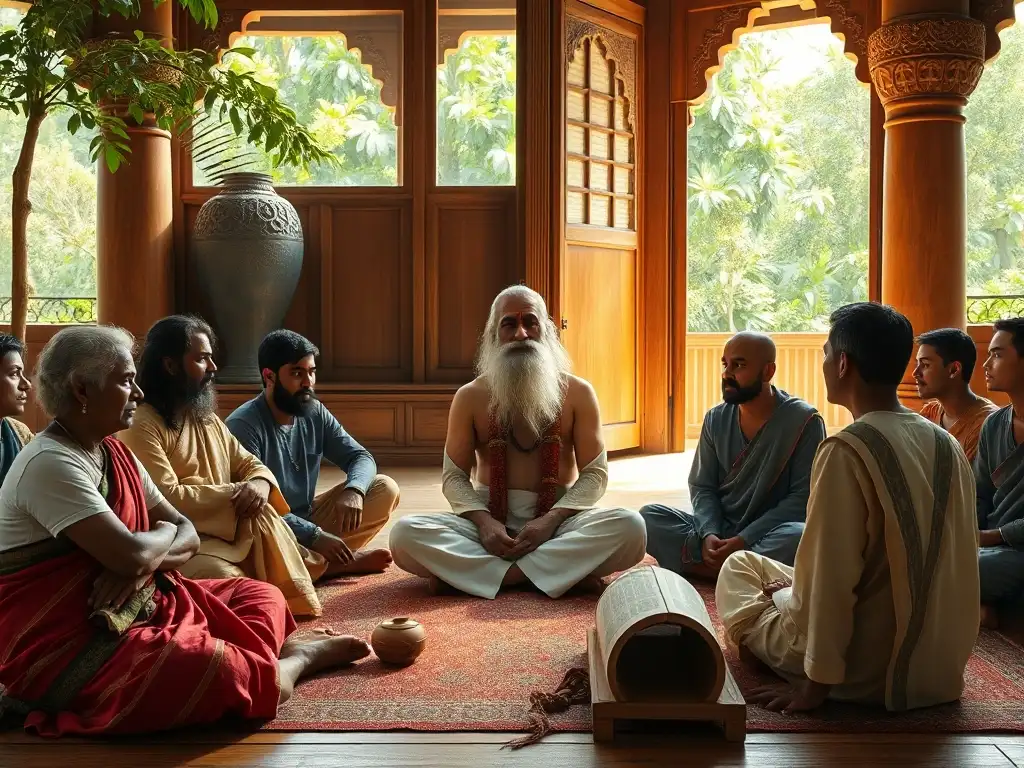
Leadership in ancient Indian education was multifaceted, with various styles reflecting the diverse cultural, philosophical, and social contexts of the time. The educational systems of ancient India, particularly during the Vedic period and the rise of universities like Nalanda and Takshashila, were influenced significantly by the leadership approaches adopted by educators and scholars. These leadership styles not only shaped the pedagogical methods but also the overall ethos of learning in ancient Indian societies.
Collaborative Leadership in Ancient Indian Learning
Collaborative leadership played a crucial role in ancient Indian education, emphasizing collective participation and mutual respect among students and teachers. This approach can be traced back to the Gurukul system, where students (shishyas) lived with their guru (teacher) in an ashram, fostering a community of learning.
- Key Features of Collaborative Leadership:
- Mentorship: Gurus acted as mentors, guiding students through personalized instruction and moral teachings.
- Peer Learning: Students were encouraged to engage with one another, fostering a sense of camaraderie and collective growth.
- Inclusivity: Education was accessible to various societal classes, promoting an egalitarian approach to learning.
This collaborative environment not only nurtured intellectual development but also emphasized ethical values and social responsibilities, which were integral to ancient Indian education.
Authoritative leadership in ancient Indian education was characterized by a balance between discipline and personal growth. This style often manifested in the strict but fair guidance provided by teachers, who maintained high standards for their students while also encouraging exploration and inquiry.
- Characteristics of Authoritative Leadership:
- Structured Learning: Educational curriculums were well-defined, often adhering to established texts and scriptures, ensuring a strong foundation in knowledge.
- Discipline as a Virtue: Discipline was viewed as essential for personal development, instilling virtues such as respect, perseverance, and dedication.
- Encouragement of Inquiry: While maintaining authority, educators also promoted questioning and debate, allowing students to critically engage with the material.
This dual approach facilitated a learning environment where students could thrive academically while also developing their character and ethical understanding.
Transformational Leadership in Educational Practices
Transformational leadership in ancient Indian education focused on inspiring and motivating students to achieve their fullest potential. This style of leadership was particularly evident in the teachings of influential scholars who sought not only to impart knowledge but also to transform the societal landscape.
- Elements of Transformational Leadership:
- Visionary Teaching: Educators, such as sage Vyasa and others, envisioned a society rooted in wisdom and moral integrity, inspiring students to aspire for greatness.
- Holistic Development: Emphasis was placed on developing the mind, body, and spirit, promoting a well-rounded educational experience that addressed all aspects of student life.
- Empowerment: By fostering critical thinking and self-awareness, transformational leaders empowered students to become proactive contributors to society.
This leadership style was pivotal in cultivating a generation of thinkers, philosophers, and leaders who would go on to shape the future of Indian civilization and beyond.
The various leadership styles in ancient Indian education—collaborative, authoritative, and transformational—had a profound impact on shaping the educational landscape. Understanding these styles provides valuable insights into how leadership in ancient Indian education was instrumental in developing knowledge systems that not only educated individuals but also contributed to the broader societal framework.
The Legacy of Leadership in Ancient Indian Education

Lasting Impacts of Ancient Educational Leadership on Modern Systems
The leadership in ancient Indian education, especially during the Vedic and post-Vedic periods, laid foundational principles that continue to influence modern educational systems. The Gurukul system, characterized by a close teacher-student relationship, emphasized not only the acquisition of knowledge but also the moral and ethical development of students.
- Mentorship and Personal Guidance:
- Ancient leaders like Gurudev Vyasa and Acharya Drona exemplified the role of mentors. Their emphasis on personal guidance fostered a learning environment where students could thrive academically and ethically. This principle is echoed in modern educational practices that prioritize mentorship programs and personalized learning experiences.
- Holistic Education:
- Education in ancient India was not limited to academic subjects; it encompassed arts, sciences, spirituality, and physical education. This holistic approach is increasingly being adopted in contemporary curricula, which aim to develop well-rounded individuals.
- Community Involvement:
- Leaders of ancient educational institutions encouraged community involvement and societal contributions. This has translated into modern education systems that emphasize service learning and community engagement, fostering a sense of responsibility among students.
- Diversity of Knowledge:
- The inclusion of diverse subjects in ancient Indian education reflects a broader understanding of knowledge. Today, interdisciplinary studies are gaining traction, mirroring the ancient emphasis on a wide-ranging exploration of various fields.
Lessons from Ancient Indian Leadership for Contemporary Education
Ancient Indian leadership in education offers several crucial lessons that can be effectively applied in today's context.
- Value of Ethical Leadership:
- The leaders of ancient educational institutions were not only knowledgeable but also embodied ethical values. This is particularly relevant today, where educational leaders are called to foster integrity and ethical behavior in their institutions. Leaders like Chanakya demonstrated how wisdom and ethics could guide educational practices and policies.
- Adaptability and Innovation:
- The dynamic nature of ancient education systems, which evolved to meet societal needs, serves as a reminder of the importance of adaptability in contemporary education. Leaders must be willing to innovate and reform curricula and teaching methods to stay relevant in a rapidly changing world.
- Collaborative Learning Environments:
- The emphasis on dialogue and discussion in ancient Indian education highlights the effectiveness of collaborative learning. Modern educators can learn from this by fostering environments where students engage in discussions, share perspectives, and collaboratively solve problems.
- Importance of Cultural Context:
- Ancient educational leaders understood the significance of cultural context in shaping educational content. Contemporary leaders should similarly recognize the diverse cultural backgrounds of students and integrate culturally responsive teaching methods into their practices.
The legacy of leadership in ancient Indian education continues to resonate, offering invaluable insights and frameworks for modern educational systems. By embracing the holistic, ethical, and community-oriented principles championed by ancient leaders, contemporary education can evolve to meet the needs of today’s diverse society.
Conclusion: The Significance of Leadership in Ancient Indian Education Systems
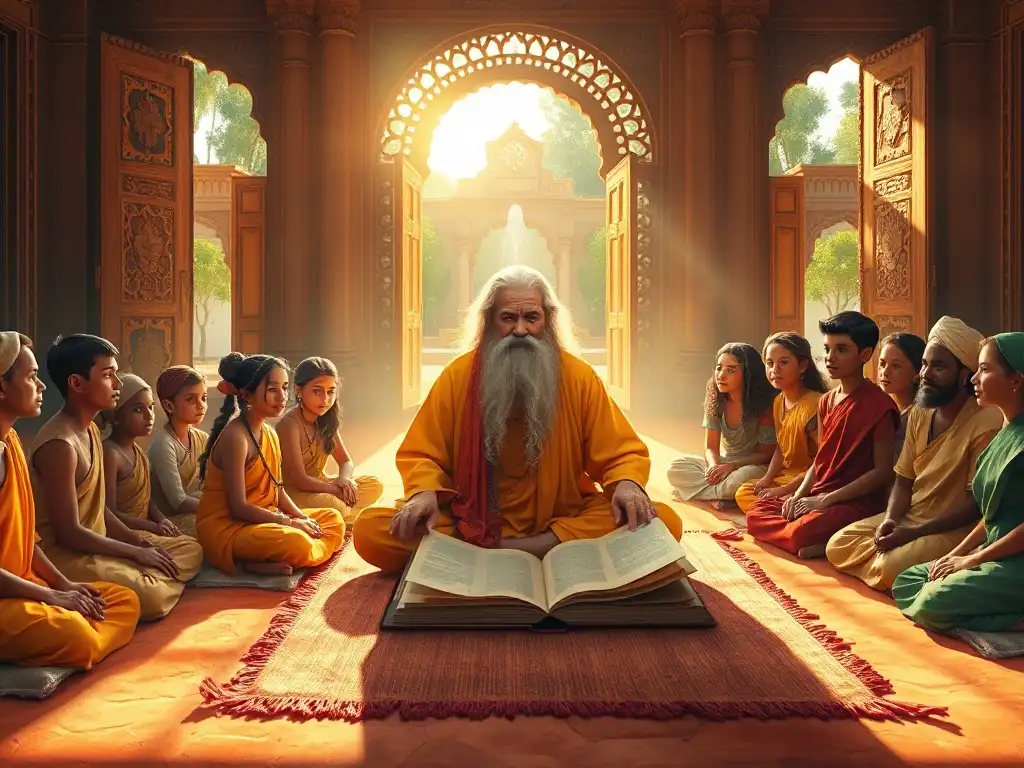
Summary of Leadership Contributions to Education
Leadership in ancient Indian education played a pivotal role in shaping the educational landscape of the time. Various leaders emerged from different periods, each contributing uniquely to the advancement and dissemination of knowledge.
- Gurukula System:
- The Gurukula system, which flourished during the Vedic period, was characterized by a close teacher-student relationship. Here, leaders known as Gurus were not just instructors but also mentors who shaped the moral and ethical values of their disciples. This educational model emphasized holistic development, combining physical, mental, and spiritual education.
- Example: Sage Vyasa, a renowned figure, not only imparted knowledge on scriptures but also taught the values of discipline and leadership to his students.
- Nalanda University:
- Established in the 5th century CE, Nalanda was one of the first residential universities in the world. Its leadership, particularly under figures like Shantarakshita, was instrumental in integrating diverse subjects including philosophy, medicine, and astronomy into the curriculum, attracting scholars from India and abroad.
- Impact: The leadership at Nalanda fostered an environment of intellectual inquiry, leading to significant advancements in various fields of study.
- Patronage by Rulers:
- Various kings, such as Harsha and the Gupta emperors, recognized the importance of education and supported it through patronage. Their leadership facilitated the establishment of numerous educational institutions and libraries, making education accessible to a broader section of society.
- Consequences: Such support not only enriched the academic environment but also promoted cultural and intellectual exchanges, which were vital for societal progress.
Reflection on the Importance of Leadership in Shaping Educational Futures
The concept of leadership in ancient Indian education transcended mere administrative roles; it embodied a commitment to the collective growth of society. Leaders in this context were visionaries who understood that education was the bedrock of a thriving civilization.
- Vision and Direction: Effective leaders provided a clear vision for educational frameworks, ensuring that they aligned with societal values and needs. For instance, leaders like Chanakya emphasized the importance of practical knowledge and governance, shaping curricula that prepared students for real-world challenges.
- Cultural Transmission: Leadership facilitated the transmission of cultural values through education. The emphasis on arts, literature, and philosophy in educational institutions was a direct reflection of the leaders’ recognition of culture as a vital element of national identity.
- Innovation and Adaptation: Leaders in ancient India were adept at adapting educational practices to meet changing societal demands. The introduction of new subjects and methodologies reflected a progressive approach, ensuring that education remained relevant.
- Legacy: The impact of leadership in shaping ancient Indian education systems continues to resonate today. The values instilled by leaders of the past—such as critical thinking, ethical reasoning, and community service—remain foundational in modern educational philosophies.
The role of leadership in ancient Indian education cannot be overstated. It provided the necessary direction, support, and innovation that allowed educational systems to flourish, ultimately shaping the intellectual and cultural fabric of ancient India. Understanding this legacy is crucial for appreciating the intricate relationship between leadership and education in shaping futures, both past and present.
Frequently Asked Questions
What was the significance of leadership in ancient Indian education systems?
Leadership played a crucial role in ancient Indian education systems by guiding curriculum development and promoting the values of knowledge and wisdom among students.
How did ancient Indian leaders influence educational practices?
Ancient Indian leaders, such as kings and scholars, influenced educational practices by establishing gurukuls and monastic schools, ensuring that education was accessible and aligned with societal needs.
What were the primary educational institutions in ancient India?
The primary educational institutions included gurukuls, ashrams, and universities like Nalanda and Takshashila, which were pivotal in shaping educational leadership and philosophy.
How did the leadership structure affect student learning?
The leadership structure, characterized by mentorship and guidance, fostered an environment where students received personalized attention, enhancing their learning experience and moral development.
What contributions did ancient Indian leaders make to education?
Ancient Indian leaders contributed to education by promoting literacy, sponsoring scholars, and integrating spiritual and practical knowledge, thus establishing a legacy that shaped future educational frameworks.
Final Reflection: The Enduring Legacy of Leadership in Ancient Indian Education
The role of leadership in ancient Indian education systems remains profoundly relevant today, as it shapes not only our understanding of educational practices but also the very essence of effective leadership itself. In an era where educational paradigms are rapidly evolving, the principles of mentorship, guidance, and moral integrity that characterized ancient Indian leaders continue to resonate. The wisdom of these leaders serves as a beacon, illuminating pathways for contemporary educators and leaders alike, reminding us that true leadership transcends time and cultural boundaries.
The influence of leadership in ancient Indian education is not merely a historical footnote; it is a living legacy that continues to mold our cultural and social landscapes. The values instilled by ancient educators—such as respect for knowledge, the importance of community, and the nurturing of critical thinking—are foundational to modern educational frameworks. As Mahatma Gandhi once said, "> Live as if you were to die tomorrow. Learn as if you were to live forever." This quote encapsulates the spirit of lifelong learning that ancient leaders championed, urging us to embrace knowledge as a transformative force in our lives.
As we reflect on the lessons drawn from ancient Indian education systems, I invite you to consider how you can embody these principles in your own life. What kind of leader do you aspire to be? Whether you are an educator, a mentor, or simply someone seeking to inspire others, let the wisdom of the past guide your actions today. Embrace the responsibility of leadership with humility and purpose, and strive to create an environment where knowledge flourishes and individuals are empowered to reach their full potential.
Unveil the Wisdom of Ancient Leadership!
Thank you for taking the time to explore the fascinating world of leadership in ancient Indian education systems! You have gained insight into how historical figures shaped learning and culture, and now it's time to put this knowledge into action.
Here are some steps you can take to connect more deeply with this theme:
- Engage with a local historical society to discover more about the impact of leadership in education. Participate in workshops or discussions to share your perspectives.
- Start a study group focused on ancient educational philosophies and their relevance today. Invite friends who are passionate about history or education to join the conversation.
- Share your insights on social media or in community forums, sparking discussions about how ancient leadership can inspire modern educational practices.
Which aspects of ancient leadership have the most significant influence on your thoughts regarding today's education systems?