
The Influence of Geography on Leadership Styles in Ancient India

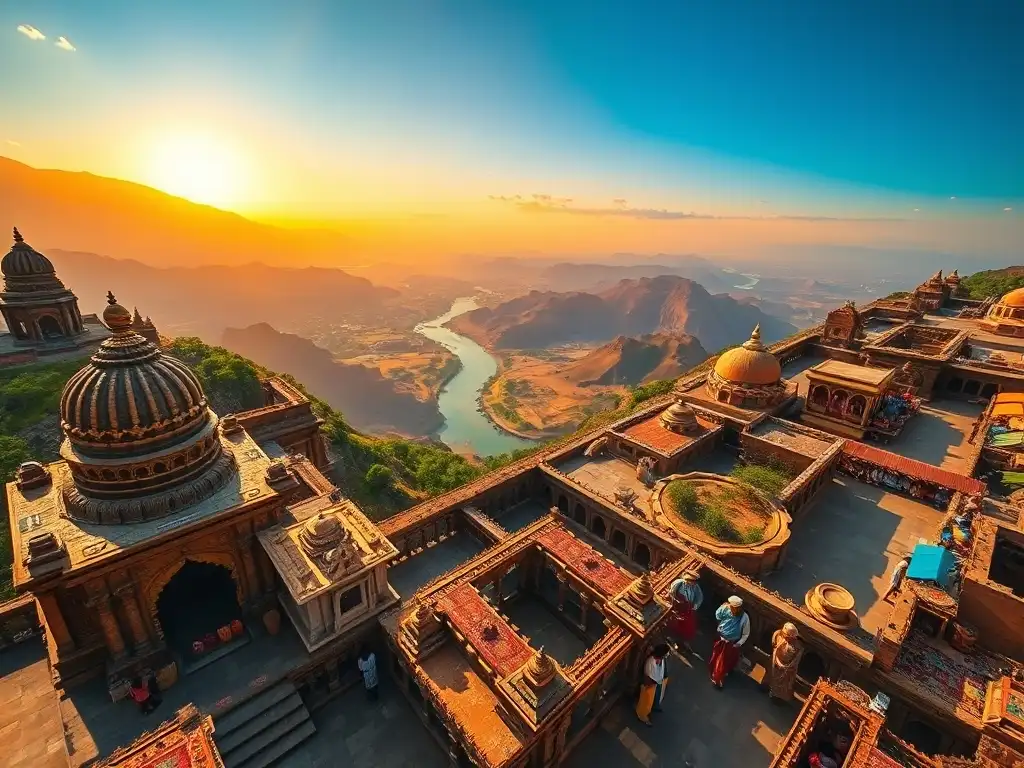
Welcome to Ancient India History, where we embark on a journey through the captivating tapestry of India’s past. In our latest exploration, we delve into the intricate relationship between geography and leadership in ancient India, revealing how the diverse landscapes shaped the governance and strategies of key historical figures. Discover how mountains, rivers, and plains not only influenced territorial expansion but also molded the very essence of leadership styles. Get ready to uncover the hidden connections that defined a civilization and continue your quest for knowledge as we unravel the layers of this fascinating topic!
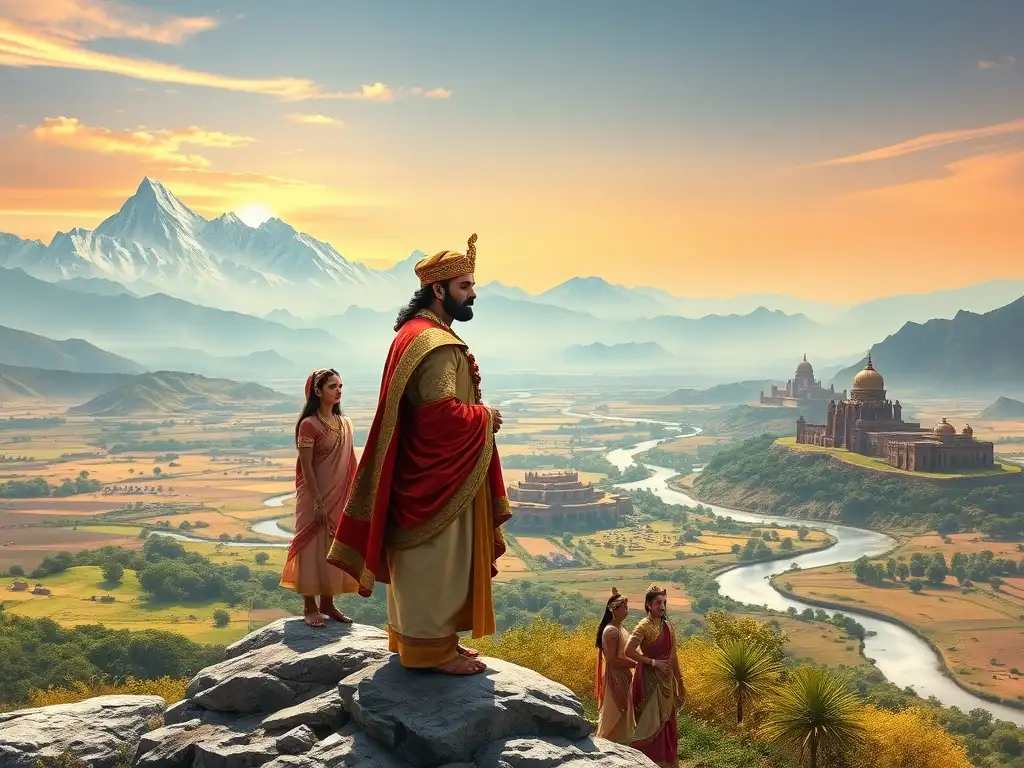
Introduction to Geography and Leadership in Ancient India
Geography plays a pivotal role in shaping the leadership styles and political structures of civilizations throughout history. In ancient India, the diverse landscapes—from the towering Himalayas to the expansive plains and coastal regions—had a profound impact on the way societies developed, governed, and interacted with one another.
Understanding the relationship between geography and leadership in ancient India provides valuable insights into how environmental factors influenced the rise and fall of empires, the establishment of trade routes, and the development of unique governance styles. This article delves into the intricate connections between geography and leadership in ancient India, highlighting key civilizations and their distinctive approaches to leadership shaped by their geographic contexts.
Overview of Ancient Indian Civilizations
Ancient India was home to a plethora of civilizations, each contributing to the rich tapestry of Indian history. The Indus Valley Civilization (c. 2500–1900 BCE) was one of the earliest urban cultures, known for its advanced city planning and trade networks.
Following this, the Vedic period (c. 1500–500 BCE) saw the emergence of various kingdoms and tribal federations, which were largely influenced by the fertile Gangetic plains. The Maurya Empire (c. 322–185 BCE) and the Gupta Empire (c. 240–550 CE) stand out for their significant contributions to governance, culture, and economy, all of which were shaped by the geographical features surrounding them.
Importance of Geography in Shaping Leadership
The geographical features of ancient India not only determined the resources available to its civilizations but also influenced the political dynamics and leadership styles that emerged. Leaders had to adapt their strategies according to the challenges and advantages presented by their environments. For instance, the agricultural abundance of certain regions encouraged centralized governance, while the rugged terrains of others fostered more decentralized forms of leadership. Understanding these dynamics is crucial for comprehending the broader historical narrative of ancient India.
Geographic Regions of Ancient India
The Indus Valley and Its Leadership Structures
The Indus Valley Civilization, located in the northwestern region of the Indian subcontinent, was characterized by its advanced urban centers, such as Harappa and Mohenjo-Daro. The leadership structures in this civilization were likely communal and theocratic, as evidenced by the uniformity in urban planning and the absence of ostentatious royal monuments. The geography, with its access to the Indus River for irrigation, fostered agricultural surplus, which may have played a crucial role in sustaining and organizing its leadership.
The Gangetic Plains: A Hub of Political Power
The Gangetic plains have historically been the heartland of political power in ancient India. This region, characterized by fertile soil and abundant water resources, facilitated agriculture and supported large populations. The rise of powerful kingdoms, such as the Maguha and Kosala, can be attributed to the agricultural productivity of the plains. Leadership in this region often involved strong central authorities, as leaders sought to manage resources and maintain order among their populous states.
The Deccan Plateau: Unique Challenges and Leadership Styles
The Deccan Plateau, with its rugged terrain and diverse climatic conditions, presented unique challenges for leadership. Here, leaders had to adapt their strategies to navigate the difficulties posed by the landscape, which included limited arable land and fragmented tribal territories. As a result, leadership styles in this region often leaned towards decentralized forms of governance, with local chieftains wielding significant power. The Chalukyas and Rashtrakutas are notable examples of dynasties that emerged from this region, demonstrating how geography can shape political authority.
The Coastal Regions: Trade and Maritime Leadership
The coastal regions of ancient India, particularly along the Arabian Sea and the Bay of Bengal, were vital for trade and commerce. These areas facilitated maritime trade routes, leading to the emergence of powerful maritime kingdoms like the Chola and Pandya dynasties. The influence of geography on leadership in these regions is evident as leaders often focused on fostering trade relationships and naval power, adapting their governance to leverage economic opportunities presented by their coastal locations.
The interplay between geography and leadership in ancient India reveals a complex narrative of adaptation and resilience, illustrating how environmental contexts shaped the course of history in this vibrant civilization.
Key Geographic Factors Influencing Leadership Styles
The geography of ancient India played a pivotal role in shaping the leadership styles prevalent in various civilizations. Factors such as natural resources, climate variations, and terrain not only influenced the political landscape but also determined the strategies leaders employed to govern effectively. Understanding these geographic factors provides insight into how ancient Indian leaders adapted their styles to meet the challenges posed by their environments.
Natural Resources and Their Impact on Leadership
Natural resources significantly influenced the leadership dynamics in ancient India. Regions rich in resources, such as the fertile plains of the Indus River Valley, allowed leaders to establish robust agricultural practices. This abundance facilitated trade and wealth accumulation, providing leaders with the means to develop strong administrations and military capabilities.
Conversely, areas lacking in resources often saw leaders adopting more innovative strategies to ensure survival. For instance, leaders in arid regions like Rajasthan developed intricate water conservation systems, showcasing their ability to adapt to geographic constraints. The effective management of resources became a hallmark of strong leadership, reflecting a leader's understanding of their environment and the needs of their people.
Climate Variations and Adaptation in Leadership
The diverse climate across ancient India required leaders to adapt their strategies to ensure food security and societal stability. In regions with monsoon weather patterns, such as the eastern coast, leaders had to implement agricultural practices that aligned with seasonal variations. This adaptability was crucial; for example, during periods of drought, leaders would need to organize food distribution and implement trade agreements to prevent famine.
In contrast, leaders in the cooler, mountainous regions often focused on trade routes and alliances with neighboring states. The ability to navigate these climatic challenges not only defined leadership effectiveness but also contributed to the overall resilience of their civilizations.
Terrain and Its Influence on Military Strategies
The varied terrain of ancient India greatly influenced military strategies and, by extension, leadership styles. The challenging geography, including the Himalayas and the Deccan Plateau, often dictated the movement of armies and the location of battles. Leaders had to possess a deep understanding of the land to effectively position their forces and utilize the terrain to their advantage.
For example, the Gupta Empire's leaders were known for their strategic use of the northern plains, which allowed them to mobilize troops quickly and efficiently. This adaptability to geographic conditions was crucial during conflicts and often determined the success of military campaigns, showcasing how terrain directly influenced leadership approaches in ancient India.
Case Studies of Influential Leaders in Ancient India
To further illustrate the impact of geography on leadership styles, we can examine specific case studies of influential leaders from different periods of ancient Indian history.
Leadership in the Indus Valley Civilization
In the Indus Valley Civilization, around 2500 BCE, leadership was characterized by a decentralized structure with city-states such as Harappa and Mohenjo-Daro. The leaders were likely selected based on their ability to manage the rich agricultural resources and complex urban planning of the region. The geographical proximity to the Indus River facilitated trade, which empowered these leaders to form alliances and maintain order through economic stability rather than military might. This reliance on resource management and trade exemplified a leadership style that prioritized sustainability and community welfare.
Mauryan Empire: Chandragupta Maurya and Geographic Strategy
Chandragupta Maurya, the founder of the Mauryan Empire, showcased exceptional strategic prowess in leveraging geography to consolidate power. By utilizing the extensive network of rivers and trade routes, he was able to facilitate movement, communication, and resource distribution across his empire. His decision to establish a capital at Pataliputra, strategically located near the Ganges River, allowed for effective governance and military mobilization. Furthermore, his encounters with Alexander the Great and subsequent adaptations to different terrains highlighted his flexible leadership style, which was deeply informed by geographical considerations.
Gupta Empire: Samudragupta and Regional Leadership Approaches
Samudragupta, often referred to as the "Napoleon of India," exemplified how leadership could be shaped by geographic factors during the Gupta Empire. His military campaigns across the Indian subcontinent were marked by an acute awareness of the diverse terrains he encountered. By adapting his strategies to the varying landscapes, from the northern plains to the southern coasts, he expanded the Gupta Empire's influence significantly. Samudragupta’s leadership approach not only focused on military conquest but also on cultural integration, promoting trade and arts, demonstrating a multifaceted leadership style rooted in geographic awareness.
Comparative Analysis of Leadership Styles Across Regions
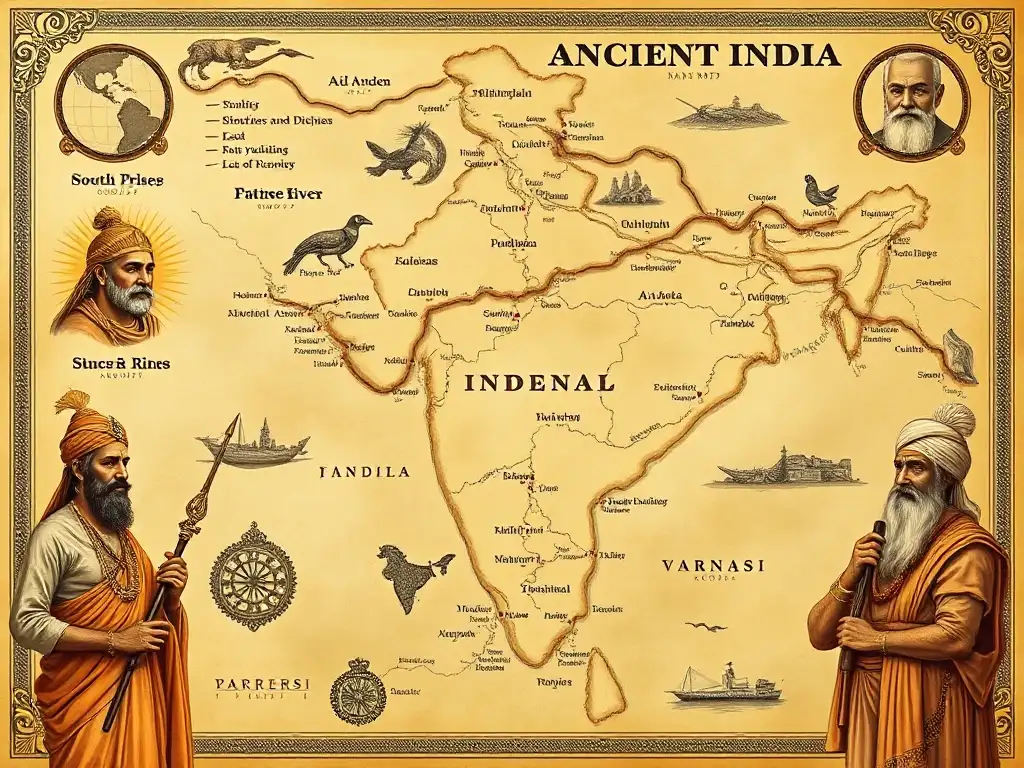
The geography of ancient India played a crucial role in shaping various leadership styles across its diverse regions. The subcontinent's vast landscapes, from the towering Himalayas in the north to the lush coastal areas in the south, influenced not only the climate and agriculture but also the political and social structures of the communities that thrived within them. This geographical diversity resulted in distinct leadership approaches, reflective of the unique challenges and opportunities each region faced.
For instance, leaders in the northern plains were often characterized by centralized authority and structured governance, largely due to the fertile land that supported large agricultural outputs. In contrast, southern leaders, influenced by coastal trade and maritime activities, tended to adopt more decentralized and participatory leadership styles, promoting local governance and community involvement. Such variations underscore the intricate relationship between geography and the evolution of leadership paradigms in ancient India.
Differences in Leadership Styles between Northern and Southern India
In Northern India, leaders were often influenced by the Indo-Aryan cultural and political traditions, which emphasized a hierarchical structure and strong centralized power. For example, the Mauryan Empire, under Chandragupta Maurya and later Ashoka, exemplified this approach. The rulers established an extensive bureaucracy to manage the vast territories, implementing policies that required adherence to a strict central authority.
Conversely, in Southern India, particularly during the rule of the Chola and Pandya dynasties, leadership was often more decentralized. The southern regions, with their access to trade routes and a maritime economy, encouraged leaders to adopt styles that were more flexible and adaptive. Local chieftains often held significant power, leading to a more federative structure where regional leaders worked alongside the central authority. This difference highlights how the geographical context influenced the political dynamics and governance practices in these regions.
Influence of Geography on Leadership Decisions and Policies
Geographical factors significantly influenced leadership decisions and policies in ancient India. The availability of resources, such as water and fertile land, dictated agricultural practices, which in turn shaped economic policies. In regions like the Ganges Valley, leaders invested in irrigation and agriculture, leading to surplus production and the establishment of large urban centers.
In contrast, arid regions such as Rajasthan required leaders to focus on trade and alliances to ensure resource availability. Consequently, leadership in these areas often prioritized diplomacy and strategic partnerships over military conquests. This adaptability in decision-making was crucial for survival and prosperity, illustrating how geography directly impacted the priorities and actions of ancient Indian leaders.
The Role of Geography in Military Leadership Tactics
Geography also played a pivotal role in shaping military leadership tactics in ancient India. The diverse terrains, including mountains, plains, and rivers, influenced how leaders strategized their military campaigns. For instance, the mountainous regions of the Himalayas provided natural fortifications, leading leaders such as the Mauryan Empire to develop defensive strategies that leveraged these geographical advantages.
In contrast, the leaders of the Deccan Plateau, with its vast open spaces, often engaged in more mobile and flexible warfare tactics. The ability to navigate and utilize the geographical features of their environments became a hallmark of military leadership during various conflicts, showcasing the intricate link between geography and strategic military decision-making.
Conclusion: The Lasting Impact of Geography on Leadership in Ancient India
The interplay of geography and leadership in ancient India has left a lasting impression on the historical narrative of the subcontinent. The distinct leadership styles that emerged from the diverse geographic contexts underscore the significant influence that environmental factors had on governance, military strategies, and social organization.
Summary of Key Points on Geography and Leadership
- Regional Variations: Northern leaders emphasized centralized power, while southern leaders favored decentralization and local governance.
- Resource Management: Geography dictated agricultural policies and resource allocation, shaping economic decisions.
- Military Strategy: Terrain influenced military tactics, with adaptations made to leverage natural features for defense and mobility.
Reflections on the Legacy of Ancient Indian Leadership Styles
The legacy of ancient Indian leadership styles continues to resonate in modern governance and political thought. The adaptive strategies employed by ancient leaders in response to geographic challenges offer valuable lessons on resilience, resourcefulness, and the importance of understanding one’s environment. As we reflect on these historical examples, it becomes evident that geography not only shaped the past but also serves as a critical factor in the ongoing evolution of leadership in contemporary societies.
Further Reading on Geography and Leadership in Ancient Civilizations
Exploring the intricate relationship between geography and leadership in ancient civilizations can provide valuable insights into how landscapes, resources, and climate influenced governance and societal structures. Here are some recommended resources to deepen your understanding of this fascinating topic.
Recommended Books and Articles
-
"The Geography of Thought: How Asians and Westerners Think Differently...and Why" by Richard E. Nisbett
This book delves into the cognitive differences shaped by geographical contexts, providing a broader understanding of how environment can influence leadership styles.
-
"Ancient India: Culture and Society" by R.C. Majumdar
This comprehensive volume outlines the societal structures of ancient India, considering how geography played a role in shaping leadership and governance.
-
"Leadership in Ancient India" by A. R. Venkatachalapathy
This article highlights specific leaders from ancient Indian history and analyzes how their leadership styles were influenced by the geographical context of their time.
-
"The Role of Geography in Shaping Leadership Styles: A Comparative Study" by M. S. Rao
This scholarly article compares various ancient civilizations, including India, focusing on how geographical factors influenced their political leaders and systems.
-
"Geography and State Formation in Ancient Empires" by S. R. Ghosh
This work examines how geographical features such as rivers, mountains, and plains shaped the emergence and leadership of ancient empires, including those in India.
Online Resources for Exploring Ancient Indian Leadership
-
Ancient India History Online Archive
This archive offers a wealth of information about ancient Indian civilizations, including articles and papers that discuss the interplay between geography and leadership.
-
The Indian Council of Historical Research (ICHR)
The ICHR’s website provides access to various research papers and publications focusing on the historical context of leadership in India, along with geographical influences.
-
Academic Journals on Ancient Civilizations
Websites like JSTOR and Google Scholar host numerous academic papers that explore the link between geography and leadership in various ancient cultures, including ancient India.
-
Podcasts on History and Geography
Platforms like Spotify and Apple Podcasts feature series that delve into historical themes, often discussing how geography influenced leadership in ancient civilizations.
-
Interactive Maps and Resources
Websites such as Ancient History Encyclopedia offer interactive maps that highlight significant geographical features in ancient India and their impact on leadership and governance.
These resources will provide a deeper understanding of how geography and leadership in ancient India intersected, offering a rich context for the study of historical figures and their governance styles.
- Introduction to Geography and Leadership in Ancient India
- Geographic Regions of Ancient India
- Key Geographic Factors Influencing Leadership Styles
- Case Studies of Influential Leaders in Ancient India
- Comparative Analysis of Leadership Styles Across Regions
- Conclusion: The Lasting Impact of Geography on Leadership in Ancient India
- Further Reading on Geography and Leadership in Ancient Civilizations
- What role did geography play in the leadership styles of ancient India?
- How did the Indus Valley civilization demonstrate geographical influence?
- What were the impacts of the Himalayas on ancient Indian leadership?
- How did the geography of ancient India affect its political boundaries?
- What was the relationship between trade routes and leadership in ancient India?
Frequently Asked Questions
What role did geography play in the leadership styles of ancient India?
Geography significantly influenced the leadership styles in ancient India by shaping the administrative structures and military strategies. Leaders often adapted to the local terrains and resources available in their regions.
How did the Indus Valley civilization demonstrate geographical influence?
The Indus Valley civilization thrived along riverbanks, which facilitated trade and agriculture. This geographical advantage allowed its leaders to develop complex urban planning and effective governance systems.
What were the impacts of the Himalayas on ancient Indian leadership?
The Himalayas acted as a natural barrier, influencing ancient Indian leaders to adopt defensive strategies. This geographical feature also led to the development of distinct cultures in the regions adjacent to the mountains.
How did the geography of ancient India affect its political boundaries?
The diverse geography, including mountains, plains, and rivers, shaped the political boundaries of ancient states. Leaders often utilized natural features as defensive fronts, impacting their territorial control and expansion strategies.
What was the relationship between trade routes and leadership in ancient India?
Trade routes heavily influenced leadership in ancient India, as they were vital for economic prosperity. Leaders who controlled these routes gained wealth and power, which allowed them to establish more robust governance systems.
Final Reflection: The Enduring Legacy of Geography on Leadership in Ancient India
The intricate relationship between geography and leadership styles in ancient India remains profoundly relevant today. As we navigate a world that is increasingly interconnected yet shaped by distinct regional characteristics, understanding how geography influenced the governance and leadership approaches of ancient civilizations can provide invaluable insights into contemporary leadership dynamics. The lessons drawn from ancient India remind us that the environment in which leaders operate can significantly shape their decisions, strategies, and ultimately, their legacies.
Cultural and social landscapes are continually influenced by the interplay of geography and leadership. The historical context of ancient India reveals how leaders adapted their styles to the diverse terrains, climates, and resources available to them. This adaptability not only defined their reigns but also laid the groundwork for future governance models. As Mahatma Gandhi once said, “The best way to find yourself is to lose yourself in the service of others.” This sentiment echoes the essence of leadership shaped by geography—where leaders must serve their people by understanding and responding to their unique environmental contexts.
As we reflect on the lessons of geography and leadership in ancient India, I invite you to consider how these principles apply in your own life. How can you harness the unique characteristics of your environment to lead effectively, whether in your community, workplace, or personal endeavors?
Embrace the wisdom of the past, and let it inspire you to cultivate a leadership style that is not only informed by your surroundings but also responsive to the needs of those you serve. The legacy of ancient leaders teaches us that true leadership is about understanding the land we stand on and the people we guide.
Unveil the Power of Geography on Leadership!
Thank you for exploring the fascinating interplay between geography and leadership styles in Ancient India! You’ve uncovered valuable insights into how the region's topography influenced its great leaders. Now, it's time to bring this knowledge to life!
Here are a few actionable steps you can take:
- Reflect and Document: Consider a specific leader or region that inspired you. Write a short essay or journal entry on how the geography of that area might have shaped their decision-making and leadership qualities.
- Engage with Others: Share your insights on social media or discuss them with friends and family. What unique perspectives can others bring to this rich topic?
- Explore Further: Dive deeper into the influences of geography on leadership in other ancient civilizations. You might discover surprising similarities or contrasts that enhance your understanding of history.
What leadership qualities do you think emerged most strongly due to geographical influences in Ancient India? Share your thoughts in the comments below!