
The Significance of Divination in Ancient Indian Rituals

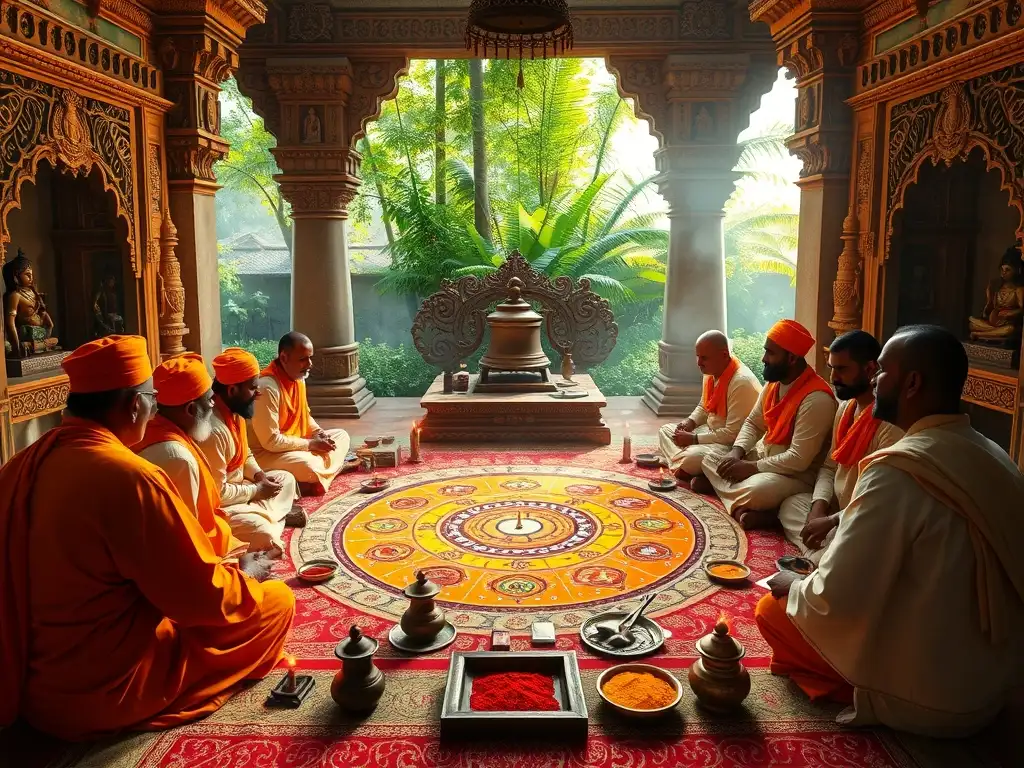
Welcome to Ancient India History, where we delve into the rich tapestry of India's past, uncovering the cultural treasures and profound contributions of ancient civilizations. Today, we invite you to explore the fascinating world of Ancient Indian divination practices—a topic that reveals the intricate connection between spirituality and daily life in historical rituals. What role did these practices play in shaping festivals and traditions? Join us on this enlightening journey as we unravel the significance of divination in ancient Indian rituals, igniting your curiosity and inspiring you to discover more about this captivating aspect of our shared heritage.
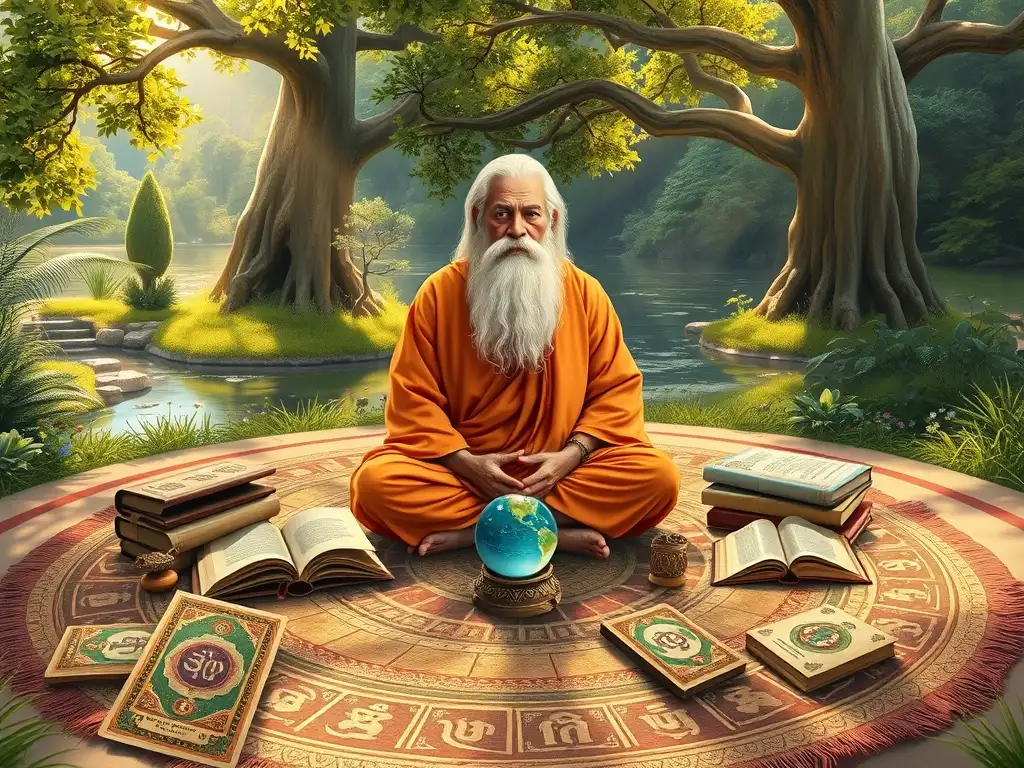
Introduction to Ancient Indian Divination Practices
Divination has long been an integral part of human civilization, serving as a bridge between the mundane and the divine. In ancient India, divination practices were not merely rituals; they were profound expressions of cultural beliefs and spiritual understanding. These practices, woven into the fabric of daily life and religious ceremonies, provided individuals and communities with insights into the future, guidance in decision-making, and a means to appease deities.
Ancient Indian divination practices encompassed a variety of methods, from astrology and omens to rituals involving sacred texts and symbols, reflecting the rich tapestry of beliefs that characterized ancient Indian society. Understanding these practices is crucial for appreciating how they shaped rituals and ceremonies, influencing everything from agriculture to governance.
Historical Context of Divination in Ancient India
Divination in ancient India can be traced back thousands of years, with its roots embedded in the early Vedic texts. As societies evolved and interacted with various cultures, so too did their methods and interpretations of divination. This historical context reveals how ancient Indian divination practices were not static but rather dynamic, adapting to new ideas and influences over time.
Origins of Divination Practices in India
The origins of divination in India are often linked to the Vedas, the oldest sacred texts of Hinduism, which contain references to various forms of prophecy and foresight. Scholars believe that the Rigveda, composed around 1500 BCE, includes hymns that discuss the divine and cosmic order, suggesting an early recognition of the interconnectedness of all things.
Some common forms of divination in this period included:
- Astrology (Jyotisha): The study of celestial bodies to predict earthly events.
- Ritual sacrifices (Yajnas): Offering to gods to seek favorable outcomes.
- Omens and portents: Interpreting natural phenomena as signs from the divine.
Evolution of Divination Methods Over Time
As Indian civilization progressed, the methods of divination underwent significant transformation. The emergence of new philosophical schools and spiritual movements, such as Buddhism and Jainism, influenced the practices and beliefs surrounding divination.
Key developments included:
- Integration of astrology with mathematics: This led to more sophisticated astrological charts and predictions.
- Expansion of texts: The creation of numerous astrological texts in the following centuries, which codified knowledge and practices.
- Regional variations: Different regions of India developed unique divination methods, reflecting local customs and beliefs.
Through these evolutions, ancient Indian divination practices became deeply embedded in the cultural and spiritual life of the society, ultimately shaping the rituals and ceremonies that continue to resonate in contemporary practices.
Types of Ancient Indian Divination Practices
Ancient Indian divination practices were diverse and deeply interwoven with the cultural and spiritual fabric of society. These practices served various purposes, from making important life decisions to seeking guidance from the divine. Here are some of the prominent types of divination that flourished in ancient India:
Astrology (Jyotisha) in Ancient India
Astrology, known as Jyotisha, was one of the most revered forms of divination in ancient India. This practice involved the study of celestial bodies and their movements to predict earthly events and personal destinies. Ancient Indian texts, such as the Vedanga Jyotisha, laid the foundation for astrological calculations and interpretations.
- Natal Charts: Astrologers created detailed natal charts (Kundalis) based on the time and place of an individual's birth, interpreting planetary positions to forecast life events.
- Muhurta: Choosing auspicious times (Muhurta) for significant activities, such as marriages and religious ceremonies, was critical, ensuring alignment with cosmic forces.
- Influence of the Planets: Each planet was associated with specific traits and influences, allowing astrologers to provide insights into personality, relationships, and career paths.
Astrology's integration into daily life and rituals underscores its importance as a tool for understanding the divine order of the universe.
Omens and Augury in Rituals
Omens and augury were also significant in ancient Indian divination practices, where specific signs in nature were interpreted to predict future events or divine will. This practice was not only limited to personal decision-making but also played a crucial role in communal rituals.
- Natural Signs: Observations of animals, birds, and natural phenomena were common indicators. For instance, the sighting of certain birds was believed to herald good or bad fortune.
- Ritualistic Practices: During ceremonies, priests would often look for omens to determine the favor of the deities. The presence or absence of certain signs could influence the course of the ritual.
- Collective Beliefs: These beliefs were deeply embedded in the community's psyche, with many people relying on them to guide their actions and decisions.
Such practices emphasized the connection between the natural world and spiritual beliefs prevalent in ancient Indian society.
Use of Oracles and Prophecies
The use of oracles and prophecies was another significant aspect of ancient Indian divination. This involved seeking guidance through specific individuals or sacred texts believed to possess prophetic insight.
- Oracle Figures: Certain individuals, often regarded as sages or seers, were consulted for their ability to communicate with the divine. Their pronouncements were considered authoritative and were followed by the community.
- Scriptural Prophecies: Texts like the Vedas and Upanishads contained prophecies and divine messages that were interpreted by learned scholars to provide guidance on various matters.
- Cultural Impact: The influence of oracles extended to governance, with rulers often consulting them before making significant decisions. This practice reinforced the connection between the spiritual and temporal realms.
Through these methods, ancient Indians sought to align their lives with divine intentions, highlighting the integral role of divination in their culture.
The Role of Divination in Rituals and Ceremonies
Divination played a pivotal role in ancient Indian rituals and ceremonies, serving as a bridge between the present and the divine. Its significance extended beyond mere predictions, influencing the very fabric of social and spiritual life.
Divination as a Means of Communicating with the Divine
Divination practices were seen as essential pathways for individuals and communities to communicate with their deities. Through various methods, ancient Indians sought to understand divine will and gain insight into their lives.
- Ritual Offerings: Offerings and sacrifices were often accompanied by divinatory practices to invite the presence of the divine and seek blessings.
- Priestly Roles: Priests played a crucial role in interpreting omens and astrological readings, acting as intermediaries between the people and the divine.
- Spiritual Guidance: The insights gained through divination not only directed personal choices but also shaped communal rituals, reinforcing shared beliefs and values.
Such practices fostered a sense of connection to the divine, underscoring the importance of divination in spiritual life.
Incorporation of Divination in Daily Life
Divination was not limited to formal rituals; it permeated daily life in ancient India. Individuals often sought guidance from divinatory practices to navigate personal and communal challenges.
- Decision-Making: People frequently consulted astrological charts or sought omens when making decisions about marriage, business ventures, or travel.
- Cultural Traditions: The integration of divination into festivals and everyday routines reflected the centrality of these practices in shaping cultural traditions and community identity.
- Adaptations Over Time: As society evolved, so did divinatory practices, adapting to new contexts while retaining their core spiritual significance.
This continual incorporation of divination into daily life highlights its enduring legacy in ancient Indian culture, illustrating its profound impact on both individual and collective existence.
Cultural Impact of Ancient Indian Divination Practices

Ancient Indian divination practices held a profound significance in shaping the cultural landscape of the subcontinent. These practices were not merely methods of predicting the future; they were deeply intertwined with the spiritual, societal, and everyday lives of the people. The belief in the influence of celestial bodies and divine forces fostered a culture where rituals, ceremonies, and festivals were often aligned with astrological readings and omens. This resulted in a harmonious blend of spirituality and practicality, where individuals sought guidance from the cosmos in their personal and communal decisions.
The various forms of divination, such as astrology (Jyotish), palmistry (Hasta Samudrika), and augury (Shakuna Shastra), permeated different aspects of life, including agriculture, marriage, and governance. For example, agricultural practices were often scheduled according to astrological forecasts, ensuring optimal conditions for planting and harvesting. Moreover, the selection of auspicious dates for weddings and other significant events was heavily influenced by astrological interpretations, showcasing how divination shaped social structures and relationships.
Influence on Arts and Literature
The influence of ancient Indian divination practices extended significantly into the realms of arts and literature. Many classical texts, such as the Vedas and the Puranas, contain references to astrological principles and divinatory methods, reflecting their importance in daily life and religious observance. These texts served not only as spiritual guides but also as rich sources of narrative inspiration, with characters often depicted consulting sages or celestial bodies for foresight.
Artistic expressions, including paintings, sculptures, and dance forms, frequently illustrate themes of fate and prophecy, inspired by the divinatory practices of the time. For instance, traditional Indian dance often incorporates symbolic gestures (mudras) relating to the zodiac signs or planetary influences, creating a dynamic interplay between movement, spirituality, and divination.
Moreover, the epics like the Mahabharata and Ramayana often explore themes of destiny and divine intervention, emphasizing the cultural significance of divination in understanding human experience and moral dilemmas. This artistic representation of divination practices has left a lasting imprint on Indian culture, influencing contemporary storytelling and performance arts.
Legacy of Divination in Modern Indian Culture
The legacy of ancient Indian divination practices continues to resonate in modern Indian culture, where astrology remains a vital aspect of many people's lives. While contemporary interpretations may differ from their ancient origins, the core belief in cosmic influence persists. Today, millions consult astrologers for guidance on various life decisions, from business ventures to personal relationships, echoing the age-old practices of their ancestors.
Festivals and rituals often still incorporate astrological elements, such as Muhurat (auspicious timing), where specific times are deemed favorable for performing religious ceremonies or initiating new undertakings. This ongoing integration of divination into modern practices underscores its enduring relevance and adaptability in the face of changing societal dynamics.
Furthermore, with the global interest in astrology and alternative spiritual practices, ancient Indian divination methods have gained recognition beyond national borders, contributing to a broader understanding of cultural diversity and spiritual exploration in today’s world.
Conclusion: The Enduring Significance of Divination in Ancient Indian Rituals
The significance of divination in ancient Indian rituals cannot be overstated. These practices were not only essential for predicting the future but also played a crucial role in shaping cultural identity, societal norms, and artistic expression. The intertwining of spirituality with everyday activities fostered a rich cultural heritage that continues to influence modern practices in India and beyond.
The legacy of ancient Indian divination serves as a testament to humanity's enduring quest for understanding and connection with the cosmos. As we explore the rich tapestry of ancient Indian civilizations, the impact of divination practices remains a significant thread, weaving together history, culture, and belief systems that have shaped the lives of countless individuals across generations.
- Introduction to Ancient Indian Divination Practices
- Historical Context of Divination in Ancient India
- Types of Ancient Indian Divination Practices
- The Role of Divination in Rituals and Ceremonies
- Cultural Impact of Ancient Indian Divination Practices
- Influence on Arts and Literature
- Legacy of Divination in Modern Indian Culture
- Conclusion: The Enduring Significance of Divination in Ancient Indian Rituals
- What were the main divination practices in ancient India?
- How did divination influence ancient Indian rituals?
- Were there specific texts that documented divination methods in ancient India?
- How did ancient Indian divination compare to practices in other cultures?
- What was the impact of divination on societal norms in ancient India?
Frequently Asked Questions
What were the main divination practices in ancient India?
Ancient Indian divination practices included astrology, augury, and oracles, which were essential in making decisions and guiding rituals based on celestial and earthly signs.
How did divination influence ancient Indian rituals?
Divination played a crucial role in shaping rituals by offering insights that determined auspicious timing and methods, ensuring a favorable outcome in spiritual and daily affairs.
Were there specific texts that documented divination methods in ancient India?
Yes, texts such as the Vedas, Upanishads, and Astrological treatises provided detailed guidelines on various divination techniques, illustrating their significance in ancient culture.
How did ancient Indian divination compare to practices in other cultures?
Ancient Indian divination shared similarities with practices in other cultures, such as astrology in Mesopotamia and oracles in Greece, yet maintained unique characteristics rooted in local beliefs and traditions.
What was the impact of divination on societal norms in ancient India?
Divination influenced societal norms by establishing a framework for decision-making, where leaders and individuals relied on spiritual guidance to align their actions with perceived cosmic order.
Final Reflection: The Enduring Legacy of Ancient Indian Divination Practices
The exploration of ancient Indian divination practices reveals a profound connection between spirituality and daily life that remains relevant today. In a world increasingly driven by technology and rationality, the wisdom embedded in these rituals serves as a reminder of the human desire to seek guidance and understanding beyond the tangible. The significance of these practices transcends time, inviting us to reflect on our own methods of navigating uncertainty and seeking insight.
The impact of ancient Indian divination practices continues to resonate within our cultural and social landscapes. These rituals not only shaped the spiritual lives of individuals but also influenced community dynamics and decision-making processes. As we navigate the complexities of modern life, we can draw inspiration from the holistic approach of these ancient traditions. The future belongs to those who believe in the beauty of their dreams.
– Eleanor Roosevelt. This quote encapsulates the essence of divination: the belief in a future shaped by our intentions and actions, echoing the sentiments of those who once sought wisdom through the stars and sacred texts.
As you reflect on the insights shared in this article, consider how the principles of ancient Indian divination can inform your own life. Embrace the uncertainty of the future with an open heart and a curious mind. Whether through meditation, journaling, or simply pausing to listen to your intuition, allow the lessons of the past to guide you in making choices that resonate with your true self. Let the wisdom of ancient practices inspire you to seek clarity and purpose in your own journey, fostering a deeper connection to the world around you.
Unveil the Mysteries of Ancient Divination!
Thank you for journeying through the intriguing world of ancient Indian rituals and the significance of divination. You have gained valuable insights into how these practices shaped spiritual lives and cultural traditions. Now, let’s translate that understanding into action!
Here’s how you can dive deeper into this fascinating topic:
- Engage with your audience: Share your insights about divination on social media or within your community. Start a conversation about its relevance in today's society!
- Explore further: Investigate specific ancient texts or practices related to divination to broaden your knowledge.
- Connect with scholars or enthusiasts: Join a local historical society or participate in online forums focused on ancient Indian history to exchange perspectives and learn from others.
What aspect of ancient divination resonates with you the most, and how do you think it can inform modern practices or beliefs?