
The Impact of Philosophers and Thinkers on Caste Reform in Ancient India


Welcome to Ancient India History, where we invite you to embark on a fascinating journey through the tapestry of time that shaped one of the world's oldest civilizations. In our exploration of caste reform philosophers in ancient India, you'll uncover the profound insights and transformative ideas that challenged societal norms and paved the way for progress. What motivated these thinkers, and how did their philosophies impact daily life and society?
Prepare to delve deeper into the minds of those who dared to envision a more equitable world, sparking curiosity and igniting your passion for understanding this pivotal chapter of history. Join us as we unravel the legacies that continue to influence our lives today!
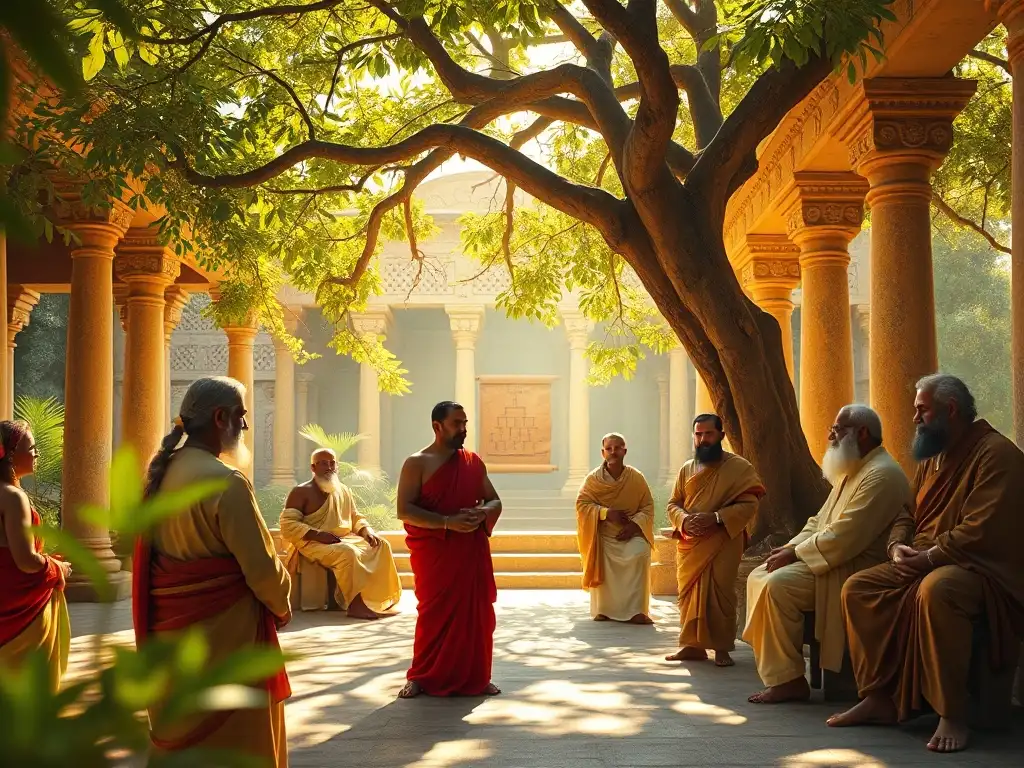
Introduction to Caste and Society in Ancient India
The caste system in ancient India represents a complex social hierarchy that has significantly influenced the lives and interactions of its people for centuries. Originating from the Vedic texts, this system categorized individuals into distinct groups based on their occupational roles, leading to a rigid framework that governed social conduct. However, amidst this intricate social structure, various philosophers and thinkers emerged, advocating for reform and challenging the established norms.
Their ideas and teachings not only questioned the validity of caste-based discrimination but also sought to promote equality and social justice in a stratified society. This article delves into the profound impact these philosophers had on caste reform, highlighting their contributions and the legacy they left behind.
Overview of the Caste System in Ancient India
The caste system, known as varna, is traditionally divided into four primary categories:
- Brahmins: Priests and scholars responsible for religious rituals and the preservation of sacred knowledge.
- Kshatriyas: Warriors and rulers tasked with protection and governance of the land.
- Vaishyas: Merchants and landowners engaged in agriculture and commerce.
- Shudras: Laborers and service providers who supported the other three groups.
This hierarchical stratification not only dictated occupational roles but also established social norms that restricted inter-caste interactions, leading to a culture of segregation that persisted for centuries. The rigidity of this system prompted various reform movements, particularly from philosophers who sought to challenge its injustices and promote a more egalitarian society.
Philosophers in ancient India played a crucial role in shaping social norms and advocating for change. Their teachings often emphasized moral virtues, compassion, and the pursuit of knowledge, which served as a counter-narrative to the caste-based discriminations prevalent in society. By disseminating ideas that championed equality and human dignity, these thinkers laid the groundwork for social reform. Their philosophies inspired movements that sought to dismantle the rigid structures of the caste system, advocating for a more inclusive society where individuals were valued for their actions rather than their birth.
Key Philosophers Advocating for Caste Reform
The legacy of caste reform in ancient India is enriched by the contributions of several key philosophers whose teachings resonated with the ideals of equality and justice.
The Influence of Gautama Buddha on Caste Reform
Gautama Buddha, the founder of Buddhism, emerged as a pivotal figure advocating for caste reform. His teachings emphasized the importance of individual moral conduct over birthright, asserting that anyone could attain enlightenment regardless of their caste. Buddha's rejection of caste distinctions and his promotion of a community based on ethical conduct attracted followers across various social strata, leading to a significant shift in societal values. His message of compassion and equality challenged the status quo and laid the foundation for a more inclusive social structure.
Contributions of Mahavira and Jain Philosophy
Mahavira, the 24th Tirthankara of Jainism, also played a significant role in promoting social equality. His philosophy centered around ahimsa (non-violence) and aparigraha (non-possessiveness), which extended to all living beings, regardless of their caste. Jain teachings encouraged the rejection of caste-based discrimination, advocating for a society where individuals were valued for their character and ethical behavior. Mahavira's influence contributed to the broader discourse on social reform, challenging the rigidities of the caste system and promoting a more humane approach to social interactions.
The Role of Vedic Thinkers and Upanishadic Philosophers
In addition to Buddhist and Jain philosophies, the Vedic and Upanishadic thinkers also contributed to discussions on caste reform. These early texts introduced concepts such as dharma (duty) and karma (action), which emphasized the importance of ethical living and the consequences of one's actions. Some Upanishadic philosophers questioned the inherent hierarchies of the caste system, advocating for a more philosophical understanding of human existence that transcended social boundaries. Their ideas encouraged critical reflection on the validity of caste-based discrimination and promoted a vision of a society rooted in universal values and ethical principles.
The exploration of caste reform and the philosophers who shaped these discussions reveals a rich tapestry of thought that challenged the status quo and sought to foster a more equitable society in ancient India. Through their teachings, these thinkers not only influenced their contemporaries but also laid the groundwork for future movements advocating for social justice and equality.
Philosophical Movements and Their Impact on Caste Reform

Throughout ancient India, various philosophical movements played a crucial role in shaping ideas about social structure and caste relations. These movements often arose in response to the rigidities of the caste system, challenging established norms and advocating for social equity. Philosophers and thinkers, through their teachings and writings, introduced concepts that questioned the legitimacy of caste hierarchies and called for reform. Their influence can be seen in how certain schools of thought promoted values of equality, compassion, and justice, which ultimately contributed to the gradual evolution of the caste system.
The Rise of Non-Brahmanical Traditions
The emergence of non-Brahmanical traditions during ancient India marked a significant challenge to the established Brahminical authority. Philosophers such as Buddha and Mahavira advocated for a society based on ethical conduct rather than ritualistic practices. The teachings of Buddhism emphasized the importance of individual merit over birth, directly opposing the caste-based distinctions upheld by Brahmins. Similarly, Jainism, founded by Mahavira, promoted the principles of non-violence and truth, encouraging adherents to rise above caste identities.
These non-Brahmanical traditions laid the groundwork for a more egalitarian social structure. They inspired many followers to reject the caste system, fostering a sense of community that transcended traditional barriers. As these movements gained traction, they not only attracted followers from lower castes but also encouraged debates and discussions that further questioned caste inequalities.
Bhakti Movement and Its Caste Implications
The Bhakti movement, which flourished from the 7th to the 17th century, significantly contributed to the discourse on caste reform in ancient India. This movement, characterized by devotional worship and personal connection to the divine, was marked by the emergence of saints and poets from various backgrounds, including those from lower castes. Figures like Kabir and Ravidas championed the idea that devotion and love for God were more important than one's social status.
The Bhakti poets often critiqued the rigid caste system and called for a more inclusive society. Their verses emphasized equality and the importance of inner devotion over external rituals, directly challenging the authority of the Brahmins. This movement played a vital role in breaking down caste barriers, promoting the idea that spiritual merit was accessible to all, irrespective of caste status. The Bhakti movement thus served as a catalyst for social change, leading to a gradual shift in perceptions regarding caste and spirituality.
The Legacy of Caste Reform Philosophers in Ancient India
The philosophers and thinkers who advocated for caste reform in ancient India have left a lasting legacy on the social fabric of Indian society. Their teachings and movements contributed to the gradual transformation of societal attitudes toward caste, encouraging a more inclusive approach to community and spirituality. The impact of these reformist ideas can still be observed in contemporary discussions about caste and social justice.
Long-term Effects on Indian Society and Social Structure
The long-term effects of caste reform philosophers are evident in the evolution of Indian society. Their ideas laid the groundwork for future reform movements that continued to challenge the caste system, leading to the rise of social reformers during the modern era. The emphasis on individual dignity, moral integrity, and social equality established by these thinkers has influenced numerous movements advocating for the rights of marginalized communities.
In contemporary India, the philosophical foundations laid by these ancient thinkers continue to inspire social justice movements that seek to dismantle caste-based discrimination and promote equality. The ongoing dialogue surrounding caste and social structures reflects the enduring legacy of these philosophers, demonstrating how their ideas resonate even in today's context.
Philosophers as Catalysts for Change in Caste Relations
Philosophers in ancient India acted as catalysts for change in caste relations by challenging the status quo and promoting new paradigms of thought. Their teachings not only inspired individuals to question their own positions within the caste hierarchy but also encouraged collective action against injustices. By advocating for values such as compassion, equality, and justice, these thinkers motivated followers to strive for a society where caste would not dictate one's worth or opportunities.
The dialogues initiated by these philosophers sparked a broader movement toward social reform that transcended geographical and cultural boundaries within India. Their ability to articulate the concerns of the marginalized and present alternative visions of society played a crucial role in reshaping the discourse on caste. As a result, these philosophers not only influenced their contemporaries but also paved the way for future generations to continue the quest for a more equitable social structure.
Conclusion
The caste system has been a defining feature of Indian society for centuries, shaping social interactions, occupational roles, and community structures. However, it was the profound influence of philosophers and thinkers that initiated critical discussions and reforms regarding caste hierarchies in ancient India. Their ideas not only challenged the status quo but also laid the groundwork for more equitable social structures. By advocating for principles of equality, justice, and moral responsibility, these thinkers sparked significant transformations that resonated through generations.
Summary of the Impact of Philosophers on Caste Reform
Philosophers such as Gautama Buddha, Mahavira, and later figures like Basava and Kabir played pivotal roles in questioning the rigid caste divisions prevalent in their times.
- Buddhism and Jainism: Both Gautama Buddha and Mahavira emphasized individual merit over birthright, promoting ideas of compassion and non-violence. Their teachings encouraged followers to reject caste-based discrimination, thus providing a counter-narrative to traditional Vedic texts that often reinforced the caste system.
- Bhakti Movement: During the medieval period, saints like Kabir and Namdev sought to transcend caste barriers through their devotional practices. They emphasized personal devotion to God rather than adherence to caste identities, fostering a sense of unity among people from diverse backgrounds.
- Social Reforms in Later Periods: In the later era, thinkers like Jyotirao Phule and Dr. B.R. Ambedkar drew from ancient philosophies while also incorporating modern ideas to advocate for the rights of the marginalized. Their works not only highlighted the injustices of the caste system but also proposed actionable solutions for reform and empowerment.
These contributions from various philosophers collectively challenged the entrenched norms of caste and initiated a dialogue that aimed at social reform, leading to a more inclusive society.
Reflection on the Relevance of Ancient Ideas in Modern Society
The philosophies that emerged from ancient India regarding caste reform remain incredibly relevant in today's context. As contemporary society grapples with issues of inequality and social justice, the teachings of these philosophers offer valuable insights.
- Equality and Human Rights: The core message of equality championed by ancient reformers resonates strongly in modern human rights discourse. Their emphasis on individual worth and moral integrity serves as a reminder of the ongoing struggle against discrimination in all forms, not just in the context of caste.
- Cultural Diversity and Acceptance: The ancient push for inclusivity encourages a celebration of cultural diversity. In a globalized world, where migration and multiculturalism are prevalent, the principles of acceptance and respect for all, irrespective of their background, are vital for social harmony.
- Philosophical Inquiry and Social Critique: The critical thinking and philosophical inquiry exemplified by ancient thinkers encourage current and future generations to question societal norms and advocate for change. Their legacy inspires a continuous examination of social justice issues, pushing for reforms that align with contemporary values of equity and justice.
The impact of caste reform philosophers from ancient India extends beyond their time, inspiring movements for justice and equality that are essential in the modern world. Their teachings continue to provide a philosophical and ethical framework for addressing the challenges of caste and inequality today.
- Introduction to Caste and Society in Ancient India
- Overview of the Caste System in Ancient India
- The Role of Philosophers in Shaping Social Norms
- Key Philosophers Advocating for Caste Reform
- Philosophical Movements and Their Impact on Caste Reform
- The Legacy of Caste Reform Philosophers in Ancient India
- Conclusion
- What role did philosophers play in caste reform in ancient India?
- Who were some prominent thinkers associated with caste reform?
- How did the Indus Valley Civilization contribute to the caste system?
- What was the impact of the Gupta Empire on caste dynamics?
- Why is the study of caste reform philosophers important today?
Frequently Asked Questions
What role did philosophers play in caste reform in ancient India?
Philosophers in ancient India significantly influenced caste reform by promoting ideas of equality and social justice, challenging the rigid caste system and advocating for a more inclusive society.
Who were some prominent thinkers associated with caste reform?
Prominent thinkers included Buddha, who preached against caste discrimination, and Mahatma Jyotirao Phule, who actively fought for the rights of the lower castes and emphasized education.
How did the Indus Valley Civilization contribute to the caste system?
The Indus Valley Civilization laid the foundation for social stratification, which later evolved into the caste system. Archaeological evidence suggests a complex social structure that influenced subsequent Indian societies.
What was the impact of the Gupta Empire on caste dynamics?
The Gupta Empire saw a consolidation of the caste system, but also allowed for some mobility, as philosophers encouraged individuals to pursue knowledge and merit over birthright in certain contexts.
Why is the study of caste reform philosophers important today?
Studying caste reform philosophers is crucial for understanding the historical context of social issues in India today, as their teachings continue to inspire movements for social equality and justice.
Final Reflection: The Enduring Legacy of Caste Reform Philosophers in Ancient India
The insights of philosophers and thinkers in ancient India have shaped the discourse on caste reform, making their contributions not only historical but also profoundly relevant today. As we navigate the complexities of social hierarchies and inequalities in contemporary society, the voices of these reformers echo with urgency, reminding us that the quest for equality and justice is timeless. Their philosophies challenge us to confront our own biases and strive for a more inclusive world, underscoring the idea that the past is not merely a reflection of what was, but a guide for what can be.
The influence of these thinkers extends far beyond their time, continuing to resonate within the cultural and social fabric of modern India. Their ideas have sparked movements and inspired generations to advocate for social justice and equality, creating a legacy that is both powerful and transformative.
As Mahatma Gandhi once said, "> The true measure of any society can be found in how it treats its most vulnerable members." This sentiment encapsulates the ongoing relevance of caste reform philosophies, urging us to reflect on our societal values and the ways in which we can contribute to a more equitable future.
As we conclude this exploration of caste reform philosophers in ancient India, I invite you to reflect on the lessons they imparted and consider how their teachings can inform your own actions today. What steps can you take to challenge social injustices in your community? Let their wisdom inspire you to become an advocate for change, fostering a society where every individual is valued and respected, regardless of their background. Together, we can honor the legacy of these thinkers by actively participating in the ongoing journey toward equality and justice.
Unleash Your Curiosity – Dive Deeper into Caste Reform!
Thank you for exploring the significant influence of philosophers and thinkers on caste reform in Ancient India. Your engagement with this topic opens the door to understanding a pivotal chapter in history that can inspire positive change even today! Now, let’s take some actionable steps together:
- Engage with an ancient text: Choose a philosophical work related to caste reform and read a chapter. Reflect on how its ideas can be applied to modern society.
- Join or start a discussion group: Gather friends or family to discuss the impact of these thinkers on societal norms. Sharing insights can foster a deeper understanding.
- Spread the knowledge: Share this article on social media or within your community to spark meaningful conversations about caste reform and promote awareness.
What insights from the lives of these ancient philosophers resonate with you personally in today's context?