
The Societal Impact of Ancient Indian Universities on Local Communities


Welcome to Ancient India History, where we embark on an enlightening journey through the vibrant tapestry of India’s past. Discover how the impact of ancient Indian universities not only shaped the intellectual landscape but also transformed local communities, fostering innovation and cultural exchange. From the hallowed halls of ancient Nalanda to the thriving centers of learning in the Gupta Empire, the legacy of these institutions invites us to delve deeper into their societal contributions.
Join us as we explore this captivating chapter of history and uncover the profound influence that education had on the fabric of ancient Indian society. Are you ready to unlock the secrets of the past?

Introduction to Ancient Indian Universities
The legacy of ancient Indian universities serves as a cornerstone for understanding the profound educational traditions that flourished in the Indian subcontinent. From the extensive curricula to the diverse student body, these institutions not only contributed to the intellectual landscape of their time but also had a significant impact on the local communities surrounding them.
This article delves into the various ways ancient Indian universities influenced societal norms, fostered cultural exchange, and contributed to the overall development of the regions in which they were situated. By exploring key aspects of these educational systems, we can appreciate how they shaped the intellectual and cultural fabric of ancient Indian civilization.
Overview of Ancient Indian Universities and Their Significance
Ancient Indian universities, such as Nalanda, Takshashila, and Vikramshila, were more than just centers of learning; they were vibrant hubs of culture and scholarship that attracted students from across Asia. These universities played a pivotal role in:
- Dissemination of Knowledge: They facilitated the transmission of knowledge across various fields, including philosophy, mathematics, astronomy, medicine, and literature.
- Cultural Exchange: With students and scholars from diverse backgrounds, these institutions became melting pots of ideas and cultures, fostering dialogue and mutual understanding.
- Social Development: By educating individuals from different strata of society, these universities contributed to the upliftment of local communities and promoted social mobility.
Key Features of Ancient Indian Educational Systems
The educational systems of ancient India were characterized by several distinctive features that contributed to their societal impact:
- Curricular Diversity: Ancient universities offered a wide range of subjects, allowing students to pursue interests in arts, sciences, and spirituality.
- Guru-Shishya Tradition: The mentor-student relationship was central to learning, fostering deep intellectual and moral development.
- Inclusivity: These institutions often welcomed students from various backgrounds, promoting a sense of community and shared learning.
Historical Context of Ancient Indian Universities
Understanding the societal impact of ancient Indian universities requires a look into their historical context, revealing how they emerged and evolved over time.
The Emergence of Universities in Ancient India
The roots of ancient Indian universities can be traced back to the Vedic period, where informal education took place in Gurukuls. As society progressed, the need for more structured institutions became apparent, leading to the establishment of formal universities during the Mauryan and Gupta empires. This period saw an increase in literacy and scholarship, resulting in the establishment of renowned institutions dedicated to higher learning.
Major Ancient Indian Universities: Nalanda, Takshashila, and Vikramshila
Several universities stood out for their contributions to education and society:
- Nalanda: Established in the 5th century CE, Nalanda attracted scholars from as far as China and Korea, becoming a beacon of Buddhist learning and philosophy.
- Takshashila: Often considered one of the earliest universities in the world, Takshashila was a melting pot of knowledge, offering courses in various disciplines.
- Vikramshila: Founded by the great king Dharmapala, Vikramshila specialized in Buddhist studies and was known for its rigorous academic environment.
These institutions not only advanced learning but also played crucial roles in the social and cultural development of their respective communities, leaving a lasting legacy that continues to be studied and celebrated today.
The Educational Influence of Ancient Indian Universities
Ancient Indian universities, such as Nalanda and Takshashila, were cradles of knowledge that played a pivotal role in shaping the educational landscape of the region. These institutions not only attracted students from various parts of India but also from distant lands like China, Korea, Japan, and Southeast Asia. The educational influence of these universities extended beyond mere knowledge dissemination; they fostered a culture of critical thinking, inquiry, and intellectual debate.
The pedagogical methods employed in these universities emphasized dialogue and discussion, which encouraged students to engage deeply with the material. Scholars and educators prioritized a holistic approach to learning, integrating spiritual, moral, and ethical dimensions into their curricula. This method helped develop well-rounded individuals who contributed positively to their communities. The universities also served as hubs for linguistic and literary studies, promoting the use of Sanskrit, Pali, and other regional languages, thus influencing the literary traditions of the time.
Curriculum and Areas of Study in Ancient Indian Universities
The curriculum at ancient Indian universities was diverse and comprehensive, covering a wide range of subjects. Students could study:
- Philosophy: This included various schools of thought, such as Vedanta, Samkhya, and Buddhism, encouraging critical exploration of existential questions.
- Mathematics: Ancient Indian scholars made significant contributions to mathematics, including innovations in algebra and geometry, which were incorporated into the curriculum.
- Astronomy and Astrology: Subjects that not only addressed celestial phenomena but also had practical applications in agriculture and navigation.
- Medicine: Ayurveda was a prominent field of study, emphasizing holistic health and wellness.
- Arts: This included music, dance, and drama, reflecting the rich cultural heritage of the civilizations.
The multidisciplinary approach of these universities ensured that students received a well-rounded education, preparing them for various roles in society.
Contributions to Various Fields: Arts, Sciences, and Philosophy
The contributions of ancient Indian universities to arts, sciences, and philosophy were profound and far-reaching. In the realm of arts, the universities nurtured talents that led to the development of classical music, dance forms, and dramatic arts. The teachings of great maestros and the patronage of royal courts facilitated the flourishing of artistic expression.
In science, ancient Indian universities were instrumental in advancing knowledge in fields such as mathematics and astronomy. Scholars like Aryabhata and Brahmagupta made groundbreaking contributions that laid the foundation for later developments in these fields. Their work influenced not only India but also reached scholars in the Arab world and beyond.
In philosophy, the debate and discourse fostered in these universities encouraged the exploration of ethical, metaphysical, and epistemological questions. This intellectual environment gave rise to significant philosophical texts and ideas that continue to resonate in contemporary discussions.
The Societal Impact of Ancient Indian Universities on Local Communities
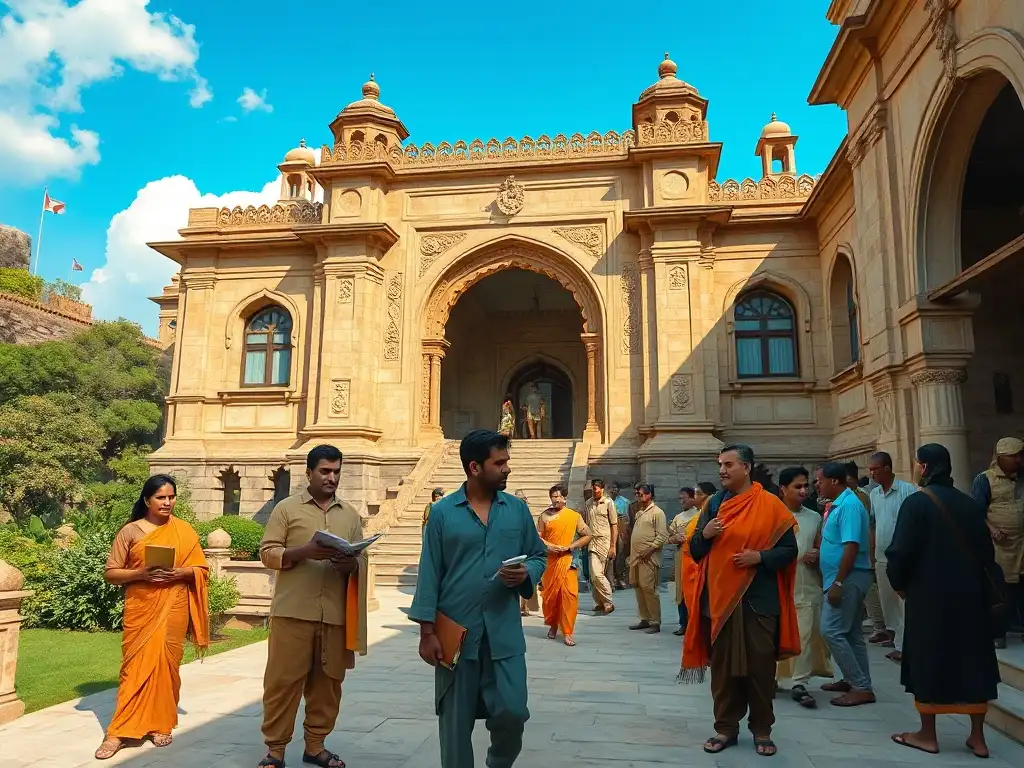
The impact of ancient Indian universities on local communities extended beyond education; they were catalysts for social change and development. These institutions attracted a diverse population, leading to the cosmopolitanization of local cultures and fostering interactions among various communities.
The presence of universities stimulated economic activities, which in turn influenced local societies in numerous ways. The universities became centers of trade, attracting merchants, artisans, and other professionals who contributed to the local economy. Additionally, the dissemination of knowledge and cultural practices fostered by these institutions contributed to the overall development of the communities surrounding them.
Economic Contributions of Ancient Indian Universities
Ancient Indian universities had significant economic impacts on their local communities. The influx of students and scholars created demand for various goods and services, leading to the establishment of markets and trades. Local artisans and merchants benefited from this economic stimulation, as they provided food, clothing, and other necessities to the university population.
Furthermore, the universities encouraged agricultural advancements by promoting knowledge about irrigation, crop rotation, and farming techniques. This knowledge transfer not only enhanced food production but also improved the livelihoods of local farmers. The economic activities generated by the universities helped sustain local economies and contributed to the overall prosperity of the region.
Cultural and Social Impact of Ancient Indian Universities
The cultural and social impact of ancient Indian universities was profound. As centers of learning, they cultivated a rich tapestry of cultural exchange, fostering interactions between various ethnic and religious groups. This cultural melting pot led to the development of new ideas, art forms, and social practices that enriched local traditions.
The universities also played a crucial role in promoting social values, such as tolerance, respect for diversity, and the pursuit of knowledge. The teachings and philosophies shared within their walls encouraged students to engage with the world critically and compassionately, leading to more equitable social dynamics within their communities.
Political Influence of Ancient Indian Universities
Ancient Indian universities also wielded considerable political influence. They served as advisory centers for rulers and kings, with scholars often playing key roles in governance and policy-making. The knowledge and wisdom derived from these institutions helped shape political ideologies and practices, thus impacting governance at both local and regional levels.
Moreover, the universities fostered a sense of nationalism and cultural identity among students, many of whom went on to become influential figures in their respective regions. The intellectual discourse and political engagement promoted within these universities contributed to the broader socio-political landscape of ancient India, influencing movements for reform and social justice.
Comparative Analysis: Ancient Indian Universities vs. Contemporary Educational Institutions
The ancient Indian universities, such as Nalanda and Takshashila, played a pivotal role in shaping local communities and spreading knowledge during their time. When comparing these institutions to contemporary educational establishments, several similarities and differences emerge that highlight the evolving landscape of education and its impact on society.
Similarities in Impact on Local Communities
Both ancient Indian universities and modern educational institutions serve as centers of learning that positively influence their surrounding communities.
- Knowledge Dissemination: Just as ancient universities attracted scholars and students from various regions, contemporary universities similarly foster a diverse learning environment. This exchange of knowledge enriches local cultures and promotes understanding among different communities.
- Economic Growth: Both types of institutions contribute to local economies. Ancient universities often catalyzed trade and commerce in their regions, while modern universities drive local economies through job creation and attracting businesses.
- Civic Engagement: Universities, both ancient and modern, encourage civic participation and community service. Ancient universities nurtured leaders who engaged with societal issues, a trend that continues in today's educational framework where students are often involved in community outreach and development programs.
Differences in Educational Philosophy and Structure
Despite the similarities, there are notable differences in the educational philosophy and structure between ancient Indian universities and contemporary institutions.
- Curriculum Focus: Ancient Indian universities emphasized a broad curriculum that included philosophy, arts, sciences, and spirituality, reflecting the holistic approach to learning. In contrast, modern educational institutions often prioritize specialization and technical skills to prepare students for specific careers.
- Teaching Methods: The pedagogical approaches also differ significantly. Ancient universities employed a mentor-student model where knowledge was imparted through personal interaction and dialogue. Today's institutions, however, frequently rely on standardized curricula and formal assessments, which can sometimes limit personalized learning experiences.
- Accessibility: While ancient universities were accessible to a wide range of students, including those from various social backgrounds, contemporary education systems face challenges regarding accessibility, often influenced by socio-economic factors, geographical location, and educational policies.
Conclusion: Legacy of Ancient Indian Universities on Modern Society
The legacy of ancient Indian universities extends beyond their historical context, continuing to influence modern educational practices and societal structures. Their contributions to knowledge, culture, and community development provide valuable lessons for contemporary education systems.
Lasting Effects on Contemporary Education Systems
The foundational principles established by ancient Indian universities—such as the pursuit of knowledge for personal and societal betterment—remain relevant today. Many modern educational institutions draw inspiration from the holistic educational philosophies of the past, incorporating interdisciplinary approaches and fostering critical thinking skills among students.
- Interdisciplinary Studies: The integration of various fields of study echoes the ancient approach, encouraging students to explore connections between disciplines.
- Community-Centric Education: The emphasis on community engagement and social responsibility can be traced back to the ancient universities, as modern institutions increasingly recognize the importance of serving local populations.
The Continued Relevance of Ancient Indian Universities' Impact
The impact of ancient Indian universities on local communities is still felt today, as their ideals resonate within modern educational frameworks.
- Cultural Heritage: The cultural and intellectual heritage that these universities fostered continues to shape the identity of contemporary Indian society, emphasizing the importance of education in community development.
- Global Influence: The principles of inclusive education and the pursuit of knowledge for the common good have influenced educational philosophies worldwide, making ancient Indian universities a vital part of global educational discourse.
The societal impact of ancient Indian universities on local communities serves as a cornerstone for understanding the evolution of education and its role in fostering societal growth, making their legacy not only a chapter in history but a continuing narrative in modern education.
- Introduction to Ancient Indian Universities
- Historical Context of Ancient Indian Universities
- The Educational Influence of Ancient Indian Universities
- The Societal Impact of Ancient Indian Universities on Local Communities
- Comparative Analysis: Ancient Indian Universities vs. Contemporary Educational Institutions
- Conclusion: Legacy of Ancient Indian Universities on Modern Society
- What role did ancient Indian universities play in local communities?
- How did the curriculum at ancient Indian universities impact society?
- What were some notable contributions of ancient Indian universities to global knowledge?
- How did the existence of these universities affect social mobility in ancient India?
- What legacy do ancient Indian universities leave in today's educational systems?
Frequently Asked Questions
What role did ancient Indian universities play in local communities?
Ancient Indian universities, such as Nalanda and Takshashila, served as centers of learning, influencing local communities through education, culture, and the dissemination of knowledge.
How did the curriculum at ancient Indian universities impact society?
The curriculum at ancient Indian universities included subjects like philosophy, medicine, and mathematics, which significantly contributed to the intellectual development of society and advancement in various fields.
What were some notable contributions of ancient Indian universities to global knowledge?
Ancient Indian universities played a crucial role in the preservation and advancement of knowledge, particularly in areas such as astronomy, literature, and science, influencing both Eastern and Western thought.
These universities provided opportunities for students from diverse backgrounds to access education, thereby promoting social mobility and fostering a more inclusive society.
What legacy do ancient Indian universities leave in today's educational systems?
The legacy of ancient Indian universities is seen in modern educational practices, emphasizing the importance of critical thinking, debate, and holistic learning, which continue to shape contemporary educational philosophies.
Final Reflection: The Enduring Legacy of Ancient Indian Universities
The exploration of ancient Indian universities reveals their profound impact on local communities, emphasizing that education has always been a catalyst for societal transformation. In an age where knowledge is more accessible than ever, we must recognize that the foundations laid by these institutions continue to resonate today. The values of inquiry, inclusivity, and community engagement that were fostered in these ancient centers of learning are crucial as we navigate the complexities of modern society.
The influence of ancient Indian universities extends far beyond their historical context; they have shaped cultural and social paradigms that persist in contemporary discourse. These institutions were not merely places of academic pursuit; they were vibrant hubs of dialogue and innovation that empowered individuals and enriched communities. As we reflect on their legacy, we can draw inspiration from the words of Mahatma Gandhi: Live as if you were to die tomorrow. Learn as if you were to live forever.
This sentiment encapsulates the essence of lifelong learning and the responsibility we hold to uplift our communities through education.
As we move forward, I invite you to consider how the lessons from ancient Indian universities can be applied in your own life and community. Reflect on the role of education in fostering unity, creativity, and progress. Engage with your local educational institutions, support initiatives that promote learning, and strive to create spaces where knowledge can flourish. Together, we can honor the legacy of these ancient universities by nurturing a culture of learning that empowers future generations.
Ignite Your Curiosity: Explore the Legacy of Ancient Indian Universities!
Thank you for diving into the rich history of ancient Indian universities and their profound impact on local communities. You've uncovered the essence of how education shaped society and fostered cultural development. Now, let’s translate this insight into action!
- Dive deeper into the history: Explore more articles on our site to uncover stories and insights that have shaped civilizations throughout history.
- Share your thoughts: Join our community! Post your reflections on social media or in our comment section and engage with fellow history enthusiasts.
- Visit a local library or museum: Seek out resources that focus on educational systems across cultures and discover how knowledge continues to influence communities today.
What do you believe is the most significant lesson we can learn from the educational practices of ancient Indian universities? Let’s start a conversation!