
Understanding the Structure and Composition of the Vedas


Welcome to Ancient India History, where we embark on a captivating journey through the rich tapestry of ancient Indian civilizations. Our exploration today invites you to delve into the profound world of Vedic literature, specifically focusing on the structure and composition of the Vedas. What secrets do these ancient texts hold, and how have they shaped the philosophical and cultural foundations of India?
Join us as we unravel the intricacies of these sacred scriptures, igniting your curiosity and inspiring a deeper understanding of one of history's most influential literary legacies. Dive in and discover the wisdom that has transcended millennia!
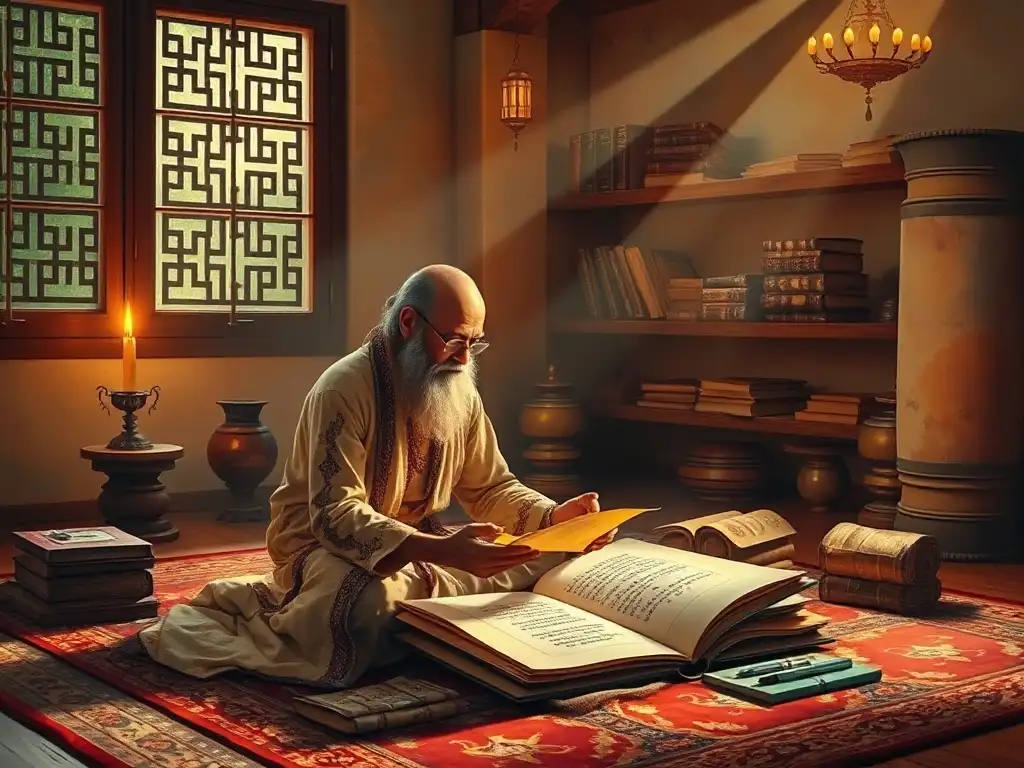
The Vedas, ancient sacred texts of Hinduism, serve as a cornerstone of Indian philosophy, spirituality, and literature. Composed over several centuries, these texts encapsulate a wealth of knowledge, rituals, and insights that have shaped the cultural and religious landscape of India. Understanding the structure and composition of the Vedas is essential to appreciating their significance and the intricate methodologies through which they were transmitted and preserved. This article delves into the multifaceted nature of the Vedas, exploring their historical context, structural elements, and the profound impact they continue to have on contemporary society.
Introduction to the Vedas
Overview of the Vedas in Ancient Indian Literature
The Vedas, comprising four main texts— Rigveda, Yajurveda, Samaveda, and Atharvaveda—are revered as the oldest scriptures in Hindu tradition. Each Veda serves a unique purpose, encompassing hymns, rituals, and philosophies that reflect the spiritual ethos of ancient Indian civilization. The Rigveda, for instance, is primarily a collection of hymns dedicated to various deities, while the Yajurveda provides instructions for rituals and ceremonies.
These texts are not merely religious documents but are also invaluable sources of information about the socio-political and cultural dynamics of their time. The Vedas illustrate a rich tapestry of mythological narratives, philosophical discourses, and ethical teachings, showcasing the intellectual vigor of ancient Indian scholars.
Importance of Vedas in Hindu Philosophy and Culture
The Vedas hold a pivotal role in Hindu philosophy, embodying the foundational concepts of dharma (duty), karma (action), and moksha (liberation). They serve as a primary reference for understanding the cosmos, the nature of the self, and the relationship between humans and the divine. Their teachings have influenced countless generations, guiding moral conduct and spiritual practices.
Moreover, the Vedas are integral to various rituals and ceremonies in Hindu culture, marking significant life events such as births, marriages, and deaths. The mantras and verses derived from these texts are recited to invoke blessings and establish a connection with the divine. Thus, the Vedas not only enrich religious practice but also foster a sense of identity and continuity within the Hindu community.
The Structure of the Vedas
Four Primary Texts of the Vedas
The Vedas are categorized into four primary texts, each with distinct characteristics:
- Rigveda: The oldest of the Vedas, consisting of 1,028 hymns dedicated to various deities.
- Yajurveda: A compilation of prose mantras used for rituals and sacrifices, featuring both the Shukla (White) and Krishna (Black) branches.
- Samaveda: Primarily a collection of melodies and chants derived from the Rigveda, emphasizing the musical aspect of Vedic rituals.
- Atharvaveda: Comprising hymns and incantations for everyday life, addressing health, prosperity, and protection against adversities.
Layers of Vedic Texts: Shruti vs. Smriti
The Vedic texts are categorized into two broad categories: Shruti and Smriti.
- Shruti: Referring to that which is "heard," this category includes the Vedas themselves, signifying texts that are believed to have been divinely revealed. The authority of Shruti is considered paramount in Hindu philosophy.
- Smriti: Meaning "that which is remembered," this category encompasses a wide range of texts, including the epics, Puranas, and Dharma Shastras. While Smriti texts are significant, they are viewed as secondary to the Shruti in terms of spiritual authority.
Vedic Codification: Oral Tradition to Written Text
The transmission of the Vedas relied heavily on oral tradition, with skilled priests and scholars responsible for memorizing and reciting the texts accurately. This oral transmission ensured the preservation of the Vedas for centuries, despite the absence of written documentation during the early periods.
With the advent of writing, the Vedas began to be documented, though the oral tradition remains vital in their recitation and interpretation. This codification process marked a significant transition in the accessibility and dissemination of Vedic knowledge, allowing for a broader engagement with these profound texts.
In understanding the Vedas' structure and composition, we uncover the profound legacy of ancient Indian civilization and its enduring influence on contemporary thought and practice.
Composition of the Vedas
The Vedas, the oldest sacred texts of Hinduism, are a collection of hymns, prayers, rituals, and philosophical discourses composed in ancient India. They consist of four primary collections: the Rigveda, Samaveda, Yajurveda, and Atharvaveda. Each Veda is structured into four main parts: Samhitas (hymns), Brahmanas (rituals), Aranyakas (theological discourses), and Upanishads (philosophical teachings).
- Samhitas: These are collections of hymns and mantras that are primarily used in rituals and worship. The Rigveda Samhita, for instance, contains praises to various deities.
- Brahmanas: These texts provide instructions on the proper performance of rituals and ceremonies. They explain the significance and meaning behind the hymns in the Samhitas.
- Aranyakas: Serving as a bridge between ritualistic Brahmanas and philosophical Upanishads, the Aranyakas focus on meditation and the inner meaning of rituals.
- Upanishads: These philosophical texts explore the concepts of ultimate reality (Brahman) and the individual soul (Atman), emphasizing spiritual knowledge and enlightenment.
The structure and composition of the Vedas reflect a deep interconnection between spirituality, ritual practices, and philosophical inquiry, showcasing the evolving nature of Vedic thought over centuries.
Linguistic Features of Vedic Sanskrit
Vedic Sanskrit, the language of the Vedas, exhibits several distinct linguistic features that differentiate it from Classical Sanskrit. The language is characterized by its rich phonetic structure, elaborate morphology, and syntactic variations.
- Phonetics: Vedic Sanskrit retains many archaic phonemes that have evolved or disappeared in later Sanskrit, providing insights into the historical development of the language.
- Morphology: The language employs a complex system of inflection, allowing for a variety of grammatical forms. This flexibility enables nuanced expression and can convey specific meanings in ritualistic contexts.
- Syntax: Unlike Classical Sanskrit, which follows a more rigid word order, Vedic Sanskrit allows for greater syntactical freedom, often placing emphasis on particular words or phrases to highlight their importance in hymns.
These linguistic features not only enhance the aesthetic quality of Vedic texts but also serve functional purposes in the context of rituals and oral recitation.
Meter and Rhythm in Vedic Verses
The Vedic texts are renowned for their intricate metrical structures and rhythmic patterns, which play a crucial role in their oral transmission and ritual significance.
- Metrical Patterns: The most common meter found in the Vedas is the Gayatri meter, consisting of 24 syllables divided into three lines of eight syllables each. Other meters include Trishtubh and Anushtubh, each imparting a unique rhythmic quality to the verses.
- Rhythmic Recitation: The rhythmic quality is essential for the proper recitation of Vedic hymns during rituals. The precise meter aids memorization and ensures the correct pronunciation of mantras, believed to enhance their efficacy.
- Musicality: The rhythmic patterns also contribute to the musical aspect of Vedic chanting, making it a vital part of the ritualistic experience, fostering a sense of harmony and connection with the divine.
The careful attention to meter and rhythm in Vedic verses underscores their significance in both spiritual practices and the preservation of ancient Indian cultural heritage.
Themes and Subjects Explored in Vedic Texts
The Vedas encompass a wide range of themes and subjects that reflect the philosophical, spiritual, and cultural milieu of ancient India.
- Cosmology and Creation: Many hymns explore the nature of the universe, the process of creation, and the role of divine beings in sustaining cosmic order (Rta).
- Rituals and Sacrifices: A significant portion of the Vedas is dedicated to the performance of rituals and sacrifices, emphasizing their importance in maintaining harmony between humans and the divine.
- Philosophy and Spirituality: The Upanishads, in particular, delve into profound philosophical concepts such as the nature of reality, the relationship between Atman and Brahman, and the pursuit of knowledge and enlightenment.
- Ethics and Morality: The Vedas also address ethical questions, providing guidance on righteous living and the pursuit of Dharma (duty and righteousness).
These themes collectively illustrate the Vedas as a rich tapestry of thought that has significantly influenced Indian philosophy, spirituality, and cultural practices throughout history.
The Role of Commentary in Vedic Texts
The complexity and depth of the Vedic texts have led to a rich tradition of commentary that seeks to elucidate their meanings and applications. Commentaries serve as vital tools for interpretation, bridging the gap between the ancient and contemporary understanding of the Vedas.
Major Commentators and Their Contributions
Throughout history, several prominent scholars have contributed to the commentary tradition of the Vedas, each bringing unique perspectives and insights:
- Sayanacharya: A 14th-century commentator, Sayanacharya is renowned for his comprehensive explanations of the Vedic texts, particularly the Rigveda. His commentaries are instrumental in understanding the historical context and ritual significance of the hymns.
- Shankara: The renowned philosopher Shankara provided a non-dualistic interpretation of the Upanishads, emphasizing the unity of Atman and Brahman. His works have profoundly influenced Hindu philosophy and the understanding of Vedic texts.
- Rammohun Roy: In the 19th century, Rammohun Roy sought to reinterpret the Vedas in the context of modernity, advocating for social reform and the relevance of Vedic teachings in contemporary society.
These commentators have played a pivotal role in preserving the Vedic tradition and adapting its teachings to meet the needs of their respective eras.
Interpretation of Vedic Verses: Traditional vs. Contemporary Views
The interpretation of Vedic verses has evolved over time, reflecting shifts in cultural, philosophical, and social contexts.
- Traditional Views: Traditionally, Vedic interpretations were rooted in a strict adherence to the texts' ritualistic and spiritual dimensions. Scholars emphasized the importance of performing Vedic rituals as prescribed, viewing the texts as divine revelations that must be followed meticulously.
- Contemporary Views: In contrast, contemporary interpretations often focus on the philosophical and ethical dimensions of the Vedas, promoting a more nuanced understanding that may not strictly align with ritualistic practices. Modern scholars and practitioners explore the Vedas as sources of wisdom that can be applied to contemporary issues, such as environmental ethics, social justice, and personal spirituality.
This dichotomy between traditional and contemporary views highlights the dynamic nature of Vedic interpretation, allowing the texts to remain relevant in an ever-changing world.
Comparative Analysis of Vedic Texts with Other Ancient Scriptures
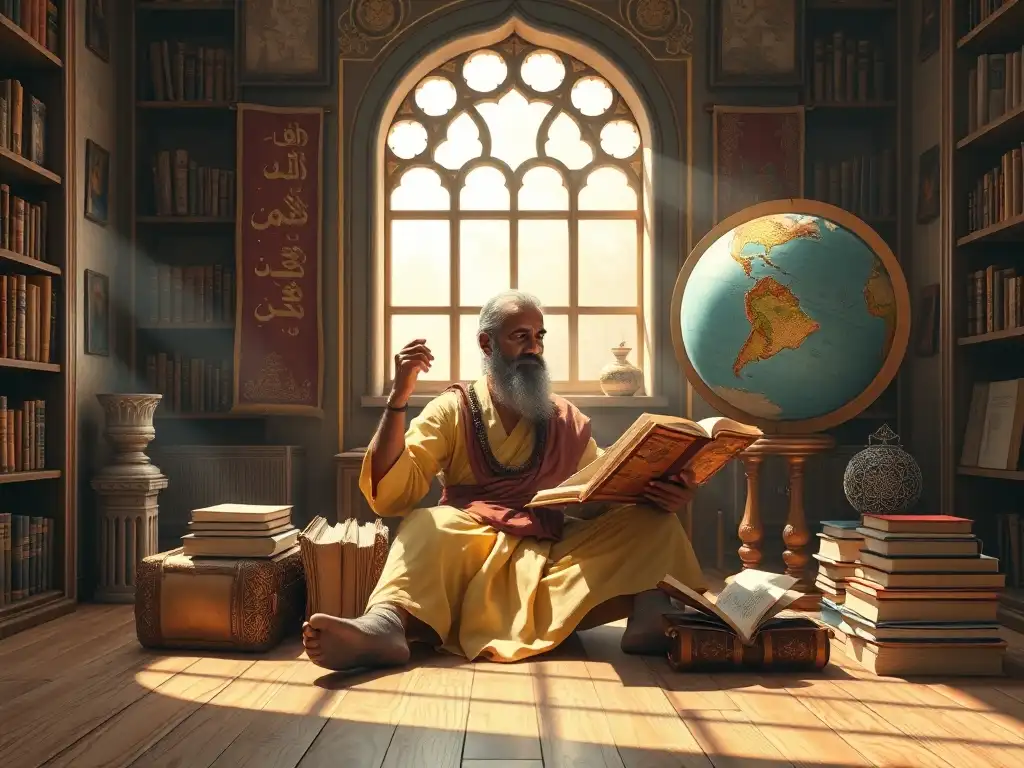
The Vedas are among the oldest sacred texts in the world, and a comparative analysis with other ancient scriptures reveals both unique characteristics and shared themes. The Vedic texts, primarily composed in Sanskrit, include four principal collections: the Rigveda, Samaveda, Yajurveda, and Atharvaveda. In contrast, other ancient scriptures such as the Hebrew Bible, the Quran, and the Tao Te Ching are written in different languages and reflect distinct cultural contexts.
One notable similarity is the emphasis on sacred rituals and hymns. For example, both the Vedas and the Hebrew Bible contain instructions for rituals and sacrifices, underscoring the importance of religious practices in both traditions. However, while the Vedas focus extensively on the performance of rituals as a means to achieve cosmic harmony, the Hebrew Bible combines narrative history with law and moral teachings.
Differences also abound in the philosophical and theological foundations. The Vedas exhibit a polytheistic framework with a pantheon of deities representing various aspects of nature and life, whereas the Quran presents a strict monotheism, emphasizing the oneness of God. Additionally, the Upanishads, which are part of the Vedic literature, delve deeper into philosophical inquiries about the nature of reality, consciousness, and the self, distinguishing them from other scriptures that may maintain a more narrative or prescriptive focus.
Similarities and Differences with the Upanishads
The Upanishads are philosophical texts that emerge later in the Vedic tradition, representing a shift from ritualistic practices to introspective and metaphysical inquiries. While both the Vedas and Upanishads share a common linguistic and cultural lineage, their purposes and themes differ significantly.
Similarities include the use of Sanskrit and their foundational role in Hindu philosophy and spirituality. Both texts engage with concepts like dharma (duty), karma (action), and moksha (liberation), but they approach these ideas from different angles. The Vedas are primarily concerned with rituals, hymns, and the performance of sacrifices to appease deities, while the Upanishads focus on the ultimate reality (Brahman) and the individual self (Atman), exploring the relationship between the two.
The differences also manifest in their structure and composition. The Vedas consist of verses, chants, and prose, structured around various rituals and ceremonies. In contrast, the Upanishads employ a more philosophical style, often using dialogues and narratives to convey complex ideas. This evolution reflects a broader intellectual and spiritual development within ancient Indian thought, transitioning from external rituals to internal contemplation.
The Influence of Vedic Literature on Later Hindu Texts
The Vedic literature has profoundly influenced the development of subsequent Hindu texts, including the Smriti literature, which encompasses the Puranas, Dharma Shastras, and epics like the Mahabharata and Ramayana. This influence is evident in various aspects, including language, structure, and themes.
The foundational concepts of the Vedas, such as the importance of ritual, the law of karma, and the pursuit of dharma, permeate later texts, shaping the moral and ethical frameworks of Hinduism. The Puranas, for example, often reference Vedic deities and rituals, demonstrating the continuity of Vedic traditions in the broader tapestry of Hindu mythology and religious practice.
Moreover, the philosophical inquiries initiated in the Upanishads laid the groundwork for later schools of thought within Hinduism, such as Vedanta and Samkhya. These schools further elaborated on concepts found in the Vedas, exploring metaphysics, epistemology, and ethics, thereby enriching the intellectual heritage of ancient India.
Conclusion
Summarizing the Importance of Vedas Structure and Composition
The structure and composition of the Vedas are integral to understanding their role in ancient Indian civilization. By examining their intricate organization, including the layers of hymns, rituals, and philosophical discourses, one can appreciate the depth of thought and spirituality embedded in these texts. The Vedas serve not only as religious documents but also as philosophical treatises that contribute to the broader understanding of human existence and the cosmos.
The Lasting Legacy of the Vedas in Ancient Indian Civilization
The legacy of the Vedas extends far beyond their textual content. They have shaped religious practices, philosophical discourse, and cultural identity in ancient India and continue to influence modern Hindu thought. Their emphasis on ritualism, ethics, and metaphysics has left an indelible mark on Indian civilization, underscoring the enduring relevance of the Vedas in the quest for knowledge and spiritual growth. The Vedas remain a testament to the rich intellectual and cultural heritage of ancient India, inviting ongoing exploration and understanding.
- Introduction to the Vedas
- The Structure of the Vedas
- Composition of the Vedas
- The Role of Commentary in Vedic Texts
- Comparative Analysis of Vedic Texts with Other Ancient Scriptures
- Similarities and Differences with the Upanishads
- The Influence of Vedic Literature on Later Hindu Texts
- Conclusion
Frequently Asked Questions
What are the Vedas?
The Vedas are the oldest sacred texts of Hinduism, consisting of four main collections: Rigveda, Samaveda, Yajurveda, and Atharvaveda. They are foundational to understanding ancient Indian culture and spirituality.
How is the structure of the Vedas organized?
The structure of the Vedas includes Samhitas (hymns), Brahmanas (rituals), Aranyakas (meditations), and Upanishads (philosophical teachings). Each part serves a unique purpose in the spiritual and practical life of ancient Indians.
What is the significance of composition in the Vedas?
The composition of the Vedas reflects a blend of poetry, prose, and ritual instructions, showcasing the linguistic and cultural richness of ancient India. This complexity helps preserve its teachings through oral tradition and written texts.
How did the Vedas influence ancient Indian civilization?
The Vedas profoundly influenced ancient Indian civilization by shaping religious practices, social structures, and philosophical thought. Their teachings laid the groundwork for Indian culture, law, and ethics.
Are the Vedas still relevant today?
Yes, the Vedas remain relevant today as they continue to guide spiritual practices, philosophical inquiries, and cultural traditions in modern Hinduism and beyond, demonstrating their enduring significance throughout history.
Final Reflection: Embracing the Wisdom of the Vedas
The exploration of the Vedas' structure and composition reveals their profound significance in contemporary society. As we navigate an increasingly complex world, the timeless teachings embedded within these ancient texts offer invaluable insights into spirituality, ethics, and the interconnectedness of life. The Vedas are not merely historical documents; they are living sources of wisdom that continue to resonate with seekers of truth and knowledge today.
Cultural and social landscapes are continually shaped by the teachings of the Vedas, influencing everything from philosophy to modern spirituality. The intricate layers of their composition invite us to delve deeper into our own beliefs and practices, fostering a sense of unity and understanding among diverse communities. The Vedas are the foundation of all knowledge; they illuminate the path to enlightenment.
This ongoing influence reminds us that the wisdom of the Vedas can guide us in our quest for meaning and purpose in a rapidly changing world.
As we reflect on the teachings of the Vedas, I encourage you to consider how their principles can be woven into your daily life. Take a moment to contemplate the values of harmony, respect, and self-awareness that these texts promote. Let the Vedas inspire you to cultivate a deeper connection with yourself and others, encouraging a journey of personal growth and collective understanding. Together, we can honor the legacy of the Vedas by embodying their teachings and sharing their wisdom with future generations.
Unlock the Secrets of the Vedas!
Thank you for diving into the fascinating world of the Vedas with us! We hope you’ve uncovered valuable insights into their structure and composition. Now it’s time to take your learning a step further!
Here’s how you can deepen your understanding and share this wisdom with others:
- Join a local study group or online forum to discuss the Vedas and their impact on contemporary thought.
- Delve into translations or commentaries of a specific Veda and reflect on its teachings in your daily life.
- Share your newfound knowledge on social media or with friends to inspire conversations about Ancient Indian philosophy.
As you explore the Vedas further, consider what unique insights or teachings you believe can be applied to our modern world.