
How Ancient Indian Art Depicted Family Life and Marriage

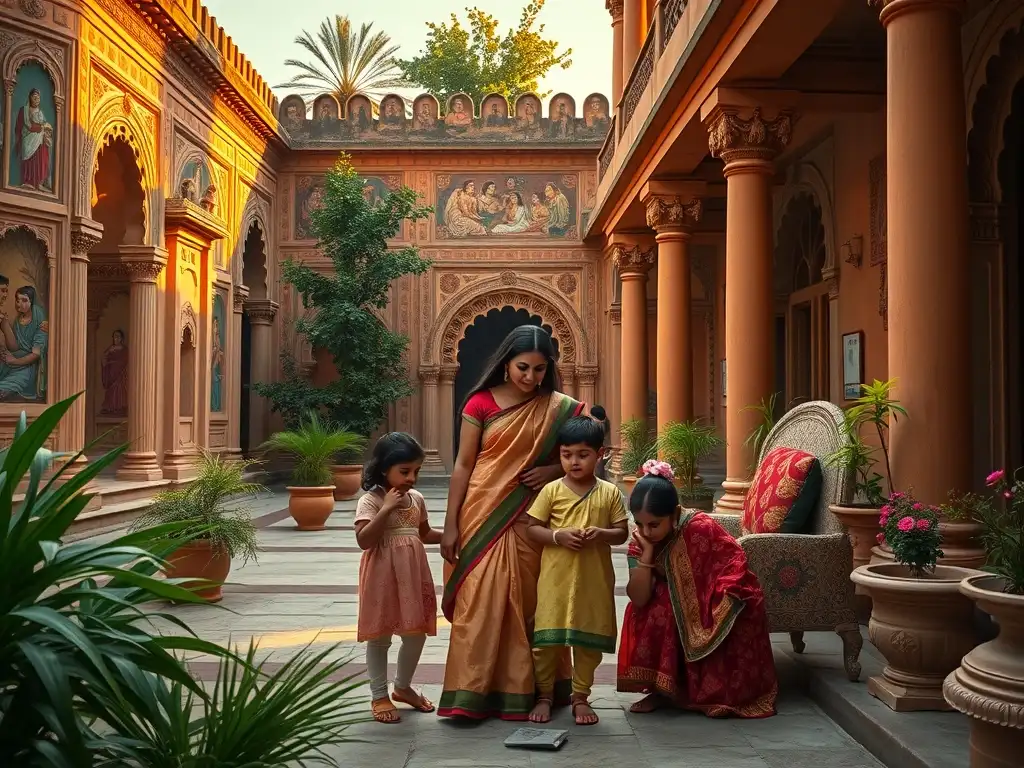
Welcome to Ancient India History, where we embark on a journey through the vibrant tapestry of ancient Indian civilizations. In our exploration of the rich and diverse history that shaped this remarkable culture, we invite you to delve into our featured article, "How Ancient Indian Art Depicted Family Life and Marriage."
Discover the intricate ways in which art mirrored the essence of family bonds and societal norms, revealing not just aesthetic beauty but the profound values and traditions that defined an era. As you uncover this captivating connection between artistry and daily life, we encourage you to continue your exploration of the treasures that ancient India has to offer.
Introduction to Ancient Indian Art and Its Significance
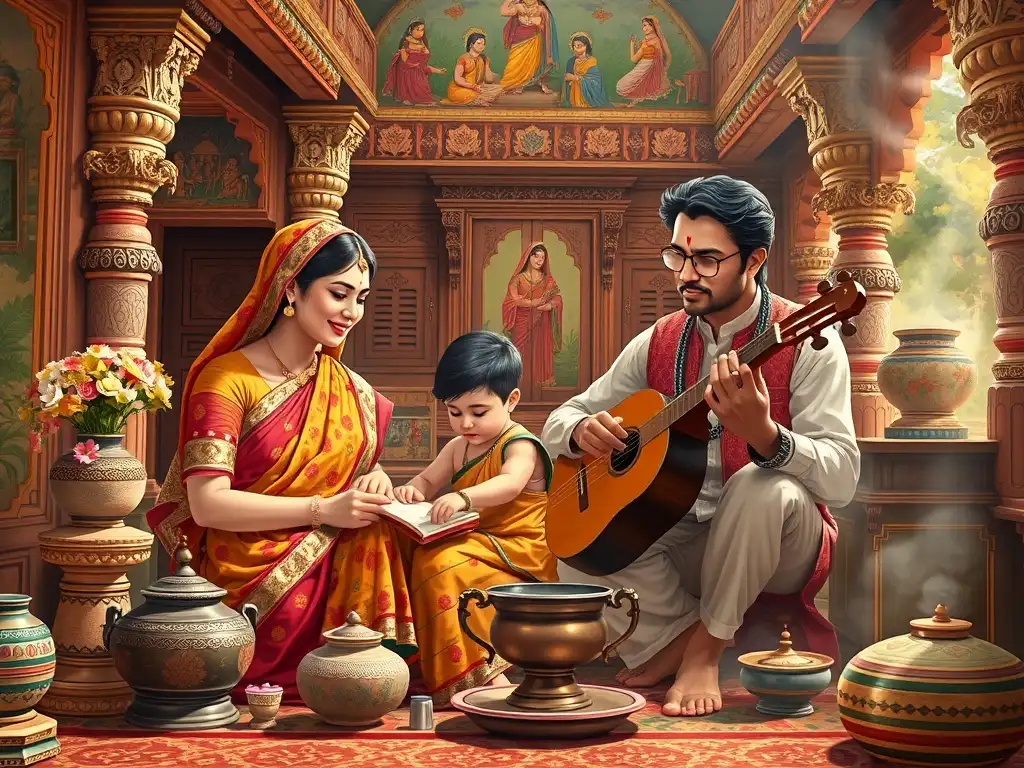
Ancient Indian art serves as a profound reflection of the social fabric, values, and traditions that shaped the lives of its people. Spanning thousands of years, this art encapsulates the complexities of family life and the institution of marriage, which were central to the cultural ethos of ancient Indian civilizations.
From the intricate carvings of the Indus Valley to the vibrant frescoes of the Gupta Empire, each artistic expression reveals not only aesthetic sensibilities but also the underlying narratives of familial bonds, social roles, and marital customs. Understanding these artistic representations provides valuable insights into how ancient Indian societies viewed and celebrated family life.
Overview of Ancient Indian Art Forms
Ancient Indian art is characterized by its diversity, encompassing various forms such as sculpture, painting, architecture, and textiles. Each form reflects the unique cultural and regional influences of the time. Some notable art forms include:
- Sculpture: Often found in temples and public spaces, showcasing intricate carvings that depict deities, mythological stories, and everyday life.
- Painting: Vibrant frescoes and miniatures that narrate historical events, religious themes, and domestic scenes.
- Architecture: Grand structures such as temples, palaces, and forts that often incorporate artistic elements to signify familial and social hierarchies.
- Textiles: Handcrafted fabrics that feature motifs representing family, marriage, and rituals.
Each of these art forms serves as a testament to the skilled craftsmanship and the cultural significance of family and marriage in ancient Indian society.
Importance of Family Life and Marriage in Ancient Indian Society
In ancient India, family life and marriage were not merely personal matters but were deeply intertwined with societal norms and religious practices. The institution of marriage was seen as a sacred duty, often arranged to strengthen familial ties and ensure social stability. Key aspects include:
- Cultural Significance: Marriages were celebrated with elaborate rituals, symbolizing the union of families rather than just individuals.
- Social Structure: Family units were fundamental to the caste system, influencing social roles and responsibilities.
- Economic Considerations: Marriages often facilitated alliances between families, impacting land ownership and wealth distribution.
This emphasis on family life and marriage found its expression in the art of the time, illustrating the values and beliefs that governed personal relationships.
Depictions of Family Life in Ancient Indian Art
Family Dynamics as Represented in Sculpture
Sculptural works from ancient India provide a vivid portrayal of family dynamics, often depicting familial relationships through intricate carvings. These sculptures frequently feature:
- Married Couples: Statues of husbands and wives, emphasizing unity and partnership.
- Parent-Child Relationships: Reliefs illustrating caregiving and nurturing roles within families.
- Extended Family Units: Scenes that capture the interaction between multiple generations, showcasing the importance of lineage and heritage.
These representations highlight how family relationships were celebrated and revered in ancient Indian culture.
Illustrations of Daily Life in Ancient Indian Paintings
Paintings from ancient India often serve as windows into the daily lives of families. They depict various aspects of family interactions, such as:
- Rituals and Celebrations: Scenes showcasing family gatherings during festivals and religious ceremonies.
- Domestic Activities: Illustrations of household chores, childcare, and leisure activities shared among family members.
- Cultural Practices: Paintings that reflect the customs and traditions surrounding marriage, such as pre-wedding rituals and ceremonies.
Through these visual narratives, ancient Indian paintings capture the essence of family life, portraying the joys, responsibilities, and cultural practices that defined domesticity.
Symbolism of Family in Architectural Designs
Architectural designs from ancient India often incorporate symbolic elements that represent family and community values. Notable aspects include:
- Temple Complexes: Structures designed to accommodate family gatherings and communal worship, reflecting the centrality of family in religious life.
- Courtyards: Architectural features that facilitate interaction among family members and serve as spaces for communal activities.
- Symbols and Motifs: Decorative elements in architecture that symbolize fertility, prosperity, and familial bonds, reinforcing the significance of family in societal structures.
These architectural representations not only serve functional purposes but also embody the cultural significance of family life in ancient Indian society.
By exploring these artistic expressions, we gain a deeper understanding of how ancient Indian art depicted family life and marriage, revealing the values and customs that shaped the lives of its people.
Marriage Practices Reflected in Ancient Indian Art
Ancient Indian art serves as a vibrant window into the marriage practices and family life of past civilizations. Through various artistic mediums, including sculpture, painting, and relief work, artists meticulously captured the customs, rituals, and significance of marriage. This artistic expression not only reflects the societal norms of the time but also emphasizes the importance of family unity and the sacredness of marital bonds.
Marriage in ancient India was often considered a sacred duty, and this is vividly portrayed in art. The themes of love, partnership, and familial obligations are recurrent features that highlight how deeply ingrained these practices were in the cultural fabric of ancient Indian society. From the grandeur of royal weddings to the simplicity of rural unions, ancient Indian art encapsulates the diversity of marital practices across different regions and periods.
Rituals and Ceremonies Depicted in Artworks
Rituals and ceremonies surrounding marriage are prominently featured in ancient Indian artworks. Many paintings and sculptures depict various stages of the marriage ceremony, including the saat phere (seven circles), kanyadaan (giving away of the bride), and mangal pheras (sacred vows). These representations showcase not only the rituals themselves but also the elaborate attire and intricate decorations involved, illustrating the cultural significance placed on such ceremonies.
The depiction of rituals in art often emphasizes the communal aspect of marriage, where families and communities come together to celebrate the union. Artworks like murals in the Ajanta Caves vividly illustrate these gatherings, offering insights into the social dynamics and the roles of different family members during the celebrations.
Representation of Marriage in Sculptures and Reliefs
Sculptures and reliefs from ancient temples and archaeological sites present a detailed narrative of marriage in their artistry. For instance, the intricate carvings on the walls of temples often depict scenes of couples in various stages of courtship and marriage, symbolizing the ideal relationship between husband and wife.
These representations go beyond mere aesthetics; they often convey moral lessons about fidelity, love, and the responsibilities of marital life. The Khajuraho temples are renowned for their intricate sculptures that illustrate not only the act of marriage but also the intimate moments shared between couples, reflecting a deep understanding of human emotions and relationships.
Significance of Symbolic Elements in Artistic Marriages
Symbolic elements play a vital role in ancient Indian art depicting marriage. Common symbols include the lotus, representing purity and beauty, and the conch shell, which signifies auspiciousness and prosperity. These elements are frequently integrated into artworks to enhance the spiritual significance of marriage and family life.
Moreover, the use of color in these artworks is also symbolic. For instance, the color red is often associated with auspiciousness and is prominently featured in depictions of brides, highlighting their status and the importance of their role within the family. Such symbols serve to reinforce cultural values and beliefs surrounding marriage, making them integral to the understanding of ancient Indian family life.
Specific Examples of Ancient Indian Art Depicting Family Life and Marriage
Case Study: The Ajanta Caves and Family Scenes
The Ajanta Caves, a UNESCO World Heritage site, are celebrated for their stunning frescoes and sculptures that vividly depict various aspects of life, including family and marriage. Within these caves, several murals illustrate family gatherings, rituals, and the emotional bond between family members.
For instance, a particular mural portrays a scene from the life of Buddha, which includes family interactions that highlight the values of love and compassion. These artworks serve as historical records that provide insight into the familial structures and relationships prevalent during the time, emphasizing the importance of kinship and community in ancient Indian society.
Analysis of Family Life in the Miniature Paintings of the Mughal Era
The Mughal era brought a unique style of miniature painting that often depicted family life and marriage with exquisite detail. These paintings capture intimate family moments, showcasing the roles of different family members within the household.
In these artworks, the portrayal of royal families engaging in daily activities, celebrations, and rituals reflects the hierarchical social structure of the time. The emphasis on family values, duty, and affection is prevalent, providing a glimpse into the societal expectations surrounding marriage and familial obligations during this period.
The Role of Temples in Representing Family Dynamics and Marital Practices
Temples in ancient India were not just places of worship; they were also social hubs that represented family dynamics and marital practices. The intricate carvings on temple walls often depict scenes of marital rituals, serving as a visual narrative of the importance placed on marriage within the community.
These artistic representations highlight the role of temples in preserving cultural traditions and facilitating social gatherings. Temples functioned as venues for weddings and religious ceremonies, solidifying their significance in the lives of families. As a result, the art found in temples serves as a testament to the enduring nature of marriage and family life in ancient Indian society.
Cultural Influences on Family Life and Marriage in Ancient Indian Art
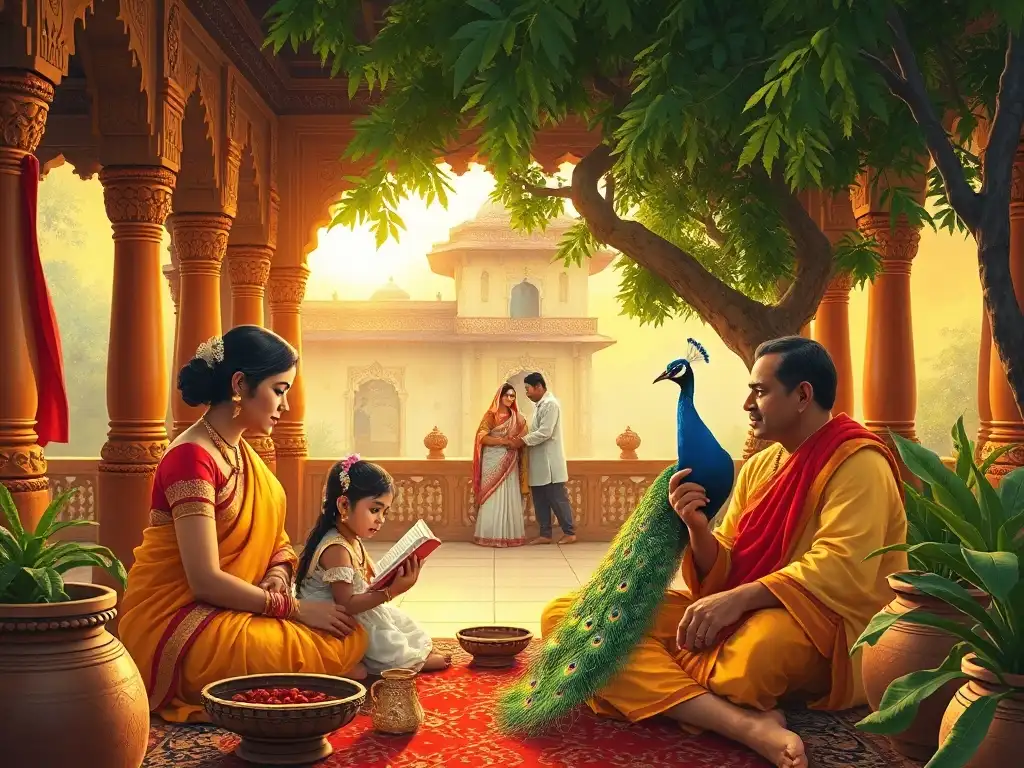
Ancient Indian art serves as a vibrant canvas reflecting the complexities of family life and marriage, influenced by various cultural, social, and historical factors. Major civilizations, such as the Indus Valley and later the Maurya and Gupta Empires, contributed to a rich tapestry of artistic expression that often highlighted familial bonds. This cultural interplay is evident in numerous forms of art, including sculptures, murals, and pottery, showcasing not only the aesthetics of the time but also the societal values that dictated familial structures and relationships.
In many pieces, the portrayal of family life is intertwined with daily activities, rituals, and celebrations, illustrating the integral role of family in societal functioning. For instance, artworks often depict scenes of domestic life, with families engaged in agricultural practices, communal gatherings, and cultural ceremonies, emphasizing the importance of unity and cooperation. This collective portrayal serves as a testament to the value placed on family solidarity in ancient Indian society.
Moreover, the influence of regional traditions, local customs, and historical events shaped the themes and techniques employed by artists. This resulted in diverse representations of family life across various regions, with unique styles and motifs reflecting the local cultural ethos.
Regional Variations in Artistic Depictions of Family
The depiction of family life and marriage in ancient Indian art varied significantly across different regions, each showcasing its unique cultural identity. For example, the art of the Indus Valley Civilization often reflected a more egalitarian family structure, with figures of both men and women portrayed in various domestic roles, indicating a balanced partnership in family life.
In contrast, the northern regions, influenced by the emergence of Hinduism and later Buddhism, depicted families in relation to religious narratives. Temples and caves from this period frequently showcased scenes from mythological tales, where familial bonds were emphasized through the interactions of divine figures. The sculptures of deities such as Shiva and Parvati often symbolized the ideal marital relationship, conveying messages about duty, love, and sacrifice.
Conversely, southern Indian art, particularly during the Chola and Pandya dynasties, often incorporated vibrant murals and bronzes that depicted intricate family rituals and ceremonies. These artworks frequently illustrated the significance of marriage as a sacred bond, with elaborate representations of wedding processions, emphasizing the cultural importance of these events.
Impact of Religion and Philosophy on Family Representations
Religion and philosophy played pivotal roles in shaping the artistic representations of family life and marriage in ancient India. The intertwining of spiritual beliefs with everyday life informed how families were depicted in art. Hindu texts, for instance, provided foundational narratives about dharma (duty) and the roles of family members, which were often illustrated in temple carvings and frescoes.
The influence of Buddhism also introduced themes of compassion, moral conduct, and the ideal family unit, which artists embraced in their works. The narratives surrounding the Buddha's life included depictions of familial relationships, highlighting the emotional and ethical dimensions of family life.
Furthermore, philosophical concepts such as karma and the cyclical nature of life often influenced the portrayal of family interactions. Artists depicted scenes that conveyed the importance of familial responsibilities and the repercussions of one's actions on future generations, reinforcing the idea that family life is not merely a social construct but a vital aspect of spiritual existence.
The Evolution of Family and Marriage Themes in Art over Time
The evolution of family and marriage themes in ancient Indian art reflects broader societal changes and the shifting dynamics of family structures. Initially, the depictions were more focused on communal and collective family life, as seen in the early art of the Indus Valley. However, as various empires rose and fell, the representation of family began to evolve, reflecting the changing roles and expectations of family members.
During the Gupta period, for instance, there was a notable shift towards more individualized portrayals, where the roles of men and women became more defined. This period saw the emergence of courtly art that idealized romantic love, often portraying couples in intimate settings, showcasing the growing importance of personal choice in marriage alongside traditional arrangements.
As time progressed, the themes in art began to encompass broader societal issues, such as the status of women and the impact of colonialism on family structures. The depiction of family life became a medium for social commentary, reflecting the challenges faced by families in changing times, which can still be observed in contemporary interpretations of ancient art.
Conclusion: The Legacy of Ancient Indian Art in Understanding Family Life and Marriage
Ancient Indian art provides invaluable insights into the dynamics of family life and marriage practices, offering a window into the values, beliefs, and social structures of past civilizations. Through the lens of artistic expression, we can trace the evolution of familial roles and the cultural significance attributed to marriage across different periods and regions.
Summary of Key Insights on Family Life and Marriage Depictions
Key insights into ancient Indian art reveal that family life and marriage were central themes that transcended mere aesthetics. The various depictions illustrate the importance of family as a social unit, the influence of religion and philosophy on marital ideals, and the regional variations that enriched the narrative of family life. These artistic representations serve not only as historical records but also as reflections of the evolving societal values surrounding family and marriage.
The Continuing Influence of Ancient Indian Art on Modern Perspectives of Family and Marriage Practices
The legacy of ancient Indian art continues to resonate in modern society, influencing contemporary perspectives on family life and marriage practices. Today, the themes of unity, love, and duty portrayed in ancient artworks inspire discussions around the importance of familial bonds in a rapidly changing world. Moreover, these artistic expressions serve as a reminder of the deep-rooted cultural values that shape our understanding of family and marriage, encouraging ongoing exploration and appreciation of these timeless themes.
References for Further Reading on Ancient Indian Art and Family Life
Exploring the rich tapestry of ancient Indian art and its depictions of family life and marriage can be greatly enriched by delving into various scholarly and popular resources. Below are some suggested readings and online platforms that provide deeper insights into this fascinating subject.
Suggested Books and Articles
-
"The Art of Ancient India: Buddhist, Hindu, Jain" by Pratapaditya Pal
This comprehensive book explores the diverse artistic expressions of ancient India, including family and domestic themes in religious contexts. Pal's analysis provides a thorough examination of how art reflects social structures, including the family unit.
-
"The Cultural Heritage of India" (Volume III): "The Religious and Philosophical Thought"
This volume offers insights into how family life and marriage practices are intertwined with the broader cultural and philosophical narratives of ancient India, illustrated through various artistic forms.
-
"Indian Art and Architecture" by James C. Harle
Harle's work presents an overview of Indian art, with specific sections dedicated to the representation of domestic life and familial relationships in different historical contexts.
-
"Marriage and Family in India: A Historical Perspective" by K. M. S. Bhatia
This article provides a historical analysis of family structures and marriage customs in India, supported by artistic examples that highlight these practices throughout different eras.
Online Resources and Museums Featuring Ancient Indian Art
-
The Metropolitan Museum of Art
The Met's online collection includes a significant number of works from ancient India, with detailed descriptions highlighting themes of family life and marriage. Their virtual tours and educational resources provide context to the artifacts.
-
The British Museum
With an extensive collection of Indian art, the British Museum offers online exhibitions that focus on family life, rituals, and marriage as depicted in various art forms. Their educational resources are beneficial for further exploration.
-
National Museum, New Delhi
The National Museum's website features a rich collection of ancient Indian artifacts, including paintings and sculptures that illustrate family and marital themes. Their online gallery is a valuable resource for researchers and enthusiasts alike.
-
Digital South Asia Library (DSAL)
This online platform provides access to a variety of texts, maps, and images related to South Asian studies, including works on ancient Indian art and its representations of family life. It serves as a comprehensive resource for further academic inquiry.
-
Asia Society
Asia Society's website features articles and exhibitions related to ancient Indian art, emphasizing cultural practices around family and marriage. Their resources often include insights from contemporary scholars in the field.
- Introduction to Ancient Indian Art and Its Significance
- Depictions of Family Life in Ancient Indian Art
- Marriage Practices Reflected in Ancient Indian Art
- Specific Examples of Ancient Indian Art Depicting Family Life and Marriage
- Cultural Influences on Family Life and Marriage in Ancient Indian Art
- Conclusion: The Legacy of Ancient Indian Art in Understanding Family Life and Marriage
- References for Further Reading on Ancient Indian Art and Family Life
- What role did art play in depicting family life in ancient India?
- How did family dynamics influence marriage representations in ancient Indian art?
- What types of art forms illustrate family life in ancient India?
- How did different ancient Indian civilizations contribute to the depiction of family life in their art?
- Are there specific symbols in ancient Indian art that represent family life?
Frequently Asked Questions
What role did art play in depicting family life in ancient India?
Ancient Indian art served as a medium to express the values and traditions surrounding family life, showcasing relationships, rituals, and the significance of marriage.
How did family dynamics influence marriage representations in ancient Indian art?
Family dynamics were crucial in ancient Indian art, highlighting the importance of arranged marriages and the roles of different family members in the marriage process.
What types of art forms illustrate family life in ancient India?
Various art forms, including sculptures, paintings, and temple carvings, vividly depict scenes of family life and marriage ceremonies, reflecting cultural values and social norms.
How did different ancient Indian civilizations contribute to the depiction of family life in their art?
Civilizations like the Indus Valley and the Gupta Empire contributed uniquely to art, with each displaying distinct styles and themes that emphasized the cultural significance of family and marriage.
Are there specific symbols in ancient Indian art that represent family life?
Yes, certain symbols such as the lotus and peacock often appear in ancient Indian art, representing prosperity, fertility, and the unity of family, underlining the importance of these values.
Final Reflection: The Enduring Legacy of Ancient Indian Art in Family Life
The intricate depictions of family life in ancient Indian art resonate profoundly with our contemporary understanding of relationships and community. As we navigate an increasingly fragmented world, the values and traditions illustrated in these artworks remind us of the importance of familial bonds and the role they play in shaping our identities. The vibrant scenes captured by ancient artisans serve not only as historical records but also as timeless reflections on love, unity, and the sacredness of family.
Cultural narratives surrounding family life and marriage have evolved, yet the essence remains deeply rooted in our collective consciousness. The rich symbolism and storytelling inherent in ancient Indian art continue to influence modern interpretations of family dynamics, inspiring artists and scholars alike. As noted by art historian Dr. Anjali Sharma, Art is a mirror of society; it reflects our values and aspirations, transcending time and space.
This observation underscores the ongoing relevance of these ancient works, as they invite us to explore our own familial connections and the legacies we wish to create.
As you reflect on the themes presented in this article, consider how the values depicted in ancient Indian art can inform your own understanding of family life. Embrace the lessons of love, respect, and togetherness that these artworks convey. Take a moment to appreciate the intricate tapestry of relationships in your life, and let the wisdom of the past guide you in nurturing those connections. By doing so, you can contribute to a future where the essence of family continues to thrive, echoing the beauty and significance captured in ancient Indian art.
Explore and Celebrate the Art of Family Life!
Thank you for taking the time to immerse yourself in the world of Ancient Indian art and its profound depiction of family life and marriage. You've uncovered the beauty and significance of these timeless artworks. Now, it's time to put that inspiration into action!
Here are some engaging steps you can take:
- Visit a local museum or art gallery: Seek out exhibits showcasing Indian art; you might be surprised by the stories they tell about family and relationships.
- Start a discussion: Share your insights about ancient Indian art and its themes with friends or on social media to inspire others to discover this rich heritage.
- Create your own artwork: Use the themes of family and marriage you’ve learned about to inspire a painting or a piece of writing that reflects your interpretation.
What insights do you have about how art shapes our understanding of family dynamics across time? **We invite you to share your thoughts in the comments below! **