
The Influence of Ancient Indian Philosophies on Family Values


Welcome to Ancient India History, where we embark on a captivating journey through the rich tapestry of India's past. Today, we delve into the profound impact of ancient Indian philosophies on family values, exploring how centuries-old beliefs continue to shape our understanding of kinship and community. As you uncover the intricate connections between philosophy and daily life, you'll discover insights that resonate even in modern times. Prepare to be intrigued as we unravel the timeless wisdom that has guided families through generations—read on and let the exploration begin!
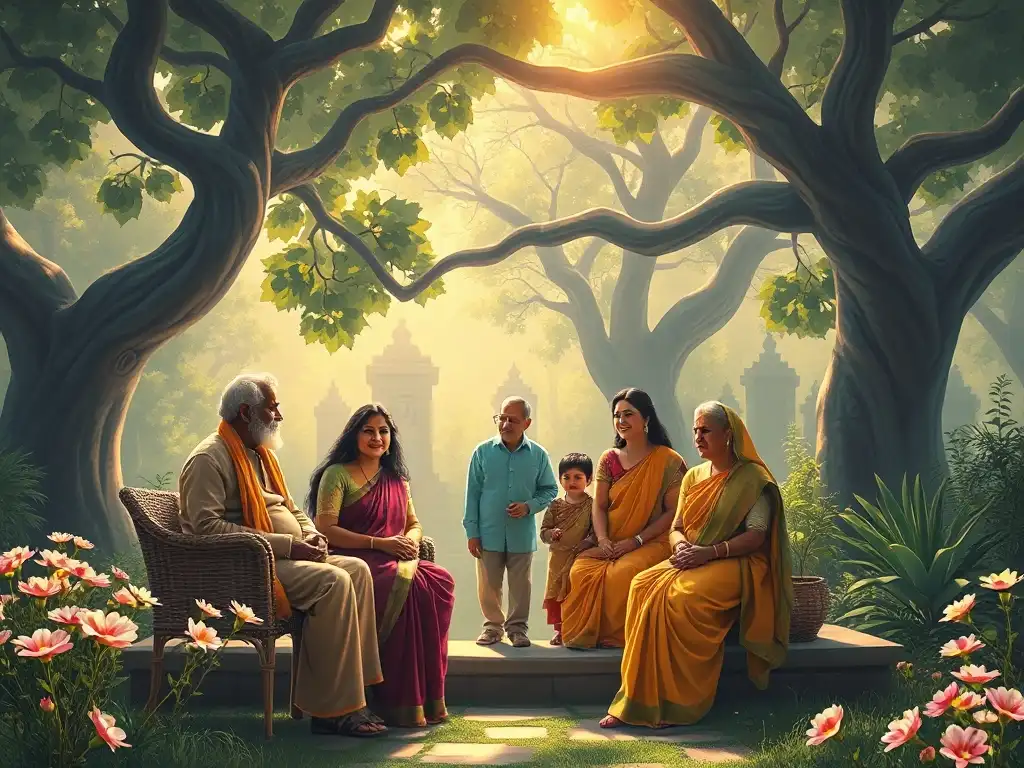
Introduction to Ancient Indian Philosophies and Family Values
Ancient Indian philosophies have played a pivotal role in shaping the cultural landscape of the subcontinent, profoundly influencing various aspects of daily life, particularly family values. The intricate web of beliefs, ethics, and teachings rooted in traditions such as Hinduism, Buddhism, and Jainism provides a framework for understanding the dynamics of family relationships in ancient India. By exploring these philosophies, we can gain insight into the moral and ethical underpinnings that guided familial interactions, responsibilities, and roles within the broader societal context.
Overview of Ancient Indian Philosophies
Ancient Indian philosophies encompass a rich tapestry of thought that emerged over millennia, reflecting the diverse spiritual and intellectual traditions of the region. The major philosophies, including Hinduism, Buddhism, and Jainism, offer unique perspectives on life, ethics, and existence. Each of these traditions provides a distinct framework for understanding the role of family and the values that govern personal relationships.
- Hinduism emphasizes concepts such as Dharma (duty/righteousness), Karma (action and its consequences), and Moksha (liberation), which collectively shape the moral fabric of familial duties and obligations.
- Buddhism introduces ideas of compassion, mindfulness, and interdependence, encouraging harmonious family relationships rooted in empathy and understanding.
- Jainism advocates for Ahimsa (non-violence) and truthfulness, promoting family ethics grounded in respect and care for all living beings.
Significance of Family Values in Ancient India
Family values in ancient India were not merely personal beliefs but were intertwined with the social and cultural fabric of society. Families served as the foundational units of social organization, where teachings and traditions were passed down through generations. Key aspects of family values included:
- Respect for Elders: A fundamental tenet that dictated familial hierarchies and responsibilities.
- Role of Women: Women were often seen as the caretakers of culture and values, playing a crucial role in family cohesion.
- Intergenerational Bonds: Strong ties between generations that fostered a sense of continuity and identity.
Understanding these values is essential for comprehending how ancient Indian philosophies influenced the structure and dynamics of family life.
Key Philosophical Schools and Their Impact on Family Values
Hinduism and Family Structure
Hinduism provides a comprehensive vision of family life, where the principles of Dharma dictate individual roles within the household. The family is seen as a microcosm of society, with values such as loyalty, duty, and respect forming the backbone of interpersonal relationships. Key elements include:
- Sacred Texts: Scriptures like the Bhagavad Gita and Manusmriti outline ethical expectations and familial duties.
- Rituals and Ceremonies: Family gatherings centered around religious and cultural rituals reinforce communal bonds and shared values.
- Joint Family System: The traditional joint family structure promotes collective responsibilities and shared resources, reflecting the philosophy of interconnectedness.
Buddhism’s Influence on Family Relationships
Buddhism emphasizes the importance of compassion and understanding in family relations. The teachings of the Buddha encourage individuals to cultivate loving-kindness ( Metta) and compassion ( Karuna), which play a critical role in nurturing healthy family dynamics. Notable aspects include:
- Mindfulness Practices: Encouraging family members to engage in self-reflection and mindful communication.
- Interdependence: Recognizing the interconnectedness of all beings fosters a supportive family environment.
- Conflict Resolution: Buddhist principles guide families in resolving disputes through peaceful dialogue and understanding.
Jainism’s Emphasis on Non-Violence and Family Ethics
Jainism's core philosophy centers around Ahimsa (non-violence) and truthfulness, profoundly influencing family ethics. The teachings promote respect for all living beings, which extends to the treatment of family members. Important aspects include:
- Ethical Living: Jains emphasize living a life of integrity and respect, which is foundational in nurturing family bonds.
- Non-Violent Communication: Encouraging open and respectful dialogue among family members to foster harmony and understanding.
- Collective Responsibility: Families are seen as units that must uphold the values of non-violence and truth, impacting their interactions with the broader community.
Through these philosophical lenses, we can observe the profound influence ancient Indian philosophies have had on shaping family values, fostering a culture of respect, duty, and compassionate relationships that continue to resonate in contemporary society.
The Role of Scriptures in Shaping Family Values
Ancient Indian philosophies, encapsulated within various scriptures, have profoundly influenced family values in Indian society. These texts not only provide insights into the moral and ethical frameworks governing family life but also delineate the roles and responsibilities of family members. The teachings from the Vedas, Upanishads, and epic narratives like the Ramayana and Mahabharata serve as foundational pillars for understanding the dynamics of family relationships, loyalty, and societal expectations. By examining these scriptures, one can appreciate how ancient Indian philosophies have shaped the values that continue to resonate in contemporary familial structures.
Vedas and Family Norms
The Vedas, as the oldest sacred texts of Hinduism, contain numerous hymns and verses that lay down the principles of dharma (righteousness) and the roles of individuals within the family unit. They emphasize the importance of rituals, duties, and moral conduct that bind families together. For instance, the concept of 'Grihastha' (householder) is highly regarded, signifying a stage in life where individuals fulfill their responsibilities towards their family and society.
Additionally, the Vedas advocate for mutual respect and support among family members, reinforcing the idea that a well-functioning family is essential for societal stability. The teachings encourage individuals to engage in righteous actions, which not only benefit their families but also contribute to the greater good of the community.
Upanishads and the Concept of Unity in Family
The Upanishads, philosophical texts that delve into the nature of reality and the self, further expand on the idea of unity within the family. They promote the concept of 'Tat Tvam Asi' (That Thou Art), which implies an intrinsic connection between all beings. This notion fosters a sense of belonging and support among family members, urging them to view each other as extensions of the self.
The teachings of the Upanishads suggest that harmony within the family reflects the larger cosmic order. Thus, maintaining peace and unity in family relationships is not only a personal responsibility but also a spiritual obligation. This perspective encourages families to cultivate love, understanding, and compassion, vital components for fostering strong familial bonds.
The Ramayana and Mahabharata: Lessons on Family Loyalty
The epic narratives of the Ramayana and Mahabharata provide rich lessons on familial loyalty, duty, and sacrifice. Characters such as Lord Rama exemplify the ideal son and husband, embodying principles of loyalty and righteousness. His unwavering commitment to his family, particularly during his exile, serves as a powerful model for familial devotion.
Similarly, the Mahabharata presents complex family dynamics, exploring themes of conflict, loyalty, and moral dilemmas. The bond between the Pandavas and their mother Kunti highlights the significance of maternal influence in shaping family values. These epics illustrate that strong family ties, guided by loyalty and moral duty, are integral to personal identity and societal cohesion.

The social structures established in ancient India have had a significant impact on family values. The caste system, joint family systems, and marriage practices all reflect the philosophical underpinnings that shape familial relationships. Understanding these connections helps to elucidate how ancient Indian philosophies continue to influence modern family dynamics.
Caste System and Its Influence on Family Dynamics
The caste system, a hierarchical social order, has historically influenced family structures and values in India. Each caste traditionally held specific roles and responsibilities, which were often passed down through generations. This system fostered a sense of identity and belonging within families, as members adhered to the customs and practices of their caste.
While the caste system has faced criticism and social reform, its legacy still impacts familial relationships today. Families often prioritize marriage within the same caste, reinforcing cultural continuity and shared values. This practice reflects ancient philosophical beliefs regarding duty, loyalty, and the importance of maintaining one's social identity.
Joint Family Systems: A Cultural Norm
The joint family system, prevalent in many parts of India, exemplifies the influence of ancient philosophies on family values. In this structure, multiple generations live together, sharing resources, responsibilities, and emotional support. This system is deeply rooted in the idea of collective welfare, where individual needs are often secondary to family unity.
Philosophically, the joint family system aligns with the teachings of interconnectedness found in ancient scriptures. It promotes values such as cooperation, respect for elders, and communal harmony, which are essential for the survival and prosperity of the family unit. This model not only strengthens family bonds but also ensures that cultural traditions and values are preserved across generations.
Marriage Practices and Their Philosophical Underpinnings
Marriage practices in ancient India were heavily influenced by philosophical ideologies that emphasized duty, loyalty, and social harmony. Marriages were often arranged, reflecting the belief that individual desires should align with familial and societal expectations. This approach underscores the importance of collective values over individualism, fostering a sense of responsibility toward family and community.
The philosophical underpinnings of marriage, as seen in texts like the Manusmriti, detail the duties of spouses towards each other and their families. These texts advocate for a harmonious partnership, where both partners contribute to the well-being of the family. Such practices highlight the enduring influence of ancient Indian philosophies on contemporary marriage values, emphasizing the importance of commitment, duty, and familial loyalty.
Modern Implications of Ancient Indian Philosophies on Family Values
Ancient Indian philosophies, particularly those rooted in Hinduism, Buddhism, and Jainism, have significantly shaped contemporary family values in India and beyond. These philosophies emphasize duties, respect for elders, and the sanctity of family, which continue to influence modern family structures and relationships. The principles of Dharma (duty) and Karma (actions and their consequences) permeate family interactions, promoting a sense of responsibility and ethical conduct among family members.
In today's fast-paced society, where individualism often takes precedence, these ancient teachings serve as a reminder of the importance of familial bonds, encouraging individuals to prioritize family welfare. For instance, the traditional practice of joint families, where extended families live together, still resonates in many households, fostering intergenerational support and shared responsibilities. This practice reflects the ancient belief in collective well-being over individual pursuits.
Continuity and Change in Family Practices
Despite the transformative societal changes over the years, many family practices rooted in ancient Indian philosophies remain intact, albeit with some adaptations. The concept of Samskaras (rituals) highlights the importance of major life events—such as birth, marriage, and death—being celebrated within the family framework. These rituals not only reinforce familial bonds but also connect generations through shared traditions.
However, modernization has also led to shifts in family dynamics. The rise of nuclear families, influenced by urbanization and economic factors, has altered traditional practices. While some families have embraced these changes, they often strive to maintain core values derived from ancient philosophies, such as respect for elders and the importance of familial unity. This balance between continuity and change is crucial in navigating the complexities of modern family life while honoring historical legacies.
The Relevance of Ancient Philosophies in Contemporary Family Life
The teachings of ancient Indian philosophies remain highly relevant in contemporary family life. Concepts such as Ahimsa (non-violence) and Satya (truthfulness) serve as ethical foundations for family interactions, promoting harmony and understanding. Families today often look to these philosophies for guidance in conflict resolution, encouraging open communication and empathetic listening.
Moreover, the emphasis on finding balance—between personal aspirations and family responsibilities—echoes through modern family values. The idea of Sva-Dharma (personal duty) encourages individuals to fulfill their roles within the family context, fostering a sense of purpose and belonging. As families grapple with contemporary challenges, these age-old philosophies provide a roadmap for nurturing healthy relationships and a supportive home environment.
Conclusion: The Lasting Legacy of Ancient Indian Philosophies on Family Values
The influence of ancient Indian philosophies on family values is profound and enduring. These philosophies not only shaped the social fabric of ancient civilizations but continue to inform the values and practices of modern families. The principles of duty, respect, and harmony have transcended time, adapting to contemporary contexts while retaining their core essence.
Reflection on the Evolution of Family Values
Reflecting on the evolution of family values, it is evident that ancient Indian philosophies have laid a strong foundation. The transition from joint families to nuclear structures highlights the adaptability of these values in response to changing societal norms. Yet, the underlying principles of love, unity, and respect remain central to familial relationships, showcasing the resilience of these ancient teachings.
Families today frequently revisit these philosophies to navigate their challenges, seeking wisdom in the teachings of the past. This reflection not only honors ancestral traditions but also reinforces the relevance of ancient wisdom in addressing contemporary familial issues.
Future Perspectives on Ancient Philosophies and Family Dynamics
Looking ahead, the integration of ancient Indian philosophies into modern family dynamics offers promising prospects. As families continue to face pressures from globalization and technological advancements, the timeless teachings of compassion, duty, and community can serve as guiding lights.
Future family practices may increasingly draw upon these philosophies to cultivate deeper connections and foster resilience. By embracing the wisdom of the past, families can navigate the complexities of modern life while nurturing values that promote well-being, harmony, and unity. Ultimately, the enduring legacy of ancient Indian philosophies will continue to shape family values for generations to come.
- Introduction to Ancient Indian Philosophies and Family Values
- Key Philosophical Schools and Their Impact on Family Values
- The Role of Scriptures in Shaping Family Values
- Social Structures and Their Connection to Family Values
- Modern Implications of Ancient Indian Philosophies on Family Values
- Conclusion: The Lasting Legacy of Ancient Indian Philosophies on Family Values
- What are the main ancient Indian philosophies that influence family values?
- How do ancient Indian philosophies define family values?
- What role does the concept of dharma play in family dynamics?
- How did the caste system influence family values in ancient India?
- Are modern family values in India still influenced by ancient philosophies?
Frequently Asked Questions
What are the main ancient Indian philosophies that influence family values?
Ancient Indian philosophies such as Hinduism, Buddhism, and Jainism emphasize dharma, or duty, which shapes the moral and ethical framework guiding family relationships and responsibilities.
How do ancient Indian philosophies define family values?
Family values in ancient Indian philosophies are often centered around respect, obedience, and interdependence among family members, fostering a strong sense of community and support.
What role does the concept of dharma play in family dynamics?
Dharma refers to one's duty and responsibilities, which in the context of family, promotes harmony and encourages members to fulfill their roles for the overall well-being of the household.
How did the caste system influence family values in ancient India?
The caste system established social hierarchies that dictated family roles and responsibilities, often reinforcing traditional values and expectations within family units based on caste affiliation.
Are modern family values in India still influenced by ancient philosophies?
Yes, many modern family values in India continue to be influenced by ancient philosophies, with a focus on familial loyalty, respect for elders, and collectivism, although contemporary changes are also emerging.
Final Reflection: The Enduring Legacy of Ancient Indian Philosophies on Family Values
The teachings of ancient Indian philosophies resonate profoundly in today's world, reminding us that the core values of family—love, respect, and unity—are timeless. In a rapidly changing society, where individualism often overshadows communal bonds, the wisdom derived from these philosophies serves as a guiding light. The emphasis on familial duty and interconnectedness found in texts like the Bhagavad Gita and the Upanishads is not merely historical; it is a vital framework that can help us navigate contemporary challenges.
Cultural and social landscapes are shaped by the values we uphold, and the influence of ancient Indian philosophies on family values is a testament to their relevance. These teachings encourage us to cultivate relationships that are nurturing and supportive, fostering an environment where each member feels valued and understood. As Mahatma Gandhi once said, “The best way to find yourself is to lose yourself in the service of others.” This sentiment encapsulates the essence of familial love and duty that ancient philosophies advocate, reminding us that our connections with family are foundational to our identity and well-being.
As we reflect on these teachings, let us invite ourselves to integrate these values into our daily lives. Consider how you can embody the principles of respect, compassion, and unity within your own family. Whether it’s through open communication, shared traditions, or simply spending quality time together, every small action contributes to a stronger familial bond. Embrace the wisdom of the past to enrich your present and shape a future where family values thrive, creating a legacy that honors both our heritage and our loved ones.
Embrace and Transform Your Family Values Today!
Thank you for diving into the rich tapestry of ancient Indian philosophies with us! You’ve explored how these timeless teachings can profoundly influence today’s family values, and now it’s time to put that knowledge into action.
Here are some inspiring steps to enhance your family dynamics:
- Start a weekly family discussion night where you explore a different ancient philosophy each week—what better way to bond and grow together?
- Create a family vision board that reflects values inspired by these teachings, fostering unity and shared goals.
- Share this article with friends or family members who would appreciate a deeper understanding of these principles; initiating a conversation about how they can enrich your lives together can be incredibly rewarding.
What ancient philosophy do you believe your family would benefit from incorporating into your daily life? Let's discuss in the comments!