
The Significance of Dance Dramas in Ancient Indian Literature

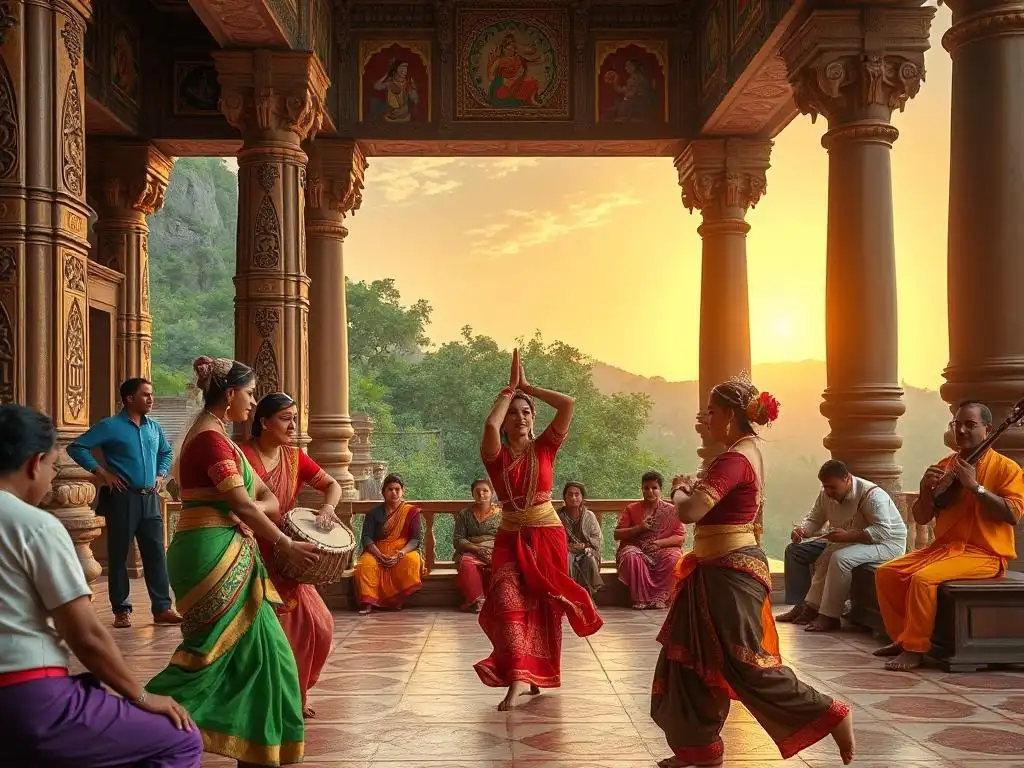
Welcome to Ancient India History, where we embark on a captivating journey through the rich tapestry of India's past! Here, we delve into the profound significance of ancient Indian dance dramas, exploring how these vibrant art forms not only entertained but also conveyed complex narratives and cultural values throughout history. As you uncover the intricate connections between performance and literature, you'll find yourself drawn deeper into the enchanting world of ancient Indian civilization. Are you ready to discover the stories that dance through time? Let’s explore together!
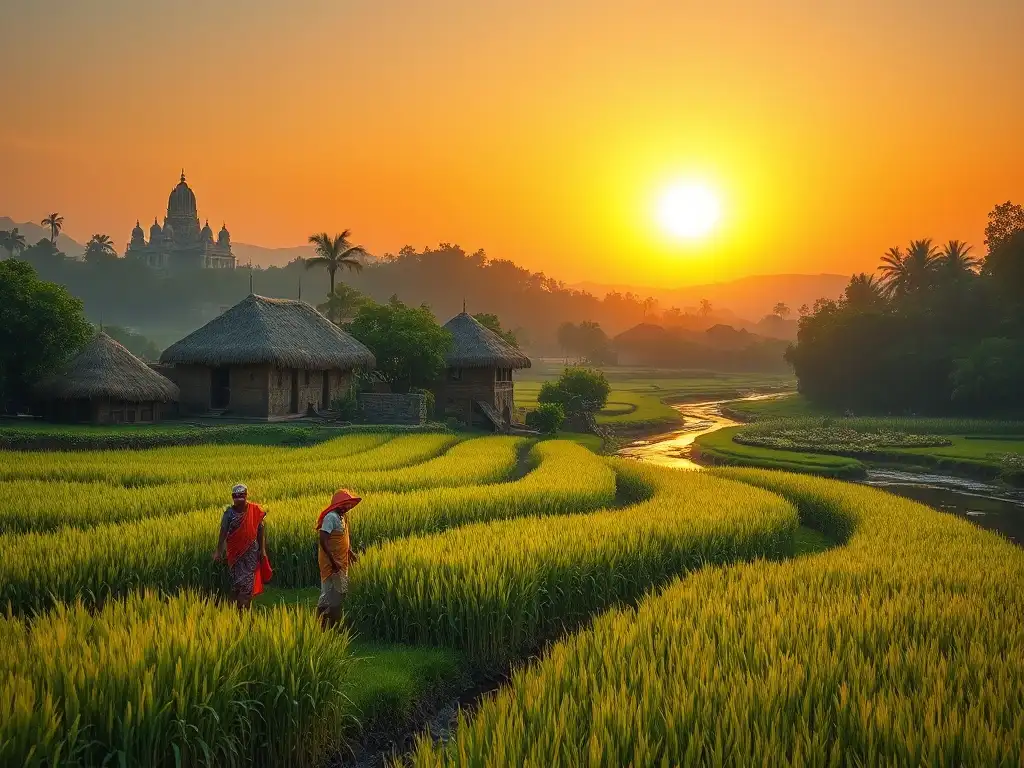
The world of ancient Indian literature is a vibrant tapestry woven with rich narratives, philosophical musings, and artistic expressions. Among these, dance dramas stand out as a unique and significant form of storytelling that combines movement, music, and theatrical performance. The term "ancient Indian dance dramas" encompasses a variety of theatrical works that not only entertain but also convey profound cultural and spiritual messages.
These performances played a pivotal role in shaping the artistic landscape of ancient India, reflecting the societal values, religious beliefs, and historical contexts of their times. In this article, we will explore the importance of dance dramas in ancient Indian literature, delving into their definitions, historical origins, and evolution through various periods, while highlighting their enduring legacy in the cultural heritage of India.
Introduction to Ancient Indian Dance Dramas
Defining Dance Dramas in Ancient India
Dance dramas, known as "Natya" in Sanskrit, are a sophisticated blend of dance and theatrical performance that convey stories and themes through expressive movements and dialogues. These performances are characterized by:
- Choreographed Dance Movements: Dance dramas feature intricate choreography that enhances the narrative and emotional depth of the story.
- Musical Accompaniment: Live music, often played on traditional instruments, complements the dance, creating an immersive experience.
- Dramatic Dialogue: Performers engage in dialogues that advance the plot, allowing for character development and interaction.
- Costumes and Makeup: Elaborate costumes and makeup are integral, helping to distinguish characters and convey their roles effectively.
These elements combine to create a theatrical experience that is both visually captivating and intellectually stimulating, allowing audiences to engage with the underlying themes of the performance.
Importance of Dance in Indian Cultural Heritage
Dance holds a revered place in Indian cultural heritage, often seen as a divine form of expression. Its significance can be understood through several key aspects:
- Spiritual Connection: Dance is often associated with religious rituals and spiritual practices, serving as a medium to connect with the divine.
- Cultural Transmission: Through dance dramas, stories from epics like the Mahabharata and Ramayana are passed down through generations, preserving cultural narratives.
- Community Engagement: Dance performances foster communal bonds, bringing people together to celebrate festivals, rituals, and significant life events.
- Artistic Innovation: The evolution of dance dramas has led to the development of various regional styles, showcasing India's artistic diversity.
Overall, dance dramas are not merely entertainment; they are a vital aspect of India's cultural identity, reflecting the beliefs, values, and aesthetics of ancient societies.
Historical Context of Dance Dramas in Ancient India
Origins of Dance Dramas in Vedic Literature
The roots of dance dramas can be traced back to Vedic literature, where dance was intertwined with religious ceremonies and rituals. The ancient texts, such as the Vedas and Upanishads, highlight the significance of performance arts in spiritual practices. Key features of this period include:
- Ritualistic Performances: Early dance forms were primarily ritualistic, aimed at appeasing deities and invoking blessings.
- Integration with Music and Poetry: The combination of music, poetry, and dance was essential for creating a holistic experience that resonated with audiences.
- Theatrical Elements: The emergence of dramatic storytelling can be seen in the performance of tales from sacred texts, laying the groundwork for future dance dramas.
These origins set the stage for the development of more structured and elaborate forms of dance dramas in subsequent periods.
Evolution of Dance Dramas through Different Periods
As ancient Indian civilization progressed, so did the art of dance dramas, evolving through various historical phases:
- Classical Period: During the classical period, significant texts like the Natya Shastra by Bharata Muni codified the principles of drama and dance, establishing a formal structure for performances.
- Medieval Period: The medieval period saw the rise of regional styles, with dance dramas becoming an essential part of temple rituals and royal courts, showcasing local narratives and traditions.
- Bhakti Movement: The Bhakti movement emphasized devotion, leading to the proliferation of dance dramas that depicted the lives of saints and divine love stories, making them more accessible to the masses.
- Post-Mughal Era: In the post-Mughal era, dance dramas continued to flourish, incorporating diverse influences while maintaining traditional roots.
This evolution reflects the dynamic nature of dance dramas in ancient India, demonstrating their ability to adapt while preserving essential cultural elements. As we delve deeper into this topic, we will uncover more about the specific styles, notable works, and the lasting impact of ancient Indian dance dramas on contemporary arts.
Key Features of Ancient Indian Dance Dramas
Ancient Indian dance dramas are characterized by a unique amalgamation of movement, narrative, music, and theatrical expression. This art form served not only as a means of entertainment but also as a vehicle for cultural and spiritual education. Key features include:
- Narrative Structure: Dance dramas often follow a coherent storyline that conveys moral or philosophical messages. The narratives typically draw from ancient texts, folklore, and mythology.
- Gestural Language: A refined system of hand gestures, known as mudras, is employed to convey emotions and actions. Each gesture carries specific meanings, enhancing the storytelling aspect of the performances.
- Costuming and Makeup: The use of elaborate costumes and makeup is essential in distinguishing characters and setting the tone of the performance. Colors and designs are often symbolic, representing different qualities or themes.
- Integration of Multiple Art Forms: Dance dramas are a blend of various art forms, including dance, music, poetry, and visual arts. This multifaceted approach creates a rich sensory experience for the audience.
Integration of Dance, Music, and Drama
In ancient Indian dance dramas, the integration of dance, music, and drama is crucial to creating an immersive experience. Music serves as the backbone, providing rhythm and emotional depth. The following elements exemplify this integration:
- Rhythmic Patterns: Traditional Indian music features intricate rhythmic patterns that complement the movements of dancers, allowing for a dynamic interplay between sound and action.
- Vocal Elements: Performances often include singing and chanting, which narrate the story and heighten the emotional resonance of the dance. The lyrics typically reflect the themes and characters being portrayed.
- Live Musicians: The presence of live musicians during performances enhances the authenticity and spontaneity of the experience, allowing for real-time interaction between dancers and musicians.
- Emotional Expression: The combination of music and dance allows performers to express a wide range of emotions, from joy to sorrow, creating a powerful connection with the audience.
Thematic Elements in Ancient Indian Dance Dramas
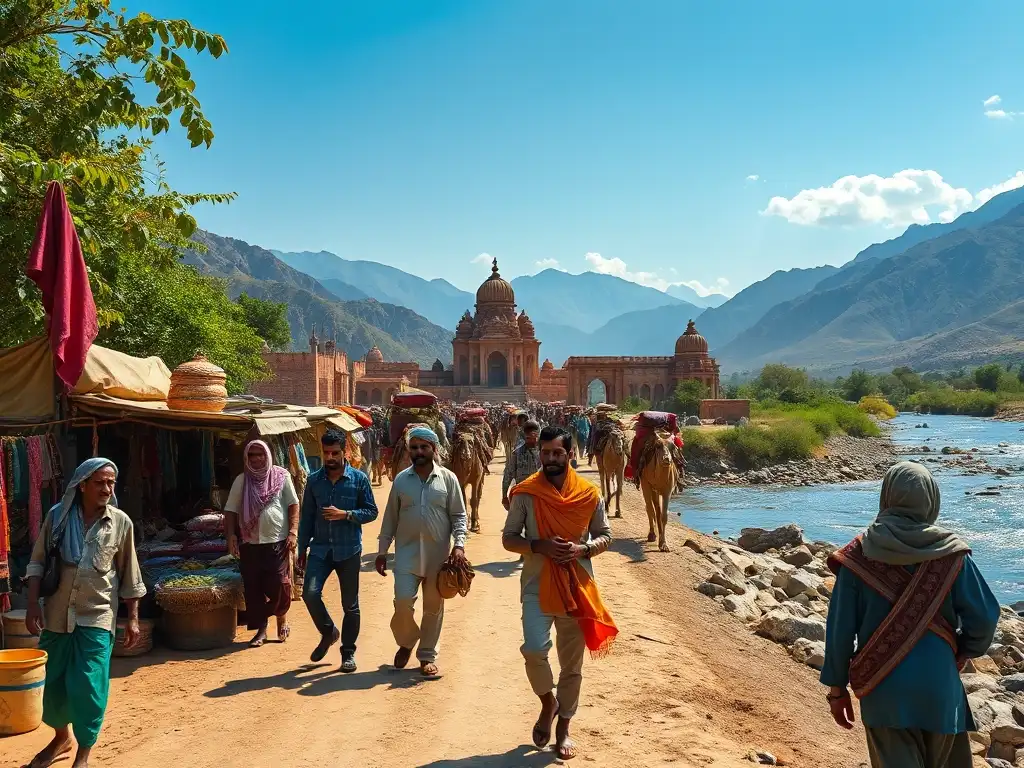
Thematic elements in ancient Indian dance dramas often revolve around universal human experiences, morality, and spirituality. Some predominant themes include:
- Love and Devotion: Many dance dramas explore romantic love, divine love, and devotion to deities, often illustrated through the stories of gods and goddesses.
- Conflict and Resolution: Themes of conflict, whether personal or cosmic, and their subsequent resolutions are common, reflecting the struggles and triumphs of human existence.
- Moral Lessons: Dance dramas frequently convey moral and ethical lessons drawn from ancient texts, aiming to educate the audience on virtues such as righteousness, truth, and justice.
- Cultural Identity: These performances often reflect the cultural identity and values of ancient Indian society, serving as a means to preserve and transmit traditions across generations.
Role of Mythology and Epics in Dance Performance
Mythology and ancient epics play a pivotal role in shaping the narratives and themes of dance dramas. The influences of texts such as the Mahabharata and the Ramayana are particularly significant:
- Narrative Source: Many dance dramas are directly based on the stories and characters from these epics, allowing performers to bring legendary tales to life through movement and expression.
- Character Archetypes: The characters from mythology, including heroes, gods, and demons, serve as archetypes that resonate deeply with audiences, making the performances relatable and impactful.
- Cultural Heritage: By drawing on these rich narratives, dance dramas help preserve and celebrate the cultural heritage of ancient India, ensuring that these stories remain alive in contemporary consciousness.
- Spiritual Connection: The incorporation of divine themes fosters a spiritual connection between the audience and the performance, transforming the viewing experience into one of reverence and contemplation.
Prominent Ancient Indian Dance Drama Forms
Ancient Indian dance dramas encompass a variety of forms, each with its distinct style, technique, and cultural significance. Some prominent forms include:
- Krishna Leela: Based on the life of Lord Krishna, this form portrays various episodes from his childhood and exploits, often celebrated during festivals.
- Ram Lila: A dramatic retelling of the Ramayana, this form showcases the life and adventures of Lord Rama, emphasizing themes of duty and righteousness.
- Natya Nataka: This genre combines elements of dance and drama, often performed in temples and during religious festivals, highlighting divine stories and teachings.
Natya Shastra: The Foundation of Indian Dance
The Natya Shastra, attributed to the sage Bharata Muni, is a foundational text for Indian dance and drama. Composed around 200 BCE to 200 CE, it encompasses various aspects of performance arts, including:
- Theoretical Framework: The text outlines the principles of drama, including types of plays, stagecraft, and the role of actors, providing a systematic approach to performance.
- Dance Techniques: It describes different dance styles, emphasizing the importance of rhythm, gesture, and expression, which continue to influence contemporary dance forms.
- Musical Elements: The Natya Shastra also explores the relationship between music and dance, detailing the significance of ragas (melodic frameworks) and talas (rhythmic cycles).
- Cultural Commentary: Beyond technical aspects, the text serves as a cultural commentary on the role of theater in society, emphasizing its importance in education and moral instruction.
Classical Dance Forms Influenced by Dance Dramas
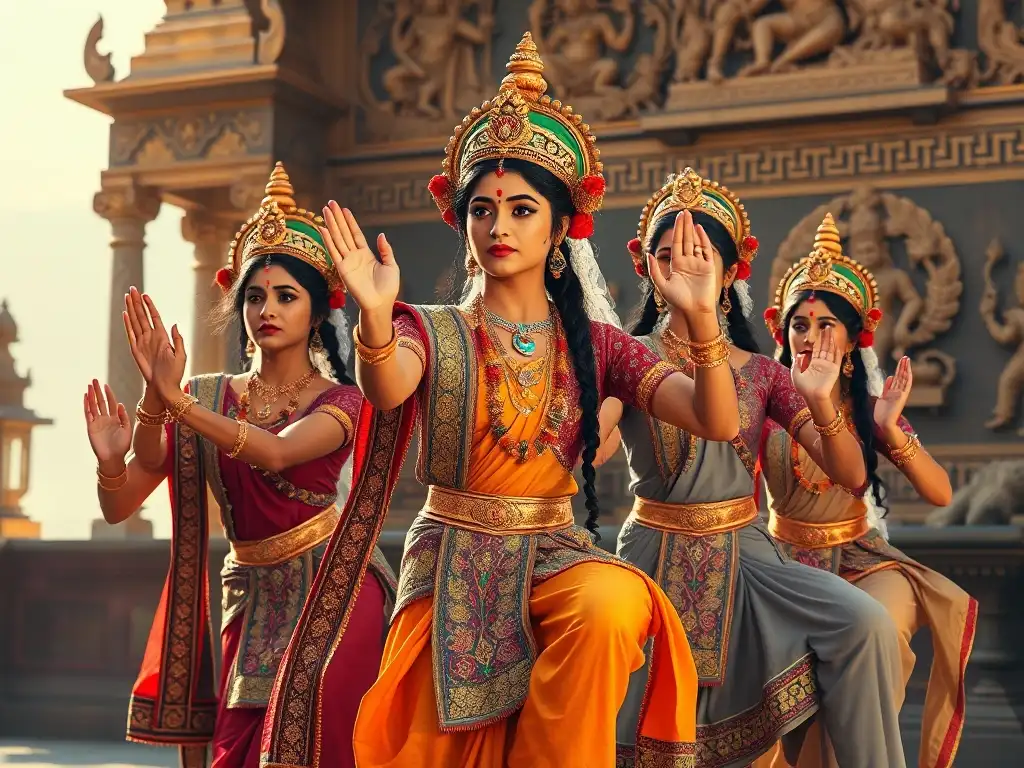
Numerous classical dance forms in India have been directly influenced by the traditions of ancient dance dramas. These forms retain elements of storytelling, rhythm, and emotional expression, including:
- Kathak: Originating from North India, Kathak incorporates narrative storytelling through intricate footwork and expressive gestures, often drawing from mythological themes.
- Bharatanatyam: With roots in Tamil Nadu, Bharatanatyam combines dynamic movements and facial expressions to convey stories, often inspired by ancient texts and epics.
- Odissi: This classical dance form from Odisha emphasizes fluid movements and expressive hand gestures, frequently depicting themes from Hindu mythology.
- Kuchipudi: A dance-drama tradition from Andhra Pradesh, Kuchipudi incorporates dialogue and narrative elements, often performed in theatrical settings.
These classical dance forms not only celebrate the legacy of ancient Indian dance dramas but also contribute to their evolution, ensuring that this rich cultural tradition continues to thrive.
Cultural Significance of Dance Dramas in Ancient Indian Society
Dance dramas in ancient India were not merely forms of entertainment; they were vital to the cultural and social fabric of society. Rooted in religious traditions, these performances were often staged during festivals, religious ceremonies, and community gatherings, serving to reinforce cultural identity and collective values. The intricate choreography and expressive storytelling allowed for the transmission of moral lessons and societal norms, making them an essential tool for education and social cohesion.
Moreover, dance dramas were a reflection of the diverse cultural landscape of ancient India, incorporating various regional styles, languages, and narratives. This diversity fostered a sense of unity while also celebrating local traditions. The collaborative nature of these performances—often involving multiple art forms such as music, poetry, and visual arts—highlighted the interconnectedness of different artistic expressions within ancient Indian culture.
Dance Dramas as a Means of Storytelling
At the heart of ancient Indian dance dramas lies the art of storytelling. These performances were often based on epic tales from texts like the Mahabharata and Ramayana, which conveyed profound philosophical and moral themes. Through a combination of dance, music, and dialogue, performers brought these stories to life, allowing audiences to engage emotionally and intellectually with the narratives.
The use of specific gestures and expressions, known as mudras and abhinaya, respectively, was crucial in conveying the storyline and character emotions. This visual language enabled dancers to express complex ideas and emotions succinctly, making the stories accessible to all, regardless of their literacy. The blending of narrative and movement not only captivated audiences but also ensured the preservation of these timeless tales across generations.
The Role of Dance in Religious and Spiritual Practices
Dance dramas held a significant place within the religious and spiritual practices of ancient Indian society. Many performances were dedicated to deities and were incorporated into temple rituals and festivals. The act of dancing was viewed as an offering to the divine, with performers often seen as conduits of spiritual energy. This sacred dimension elevated the art form, intertwining it with the spiritual beliefs of the community.
Moreover, dance dramas often depicted mythological events and the lives of gods and goddesses, facilitating a connection between the divine and the audience. Through these performances, devotees experienced a sense of devotion and connection to their faith, reinforcing religious teachings and community bonds. The integration of dance with spirituality highlights the profound respect for the art form within ancient Indian culture.
The Legacy of Ancient Indian Dance Dramas
The legacy of ancient Indian dance dramas continues to resonate in contemporary culture, shaping modern performances and artistic expressions. Their rich history serves as a foundation for various dance forms that thrive today, ensuring that the essence of these ancient traditions is maintained and celebrated.
Influence on Contemporary Indian Dance and Theater
Ancient Indian dance dramas have significantly influenced contemporary Indian dance and theater, with many modern forms drawing inspiration from the techniques, narratives, and aesthetics of their predecessors. Styles such as Kathak, Bharatanatyam, and Odissi showcase elements of ancient dance dramas, including storytelling through movement and the use of intricate facial expressions.
Additionally, contemporary theater productions often revisit ancient texts and themes, reinterpreting them for modern audiences. This connection to the past enriches the current artistic landscape, ensuring that the cultural narratives embedded in ancient performances continue to find relevance in today’s society.
Preservation and Revival of Ancient Dance Forms
Efforts to preserve and revive ancient dance forms have gained momentum in recent years, with organizations and artists dedicated to keeping these traditions alive. Workshops, festivals, and educational programs are being organized to train new generations of dancers in the techniques and narratives of ancient Indian dance dramas.
Moreover, the revival of interest in traditional art forms has led to a resurgence of performances that honor the historical roots of these dance dramas. This preservation not only safeguards cultural heritage but also fosters a deeper appreciation for the rich artistic history of ancient India.
Modern Interpretations of Ancient Dance Dramas
Modern interpretations of ancient dance dramas often blend traditional elements with contemporary themes and styles. Choreographers experiment with fusion, incorporating different dance forms, music genres, and even modern technology into their productions. This innovative approach breathes new life into ancient narratives, making them accessible and relevant to today’s audiences.
These adaptations can reflect contemporary social issues, allowing for a dialogue between the past and present. By reimagining ancient stories through a modern lens, artists ensure that the essence and significance of ancient Indian dance dramas continue to inspire and engage future generations.
Conclusion
The exploration of ancient Indian dance dramas reveals a profound and multifaceted contribution to the literary and cultural landscape of India. These performances were not merely artistic expressions; they were intricate narratives sewn into the fabric of society that conveyed philosophical, ethical, and moral teachings. Dance dramas served as a medium through which complex human emotions and societal issues were portrayed, allowing audiences to engage deeply with the themes presented.
Summarizing the Impact of Ancient Indian Dance Dramas
Ancient Indian dance dramas, such as those found in texts like the Natya Shastra by Bharata Muni, have left an indelible mark on the performing arts. These works combined elements of music, dance, and theater, creating a holistic artistic experience. The significance of these dramas can be summarized as follows:
- Cultural Preservation: Dance dramas played a pivotal role in preserving ancient narratives, folklore, and traditions. They acted as oral histories, passing down stories through generations.
- Religious and Spiritual Connection: Many dance dramas were deeply rooted in religious themes, often depicting tales from Hindu epics like the Mahabharata and Ramayana. This connection not only enhanced the spiritual experience of the audience but also reinforced societal values.
- Artistic Innovation: The integration of various art forms within dance dramas encouraged innovation in choreography, music composition, and theatrical presentation, setting the stage for future developments in Indian classical dance and theater.
- Social Commentary: These performances often reflected the social issues of their times, addressing topics such as love, duty, and morality, thus serving as a mirror to society.
In essence, ancient Indian dance dramas were significant not just as forms of entertainment, but as vital cultural expressions that shaped the ethos of Indian society.
The Continuing Relevance of Dance Dramas in Indian Culture
The legacy of ancient Indian dance dramas continues to resonate in contemporary Indian culture. They have evolved, yet their core elements remain influential in various ways:
- Revival and Adaptation: Modern artists and performers adapt classical dance dramas for contemporary audiences, maintaining their relevance while infusing new themes and styles. This revival is evident in festivals and cultural events celebrating traditional arts.
- Educational Importance: Dance dramas are increasingly incorporated into educational curricula, teaching students about their heritage and instilling a sense of pride in their cultural identity. Workshops and classes focus on traditional forms, ensuring that the skills and stories are passed down.
- Cultural Exchange: Global interest in Indian performing arts has led to a cross-cultural exchange where ancient dance dramas inspire international artists, fostering a dialogue between different artistic traditions.
- Social Issues and Advocacy: Contemporary dance dramas often address current social issues, such as gender equality and environmental concerns, demonstrating the adaptability of this art form. By using the structure of ancient narratives, artists can engage audiences in meaningful discussions about pressing topics.
The significance of ancient Indian dance dramas extends beyond their historical roots. They continue to thrive as a vibrant part of Indian culture, reflecting both the richness of tradition and the dynamism of contemporary society. As they evolve, these performances remain a testament to the enduring power of art in shaping human experience.
- Introduction to Ancient Indian Dance Dramas
- Historical Context of Dance Dramas in Ancient India
- Key Features of Ancient Indian Dance Dramas
- Integration of Dance, Music, and Drama
- Thematic Elements in Ancient Indian Dance Dramas
- Role of Mythology and Epics in Dance Performance
- Prominent Ancient Indian Dance Drama Forms
- Natya Shastra: The Foundation of Indian Dance
- Classical Dance Forms Influenced by Dance Dramas
- Cultural Significance of Dance Dramas in Ancient Indian Society
- The Legacy of Ancient Indian Dance Dramas
- Conclusion
Frequently Asked Questions
What are dance dramas in ancient Indian literature?
Dance dramas are theatrical performances that combine dance, music, and acting to convey stories, often derived from mythology and epic tales. They play a significant role in ancient Indian culture.
How did ancient Indian dance dramas evolve over time?
Ancient Indian dance dramas evolved through various regional styles and influences, including transitions from the Indus Valley Civilization to later traditions seen in the Gupta Empire. Each period contributed unique elements to their artistic expression.
What is the significance of dance dramas in ancient Indian society?
Dance dramas served not only as entertainment but also as a means of spiritual expression and moral instruction, reflecting the values and beliefs of ancient Indian society.
Can you name some famous dance dramas from ancient India?
Famous ancient Indian dance dramas include Natya Shastra, attributed to Bharata Muni, and Kalidasa’s works, which showcase the integration of dance, drama, and poetry in their narratives.
How do ancient Indian dance dramas influence modern performances?
Ancient Indian dance dramas have significantly influenced modern performances, inspiring contemporary theater, dance forms, and cinema. They continue to inform the cultural identity and artistic expressions of India today.
Final Reflection: The Enduring Legacy of Ancient Indian Dance Dramas
The exploration of ancient Indian dance dramas reveals their profound significance in shaping cultural narratives and artistic expression. In today's fast-paced world, where the arts often take a backseat, understanding the roots of these vibrant performances can inspire a renewed appreciation for storytelling through movement. The intricate blend of dance, music, and drama in these ancient forms not only entertained but also conveyed moral lessons and philosophical insights, reminding us of the power of art to transcend time and connect generations.
The influence of ancient Indian dance dramas extends far beyond their historical context; they continue to resonate in contemporary culture. These performances have laid the groundwork for modern interpretations and adaptations, enriching the artistic landscape and fostering a deeper understanding of our shared heritage. As noted by renowned dance scholar Dr. Ananda Shankar Jayant, Dance is the hidden language of the soul,
highlighting how these ancient forms serve as a bridge between the past and present, inviting us to engage with our cultural identity.
As we reflect on the significance of ancient Indian dance dramas, let us embrace the lessons they impart about creativity, expression, and community. I encourage you to seek out local performances, explore the stories behind the movements, and consider how these age-old traditions can inspire your own life. In doing so, we honor the legacy of our ancestors while nurturing a vibrant cultural future that celebrates the arts in all their forms.
Unveil the Richness of Dance Dramas Today!
Thank you for immersing yourself in the captivating world of ancient Indian literature! By exploring the significance of dance dramas, you’ve uncovered the intricate layers of culture, art, and tradition that have shaped our history. Now, it's time to take this knowledge and inspire even greater appreciation for these timeless performances.
Here are a few impactful steps you can take:
- Join a local dance or theatre group to experience the magic of performance firsthand, connecting with the rich traditions you have learned about.
- Share your newfound insights with friends and family—consider hosting a themed discussion or watching a dance drama together.
- Explore more by diving into related literary works or attending a local cultural festival to witness these art forms in action.
What insights about dance dramas do you believe will resonate most with your friends and community? Share your thoughts!