
The Battle of Haldighati: A Symbol of Rajput Pride

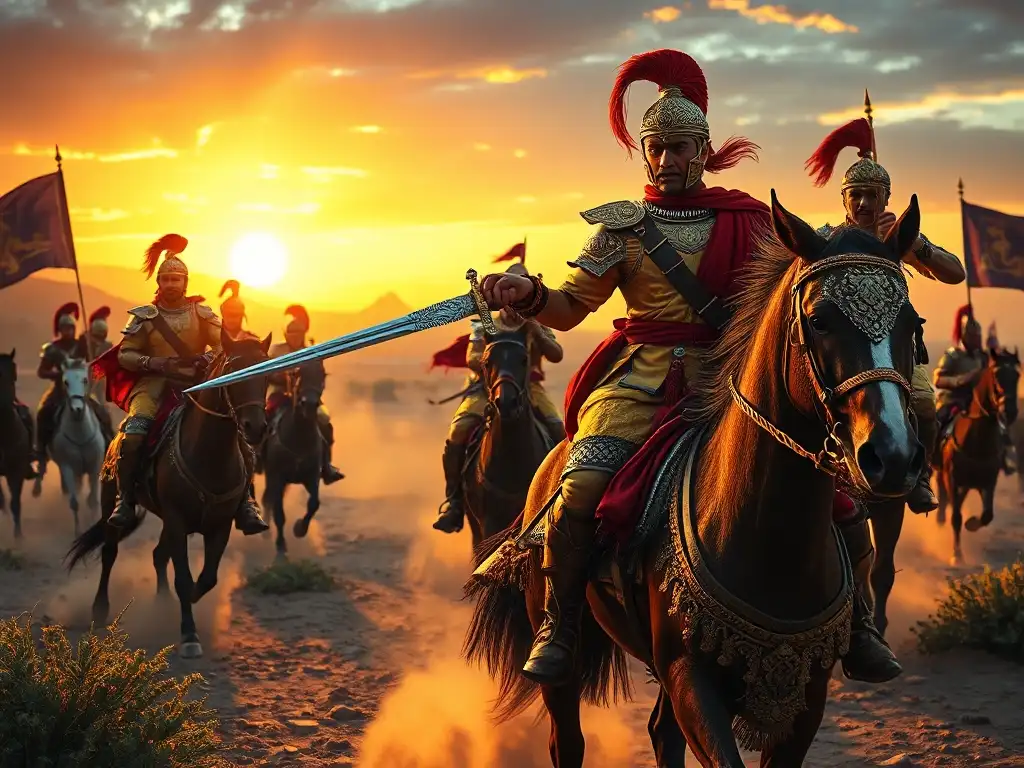
Welcome to Ancient India History, where we embark on a journey through the rich tapestry of Indian civilization. Here, we uncover the remarkable stories and enduring legacies that shaped the subcontinent from the Indus Valley to the Gupta Empire. In our featured article, "The Battle of Haldighati: A Symbol of Rajput Pride," we delve into the fierce and valiant spirit of the Rajputs, exploring how this iconic battle not only symbolizes their unwavering courage but also resonates through the annals of military history.
Prepare to be captivated as you discover the valor and heritage woven into every chapter of our past. Dive in and let the adventure begin!
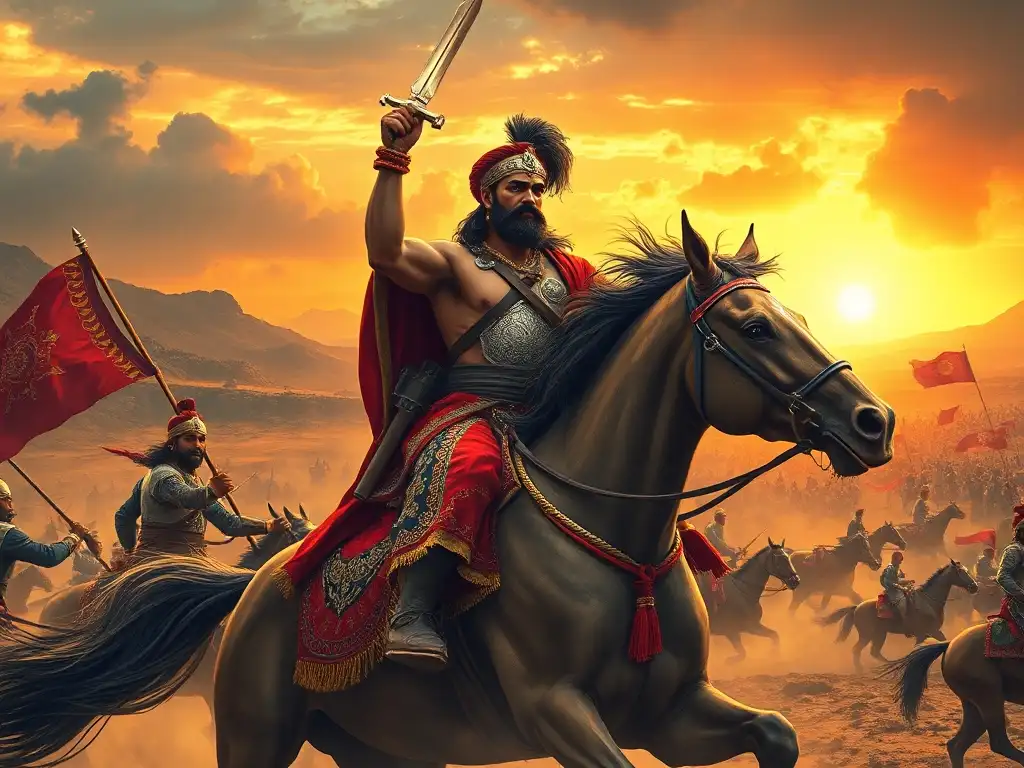
The Battle of Haldighati, fought on June 18, 1576, stands as a monumental event in the annals of Indian military history, particularly emblematic of Rajput pride. This fierce confrontation between the forces of Maharana Pratap, the valiant ruler of Mewar, and the imperial army of Mughal Emperor Akbar highlights not just a struggle for territorial dominance, but also a deep-seated cultural ethos that resonates through the ages.
The conflict took place in the rugged terrain of Haldighati, located in modern-day Rajasthan, and has since become a symbol of resistance, valor, and the undying spirit of the Rajput clans. Understanding this battle is crucial for appreciating the complexities of Rajput identity and their contributions to India's historical narrative.
Introduction to the Battle of Haldighati
Overview of the Historical Context
The Battle of Haldighati was not merely a military encounter; it emerged from a rich tapestry of political intrigue and territorial ambitions during the late 16th century. The Mughal Empire, under Akbar, was expanding its reach across India, seeking to consolidate power and unify the diverse kingdoms under a single rule. Meanwhile, the Rajputs, particularly the Sisodia clan of Mewar, were fiercely independent, valuing their autonomy and traditions. This clash was thus fueled by contrasting ideologies: the Mughal vision of centralized governance versus the Rajput commitment to honor and sovereignty.
This battle occurred against the backdrop of ongoing conflicts between the Mughal Empire and various Rajput states, with many Rajput leaders eventually succumbing to Mughal dominance. However, Maharana Pratap's refusal to yield to Akbar’s overtures marked him as a significant figure in the struggle for Rajput independence, setting the stage for one of the most storied battles in Indian history.
Significance of Haldighati in Rajput History
The significance of the Battle of Haldighati extends far beyond its immediate outcome. It has become a symbol of Rajput pride, representing the valor, bravery, and unwavering spirit of a warrior class that has inspired countless generations. The battle itself was not a decisive military victory for either side; however, Maharana Pratap's relentless resistance against the mighty Mughal forces embodies the essence of Rajput honor.
The legacy of Haldighati is deeply embedded in the cultural consciousness of Rajasthan and India at large. It is commemorated in folk tales, songs, and art forms, perpetuating the ideals of bravery and sacrifice. The narrative of Maharana Pratap’s struggle continues to inspire movements for regional pride and identity, making Haldighati a pivotal chapter in the historical saga of the Rajputs.
Key Players in the Battle of Haldighati
Maharana Pratap: The Epitome of Rajput Valor
Maharana Pratap is often heralded as a paragon of Rajput valor and tenacity. Born into the royal family of Mewar, he ascended the throne during a tumultuous period marked by threats from the Mughal Empire. Known for his fierce independence and military acumen, Maharana Pratap emerged as a formidable opponent to Akbar's ambitions. His leadership during the Battle of Haldighati showcased not only military strategy but also an unwavering commitment to his homeland and people.
Despite being outnumbered and facing a well-equipped Mughal army, Maharana Pratap's strategic use of the terrain and his ability to rally his troops turned the battle into a symbol of resilience. His legendary horse, Chetak, and his personal valor during the conflict have since become ingrained in the folklore surrounding the battle, further cementing his legacy as a heroic figure in Rajput history.
Akbar's Forces: The Mughal Strategy and Leadership
On the opposing side, Emperor Akbar's forces represented the zenith of Mughal military strategy and organization. Akbar, known for his administrative prowess and military innovations, sought to subjugate the Rajput clans to solidify his empire. The Mughal army at Haldighati was led by Raja Man Singh, a close confidant of Akbar and a brilliant military commander.
The Mughal strategy relied on superior numbers and advanced tactics, including the use of cavalry and artillery. However, the rugged terrain of Haldighati posed significant challenges, which turned the battle into a protracted struggle rather than a swift victory. Despite their numerical advantage, the Mughals faced fierce resistance, and the battle ultimately highlighted the limits of even the most powerful empire when confronted with the indomitable spirit of a warrior king.
The Battle of Haldighati remains a significant chapter in the narrative of Rajput pride, illustrating the enduring values of honor, bravery, and resistance against oppression. The legacies of both Maharana Pratap and Akbar continue to evoke discussions on valor, leadership, and the rich tapestry of India's military history.
The Prelude to the Battle
The Battle of Haldighati, fought on June 18, 1576, stands as a pivotal moment in the history of Rajput resistance against Mughal expansion. This conflict was not merely a clash of arms; it was a profound manifestation of Rajput pride and valor, emblematic of their unwavering spirit in the face of overwhelming odds. Understanding the context leading to this battle requires a dive into the intricate relationships and tensions that defined the era.
Tensions Between the Mewar Kingdom and the Mughal Empire
The roots of the conflict can be traced back to the growing ambitions of the Mughal Empire under Emperor Akbar. The Mewar Kingdom, ruled by Maharana Pratap, was one of the last bastions of Rajput independence. The Mughal Empire sought to consolidate its power across India, and the subjugation of Rajput kingdoms was crucial for this goal.
Mewar, with its rich resources and strategic location, became a primary target. The refusal of Maharana Pratap to submit to Mughal authority was particularly irksome to Akbar, who had successfully integrated several other Rajput clans into his empire through diplomacy and marriage alliances. The pride of the Rajputs, particularly of Mewar, was a direct challenge to Mughal hegemony, as Maharana Pratap's commitment to his kingdom and his people was unwavering.
Events Leading Up to the Haldighati Conflict
In the years preceding the battle, tensions escalated through a series of confrontational exchanges. After Maharana Pratap's initial refusal to accept Mughal supremacy, Akbar dispatched a formidable force, led by Man Singh of Amer, to bring Mewar under control. The situation became tense as skirmishes broke out, culminating in the Mughal siege of Chittorgarh in 1568, which was a significant setback for the Rajputs.
Maharana Pratap's strategies focused on guerilla warfare and leveraging the rugged terrain of Mewar, which provided him a tactical advantage. However, the Mughals, with their superior resources and disciplined military, were relentless. The tipping point came when intelligence reports indicated that the Mughal forces were approaching Haldighati, a narrow mountain pass in the Aravalli range, prompting Maharana Pratap to prepare for a decisive confrontation.
The Battle of Haldighati: A Detailed Account
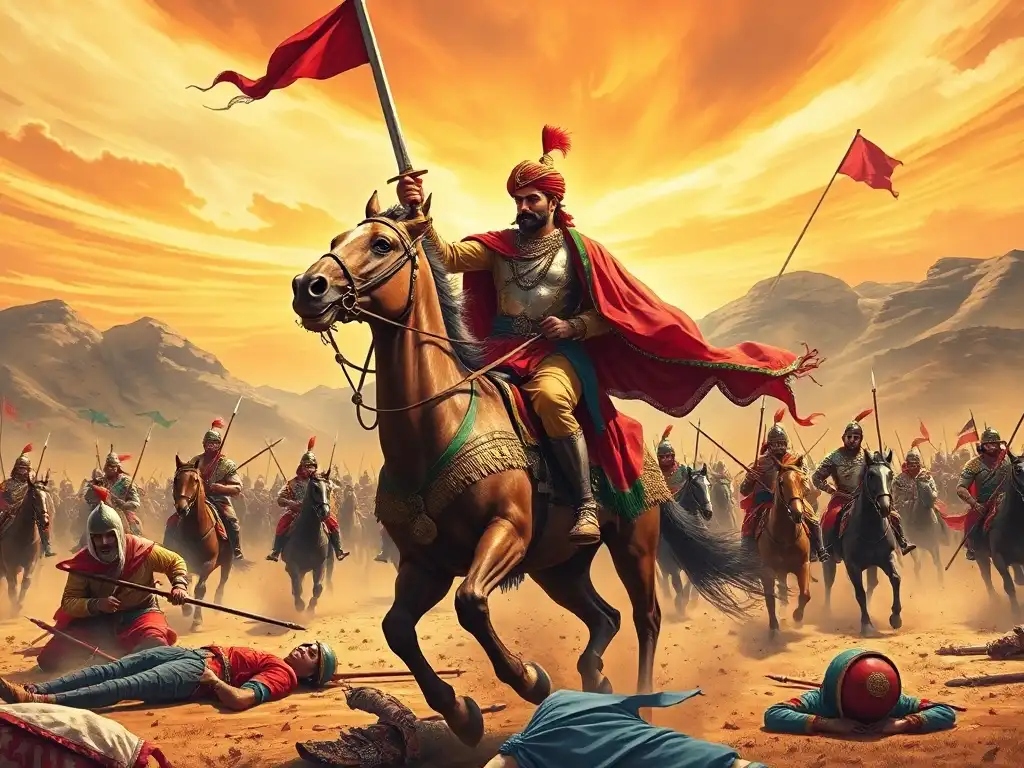
The battle itself was a fierce engagement that showcased the valor and determination of the Rajputs. Maharana Pratap, riding his legendary horse Chetak, led his forces with the intent of defending his kingdom's honor against a numerically superior enemy.
Timeline of Events During the Battle
- Early Morning: The battle commenced early in the morning, with both sides taking positions at Haldighati.
- Mughal Advance: The Mughal forces, estimated to be around 20,000 strong, began their advance, utilizing their cavalry and artillery.
- Rajput Defense: Maharana Pratap's forces, numbering approximately 3,000, positioned themselves strategically within the terrain to counter the Mughal advance.
- Midday Clashes: Intense fighting broke out, with significant casualties on both sides. The battle raged for hours, characterized by hand-to-hand combat and tactical maneuvers.
- Afternoon Retreat: As the day progressed, the Rajputs, despite their fierce resistance, faced overwhelming odds and began a strategic retreat.
Strategies Employed by Both Sides
The strategies employed during the Battle of Haldighati were reflective of the military doctrines of the time.
- Mughal Strategy:
- Numerical Superiority: The Mughals relied on their significant numbers and well-trained cavalry to outmaneuver the Rajputs.
- Artillery Use: They employed artillery effectively, causing chaos within the Rajput ranks.
- Flanking Maneuvers: Man Singh's forces attempted to encircle Maharana Pratap, making use of combined arms tactics.
- Rajput Strategy:
- Terrain Advantage: Maharana Pratap utilized the mountainous terrain to his advantage, employing guerilla tactics and ambushes.
- Cavalry Charges: The Rajput cavalry, known for their bravery, executed bold charges against the Mughals, aiming to disrupt their formations.
- Defensive Resilience: Despite being outnumbered, the Rajputs fought fiercely, embodying their commitment to honor and pride.
Key Moments that Defined the Battle
Several key moments during the battle underscored the ferocity and significance of the engagement:
- Maharana Pratap’s Charge: As the battle intensified, Maharana Pratap led a valiant charge against the Mughal forces, showcasing his leadership and valor in the face of danger.
- Chetak's Bravery: The legendary horse Chetak played a crucial role in helping Maharana Pratap escape a dire situation, further solidifying their bond as symbols of Rajput pride.
- Casualties and Aftermath: The battle resulted in heavy casualties on both sides, but the Rajputs, despite the tactical setback, emerged with their honor intact. Maharana Pratap's refusal to surrender became a rallying point for Rajput pride in Haldighati and beyond.
The Battle of Haldighati remains a powerful symbol of Rajput valor and a testament to their enduring spirit, echoing through history as a celebration of pride and resistance against oppression.
Aftermath of the Battle of Haldighati
The Battle of Haldighati, fought on June 18, 1576, between the forces of Maharana Pratap of Mewar and the Mughal army led by Raja Man Singh I of Amber, had significant ramifications for both the immediate stakeholders and the broader context of Rajput history. Following the battle, although Maharana Pratap faced a tactical defeat, his resolute stand against the vastly superior Mughal forces solidified his status as a symbol of resistance and valor among the Rajputs. The aftermath shaped not only the political landscape of the region but also the cultural and social identity of the Rajput clans.
Immediate Consequences for the Rajputs
In the immediate aftermath of the battle, the Rajputs suffered considerable losses, both in terms of manpower and resources. Despite these setbacks, Maharana Pratap's refusal to submit to Mughal authority inspired a wave of resistance among the Rajput clans. Many Rajput rulers began to view Maharana Pratap as a beacon of hope against Mughal expansionism, which reinforced their collective resolve to maintain their autonomy.
The battle also marked the beginning of a guerrilla warfare strategy employed by Maharana Pratap. He retreated to the forests and mountainous terrains, where he continued to engage in skirmishes with Mughal forces, demonstrating that even in defeat, the spirit of resistance could prevail. This period saw the Rajputs adopting a more unified front against a common adversary, paving the way for future alliances and coalitions among various Rajput clans.
Long-Term Impacts on Rajput Identity and Pride
The legacy of the Battle of Haldighati transcended its immediate aftermath, embedding itself deeply into the fabric of Rajput identity. Over time, the battle became synonymous with Rajput pride, valor, and the indomitable spirit of resistance against oppression. Maharana Pratap emerged as a folk hero, celebrated not just for his martial prowess but also for his commitment to the ideals of honor and freedom.
This transformation of Maharana Pratap into a symbol of Rajput pride also fostered a sense of unity among the diverse Rajput clans. It encouraged the narration of tales and songs that extolled his virtues, thereby reinforcing a shared identity rooted in bravery and sacrifice. The battle also stimulated a revival of Rajputana's cultural heritage, including art, music, and literature, that celebrated their rich history and the valor of their heroes.
The Legacy of Haldighati in Indian History
Haldighati's legacy extends beyond the battlefield; it has become a cornerstone of Indian history, reflecting the complexities of resistance against colonial powers. The battle is often referenced in discussions about the broader struggles of Indian states during periods of external domination, marking it as a significant event in the annals of Indian military history.
How Haldighati Became a Symbol of Rajput Pride
The narrative surrounding the Battle of Haldighati has been immortalized in various forms of cultural expression, making it a potent symbol of Rajput pride. The valor exhibited by Maharana Pratap and his warriors during the battle is often recounted in folk tales, poems, and songs that resonate with themes of bravery and sacrifice.
Moreover, the battle is commemorated through various memorials and monuments, ensuring that the legacy of Rajput valor is preserved for future generations. The annual celebrations and reenactments of the battle serve not only as a reminder of the historical event but also as an affirmation of Rajput identity and resilience. This cultural significance reinforces the notion that the spirit of Haldighati continues to inspire generations, making it a lasting emblem of Rajput pride.
Cultural Depictions of the Battle in Indian Folklore
Cultural depictions of the Battle of Haldighati are prevalent in Indian folklore, with numerous stories, songs, and theatrical performances dedicated to the event. These narratives often highlight the valor of Maharana Pratap, the loyalty of his warriors, and the fierce spirit of independence that characterized the Rajputs.
One of the most famous ballads is "Prithviraj Raso," which recounts the heroics of Maharana Pratap and his steadfastness against the Mughal forces. Additionally, various regional folk dances and plays have depicted this legendary battle, illustrating its importance in the collective memory of the Rajput community.
Through these cultural representations, the Battle of Haldighati remains a vibrant part of Indian folklore, embodying ideals of bravery, sacrifice, and the enduring spirit of resistance that continues to resonate within the hearts of the people.
Conclusion: The Enduring Spirit of Rajput Pride
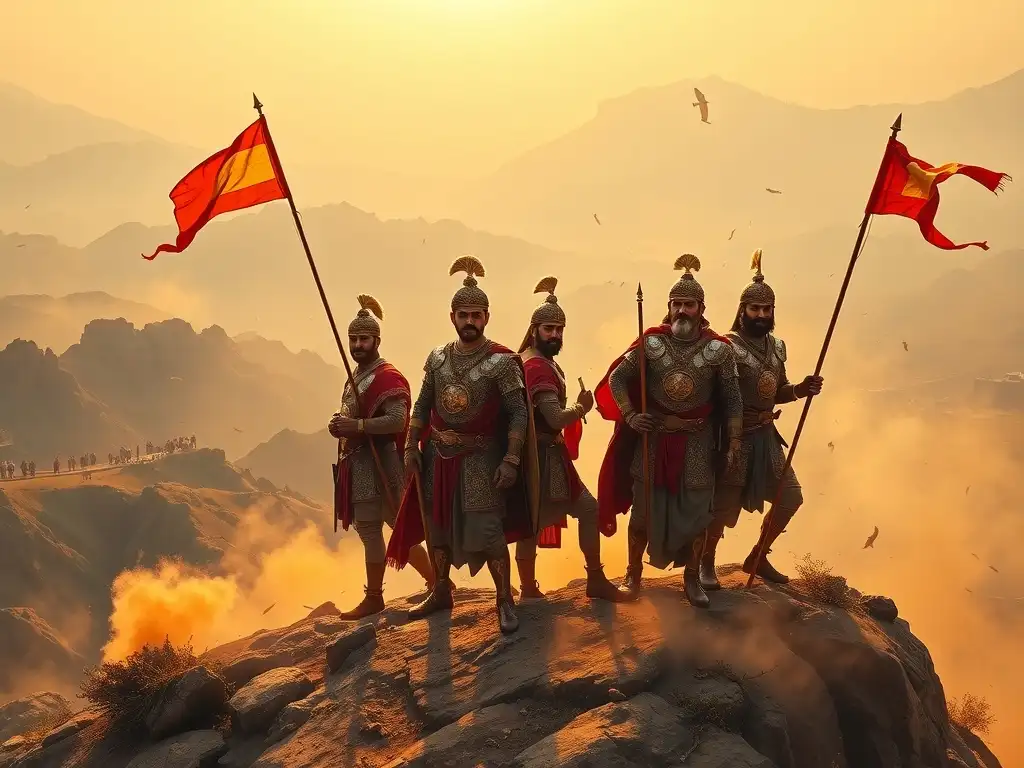
The Battle of Haldighati, fought in 1576, stands as a testament to the indomitable spirit of the Rajputs, a community renowned for their valor and honor. Despite the overwhelming odds they faced against the Mughal forces led by Akbar, the Rajputs, under the leadership of Maharana Pratap, showcased unparalleled bravery and resilience. This battle has transcended its historical context to become a symbol of Rajput pride, embodying the values of courage, loyalty, and sacrifice that are deeply ingrained in Rajput culture.
The legacy of Haldighati is not merely confined to the battlefield; it has woven itself into the very fabric of Indian history. The valor displayed by Maharana Pratap and his warriors continues to inspire generations, serving as a reminder of the sacrifices made in the name of freedom and autonomy. The enduring spirit of Rajput pride is encapsulated in the narratives, songs, and folklore that celebrate their heroism, ensuring that the lessons learned from this battle remain relevant in contemporary discussions about honor and resistance.
Reflections on Maharana Pratap and His Legacy
Maharana Pratap is often revered as one of the greatest warriors in Indian history. His unwavering commitment to resisting Mughal domination marked him as a symbol of Rajput valor. Pratap’s determination during the Battle of Haldighati, despite the loss he faced, showcased his strategic acumen and his refusal to accept subjugation. His famous steed, Chetak, became a legend in its own right, representing loyalty and bravery that resonated with the Rajput ethos.
The legacy of Maharana Pratap extends beyond military achievements; it encompasses his role as a leader who prioritized the welfare of his people. His efforts in maintaining the independence of Mewar and promoting local governance have left an indelible mark on the region's history. His life is celebrated in various forms of art and literature, ensuring that the ideals he represented—of resilience, honor, and the fight for justice—continue to inspire future generations.
Haldighati's Place in the Narrative of Indian Military History
Haldighati occupies a significant chapter in the broader narrative of Indian military history. The battle exemplifies the fierce resistance against invaders and highlights the strategic importance of regional autonomy during a time of imperial expansion. The conflict not only showcased the military tactics of the Rajputs but also emphasized the cultural and social dynamics of the period, illustrating the clash between indigenous forces and a powerful empire.
In the context of military history, Haldighati serves as an early example of guerilla warfare tactics employed by Maharana Pratap and his forces. Their understanding of the terrain and the innovative strategies they utilized against a numerically superior foe have been studied and admired in military academies. The battle's outcome, while not a decisive victory for the Rajputs, solidified their reputation for bravery and determination, ensuring that the tale of Haldighati is remembered as one of resistance and pride in the face of adversity.
Overall, Haldighati’s legacy as a symbol of Rajput pride continues to resonate, reminding us of the complexities of historical narratives and the enduring impact of cultural identity in shaping the course of Indian history.
- Introduction to the Battle of Haldighati
- Key Players in the Battle of Haldighati
- The Prelude to the Battle
- The Battle of Haldighati: A Detailed Account
- Aftermath of the Battle of Haldighati
- The Legacy of Haldighati in Indian History
- Conclusion: The Enduring Spirit of Rajput Pride
- Reflections on Maharana Pratap and His Legacy
- Haldighati's Place in the Narrative of Indian Military History
Frequently Asked Questions
What was the significance of the Battle of Haldighati?
The Battle of Haldighati was a pivotal conflict in 1567 between the Rajputs, led by Maharana Pratap, and the Mughal forces. It symbolizes Rajput pride and their resistance against Mughal dominance.
Who were the main figures involved in the Battle of Haldighati?
The battle prominently featured Maharana Pratap of Mewar, known for his fierce determination, and Man Singh, a trusted general of the Mughal Emperor Akbar. Their clash represented the struggle for Rajput autonomy.
How did the Battle of Haldighati impact Rajput history?
The battle marked a significant moment of Rajput resilience and bravery, inspiring future generations. It reinforced the Rajput identity and their commitment to honor and independence.
What are the lasting legacies of the Battle of Haldighati?
The battle is remembered as a symbol of valor and sacrifice, celebrated in folklore and literature. It continues to evoke Rajput pride and is commemorated in various cultural expressions.
How is the Battle of Haldighati commemorated today?
Today, the Battle of Haldighati is commemorated through festivals, reenactments, and monuments. It serves as a reminder of Rajput heritage and the enduring spirit of resistance against oppression.
Final Reflection: The Enduring Legacy of Rajput Pride in Haldighati
The Battle of Haldighati stands as a powerful testament to the indomitable spirit of the Rajputs, a symbol of their unwavering pride and valor. In today's world, where the essence of cultural identity often faces dilution, the story of Haldighati reminds us of the importance of heritage and the fierce loyalty that shapes communities. It is not merely a historical event; it embodies the courage and resilience that continue to inspire generations, urging us to honor our roots and stand firm in our beliefs.
Cultural narratives like that of Haldighati have a profound impact on our social landscape, fostering a sense of belonging and pride among those who identify with the Rajput legacy. The tales of valor and sacrifice resonate deeply, encouraging individuals to embrace their heritage while navigating the complexities of modern life. As the historian R.C. Majumdar aptly stated, History is not merely a record of the past; it is a guide to the future.
This perspective emphasizes how the lessons learned from the Battle of Haldighati can shape our actions and values today, reinforcing the significance of pride in one's identity.
As you reflect on the themes of Rajput pride and the legacy of Haldighati, consider how these narratives can inspire you in your own life. Embrace your heritage, learn from the past, and let the spirit of resilience guide your journey forward.
Whether through storytelling, community engagement, or personal reflection, take the time to honor the values that resonate with you, and carry the torch of pride into the future. The battle may have been fought long ago, but its lessons remain vital, urging us to stand tall in our identities and to celebrate the rich tapestry of our cultural histories.
Unveil the Legacy of Haldighati: Take the Next Step!
Thank you for joining us on this journey through the intriguing tale of the Battle of Haldighati, a powerful symbol of Rajput pride and valor. We hope you found inspiration in the courage displayed by the warriors and the rich history that shapes our cultural heritage.
Now, it’s time to dive deeper and make this history come alive! Here are a few actions you can take today:
- Explore: Visit a local library or online archive to read more about the Rajput era and the significant impact of the Battle of Haldighati on Indian history.
- Engage: Share your thoughts or insights in the comments below—how has this story inspired you personally?
- Connect: Join a historical society or group that focuses on Indian history to meet like-minded individuals and expand your understanding of this rich heritage.
What lessons from the Battle of Haldighati resonate most with you, and how can you incorporate them into your own journey of courage and pride? 🏰