
The Curriculum of Ancient Indian Warriors: Education Beyond the Classroom

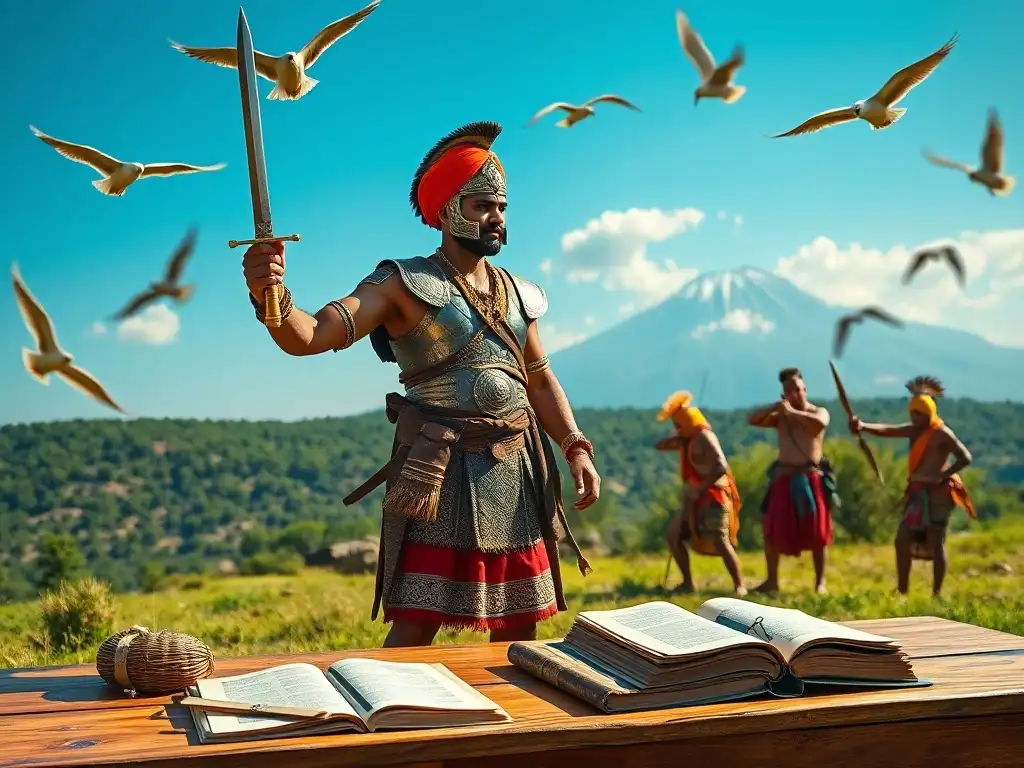
Welcome to Ancient India History, where we embark on a journey through the rich tapestry of one of the world's oldest civilizations. Here, we delve into the fascinating realm of Ancient Indian warrior education, a system that transcended traditional learning to cultivate not just skillful fighters, but wise leaders and strategists. Ever wondered how these warriors were trained in the arts of combat, ethics, and governance?
Join us as we uncover the intricate curriculum that shaped the legendary warriors of the past, and discover how their education laid the foundation for a society that thrived in knowledge and valor. Your exploration begins now—dive deeper to unveil the secrets of ancient wisdom!
Introduction to Ancient Indian Warrior Education
The education of ancient Indian warriors is a fascinating topic that highlights the intricate blend of martial skills, philosophy, and spiritual teachings prevalent in ancient Indian civilizations. The warriors of India were not merely skilled fighters; they were also well-rounded individuals whose training encompassed a wide array of disciplines.
From the valiant soldiers of the Indus Valley Civilization to the disciplined warriors of the Gupta Empire, education played a pivotal role in shaping their identities and capabilities. This article delves into the unique educational practices that formed the backbone of ancient Indian warrior culture, illustrating how their training extended far beyond mere combat.
Overview of Ancient Indian Warriors
Ancient Indian warriors were characterized by their bravery, honor, and profound sense of duty. They emerged from diverse backgrounds and were often part of larger clans or kingdoms. Notable warrior classes included the Kshatriyas, who held significant positions within the societal hierarchy. The education they received was comprehensive, aimed at equipping them with the necessary skills to defend their realms and uphold dharma (righteousness).
Key aspects of their warrior identity included:
- Martial Training: Mastery of various weapons and combat techniques.
- Mental Acuity: Strategic thinking and decision-making abilities.
- Cultural Wisdom: Understanding of scriptures and philosophical texts.
- Physical Conditioning: Emphasis on fitness, endurance, and agility.
These elements underscored the holistic approach to education that ancient Indian warriors experienced.
Importance of Education in Warrior Culture
Education held immense significance in the lives of ancient Indian warriors. It was not merely about physical prowess; it encompassed the development of character, leadership, and ethical behavior. The education system was designed to instill values such as loyalty, courage, and respect for others, which were essential for effective leadership on and off the battlefield.
The warrior's education also aimed to prepare them for various roles within society, fostering a sense of responsibility towards their communities. This multifaceted training ensured that warriors could navigate the complexities of governance, diplomacy, and social justice, embodying the ideal of a well-rounded leader.
The Foundations of Warrior Education in Ancient India
The Role of Gurukuls in Shaping Warriors
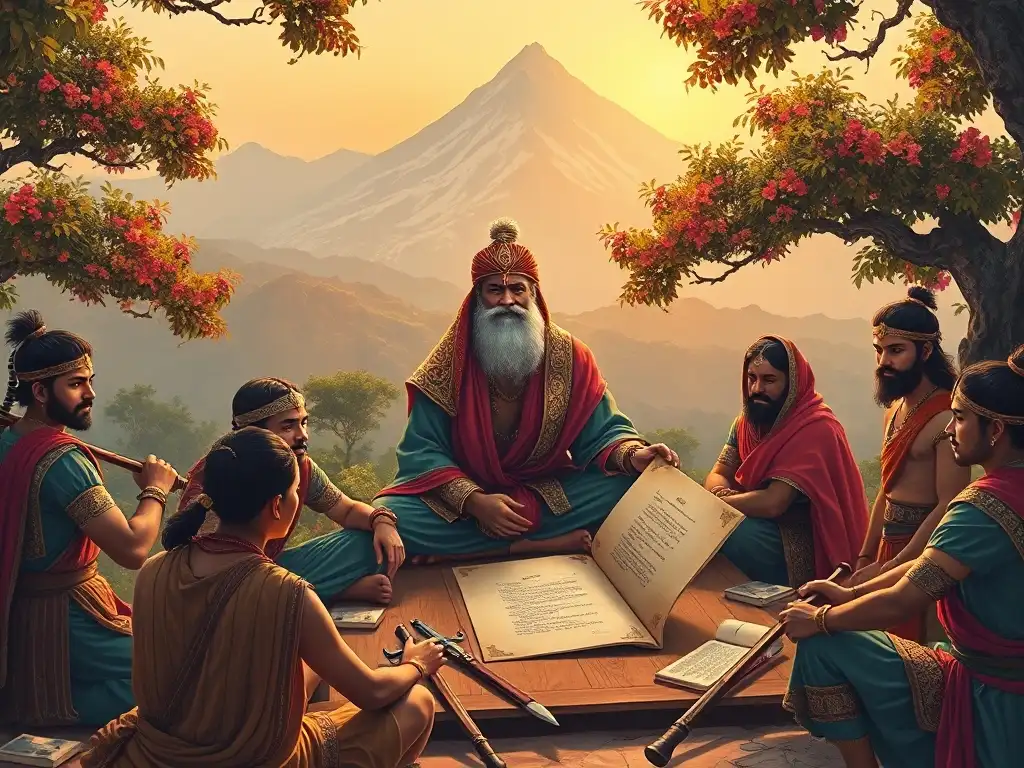
Gurukuls, or traditional schools run by gurus (teachers), played a crucial role in the education of ancient Indian warriors. These institutions were not confined to academic learning; they provided a nurturing environment where students lived with their gurus, engaging in both physical and intellectual training.
The curriculum in gurukuls was diverse and included:
- Martial Arts: Training in various forms of combat, including archery, swordsmanship, and wrestling.
- Philosophy and Ethics: Study of ancient texts, including the Vedas and epics like the Mahabharata, to develop moral judgment.
- Leadership Skills: Practical lessons in governance, diplomacy, and ethics of warfare.
Gurukuls emphasized experiential learning, allowing students to learn through practice and real-life situations, preparing them for the realities of warfare and leadership.
Key Subjects Taught to Aspiring Warriors
The education of aspiring warriors in ancient India encompassed a broad range of subjects aimed at developing both physical and mental competence. The key subjects taught included:
- Combat Techniques: Detailed instruction in various forms of weaponry and hand-to-hand combat.
- Strategy and Warfare: Understanding the principles of warfare, including troop movements and battlefield strategy.
- Cultural Literacy: Familiarity with poetry, arts, and history to cultivate a rich cultural identity.
- Spiritual Studies: Training in meditation and philosophy to develop a strong mental resilience and ethical framework.
By integrating these subjects, the education system nurtured well-rounded warriors who were not only effective in battle but also enlightened leaders in their communities.
The Curriculum Components of Ancient Indian Warrior Education
Ancient Indian warrior education was comprehensive, blending military training with philosophical and spiritual teachings. The curriculum aimed to create not only skilled fighters but also wise leaders and ethical individuals. The components of this education were multifaceted, encompassing physical training, strategy, ethics, and the study of ancient texts.
Military Training Techniques
Military training in ancient India was rigorous and multifaceted. Warriors were trained in various techniques, which included:
- Weapon Mastery: Proficiency in the use of various weapons, including swords, bows, and spears, was essential. Training was often hands-on, with experienced warriors imparting skills to novices through practical exercises.
- Combat Strategies: Understanding battlefield tactics and formations was crucial. Warriors learned about ambushes, flanking maneuvers, and the art of deception in warfare through scenario-based training.
- Horse Riding and Chariotry: Mastery of horse riding was vital for cavalry units, while chariot training helped warriors learn to maneuver in battle effectively. This included learning to control horses and navigate the terrains of ancient India.
- Group Warfare Techniques: Coordination and teamwork were emphasized. Warriors practiced in groups to develop synchronized movements, which were essential in large-scale battles.
Importance of Physical Fitness and Endurance
Physical fitness and endurance were cornerstones of ancient Indian warrior education. The rigorous training regimes included:
- Endurance Training: Activities such as running, swimming, and climbing were common, aimed at building stamina. Warriors were often required to complete long-distance runs or traverse challenging terrains to enhance their endurance.
- Strength Training: Exercises with weights, such as lifting stones or practicing with heavy weapons, helped in building muscular strength. The use of traditional Indian wrestling techniques also contributed to physical conditioning.
- Discipline and Resilience: The physical training instilled a sense of discipline and resilience. Warriors learned to push their limits, which not only prepared them for the rigors of battle but also fostered mental toughness.
Learning Ancient Texts: The Art of War and Beyond
Education for ancient Indian warriors was not limited to physical training; it also included an intellectual component. Key areas of study were:
- Kautilya's Arthashastra: This ancient text, attributed to Chanakya, provided insights into statecraft, military strategy, and economic principles. Warriors studied its teachings to understand the broader context of warfare and governance.
- Bhagavad Gita: This spiritual and philosophical text, set in the context of battle, offered lessons on duty (dharma), righteousness, and the moral complexities of warfare. Its teachings helped shape the ethical framework within which warriors operated.
- Other Classical Texts: Numerous other texts related to warfare, governance, and philosophy were also studied. These texts provided a foundation for understanding the art of war and the responsibilities of a leader.
The Influence of Religion and Spirituality on Warrior Education
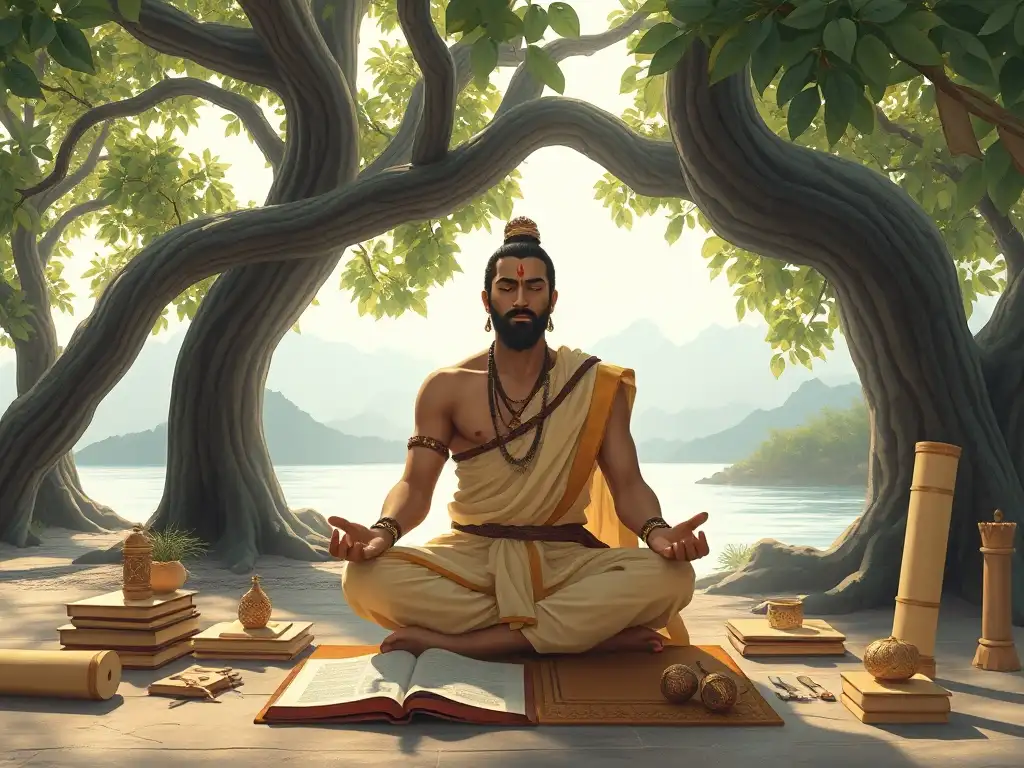
Religion and spirituality played a significant role in shaping the education of ancient Indian warriors. This was evident in their training and worldview, which incorporated spiritual principles alongside physical capabilities.
The Role of Hindu Epics in Warrior Training
Hindu epics such as the Mahabharata and Ramayana were integral to warrior education. They provided not only narratives of heroism and valor but also moral and ethical lessons. Key aspects included:
- Role Models: Characters like Arjuna and Rama served as ideal warrior figures, exemplifying courage, righteousness, and loyalty. Warriors studied their actions and decisions, learning valuable lessons about leadership and ethical conduct.
- Lessons in Duty and Dharma: The epics emphasized the importance of fulfilling one’s duty (dharma) as a warrior. This concept instilled a sense of responsibility and moral obligation, guiding warriors in their personal and professional lives.
Spiritual Disciplines and Meditation Practices
Spiritual disciplines were essential in the holistic education of ancient Indian warriors. Practices such as meditation and yoga were included in their training, focusing on:
- Mental Clarity: Meditation helped warriors cultivate focus and clarity of mind, essential traits for decision-making in the chaos of battle.
- Emotional Resilience: Spiritual practices fostered emotional stability, allowing warriors to maintain composure under pressure and make rational choices.
- Connection to Higher Purpose: Engaging in spiritual disciplines enabled warriors to connect with their higher purpose, reinforcing their commitment to their duties and the protection of their community.
Through this comprehensive curriculum, ancient Indian warriors were prepared to face the challenges of battle while embodying the principles of honor, duty, and resilience.
Practical Experiences in Warrior Education
Practical experience was a cornerstone of ancient Indian warrior education, emphasizing hands-on learning and real-world applications crucial for developing effective warriors. The training regimen was often rigorous and multifaceted, blending physical strength, tactical skills, and ethical principles. This approach ensured that students not only learned the theoretical aspects of warfare but also mastered the practical skills required in battle.
The curriculum was designed to prepare warriors for various combat scenarios, including individual duels, group skirmishes, and large-scale battlefield tactics. As such, practical experiences were integrated into every aspect of their education, from archery and swordsmanship to horseback riding and strategy. The balance of physical training and mental conditioning cultivated a sense of discipline, resilience, and adaptability among warrior trainees, making them formidable in the face of adversity.
Field Training and Real-World Applications
Field training was a critical component of the ancient Indian warrior's education. This training often occurred in realistic settings where students could engage in mock battles and tactical simulations. Warriors would practice maneuvers and formations, allowing them to understand the dynamics of warfare better.
Key aspects of field training included:
- Mock Battles: These were organized to replicate actual combat scenarios, enabling warriors to practice strategies while under pressure.
- Endurance Training: Physical stamina was essential, so training included long marches, obstacle courses, and intense physical challenges to prepare warriors for the demands of battle.
- Weapon Proficiency: Trainees spent countless hours mastering various weapons, including swords, bows, and spears, ensuring they could wield them skillfully in combat.
This hands-on experience fostered not only technical skills but also the ability to think critically and make quick decisions in high-stress environments.
Role of Mentorship in Warrior Education
Mentorship played a vital role in the education of ancient Indian warriors. Experienced mentors, often renowned warriors or military leaders, guided the students, imparting knowledge and wisdom that could not be gained through books alone. This relationship was characterized by respect, loyalty, and a commitment to the growth of the mentee.
Benefits of mentorship included:
- Personalized Instruction: Mentors tailored their teaching methods to the individual needs of their students, ensuring a deeper understanding of both combat techniques and leadership qualities.
- Moral Guidance: Beyond physical training, mentors instilled ethical values and a sense of duty in their students, emphasizing the importance of honor and integrity in warfare.
- Networking Opportunities: Through their mentors, warriors gained access to influential circles, which could be crucial for their careers and social mobility.
This mentorship model fostered a strong sense of community and continuity within the warrior class, ensuring that knowledge and traditions were passed down through generations.
Community Involvement and Collaboration
Community involvement was integral to the warrior education system in ancient India. Training was not conducted in isolation; rather, it occurred within a broader social context where collaboration and support from the community were essential.
Elements of community involvement included:
- Collaborative Training Sessions: Warriors often trained together, encouraging teamwork and camaraderie, which are essential in battle scenarios.
- Cultural Festivals and Competitions: These events provided platforms for warriors to showcase their skills, foster rivalry, and promote community pride in their warriors.
- Support from Local Leaders: Community leaders often played a role in facilitating training and providing resources, ensuring that warriors were well-equipped and prepared.
This collaborative approach reinforced the warriors' ties to their communities, promoting a shared sense of identity and purpose.
The Legacy of Ancient Indian Warrior Education
The educational practices of ancient Indian warriors have left a lasting legacy that continues to influence modern military training and martial arts. The principles of practical training, mentorship, and community involvement established a framework that is still relevant today.
Impact on Modern Military Training Systems
The impact of ancient Indian warrior education on modern military training systems is significant. Many contemporary military practices draw inspiration from the holistic approach to education that was prevalent in ancient India. Key influences include:
- Emphasis on Physical Fitness: Modern militaries recognize the importance of physical conditioning, mirroring the rigorous training that ancient warriors underwent.
- Mentorship Programs: The concept of mentorship in military training has roots in ancient practices, fostering leadership development and experiential learning.
- Tactical Simulations: The use of simulations and mock battles in training reflects the ancient focus on field training and real-world applications.
These elements highlight the continuity of effective training methodologies that have evolved over centuries.
Continuing Traditions in Martial Arts and Warfare
The traditions of warrior education have endured through various forms of martial arts practiced in India today. Many of these arts retain the principles of discipline, respect, and physical prowess that were central to ancient warrior training.
Examples of continuing traditions include:
- Kalaripayattu: Originating in Kerala, this martial art incorporates combat techniques and philosophies rooted in ancient warrior education.
- Gatka: Practiced primarily by the Sikh community, Gatka emphasizes weapon training and physical discipline, reflecting the legacy of ancient practices.
- Silambam: A traditional martial art from Tamil Nadu, focusing on staff fighting, demonstrating the historical continuity of combat skills.
These martial arts not only preserve the techniques and philosophies of ancient warriors but also promote cultural heritage, ensuring that the legacy of ancient Indian warrior education continues to thrive.
Conclusion: The Lasting Influence of Ancient Indian Warrior Education
The educational practices of ancient Indian warriors laid a profound foundation for not only military prowess but also the holistic development of individuals. The blend of physical training, philosophical teachings, and strategic learning fostered a generation of leaders who were not only skilled in combat but also wise in governance and ethics. This multifaceted approach ensured that warriors were prepared for the complexities of life, embodying virtues such as bravery, honor, and wisdom.
The legacy of ancient Indian warrior education is evident in various modern practices. The emphasis on physical fitness, mental resilience, and ethical reasoning continues to resonate in contemporary educational paradigms. Moreover, the integration of arts, culture, and philosophy is increasingly recognized as essential for developing well-rounded individuals in today's fast-paced world.
Reflection on Education Beyond the Classroom
Education for ancient Indian warriors transcended conventional learning. Training was not confined to structured classrooms; rather, it encompassed a rich tapestry of experiences that included mentorship, hands-on practice, and societal engagement. Warriors learned from seasoned instructors who imparted not just skills but also life lessons, emphasizing the importance of character and morality.
This experiential learning model cultivated critical thinking and adaptability, vital traits for anyone facing the uncertainties of life, whether on the battlefield or in governance. Rituals, storytelling, and participation in community events further enriched their education, fostering a deep connection to culture and heritage.
Such holistic educational experiences highlight the importance of learning beyond traditional settings, encouraging modern educators to explore alternative teaching methods that incorporate real-world applications and community involvement.
The Relevance of Ancient Practices in Contemporary Education Systems
As educational systems worldwide grapple with the challenges of preparing students for an increasingly complex and interconnected world, the principles of ancient Indian warrior education offer valuable insights. The focus on interdisciplinary learning, combining physical, intellectual, and moral education, resonates with current educational trends advocating for a well-rounded curriculum.
Moreover, the integration of character education, critical thinking, and emotional intelligence into modern curricula can be traced back to these ancient practices. The cultivation of resilience and ethical reasoning is particularly relevant today, as individuals face moral dilemmas and societal challenges.
By revisiting and incorporating these ancient wisdoms, contemporary education systems can foster not only skilled professionals and leaders but also responsible citizens who are equipped to navigate the complexities of modern society, thus ensuring that the spirit of ancient Indian warrior education continues to thrive.
- Introduction to Ancient Indian Warrior Education
- The Foundations of Warrior Education in Ancient India
- The Curriculum Components of Ancient Indian Warrior Education
- Learning Ancient Texts: The Art of War and Beyond
- The Influence of Religion and Spirituality on Warrior Education
- Practical Experiences in Warrior Education
- The Legacy of Ancient Indian Warrior Education
- Conclusion: The Lasting Influence of Ancient Indian Warrior Education
Frequently Asked Questions
What was the focus of ancient Indian warrior education?
Ancient Indian warrior education emphasized not only martial skills but also philosophy, ethics, and leadership, preparing warriors for both combat and governance.
How did gurukulas contribute to warrior training?
Gurukulas were traditional learning centers where students received holistic education, including physical training, strategy, and scriptural knowledge, fostering well-rounded warriors.
Were there any specific texts that guided warrior education?
Yes, texts like the Mahabharata and Arthashastra provided insights into military strategy, diplomacy, and the ethical responsibilities of a warrior, shaping their education.
Did women receive any form of warrior education in ancient India?
While predominantly focused on men, some texts suggest that women from noble families also received training in martial arts and leadership, although it was less common.
How did the education of warriors impact ancient Indian society?
The education of warriors played a crucial role in shaping societal values, fostering bravery, honor, and a sense of duty, which were essential for maintaining order and justice in ancient India.
Final Reflection: The Enduring Legacy of Ancient Indian Warrior Education
The exploration of Ancient Indian warrior education reveals a profound understanding of learning that transcends mere academic knowledge. In today's rapidly evolving world, the principles of holistic education practiced by ancient warriors resonate deeply with our current educational challenges. The emphasis on physical prowess, mental resilience, and ethical grounding is not just a relic of the past; it is a clarion call for modern educators and learners alike. As we navigate the complexities of contemporary life, we must recognize that true education encompasses much more than textbooks and exams—it is about shaping character and cultivating a spirit of inquiry.
The influence of ancient warrior education continues to permeate our cultural and social landscapes, shaping how we perceive learning and personal development. This approach to education fosters a sense of discipline, teamwork, and leadership that is crucial in today’s interconnected world.
As Mahatma Gandhi once said, “The best way to find yourself is to lose yourself in the service of others.” This sentiment echoes the warrior ethos, reminding us that education is not solely for personal gain but also for the betterment of society. The values instilled in ancient warriors—courage, honor, and service—remain relevant as we strive to cultivate leaders who can navigate the complexities of modern challenges.
As we reflect on the lessons from the curriculum of ancient Indian warriors, I invite you to consider how these teachings can be integrated into your own life. Embrace the idea that education is a lifelong journey, one that extends beyond the classroom and into the realms of personal growth and community service.
Challenge yourself to embody the principles of resilience, ethical leadership, and holistic development in your everyday actions. By doing so, you not only honor the legacy of those who came before us but also contribute to a future where education empowers individuals to become warriors of change in their own right.
Unleash the Warrior Within!
Thank you for taking the time to explore the captivating curriculum of ancient Indian warriors! You've gained valuable insights into how education transcended traditional classrooms, shaping formidable figures in history. Now, it's time to harness that knowledge and take action.
Here are some empowering steps to deepen your connection with this inspiring topic:
- Immerse yourself in history: Visit a local museum or historical site that showcases ancient Indian artifacts to visualize the warrior lifestyle and understand their cultural significance.
- Engage with the community: Participate in a local book club or join an online discussion group dedicated to ancient Indian history. This will allow you to share your thoughts and hear diverse perspectives from others who are passionate about this topic.
- Share your discoveries: Create a blog or a video series where you reflect on the principles of the warrior ethos and explore how you can integrate these values into your own life, inspiring others along the way.
What qualities of ancient Indian warriors resonate most with you, and how can you incorporate these traits into your daily life for personal growth and empowerment?