
The Sage King: How Raja Bhoja Influenced Art and Culture in Ancient India

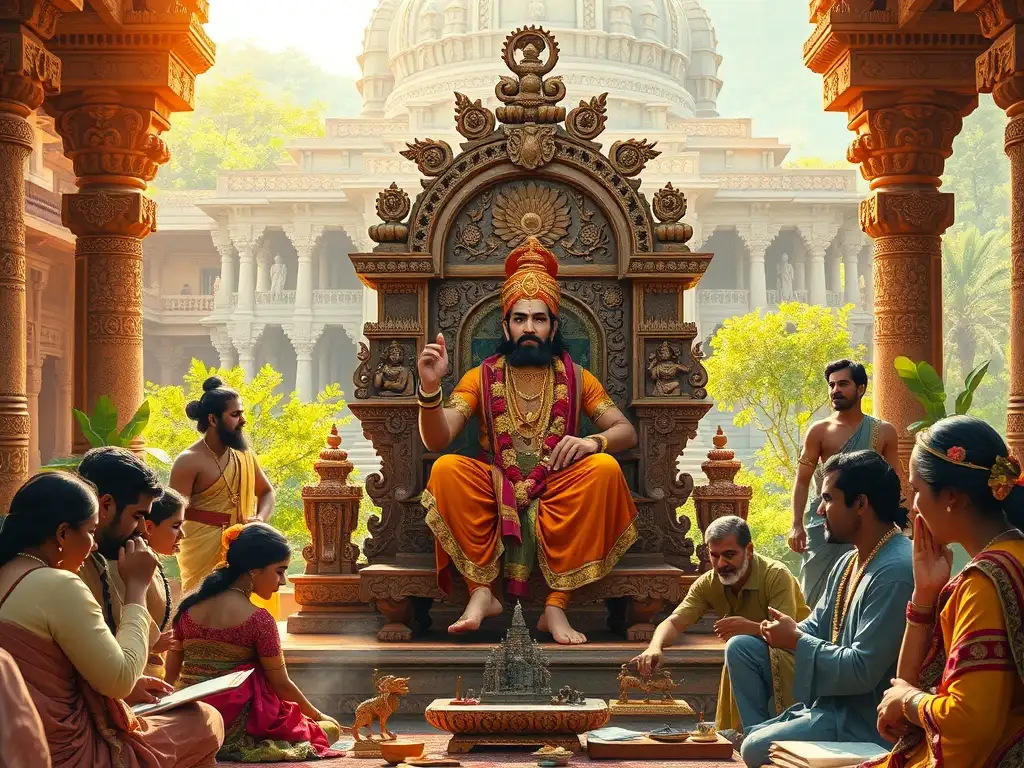
Welcome to Ancient India History, where we embark on an exhilarating journey through time, unraveling the rich tapestry of civilizations that shaped the Indian subcontinent. Today, we invite you to delve into the fascinating world of Raja Bhoja, a sage king whose remarkable contributions to art and culture left an indelible mark on ancient India. Discover how his vision and patronage sparked a creative renaissance, influencing artists and thinkers alike.
Join us as we explore the legacy of this historical figure and uncover the vibrant stories that define our past. Are you ready to be inspired by the brilliance of Raja Bhoja? Let’s dive in!
Raja Bhoja, a prominent ruler of the Paramara dynasty during the 11th century, stands as a towering figure in the rich tapestry of ancient Indian history. Renowned not just for his military prowess but also for his profound contributions to art and culture, Bhoja's reign is often celebrated as a golden era of creativity and intellectual achievement.
His patronage of the arts, literature, and architecture fostered an environment where artists, poets, and scholars thrived, leading to significant advancements that have echoed through the ages. This article delves into the multifaceted contributions of Raja Bhoja, exploring how his vision and leadership left an indelible mark on the cultural landscape of ancient India.
The Context of Raja Bhoja's Reign
Raja Bhoja ascended the throne during a time of great political and cultural vibrancy in India. The early medieval period, characterized by regional kingdoms and dynamic interactions between various cultures, provided the backdrop against which Bhoja's influence flourished. His capital, Dhara, became a hub of artistic innovation and intellectual discourse, drawing talents from across the subcontinent.
Contributions to Art
Raja Bhoja's patronage of the arts was instrumental in the flourishing of sculpture, painting, and architecture. Under his rule, several temples were constructed, which not only served religious purposes but also showcased intricate carvings and architectural brilliance. The famous Bhojshala temple in Dhar is a prime example, reflecting the exquisite craftsmanship of the period.
- Sculpture and Carvings: Bhoja's era saw the emergence of detailed sculptures that depicted various deities, mythological narratives, and everyday life, often imbued with deep symbolism.
- Painting: The art of painting also flourished, with vibrant murals and frescoes that adorned temples and palaces, capturing the essence of the time.
Influence on Literature and Philosophy
Raja Bhoja was not just a patron of physical arts; he was also a scholar and an author. His works in literature and philosophy contributed significantly to the intellectual landscape of his time.
- Literary Works: Bhoja composed several texts, including commentaries on existing works and original compositions that explored themes of philosophy, ethics, and governance.
- Philosophical Schools: He also supported various philosophical schools, fostering a discourse that encouraged critical thought and inquiry among scholars.
Legacy and Impact
The legacy of Raja Bhoja extends beyond his immediate contributions. His influence on art and culture in ancient India established standards and practices that would be emulated by future generations. The artistic and literary advancements during his reign continue to inspire modern interpretations of ancient Indian culture.
As we explore the depths of Raja Bhoja's contributions to art, it becomes evident that his reign was not just a historical footnote but a transformative period that shaped the cultural identity of ancient India.
- The Context of Raja Bhoja's Reign
- Contributions to Art
- Influence on Literature and Philosophy
- Legacy and Impact
- What were the primary contributions of Raja Bhoja to art in ancient India?
- How did Raja Bhoja influence literature and poetry?
- What role did Raja Bhoja play in the development of temple architecture?
- How did Raja Bhoja’s contributions impact later Indian art and culture?
- What were some notable works commissioned by Raja Bhoja?
Introduction to Raja Bhoja and His Legacy
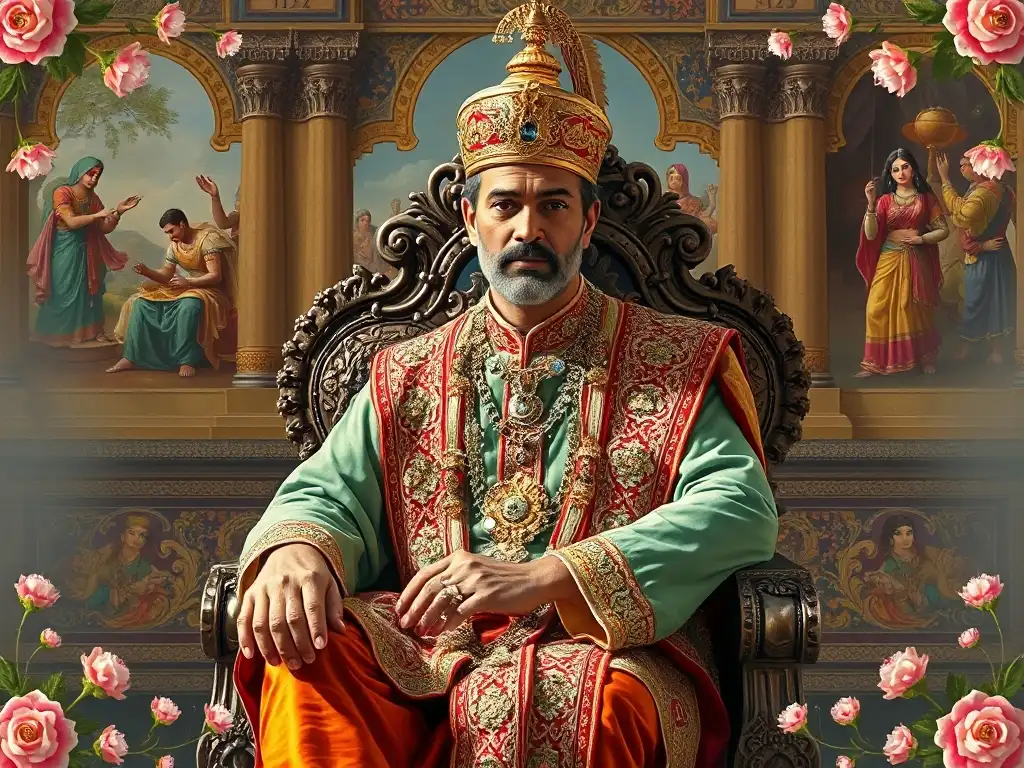
Raja Bhoja, a prominent figure in the history of ancient India, was a king of the Paramara dynasty who ruled over the region of Malwa in the 11th century CE. His reign marked a significant period characterized by remarkable contributions to art, culture, literature, and architecture. Bhoja is often celebrated not only as a ruler but also as a patron of the arts and a scholar in his own right. His legacy is deeply embedded in the cultural fabric of India, influencing subsequent generations of artists, poets, and thinkers.
Overview of Raja Bhoja's Reign
Raja Bhoja ascended to the throne around 1010 CE and ruled until approximately 1055 CE. His reign is often regarded as a golden age for the Paramara dynasty, marked by:
- Cultural Renaissance: Raja Bhoja's patronage led to a flourishing of arts and literature. He is known to have supported various scholars, poets, and artists, creating a vibrant cultural environment.
- Architectural Achievements: Under his rule, numerous temples and structures were built, showcasing intricate carvings and architectural innovation. One of the most notable constructions attributed to him is the Bhojeshwar Temple in Bhojpur, dedicated to Lord Shiva, which exemplifies the grandeur of ancient Indian temple architecture.
- Literary Contributions: Bhoja himself was a prolific writer and is credited with several works in Sanskrit, including the famous "Sarasvati Kanthabharana," a treatise on poetics. His writings reflect his deep understanding of philosophy, aesthetics, and the intricacies of the human experience.
- Administrative Reforms: Raja Bhoja implemented various administrative reforms that improved governance and promoted trade and agriculture, contributing to the economic prosperity of his kingdom.
Bhoja's reign was not only marked by military conquests but also by a profound commitment to the arts and culture, which left an indelible mark on the Indian subcontinent.
Importance of Raja Bhoja in Ancient Indian History
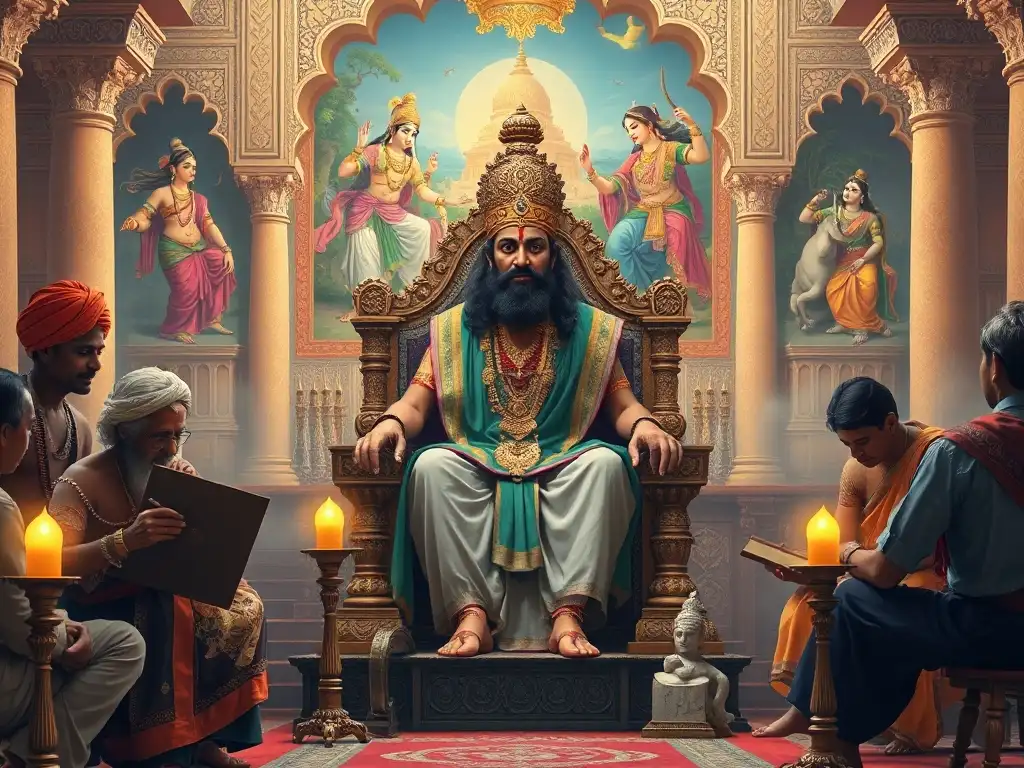
Raja Bhoja's contributions to art and culture are significant for several reasons:
- Patronage of the Arts: Bhoja's support for artists and craftsmen allowed for the development of various art forms, including sculpture, painting, and music. His court became a cultural hub, attracting talents that would shape Indian arts for centuries.
- Cultural Syncretism: During his reign, Bhoja facilitated cultural exchanges that blended different regional art styles and traditions. This syncretism fostered a unique cultural identity that celebrated diversity.
- Influence on Later Rulers: The artistic and cultural renaissance initiated by Bhoja set a precedent for future rulers in India. His reign inspired subsequent dynasties, including the Chalukyas and the Vijayanagara Empire, to invest in art and culture.
- Philosophical Contributions: Bhoja's philosophical writings, especially on aesthetics, laid the groundwork for later discussions in Indian philosophy regarding beauty, art, and their roles in society. His insights are still referenced in contemporary studies of Indian aesthetics.
- Historical Documentation: The inscriptions and literary works from Bhoja’s era provide invaluable insights into the social, cultural, and political life of ancient India, enriching our understanding of the period.
Raja Bhoja’s contributions to art and culture not only defined his reign but also shaped the trajectory of Indian history. His legacy continues to be celebrated, underscoring the importance of cultural patronage in the development of civilizations.
Raja Bhoja's Contributions to Art
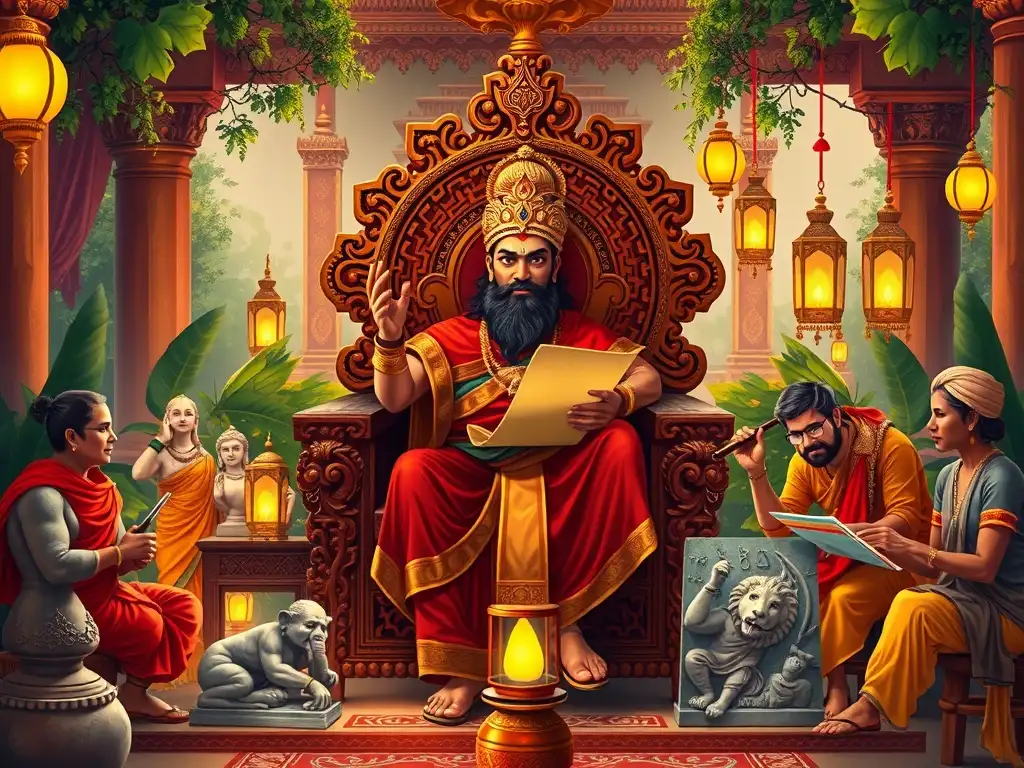
Raja Bhoja, the illustrious king of the Paramara dynasty, ruled during the early 11th century CE and is often celebrated for his profound impact on the arts and culture of ancient India. His reign marked a period of cultural renaissance, where various artistic endeavors flourished under his patronage. Bhoja’s contributions to art not only reflect the aesthetic sensibilities of the time but also highlight the intricate relationship between governance, culture, and spirituality.
Patronage of the Arts: A Cultural Renaissance
Bhoja's reign is characterized by remarkable patronage of the arts, which catalyzed a cultural renaissance in the region of Malwa. He actively supported various forms of artistic expression, including literature, music, dance, and visual arts.
- Literature: Bhoja himself was a scholar and poet, and his literary contributions are noteworthy. His famous work, Saraswati Kantha*, is a poetic tribute to the goddess of knowledge, illustrating his belief in the divine connection between creativity and spirituality.
- Music and Dance: The king's court became a hub for musicians and dancers, fostering an environment where classical arts thrived. He is credited with the establishment of the Natyashastra as a significant text for performance arts.
- Cultural Institutions: Raja Bhoja established numerous institutions and academies that promoted artistic education and creativity. This included the construction of Vishwavidyalayas, which attracted scholars and artists from far and wide, enhancing the cultural landscape of his kingdom.
Bhoja’s patronage extended beyond mere financial support; it was a commitment to elevating the status of the arts, making them integral to the identity of his empire.
Architectural Innovations Under Raja Bhoja
Raja Bhoja is renowned for his architectural innovations, which not only enhanced the aesthetic appeal of his kingdom but also showcased advanced engineering techniques of the time.
- Temples: One of his most significant contributions is the construction of exquisite temples, notably the Bhojeshwar Temple in Bhojpur. This temple is famous for its massive Shiva linga, which stands as a testament to the architectural prowess of the era. The intricate carvings and sculptures adorning the temple reflect the high level of craftsmanship and artistic detail achieved during his reign.
- Urban Planning: Bhoja was also known for his urban planning skills. The city of Dhara, his capital, was meticulously designed with a focus on aesthetics and functionality. The layout of the city, with its gardens, water bodies, and well-structured roads, exemplifies the integration of beauty and practicality in ancient Indian architecture.
- Innovative Techniques: Under Raja Bhoja, there was a notable advancement in construction techniques, including the use of limestone and mortar. These innovations allowed for more durable and aesthetically pleasing structures, which have withstood the test of time.
Bhoja’s architectural vision not only transformed the physical landscape of his empire but also left an enduring legacy that continues to inspire modern architecture.
Sculptural Advancements and Their Significance
Sculpture flourished during Raja Bhoja's reign, reflecting both the religious and cultural ethos of the time.
- Iconography: The sculptures created during this period often depicted various deities, mythological figures, and scenes from Hindu epics. The detailed representations of figures such as Vishnu and Shiva illustrate a deep understanding of iconography and its significance in conveying spiritual narratives.
- Techniques and Styles: The sculptors of Bhoja's time employed advanced techniques such as chisel work, which allowed for intricate details in the carvings. This period saw the emergence of a distinctive style characterized by graceful forms and elaborate decorations, setting a benchmark for future generations of sculptors.
- Cultural Reflection: The sculptures served not only as religious icons but also as reflections of the societal values and beliefs of the time. They depicted themes of love, valor, and devotion, providing insight into the cultural fabric of 11th-century India.
The advancements in sculpture during Raja Bhoja's reign played a crucial role in the preservation and transmission of cultural narratives, making them pivotal in understanding ancient Indian history.
Raja Bhoja's contributions to art encompassed various dimensions, from patronage and architecture to sculpture. His reign not only enriched the cultural tapestry of ancient India but also laid down a legacy that resonates through the ages. His influence is a testament to the profound relationship between leadership and cultural development, showcasing how a ruler's vision can cultivate a flourishing artistic environment.
Literary Contributions of Raja Bhoja
Raja Bhoja, the illustrious king of the Paramara dynasty in the 11th century, is renowned not only for his contributions to art and architecture but also for his significant literary achievements. His court became a vibrant center of culture, attracting poets, scholars, and philosophers who flourished under his patronage. This rich literary environment fostered the creation and preservation of numerous works that have had a lasting impact on Indian literature and philosophy.
Raja Bhoja as a Poet and Scholar
Raja Bhoja was a multifaceted personality, deeply engaged in various fields of knowledge. He was not only a ruler but also an accomplished poet, earning him the title of "Bhoja Kavi." His poetic works are characterized by their intricate style and thematic depth. He composed several texts, including the famous "Sarasvati Kanthabharana," which is a treatise on poetics and aesthetics, showcasing his understanding of literary forms and devices.
In addition to his poetry, Bhoja was a keen scholar and an advocate for knowledge. He is credited with authoring the "Samaraangana Sutradhaara," a comprehensive manual on architecture and military science. This work illustrates his interest in various disciplines, including science, mathematics, and engineering, and reflects his desire to integrate these fields with artistic expression. His scholarship and intellectual pursuits positioned him as a significant figure in the cultural landscape of ancient India.
Influence on Sanskrit Literature and Philosophy
Raja Bhoja's influence on Sanskrit literature and philosophy is profound and enduring. His patronage of scholars and poets not only enriched the literary tradition of the era but also encouraged the exploration of philosophical ideas. Under his rule, the court became a hub for intellectual discourse, where scholars like the renowned philosopher and poet, Jayadeva, thrived.
One of Bhoja's most notable contributions is his promotion of the "Bhoja Shastra," a philosophical system that emphasized the interconnectedness of arts, sciences, and spirituality. This approach encouraged a holistic understanding of knowledge, which was reflected in the works produced during his reign. His support for the arts and literature led to the flourishing of various genres, including drama, poetry, and treatises on aesthetics.
Furthermore, Raja Bhoja's efforts in preserving and promoting ancient texts were pivotal in the development of Sanskrit literature. He commissioned the compilation of various manuscripts, ensuring that the wisdom of earlier scholars was not lost to time. This commitment to preserving literary heritage underscores his role as a custodian of knowledge and culture in ancient India.
Raja Bhoja's literary contributions and his support for Sanskrit literature and philosophy significantly shaped the cultural landscape of his time. His legacy as a poet, scholar, and patron of the arts continues to be celebrated, highlighting the profound impact he had on the evolution of art and culture in ancient India.
Impact on Regional Culture and Identity
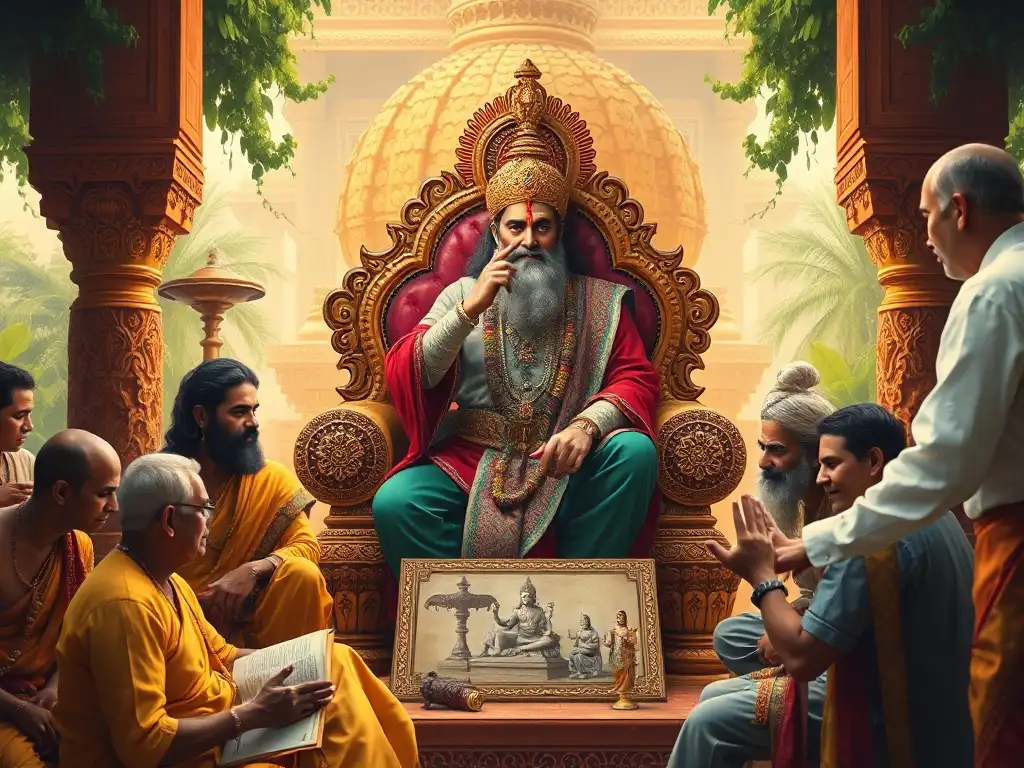
The reign of Raja Bhoja, one of the most celebrated kings of the Paramara dynasty during the 11th century, marked a significant turning point in the cultural landscape of ancient India. His contributions to art, literature, and architecture not only enriched the local culture but also forged a unique identity that reverberated throughout the region. Raja Bhoja's patronage of various artistic endeavors and the promotion of local traditions played a crucial role in shaping the cultural ethos of his time, fostering a sense of pride and unity among the people.
Promotion of Local Traditions and Practices
Raja Bhoja was a staunch advocate for the preservation and promotion of local traditions and practices. Under his rule, the flourishing of regional art forms, music, and dance became a hallmark of his reign. Bhoja's court was a vibrant hub for artists, poets, and scholars, encouraging the fusion of local styles with influences from other regions.
- Support for Folk Art: Bhoja recognized the importance of folk art as a means of cultural expression. He patronized local artisans, leading to a revival of traditional crafts such as pottery, textiles, and metalwork. This initiative not only enhanced the aesthetic quality of local products but also provided livelihood opportunities to many craftsmen.
- Festivals and Rituals: Raja Bhoja played a pivotal role in the celebration of local festivals, promoting rituals that were deeply rooted in the community's identity. His support for these events fostered a sense of belonging among the people, reinforcing their cultural heritage.
- Literature and Poetry: Bhoja himself was a poet and scholar, and he encouraged the creation of literature in regional languages. His patronage of literary works led to the flourishing of local storytelling traditions, which preserved the history and values of the community.
Raja Bhoja's Role in Cultural Syncretism
Raja Bhoja's reign was marked by a remarkable cultural syncretism, where diverse traditions and influences coalesced into a rich tapestry of art and culture. His ability to integrate various cultural elements from different regions positioned him as a unifying figure in ancient India.
- Fusion of Architectural Styles: Bhoja's contributions to architecture exemplify this cultural blending. The construction of temples, such as the Bhojeshwar Temple, showcased a harmonious amalgamation of local styles with influences from North Indian and South Indian architecture. The intricate carvings and sculptures in these structures reflect the technical prowess and artistic sensibilities of the time.
- Religious Tolerance: Raja Bhoja's court was known for its religious tolerance, which allowed for the coexistence of various faiths. This openness facilitated the exchange of ideas and practices between different communities, enriching the cultural milieu of his kingdom. Hindu, Jain, and Buddhist traditions found a place in Bhoja's patronage, leading to a diverse cultural landscape.
- Influence on Subsequent Generations: The cultural initiatives undertaken by Raja Bhoja laid the groundwork for future artistic movements in India. His emphasis on local traditions and syncretism inspired later rulers and artists, ensuring that the rich cultural heritage of the region continued to thrive.
Raja Bhoja's contributions to art and culture significantly impacted the regional identity of ancient India. His promotion of local traditions, coupled with his role in fostering cultural syncretism, left an indelible mark on the artistic expressions of his time, making him a pivotal figure in the history of Indian civilization.
The Role of Raja Bhoja in Advancing Education
Establishment of Educational Institutions
Raja Bhoja, the illustrious ruler of the Paramara dynasty in the 11th century, played a pivotal role in the advancement of education in ancient India. Recognizing the importance of knowledge and scholarship, he established numerous educational institutions that became beacons of learning during his reign.
One of the most notable institutions was the University of Dhara, which attracted scholars from across the Indian subcontinent. This university not only focused on traditional subjects like Sanskrit grammar and philosophy, but also embraced sciences, mathematics, and literature. The rigorous curriculum and the quality of education offered here were unmatched, leading to a flourishing intellectual environment.
- Key Features of Educational Institutions Established by Raja Bhoja:
- Curriculum Variety: Included subjects like astronomy, medicine, and arts.
- Access to Resources: Libraries stocked with manuscripts and texts from various fields.
- Cultural Exchange: Scholars from different regions collaborated and exchanged ideas.
Raja Bhoja's commitment to education is further exemplified by his support for scholarships and patronage programs, which ensured that promising students had the means to pursue their studies. This approach not only elevated the status of learning but also promoted the idea that education was a right for all, regardless of social standing.
Influence on Scholars and Philosophers of His Time
The reign of Raja Bhoja was marked by a remarkable flourishing of scholarship and philosophy. His patronage attracted some of the most brilliant minds of the era, fostering an environment where intellectual pursuits were highly valued.
Notable scholars associated with Raja Bhoja included Kshitimohan, a renowned philosopher, and Dhanapala, a celebrated poet. Their works not only enriched the cultural tapestry of ancient India but also laid the groundwork for future generations. The king himself was a scholar and a poet, often engaging in discussions with these intellectuals, which further stimulated the philosophical discourse of the time.
- Key Influences on Scholars:
- Freedom of Expression: Scholars enjoyed the liberty to explore various ideologies and philosophies without fear of censorship.
- Interdisciplinary Collaboration: Scholars from different fields, such as art, science, and religion, often collaborated on projects, leading to innovative ideas and teachings.
- Cultural Integration: Bhoja's court became a melting pot of cultures and ideas, enhancing the richness of Indian thought.
Raja Bhoja's contributions to art and culture were deeply intertwined with his commitment to education. His legacy in advancing knowledge and fostering intellectual growth not only influenced the cultural landscape of his time but also set a precedent for future rulers in India. By prioritizing education, he ensured that the seeds of wisdom and creativity were sown, allowing them to flourish in subsequent generations.
Comparisons with Other Influential Leaders
Similarities with Other Patron Kings of Ancient India
Raja Bhoja, a prominent figure in ancient Indian history, shares notable similarities with other patron kings known for their contributions to art and culture. Like his contemporaries, Bhoja was deeply engaged in the promotion of artistic endeavors, literature, and architectural innovations. Here are some key parallels:
- Support for Artists and Scholars: Much like King Harsha and King Ashoka, Raja Bhoja fostered a vibrant cultural milieu by patronizing poets, artists, and scholars. He established a court that attracted talent from various fields, leading to a flourishing of creativity and intellectualism.
- Construction of Temples and Monuments: Similar to the efforts of King Chandragupta II, whose reign saw the construction of numerous temples, Raja Bhoja was instrumental in building significant architectural works, including the Bhojshala at Dhar, which served both religious and educational purposes.
- Promotion of Literature: Just as King Vikramaditya is celebrated for his support of literary figures like Kalidasa, Raja Bhoja's reign was marked by the patronage of notable literary works, including his own treatise, "Saraswati Kanthabharana," which reflects his deep engagement with Sanskrit literature and poetics.
These similarities illustrate a broader pattern among influential kings in ancient India, wherein the patronage of art and culture was a hallmark of their governance, fostering an environment conducive to creativity and intellectual growth.
Unique Aspects of Raja Bhoja's Contributions to Art and Culture
While Raja Bhoja shares common traits with other patron kings, his contributions to art and culture possess unique characteristics that set him apart. Notably:
- Innovative Artistic Styles: Raja Bhoja is credited with the development of a distinct artistic style that blended local traditions with influences from other cultures. His period saw the emergence of intricate sculptures and frescoes that depicted both religious themes and secular life, showcasing a rich tapestry of artistic expression.
- Integration of Science and Art: Unlike many of his predecessors, Bhoja's contributions extended beyond traditional art forms to include a scientific approach to architecture and sculpture. His treatise, "Vishnudharmottara," reflects his understanding of aesthetics and principles of design, merging artistic creativity with scientific knowledge.
- Revival of Classical Texts: Raja Bhoja played a critical role in the revival and preservation of classical texts, actively engaging in the compilation and editing of ancient manuscripts. This effort not only enriched the literary landscape of his time but also ensured the transmission of cultural knowledge to future generations.
- Cultural Synthesis: Bhoja's reign was marked by a synthesis of various cultural influences, where he harmonized local traditions with broader Indian and regional cultural elements. This approach fostered a unique identity for his kingdom, making it a center for diverse cultural expressions.
Raja Bhoja's distinctive contributions to art and culture, characterized by innovative styles, a scientific approach to aesthetics, and a commitment to preserving classical literature, highlight his significant role in shaping the cultural landscape of ancient India. His legacy continues to inspire and inform contemporary discussions about the richness of Indian artistic heritage.
Conclusion: The Enduring Legacy of Raja Bhoja
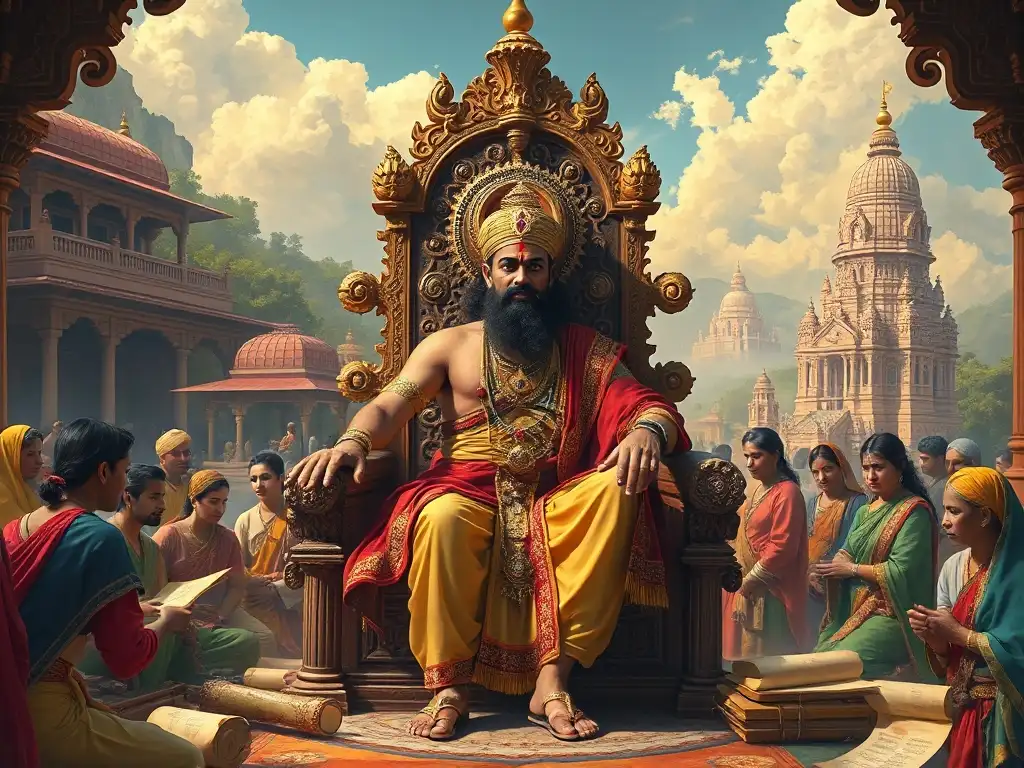
Raja Bhoja, the illustrious king of the Paramara dynasty, left an indelible mark on the landscape of ancient Indian art and culture. His reign, which spanned from approximately 1010 to 1055 CE, is characterized by a unique confluence of artistic innovation, literary patronage, and architectural marvels. Bhoja’s contributions to art are not merely a reflection of his personal interests but also a testament to his vision of a culturally enriched society.
His patronage of artists and scholars led to the flourishing of various art forms, including sculpture, painting, and literature. The construction of grand temples, such as the Bhojeshwar Temple in Bhojpur, exemplifies his commitment to architectural excellence. These temples not only served as places of worship but also as repositories of artistic expression, showcasing intricate carvings and sculptures that continue to inspire admiration even in contemporary times.
Lasting Influence on Subsequent Generations
Raja Bhoja's influence on art and culture extended far beyond his lifetime, shaping the trajectory of Indian artistic endeavors for centuries. His innovative approaches in both visual arts and literature set new standards that future generations aspired to achieve. Notably, Bhoja's compilation of the Saraswati Kanthabharana, a significant work on aesthetics, laid the groundwork for subsequent artistic philosophy in India.
- Artistic Techniques: Bhoja's reign saw the introduction and refinement of various artistic techniques. Sculptors and painters began to experiment with new styles, often blending traditional motifs with innovative designs. These techniques were passed down through generations, influencing regional art forms across India.
- Literary Contributions: His encouragement of literary pursuits led to the emergence of several notable poets and writers. The literary renaissance during Bhoja's reign influenced subsequent literary movements, with many works continuing to be celebrated in Indian classical literature today.
- Cultural Synthesis: Raja Bhoja’s reign was marked by a synthesis of various cultural influences, including those from neighboring regions. This cultural amalgamation enriched the artistic landscape of India, fostering diversity that would be reflected in later periods.
In essence, Raja Bhoja's contributions to art can be viewed as a catalyst for a broader cultural revival in medieval India, influencing not only the immediate region but also the larger Indian subcontinent.
Reflection on Raja Bhoja's Importance in Indian History
Raja Bhoja’s significance in Indian history is profound, as he embodies the ideals of a ruler who valued and actively promoted culture and the arts. His reign is often described as a golden age, where art and culture flourished under his patronage. This period is crucial for understanding the evolution of Indian art and the socio-political dynamics of the time.
- Visionary Leadership: Bhoja's vision extended beyond mere governance; he aimed to create a legacy through the arts. His policies encouraged creativity, leading to advancements in various fields, including architecture, sculpture, and literature.
- Symbol of Cultural Identity: In many ways, Raja Bhoja represents the rich cultural identity of ancient India. His contributions serve as a reminder of the importance of cultural heritage and the role of leadership in fostering artistic expression.
- Inspiration for Future Rulers: The model set by Raja Bhoja served as an inspiration for future rulers in India. Their efforts to patronize the arts can be traced back to the foundations laid during his reign, highlighting the long-lasting implications of his leadership on Indian history.
Raja Bhoja remains a pivotal figure whose contributions to art not only enriched his own era but also laid the groundwork for future artistic endeavors, making him an enduring symbol of cultural and artistic excellence in ancient India.
References and Further Reading
Suggested Books and Articles on Raja Bhoja
- "Raja Bhoja: The Great King of Dhara" by Dr. A.K. Sharma
- This comprehensive biography details the life and reign of Raja Bhoja, emphasizing his contributions to art, architecture, and literature. The book provides insights into Bhoja's patronage of artists and his role in the cultural renaissance of medieval India.
- "Art and Architecture of the Paramaras" by Dr. S.K. Sharma
- Focusing on the Paramara dynasty, this work explores the artistic styles and architectural innovations that flourished under Raja Bhoja's rule. It highlights how Bhoja's vision shaped the cultural landscape of his time.
- "Cultural Heritage of India: The Legacy of Raja Bhoja" by Dr. R. N. Verma
- This article presents an in-depth analysis of Raja Bhoja's contributions to the cultural heritage of India, discussing his influence on literature, art, and philosophy.
- "The Influence of Raja Bhoja on Indian Art" (Journal of Indian History, 2020)
- This peer-reviewed journal article examines specific artistic contributions and legacy of Raja Bhoja, detailing how his patronage impacted various art forms, including sculpture, painting, and temple architecture.
- "Raja Bhoja and the Evolution of Indian Aesthetics" by Dr. P. R. Mehta
- This scholarly text investigates the philosophical underpinnings of Bhoja's contributions to aesthetics in art, exploring how his ideas influenced subsequent generations of artists and thinkers.
Resources for Exploring Ancient Indian Art and Culture
- Digital Archives and Online Libraries:
- The National Digital Library of India offers a wealth of resources related to ancient Indian literature, art, and culture, including digitized manuscripts and scholarly articles.
- Virtual Museums:
- The National Museum of India and the Indira Gandhi National Centre for the Arts feature online exhibitions showcasing artifacts and artworks from the period of Raja Bhoja, allowing for a virtual exploration of ancient Indian culture.
- Documentaries and Educational Videos:
- Platforms like YouTube host documentaries on the art and culture of ancient India, with specific episodes dedicated to Raja Bhoja and the Paramara dynasty, providing visual insights into the era.
- Cultural Heritage Websites:
- Websites such as ASI (Archaeological Survey of India) provide extensive information on historical sites, sculptures, and architectural marvels from Raja Bhoja's time, with details about ongoing research and excavations.
- Online Courses:
- Institutions like Coursera and edX offer courses on Indian art history, covering significant figures like Raja Bhoja and their contributions to the cultural fabric of ancient India.
By exploring these resources, readers can gain a deeper understanding of Raja Bhoja's contributions to art and become familiar with the broader context of ancient Indian culture.
Frequently Asked Questions
What were the primary contributions of Raja Bhoja to art in ancient India?
Raja Bhoja is renowned for his patronage of the arts, particularly sculpture and architecture, which flourished during his reign, enhancing cultural richness in ancient India.
How did Raja Bhoja influence literature and poetry?
Under Raja Bhoja's rule, there was a significant revival of Sanskrit literature, with many poets and scholars thriving, which showcased his dedication to literary arts.
What role did Raja Bhoja play in the development of temple architecture?
Raja Bhoja is credited with constructing many temples that displayed intricate carvings and architectural innovations, marking a significant evolution in religious architecture.
How did Raja Bhoja’s contributions impact later Indian art and culture?
His contributions laid the groundwork for subsequent artistic movements, influencing later dynasties in their artistic expressions and cultural practices.
What were some notable works commissioned by Raja Bhoja?
Raja Bhoja commissioned several magnificent temples and sculptures, including the famous Bhojshala temple, which exemplified the artistic advancements of his era.
Final Reflection: The Enduring Legacy of Raja Bhoja in Art and Culture
Raja Bhoja's contributions to art are not just historical footnotes; they resonate profoundly in today's cultural landscape. His innovative spirit and patronage of the arts laid a foundation that continues to inspire artists, scholars, and enthusiasts alike. In a world increasingly driven by technology, the timeless essence of Bhoja's artistic vision reminds us of the power of creativity and cultural expression to transcend eras and connect communities.
The influence of Raja Bhoja extends far beyond his reign; it permeates the very fabric of Indian art and culture. His commitment to fostering artistic talent and his own creative endeavors have left an indelible mark that is still felt today. As we explore the richness of Indian heritage, we find echoes of Bhoja's legacy in contemporary art forms, literature, and architecture. Art is the most beautiful of all lies.
This sentiment encapsulates the essence of Bhoja's contributions, as he understood that art is a reflection of society's aspirations and dreams.
As we reflect on the lessons from Raja Bhoja's life and work, I invite you to consider how you can contribute to the cultural tapestry of your own community. Embrace the spirit of creativity and innovation that Bhoja exemplified, and let it inspire you to explore your artistic passions. Whether through painting, writing, or any form of expression, remember that your contributions can shape the cultural landscape for future generations, just as Raja Bhoja did centuries ago.
Unveil the Legacy: Take Action to Celebrate Raja Bhoja!
Thank you for diving into the remarkable world of Raja Bhoja and his profound impact on art and culture in ancient India. Your interest reflects a passion for understanding history, and now it’s time to honor that knowledge by taking meaningful steps forward!
Here are some engaging actions you can take:
- Explore the rich heritage of ancient Indian art by visiting local museums or online galleries to see how Bhoja's influence persists today.
- Share your newfound insights on social media or within your community to spark discussions about the importance of cultural preservation.
- Join a local history group or online forum to connect with fellow enthusiasts and delve deeper into the fascinating stories of ancient India.
What aspects of Raja Bhoja's legacy do you find most inspiring, and how could they shape our modern understanding of culture?