
The Social Dynamics of CasteBased Communities in Ancient Indian Cities

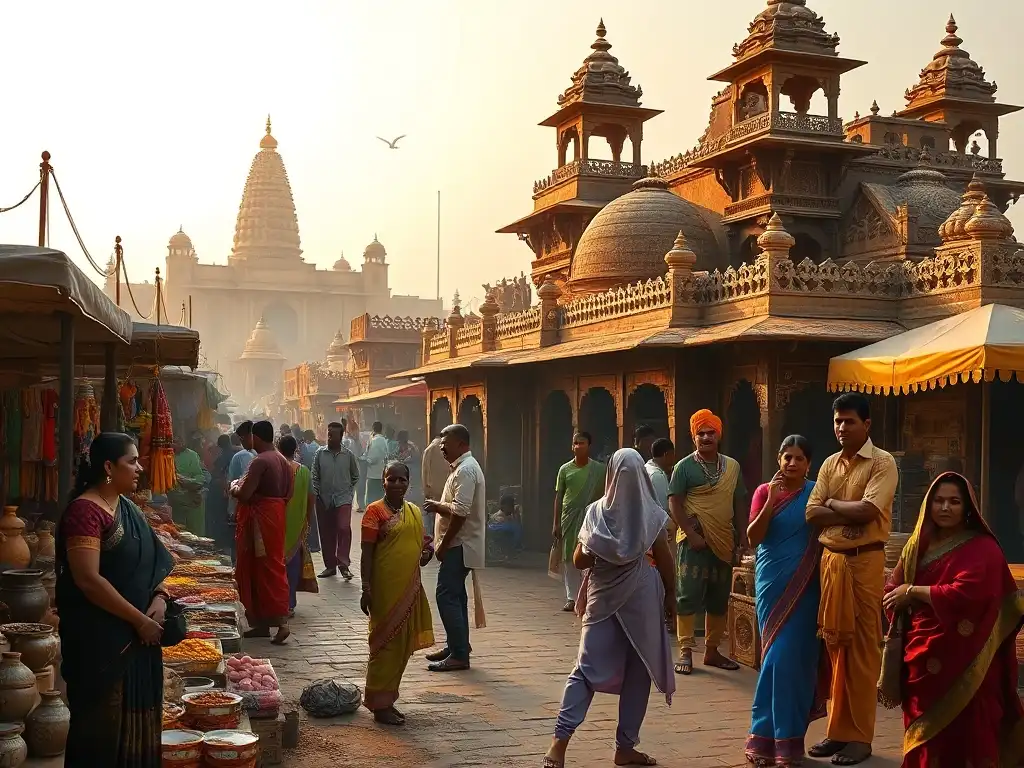
Welcome to Ancient India History, where we embark on a fascinating journey through the intricate tapestry of ancient Indian civilizations. Dive deep into the caste dynamics in ancient India, a topic that unravels the complexities of social structures and community life in bustling cities from the Indus Valley to the Gupta Empire. What roles did caste play in daily interactions, and how did it shape the rich cultural landscape that flourished in this remarkable era?
Join us as we explore these compelling questions and more, igniting your curiosity about the profound contributions of our ancestors. Read on to discover the vibrant social fabric that defined ancient India!
- Introduction to Caste Dynamics in Ancient India
- Understanding Caste-Based Communities
- Social Hierarchies and Their Implications
- Interactions Among Caste Groups
- The Impact of Geography on Caste Dynamics
- Evolution of Caste Dynamics Over Time
- Challenges and Conflicts within Caste-Based Communities
- Conclusion: The Legacy of Caste Dynamics in Ancient India
-
Frequently Asked Questions
- What are the origins of caste dynamics in ancient India?
- How did caste systems impact daily life in ancient Indian cities?
- Were there any changes to the caste dynamics during the Gupta Empire?
- How did religion influence the social structure in ancient India?
- What role did economics play in the formation of caste communities?
- Final Reflection: Understanding Caste Dynamics in Ancient India
- Unveil the Rich Tapestry of Ancient Indian Social Structures
Introduction to Caste Dynamics in Ancient India
The caste system in ancient India represents a complex social structure that shaped the lives, interactions, and identities of individuals within various communities. This intricate web of social stratification, known for its deep historical roots, can be traced back to the Vedic period and continued to evolve through subsequent eras, including the Maurya and Gupta Empires.
Understanding the caste dynamics in ancient India is crucial for comprehending how these communities functioned, how resources were allocated, and how cultural practices were transmitted through generations. This article delves into the rich tapestry of caste-based communities, exploring their social dynamics, roles within urban settings, and the significance of caste in everyday life.
Ancient Indian cities were not merely centers of trade and governance; they were vibrant hubs where diverse caste groups interacted, collaborated, and sometimes conflicted. The social structure was largely hierarchical, with society divided into four primary varnas:
- Brahmins: The priestly class, responsible for spiritual and religious rituals.
- Kshatriyas: Warriors and rulers, tasked with governance and protection.
- Vaishyas: Merchants and landowners, involved in agriculture and commerce.
- Shudras: Laborers and service providers, forming the backbone of various trades.
This framework, although simplified, underscores the intricate relationships between different groups. Each caste had distinct roles, responsibilities, and privileges, influencing various aspects of life, including marriage, occupation, and social interactions.
Additionally, the presence of numerous sub-castes (jatis) added layers of complexity to the social dynamics. These jatis often specialized in specific trades or crafts, contributing to the economic vibrancy of urban centers. For example, artisans, blacksmiths, and weavers belonged to particular jatis, creating a rich tapestry of skills that were essential for city life.
Significance of Caste in Daily Life and Society
The caste system played a pivotal role in shaping daily life and societal norms in ancient India. It dictated not only occupational choices but also social interactions and communal relationships. Here are some key aspects of its significance:
- Social Identity: Caste provided individuals with a clear social identity, influencing personal relationships and community bonds. People often interacted within their caste groups, creating a sense of belonging and shared purpose.
- Economic Roles: Economic activities were largely determined by caste. For instance, certain jatis were exclusively engaged in agriculture, while others specialized in trade or craftsmanship. This specialization fostered economic interdependence among different groups.
- Ritual and Religion: Religious practices and rituals were often caste-specific. Brahmins conducted rituals for the upper castes, while Shudras had different roles in the religious hierarchy. This division reinforced caste boundaries and maintained social order.
- Legitimization of Hierarchy: The caste system also served to legitimize social hierarchies, with cultural and religious narratives often justifying the position of each caste within the broader societal framework.
The dynamics of caste in ancient Indian cities were not just a matter of social organization; they were integral to the functioning of society, influencing everything from economic practices to cultural expressions. Understanding these dynamics provides valuable insights into the complexities of ancient Indian civilization and its enduring impact on contemporary society.
Understanding Caste-Based Communities
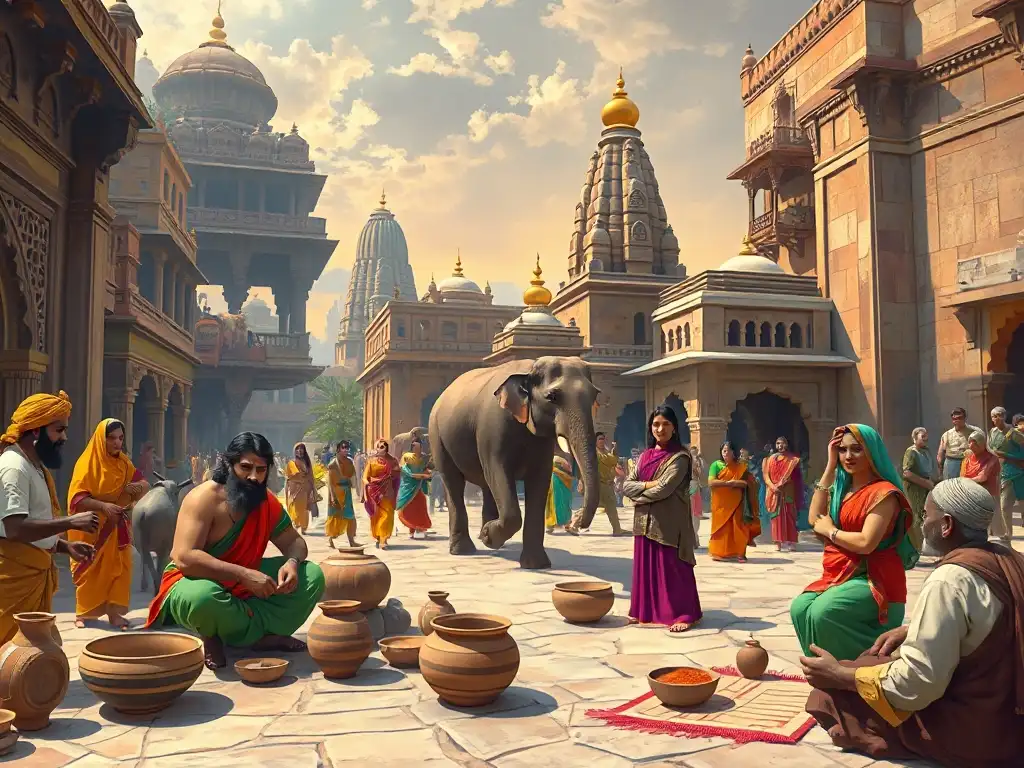
Definition of Caste in Ancient Indian Society
Caste in ancient Indian society, known as varna, refers to a hierarchical social structure that categorized individuals based on their occupation, duties, and societal roles. This system was not merely a means of social classification but also an embodiment of cultural, religious, and economic dimensions. The primary categories of caste included:
- Brahmins: Priests and scholars responsible for religious rituals and teachings.
- Kshatriyas: Warriors and rulers tasked with governance and protection.
- Vaishyas: Merchants and agriculturists engaged in trade and agriculture.
- Shudras: Servants and laborers who supported the higher varnas' activities.
This stratification was deeply intertwined with the spiritual and moral fabric of ancient India, where one's caste determined not only occupation but also social interactions, marriage prospects, and even dietary practices.
Historical Context of Caste Formation
The origins of the caste system can be traced back to the Vedic period (circa 1500-500 BCE), where the early texts like the Rigveda hinted at a division of labor. The Purusha Sukta hymn in the Rigveda famously describes the cosmic being, Purusha, whose body parts were transformed into the various castes. This mythological narrative laid the foundation for caste identity.
Over centuries, the caste system evolved due to various influences, including:
- Geographical Diversity: The vast terrain of ancient India led to localized cultures developing distinct practices and social structures.
- Religious Influences: Hindu scriptures, such as the Manusmriti, codified caste duties and reinforced social order, making caste a divine mandate.
- Economic Factors: The rise of trade and urbanization during the Mauryan and Gupta empires diversified occupations, leading to the emergence of sub-castes and guilds (known as jatis).
As a result, caste dynamics became complex, with rigid boundaries in some regions and more fluid interactions in others.
Major Caste Groups in Ancient India
The major caste groups in ancient India were multifaceted and reflected a wide range of occupations and social functions. Each caste group held specific roles, contributing to the economy and cultural life of their respective communities. Here are key groups:
- Brahmins:
- Role: Spiritual leaders, educators, and ritual specialists.
- Contribution: Preservation and transmission of sacred texts and knowledge.
- Kshatriyas:
- Role: Military leaders and rulers.
- Contribution: Defense of the realm and administration of justice.
- Vaishyas:
- Role: Traders, farmers, and artisans.
- Contribution: Economic development through trade networks and agricultural productivity.
- Shudras:
- Role: Laborers and service providers.
- Contribution: Essential support for the functioning of society, including agriculture and household services.
- Untouchables (Dalits):
- Role: Those engaged in occupations deemed impure, such as leatherworking and sanitation.
- Contribution: Vital services to society, though marginalized and subjected to discrimination.
The interactions among these groups were governed by strict social norms and regulations, which dictated their relationships and responsibilities. The caste dynamics in ancient India thus formed a complex social fabric that influenced daily life, governance, and cultural expression, with lasting implications for subsequent generations.
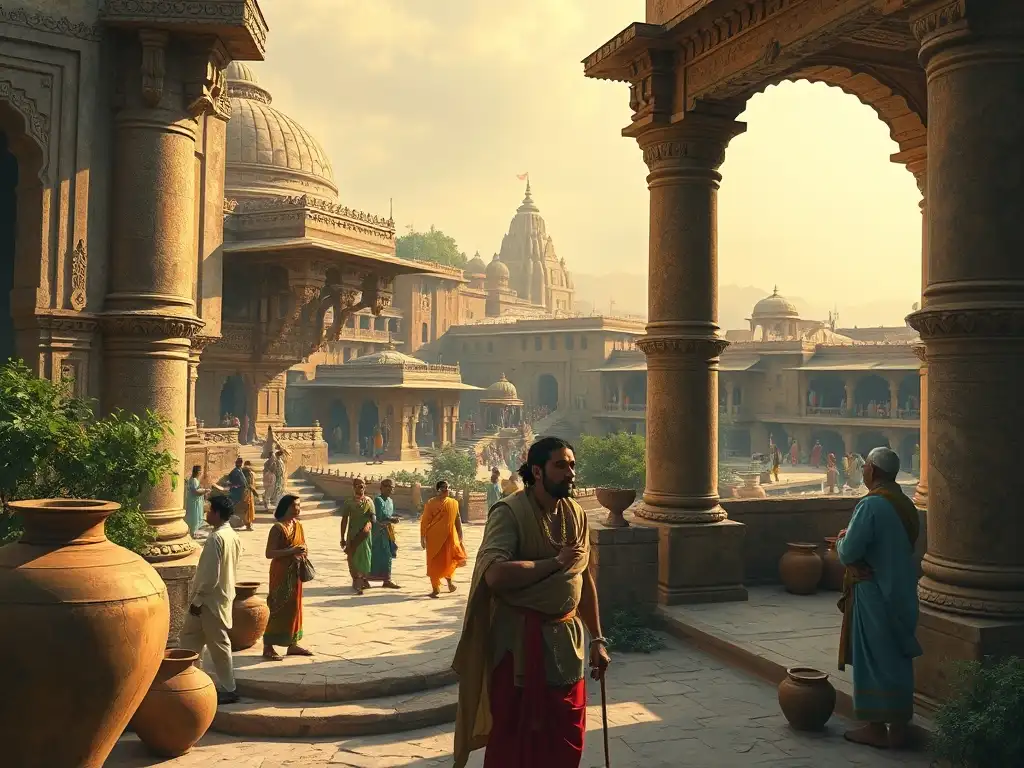
The social structure in ancient India was complex and deeply intertwined with the caste system, which dictated not only individual roles within society but also the interactions between different communities. This hierarchical framework was crucial in maintaining order and stability in ancient Indian cities. Caste dynamics in ancient India were characterized by a set of rigid rules that governed social behavior, economic activities, and religious practices, influencing daily life in profound ways.
Caste was traditionally divided into four primary categories, known as varnas: Brahmins, Kshatriyas, Vaishyas, and Shudras. Each group had its own distinct roles, responsibilities, and privileges, contributing to the overall functioning of society. The implications of these hierarchies were far-reaching, affecting marriage practices, occupation choices, and social mobility.
The Role of Brahmins in Caste Dynamics
Brahmins, the priestly class, held a position of significant power and influence in ancient Indian society. They were regarded as the custodians of sacred knowledge and played a pivotal role in religious rituals, education, and governance. Their responsibilities included:
- Religious Authority: Brahmins conducted sacrifices and rituals, ensuring the favor of deities, which underscored their importance in spiritual and communal life.
- Educators and Scholars: They were the primary educators, responsible for the transmission of sacred texts and philosophical teachings. The Vedas and Upanishads were integral to their scholarly pursuits, shaping the intellectual traditions of the time.
- Advisors to Rulers: Many Brahmins served as advisors to kings, influencing political decisions and maintaining the societal order through their counsel.
The dominance of Brahmins in the caste system established a framework where knowledge and spirituality were tightly controlled, often leading to the marginalization of other communities and their practices.
Kshatriyas: The Warrior Class and Their Influence
The Kshatriyas, or warrior class, played a crucial role in the defense and governance of ancient Indian states. Their contributions were vital in maintaining the socio-political fabric of society, characterized by:
- Military Leadership: Kshatriyas were responsible for protecting their territories from invasions and internal conflicts. Their valor in battle was celebrated in epics and folklore, reinforcing their status as protectors of dharma (righteousness).
- Political Authority: Many Kshatriyas ascended to royal power, establishing dynasties and kingdoms. Their rule was often legitimized by their lineage and martial prowess, which was crucial for maintaining order and allegiance among the populace.
- Cultural Patrons: They also played a significant role in cultural development, sponsoring temples, arts, and literature, which contributed to the richness of ancient Indian civilization.
The influence of Kshatriyas in caste dynamics was marked by their ability to mobilize resources and maintain loyalty, shaping the political landscape of ancient India.
Vaishyas and the Economic Contributions to Society
Vaishyas, the merchant and agricultural class, were essential to the economic vitality of ancient Indian cities. Their roles included:
- Trade and Commerce: Vaishyas were primarily engaged in trade, both local and long-distance, fostering economic interactions with different regions. They facilitated the exchange of goods, ideas, and cultures, contributing to the economic prosperity of ancient India.
- Agricultural Development: Many Vaishyas were landowners and farmers, instrumental in agricultural production. Their practices and innovations in farming techniques significantly impacted food security and economic stability.
- Financial Management: They were also involved in banking and finance, providing loans and credit to farmers and traders, which was crucial for economic activities and mobility.
The contributions of Vaishyas to the economy exemplified the interdependence of caste groups, highlighting how their roles complemented each other in sustaining ancient Indian society.
The caste dynamics in ancient India were characterized by a structured hierarchy that influenced every aspect of life. Each caste had its distinct responsibilities and societal roles, which collectively contributed to the stability and development of ancient civilizations. Understanding these dynamics provides insight into the complexities of social interactions and the evolution of India's rich historical tapestry.
Shudras: The Backbone of Labor and Service
In ancient Indian society, the Shudras constituted the lowest tier within the caste system, primarily associated with labor and service-oriented roles. The term "Shudra" derives from the Sanskrit root "shud," meaning "to serve." They were tasked with performing essential duties that supported the functioning of the economy and society at large. This included a variety of occupations, from agricultural work to craftsmanship and service provision.
Role in Agriculture and Craftsmanship
The Shudras played a crucial role in agriculture, which was the backbone of ancient India's economy. They engaged in farming, tending to crops, and managing livestock. This labor was vital not just for sustenance but also for trade, as surplus produce contributed to market exchanges. In addition to agriculture, Shudras were skilled artisans and craftsmen. They produced textiles, pottery, metalwork, and a range of household goods, significantly contributing to local and regional economies.
- Key Occupations of Shudras:
- Agricultural laborers
- Blacksmiths
- Weavers
- Potters
- Carpenters
Social Status and Rights
Despite their essential contributions, Shudras faced social stigmatization and were often marginalized within the broader society. Their rights were limited compared to the higher castes, and they were generally excluded from religious and educational privileges. The Manusmriti, one of the ancient legal texts, explicitly delineated the roles and restrictions placed upon Shudras, emphasizing their subordinate status. For instance, they were typically not allowed to participate in rituals or hold positions of authority.
Economic Dependency and Mobility
The economic structure of ancient Indian cities heavily relied on the labor of Shudras, creating a dynamic interdependence among the castes. While the higher castes benefited from the services provided by Shudras, this reliance also created a complex social fabric. Although upward mobility was limited, some Shudras could attain higher status through exceptional skills or through patronage from higher castes. This potential for mobility, however, was rare and often contingent upon social and economic circumstances.
Cultural Contributions
Despite their marginalized status, Shudras made significant cultural contributions to ancient Indian society. They were integral to local traditions, festivals, and rituals. Additionally, their oral traditions and folk art forms enriched the cultural tapestry of the communities they belonged to. This cultural heritage has influenced various aspects of Indian art, music, and folklore, demonstrating that the contributions of Shudras extended beyond mere labor.
While the Shudras were often relegated to the margins of ancient Indian society, their roles as laborers and service providers were indispensable. Understanding their position helps illuminate the broader dynamics of caste in ancient India, highlighting the complexities of social hierarchies and their implications on daily life and societal structure.
Interactions Among Caste Groups
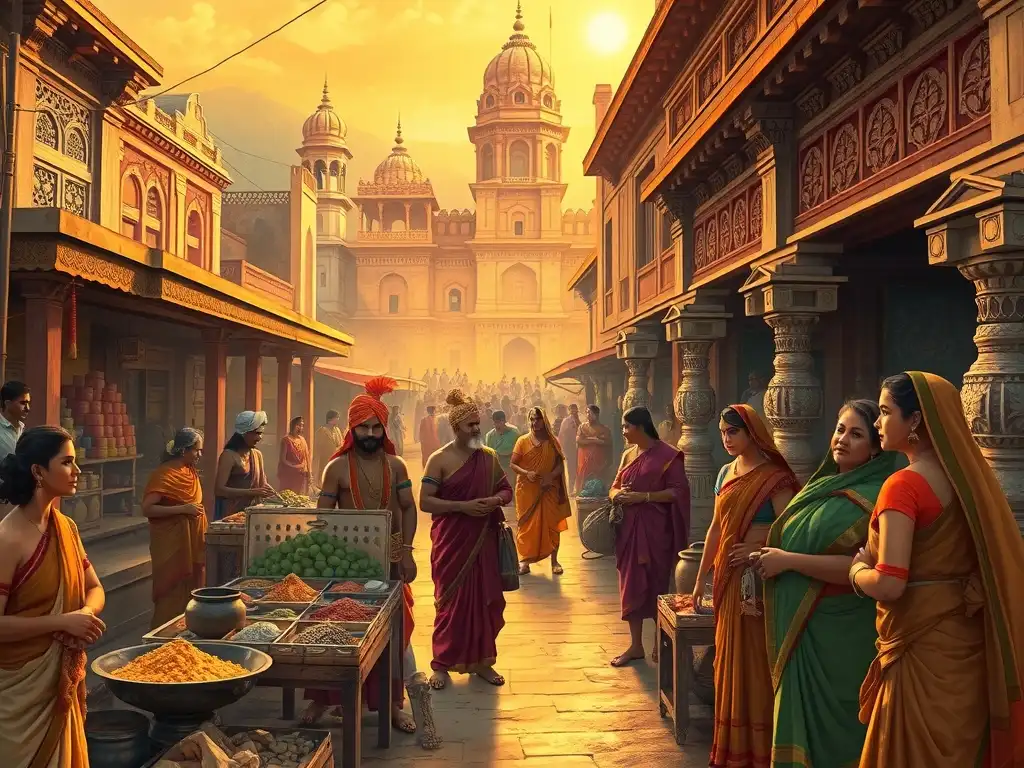
Marriages and Alliances in Caste Dynamics
In ancient India, marriages played a crucial role in reinforcing caste dynamics, serving as a mechanism for social cohesion and the maintenance of caste boundaries. The practice of arranged marriages was prevalent, and families often sought alliances within their caste to ensure that social status and cultural practices remained intact.
- Endogamy vs. Exogamy:
- Endogamous marriages—where individuals marry within their caste—helped preserve the purity of caste lines. For instance, a Brahmin family would typically choose a bride or groom from within the Brahmin community, thereby reinforcing their social status.
- Exogamous marriages, while less common, could occur within larger regional castes or sub-castes, creating broader alliances and enhancing social networks.
This practice was not merely a personal choice but a societal expectation, where deviations could lead to significant stigma or social ostracism.
Trade and Economic Exchanges Between Castes
Trade in ancient India was often organized around caste lines, with different castes specializing in specific trades or crafts. This specialization fostered a complex economic network where goods and services were exchanged among various caste groups, highlighting the interdependence within the caste system.
- Caste Specializations:
- Baniyas were primarily merchants and traders, facilitating the exchange of goods across regions.
- Shudras often engaged in agricultural labor and artisanal crafts, providing essential services to higher castes.
- Economic Interactions:
- Barter Systems: Castes would often engage in barter, trading goods and services specific to their specialization. For example, a potter from the artisan caste would exchange pottery with a farmer for grains.
- Market Days: These gatherings not only encouraged commerce but also social interactions among castes, blurring the lines temporarily as people came together for trade.
This economic interdependence exemplified how caste dynamics shaped the social fabric of ancient Indian cities, fostering both cooperation and competition among different groups.
Cultural Practices and Festivals: A Caste Perspective
Cultural practices and festivals served as significant expressions of caste identity in ancient India, reinforcing social structures while also providing opportunities for communal participation. Each caste often had its own unique customs, rituals, and festivals that reflected its values and traditions.
- Festivals:
- Festivals such as Diwali or Holi would see participation from various caste groups, yet the manner of celebration could vary significantly. For example, the rituals performed by Brahmins during these festivals often included elaborate pujas, while lower castes might have simpler forms of celebration.
- Cultural Exchanges:
- While castes maintained distinct traditions, festivals provided a platform for interactions. For instance, during harvest festivals, different castes would come together to celebrate, share food, and participate in communal activities, fostering a sense of unity amidst diversity.
Ultimately, cultural practices and festivals acted as both a means of reinforcing caste identities and a space for limited interaction, demonstrating the nuanced dynamics of social relationships in ancient India.
The interactions among caste groups in ancient India were multifaceted, shaping not only personal relationships but also the economic and cultural landscape of society. Understanding these dynamics is vital for comprehending the broader social structure of ancient Indian civilizations.
The Impact of Geography on Caste Dynamics
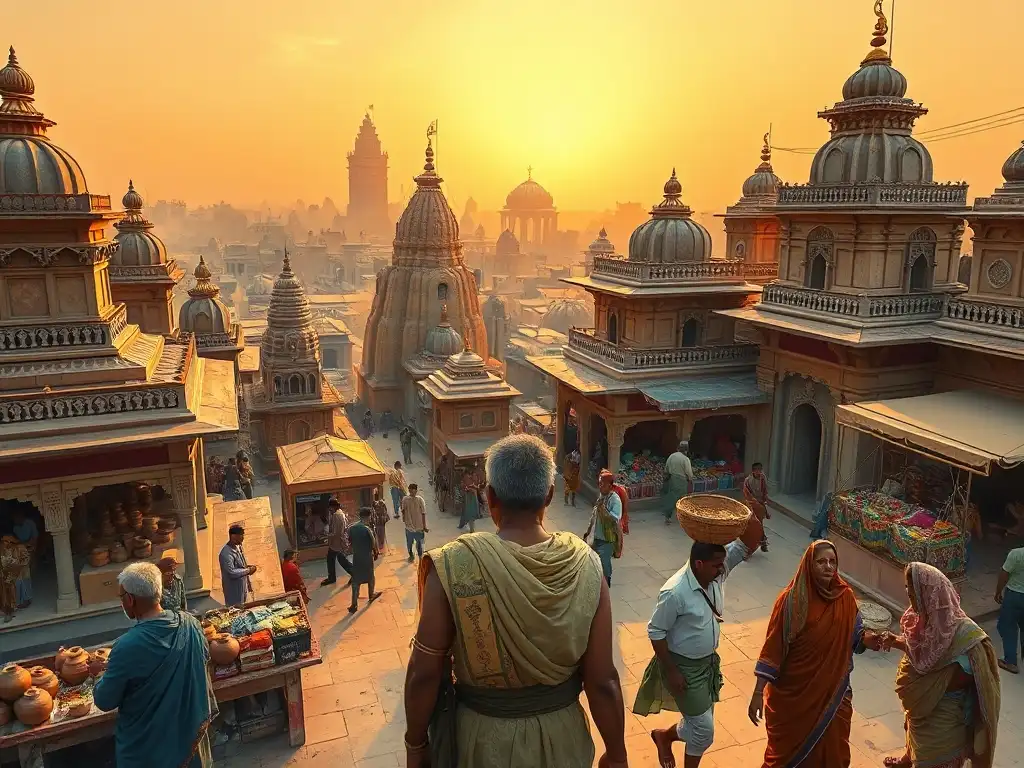
The geography of ancient India played a crucial role in shaping the caste dynamics within its cities and regions. The diverse landscapes—from the fertile plains of the Ganges to the arid deserts of Rajasthan—contributed to variations in agricultural practices, trade, and social interactions. These geographical factors influenced the development of distinct caste systems that were adapted to local conditions, resources, and economic activities.
Caste Variations Across Different Regions of Ancient India
Regions in ancient India exhibited significant differences in caste structures, reflecting the local economy and culture. For instance, in the Indus Valley, the early urban centers like Harappa and Mohenjo-Daro demonstrated a relatively egalitarian social structure. Archaeological evidence suggests a lack of monumental temples and a focus on trade, which may have encouraged a more fluid social hierarchy among merchants and craftsmen.
In contrast, the Gangetic Plains saw the emergence of a more stratified caste system, primarily influenced by agrarian lifestyles. As agriculture became the dominant economic activity, the need for organized labor and land management led to a clearer delineation of roles. This resulted in a rigid hierarchy, with the Brahmins (priests and scholars) at the top, followed by Kshatriyas (warriors), Vaishyas (merchants), and Shudras (laborers).
In the Southern regions, such as Tamil Nadu, the caste system developed unique features influenced by local traditions and the Dravidian language. Here, the Brahmins played a significant role in temple administration and religious practices, while non-Brahmin castes engaged in various occupations, from agriculture to artisan work. The Nadars, for instance, were known for their involvement in trade and agriculture, showcasing the diversity of caste roles even within a single region.
Urban vs. Rural Caste Structures
The distinction between urban and rural environments further complicated caste dynamics in ancient India. In urban centers, such as Pataliputra and Taxila, economic opportunities and interactions among diverse communities fostered a more dynamic caste structure. Urbanization allowed for the emergence of new occupational groups, leading to a degree of social mobility that was often absent in rural areas.
In cities, the presence of markets, artisans, and traders created a melting pot of cultures and castes, where individuals could sometimes transcend traditional caste barriers through wealth and education. However, this urban mobility did not erase caste distinctions entirely; rather, it often led to the formation of new sub-castes and guilds that reflected the city's economic landscape.
Conversely, rural communities remained more influenced by traditional caste roles, where agriculture dictated social organization. The agrarian lifestyle necessitated a stable and predictable social order, anchoring individuals firmly within their castes. This rigidity was often reinforced by local customs and the agrarian economy, where the status of a caste was closely tied to land ownership and agricultural productivity.
The interplay between geography and social structure created a complex tapestry of caste dynamics in ancient India. Understanding these variations is essential in exploring how caste influenced daily life and societal interactions across different regions and environments.
Evolution of Caste Dynamics Over Time
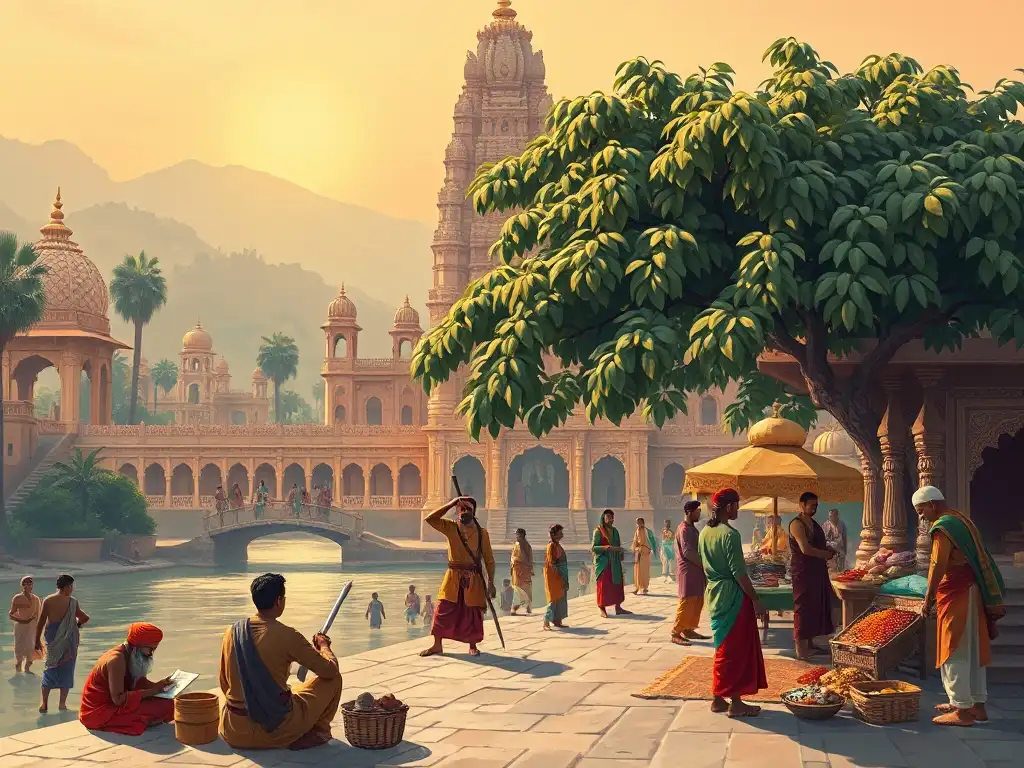
The evolution of caste dynamics in ancient India reflects a complex interplay of social, economic, and religious factors that shaped the fabric of society. As ancient Indian civilizations developed, particularly during the Mauryan and Gupta empires, the caste system underwent significant transformations. Understanding these changes provides insight into how caste influenced daily life and social interactions in urban centers.
Changes During the Mauryan Empire
The Mauryan Empire (circa 322–185 BCE) marked a pivotal period in the evolution of caste dynamics. Under the reign of Chandragupta Maurya and his grandson Ashoka, the empire expanded across vast regions, leading to increased interactions among various communities.
- Integration of Communities: The Mauryan administration encouraged the integration of diverse groups, which resulted in a more fluid caste structure. Alongside the traditional varna system (Brahmins, Kshatriyas, Vaishyas, and Shudras), local communities began to form sub-castes, or jatis, based on occupation and regional practices.
- Economic Influences: The expansion of trade routes and urbanization contributed to the rise of new occupational roles. Merchants (Vaishyas) gained prominence, and their influence began to challenge the traditional hierarchies. This shift reflected a gradual change in social status based on economic power rather than solely on birth.
- Ashoka’s Edicts: Emperor Ashoka's emphasis on Dharma (moral law) and social welfare promoted humanitarian ideals that transcended caste boundaries. His edicts called for compassion and respect among all people, which may have led to a temporary easing of rigid caste distinctions.
Caste Dynamics Under the Gupta Empire
The Gupta Empire (circa 320–550 CE) is often regarded as a golden age of ancient India, characterized by advancements in art, science, and culture. However, this period also saw a reassertion of the caste system, albeit with notable developments.
- Reinforcement of Varna System: The Gupta period saw a solidification of the varna system, with Brahmins and Kshatriyas occupying the highest ranks in society. The texts from this era, such as the Manusmriti, codified caste roles and responsibilities, reinforcing the social hierarchy.
- Emergence of New Jatis: The growing complexity of urban life led to the emergence of numerous jatis, particularly among artisans and traders. This differentiation allowed for greater specialization and contributed to the social stratification within cities.
- Patronage of Brahmins: The Guptas provided significant patronage to Brahmin scholars and temples, further entrenching the influence of Hindu orthodoxy within society. This patronage played a crucial role in legitimizing caste distinctions and maintaining the status quo.
Influence of Religion on Caste Systems
Religion acted as a powerful force in shaping caste dynamics throughout ancient India. The intertwining of religious beliefs and social structures created a framework that both justified and reinforced caste hierarchies.
- Hinduism and Caste: The religious texts and rituals associated with Hinduism played a crucial role in establishing the caste system. The notion of karma and dharma provided a spiritual rationale for social stratification, suggesting that one's caste was a result of past lives and moral conduct.
- Buddhism and Jainism: The rise of Buddhism and Jainism during the 6th century BCE offered alternative perspectives on social organization. Both religions rejected the rigid caste system, advocating for equality and spiritual liberation. However, their influence on the mainstream population was often limited, as they were absorbed into the broader Hindu framework.
- Caste and Ritual Purity: The concept of ritual purity became central to caste dynamics. Higher castes, particularly Brahmins, maintained strict codes of conduct regarding food, marriage, and daily activities to preserve their purity. This focus on ritual distinctions contributed to the segregation of communities and reinforced social boundaries.
The caste dynamics in ancient India evolved significantly over time, influenced by political changes, economic developments, and religious beliefs. Understanding these dynamics provides critical insights into the social structure of ancient Indian cities and its lasting impact on contemporary society.
Challenges and Conflicts within Caste-Based Communities
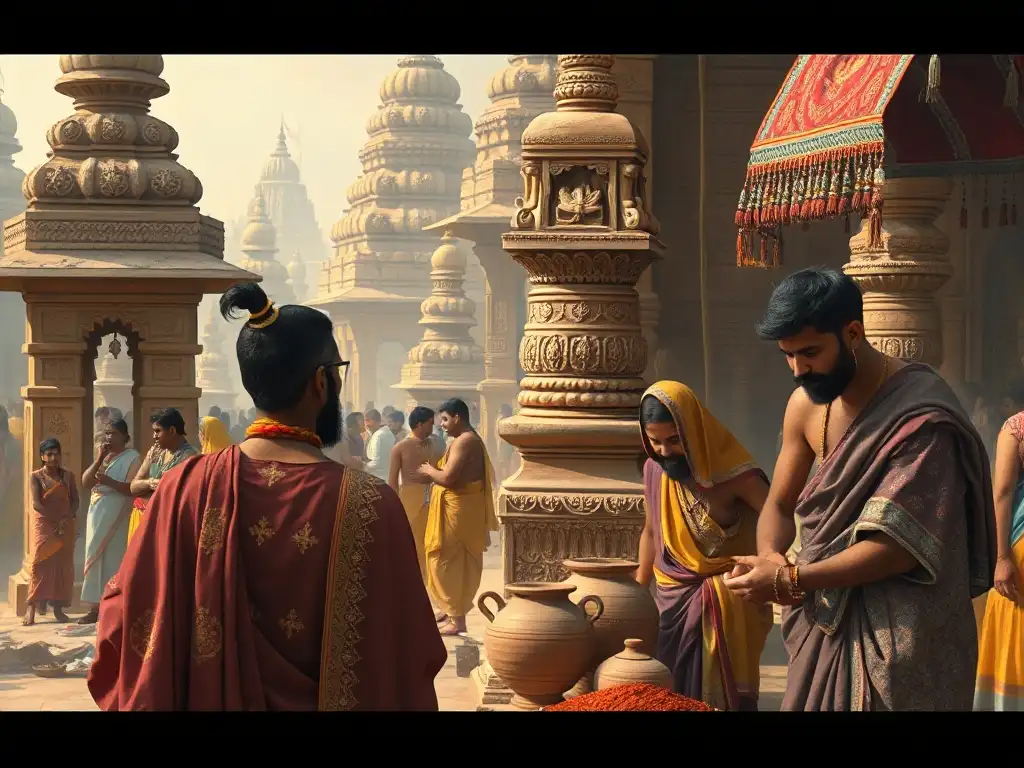
The social dynamics of caste-based communities in ancient Indian cities were marked by various challenges and conflicts that shaped the interactions and relationships within these societies. Understanding these dynamics is essential for grasping how caste influenced daily life, governance, and social cohesion.
The caste system, while providing a framework for social organization, also created significant barriers that often led to tensions and disputes. These challenges were rooted in economic disparities, cultural differences, and the rigid adherence to caste boundaries. As ancient Indian cities developed, the complexities of urban life began to expose the limitations of the caste system, leading to conflicts that would resonate through the ages.
Social mobility within the caste system of ancient India was severely restricted, creating a stratified society where individuals were largely bound to their birth caste. This rigidity limited the opportunities for individuals to ascend the social ladder, often resulting in frustration and conflict.
- Fixed Caste Roles: Each caste had specific roles and responsibilities, which were often tied to hereditary occupations. For example, the Brahmins were primarily priests and scholars, while the Shudras performed labor-intensive tasks. This fixation on roles hindered individuals' ability to pursue different professions, regardless of their skills or aspirations.
- Impact of Urbanization: As ancient cities like Pataliputra and Varanasi grew, the demand for labor and specialized skills increased. However, the caste system's restrictions meant that even skilled individuals from lower castes faced barriers to entering higher-status occupations. This led to a dichotomy where economic needs clashed with social norms, causing tensions within the labor market.
- Mechanisms of Control: To maintain the status quo, powerful caste groups often enforced strict social codes and practices that discouraged inter-caste interactions. Punishments for transgressions, such as ostracization or violence, were common, further entrenching the divisions.
The restrictions on social mobility not only limited individual potential but also contributed to societal strain, as aspirations for change often clashed with entrenched caste norms.
Caste-Based Discrimination and Resistance
Caste-based discrimination was a pervasive issue in ancient Indian society, leading to systemic inequalities and social unrest. The rigid caste hierarchy fostered an environment where certain groups were marginalized and denied basic rights, prompting various forms of resistance.
- Forms of Discrimination: Discrimination manifested in many ways, including limited access to education, public spaces, and economic resources for lower castes. For instance, individuals from the Dalit community often faced exclusion from temples and communal activities, reinforcing their marginalized status.
- Resistance Movements: Throughout history, various movements emerged in response to caste-based discrimination. These movements sought to challenge the status quo and advocate for the rights of lower castes. Historical figures like Buddha and Mahavira critiqued the caste system and promoted social equality, laying the groundwork for future reformers.
- Cultural and Religious Responses: Religious and cultural expressions also served as forms of resistance. Festivals and rituals that promoted unity among diverse castes became platforms for challenging social divisions. Additionally, literature and poetry often reflected the struggles against caste discrimination, articulating the desire for a more equitable society.
- Legacy of Resistance: The ongoing resistance against caste-based discrimination has roots in ancient dynamics, influencing modern movements for social justice and equality in India. The historical context of these struggles helps us understand the contemporary discourse surrounding caste and its implications.
The challenges and conflicts within caste-based communities in ancient India were significant catalysts for change. The interplay of social mobility restrictions and active resistance against discrimination highlights the complexities and nuances of caste dynamics in ancient Indian society. Understanding these factors provides valuable insight into the historical foundations of caste relations that continue to influence modern India.
Conclusion: The Legacy of Caste Dynamics in Ancient India
The caste dynamics in ancient India played a pivotal role in shaping not only the social structure of the time but also the cultural and economic frameworks that governed daily life. The complexity of caste interactions, along with the rituals and practices associated with them, established a foundation that influenced subsequent generations. Understanding these dynamics illuminates how ancient societies organized themselves, which is essential for grasping the historical context of modern India.
As we look back at the intricate tapestry of ancient Indian civilization, it becomes clear that caste was not merely a static system. Instead, it evolved over time, adapting to various socio-political changes, economic demands, and cultural exchanges. This adaptability is evident in the ways different communities interacted, negotiated their roles, and maintained their identities, all of which contributed to the rich social fabric of ancient Indian cities.
Lasting Effects on Modern Indian Society
The legacy of caste dynamics is not confined to the past; it extends deeply into contemporary Indian society. The hierarchical structure established in ancient times has left a persistent mark on social relations, economic opportunities, and political representation. Key effects include:
- Social Stratification: The caste system continues to influence social interactions, with many individuals identifying strongly with their caste. This can manifest in marriage choices, community gatherings, and even friendships.
- Economic Disparities: Historical caste roles often dictated occupational choices, leading to economic stratification that persists today. Certain castes remain associated with traditional occupations, which can limit economic mobility for their members.
- Political Influence: Caste identities have become crucial in modern politics, with political parties often mobilizing support based on caste affiliations. This highlights how ancient dynamics continue to affect contemporary governance and representation.
- Cultural Practices: Many rituals, festivals, and cultural practices are steeped in caste traditions, illustrating the ongoing relevance of these historical dynamics in everyday life.
The repercussions of caste dynamics in ancient India are deeply entrenched in the fabric of modern society, influencing various aspects from social interactions to economic conditions.
Importance of Studying Caste Dynamics in Historical Context
Studying the caste dynamics in historical context is vital for several reasons:
- Understanding Social Structures: Analyzing how caste influenced social hierarchies helps clarify the foundations of social organization in ancient India. It reveals the complexities of identity and belonging that shaped communities.
- Cultural Insights: By exploring caste dynamics, researchers can gain insights into the cultural practices, norms, and values of ancient Indian societies, enriching our understanding of their worldview.
- Policy Formulation: Recognizing the historical roots of caste can inform contemporary policies aimed at addressing caste-based inequalities. It enables policymakers to create strategies that acknowledge historical injustices and promote social equity.
- Interdisciplinary Connections: The study of caste dynamics intersects with various disciplines, including anthropology, sociology, and history. This interdisciplinary approach fosters a more comprehensive understanding of ancient Indian civilizations and their lasting impact.
- Promoting Awareness: Understanding the historical context of caste dynamics can enhance awareness of social issues, encouraging dialogue and fostering a more inclusive society that acknowledges its diverse heritage.
Studying the caste dynamics of ancient India is essential not only for appreciating the past but also for addressing present-day challenges. It allows us to recognize the intricate relationship between history and contemporary social issues, paving the way for a more equitable future.
Frequently Asked Questions
What are the origins of caste dynamics in ancient India?
The caste dynamics can be traced back to the Vedic period, where society was divided into four main groups, known as varnas, which later evolved into more complex social stratifications.
How did caste systems impact daily life in ancient Indian cities?
The caste systems defined social roles, economic activities, and marriage practices, significantly influencing the daily life and interactions among different communities within ancient Indian cities.
Were there any changes to the caste dynamics during the Gupta Empire?
Yes, during the Gupta Empire, the caste dynamics became more rigid, with an emphasis on hereditary occupations and social mobility becoming increasingly limited for lower castes.
Religious beliefs, especially those in Hinduism, reinforced the social structure by linking caste to notions of purity and duty, thereby shaping societal norms and behaviors.
What role did economics play in the formation of caste communities?
Economics played a crucial role, as different caste communities often specialized in specific trades or professions, which influenced their social status and interactions within the larger society.
Final Reflection: Understanding Caste Dynamics in Ancient India
The exploration of caste dynamics in ancient India reveals profound insights into the social structures that shaped communities and their interactions. Today, as we navigate a world still influenced by historical hierarchies, understanding these dynamics is crucial for fostering inclusivity and social cohesion. The lessons from ancient cities remind us that social stratification is not merely a relic of the past but a lens through which we can examine contemporary societal issues.
Caste-based communities were not just rigid structures; they were dynamic entities that evolved through interactions, conflicts, and collaborations. The legacy of these interactions continues to resonate in modern society, influencing everything from politics to cultural practices. As we reflect on this, we can recall the words of historian Romila Thapar: The past is not a dead weight; it is a living force that shapes our present.
This observation underscores the importance of acknowledging our history to understand the ongoing impact of caste dynamics in our lives today.
As we conclude this exploration, I invite you to reflect on your own experiences and perceptions regarding social hierarchies. Consider how the lessons from ancient Indian cities can inspire you to challenge existing norms and advocate for a more equitable society. By recognizing the complexities of caste dynamics, we can work towards dismantling barriers and fostering a culture of understanding and respect. Let us carry these reflections forward, ensuring that the echoes of the past guide us toward a more inclusive future.
Thank you for delving into the complex world of caste-based communities in ancient Indian cities! You've gained valuable insights into the intricate social dynamics that shaped these societies. Now, let’s take the next step together.
- Engage with the past: Participate in a local discussion group or join an online forum to share your thoughts on how these ancient dynamics influence modern society.
- Explore further: Dive into additional readings on social hierarchies in other ancient cultures— broaden your understanding of human social evolution!
- Share your insights: Discuss this article with friends or share it on social media. Your perspective could spark enlightening conversations!
Which aspect of caste dynamics resonates most with you, and how do you perceive its impact in today’s world?