
The Spiritual Significance of Offerings in Ancient Ceremonial Practices

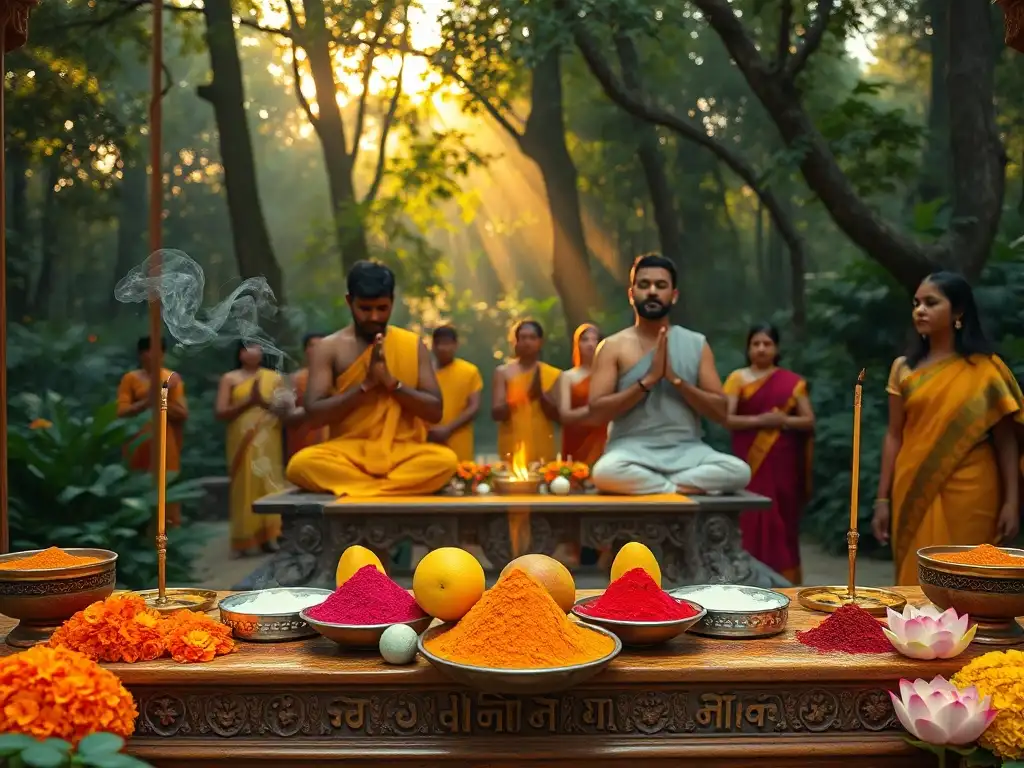
Welcome to Ancient India History, where we invite you to embark on a captivating journey through the rich tapestry of India's past. In our featured article, “The Spiritual Significance of Offerings in Ancient Ceremonial Practices,” we delve into the profound world of spiritual offerings in ancient India—a practice that reflects the deep-seated beliefs and traditions of civilizations from the Indus Valley to the Gupta Empire. Discover how these rituals not only connect the physical and the divine but also illuminate the cultural ethos of ancient societies.
Are you ready to uncover the mysteries behind these sacred traditions? Let your exploration begin!
Introduction to Spiritual Offerings in Ancient India
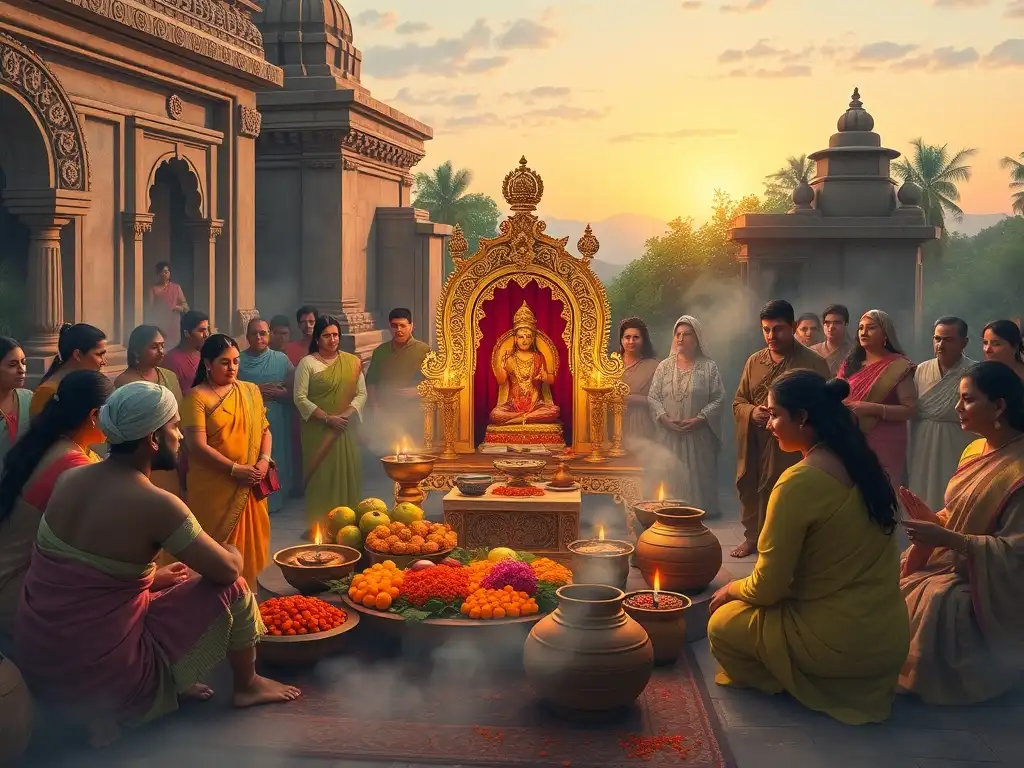
The practice of making spiritual offerings in ancient India is deeply interwoven into the fabric of its rich cultural tapestry. These offerings, often presented during various rituals and ceremonies, serve as a profound means of connecting the physical realm with the spiritual. Ancient Indian civilizations, from the Indus Valley to the Gupta Empire, recognized the significance of these acts as expressions of devotion, gratitude, and reverence to deities, ancestors, and the cosmos. This article will delve into the multifaceted dimensions of spiritual offerings, examining their historical roots, cultural implications, and the transformative power they held within ancient ceremonial practices.
Overview of Ancient Indian Ceremonial Practices
Ancient Indian ceremonial practices were characterized by a blend of rituals, symbolism, and community participation. These practices were not merely personal expressions of faith but were often communal events that reinforced social bonds and shared beliefs.
- Types of Offerings: Offerings varied widely, including:
- Food: Fruits, grains, and cooked dishes.
- Floral Garlands: Symbolizing beauty and purity.
- Incense and Oils: Used to purify the space and invoke divine presence.
The ceremonies served various purposes, such as seasonal festivals, life milestones, and spiritual milestones. The ceremonial calendar was rich with festivals that celebrated the changing seasons, agricultural cycles, and celestial events.
Importance of Spiritual Offerings in Historical Context
The practice of spiritual offerings can be traced back to the earliest civilizations in India, where they played a crucial role in religious and social life. These offerings were seen as a way to maintain harmony between the divine and human worlds.
- Cultural Significance:
- They fostered a sense of community and shared purpose.
- They acted as a medium for individuals to express their devotion and seek blessings.
The historical context of these offerings highlights their evolution alongside philosophical and theological developments within ancient Indian thought. This interplay between societal norms and spiritual beliefs shaped the rituals and the significance attributed to each offering.
Historical Background of Offerings in Ancient India
The tradition of making offerings has undergone significant transformation throughout ancient Indian history. Understanding this evolution provides valuable insight into the spiritual practices of the time.
Evolution of Rituals Involving Offerings
Rituals involving offerings evolved from simple acts of gratitude to complex ceremonies laden with symbolism and meaning.
- Early Practices: In the Indus Valley Civilization, archaeological evidence suggests that offerings were made to sacred fires and natural elements, reflecting a deep reverence for nature.
- Vedic Influence: With the emergence of the Vedic texts, offerings became more structured, with detailed instructions on how to perform rituals (yajnas) and the significance of various offerings.
Over time, the rituals adapted to incorporate local customs and beliefs, resulting in a rich diversity of practices across different regions of India.
Key Ancient Texts Discussing Offerings
Several ancient texts provide insights into the practice of spiritual offerings, each contributing to our understanding of their significance.
- The Vedas: These foundational texts detail various rituals and the importance of offerings to the gods and nature.
- The Upanishads: These philosophical treatises explore the deeper meaning behind offerings, emphasizing the unity between the individual soul and the universal spirit.
- Puranas: These texts offer narratives and guidelines for rituals, showcasing the cultural variations in the practice of offerings across different regions.
The interplay of these texts illustrates how spiritual offerings were not just acts of faith but integral to the philosophical discourse of ancient India.
The spiritual significance of offerings in ancient ceremonial practices reflects a complex interplay of culture, religion, and community, marking an essential aspect of India's historical legacy.
Types of Spiritual Offerings in Ancient India
In ancient India, spiritual offerings were integral to various ceremonial practices, reflecting the deep intertwining of spirituality and daily life. These offerings, known as puja, were presented to deities, spirits, or ancestors, embodying devotion and gratitude. The types of offerings varied across different regions and religions, but they generally fell into three main categories: food offerings, floral offerings, and material offerings. Each type carried distinct symbolism and significance, enhancing the spiritual experience and fostering a connection between the worshipper and the divine.
Food Offerings: Symbolism and Significance
Food offerings, or naivedya, are perhaps the most common form of spiritual offerings in ancient Indian rituals. The act of presenting food to deities symbolizes nourishment and sustenance, not only for the body but also for the spirit. Various types of foods were offered, ranging from simple grains to elaborate sweets, each selected based on the deity's preferences and the significance of the occasion.
- Symbolism: Food offerings represent the concept of sharing, emphasizing the belief that the divine partakes in the offerings, thereby sanctifying the food. This act transforms the offered food into prasad, blessed food that is then shared among devotees, reinforcing community bonds and spiritual connection.
- Significance: Offering food is believed to invoke blessings, prosperity, and health. In many traditions, it also serves as an expression of gratitude for the sustenance provided by the earth and the divine.
Floral Offerings: Colors and Their Meanings
Floral offerings, or pushpanjali, hold a significant place in ancient Indian ceremonial practices. Flowers, often selected for their fragrance, beauty, and symbolic meanings, are presented to deities as a mark of respect and devotion.
- Colors and Meanings: The colors of the flowers used in offerings are imbued with specific meanings:
- Red: Symbolizes love and passion, often associated with the goddess Shakti.
- Yellow: Represents knowledge and learning, commonly offered to deities of wisdom like Saraswati.
- White: Signifies purity and peace, frequently used in rituals dedicated to deities such as Ganesha.
- Significance: Floral offerings are not only aesthetic but also serve as a reminder of the transient nature of life. They signify the cyclical nature of existence, reflecting the belief that beauty and life are fleeting, thus encouraging devotees to cherish the present moment.
Material Offerings: Gold, Silver, and Other Precious Items
Material offerings encompass a range of valuable items, including gold, silver, and other precious materials, which are offered to deities as a demonstration of reverence and devotion.
- Examples: Items such as jewelry, utensils, or coins are often presented during significant rituals and festivals. Gold and silver, in particular, are seen as symbols of wealth and prosperity, believed to attract divine blessings.
- Significance: The act of offering material possessions underscores the devotee's commitment and surrender to the divine. It reflects the belief that true wealth lies in spiritual fulfillment rather than material accumulation, serving as a reminder of the impermanence of worldly possessions.
The Role of Offerings in Ancient Ceremonial Practices
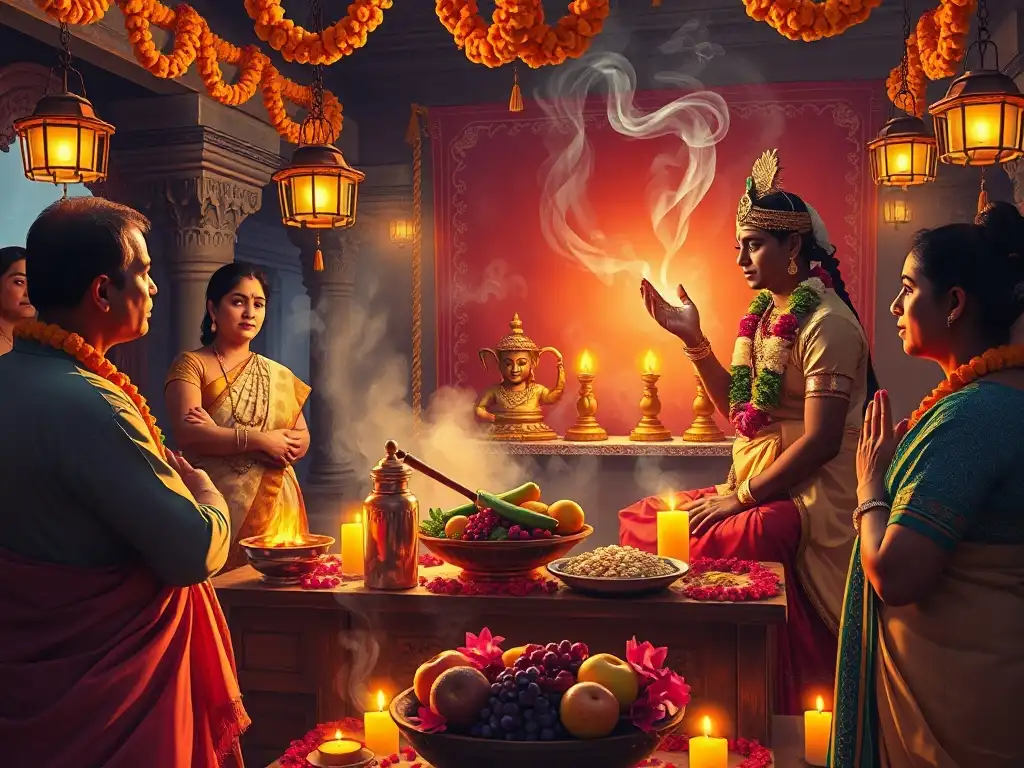
Offerings play a pivotal role in ancient ceremonial practices, acting as a bridge between the material and spiritual realms. The act of giving is seen as sacred, fostering a sense of humility and devotion among practitioners. Through offerings, individuals express their desires, hopes, and gratitude, creating a profound connection with the divine.
Offerings in Hindu Rituals and Pujas
In Hinduism, offerings are central to puja, a worship ritual that varies widely in form and significance across different traditions. Offerings such as food, flowers, and incense are presented to deities to invoke their blessings and favor.
- Ritual Structure: The ritual often follows a specific structure, where offerings are made in a particular order, accompanied by prayers and chants. This systematic approach enhances the spiritual atmosphere and fosters a deeper connection with the divine.
- Cultural Variations: Different regions and communities may have unique customs regarding offerings, reflecting local beliefs and practices while maintaining the core principles of devotion and respect.
Offerings in Buddhist Ceremonies
In Buddhism, offerings are made as expressions of generosity, a fundamental virtue in Buddhist philosophy. The act of giving, known as dāna, is viewed as a way to cultivate compassion and reduce attachment to material possessions.
- Types of Offerings: Common offerings in Buddhist ceremonies include food, flowers, incense, and candles. Each offering exemplifies a commitment to the teachings of the Buddha and serves as a reminder of impermanence.
- Significance: Offerings in Buddhism are not solely for the benefit of the Buddha or the monastic community but are also a means for practitioners to develop mindfulness and an understanding of the interconnectedness of all beings.
Offerings in Jain Traditions
In Jainism, offerings are closely tied to the principles of non-violence ( ahimsa) and reverence for all living beings. Offerings often include fruits, grains, and other non-violent food items, reflecting the Jain commitment to compassion.
- Ritual Practices: Jain rituals may involve offering food to the Tirthankaras (spiritual teachers) and performing puja with great care to ensure that no harm comes to any living organism during the process.
- Spiritual Significance: The act of offering in Jainism is linked to the concept of spiritual purification. By making offerings, practitioners seek to cultivate detachment from material possessions and enhance their spiritual development.
Symbolism Behind Spiritual Offerings
Spiritual offerings in ancient India carried profound symbolism, representing a bridge between the material and spiritual realms. These offerings were not mere acts of devotion but served as powerful expressions of faith, gratitude, and a desire for divine favor. The items offered—be they food, flowers, or incense—were imbued with meanings that transcended their physical forms, often symbolizing purity, nourishment, and the essence of life itself.
The act of offering was also steeped in symbolism related to transformation. Just as the offerings were presented to the deities, the devotees sought a transformation within themselves, aspiring to elevate their spiritual consciousness. This reciprocal relationship highlighted the importance of intention behind each offering, as it was believed that the purity of one’s heart directly influenced the efficacy of the ritual.
The Concept of Sacrifice and Generosity
At the core of many spiritual offerings was the concept of sacrifice, which underscored the importance of generosity in ancient Indian culture. Sacrifice, in this context, was not solely about giving up something valuable but was a manifestation of selflessness and detachment from material possessions. By offering something of personal worth, individuals expressed their devotion and commitment to spiritual growth.
Generosity was viewed as a vital virtue, fostering social harmony and reinforcing communal bonds. In many ancient texts, including the Vedas and Upanishads, the act of giving is celebrated as a pathway to attain spiritual merit and enlightenment. This perspective on sacrifice and generosity cultivated a culture where sharing and altruism were deeply rooted in the spiritual practices of society.
Offerings as a Means of Connecting with the Divine
Spiritual offerings served as a crucial means for individuals to connect with the divine. In ancient India, it was believed that offerings created a sacred space, allowing devotees to engage in a direct dialogue with the gods. This connection was not only about seeking blessings but also about acknowledging the divine presence in everyday life.
Rituals involving offerings were often accompanied by prayers, chants, and meditative practices that further facilitated this connection. Through these acts, individuals sought to align themselves with divine energies, fostering a sense of unity with the universe. The offerings became a way to express love and reverence towards the divine while simultaneously seeking guidance and protection in their lives.
The Cycle of Giving and Receiving in Ancient Beliefs
Ancient Indian beliefs emphasized a cyclical relationship between giving and receiving, wherein spiritual offerings played a central role. This cycle was rooted in the understanding that all existence is interconnected; thus, what one offers to the divine is eventually returned in various forms. This belief was encapsulated in the concept of Dharma, which signifies moral and ethical duties that one must fulfill.
The act of giving was seen as a way to restore balance within the universe, where the offering represented one’s contribution to the cosmic order. Consequently, devotees believed that by making offerings, they not only honored the divine but also ensured that blessings—such as prosperity, health, and happiness—would flow back into their lives. This cyclical flow reinforced the importance of maintaining harmony with the world around them.
The Impact of Spiritual Offerings on Ancient Society
The practice of spiritual offerings significantly influenced ancient Indian society, shaping social structures, cultural norms, and religious practices. These rituals were integral to various festivals and ceremonies, bringing communities together and reinforcing shared beliefs and values.
Social and Cultural Implications of Offering Practices
The act of making spiritual offerings had profound social and cultural implications. It fostered a sense of communal identity, as collective participation in rituals often brought people together across different social strata. Offerings during festivals or significant life events, such as weddings or harvests, served as a means to celebrate shared cultural heritage.
Moreover, the types of offerings varied across regions and communities, reflecting the diverse cultural practices within ancient India. This diversity enriched the social fabric of society, promoting inter-cultural exchanges and understanding among different groups. The underlying principle of cooperation and mutual respect was essential in sustaining these communal ties.
Offerings as a Tool for Community Bonding
Spiritual offerings acted as a powerful tool for community bonding in ancient India. Rituals surrounding offerings often involved communal participation, where individuals came together to prepare, present, and celebrate their offerings. This collaborative spirit fostered a sense of belonging and unity, transcending individual differences.
Festivals characterized by offerings, such as Pongal or Diwali, exemplified how these practices could strengthen community ties. During such occasions, the act of offering became a communal affair, enhancing social cohesion and reinforcing collective values. These shared experiences not only nurtured friendships but also established a legacy of tradition that was passed down through generations.
The Role of Priests in Mediating Offerings
Priests played a crucial role in the spiritual offerings of ancient India, acting as intermediaries between the devotees and the divine. Their expertise in rituals, chants, and sacred texts positioned them as vital figures in ensuring that offerings were made correctly and with the appropriate intentions.
The priestly class was responsible for conducting rituals, maintaining temples, and guiding individuals on the significance of their offerings. This role was not only spiritual but also social, as priests often held considerable influence within the community. Their mediation ensured that the offerings were accepted by the deities, thus reinforcing their authority and deepening the spiritual experience of the devotees.
Spiritual offerings in ancient India were multifaceted practices that intertwined symbolism, community values, and the pursuit of divine connection. Their impact reverberated through societal structures, emphasizing the importance of generosity, communal harmony, and spiritual devotion.
Modern Interpretations of Ancient Offerings
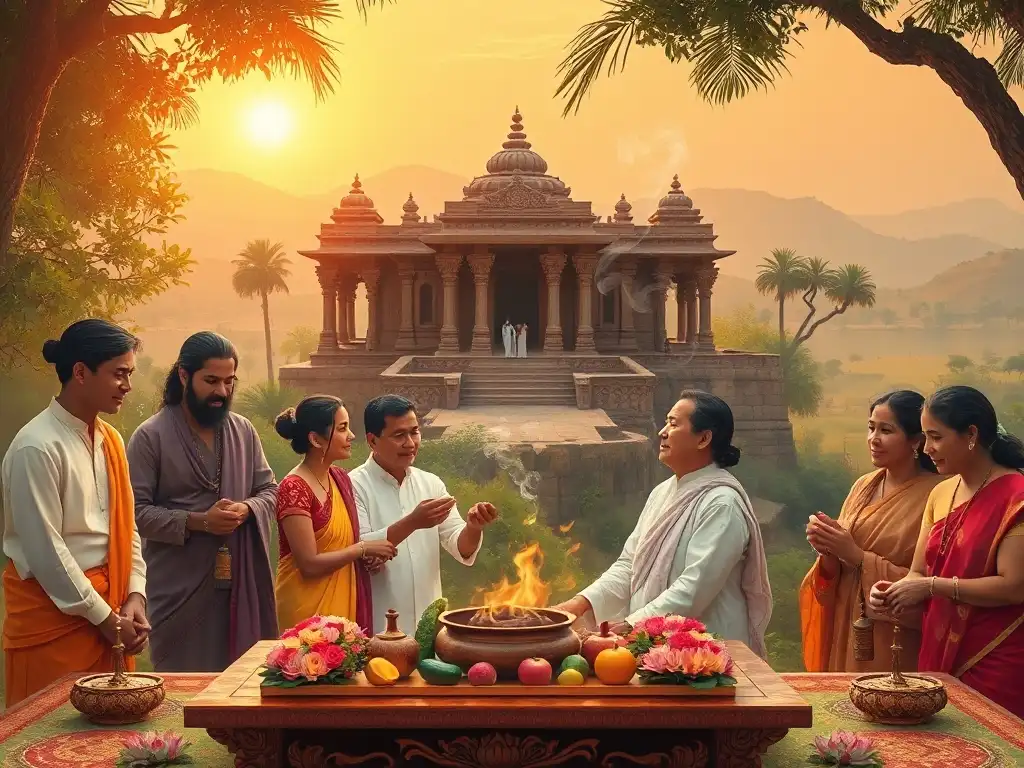
In contemporary society, the practice of making spiritual offerings has evolved while retaining its core significance rooted in ancient traditions. Modern interpretations often reflect a blend of traditional beliefs and contemporary values. For instance, many people today engage in offerings that are symbolic rather than literal. This might include acts of service, charitable donations, or even the sharing of knowledge as a form of offering to the divine or the community. The essence of connecting with a higher power or expressing gratitude remains central, but the methods have diversified significantly.
Moreover, the approach to offerings has also shifted in many urban settings where the fast-paced lifestyle often leads individuals to seek more accessible ways to connect spiritually. This has given rise to practices like digital offerings, where people might engage in online rituals or make donations to spiritual causes via the internet, showcasing the adaptability of ancient practices to modern life.
Continuation of Offering Practices in Contemporary India
In contemporary India, the tradition of making offerings continues to thrive, deeply embedded in daily life and festivals. Rituals such as puja (worship) involve a variety of offerings, including flowers, fruits, and incense, which are presented to deities as a gesture of devotion. These offerings are believed to purify the surroundings and invite positive energies into the space.
Festivals like Diwali and Navaratri highlight the importance of offerings, where communities come together to make elaborate displays of devotion. The significance of these offerings is not just in the physical act but also in the communal aspect, reinforcing social ties and cultural heritage. The sustained practice of these offerings reflects the continuity of ancient beliefs in shaping modern spiritual experiences for individuals and communities alike.
Influence of Ancient Offerings on Modern Spirituality
The influence of ancient offerings on modern spirituality is profound. Many contemporary spiritual practices draw directly from the rituals and customs established in ancient India. Concepts such as sattva (purity), rajas (activity), and tamas (inertia) still inform how offerings are perceived and made today. The offerings are often meant to elevate one's spiritual state, promoting inner peace and connection with the divine.
Additionally, the integration of mindfulness and intention into the act of making offerings has become a focal point in modern spiritual movements. Individuals are encouraged to reflect on the significance of their offerings, fostering a more personal and meaningful connection to the divine. This evolution illustrates how ancient practices continue to resonate, adapting to the spiritual needs of contemporary seekers.
Reviving Ancient Practices in Modern Ceremonies
There has been a resurgence of interest in reviving ancient practices in modern ceremonies, with many individuals and communities seeking to reconnect with their spiritual roots. This revival is often seen in the incorporation of traditional rituals into contemporary events, such as weddings, housewarmings, and other significant life milestones.
Rituals are being adapted to maintain their spiritual essence while also accommodating modern sensibilities. For example, traditional offerings made during ceremonies may be simplified or modified to be more inclusive, allowing participants from various cultural backgrounds to engage meaningfully. Workshops and retreats focused on ancient practices are gaining popularity, emphasizing the importance of these traditions in fostering spiritual growth and community bonding.
Conclusion
Recap of the Spiritual Significance of Offerings
The spiritual significance of offerings in ancient ceremonial practices is multifaceted, encompassing themes of devotion, gratitude, and the desire for divine connection. These offerings served not just as rituals but as a means to foster community, reinforce cultural identity, and promote personal spiritual growth. The essence of ancient offerings continues to inspire and guide contemporary practices, reflecting a deep-seated connection to the past.
The Legacy of Ancient Offerings in Today's Rituals
The legacy of ancient offerings endures in today's rituals, acting as a bridge between historical traditions and modern spiritual practices. By honoring these ancient customs, individuals not only pay homage to their heritage but also cultivate a deeper understanding of their spiritual journey. The continued relevance of offerings in contemporary India serves as a testament to the enduring power of spirituality within cultural practices, ensuring that the wisdom of the past remains alive in the present.
Further Reading
Exploring the spiritual offerings in ancient India offers profound insights into the rituals and ceremonies that shaped Indian civilization. For those interested in delving deeper, a variety of resources can enhance your understanding of this intricate subject.
Recommended Books and Resources on Ancient Indian Rituals
-
"The Sacred and The Profane: The Nature of Religion" by Mircea Eliade
This classic text explores the dichotomy of sacred and profane spaces, providing a framework for understanding the spiritual significance of offerings within various religious traditions, including ancient Indian practices.
-
"Hindu Rituals and their Social Meaning" by R. S. Sharma
Sharma’s work meticulously analyzes various rituals in Hinduism, shedding light on the cultural context of spiritual offerings and their roles in societal structures.
-
"The Vedas: An Introduction to Hinduism's Sacred Texts" by Klaus K. Klostermaier
This book offers insights into the Vedic texts, which are crucial for understanding the origins of many spiritual offerings and rituals in ancient India.
-
"Ancient Indian Rituals and Their Modern Relevance" by R. N. Dandekar
Dandekar's exploration of ancient rituals provides a contemporary lens through which to view the significance of these practices today.
-
Online Resources
Websites such as the Digital Library of India and Internet Archive host a range of texts and manuscripts that can offer additional perspectives and primary sources on ancient Indian ceremonial practices.
Academic Articles on Spiritual Offerings in Ancient India
-
"Ritual and Religion in Ancient India" by J. A. F. de Jong
This article discusses the intersection of ritual practices and religious beliefs in ancient India, emphasizing the importance of offerings within various ceremonies.
-
"The Role of Offerings in Vedic Rituals" by A. S. Dutta
Dutta examines the specific types of offerings detailed in Vedic rituals, analyzing their symbolic meanings and the intended spiritual outcomes.
-
"Understanding the Concept of Shakti through Offerings in Ancient Indian Worship" by M. K. Bhattacharya
This scholarly piece explores how offerings represent the divine feminine principle (Shakti) in Hindu worship, revealing the deeper spiritual connotations behind these practices.
-
"The Evolution of Ritual Practices in Ancient India" by S. P. Choudhury
Choudhury’s research traces the historical development of rituals, including offerings, within the broader context of Indian civilization and its spiritual evolution.
These resources serve as a valuable foundation for anyone wishing to expand their knowledge of spiritual offerings and their significance in ancient Indian ceremonial practices.
- Introduction to Spiritual Offerings in Ancient India
- Historical Background of Offerings in Ancient India
- Types of Spiritual Offerings in Ancient India
- The Role of Offerings in Ancient Ceremonial Practices
- Symbolism Behind Spiritual Offerings
- The Impact of Spiritual Offerings on Ancient Society
- Modern Interpretations of Ancient Offerings
- Conclusion
- Further Reading
Frequently Asked Questions
What were the spiritual offerings in ancient India?
Spiritual offerings in ancient India included items such as flowers, fruits, and grains, which were presented to deities during ceremonial practices to express devotion and seek blessings.
How did spiritual offerings influence ancient Indian culture?
These offerings played a crucial role in shaping ritualistic traditions and were often seen as a means of maintaining a connection with the divine, reflecting the importance of spirituality in daily life.
What types of ceremonies involved spiritual offerings?
Ceremonies such as pujas, yagnas, and various festivals prominently featured spiritual offerings, symbolizing gratitude and reverence towards the gods and goddesses.
Were there specific guidelines for making spiritual offerings?
Yes, there were often prescribed rituals and guidelines for making offerings, which included the selection of materials and the proper chanting of mantras to ensure the offerings were made with devotion.
How did spiritual offerings evolve over time in ancient India?
Over the centuries, spiritual offerings evolved from simple nature-based items to more elaborate offerings that included artistic representations and ritualistic elements, reflecting the changing religious and cultural landscapes of ancient India.
Final Reflection: The Enduring Legacy of Spiritual Offerings in Ancient India
The exploration of spiritual offerings in ancient India reveals a profound connection between humanity and the divine that resonates even in today's world. As we navigate through modernity, the essence of these rituals continues to inspire a quest for meaning and connection, reminding us that the act of giving transcends material boundaries. The significance of offerings is not merely a relic of the past but a vibrant thread woven into the fabric of contemporary spiritual practices.
Cultural and social landscapes are shaped by the traditions we uphold, and the practice of spiritual offerings serves as a testament to our collective yearning for connection with the divine. The rituals of ancient India have left an indelible mark on spiritual practices worldwide, fostering a sense of community and shared purpose. As Mahatma Gandhi once said, “The best way to find yourself is to lose yourself in the service of others.” This sentiment encapsulates the essence of offerings, where selflessness and devotion pave the way for deeper spiritual fulfillment.
As we reflect on the teachings of ancient ceremonial practices, let us embrace the spirit of giving in our own lives. Consider how you can incorporate the principles of spiritual offerings into your daily routine, fostering gratitude and connection with those around you. Whether through acts of kindness, sharing resources, or simply offering your time and attention, each gesture can serve as a modern-day offering that honors the legacy of our ancestors. Together, let us cultivate a world enriched by the timeless values of compassion and generosity.
Embrace the Sacred: Ignite Your Connection to Ancient Spirituality!
Thank you for taking the time to explore the fascinating world of ancient ceremonial practices. You've uncovered invaluable insights into the spiritual significance of offerings and their enduring impact on culture. Now, let’s take this knowledge a step further!
Here are some powerful actions you can take to deepen your understanding and connection:
- Explore local traditions: Seek out or participate in contemporary rituals in your area that resonate with ancient practices. This will help you connect the past to your present.
- Share your reflections: Discuss the key takeaways from this article with friends or in online communities. Engaging in dialogue can spark new insights!
- Create your own offering: Craft a meaningful offering that symbolizes your spiritual beliefs and intentions. It could be as simple as a handwritten note of gratitude or a small personal altar.
What ancient practice would you like to incorporate into your modern life, and how do you think it could transform your daily routines?