
The Legacy of the Nandas: From Humble Beginnings to Empire Builders


Welcome to Ancient India History, where we embark on a fascinating journey through time to unveil the rich tapestry of ancient Indian civilizations. In this edition, we delve into the Nanda Dynasty history and contributions, exploring how this remarkable lineage transformed humble beginnings into a powerful empire. What innovations and cultural shifts did the Nandas bring forth that resonate even today? Join us as we uncover their legacy and the profound impact they had on the course of Indian history. Your adventure into the past starts here!
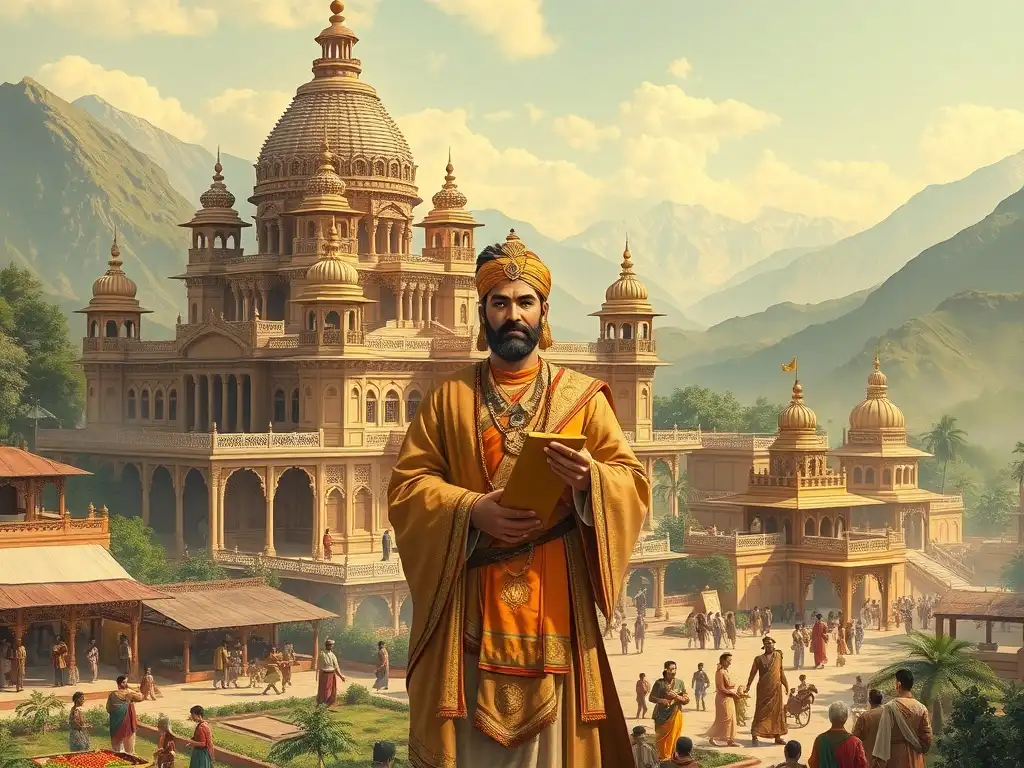
Introduction to the Nanda Dynasty History and Contributions
The Nanda Dynasty stands as a testament to the remarkable evolution of ancient Indian civilization, showcasing a journey that transformed a modest lineage into one of the most influential empires in Indian history. Emerging around the 5th century BCE, the Nandas played a pivotal role in shaping the socio-political landscape of the time, marked by significant contributions to administration, economy, and cultural development.
Their legacy is characterized by an ambitious vision that paved the way for subsequent dynasties, particularly the Mauryas, who inherited and expanded upon the foundations laid by the Nandas. This article delves into the Nanda Dynasty's history and contributions, exploring their origins, the socio-political context of their rule, and their lasting impact on ancient Indian culture.
Overview of the Nanda Dynasty
The Nanda Dynasty is often regarded as one of the earliest major dynasties in the Indian subcontinent, succeeding the earlier Magadha Kingdom. Founded by Mahapadma Nanda, the dynasty is historically significant due to its expansive rule over a large part of northern India, including regions that would later become crucial to the Mauryan Empire. The Nandas are known for their:
- Innovative Administrative Practices: They implemented effective governance strategies that enhanced tax collection and administration efficiency.
- Economic Contributions: Promoting trade and agriculture, their policies facilitated economic growth and stability in their realm.
- Military Strength: The Nandas developed a formidable military force, which laid the groundwork for the subsequent expansion under the Mauryas.
Overall, the Nanda Dynasty represents a critical period in Indian history, reflecting both the socio-economic advancements and the complexities of governance that would resonate in future empires.
Importance of the Nanda Dynasty in Ancient Indian History
The importance of the Nanda Dynasty transcends its immediate achievements, as it served as a catalyst for political unification in India. Their contributions are noteworthy in several areas:
- Cultural Influence: The Nandas patronized art and culture, setting the stage for further cultural flourishment under the Mauryan Empire.
- Political Innovations: Their centralization of power and administrative reforms influenced governance models in subsequent dynasties.
- Transition to Empire: The Nandas' ability to consolidate power marked a significant transition from regional powers to a more unified Indian state.
Thus, the Nanda Dynasty holds a crucial position in the historical narrative of ancient India, bridging the gap between the regional kingdoms and the expansive empires that followed.
Humble Beginnings of the Nanda Dynasty
Origins of the Nanda Dynasty
The origins of the Nanda Dynasty are often shrouded in mystery, with various accounts suggesting that the dynasty arose from humble beginnings. Historical texts describe Mahapadma Nanda as a son of a low-caste (Shudra) family, which was quite significant in a society stratified by rigid caste systems. His ascent to power highlights themes of meritocracy and social mobility, challenging the entrenched social norms of his time.
Socio-Political Context of Early Nanda Rule
The early Nanda rule emerged during a period of fragmentation and regional power struggles in northern India. The socio-political context of this era was characterized by:
- Weakness of Previous Dynasties: The decline of the Kuru and other dynasties created a power vacuum that the Nandas capitalized on.
- Economic Disparities: The wealth of certain regions contrasted sharply with the impoverishment of others, leading to social tensions that the Nandas sought to address through their policies.
- Strategic Alliances: The Nandas formed alliances with local rulers and influential groups to strengthen their position, which was crucial in their rise to power.
The combination of these factors allowed the Nanda Dynasty to establish a foothold in a tumultuous landscape, setting the stage for their future expansion and influence.
Rise to Power: The Nanda Dynasty's Ascendancy

The Nanda Dynasty emerged in ancient India during the 4th century BCE, primarily in the region of Magadha. This rise to power is often attributed to a combination of political acumen and strategic alliances. The Nandas were of humble origins, as they are believed to have come from a low caste, possibly the Mura or Shudra class. This background is significant, marking a departure from the traditional ruling classes of the time, which were predominantly Kshatriyas.
The founder of the dynasty, Mahapadma Nanda, is credited with the establishment of the Nanda Empire. His ascent to power was characterized by military prowess and clever diplomacy. By defeating the local rulers and consolidating power, Mahapadma Nanda laid the groundwork for a vast empire that would stretch across much of northern India. His reign signified a shift in the political landscape, as the Nandas not only focused on military conquest but also on creating a centralized administration, which enabled them to manage their territories effectively.
The Nandas’ rise was also facilitated by their economic strategies. They capitalized on the rich resources of the Gangetic plains and established trade networks. This economic foundation supported their military endeavors and allowed them to field large armies, which were crucial for their conquests. By the time of Mahapadma Nanda's death, the Nanda Dynasty had solidified its status as a dominant power in India, setting the stage for subsequent rulers.
Key Figures in Nanda Leadership
The Nanda Dynasty is characterized by several notable leaders who played crucial roles in shaping its legacy.
- Mahapadma Nanda: As the founder, he is often regarded as the most significant leader of the Nanda Dynasty. His ability to unify various clans and assert dominance over rival kingdoms was instrumental in establishing the empire.
- Dhananjoy Nanda: Mahapadma's successor, Dhananjoy continued his father's legacy, expanding the empire further. He is noted for his military campaigns against the Kshatriya rulers and solidifying the Nanda's hold over northern India.
- Nandivardhana: This ruler is known for his emphasis on administrative reforms. He implemented policies that increased the efficiency of tax collection and governance, which helped sustain the empire's economic stability.
- Gupta Nanda: A later king of the dynasty, Gupta Nanda marked the transition towards the Gupta Empire, as he laid the groundwork for future consolidation of power in northern India.
These leaders, with their varied approaches to governance and military strategy, contributed significantly to the Nanda Dynasty's reputation as formidable empire builders.
Strategies for Expansion and Consolidation of Power
The Nanda Dynasty employed several strategies for both expansion and the consolidation of their power. One of the most effective methods was through military conquests. The Nandas built a formidable army, reputed to be one of the largest of its time, which allowed them to engage in successful campaigns against neighboring states.
In addition to military might, the Nandas utilized diplomatic strategies to forge alliances with local rulers. They often engaged in marriages with influential families, thereby solidifying their political ties and reducing the likelihood of conflict. This approach not only expanded their influence but also helped integrate diverse cultures within their empire.
Furthermore, the Nandas focused on administrative efficiency. They established a centralized governance system that allowed for effective tax collection and resource management. The use of spies and informants enabled them to maintain control over their vast territories, ensuring loyalty from local leaders and minimizing rebellion.
Lastly, the Nandas were adept at managing their economic resources. They invested in agricultural development and trade, which not only supported their military endeavors but also reinforced their power by creating a prosperous economy. This combination of military prowess, diplomatic strategy, effective administration, and economic management was key to the Nanda Dynasty's expansion and consolidation of power.
Nanda Dynasty Contributions to Ancient India
The contributions of the Nanda Dynasty to ancient India were profound and multifaceted, leaving a lasting legacy that shaped subsequent historical developments. Their influence can be categorized into economic, cultural, and administrative domains, each of which played a vital role in the evolution of Indian civilization.
Economic Developments Under the Nanda Rule
The Nanda Dynasty is credited with significant economic advancements that laid the groundwork for future prosperity in ancient India. One of their key contributions was the establishment of an extensive trade network that facilitated commerce across northern India. This network connected various regions, enabling the exchange of goods such as textiles, spices, and agricultural products.
Under Nanda rule, agriculture flourished due to improved irrigation techniques and the promotion of farming practices. The Nandas implemented policies that encouraged agricultural production, which in turn supported the burgeoning population and urban centers. This focus on agriculture not only enhanced food security but also contributed to surplus production, which was critical for trade.
Additionally, the Nandas were known for their taxation reforms. They streamlined tax collection processes, ensuring a steady revenue stream for their administration. This enhanced financial stability allowed for the funding of military campaigns, infrastructure projects, and public works, further stimulating economic growth.
Cultural Contributions and Patronage
Culturally, the Nanda Dynasty made significant contributions that enriched the tapestry of ancient Indian civilization. They were known for their patronage of arts and literature, fostering an environment where scholars and artists could thrive. This patronage laid the foundation for the cultural flourishing that would later be seen during the Gupta period.
The Nandas also played a crucial role in promoting Buddhism and Jainism. Under their rule, these religions gained prominence, leading to the establishment of monasteries and centers for learning. The Nandas' support for these faiths contributed to the spread of their teachings and philosophies throughout the region.
Moreover, the Nanda Dynasty's administrative innovations had cultural implications. By establishing a centralized bureaucracy, they promoted literacy and record-keeping, which facilitated the documentation of historical events, religious texts, and cultural practices. This emphasis on documentation not only preserved knowledge but also laid the groundwork for future historical accounts.
The Nanda Dynasty's economic developments and cultural contributions were instrumental in shaping ancient India, paving the way for the rich and diverse heritage that followed. Their legacy continues to be recognized for its role in the evolution of Indian civilization.
The Nanda Dynasty's Influence on Future Empires
The Nanda Dynasty, which flourished from the 5th to the 4th century BCE, laid significant groundwork for subsequent empires in ancient India. Known for its vast wealth and military prowess, the Nandas were instrumental in shaping the political landscape of the Indian subcontinent. Their centralized governance and administrative innovations established models that later empires, particularly the Mauryas, would adopt and refine.
The Nandas' economic policies, focusing on agrarian production and trade, helped stimulate commerce and wealth accumulation. By establishing a strong bureaucratic system, they ensured effective tax collection and resource allocation, which became vital for maintaining large armies and infrastructure. This approach influenced future rulers, who recognized the importance of a robust administrative framework for empire-building.
Furthermore, the Nandas' commitment to supporting commerce and trade routes fostered economic interconnections between various regions. Their reign paved the way for the Mauryan Empire's expansion, which capitalized on these established networks. The Nandas, thus, played a crucial role in creating a legacy that would support the political and economic structures of future empires in ancient India.
Connection to the Maurya Dynasty
The connection between the Nanda Dynasty and the Maurya Dynasty is pivotal in understanding the transition of power in ancient India. Chandragupta Maurya, the founder of the Maurya Dynasty, rose to prominence by overthrowing the last Nanda ruler, Dhananjoy Nanda. This overthrow marked a significant shift in the political landscape, as the Mauryas inherited and built upon the administrative frameworks and economic structures established by the Nandas.
Chandragupta’s reign was not only a continuation of the Nandan legacy but also a transformation. He adopted the Nandan model of centralized governance, which allowed him to consolidate power effectively across vast territories. The Mauryan Empire, under Chandragupta and later his grandson Ashoka, expanded significantly, utilizing the extensive trade routes and economic systems that the Nandas had developed.
Moreover, the Nandas’ approach to governance and military strategy provided a blueprint for the Mauryas. The emphasis on a powerful army and a capable bureaucracy helped the Maurya Dynasty achieve unprecedented levels of control and influence in the Indian subcontinent. Thus, the Nandas not only set the stage for the rise of the Mauryan Empire but also established precedents that would shape Indian politics for centuries.
Lasting Impact on Indian Political Structure
The Nanda Dynasty's contributions to the political structure of ancient India were substantial and enduring. They pioneered a model of governance that emphasized centralization and efficiency, which became a template for subsequent dynasties. The Nandas established a strong bureaucratic apparatus that facilitated the administration of a vast empire, emphasizing the importance of skilled administrators and a well-organized state.
Their tax systems and economic policies laid the groundwork for the fiscal management that later empires would adopt. By focusing on agriculture, trade, and industry, the Nandas created a rich economic environment that supported political stability and growth. This model of governance not only enhanced their authority but also influenced the administrative practices of later rulers, ensuring that the principles of efficient governance were preserved.
The Nandas also played a crucial role in promoting religious tolerance and diversity, which became a hallmark of Indian political philosophy. Their reign exemplified a pragmatic approach to governance, accommodating various beliefs and communities, an aspect that would resonate with future leaders, including Ashoka of the Mauryan Dynasty, who famously promoted the concept of Dhamma.
Decline of the Nanda Dynasty

The decline of the Nanda Dynasty was marked by a series of internal and external challenges that ultimately led to its downfall. Despite their achievements, the Nandas faced significant opposition from various factions within their realm and competing powers outside. The combination of these factors created a precarious situation that culminated in the rise of the Maurya Dynasty.
Factors Leading to the Downfall
Several key factors contributed to the decline of the Nanda Dynasty. Internal dissent played a significant role, as the Nandas faced opposition from local rulers and powerful clans who resented their centralized control and heavy taxation. This discontent fostered instability within the empire, weakening the Nandas’ hold over their territories.
Additionally, the growing ambition of Chandragupta Maurya, who sought to challenge the Nanda rule, further complicated the political landscape. His strategic alliances with disaffected Nanda nobles and military campaigns against the Nandas gradually eroded their power.
Moreover, economic strains due to prolonged warfare and administrative overreach strained the resources of the Nanda Empire. The once prosperous economy faced challenges as trade routes were disrupted, and agricultural productivity declined, leading to dissatisfaction among the populace.
Historical Perspectives on the Nanda Decline
Historically, the decline of the Nanda Dynasty has been interpreted through various lenses, with some historians emphasizing the role of internal strife, while others focus on external pressures. The historical narrative often reflects a blend of these factors, illustrating how multifaceted the decline was.
Writings from ancient historians, such as Megasthenes, who visited India during the Mauryan period, provide valuable insights into the Nandas' governance and eventual decline. They highlight how the Nandas' oppressive tax policies and centralization efforts fostered resentment among local leaders and the populace, leading to their vulnerability.
Additionally, the transition of power from the Nandas to the Mauryas is often viewed as a turning point in Indian history. This shift not only marked the end of the Nanda rule but also heralded the beginning of one of the most powerful empires in ancient India. The legacy of the Nandas, despite their decline, continued to influence the political and administrative practices of their successors, ensuring that their contributions were not forgotten in the annals of Indian history.
Conclusion: The Enduring Legacy of the Nanda Dynasty
The Nanda Dynasty, often overshadowed by its more illustrious successors, left an indelible mark on the history of ancient India. Emerging from humble beginnings, the Nandas established one of the largest empires in the Indian subcontinent, characterized by significant administrative innovations and economic advancements. Their contributions laid the groundwork for future dynasties, particularly the Mauryas, who built upon the Nanda's achievements.
The Nandas’ focus on trade, agriculture, and taxation created a robust economy, fostering urbanization and the growth of crafts and industries. This transformation not only enriched the region but also facilitated cultural exchanges, influencing the broader landscape of Indian civilization.
Summary of Nanda Contributions to Ancient Indian Civilization
The Nanda Dynasty made several notable contributions to ancient Indian civilization, which can be classified into various domains:
- Economic Development: The Nandas promoted agriculture and trade, which led to the growth of cities and a flourishing economy. They implemented a sophisticated system of taxation that supported state infrastructure and public welfare.
- Administrative Innovations: The Nandas are credited with introducing advanced administrative practices, including a strong bureaucracy and a centralized governance model that allowed for efficient tax collection and resource management.
- Military Organization: They established a formidable military force, which not only secured their empire but also played a crucial role in expanding their territories. The Nanda army was known for its strength and strategic prowess.
- Cultural Contributions: The Nandas were patrons of art and culture, contributing to the development of various forms of literature and architecture. Their reign saw the flourishing of diverse artistic expressions, which would influence subsequent dynasties.
These contributions collectively facilitated the transition from small kingdoms to large empires, marking a significant evolutionary step in ancient Indian history.
Reflection on the Nanda Dynasty's Role in Shaping Future Eras in India
The Nanda Dynasty's influence extended far beyond their reign, as their policies and practices set precedents for future rulers. The administrative frameworks and economic strategies established by the Nandas were pivotal for the Maurya Empire, which would later unify a significant part of India under Chandragupta Maurya.
Moreover, the Nandas' emphasis on trade and urban development laid the groundwork for the commercial networks that thrived in subsequent periods. Their military organization and tactics also provided a model that would be emulated by later empires.
In essence, the Nanda Dynasty served as a bridge between earlier tribal confederacies and the more structured empires that followed, thereby playing a crucial role in shaping the political and social landscape of ancient India.
Further Reading on Nanda Dynasty History and Contributions
For those interested in diving deeper into the fascinating history and contributions of the Nanda Dynasty, several resources are available that offer a wealth of information.
Recommended Books and Articles
- "The Nandas: A Historical Perspective": by R.S. Sharma – This book provides an in-depth analysis of the Nanda Dynasty's political structure and contributions to ancient Indian society.
- "Ancient India: From the Earliest Times to the Twelfth Century": by Romila Thapar – A comprehensive overview of ancient Indian history, including the role of the Nandas.
- "The Mauryan Empire" by Upinder Singh – While primarily about the Mauryas, this book includes essential context regarding the Nandas and their influence on Mauryan policies.
Online Resources for Ancient Indian History
- Ancient India History Portal: A valuable online source featuring articles, timelines, and resources dedicated to various aspects of ancient Indian history, including the Nanda Dynasty.
- Digital South Asia Library: Offers access to historical texts, maps, and research materials pertaining to South Asian history.
- Google Scholar: A great resource for finding academic papers and articles on the Nanda Dynasty and their historical context.
Exploring these resources will provide a richer understanding of the Nanda Dynasty's significant role in shaping ancient Indian civilization and its enduring legacy.
- Introduction to the Nanda Dynasty History and Contributions
- Overview of the Nanda Dynasty
- Importance of the Nanda Dynasty in Ancient Indian History
- Humble Beginnings of the Nanda Dynasty
- Rise to Power: The Nanda Dynasty's Ascendancy
- Nanda Dynasty Contributions to Ancient India
- The Nanda Dynasty's Influence on Future Empires
- Decline of the Nanda Dynasty
- Conclusion: The Enduring Legacy of the Nanda Dynasty
- Further Reading on Nanda Dynasty History and Contributions
Frequently Asked Questions
What was the significance of the Nanda Dynasty in ancient India?
The Nanda Dynasty played a crucial role in Indian history by unifying several regions and laying the groundwork for future empires, notably the Maurya Empire.
Who were the key figures in the Nanda Dynasty?
The most prominent figures include Mahapadma Nanda, the founder, and his sons, particularly Dhana Nanda, who were known for their administrative reforms and military conquests.
What were the major contributions of the Nanda Dynasty?
The Nandas are recognized for their administrative innovations, advancements in trade, and the establishment of a strong centralized government that promoted prosperity in ancient India.
How did the Nanda Dynasty influence later empires?
Their legacy of governance, military strength, and economic prosperity influenced the rise of the Maurya Empire, which built upon the foundations laid by the Nandas.
What led to the decline of the Nanda Dynasty?
The decline was primarily due to internal strife, loss of political power, and the rise of Chandragupta Maurya, who successfully overthrew the Nandas, marking the end of their reign.
Final Reflection: The Enduring Legacy of the Nanda Dynasty
The Nanda Dynasty's journey from humble beginnings to formidable empire builders is not just a tale of historical significance; it serves as a powerful reminder of the transformative potential of vision and perseverance. In today's world, where the narratives of success often overshadow the stories of struggle, the Nandas exemplify how determination and strategic acumen can lead to monumental achievements. Their legacy continues to resonate, reminding us that greatness can emerge from the most unexpected origins.
The influence of the Nanda Dynasty extends far beyond its historical timeline, shaping the cultural and social landscape of India. Their innovative governance and economic strategies laid the groundwork for future empires, fostering a spirit of entrepreneurship and resilience that is still relevant today. As we navigate the complexities of modern society, we can draw inspiration from their ability to adapt and thrive in challenging circumstances. Great empires are not built on the foundations of wealth alone, but on the strength of vision and unity.
This quote encapsulates the essence of the Nandas' contributions, urging us to recognize the importance of collective effort and shared dreams.
As we reflect on the lessons from the Nanda Dynasty, let us embrace the call to action: to harness our own potential and strive for greatness, regardless of our starting point. Each of us has the capacity to create a legacy, whether in our communities, careers, or personal lives. Take a moment to ponder how you can apply the Nandas' principles of resilience and innovation in your own journey. The future is shaped by those who dare to dream and act—be one of them.
Unveil Your Journey Through Ancient India's Legacy!
Thank you for joining us on this exploration of the Nandas and their incredible journey from humble origins to empire builders. Your interest in their legacy reflects a deep appreciation for the rich tapestry of ancient Indian history. Now, let’s take that newfound knowledge and transform it into action!
Here are some meaningful steps you can take to further immerse yourself in this captivating narrative:
- Dive Deeper: Read more about other influential dynasties that shaped ancient India. Explore articles on the Maurya and Gupta dynasties to see how their legacies intertwined with those of the Nandas.
- Engage with the Community: Participate in our discussion forum to share your insights and learn from fellow history enthusiasts. Your perspective could spark enlightening conversations!
- Share Your Thoughts: Write a brief post or share this article on your social media platforms. Inspire others to learn about the Nandas and ignite a passion for ancient history within your circle!
As you embark on this journey, consider this: What aspects of the Nandas' rise resonate most with you and inspire your own life journey? Your reflections could be the catalyst for a rich discussion!