
The Interaction of Leadership and Culture: A Study of Ancient India’s Great Kings

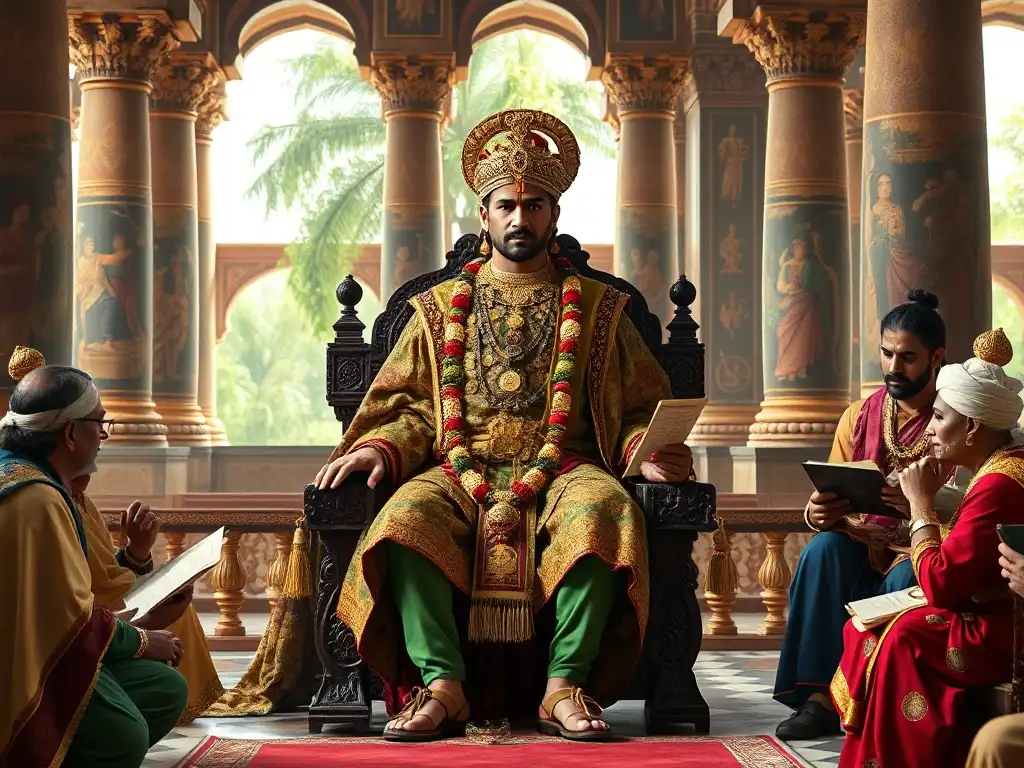
Welcome to Ancient India History, where we embark on a captivating journey through the vibrant tapestry of ancient Indian civilizations. In this exploration, we delve into the intricate leadership culture of ancient Indian kings, unraveling the profound impact these rulers had on society and culture from the Indus Valley to the Gupta Empire. Discover how their unique leadership styles shaped the very essence of their kingdoms and left an indelible mark on history.
Are you ready to uncover the secrets behind the reigns of these remarkable figures? Dive into our featured article, “The Interaction of Leadership and Culture: A Study of Ancient India’s Great Kings,” and ignite your curiosity about a world where power and culture intertwined.
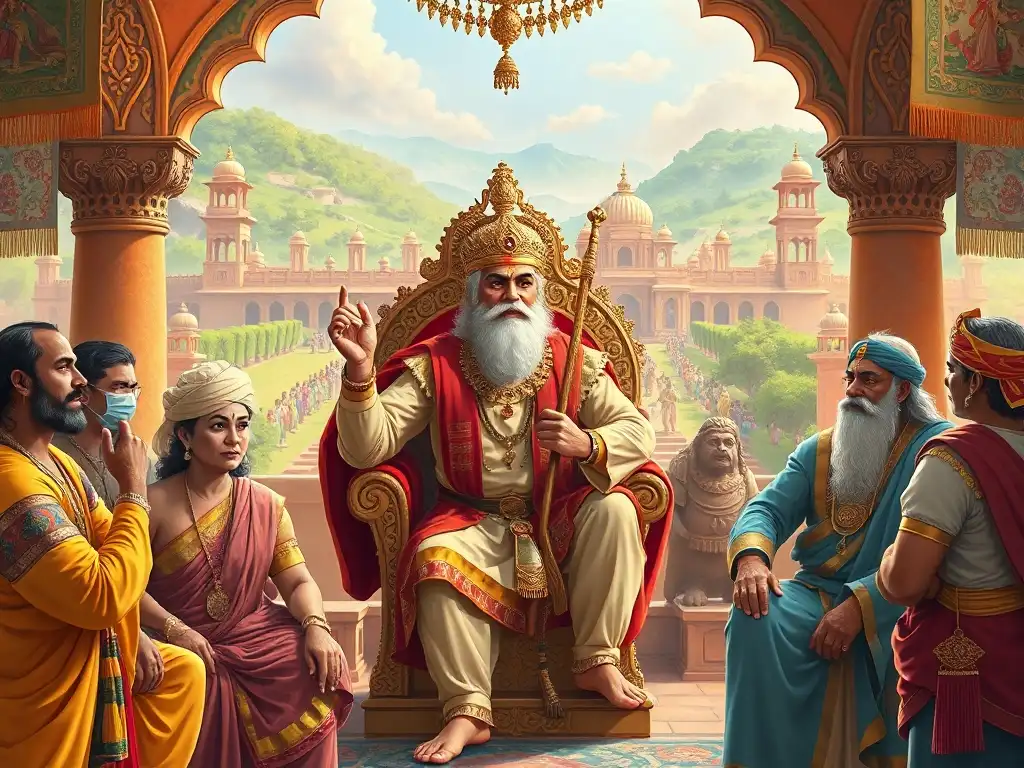
Introduction to Ancient Indian Kings and Their Leadership Culture
The history of ancient India is a tapestry woven from the threads of diverse cultures, philosophies, and governance systems that have evolved over millennia. Central to this evolution are the great kings whose leadership not only shaped the political landscape but also deeply influenced the cultural and social fabric of the civilization.
From the serene streets of the Indus Valley to the majestic courts of the Gupta Empire, these rulers exemplified the intricate interplay between leadership and culture. This article aims to explore how ancient Indian kings navigated their roles, the principles they upheld, and the cultural paradigms they shaped, thereby highlighting the significance of "Ancient Indian kings leadership culture" in understanding the broader historical narrative of this rich civilization.
Overview of Ancient Indian Civilization
Ancient Indian civilization is one of the oldest in the world, marked by significant achievements in art, literature, science, and philosophy. The roots of this civilization can be traced back to the Indus Valley Civilization (c. 3300–1300 BCE), where urban planning and trade flourished. As time progressed, various dynasties rose and fell, each contributing to the cultural and historical legacy of India.
- Major Periods:
- Vedic Period: The emergence of Aryan culture and the foundations of Hinduism.
- Maurya Empire: The unification under Chandragupta Maurya and the promotion of Buddhism by Ashoka.
- Gupta Empire: A golden age of arts, science, and philosophy.
This vast timeline witnesses the evolution of leadership styles, which often reflected the changing cultural landscapes.
The Importance of Leadership in Ancient India
Leadership in ancient India was not merely a political role; it was imbued with moral and ethical responsibilities. Kings were seen as dharma-rulers, responsible for upholding righteousness and ensuring the welfare of their subjects. This perception of leadership directly influenced the governance models and societal structures.
- Key Attributes of Leadership:
- Wisdom: The ability to make informed decisions guided by ancient texts and counsel.
- Justice: Fairness in governance and the administration of law.
- Charisma: The ability to inspire loyalty and unify diverse groups.
The interplay of these attributes formed the bedrock of effective leadership in ancient India, shaping not just the rulers but the entire society.
Defining Leadership and Culture in the Context of Ancient Indian Kings
In the context of ancient Indian kings, leadership can be defined as the ability to guide and influence a community while adhering to the cultural norms and ethical guidelines established by tradition. Culture, in this sense, encompasses the values, beliefs, customs, and practices that define a society.
- Interdependence of Leadership and Culture:
- Cultural Foundations: Kings derived their legitimacy from cultural beliefs, often claiming divine or semi-divine status.
- Cultural Patronage: Rulers were patrons of the arts and sciences, promoting cultural advancements that reflected their leadership and vision.
This symbiotic relationship between leadership and culture is crucial for understanding the enduring legacy of ancient Indian kings.
Historical Context of Leadership in Ancient India
The Role of Kings in Ancient Indian Society
Kings in ancient India served as both political leaders and spiritual guides, embodying the ideals of their culture. Their responsibilities extended beyond mere governance; they were expected to ensure the prosperity and harmony of their realm.
- Functions of Kingship:
- Protector of Dharma: Upholding the moral order and social justice.
- Military Leader: Defending the kingdom against external threats.
- Cultural Architect: Fostering arts, literature, and education.
This multifaceted role highlights the profound impact of kings on the societal framework of ancient India.
Cultural Influences on Leadership Styles
Cultural practices and philosophical doctrines significantly influenced the leadership styles of ancient Indian kings. The integration of Hindu, Buddhist, and Jain philosophies provided a rich tapestry from which rulers could draw principles for governance.
- Philosophical Influences:
- Yoga and Meditation: Promoted personal discipline and ethical governance.
- Buddhism: Encouraged compassion and non-violence as leadership ideals.
These influences led to varied styles of governance, from the autocratic to the more participatory models seen in democratic assemblies (Sabhas).
Key Historical Events Shaping Leadership in Ancient India
Several key historical events have shaped the landscape of leadership in ancient India, influencing how kings ruled and interacted with their subjects.
- Major Events:
- The Mauryan Expansion: Chandragupta Maurya's unification efforts set a precedent for centralized governance.
- Ashoka's Conversion to Buddhism: Marked a shift towards ethical leadership and non-violence.
- The Gupta Golden Age: Highlighted the fusion of cultural patronage and political stability.
These events not only defined the leadership styles of their respective eras but also left lasting legacies in the cultural consciousness of India.
As we explore the various dimensions of leadership in ancient India, it becomes clear that the great kings were not just rulers but pivotal figures who shaped the cultural narrative and ethos of their time.
Prominent Ancient Indian Kings and Their Leadership Approaches
Ancient Indian history is marked by the reign of several influential kings who implemented diverse leadership styles, impacting both their empires and the cultural landscape of India. Each king not only ruled his territory but also shaped the social, economic, and cultural norms of their time. The leadership approaches of these rulers often reflected their understanding of governance, military strategy, and cultural patronage, which in turn influenced the development of their respective societies.
The Mauryan Empire: Chandragupta Maurya and Ashoka
The Mauryan Empire, one of the most significant empires in ancient India, was established by Chandragupta Maurya around 322 BCE. Chandragupta's leadership style was characterized by a pragmatic approach to governance, incorporating elements of both military strength and administrative efficiency. He relied on a robust bureaucracy to manage the vast territories of his empire, which extended from the eastern parts of India to the western frontiers. His alliance with the philosopher Chanakya, who authored the Arthashastra, provided a strategic framework for statecraft that emphasized realpolitik and economic prosperity.
Following Chandragupta, his grandson Ashoka the Great (circa 268–232 BCE) transformed the leadership paradigm of the Mauryan Empire. After witnessing the devastation of the Kalinga War, Ashoka adopted a policy of non-violence and moral governance. His leadership was marked by the promotion of Buddhism and the integration of ethical principles into state affairs.
Ashoka's edicts, inscribed on pillars and rocks, reflected a commitment to social welfare and cultural development, emphasizing compassion and moral responsibility over mere conquest. This shift not only elevated the cultural identity of the empire but also laid the groundwork for the spread of Buddhism across Asia.
The Gupta Empire: Samudragupta and Chandragupta II
The Gupta Empire, often referred to as the "Golden Age" of ancient India, was characterized by significant advancements in art, science, and literature. Samudragupta (circa 335–375 CE), known for his military prowess and administrative capabilities, adopted a leadership style that blended conquest with cultural patronage. His campaigns expanded the Gupta territory, but he was also celebrated for his support of the arts and intellectual pursuits, fostering an environment where literature and philosophy thrived.
Chandragupta II, also known as Vikramaditya (circa 375–415 CE), furthered his father's legacy by promoting cultural achievements and diplomatic relations. His reign is noted for the flourishing of Sanskrit literature, which reached its zenith during this period. Chandragupta II strategically allied with regional powers through marriage and diplomacy, showcasing a leadership style that emphasized unity and cultural synthesis. His court became a hub of creativity, attracting scholars and poets, and solidifying the Gupta Empire's reputation as a beacon of culture and intellect in ancient India.
The Interplay Between Leadership and Culture
The relationship between leadership and culture in ancient India is profound and multifaceted. The actions and ideologies of kings not only shaped the political landscape but also influenced the cultural practices and societal norms of their time. This interplay reveals how leadership can drive cultural evolution and vice versa.
How Leadership Shaped Cultural Practices
Leaders in ancient India played a pivotal role in shaping cultural practices through their patronage of arts, religion, and education. For example, the Mauryan kings, particularly Ashoka, utilized their authority to promote Buddhism, which significantly altered the spiritual landscape of India. Ashoka’s support of Buddhist monasteries and the dissemination of Buddhist texts fostered a culture of learning and moral inquiry.
Similarly, the Gupta emperors encouraged the development of classical art forms, including sculpture and painting, which reflected the societal values of beauty, spirituality, and knowledge. The Gupta period saw the creation of significant literary works, such as Kalidasa's plays and Aryabhata's astronomical treatises, illustrating how royal patronage directly influenced cultural advancements.
Cultural Norms Influencing Leadership Styles
Conversely, the prevailing cultural norms of ancient Indian society also shaped the leadership styles of its kings. The caste system and the influence of religious doctrines often dictated the expectations from leaders to uphold dharma (righteousness) and protect their subjects. Kings were seen as custodians of culture and religion, with their legitimacy often rooted in their ability to maintain social order and promote cultural values.
For instance, the concept of Rajadharma emphasized the king's duty to serve the welfare of his subjects while adhering to ethical guidelines. This cultural expectation influenced leaders like Ashoka, who prioritized moral governance over aggressive expansion, reflecting the values of compassion that were gaining prominence in society. Thus, the dynamic between leadership and culture in ancient India was reciprocal, with each continually shaping the other throughout history.
Case Studies of Leadership and Cultural Integration
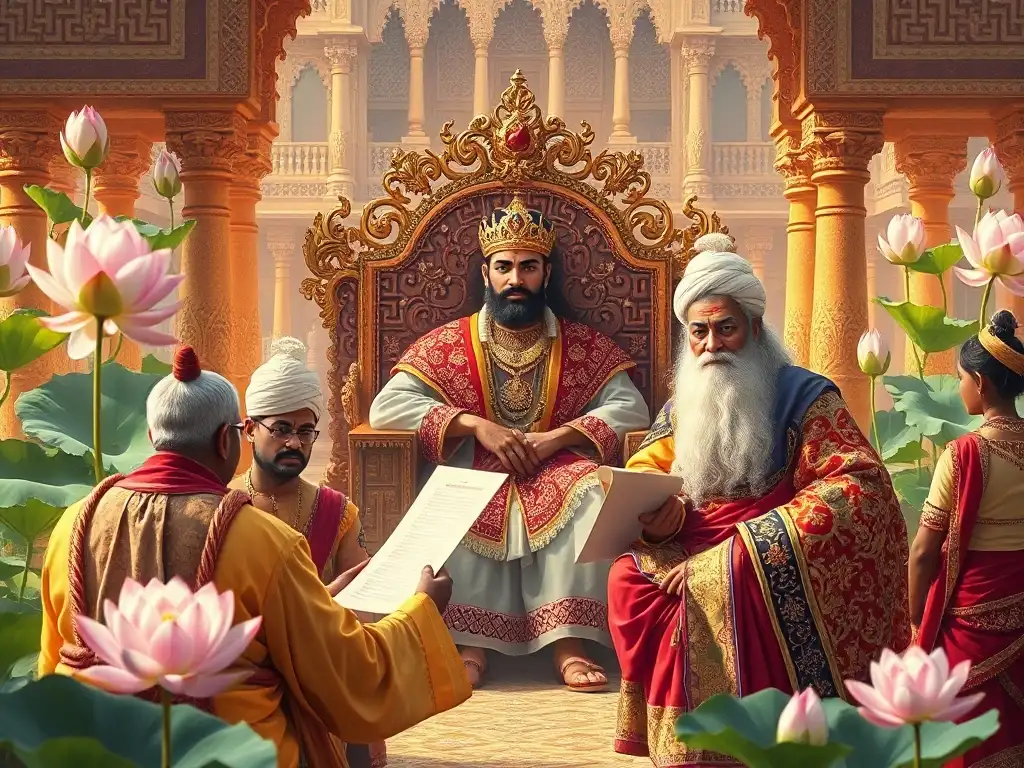
The ancient Indian kings exemplified a unique blend of leadership and cultural integration, significantly impacting the regions they governed. Through various case studies, we can observe how these rulers not only maintained political power but also fostered cultural growth and unity among diverse populations. This integration often manifested in the promotion of arts, religion, and education, contributing to a rich tapestry of civilization that would influence future generations.
One notable example is King Ashoka of the Maurya Empire, whose reign marked a transition from conquest to governance rooted in ethical leadership and cultural promotion. After his conversion to Buddhism, Ashoka embraced principles of dharma (moral law) and actively spread Buddhist teachings across his empire, leading to the establishment of stupas and monasteries. His edicts, carved on rocks and pillars, emphasized non-violence, tolerance, and respect for all life, illustrating how his leadership style was intertwined with cultural values.
The Leadership of King Harsha
King Harsha, who ruled during the 7th century CE in northern India, is another exemplary figure of leadership that harmonized with cultural development. Ascending to the throne after the decline of the Gupta Empire, Harsha’s reign is characterized by a strong central authority and a commitment to the welfare of his subjects. He was known for his patronage of arts and literature, resulting in a flourishing of cultural expression.
Harsha's leadership was marked by his efforts to unify the fragmented kingdoms of northern India. He organized grand assemblies and festivals, inviting scholars, poets, and religious leaders, fostering an environment where cultural exchange thrived. His court was adorned with notable figures like the poet Bana, who chronicled Harsha's exploits, thus immortalizing his contributions to both governance and culture.
Moreover, Harsha's engagement with Buddhism and Hinduism reflected a leadership style that embraced inclusivity, allowing various cultural practices to coexist. This not only solidified his rule but also promoted a sense of communal identity among his diverse subjects.
The Impact of Regional Kings on Local Cultures
Regional kings throughout ancient India played a crucial role in shaping local cultures while adhering to the overarching governance of larger empires. These rulers often adapted their leadership styles to align with the cultural norms and traditions of their respective regions, leading to a unique blend of local and imperial influences.
For instance, the Chola dynasty, known for its naval prowess and trade expansion, significantly impacted Southeast Asia. Kings like Raja Raja Chola I promoted Tamil culture through temple architecture and inscriptions while facilitating cultural exchanges with neighboring regions. This not only enhanced local identity but also established a legacy of cultural diffusion that would last for centuries.
Similarly, the Rajput kings, who ruled various princely states, emphasized valor and chivalry, shaping the local culture around these ideals. Their leadership styles often incorporated elements of feudal loyalty and kinship, which deeply influenced the social fabric of their territories.
Through these examples, it becomes evident that regional kings were not merely subordinates to larger empires; they were pivotal in nurturing and evolving local cultures while negotiating their identities within the broader context of ancient Indian civilization.
The Legacy of Ancient Indian Kings on Modern Leadership and Culture
The influence of ancient Indian kings extends beyond their time, leaving a lasting legacy that continues to resonate in contemporary leadership and cultural practices. Their unique approaches to governance, ethics, and cultural integration offer valuable lessons for modern leaders.
Lessons from Ancient Indian Leadership Styles
Ancient Indian kings exemplified a holistic approach to leadership, integrating moral values, cultural appreciation, and community welfare into their governance. The principle of dharma, which emphasized righteous conduct and duty, is a significant lesson for modern leaders.
Additionally, the concept of benevolent leadership, as demonstrated by rulers like Ashoka and Harsha, highlights the importance of empathy and ethical considerations in decision-making. Leaders today can draw inspiration from these examples to cultivate a more inclusive and responsible leadership style that prioritizes the well-being of all stakeholders.
Continuing Influence of Ancient Culture on Contemporary Leadership
The cultural contributions of ancient Indian kings, particularly in the realms of art, literature, and philosophy, continue to influence contemporary society. The promotion of arts during their reigns established a foundation for India's rich cultural heritage, which remains a source of inspiration for modern creatives and leaders alike.
Furthermore, the pluralistic approach to religion and culture adopted by these kings fosters a sense of unity in diversity, a principle that is increasingly relevant in today's globalized world. Modern leaders can benefit from embracing this ethos, promoting dialogue and understanding among various cultural and religious groups.
The Relevance of Ancient Indian Kings' Leadership in Modern Context
The leadership models derived from ancient Indian kings are not only historical artifacts but serve as relevant frameworks for contemporary leadership challenges. The emphasis on ethical governance, community engagement, and cultural sensitivity resonates with today's leaders seeking to navigate complex social dynamics.
By studying the leadership styles of figures like Harsha and Ashoka, modern leaders can learn to balance authority with empathy, ensuring that their governance reflects the values and aspirations of the communities they serve. This alignment with cultural and ethical principles is crucial for fostering trust and stability in any society.
The interaction of leadership and culture as exhibited by ancient Indian kings provides invaluable insights for both historical understanding and modern leadership practices. Their legacies remind us of the enduring power of culture in shaping effective governance.
Conclusion: The Enduring Connection Between Leadership and Culture
The interplay between leadership and culture has played a pivotal role in shaping ancient Indian civilizations. The great kings of ancient India not only wielded power but also embodied the cultural values and traditions of their times. Through their governance, they fostered environments where art, philosophy, and religion could flourish, leaving a lasting impact on the historical narrative of the region. The principles of dharma, or righteousness, that guided many rulers underscored the importance of ethical leadership, blending authority with cultural responsibility.
Moreover, the patronage of various cultural practices by these kings helped in the preservation and propagation of India's rich heritage. From the architectural marvels of the Mauryan Empire to the cultural renaissance during the Gupta period, the achievements of these leaders continue to resonate in modern Indian society. This enduring connection between leadership and culture serves as a testament to the idea that effective governance is rooted in a deep understanding and appreciation of the cultural landscape.
Summary of Key Insights on Ancient Indian Kings
- Leadership Styles: Ancient Indian kings exhibited diverse leadership styles, from the military prowess of Chandragupta Maurya to the benevolent reign of Ashoka, who emphasized moral governance.
- Cultural Patronage: Rulers often acted as patrons of the arts and sciences, promoting literature, architecture, and religious scholarship, which contributed to a vibrant cultural milieu.
- Dharma and Ethics: The concept of dharma was central to the leadership of many kings, guiding their decisions and policies to align with moral and ethical standards.
- Integration of Religion: Kings often integrated religious practices into their rule, using spiritual legitimacy to strengthen their authority and unify their realms.
These insights highlight how the leadership of ancient Indian kings was deeply intertwined with the cultural and ethical frameworks of their societies.
Final Thoughts on the Importance of Leadership and Culture in History
Understanding the relationship between leadership and culture in ancient India provides valuable lessons for contemporary society. The ability of leaders to inspire, unify, and elevate their people through cultural engagement remains pertinent today. By studying the approaches of ancient Indian kings, modern leaders can glean insights into the significance of ethical governance and cultural stewardship. The legacy of these rulers illustrates that effective leadership transcends mere political power; it encompasses the responsibility of nurturing and promoting the cultural identity of a nation.
References
Suggested Reading on Ancient Indian Leadership and Culture
- "The History of India: From the Earliest Times to the Present Day" by Romila Thapar
- "The Art and Architecture of Ancient India" by Benjamin Rowland
- "Ashoka: The Search for India's Lost Emperor" by Charles Allen
Academic Resources for Further Exploration
- "Ancient Indian History and Culture" - Journal Articles from the Indian Council of Historical Research
- "The Mauryas and the Guptas: A Study of Ancient Indian Kings" - Academic Papers in Historical Studies
- "Philosophy and Culture in Ancient India" - Research Publications by the Indian Philosophical Congress
These resources provide a comprehensive overview of the intricate dynamics between leadership and culture in ancient Indian history, offering further insights for those interested in exploring this fascinating subject.
- Introduction to Ancient Indian Kings and Their Leadership Culture
- Historical Context of Leadership in Ancient India
- Prominent Ancient Indian Kings and Their Leadership Approaches
- The Interplay Between Leadership and Culture
- Case Studies of Leadership and Cultural Integration
- The Legacy of Ancient Indian Kings on Modern Leadership and Culture
- Conclusion: The Enduring Connection Between Leadership and Culture
- References
- What were the key characteristics of ancient Indian kings' leadership?
- How did the culture of ancient India influence its leadership styles?
- What role did the Gupta Empire play in shaping leadership culture?
- Who were some notable kings recognized for their impactful leadership?
- How did ancient Indian kings use culture to strengthen their leadership?
Frequently Asked Questions
What were the key characteristics of ancient Indian kings' leadership?
Ancient Indian kings were known for their strategic governance, diplomatic skills, and cultural patronage, which contributed to their effective rule and the prosperity of their kingdoms.
How did the culture of ancient India influence its leadership styles?
The cultural values of ancient India, such as dharma (duty) and ahimsa (non-violence), deeply influenced kings’ leadership styles, promoting a rule that emphasized moral responsibility and social harmony.
What role did the Gupta Empire play in shaping leadership culture?
The Gupta Empire is often referred to as the "Golden Age" of ancient India, marked by advancements in art, science, and politics, where leadership was characterized by tolerance, patronage of the arts, and scholarship.
Who were some notable kings recognized for their impactful leadership?
Kings like Ashoka, known for his spread of Buddhism and ethical governance, and Chandragupta Maurya, a shrewd political strategist, exemplified how leadership could be intertwined with cultural values.
How did ancient Indian kings use culture to strengthen their leadership?
Ancient Indian kings often used cultural patronage, such as supporting temples, literature, and art, to legitimize their rule and promote a sense of unity and identity among their subjects.
Final Reflection: The Enduring Legacy of Ancient Indian Kings' Leadership and Culture
The exploration of Ancient Indian kings' leadership culture reveals a profound connection between governance and societal values that resonates powerfully in today's world. As we navigate the complexities of modern leadership, the principles exemplified by these great rulers serve as a guiding light, reminding us that effective leadership is not merely about authority but about fostering a culture of inclusivity, wisdom, and ethical responsibility. The lessons drawn from their reigns underscore the timeless truth that the strength of a leader is measured by their ability to inspire and uplift their people.
The influence of these ancient kings extends far beyond their historical context, shaping the cultural and social landscape of India and beyond. Their legacies continue to inspire contemporary leaders, encouraging a reflection on the importance of cultural context in leadership. As Mahatma Gandhi once said, “A leader is useless when he acts against the promptings of his own conscience.” This sentiment echoes the values upheld by ancient kings, emphasizing that true leadership is rooted in the moral fabric of society, which remains relevant as we confront modern challenges.
As we conclude this exploration, I invite you to reflect on the lessons of leadership and culture that have emerged from the study of Ancient Indian kings. Consider how these principles can be integrated into your own life, whether in personal relationships, community involvement, or professional endeavors.
Embrace the call to lead with integrity, cultivate a culture of respect, and strive to make a positive impact in your sphere of influence. The legacy of these great kings is not just a chapter in history; it is a source of inspiration for all who seek to lead with purpose and compassion in the present and future.
Unleash the Power of Leadership and Culture!
Thank you for embarking on this journey through the rich tapestry of Ancient India's great kings and their leadership styles. We hope you found valuable insights into how their cultural context shaped their reigns and impacted society. Now, it’s time to harness that knowledge and take action!
Here are some ways you can deepen your understanding of leadership and culture:
- Reflect on your leadership style: Consider a quality from one of the kings you admire, such as their strategic thinking or compassion, and think about how you can incorporate that into your own leadership journey.
- Share your insights: Discuss this article with friends or colleagues and explore how historical leadership lessons can be applied to today's world.
- Engage with the community: Join online forums or local book clubs focused on leadership and cultural influence to connect with like-minded individuals.
What leadership quality from Ancient India do you believe is most relevant in today’s world? Share your thoughts in the comments below!