
The Art of Diplomacy in Ancient India: Lessons from Influential Leaders

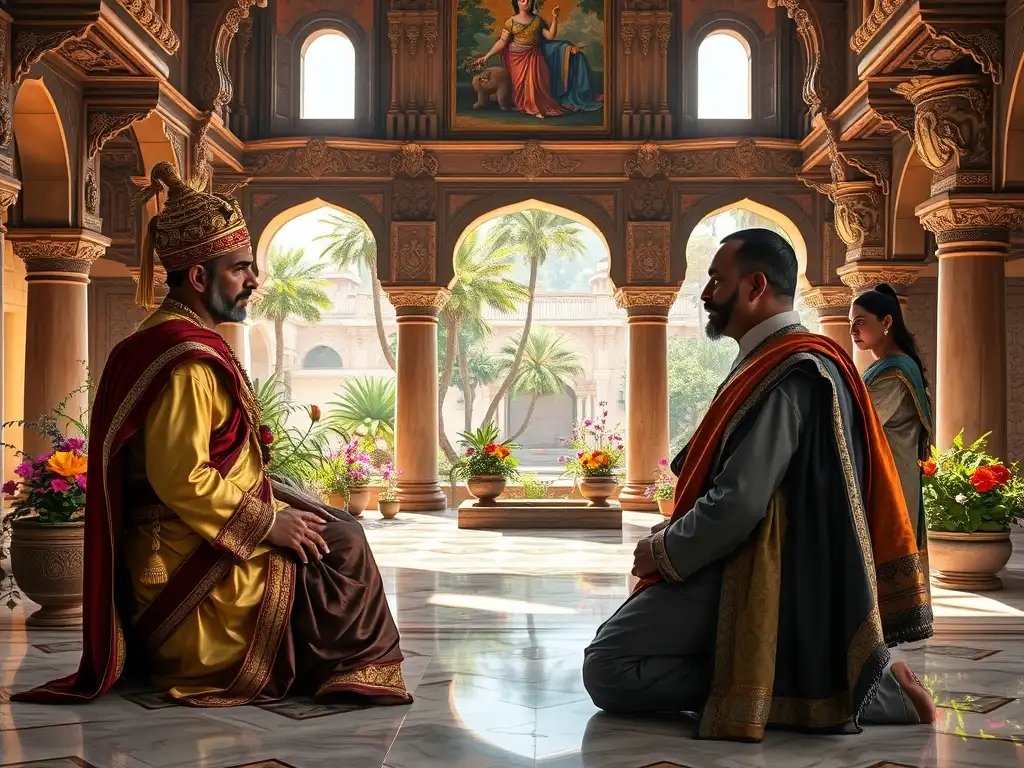
Welcome to Ancient India History, where we invite you to embark on a captivating journey through the rich tapestry of ancient Indian civilizations. Delve into the intriguing art of diplomacy as we uncover profound lessons from influential leaders who shaped the course of history. In our featured article, "The Art of Diplomacy in Ancient India: Lessons from Influential Leaders," discover how strategic alliances and astute negotiation tactics defined an era and continue to resonate in today's world. What secrets lie within these ancient practices? Join us as we explore the wisdom of the past that can inspire the future!
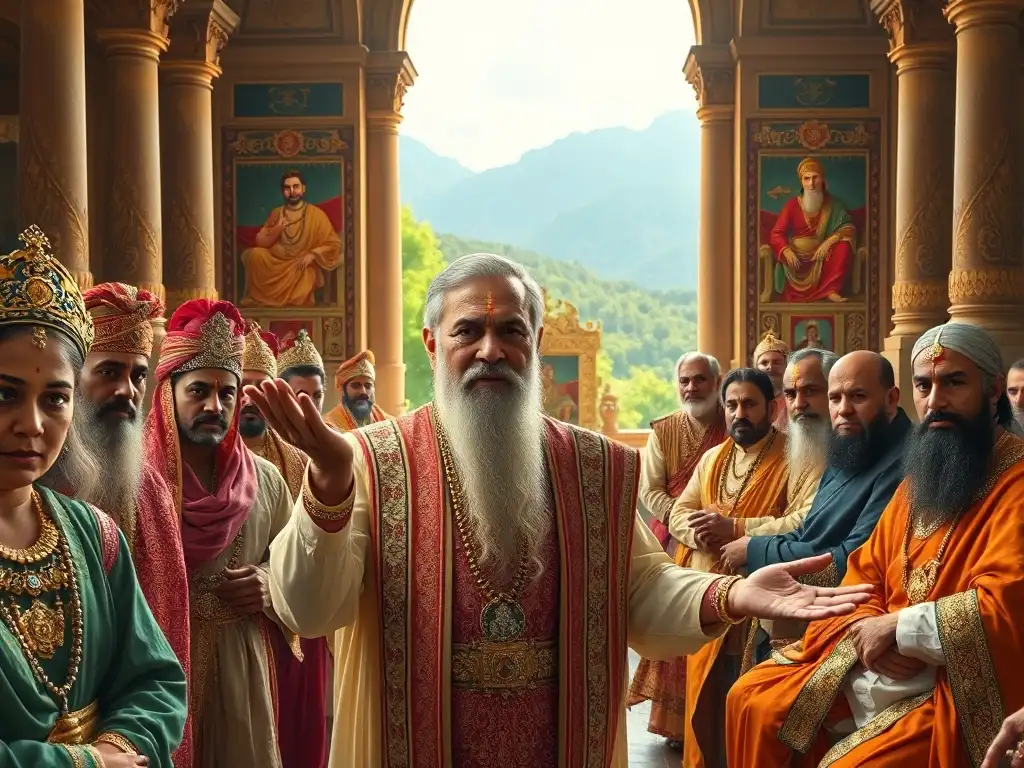
Introduction to Ancient Indian Diplomacy
The history of ancient India is marked by a rich tapestry of diplomacy, where influential leaders played pivotal roles in shaping the political landscape and cultural exchanges of their time. Ancient Indian diplomacy was not merely a tool for political gain; it was an intricate art that involved negotiation, persuasion, and the strategic management of relationships both within and beyond the subcontinent.
From the Indus Valley Civilization to the Gupta Empire, these diplomatic practices were vital in establishing alliances, fostering trade, and facilitating cultural exchanges across regions. This article delves into the lessons derived from the diplomatic efforts of key figures in ancient India, highlighting their contributions and the enduring principles of diplomacy that remain relevant today.
Understanding the Role of Diplomacy in Ancient Indian Civilizations
In ancient India, diplomacy was essential for maintaining peace and stability among diverse kingdoms and tribes. It served various functions, including:
- Conflict Resolution: Leaders often engaged in negotiations to avert wars and resolve disputes peacefully.
- Trade Relations: Diplomatic ties were crucial for establishing and maintaining trade routes, which were vital for economic prosperity.
- Cultural Exchange: Diplomacy facilitated the sharing of ideas, art, and religion, contributing to a rich cultural heritage.
These roles illustrate that ancient Indian diplomacy was multifaceted, involving not only political maneuvers but also cultural interactions that shaped the identity of the region.
Importance of Diplomacy in Political and Cultural Exchanges
The significance of diplomacy in ancient India cannot be overstated. It was a key factor in:
- Political Stability: Diplomatic alliances helped stabilize regions, allowing for the flourishing of civilization.
- Cultural Integration: Through diplomatic missions, different cultures interacted, leading to a synthesis of beliefs, practices, and art forms.
- International Relations: Ancient Indian leaders often engaged with foreign powers, showcasing their diplomatic prowess and expanding their influence.
These elements underscore how diplomacy was integral to the growth and continuity of ancient Indian civilizations.
Key Figures in Ancient Indian Diplomacy
Overview of Influential Leaders in Ancient India
Several key figures stand out in the realm of ancient Indian diplomacy, each leaving a unique mark on history. Some notable leaders include:
- Chandragupta Maurya: The founder of the Maurya Empire, he skillfully navigated political alliances to consolidate power.
- Ashoka the Great: Known for his commitment to peace, he utilized diplomacy to spread Buddhism and establish ties with foreign kingdoms.
- Kautilya (Chanakya): A master strategist, he emphasized the importance of diplomacy in his treatise, the Arthashastra, outlining principles that are still studied today.
These leaders exemplified the art of diplomacy, employing various strategies to achieve their goals and secure their legacies.
Contributions of Diplomats to Indian History
The contributions of diplomats in ancient India extend beyond mere political achievements. They played crucial roles in:
- Statecraft: Diplomats were instrumental in crafting policies that shaped the governance of their states.
- Cultural Diplomacy: By promoting cultural exchanges, they enriched the socio-cultural fabric of ancient India.
- Legacy of Knowledge: The principles and practices established by these diplomats continue to influence modern diplomatic strategies.
The lessons learned from ancient Indian diplomacy provide valuable insights into the complexities of international relations and the enduring significance of effective negotiation and cultural understanding.
Lessons from Influential Leaders
The art of diplomacy in ancient India is often epitomized by the strategies and methods employed by influential leaders throughout the ages. These figures utilized a variety of diplomatic techniques that not only addressed immediate political needs but also fostered long-term relationships. The lessons learned from their approaches can still be applied in contemporary diplomatic practices.
One key takeaway is the importance of building alliances. Ancient Indian leaders understood that forming strategic partnerships could significantly strengthen their positions. For instance, the Mauryan Empire, under the leadership of Ashoka, adeptly formed alliances with various regional powers, which not only expanded their influence but also ensured peace and stability within their realms.
Another lesson is the value of cultural diplomacy. Leaders like Chandragupta Maurya and Ashoka promoted cultural exchanges that helped forge strong relationships with neighboring states. This approach not only facilitated trade but also fostered mutual respect and understanding among different cultures, highlighting the role of shared values in diplomacy.
Strategies of Diplomacy Used by Ancient Indian Leaders
Ancient Indian leaders employed several effective strategies to navigate the complex political landscape of their times. One prominent strategy was realpolitik, where leaders focused on practical and pragmatic approaches to governance and diplomacy. This often involved making calculated decisions that prioritized state interests over ideological commitments.
- Marriage Alliances: Intermarriage between royal families was a common strategy. For example, the Gupta Empire utilized marital alliances to secure peace and strengthen ties with neighboring kingdoms. This not only facilitated diplomatic relations but also ensured a network of loyalty and support.
- Treaties and Agreements: Ancient Indian rulers often entered into treaties that outlined mutual interests and obligations. These formal agreements served as binding contracts that helped maintain peace and resolve conflicts amicably.
- Use of Spies and Intelligence: Intelligence-gathering was crucial in ancient diplomacy. Leaders like Chanakya, the advisor to Chandragupta Maurya, emphasized the importance of espionage to gather information about rival states, enabling proactive diplomatic measures.
Communication Techniques in Ancient Indian Diplomacy
Effective communication was fundamental to the success of ancient Indian diplomacy. Leaders used various techniques to convey messages and negotiate terms with other states.
- Use of Envoys: Envoys played a critical role in ancient Indian diplomacy. They were often well-versed in the languages and cultures of the states they visited, allowing them to communicate effectively and negotiate terms. The use of skilled diplomats helped ensure that messages were conveyed clearly and respectfully, fostering goodwill.
- Rhetoric and Persuasion: Ancient Indian leaders employed persuasive rhetoric in their communications. Texts like the Arthashastra provide insights into how leaders crafted their messages to appeal to different audiences, emphasizing diplomacy as an art form that required finesse and skill.
- Symbolic Gestures: Diplomacy in ancient India often involved symbolic acts, such as the exchange of gifts or the performance of rituals. These gestures were not merely ceremonial but served to reinforce relationships and demonstrate goodwill between states.
Comparative Analysis of Ancient Indian Diplomacy
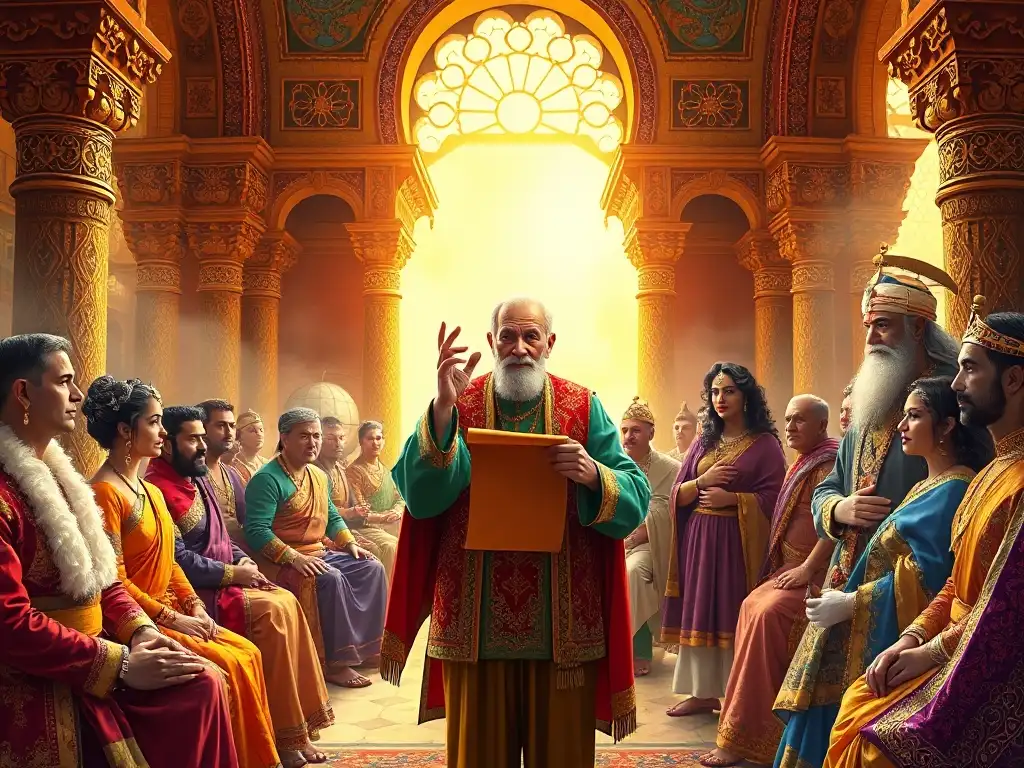
The comparative analysis of ancient Indian diplomacy reveals both unique attributes and shared characteristics with other ancient civilizations. Understanding these similarities and differences provides valuable insight into the evolution of diplomatic practices.
Comparison with Other Ancient Civilizations
Ancient Indian diplomacy can be compared to that of other civilizations such as the Roman and Chinese empires. While all three civilizations recognized the significance of alliances and treaties, their methods of diplomacy differed in execution and philosophy.
- Roman Diplomacy: The Romans were known for their military prowess and often used show of force as a primary means of negotiation. In contrast, ancient Indian leaders tended to favor diplomatic engagement and cultural exchange over military confrontation.
- Chinese Diplomacy: Like their Indian counterparts, Chinese leaders also emphasized the importance of moral authority and Confucian ideals in diplomacy. However, the Chinese approach often involved a more hierarchical structure, where tributary relationships were established. In contrast, ancient Indian diplomacy was more fluid, with a focus on mutual respect and equality among states.
The lessons from ancient Indian diplomacy underscore the importance of strategic alliances, cultural exchanges, and effective communication. By studying these methods, modern diplomats can glean valuable insights that remain relevant in today’s complex international relations.
The Legacy of Ancient Indian Diplomacy
Ancient Indian diplomacy, characterized by its strategic depth and cultural richness, laid the groundwork for sophisticated political maneuvers that shaped the subcontinent's history. Notable leaders like Chandragupta Maurya, Ashoka the Great, and Kautilya (Chanakya) played pivotal roles in demonstrating the nuances of negotiation, alliance-building, and conflict resolution. Their diplomatic endeavors were not merely about power but also about fostering relationships that emphasized mutual respect and benefit.
The Mauryan Empire, under Chandragupta and later Ashoka, exemplified the use of diplomacy to expand territories while maintaining stability. Ashoka, in particular, advocated for non-violence and dharma, which informed his diplomatic relations with neighboring kingdoms. His edicts reflected a commitment to peace and coexistence, setting a precedent for diplomacy grounded in ethical considerations. The legacy of these practices can be traced through various historical texts, including Kautilya's "Arthashastra," which remains a critical source for understanding the principles of ancient Indian statecraft and diplomacy.
Lasting Impact on Modern Diplomatic Practices
The principles of ancient Indian diplomacy continue to resonate in contemporary diplomatic practices around the world. Key aspects such as strategic alliances, the importance of cultural understanding, and the significance of ethical governance are evident in today's diplomatic engagements. Modern diplomats often draw inspiration from the ancient texts and philosophies that emphasize patience, negotiation, and the art of compromise.
Moreover, the concept of "diplomacy as a means to achieve peace" is a tenet that has become increasingly relevant in today's globalized world, where conflicts often arise from misunderstandings and cultural differences. Leaders today can learn from ancient Indian diplomacy by fostering dialogues that prioritize empathy and respect for differing viewpoints. The emphasis on building long-term relationships rather than short-term gains is another lesson that remains critical in international relations.
How Ancient Indian Diplomacy Lessons Apply Today
Ancient Indian diplomacy offers several lessons that are applicable to modern contexts:
- Cultural Sensitivity: Understanding and respecting cultural differences can pave the way for more effective negotiations. Ancient leaders emphasized the importance of cultural context, which remains vital in today's global diplomatic landscape.
- Strategic Alliances: The ability to form and maintain alliances was crucial in ancient India and is equally important today. Leaders can draw from historical examples of coalition-building to address contemporary challenges.
- Negotiation Tactics: Skills in negotiation, including patience and the art of persuasion, are timeless. The methodologies employed by Kautilya, for instance, continue to serve as valuable resources for modern diplomats.
- Ethical Governance: The principle of dharma in diplomacy highlights the necessity for ethical standards in decision-making. Today’s leaders can benefit from prioritizing integrity and responsibility in their diplomatic practices.
Conclusion
Summarizing the Key Lessons from Ancient Indian Diplomacy
The art of diplomacy in ancient India was marked by strategic foresight, ethical considerations, and cultural awareness. The legacy left by influential leaders serves as a roadmap for contemporary diplomacy, emphasizing the value of relationships built on trust and mutual respect. Key lessons include the importance of cultural sensitivity, the value of strategic alliances, the effectiveness of negotiation tactics, and the necessity of ethical governance.
Final Thoughts on the Importance of Learning from Historical Leaders
Learning from historical leaders is not merely an academic exercise; it is essential for developing the diplomatic skills needed in today's complex international landscape. By studying the principles and practices of ancient Indian diplomacy, modern leaders can navigate contemporary challenges more effectively. Embracing the wisdom of the past equips us to build a more peaceful and cooperative future, demonstrating that the lessons of ancient Indian diplomacy are as relevant today as they were centuries ago.
- Introduction to Ancient Indian Diplomacy
- Key Figures in Ancient Indian Diplomacy
- Lessons from Influential Leaders
- Comparative Analysis of Ancient Indian Diplomacy
- The Legacy of Ancient Indian Diplomacy
- Conclusion
- What were the main forms of diplomacy used in ancient India?
- How did ancient Indian leaders influence modern diplomatic practices?
- What lessons can we learn from ancient Indian diplomacy?
- How did the Indus Valley Civilization practice diplomacy?
- What role did religion play in ancient Indian diplomacy?
Frequently Asked Questions
What were the main forms of diplomacy used in ancient India?
Ancient Indian diplomacy included envoys, alliances, and marriage ties to strengthen political relationships and maintain peace among states.
How did ancient Indian leaders influence modern diplomatic practices?
Influential leaders like Ashoka and Chandragupta emphasized ethical diplomacy and non-violence, setting a precedent for modern diplomatic relations focused on dialogue and mutual respect.
What lessons can we learn from ancient Indian diplomacy?
Lessons from ancient Indian diplomacy highlight the importance of cultural understanding, strategic alliances, and flexibility in negotiations, which are still relevant in today’s global politics.
How did the Indus Valley Civilization practice diplomacy?
The Indus Valley Civilization engaged in trade and cultural exchanges with neighboring regions, showcasing an early form of diplomatic relations through economic connections.
What role did religion play in ancient Indian diplomacy?
Religion was a significant factor, as leaders often used religious diplomacy to foster unity among diverse populations, promote peace, and legitimize their rule through spiritual authority.
Final Reflection: Embracing the Wisdom of Ancient Indian Diplomacy
The lessons of ancient Indian diplomacy resonate profoundly in our contemporary world, reminding us that effective communication and strategic alliances are timeless virtues. As we navigate a landscape marked by geopolitical tensions and cultural divides, the principles established by influential leaders of ancient India offer invaluable insights into fostering understanding and cooperation among diverse groups. Their artful approach to diplomacy teaches us that the essence of leadership lies not just in power, but in the ability to build bridges and cultivate relationships.
The influence of ancient Indian diplomacy extends beyond historical context; it continues to shape our cultural and social dynamics today. From the intricate negotiations of the Mauryan Empire to the nuanced strategies of the Gupta period, these lessons underscore the importance of empathy, respect, and adaptability in our interactions. As Mahatma Gandhi once said, “An ounce of practice is worth more than tons of preaching.” This quote encapsulates the enduring relevance of these diplomatic strategies, urging us to embody these principles in our daily lives and interactions.
As we reflect on the teachings of ancient Indian diplomacy, I invite you to consider how you can apply these lessons in your own life. Think about the relationships you nurture and the conflicts you encounter—how can you approach them with the wisdom of those who came before us? By embracing the art of diplomacy, we can contribute to a more harmonious world, where understanding and collaboration triumph over division. Let us carry forward the legacy of these ancient leaders, transforming their lessons into actions that inspire peace and unity in our communities today.
Embrace the Wisdom of Ancient Diplomacy!
Thank you for diving into the fascinating world of ancient Indian diplomacy. Through the stories of influential leaders, you’ve uncovered invaluable lessons that can enrich our modern interactions. Now, it’s time to take this knowledge and put it into action!
Here are some practical steps you can take:
- Reflect on your communication style: Consider how you can incorporate diplomatic strategies in your daily conversations. Aim to listen more actively and respond thoughtfully.
- Share your insights: Discuss what you've learned with friends or family, or even better, write a brief post on social media to inspire others to explore the art of diplomacy.
- Join a community: Engage with groups focused on effective communication or negotiation skills. Connecting with like-minded individuals can lead to rich discussions and opportunities to practice these techniques.
How will you incorporate the lessons of ancient diplomacy into your everyday interactions? Let’s start a conversation in the comments!