
From Kings to Philosophers: The Diverse Faces of Leadership in Ancient India

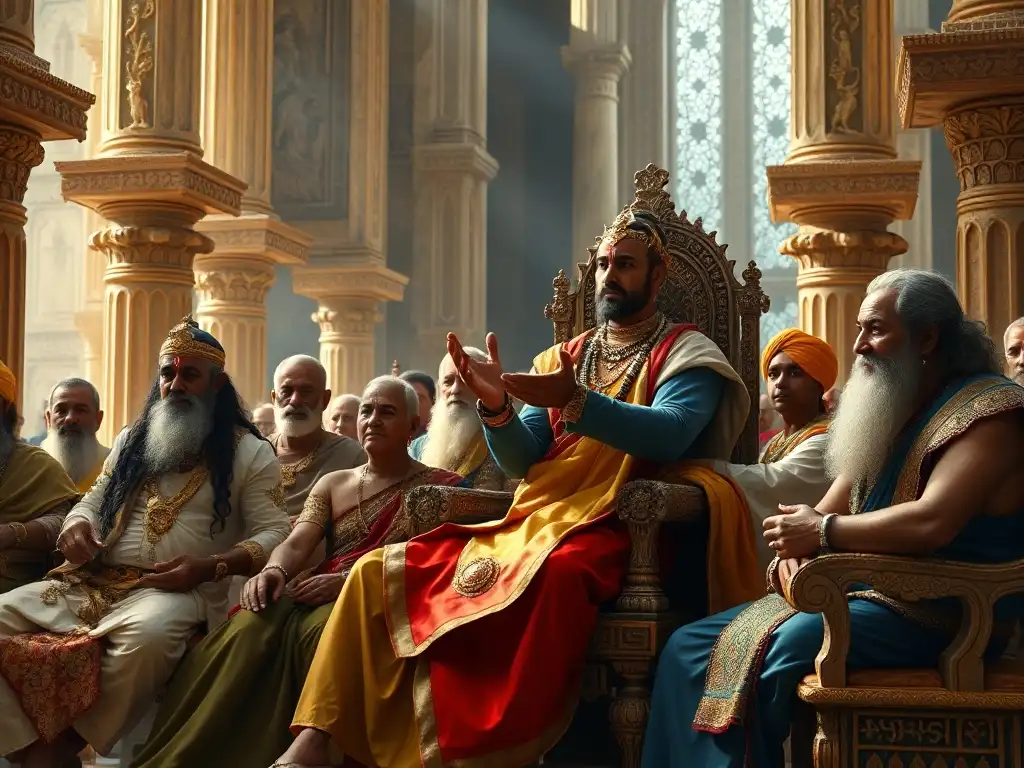
Welcome to Ancient India History, where we embark on a captivating journey through the rich tapestry of India’s past. Delve into the diverse faces of leadership that shaped the civilization from the Indus Valley to the Gupta Empire. In our featured article, "From Kings to Philosophers: The Diverse Faces of Leadership in Ancient India," we uncover the unique qualities and philosophies that defined influential leaders of the time.
Prepare to be intrigued as we explore their contributions and the profound impact they had on the course of history. Join us as we unlock the secrets of leadership that continue to resonate today!
- Introduction to Leadership in Ancient India
- Kings as Leaders in Ancient India
- Philosophers and Thinkers: Intellectual Leadership
- Religious Leaders and Spiritual Authority
- Military Leaders: Strategies and Warfare
- Women in Leadership: Queens and Influencers
- The Legacy of Leadership in Ancient India
- Conclusion
-
Frequently Asked Questions
- What were the main forms of leadership in ancient India?
- How did the Indus Valley civilization demonstrate leadership?
- What role did philosophers play in ancient Indian leadership?
- How did the Gupta Empire exemplify effective leadership?
- What contributions did women make to leadership roles in ancient India?
- Final Reflection: The Timeless Lessons of Leadership in Ancient India
- Unveil the Wisdom of Ancient Leadership!
Introduction to Leadership in Ancient India
Leadership in Ancient India encompasses a rich tapestry of figures and philosophies that shaped the course of its history. From kings wielding power over vast empires to philosophers influencing the moral and ethical dimensions of society, the leadership landscape in ancient India was both diverse and profound.
The intricate interplay between political authority, spiritual guidance, and cultural development reveals much about the values and priorities of various Indian civilizations, from the early Indus Valley to the later Gupta Empire. This article delves into the multifaceted roles of leaders in ancient India, examining how their contributions not only defined their respective eras but also left lasting legacies that continue to resonate today.
Overview of Leadership Roles in Ancient India
The leadership in ancient India can be categorized into several distinct roles, each with its unique influence and responsibilities. These roles included:
- Monarchical Leaders: Kings and emperors, such as Chandragupta Maurya and Ashoka the Great, played pivotal roles in establishing and expanding territories. Their governance was often characterized by the principles of Dharma (righteousness) and a commitment to the welfare of their subjects.
- Philosophers and Thinkers: Figures like Gautama Buddha and Mahavira not only provided spiritual leadership but also challenged existing social norms and encouraged ethical living. Their teachings laid the groundwork for major religious and philosophical traditions in India.
- Military Commanders: Leaders such as Samudragupta exemplified the martial prowess required to defend and expand empires. Their strategies and conquests were crucial in shaping the political landscape of ancient India.
- Cultural Patrons: Rulers who supported the arts, sciences, and education, such as the Gupta emperors, fostered a cultural renaissance that significantly impacted Indian civilization. Their patronage of scholars, artists, and architects led to remarkable achievements in various fields.
Each of these leadership roles contributed to the complexity of governance and societal development in ancient India, reflecting the dynamic interplay between power, philosophy, and culture.
Importance of Leadership in Shaping Civilizations
Leadership in ancient India was instrumental in shaping the trajectories of its civilizations. The significance of effective leadership can be understood through several key aspects:
- Cultural Integration: Leaders often acted as unifying figures, promoting cultural integration among diverse groups. This was especially evident during the Mauryan and Gupta periods, where leaders fostered a sense of shared identity among their subjects.
- Moral and Ethical Guidance: Philosophical leaders provided frameworks for ethical governance, influencing not only political leaders but also the general populace. The emphasis on Dharma, for instance, encouraged rulers to govern with justice and compassion.
- Advancements in Knowledge: The support of intellectual pursuits by leaders led to significant advancements in fields such as mathematics, astronomy, and literature. The contributions of ancient Indian scholars, like Aryabhata and Kalidasa, are testaments to this legacy.
- Social Reform: Many leaders initiated reforms that addressed social inequalities and injustices. For example, the teachings of religious leaders prompted shifts in societal norms, leading to greater inclusivity and ethical considerations in governance.
Leadership in ancient India was not merely a matter of authority but a complex interplay of influence that left an indelible mark on the civilization’s cultural, ethical, and intellectual evolution. Understanding these diverse faces of leadership provides valuable insights into the foundations of modern Indian society.
Kings as Leaders in Ancient India
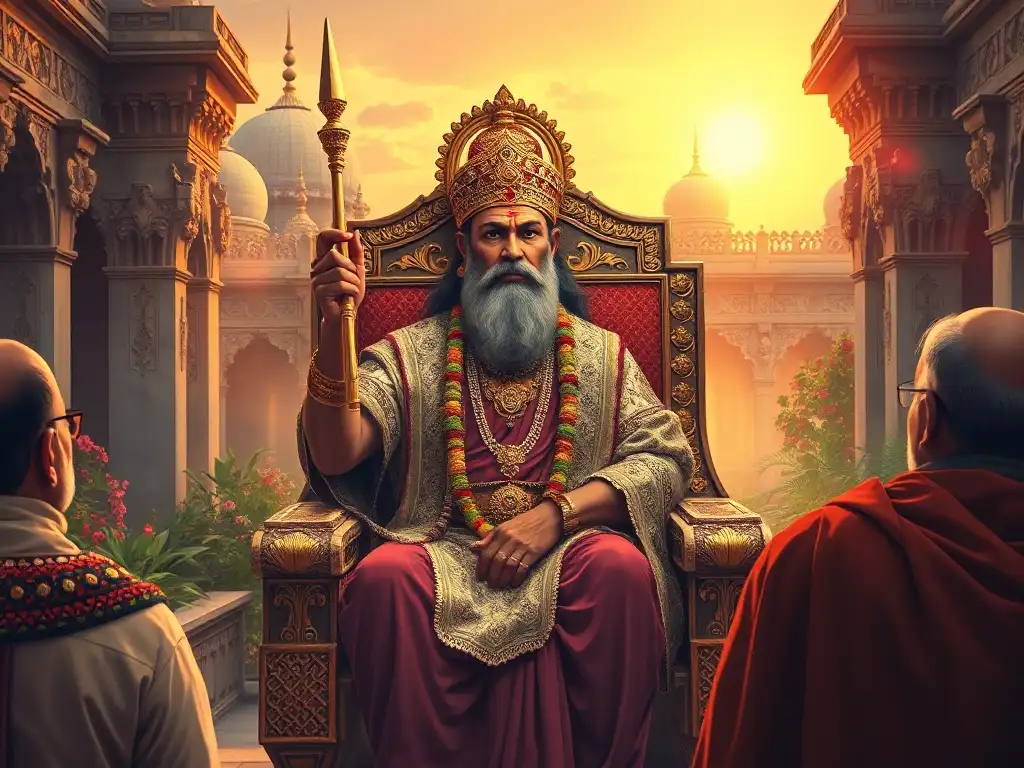
The Role of Kingship in Ancient Indian Society
In ancient India, kingship was not merely a political position but a fundamental institution that shaped the very fabric of society. The king, often regarded as a divine figure, was tasked with maintaining Dharma (righteousness) and ensuring the welfare of his subjects. This dual responsibility established a strong connection between the king and the populace, where the king's moral and ethical conduct was paramount.
- Divine Right of Kings: The concept of Rajadharma, or the duty of a king, was deeply ingrained in ancient Indian texts, such as the Manusmriti. Kings were expected to uphold justice, protect the weak, and promote prosperity within their realms.
- Political Structure: Kings ruled over vast territories, often supported by a council of ministers and local chieftains. This hierarchical structure enabled efficient governance and administration while allowing for localized authority.
- Symbol of Unity: Kings served as symbols of unity, particularly in a region as diverse as India. They promoted cultural and religious integration through patronage of arts, literature, and temples, which fostered a sense of belonging among their subjects.
- Military Leadership: Military prowess was a critical aspect of kingship. A successful king was one who could defend his kingdom against invasions and expand his territory, thus enhancing his reputation and influence.
Notable Kings and Their Contributions
Throughout ancient Indian history, several kings stood out for their remarkable contributions to governance, culture, and society. Their legacies continue to influence modern India and reflect the multifaceted nature of leadership in ancient times.
Chandragupta Maurya: The Unifier of India
Chandragupta Maurya, the founder of the Maurya Empire, was pivotal in unifying the fragmented Indian subcontinent around the 4th century BCE. His leadership style was characterized by strategic alliances, military conquests, and a keen understanding of statecraft.
- Unification Efforts: Through a combination of warfare and diplomacy, Chandragupta successfully overthrew the Nanda dynasty and established the Mauryan Empire, extending its influence across a large portion of northern India.
- Administrative Innovations: He implemented a centralized system of administration with a well-defined bureaucracy. His governance model emphasized taxation, law enforcement, and public welfare, setting a precedent for future empires.
- Philosophical Influence: Chandragupta's interactions with Chanakya, his mentor and advisor, led to the formulation of the Arthashastra, a treatise on politics and economics that remains relevant even today.
Ashoka the Great: From Warrior to Peace Advocate
Ashoka, the grandson of Chandragupta Maurya, is one of the most celebrated figures in Indian history. His reign (circa 268-232 BCE) marked a significant transformation in leadership philosophy, particularly after his conversion to Buddhism following the Kalinga War.
- Promoting Non-Violence: Ashoka's realization of the horrors of war led him to embrace Ahimsa (non-violence) as a core principle of governance. He advocated for peace and tolerance, promoting Buddhist values across his empire.
- Cultural Patronage: His reign saw the flourishing of art and architecture, most notably the construction of stupas, pillars, and edicts that propagated ethical conduct and social welfare.
- International Relations: Ashoka's diplomatic efforts extended beyond India, fostering relationships with foreign nations and promoting the spread of Buddhism across Asia, which had a profound impact on global culture and spirituality.
The kings of ancient India exemplified diverse leadership styles, from militaristic to philosophical. Their contributions not only shaped the course of Indian history but also left a lasting legacy that continues to resonate in contemporary society. The concept of leadership in ancient India was complex and multifaceted, reflecting the diverse needs and aspirations of its people.
Philosophers and Thinkers: Intellectual Leadership

In ancient India, philosophers and thinkers played a crucial role in shaping not only the intellectual landscape but also the political and social frameworks of their time. These intellectual leaders provided guidance, counsel, and ethical frameworks that influenced kings and governance structures. Their teachings often transcended mere philosophy, impacting the daily lives and moral compasses of society as a whole.
The concept of leadership in ancient India was not confined to military prowess or royal lineage; it also encompassed wisdom, knowledge, and spiritual enlightenment. Philosophers acted as advisors to rulers, often guiding them in matters of statecraft, diplomacy, and ethical governance. This blend of intellectual and political leadership contributed significantly to the stability and prosperity of various ancient Indian civilizations.
The Influence of Philosophers on Governance and Society
Philosophers in ancient India had a profound impact on governance and societal norms. Their ideas on ethics, morality, and justice provided the foundation for rulers' decisions and policies. Many of these thinkers emphasized the importance of dharma (righteousness) and the welfare of the people, advocating for a leadership style that was compassionate and just.
- Counseling Rulers: Philosophers often served as advisors, helping kings make informed decisions that aligned with both ethical standards and practical governance.
- Educational Influence: They established centers of learning, such as the famous Nalanda University, where students were trained in various disciplines, including philosophy, mathematics, and medicine. This education shaped future leaders who would govern with wisdom.
- Moral Framework: The teachings of these philosophers instilled a sense of duty and responsibility among rulers, encouraging them to prioritize the well-being of their subjects over personal ambition.
The teachings of ancient Indian philosophers did not just stay confined to theoretical discourse; they actively influenced laws, governance strategies, and social norms that shaped the trajectory of Indian civilization.
Key Philosophers of Ancient India
Several philosophers stand out in the rich tapestry of ancient Indian thought, each contributing unique perspectives on leadership, governance, and ethics.
Chanakya: The Strategist Behind the Mauryan Empire
Chanakya, also known as Kautilya, was a pivotal figure in the establishment of the Mauryan Empire. As a philosopher, economist, and political strategist, he authored the Arthashastra, an ancient treatise on statecraft, economic policy, and military strategy. His contributions to leadership can be summed up as follows:
- Realpolitik Approach: Chanakya's strategies emphasized pragmatic and sometimes ruthless approaches to governance. He believed that the end justified the means, advocating for calculated diplomacy and espionage to secure state interests.
- Emphasis on Education: He also championed the importance of education and training in leadership roles, understanding that a knowledgeable ruler could make better decisions for the state.
- Legacy of Leadership: His strategies not only helped Chandragupta Maurya ascend to the throne but also laid the foundation for a vast empire that would become one of the largest in ancient India.
Gautama Buddha: Leadership Through Enlightenment
Gautama Buddha, the founder of Buddhism, offered a contrasting yet equally significant perspective on leadership. His philosophy revolved around enlightenment, compassion, and ethical living, which influenced both rulers and common people.
- Moral Leadership: Buddha's teachings promoted a form of leadership that prioritized the welfare of all beings. His emphasis on compassion and non-violence inspired many leaders to adopt a more humane approach to governance.
- Influence on Rulers: His principles resonated with many kings, who sought to rule with benevolence and righteousness, often implementing policies that reflected Buddhist values.
- Cultural Impact: The spread of Buddhism under various rulers contributed to a cultural and spiritual renaissance in ancient India, fostering an environment of peace and philosophical inquiry.
Through their distinctive approaches, both Chanakya and Gautama Buddha exemplified the diverse facets of leadership in ancient India, demonstrating how intellectual thought can guide political action and societal values. Their legacies continue to influence contemporary discussions on leadership, ethics, and governance.
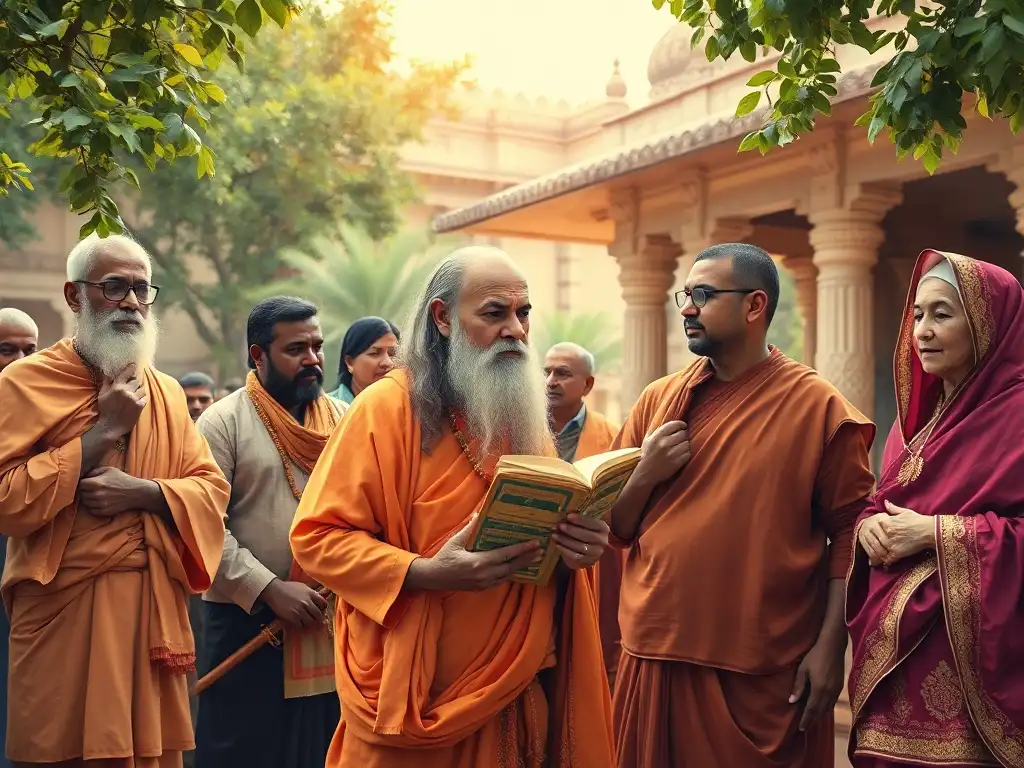
The Role of Religion in Leadership Dynamics
In ancient India, the interplay between religion and leadership was profound, significantly shaping societal norms and governance. Religious leaders wielded considerable influence, often transcending traditional political authority. Their spiritual guidance provided a moral framework for rulers and the populace, fostering unity and social cohesion.
Religious doctrines often informed the principles of governance, where kings and rulers sought legitimacy through divine sanction. The idea of Dharma, or moral duty, was central to leadership. Leaders were expected to uphold righteousness and justice, reflecting the divine order that governed the universe. This blend of spirituality and governance created a unique leadership dynamic where spiritual authority could rival or complement political power.
Moreover, religious festivals and rituals played a pivotal role in reinforcing the leader's status. Kings would often participate in religious ceremonies to demonstrate their devotion and align themselves with the divine, thus gaining the loyalty of their subjects. This relationship between religion and leadership not only influenced governance but also shaped the cultural landscape of ancient India.
Prominent Religious Leaders in Ancient India
Ancient India was home to numerous influential religious leaders whose teachings and philosophies left an indelible mark on society. These figures not only shaped religious thought but also contributed to the overall socio-political framework.
Mahavira and the Rise of Jain Leadership
Mahavira, the 24th Tirthankara of Jainism, emerged as a significant figure in the 6th century BCE. His teachings emphasized ahimsa (non-violence), truthfulness, and asceticism, which resonated deeply with the populace. Mahavira's leadership style was characterized by his commitment to spiritual liberation and ethical living, which attracted many followers and established Jainism as a major religious force in India.
His influence extended beyond spiritual teachings; Mahavira's ideas on leadership promoted the concept of ethical governance. He advocated for rulers to practice ahimsa, fostering a culture of compassion and justice. Under Mahavira's guidance, Jain communities flourished, establishing a legacy of economic prosperity and cultural richness that contributed to the broader societal fabric of ancient India.
The establishment of Sanghas (community groups) under Mahavira's leadership also played a crucial role in organizing societal structure, allowing for a democratic approach to spiritual and community governance. This innovative model of leadership continues to inspire contemporary thought on community and ethical governance.
The Impact of Hindu Gurus on Society
In addition to Mahavira, Hindu gurus have played a pivotal role in shaping leadership dynamics throughout ancient India. Figures such as Adi Shankaracharya and Ramanuja were not only spiritual leaders but also philosophers who influenced political thought and social reform.
Hindu gurus often acted as mediators between the divine and the people, providing guidance on ethical living and societal duties. Their teachings emphasized the importance of dharma, which became a cornerstone of leadership in various kingdoms. Rulers sought the counsel of these gurus to legitimize their reign and align their policies with spiritual tenets.
The impact of these spiritual leaders was profound, as they fostered a sense of identity and purpose among their followers. Through their teachings, they encouraged social reform, advocating for the welfare of the underprivileged and promoting a more inclusive society. This emphasis on social responsibility helped shape the governance models of various kingdoms, where leaders were expected to prioritize the well-being of their subjects.
The interplay between religious and political leadership in ancient India created a rich tapestry of governance that emphasized ethical principles, social responsibility, and spiritual authority. The legacy of these religious leaders continues to influence contemporary discussions on leadership, ethics, and governance.
Military Leaders: Strategies and Warfare
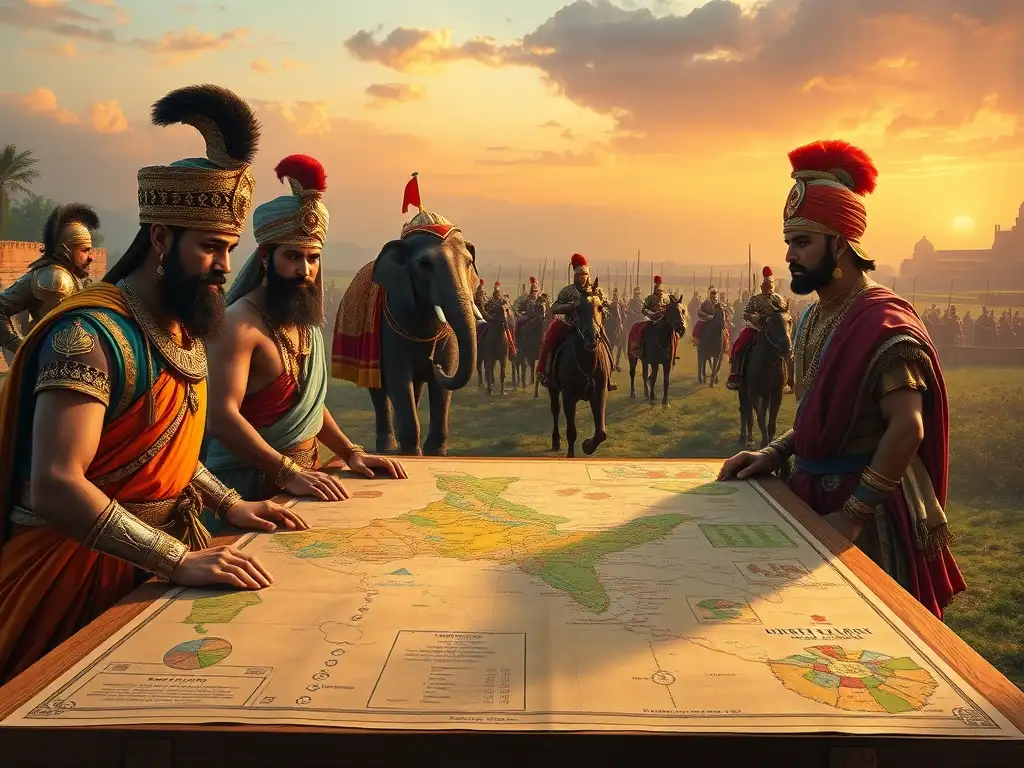
The Importance of Military Leadership in Ancient India
Military leadership was a cornerstone of ancient Indian civilization, playing a crucial role in the expansion and defense of kingdoms. The ability to lead troops in battle not only determined the fate of empires but also influenced the socio-political dynamics of the time. Effective military leaders were assessed based on their strategic acumen, bravery, and capacity to inspire loyalty among their ranks.
The significance of military leadership can be distilled into several key areas:
- Defense of Territory: Leaders had to protect their regions from invasions and rival states. Skilled generals implemented strategies that utilized the geography of the land to their advantage.
- Expansion of Empire: Conquering new territories was essential for resource acquisition and political power. Leaders like Chandragupta Maurya expanded the Mauryan Empire through calculated military campaigns.
- Cultural Exchange: Military conquests often led to cultural interactions and exchanges, enriching the civilizations involved. Leaders fostered diplomatic relationships with conquered peoples, promoting trade and cultural integration.
- Political Stability: A strong military could deter rebellions and maintain order within the kingdom. Leaders needed to manage not only their armies but also the loyalty and morale of their subjects.
Military leadership in ancient India was not merely about warfare; it was integral to governance, cultural development, and the establishment of lasting legacies.
Notable Military Leaders and Their Tactics
Ancient India boasts a rich tapestry of military leaders who employed diverse strategies and tactics to achieve their objectives. Some of these leaders are remembered not only for their military successes but also for their innovative approaches to warfare.
Raja Raja Chola: Master of Naval Warfare
Raja Raja Chola I, who ruled from 985 to 1014 CE, is often celebrated as one of the most formidable military leaders in ancient India, particularly for his prowess in naval warfare. Under his leadership, the Chola Empire expanded significantly, reaching parts of Southeast Asia, including modern-day Indonesia and Malaysia.
- Naval Innovations: Raja Raja Chola revolutionized naval tactics by developing a strong navy equipped with advanced ships. This enabled him to control trade routes and conduct successful maritime campaigns.
- Strategic Coastal Attacks: By launching surprise attacks on coastal cities, Raja Raja Chola was able to disrupt enemy supply lines and establish Chola dominance over lucrative trade routes.
- Incorporation of Local Forces: Understanding the importance of local knowledge, he often allied with indigenous populations in conquered territories, which facilitated smoother governance and military operations.
Raja Raja Chola's military strategies not only expanded his empire but also laid the foundation for maritime trade that would thrive long after his reign.
Vikramaditya: A Leader of Great Military Prowess
Vikramaditya, a legendary king associated with the Gupta Empire, is known for his remarkable military skills and strategic genius. Although historical records of his life are often intertwined with myth, he is frequently credited with uniting various Indian kingdoms under his rule.
- Innovative Warfare Techniques: Vikramaditya is said to have employed unique strategies such as psychological warfare and the use of elephants in battle, which created a significant impact on the battlefield.
- Cavalry and Infantry Coordination: He emphasized the importance of coordinating cavalry and infantry, leading to more dynamic and flexible military formations that could adapt to various combat scenarios.
- Cultural Patronage: Beyond his military achievements, Vikramaditya is remembered as a patron of arts and sciences, which helped in fostering loyalty and unity among his subjects. This cultural flourishing provided a solid foundation for military recruitment and support.
Vikramaditya's legacy as a military leader is marked by his ability to inspire and unify diverse groups, ensuring the stability and prosperity of his empire.
Women in Leadership: Queens and Influencers
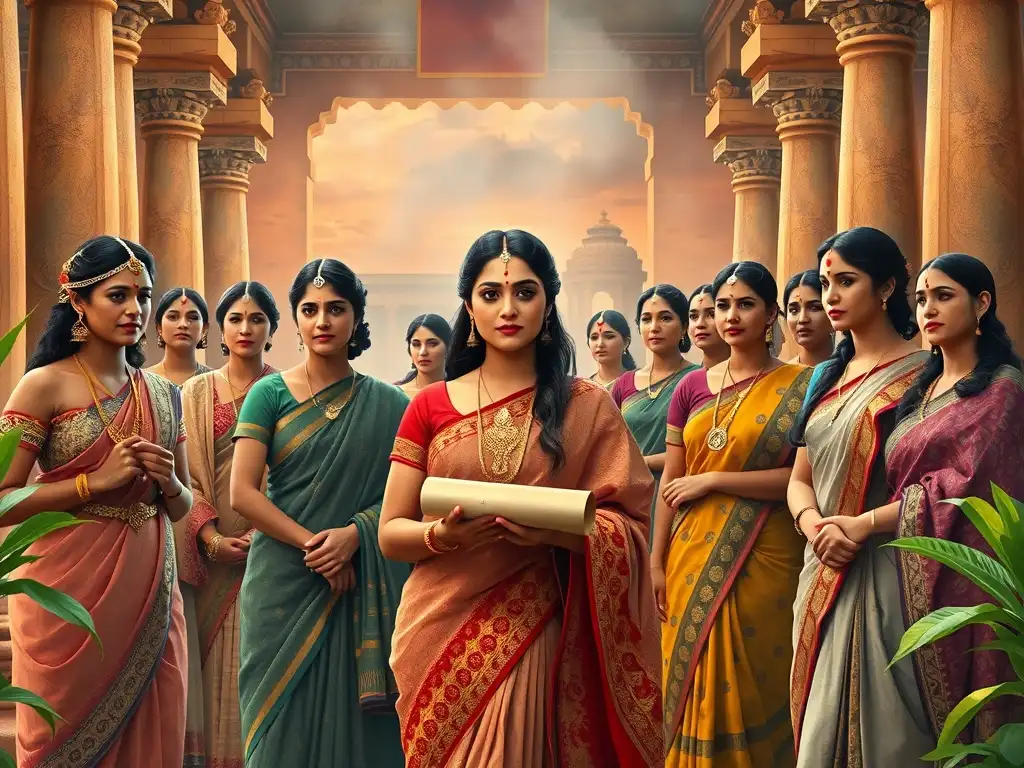
The Role of Women in Ancient Indian Leadership
In ancient India, the concept of leadership was often associated with kings and warriors, but women also played a significant role in governance and influence. Despite societal norms that frequently relegated women to domestic roles, several women emerged as powerful leaders, strategists, and decision-makers. Their contributions, though sometimes overshadowed by their male counterparts, were crucial in shaping the socio-political landscape of their times.
Women in ancient India could hold titles such as rani (queen) or maharani (grand queen), which bestowed upon them substantial influence within their realms. They often participated in political discussions and were involved in diplomatic negotiations, displaying a level of agency that was remarkable for the era. Moreover, women were not just passive figures; many actively led armies, governed territories, and engaged in statecraft. Their leadership styles often blended traditional roles with strategic insight, enabling them to navigate complex political environments.
Influential Queens and Their Impact
The legacy of women leaders in ancient India is marked by their multifaceted roles as rulers, warriors, and cultural icons. These queens not only influenced their dynasties but also left an indelible mark on the cultural and historical narrative of the region.
Their impact can be seen in various aspects of society, including:
- Military Leadership: Many queens commanded troops and led their armies in battle, demonstrating that leadership was not confined to men.
- Cultural Patronage: Women like queens often supported arts, literature, and religion, promoting cultural development.
- Political Alliances: Marriages were strategic; queens often formed alliances that were crucial for peace and stability.
The stories of these queens serve as a testament to the significant and often underappreciated role women played in ancient Indian leadership.
Rani Durgavati: The Warrior Queen
Rani Durgavati, a queen of the Gondwana kingdom in the 16th century, is a prominent figure in the history of women in leadership. Known for her valor and military acumen, she ascended to the throne after the death of her husband. Durgavati was not only a capable ruler but also a fierce warrior who defended her kingdom against the Mughal Empire.
Her leadership is characterized by:
- Strategic Warfare: Rani Durgavati employed innovative tactics in battle, utilizing her knowledge of the terrain to outmaneuver her enemies.
- Courageous Defense: Despite overwhelming odds, she showcased extraordinary bravery during the Siege of Mandla, fighting valiantly to protect her kingdom.
- Legacy of Resistance: Her resistance against the Mughals inspired future generations, marking her as a symbol of strength and resilience in Indian history.
Durgavati's story exemplifies the formidable presence of women in leadership roles, challenging the conventions of her time.
Razia Sultana: The Iconic Female Sultan
Razia Sultana, the only female ruler of the Delhi Sultanate, reigned in the 13th century and is celebrated for her remarkable leadership and progressive policies. Ascending the throne after her father, Iltutmish, Razia faced considerable opposition due to her gender but proved her mettle as an effective ruler.
Key aspects of her reign include:
- Administrative Reforms: Razia implemented policies that promoted meritocracy, appointing individuals based on ability rather than their birth status.
- Cultural Patronage: She was known for her support of education and the arts, fostering a rich cultural environment during her rule.
- Political Acumen: Razia adeptly navigated the political landscape, forming alliances and managing court intrigues, showcasing her diplomatic skills.
Razia Sultana's reign represents a significant chapter in the narrative of leadership in ancient India, demonstrating that women could not only rule but excel in governance and influence. Her legacy continues to inspire discussions on female leadership in historical contexts.
The Legacy of Leadership in Ancient India
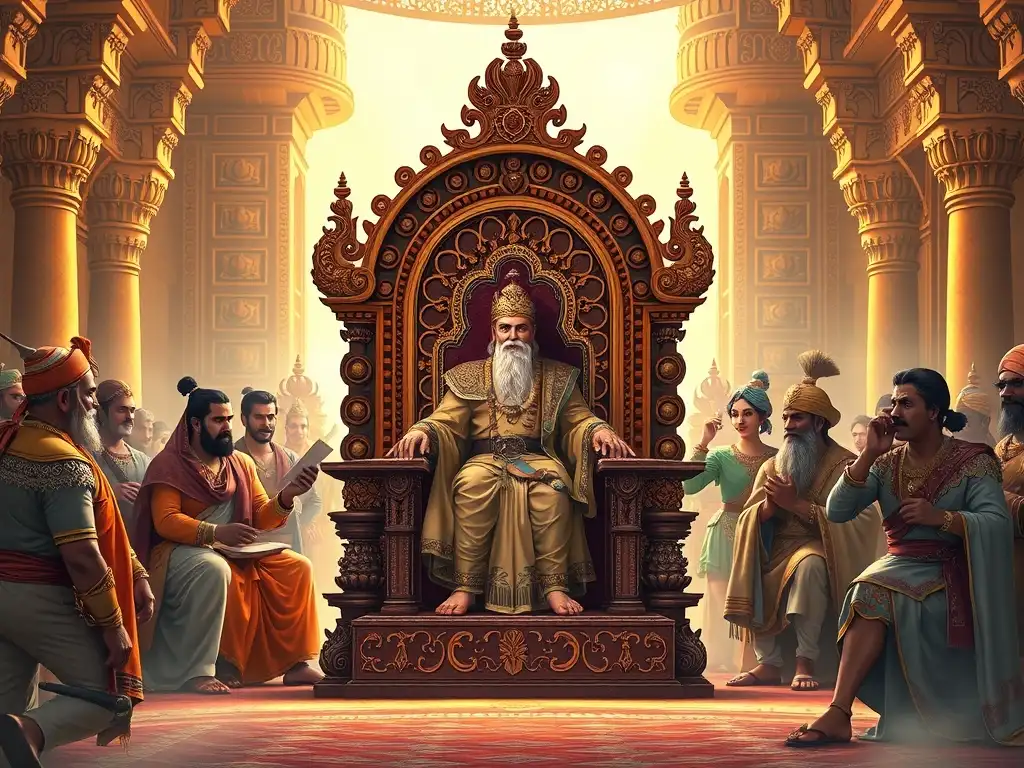
The leadership landscape of ancient India is marked by a rich tapestry of rulers, philosophers, and thinkers who have significantly influenced the socio-political and cultural fabric of the subcontinent. From the well-organized governance of the Indus Valley Civilization to the decentralized yet effective rule of regional kingdoms, the legacy of leadership in ancient India encompasses a wide range of styles and philosophies that continue to resonate today.
Ancient Indian leaders were not merely political figures; they were often seen as embodiments of dharma (righteousness) and custodians of societal values. The concept of leadership was deeply intertwined with spirituality and ethics, leading to a holistic approach that prioritized the welfare of the people. For instance, the Mauryan Emperor Ashoka exemplified compassionate governance, promoting non-violence and moral law after his conversion to Buddhism. His edicts, inscribed on stone pillars across the empire, reflect a commitment to social justice and communal harmony.
The influence of ancient leadership styles can be observed in various aspects of modern Indian society, from political structures to social norms. The emphasis on collective welfare and moral integrity laid the groundwork for contemporary leadership practices, emphasizing transparency, community service, and ethical governance.
How Ancient Leadership Influences Modern India
The principles of leadership established in ancient India are still relevant in contemporary governance and organizational structures. Modern leaders often draw inspiration from the philosophies of historical figures, integrating their wisdom into current practices. For example:
- Philosophical Underpinnings: The teachings of ancient philosophers like Chanakya, whose work Arthashastra offers insights into statecraft and economics, continue to be studied by political leaders and business executives alike.
- Community Engagement: The inclusive governance model practiced by rulers such as the Cholas, who involved local communities in decision-making, finds parallels in today’s democratic processes, emphasizing grassroots participation and accountability.
- Crisis Management: The ability of leaders like Ashoka to adapt and change their strategies in response to societal needs is echoed in the adaptive leadership styles required in today’s fast-paced political environment.
The enduring impact of these ancient practices is evident in India's ongoing commitment to democratic values, social justice, and ethical leadership, shaping how leaders approach their roles in society.
The Cultural Significance of Leadership Styles
The diverse leadership styles that emerged in ancient India were not only reflections of individual rulers but also representations of the cultural ethos of their times. Each leadership approach carried intrinsic cultural values that shaped the identity of their respective societies. Notable styles include:
- Autocratic Leadership: Rulers like Chandragupta Maurya exemplified a centralized and strong leadership approach, which was effective in unifying large territories. This style emphasized control and order, essential for maintaining stability during times of conflict.
- Philosophical Leadership: Figures such as Buddha and Mahavira demonstrated a more moral and philosophical approach, stressing the importance of inner virtue and ethical behavior. Their teachings fostered a culture of introspection and social responsibility.
- Participatory Leadership: The governance model of the Gupta Empire emphasized participation from a broader segment of society, reflecting a more democratic ethos. Leaders encouraged the involvement of scholars, artisans, and common people in civic matters, which contributed to a flourishing cultural and intellectual environment.
The cultural significance of these leadership styles is profound; they have shaped societal expectations of leaders, influencing modern notions of accountability, ethical governance, and public service. The lessons drawn from these ancient practices serve as a reminder of the importance of leadership that resonates with the cultural and moral values of the people.
The legacy of leadership in ancient India continues to inspire and guide modern practices, highlighting the timeless nature of effective governance rooted in ethical principles and cultural significance. The diverse faces of leadership, from kings to philosophers, showcase a rich heritage that informs our understanding of leadership today.
Conclusion
In examining the multifaceted nature of leadership in ancient India, we uncover a rich tapestry woven from the threads of political, military, philosophical, and spiritual guidance. From the pragmatic kings of the Maurya and Gupta empires to the profound thinkers like Chanakya and Mahavira, leadership in ancient India was characterized by a diverse array of approaches and philosophies that shaped the course of civilization.
These leaders not only governed their realms but also contributed significantly to the cultural, social, and economic fabric of their societies. Their legacies demonstrate that leadership transcended mere authority; it involved a deep understanding of ethics, governance, and the human condition. The study of these diverse figures allows us to appreciate the complexities of leadership and the enduring impact of their contributions on subsequent generations.
Reflections on the Diverse Faces of Leadership in Ancient India
Reflecting on the various forms of leadership in ancient India leads us to recognize that each leader's approach was a response to the unique challenges of their time. For instance, the military strategies of Chandragupta Maurya were essential in unifying the fragmented territories of India, while Ashoka's shift from conquest to compassion illustrates a transformative approach to governance that prioritized welfare over military expansion.
Moreover, the philosophical leaders, such as the Buddha and Mahavira, offered alternative frameworks of leadership rooted in ethical conduct and spiritual growth. Their teachings emphasized inner leadership, advocating for self-awareness and moral integrity as essential qualities for effective governance. This highlights the notion that leadership was not confined to a throne; it extended into the realms of thought and personal development, offering lessons that remain relevant today.
The Importance of Understanding Leadership in Historical Context
Understanding leadership in ancient India is crucial for several reasons:
- Historical Insight: By studying figures like Ashoka, Kautilya, and others, we gain insights into the political dynamics and cultural values of their times. This historical context is vital for understanding how past societies shaped modern India.
- Cultural Legacy: The leadership styles and philosophies that emerged from ancient India continue to influence contemporary leadership practices. Concepts such as dharma (duty) and ahimsa (non-violence) resonate in modern discourse on ethical leadership and governance.
- Comparative Analysis: Analyzing the diverse forms of leadership in ancient India allows for comparative studies with other civilizations. This can lead to a broader understanding of how different cultures approached governance and authority.
- Lessons for Today: The complexities of leadership exhibited by figures in ancient India offer valuable lessons for current and future leaders. Understanding the balance between power, responsibility, and ethical conduct can guide modern leadership practices.
The exploration of leadership in ancient India reveals a rich and varied landscape that informs not only our understanding of history but also our approach to leadership in the present and future. Recognizing the diverse faces of leadership helps us appreciate the depth of human experience and the lessons that can be drawn from the past.
Frequently Asked Questions
What were the main forms of leadership in ancient India?
Leadership in ancient India varied from royal kings to philosophers and religious leaders, each playing a significant role in shaping society and governance.
How did the Indus Valley civilization demonstrate leadership?
The Indus Valley civilization exhibited organized leadership through urban planning, sophisticated trade systems, and a possible centralized authority, though specifics remain largely unknown.
What role did philosophers play in ancient Indian leadership?
Philosophers like Chanakya and Buddha influenced leadership through their teachings on morality, governance, and social responsibility, emphasizing the importance of ethical leadership.
How did the Gupta Empire exemplify effective leadership?
The Gupta Empire is often noted for its cultural flourishing and strong governance, characterized by a decentralized administration that allowed local leaders to thrive under a unified umbrella.
What contributions did women make to leadership roles in ancient India?
Women in ancient India held various leadership roles, notably as queens and warriors, influencing political decisions and cultural practices, though their contributions are often underrepresented in historical narratives.
Final Reflection: The Timeless Lessons of Leadership in Ancient India
The exploration of leadership in ancient India reveals a rich tapestry of philosophies and practices that resonate profoundly in today's world. As we navigate the complexities of modern governance and personal leadership, the insights drawn from kings, philosophers, and spiritual leaders of ancient India serve as a guiding light. Their diverse approaches to leadership remind us that true influence transcends power; it is rooted in wisdom, compassion, and the ability to inspire others.
The legacy of ancient Indian leaders continues to shape our cultural and social landscapes, urging us to reflect on the qualities that define effective leadership. From the strategic brilliance of Chandragupta Maurya to the ethical teachings of Mahatma Gandhi, these figures exemplify the multifaceted nature of leadership. Their stories remind us that leadership is not merely about authority but about fostering a sense of community and purpose.
> “The greatest leader is not necessarily the one who does the greatest things. He is the one that gets the people to do the greatest things.” – Ronald Reagan. This quote encapsulates the essence of leadership as a collaborative endeavor, echoing the principles established by ancient Indian leaders.
As we contemplate the lessons of leadership from ancient India, I invite you to reflect on your own leadership journey. Consider how you can embody the qualities of wisdom, empathy, and integrity in your daily interactions. Whether in your personal life, workplace, or community, strive to be a leader who inspires and uplifts others. The teachings of the past are not just historical anecdotes; they are powerful tools for transformation that can guide us toward a more harmonious and impactful future. Embrace these lessons, and let them shape the leader you aspire to be.
Unveil the Wisdom of Ancient Leadership!
Thank you for taking the time to explore the diverse aspects of leadership in ancient India! This journey not only enriches our understanding of historical figures but also inspires us in our own leadership endeavors. Now, it's your turn to delve deeper and apply these valuable insights.
Here are some actionable steps you can take:
- Reflect on your leadership style: Identify qualities from ancient leaders that resonate with you and consider how you can embody these traits in your daily life.
- Share your insights: Discuss this article with friends or engage in online forums focused on historical leadership. Your thoughts can inspire others!
- Explore further: Seek out books or documentaries about ancient Indian leaders to broaden your knowledge and deepen your understanding of their lasting impact.
Which leadership qualities from ancient India inspire you the most, and how will they shape your own journey?