
From Fire to Water: The Symbolism Behind Ancient Indian Ceremonies

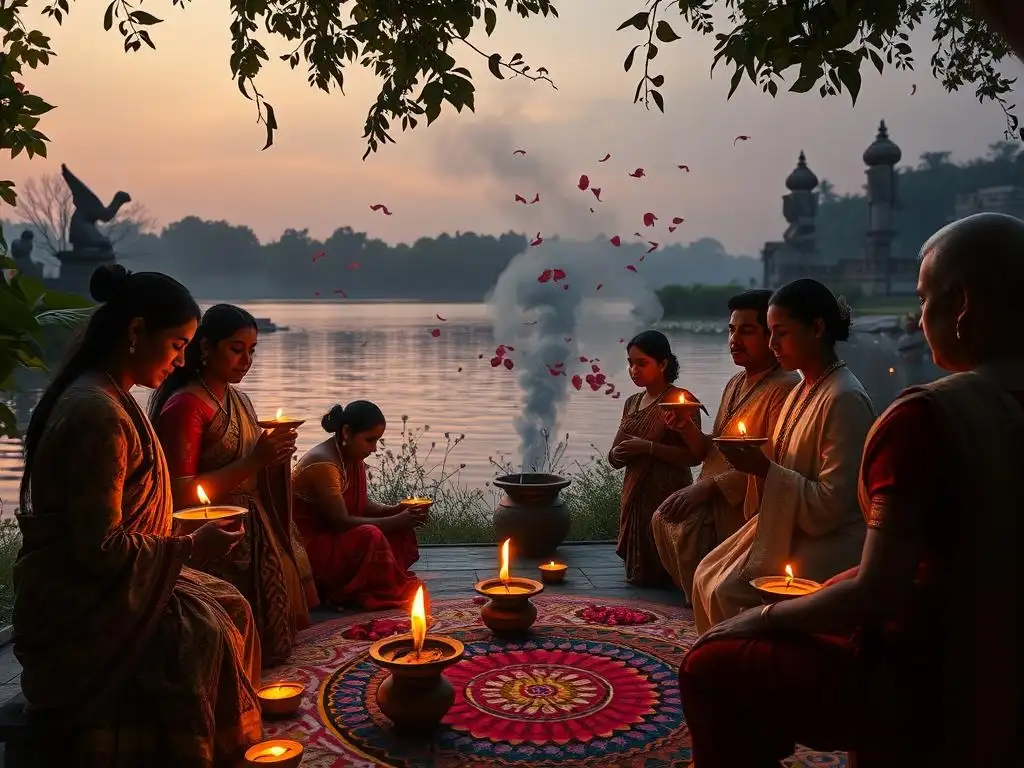
Welcome to Ancient India History, where we embark on an enlightening journey through the rich tapestry of India's past. Have you ever wondered about the deeper meanings behind ancient rituals? In our featured article, "From Fire to Water: The Symbolism Behind Ancient Indian Ceremonies," we unravel the intricate layers of ancient Indian ceremony symbolism, revealing how these time-honored practices reflect the profound beliefs and cultural heritage of civilizations from the Indus Valley to the Gupta Empire. Dive in and discover the fascinating stories that lie beneath the surface of these vibrant traditions!
- Introduction to Ancient Indian Ceremony Symbolism
- The Element of Fire in Ancient Indian Ceremonies
- The Element of Water in Ancient Indian Ceremonies
- Comparing Fire and Water in Ancient Indian Ceremony Symbolism
- Key Ancient Indian Ceremonies Featuring Fire and Water
- The Evolution of Symbolism in Ancient Indian Ceremonies
- Conclusion: The Lasting Impact of Fire and Water Symbolism in Ancient Indian Ceremonies
-
Frequently Asked Questions
- What is the significance of ceremony symbolism in ancient India?
- How did ancient Indian ceremonies incorporate elements like fire and water?
- What are some examples of ancient Indian ceremonies and their meanings?
- How did the Gupta Empire influence ceremony symbolism in ancient India?
- Are there modern interpretations of ancient Indian ceremony symbolism?
- Final Reflection: The Enduring Legacy of Ancient Indian Ceremony Symbolism
- Embrace the Mystery: Dive Deeper into Ancient Symbolism!
Introduction to Ancient Indian Ceremony Symbolism
The rich tapestry of ancient Indian civilizations is woven with diverse ceremonies that reflect their profound connection to nature, spirituality, and community. From the earliest rituals of the Indus Valley to the elaborate festivities of the Gupta Empire, these ceremonies served not only as expressions of devotion and cultural identity but also as powerful symbols of the universal elements—fire, water, earth, and air.
Understanding the symbolism behind ancient Indian ceremonies offers a window into the values, beliefs, and social structures of these remarkable societies. This article delves into the various ceremonies that defined ancient Indian culture, exploring how they utilized elemental symbolism to convey deeper meanings and foster unity among their practitioners.
Overview of Ancient Indian Ceremonies
Ancient Indian ceremonies encompassed a wide range of rituals, from agricultural rites intended to ensure bountiful harvests to elaborate life-cycle celebrations marking important milestones such as birth, marriage, and death. Each ceremony was meticulously designed to honor deities, invoke blessings, and maintain harmony within the community.
Here are some of the key categories of ancient Indian ceremonies:
- Religious Rituals: These included offerings (puja) to deities, recitations of sacred texts, and fire sacrifices (yajnas), which were believed to please the gods and ensure prosperity.
- Seasonal Festivals: Festivals like Makar Sankranti and Holi celebrated the changing seasons and agricultural cycles, integrating agricultural practices with spiritual renewal.
- Life-Cycle Ceremonies: Important transitions in life, such as naming ceremonies (namakarana), weddings (kanyadaan), and funerals (antyesti), were marked by specific rituals that reinforced community bonds and cultural identity.
Each of these ceremonies was imbued with rich symbolism, often drawing on the elements of nature to convey deeper philosophical truths and societal values.
Importance of Symbolism in Rituals
Symbolism plays a crucial role in ancient Indian ceremonies, as it serves to convey complex ideas and beliefs through tangible actions and objects. The use of elemental symbols—such as fire (Agni), water (Jal), earth (Prithvi), and air (Vayu)—provided a way to connect the physical and spiritual realms.
- Fire (Agni): Often seen as a purifying force, fire symbolizes transformation and the divine presence. In ceremonies, it acts as a medium to carry offerings to the gods and is central to many yajnas.
- Water (Jal): Water symbolizes purity, life, and renewal. Ritual cleansing with water is a common practice, representing spiritual purification and the flow of life.
- Earth (Prithvi): The earth is revered as the nurturing mother, representing sustenance and stability. Ceremonies often include offerings to the earth to express gratitude and seek blessings for fertility.
- Air (Vayu): Air symbolizes the breath of life and the divine spirit. It is often invoked in prayers and mantras, emphasizing the interconnectedness of all living beings.
The intricate use of these symbols not only enhances the spiritual experience of the participants but also reinforces the cultural identity and continuity of ancient Indian traditions. Understanding this symbolism is essential for appreciating the depth of ancient Indian ceremonies and their enduring legacy in contemporary practices.
The Element of Fire in Ancient Indian Ceremonies
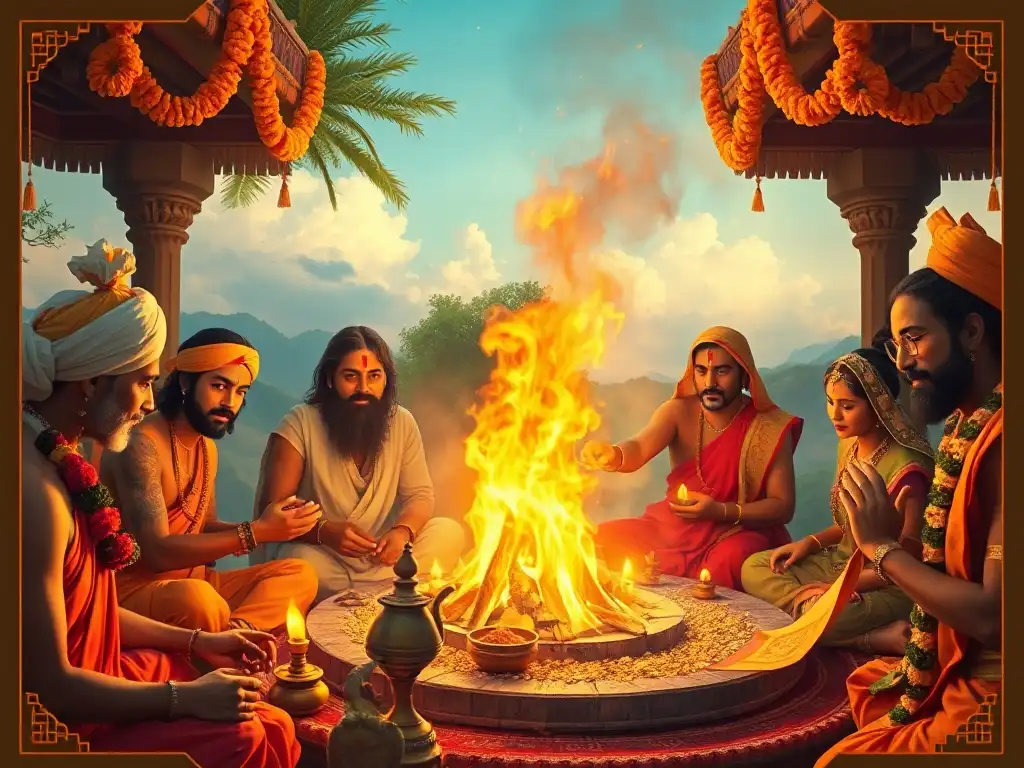
Significance of Fire in Hindu Rituals
Fire, or Agni, holds a central position in ancient Indian ceremonies, particularly within Hindu rituals. It is not merely a physical element but rather a divine entity, revered as a messenger between humans and the gods. The significance of fire in Hinduism is manifold, serving purposes that range from purification to offering.
In Vedic texts, Agni is described as the first-born and is often associated with the creation and maintenance of the universe. It represents the transformative power of energy, making it crucial in various rituals such as yajnas (sacrificial offerings). The presence of fire during these ceremonies symbolizes the divine connection and represents the acceptance of offerings by the deities.
Furthermore, fire rituals are deeply interwoven with the concepts of dharma (duty) and karma (action), emphasizing the moral and ethical dimensions of life. By invoking Agni, practitioners seek blessings for prosperity, health, and spiritual enlightenment, showcasing fire's vital role in ancient Indian ceremonial life.
Fire as a Symbol of Purity and Transformation
In ancient Indian culture, fire is seen as a symbol of purity and transformation. The act of lighting a fire signifies the removal of darkness and ignorance, ushering in enlightenment and knowledge. This symbolism is particularly prominent in purification rituals, where fire is utilized to cleanse not only the physical space but also the spiritual essence of participants.
For instance, in the Homa rituals, offerings made into the fire are believed to be transformed into a form that can be received by the divine. This transformation is not just physical; it is also spiritual, as the act of offering signifies surrender and devotion. This dual nature of fire—as a purifier and transformer—reinforces its importance in ancient Indian ceremony symbolism.
Additionally, fire's role in rites of passage, such as samskaras (sacraments), further accentuates its transformative power. From birth to marriage and even death, fire plays a crucial role in marking these significant life transitions, reinforcing the idea that it is a catalyst for change and renewal.
Ceremonial Uses of Fire in Ancient Indian Practices
The ceremonial uses of fire in ancient Indian practices are diverse and deeply rooted in tradition. Here are some key examples:
- Yajnas: Central to Vedic rituals, yajnas involve offerings made to Agni. These ceremonies are performed to invoke divine blessings and ensure harmony in the universe.
- Homa and Havans: Specific types of fire rituals where offerings—often in the form of grains, ghee, and herbs—are made into the sacred fire, believed to carry the essence of the offerings to the deities.
- Rites of Passage: Fire is integral in various samskaras, such as the Punarjanma (rebirth) ceremony. It symbolizes the transition from one stage of life to another, marking significant milestones.
- Festivals: Many festivals, such as Makar Sankranti and Diwali, incorporate fire as a symbol of joy and prosperity. The lighting of lamps and the use of firecrackers during these celebrations signify the triumph of light over darkness.
- Funeral Rites: In the context of death, fire is used in cremation ceremonies, symbolizing the soul's journey to the afterlife. The act of cremation reflects the belief in the cycle of life, death, and rebirth.
The element of fire in ancient Indian ceremonies is multifaceted, resonating with deep spiritual and cultural significance. Its role as a purifying agent, a transformative force, and a divine connector illustrates why it remains an enduring symbol in the rich tapestry of ancient Indian ceremony symbolism.
The Element of Water in Ancient Indian Ceremonies
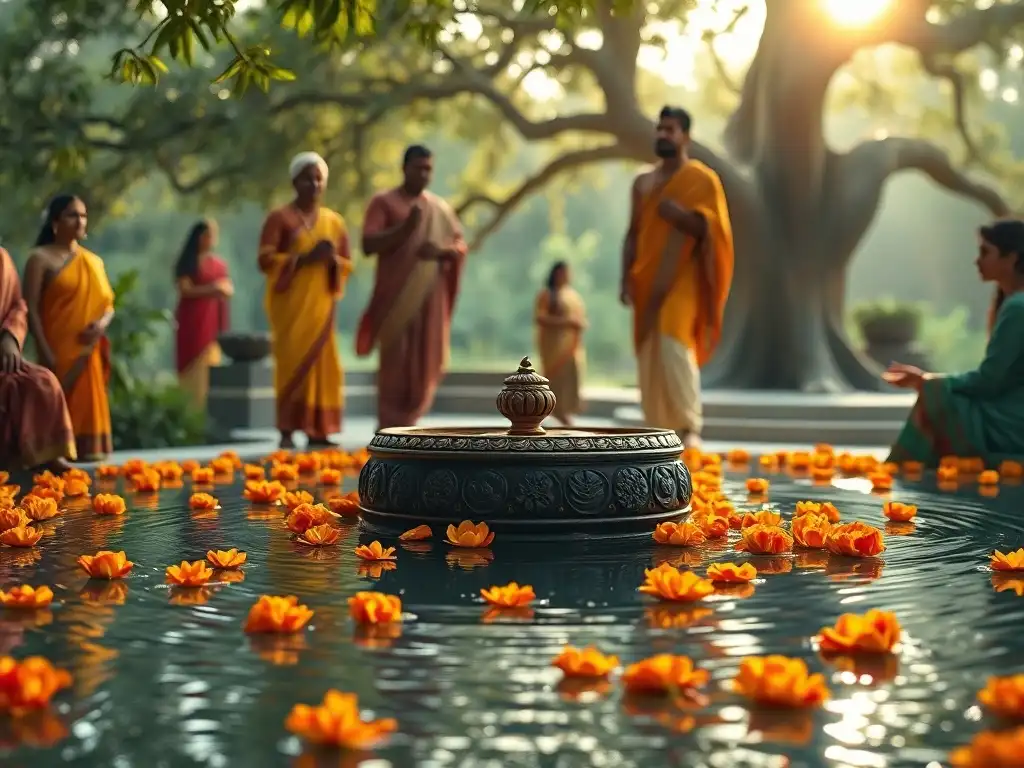
Water as a Sacred Element in Ancient India
Water holds a paramount place in ancient Indian ceremonies, revered not only for its physical properties but also for its profound spiritual significance. In the context of ancient Indian ceremony symbolism, water is often associated with purity, life, and rejuvenation. It is seen as a divine element, essential for sustenance and growth, both in the natural world and within the spiritual realm.
Historically, water has been linked to various deities and is frequently mentioned in sacred texts, such as the Vedas and Upanishads. The Rigveda, for instance, praises the rivers and lakes as embodiments of divine energy. Rituals often involved the use of water drawn from holy rivers like the Ganges, Yamuna, and Sarasvati, which were believed to possess purifying qualities. This connection to sacred water signifies the importance of maintaining purity in spiritual practices, reflecting the belief that physical cleanliness mirrors inner purity.
Moreover, water is integral to many life-sustaining aspects of ancient Indian society. Agricultural practices relied heavily on irrigation and the seasonal monsoons, connecting the reverence for water with agricultural prosperity. This bond between water, nature, and sustenance is evident in ceremonies that celebrate the harvest and the changing seasons, emphasizing water's role as a catalyst for life and growth.
Symbolic Meanings of Water in Rituals
The symbolism of water in ancient Indian rituals extends beyond mere sustenance; it encapsulates deeper philosophical meanings. Here are some of the key symbolic interpretations of water in ancient Indian ceremonies:
- Purification: Water is a symbol of purification, both physically and spiritually. Rituals often involve ablutions or sprinkling of water to cleanse participants of impurities and sins before engaging in sacred activities.
- Transformation: Just as water changes form—from liquid to solid to vapor—it symbolizes transformation and the cyclical nature of life. This aspect is particularly significant in ceremonies that mark transitions, such as birth, marriage, and death.
- Fertility and Abundance: Water is synonymous with fertility, often invoked in rituals meant to bless crops and ensure bountiful harvests. Ceremonies dedicated to rain gods frequently emphasize this connection, recognizing water as essential for agricultural success.
- Life Force: In many traditions, water is viewed as a life-giving force. Its flow represents the continuity of life, linking past, present, and future through the cycles of nature.
- Connection to the Divine: Water is often regarded as a medium that connects the earthly realm with the divine. The act of offering water to deities is a common practice in many ceremonies, symbolizing devotion and the aspiration for spiritual blessings.
Ceremonial Practices Involving Water
Ancient Indian ceremonies frequently incorporate water in various forms, reflecting its significance across different cultural practices. Here are some notable ceremonial practices involving water:
- Abhishekam: This ritual involves the ceremonial bathing of deities with water, milk, or other sacred substances. It is performed to honor the divine and seek blessings, highlighting the purifying and sanctifying qualities of water.
- Homa and Havan: Fire rituals such as Homa involve the use of water to purify the space and participants before the ceremony begins. Water is often sprinkled around the fire altar to invoke the presence of divine energies.
- Tarpana: This ancestral ritual, performed during specific festivals like Mahalaya, involves offering water mixed with rice and sesame to honor deceased ancestors. It symbolizes the connection between the living and the deceased, reinforcing the cycle of life and death.
- Ritual Bathing: Festivals such as Kumbh Mela involve mass bathing in sacred rivers. This practice is believed to purify participants of sins, granting them spiritual merit and rejuvenation.
- Water Offering (Arghya): In various rituals, devotees offer water to deities as a sign of respect and devotion. This practice signifies the acknowledgment of water's essential role in sustaining life and its divine connections.
Through these diverse practices, the element of water in ancient Indian ceremonies not only underscores its physical necessity but also illuminates its rich symbolic meanings, emphasizing the interconnectedness of life, spirituality, and nature.
Comparing Fire and Water in Ancient Indian Ceremony Symbolism
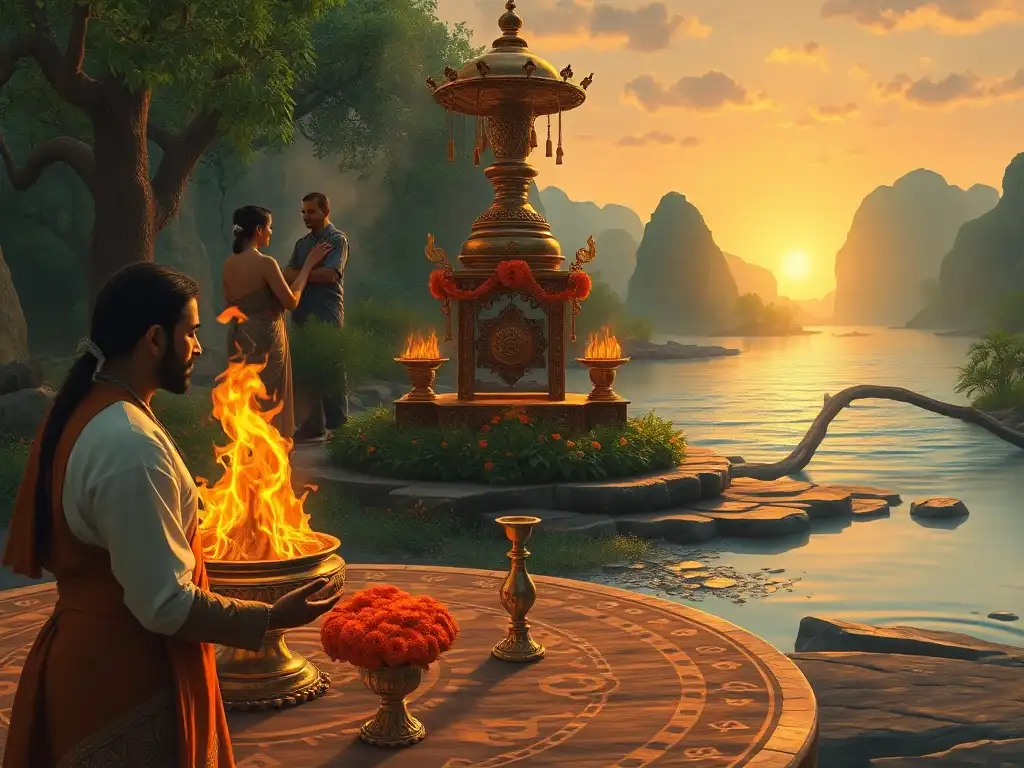
Contrasting Elements: Fire vs. Water
In ancient Indian ceremony symbolism, fire and water are two potent elements with deeply contrasting meanings and roles. Fire, or Agni, is often viewed as a purifying force, representing transformation, energy, and vitality. It is associated with the sun, warmth, and life-giving properties. In many ancient Indian rituals, fire serves as a medium for offerings to the deities, embodying the connection between the earthly realm and the divine. Here are some key characteristics of fire in ancient Indian ceremonies:
- Purification: Fire is believed to cleanse the surroundings and the participants, making it a vital component in rituals such as Homa (fire offerings).
- Transformation: It symbolizes change, often representing the cycle of birth, death, and rebirth.
- Divine Communication: Fire serves as a messenger to the gods, facilitating communication through offerings.
Conversely, water symbolizes fluidity, fertility, and life. It is linked to the moon, representing calmness and nurturing properties. In ancient Indian ceremonies, water is integral to purification rites and is often used in rituals such as Abhisheka, where sacred substances are poured over deities. The key characteristics of water in these contexts include:
- Nurturing: Water represents sustenance and fertility, often invoked in agricultural and seasonal ceremonies.
- Purification: Like fire, water is also seen as a cleansing agent, used in rituals like Snana (ritual bathing).
- Symbol of Life: Water is essential for survival and is revered in many ceremonies celebrating birth and renewal.
The contrasting qualities of fire and water highlight the duality in ancient Indian beliefs, reflecting the balance between creation and destruction, warmth and coolness, and life and death.
The Role of Fire and Water in Life and Death Rituals
In the context of ancient Indian life and death rituals, both fire and water play crucial roles, each representing different aspects of existence.
Fire in Life and Death Rituals
Fire is predominantly associated with the Agni Sanskara, the ceremonial fire used during various life stages, from birth to marriage. In death rituals, fire is essential in the Antyesti (last rites), where the deceased is cremated. The significance of fire in these rituals includes:
- Liberation of the Soul: The flames are believed to help the soul's journey to the afterlife, facilitating its release from the physical body.
- Spiritual Transformation: Fire symbolizes the transmutation of the physical form into spiritual essence, marking the transition from life to death.
Water in Life and Death Rituals
Water's role is equally significant, especially in rituals surrounding birth and purification. In death ceremonies, water is used for Tarpana, a ritual offering to ancestors. The role of water encompasses:
- Cleansing and Purification: Water is used to purify the body before the last rites, symbolizing the washing away of sins and impurities.
- Nurturing Aspect: In life rituals, water is used during childbirth and naming ceremonies, symbolizing fertility and the continuation of life.
Together, fire and water create a complementary relationship in life and death rituals, emphasizing the transition between different life stages and the ongoing cycle of existence.
How Fire and Water Complement Each Other in Ceremonies
The interplay between fire and water in ancient Indian ceremonies illustrates a profound understanding of balance and duality. Their complementary nature is evident in various rituals, where both elements are essential for creating harmony.
Rituals Combining Fire and Water
- Homa and Tarpana: In some rituals, fire offerings (Homa) are performed alongside water offerings (Tarpana). This duality emphasizes the connection between the physical and spiritual realms, ensuring that both aspects are honored.
- Kumbh Mela: During this grand festival, pilgrims engage in fire rituals and sacred bathing. The cleansing waters of the Ganges, combined with the purifying fires, symbolize the synergy of spiritual renewal and physical cleansing.
Symbolic Interactions
- Creation and Destruction: Fire represents destruction, while water signifies creation. Together, they depict the cycle of life, where destruction leads to new beginnings.
- Balance of Forces: Fire's intense energy and water's calming nature illustrate the balance of opposing forces, highlighting the ancient Indian belief in harmony within duality.
Through their complementary roles, fire and water enrich the tapestry of ancient Indian ceremony symbolism, encapsulating the essence of life, death, and the interconnectedness of the universe.
Key Ancient Indian Ceremonies Featuring Fire and Water
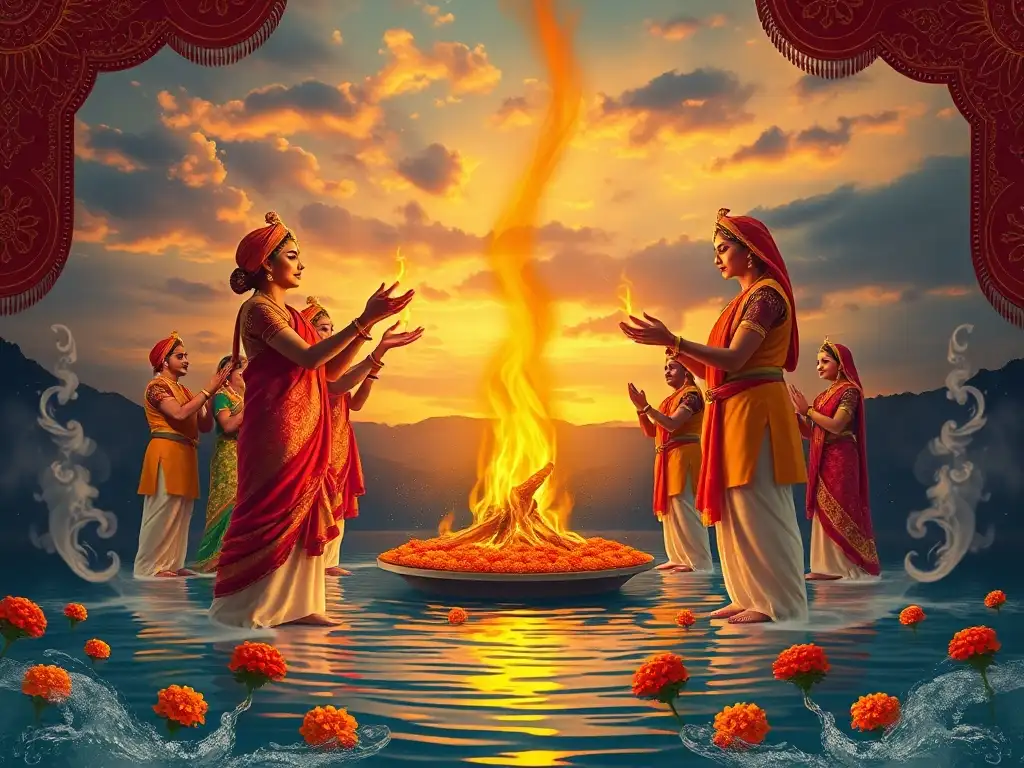
The Agni Pariksha: Fire Test in Rituals
The Agni Pariksha, or the fire test, is a pivotal ceremony in ancient Indian traditions, symbolizing purity, strength, and truth. This ritual is often associated with the epic Ramayana, where Sita undergoes the Agni Pariksha to prove her chastity after her abduction by Ravana. The act of walking through fire symbolizes the ultimate trial of one's character and commitment, showcasing the belief that fire can purify the soul.
In practical terms, the Agni Pariksha exemplifies the dual role of fire in ancient Indian ceremony symbolism. On one hand, it represents destruction and the potential for chaos, while on the other, it embodies rebirth and transformation. The flames are seen as a divine medium, connecting the earthly realm with the celestial, providing a pathway for the divine to intervene in human affairs.
Key Elements of the Agni Pariksha:
- Preparation: Rituals often begin with the creation of a sacred fire, known as the homa, where offerings are made to the fire god Agni.
- Participants: Typically involves the primary subject, accompanied by priests and other witnesses who observe the ritual.
- Outcome: Success in the Agni Pariksha is believed to bestow blessings and approval from the divine, whereas failure is seen as an omen.
The Agni Pariksha serves as a profound reminder of the trials faced in life and the resilience required to overcome them, making it an enduring symbol in ancient Indian ceremony symbolism.
The Ganga Aarti: Water Rituals and Their Significance
The Ganga Aarti is a mesmerizing ritual performed on the banks of the Ganges River, one of the holiest rivers in India. This ceremony, typically conducted at sunset, involves the offering of light to the river, symbolizing devotion and gratitude. The Ganga Aarti highlights the importance of water in ancient Indian culture, representing life, purification, and divine blessings.
During the Aarti, priests wave large lamps filled with oil, creating a breathtaking visual display as the flames flicker against the darkening sky. Devotees chant mantras and sing hymns, invoking the blessings of Goddess Ganga. This ritual not only fosters a deep spiritual connection but also reinforces communal bonds among participants.
Significance of the Ganga Aarti:
- Spiritual Cleansing: Engaging in the Ganga Aarti is believed to wash away sins and impurities, offering spiritual rejuvenation.
- Community Gathering: The ceremony attracts thousands, creating a sense of unity and shared faith among devotees.
- Cultural Heritage: The ritual reflects the rich tapestry of ancient Indian beliefs and practices, preserving traditions through generations.
Through the Ganga Aarti, water transcends its physical form, embodying the essence of life and spiritual vitality, thus playing a central role in ancient Indian ceremony symbolism.
Other Notable Ceremonies Incorporating Fire and Water
Ancient Indian ceremonies often intertwine the elements of fire and water, each symbolizing various aspects of life and spirituality. Here are a few notable rituals that exemplify this symbolic duality:
- Havan: A fire ritual where offerings are made to Agni, inviting purity and prosperity into the home. It is common in weddings and other significant life events.
- Kumbh Mela: A massive pilgrimage that involves ritual bathing in sacred rivers, emphasizing purification and renewal. The event features fire rituals as well, symbolizing the interplay between the two elements.
- Navratri: A nine-night festival honoring the goddess Durga, where fire is used in various forms of worship, and water is essential for offerings and rituals.
| Ceremony | Element Focus | Symbolism |
|---|---|---|
| Havan | Fire | Purity, prosperity |
| Kumbh Mela | Water | Purification, renewal |
| Navratri | Fire/Water | Worship, celebration of feminine power |
In these ceremonies, fire and water not only serve as physical elements but also embody the spiritual journey of individuals and communities. They highlight the balance between destruction and creation, cleansing and sanctity, a narrative deeply embedded in ancient Indian ceremony symbolism.
The Evolution of Symbolism in Ancient Indian Ceremonies
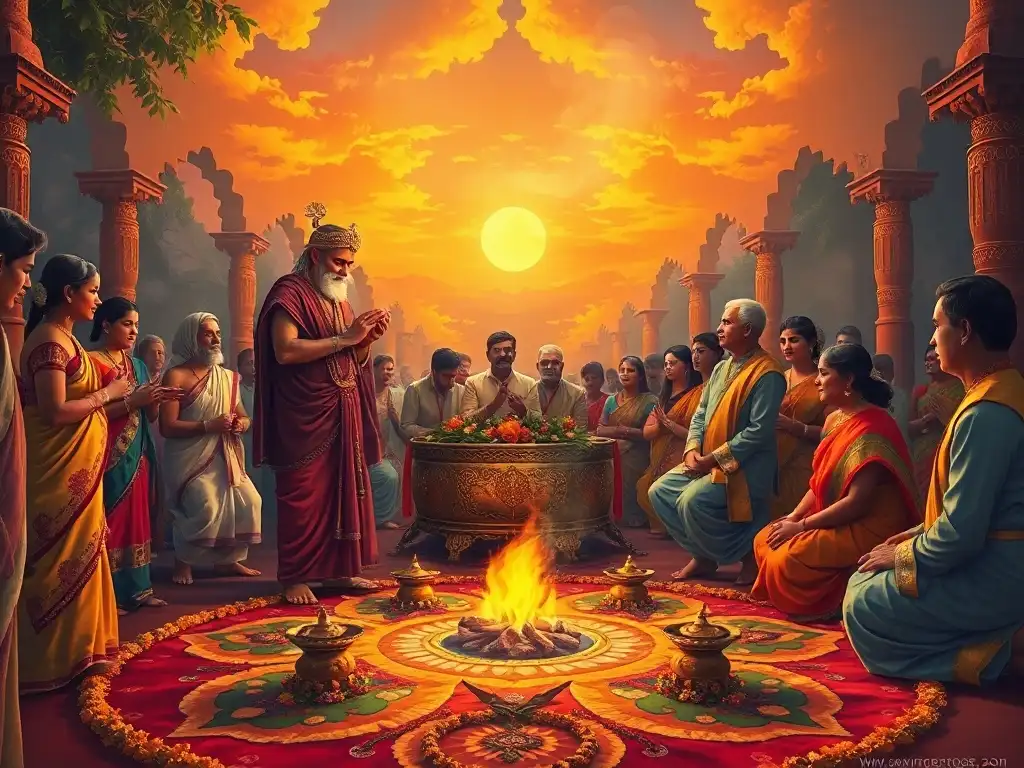
Historical Context of Fire and Water in Ceremonial Practices
In ancient Indian cultures, fire and water were not merely elements of nature; they were revered symbols imbued with profound spiritual significance. Fire (Agni) was often associated with purification, transformation, and the divine presence. It played a critical role in various ceremonies, such as Homas and Yajnas, where offerings were made to deities through the sacred flames. The Rigveda highlights the importance of Agni as a mediator between the human and divine realms, illustrating its central place in ancient Indian ceremony symbolism.
Conversely, water (Apas) symbolized life, fertility, and renewal. It was used in rituals like Abhishekam, where deities were bathed in sacred waters to cleanse and rejuvenate them. The significance of water is deeply rooted in the Indus Valley Civilization's practices, where drainage systems and water management indicated a sophisticated understanding of this element's importance. Both fire and water were essential for agricultural societies, representing the balance between destruction and creation.
Changes in Symbolism Over Time
As ancient Indian civilization evolved, so did the symbolism associated with fire and water in ceremonies. Early rituals focused on the elemental aspects of these symbols, emphasizing their physical properties—heat and light for fire, and fluidity and nourishment for water. However, as philosophical thought developed, the meaning of these symbols expanded to encompass deeper existential themes.
During the Vedic period, the symbolism of fire became intertwined with concepts of sacrifice and offering. The Yajnas were not just about invoking gods but were seen as a way to maintain cosmic order (Rita). This shift highlighted the idea of reciprocity between humans and the divine, where fire served as a conduit for communication.
In contrast, the symbolism of water took on a more spiritual dimension during the Upanishadic period, where it was associated with the idea of purification of the soul and spiritual awakening. The rivers, particularly the Ganges, became emblematic of this purification process, symbolizing both the physical and metaphysical cleansing of one's existence.
Influence of Cultural Exchange on Ritual Symbolism
The symbolism of fire and water in ancient Indian ceremonies was also shaped significantly by cultural exchanges with neighboring civilizations. Trade routes facilitated interactions with regions such as Persia and Central Asia, where different ceremonial practices influenced Indian rituals. For instance, the Zoroastrian fire rituals introduced new interpretations of fire as a symbol of truth and justice, which permeated some aspects of Hindu ceremonial practices.
Furthermore, the arrival of Buddhism and Jainism brought distinct perspectives on elemental symbolism. For example, water in Buddhist rituals symbolizes the transience of life and the cleansing of negative karma, leading to a more introspective use of this element in ceremonies. Similarly, Jain practices emphasize the purity of water, often incorporating it into rituals aimed at achieving spiritual liberation.
The amalgamation of these diverse influences has enriched the landscape of ancient Indian ceremony symbolism, creating a complex tapestry where fire and water embody not only the physical elements but also the broader philosophical and spiritual narratives that transcend time.
By examining the evolution of symbolism in ancient Indian ceremonies, we gain insight into how cultural, historical, and philosophical contexts shaped these rituals, reflecting the rich and diverse traditions that continue to influence contemporary practices.
Conclusion: The Lasting Impact of Fire and Water Symbolism in Ancient Indian Ceremonies
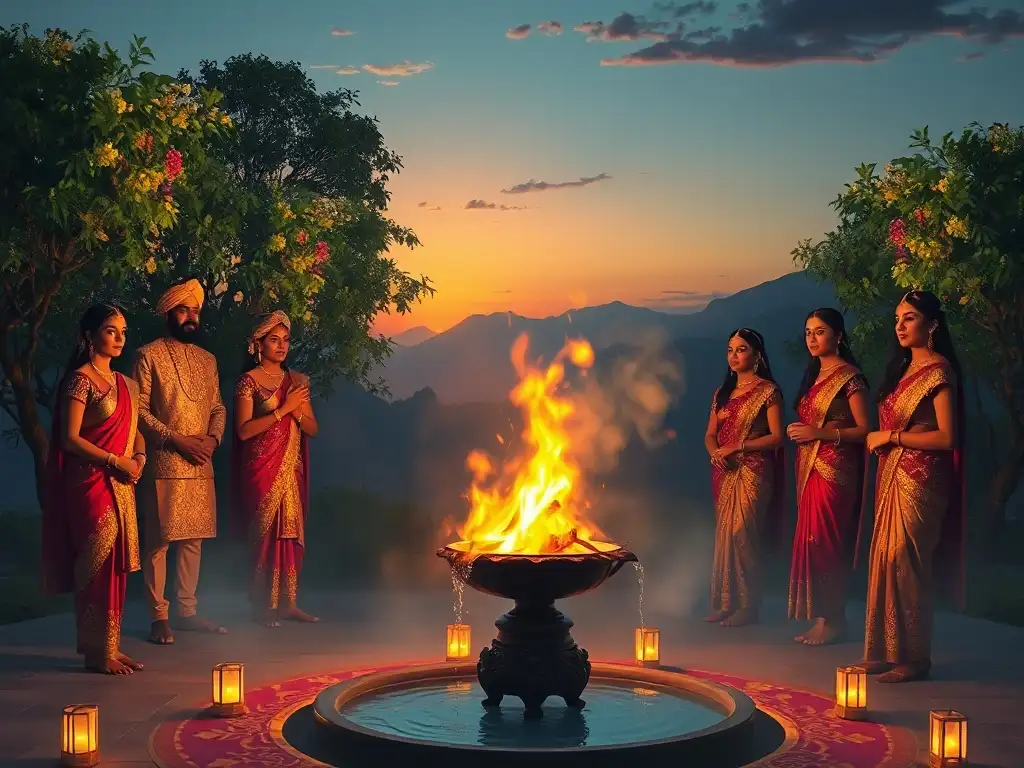
The symbolism of fire and water in ancient Indian ceremonies is profound, reflecting deep-rooted beliefs and philosophies that have shaped the cultural landscape of India. These elements were not merely physical representations; rather, they embodied spiritual meanings and connections to the divine. Fire, often associated with purity, transformation, and sacrifice, played a central role in various rituals, including yajnas (sacrificial offerings) and homas (fire rituals). It was believed to carry prayers to the heavens, acting as a mediator between the earthly and the divine.
On the other hand, water, symbolizing life, fertility, and cleansing, was integral to rituals that emphasized renewal and rebirth. The sacred rivers, particularly the Ganges, were revered for their ability to purify the soul and facilitate spiritual journeys. In ceremonies such as snana (ritual bathing), the act of immersing oneself in water was seen as a way to wash away sins and attain spiritual clarity.
The interplay of fire and water in these ancient Indian ceremonies illustrates a duality that resonates with many aspects of life and existence. Together, they represent the balance between destruction and creation, embodying the cyclical nature of life itself. This symbolism has left an indelible mark on various cultural practices, continuing to influence modern rituals and celebrations across India.
Reflection on the Importance of Rituals in Ancient Indian Culture
Rituals in ancient Indian culture served as crucial mechanisms for community bonding and spiritual expression. They were not merely ceremonial acts but embodied the values, beliefs, and aspirations of the society. Ceremonies such as marriages, pujas (worship), and festivals were laden with symbolic meanings that reinforced social norms and cultural identity.
- Community Cohesion:
- Shared Experiences: Rituals provided a platform for individuals to come together, fostering a sense of belonging and shared identity.
- Transmission of Knowledge: They served as avenues for passing down traditions and teachings from one generation to another, ensuring the continuity of cultural heritage.
- Spiritual Connection:
- Divine Communication: Through rituals, individuals sought to connect with the divine, express gratitude, and seek blessings for prosperity and well-being.
- Transformation and Growth: Engaging in ceremonies allowed participants to experience personal transformation, reinforcing their spiritual journey.
- Cultural Identity:
- Symbolism and Meaning: The intricate symbolism embedded in rituals was a reflection of the socio-cultural context, providing insights into the worldview of ancient Indian societies.
- Celebration of Life Events: Ceremonies marked significant life events, creating a framework for individuals to navigate various stages of life, from birth to death.
The Enduring Legacy of Ceremony Symbolism Today
The symbolism behind ancient Indian ceremonies continues to resonate in contemporary practices, underscoring the timeless nature of these traditions. Modern rituals often draw inspiration from their ancient counterparts, adapting the themes of fire and water to suit present-day contexts.
- Hindu Festivals: Celebrations such as Diwali, which highlights the significance of fire through the lighting of diyas (lamps), and Makar Sankranti, which involves water rituals, showcase the enduring relevance of these symbols.
- Cultural Revivals: There has been a resurgence in interest in traditional rituals, with many individuals seeking to reconnect with their heritage. This revival emphasizes the importance of understanding the symbolism behind these practices, not just as cultural artifacts but as living traditions that continue to provide meaning.
- Interfaith Dialogues: The universal themes of fire and water in rituals promote interfaith understanding, as different cultures interpret these elements within their unique spiritual frameworks. This dialogue fosters respect and appreciation for diverse ceremonial practices and their underlying symbolism.
The enduring legacy of ancient Indian ceremony symbolism serves as a testament to the rich cultural tapestry of India. As society evolves, the core meanings associated with fire and water persist, inviting reflection and appreciation for the profound insights they offer into the human experience.
Frequently Asked Questions
What is the significance of ceremony symbolism in ancient India?
Ceremony symbolism played a crucial role in ancient Indian culture, representing important spiritual beliefs and values. These symbols often conveyed deeper meanings related to life, death, and the cosmos.
How did ancient Indian ceremonies incorporate elements like fire and water?
Fire and water are considered sacred elements in ancient Indian rituals. They symbolize purification, transformation, and the cycle of life, often used in ceremonies to invoke divine blessings.
What are some examples of ancient Indian ceremonies and their meanings?
Examples include Homa (fire rituals) for prosperity, Puja (worship) for devotional offerings, and Samskaras (life cycle rituals) that mark significant life stages, each carrying unique symbolism.
How did the Gupta Empire influence ceremony symbolism in ancient India?
The Gupta Empire saw a flourishing of arts and culture, enhancing the elaborate nature of ceremonies. This period integrated mythological themes and aesthetics, enriching the symbolic meanings of rituals.
Are there modern interpretations of ancient Indian ceremony symbolism?
Yes, many modern practices in India still reflect ancient ceremonial symbolism. Contemporary rituals often draw from historical traditions, adapting them while maintaining their spiritual significance.
Final Reflection: The Enduring Legacy of Ancient Indian Ceremony Symbolism
The rich tapestry of ancient Indian ceremony symbolism remains profoundly relevant today, as it connects us to our cultural roots and offers insights into the human experience. In a world increasingly driven by technology and rapid change, these rituals remind us of the importance of tradition and the deep meanings embedded in our practices. The symbolism of fire and water, two elemental forces, serves as a powerful metaphor for the dualities of life, illuminating our paths as we navigate through challenges and transformations.
The influence of ancient Indian ceremonies extends far beyond their historical context; they continue to shape our cultural and social landscapes. These rituals foster a sense of community, belonging, and continuity, bridging generations and reminding us of our shared humanity. As we engage with these symbols, we find echoes of our own lives and struggles. Rituals are the way we connect with the divine and the universe, grounding us in a world that often feels chaotic.
This ongoing relevance encourages us to explore and embrace the lessons these ceremonies impart, enriching our understanding of ourselves and our place in the world.
As you reflect on the themes presented in this article, I invite you to consider how the symbolism of ancient Indian ceremonies can inspire your own life. Take a moment to explore the rituals and traditions that resonate with you, and think about how they can guide you in your personal journey. Embrace the wisdom of the past, and let it illuminate your path forward, reminding you that the essence of these ancient practices is not just in their history but in their power to transform and inspire us today.
Embrace the Mystery: Dive Deeper into Ancient Symbolism!
Thank you for exploring the rich tapestry of ancient Indian ceremonies with us! By delving into the symbolism of fire and water, you've uncovered profound insights into cultural traditions that resonate even today. Ready to take the next step on your journey of discovery? Here’s how you can continue:
- Join a local cultural group: Connect with like-minded individuals who share your passion for exploring ancient practices and their meanings.
- Read more about related rituals: Expand your knowledge by exploring texts that cover various symbolic ceremonies from around the globe.
- Share your insights: Discuss these fascinating concepts with friends or on social media. You might even inspire someone else to begin their own journey!
What intrigues you most about these ancient symbols, and how do you believe they influence modern rituals?