
The Influence of Caste on Marriage Practices in Ancient India

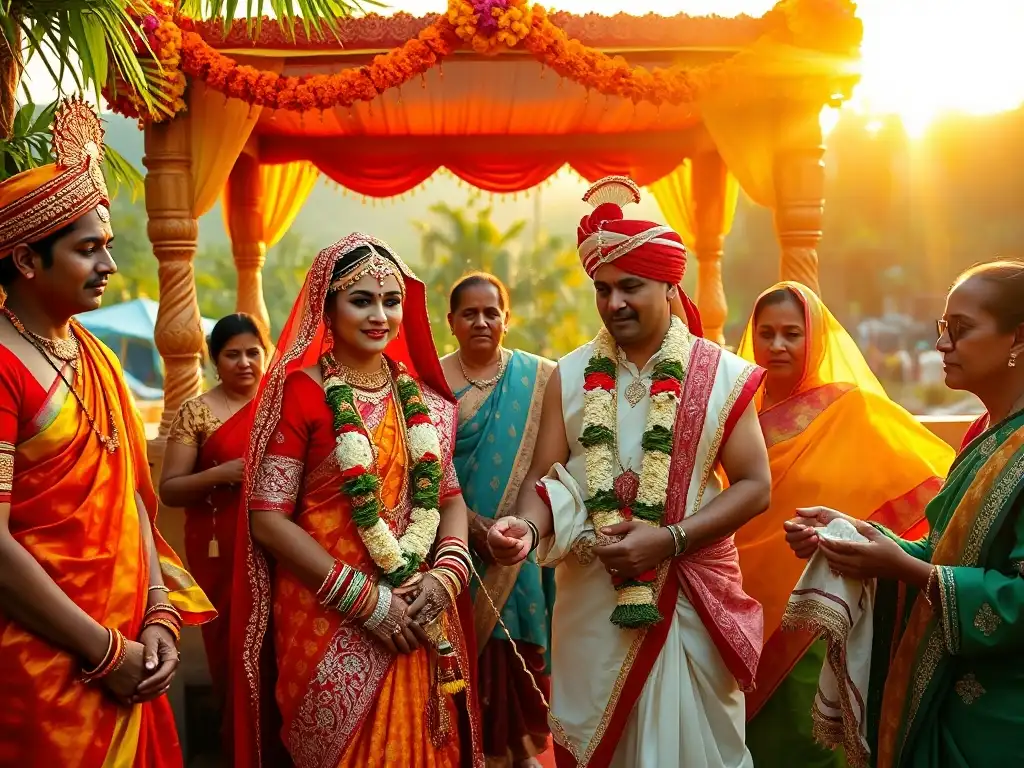
Welcome to Ancient India History, where we embark on a journey through the captivating tapestry of India's past. Dive into the intricate world of caste marriage practices in ancient India, a topic that reveals not only the societal structures of the time but also the profound cultural implications that continue to resonate today.
As we unravel the influences of caste on marriage, you'll discover the fascinating interplay between tradition, social order, and personal choice. Join us as we explore how these age-old practices shaped daily life and society in ancient Indian civilizations, inviting you to delve deeper into this rich historical narrative.
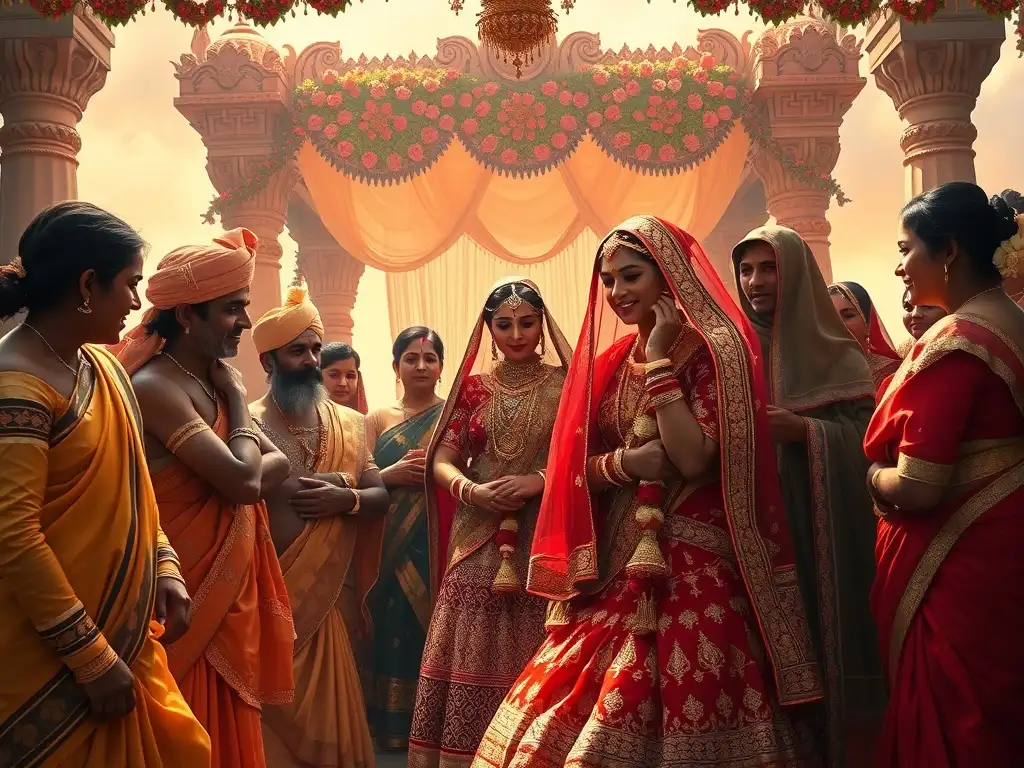
Introduction to Caste and Marriage in Ancient India
The intricate relationship between caste and marriage practices in ancient India forms a crucial aspect of understanding the social fabric of this diverse civilization. Caste, as a prominent social stratification system, significantly influenced not only the day-to-day lives of individuals but also dictated the parameters of marriage, often determining whom one could marry, how marriages were arranged, and the rituals that accompanied these unions.
This article delves into the nuances of caste as it pertains to marriage practices in ancient India, exploring how these traditions were shaped by historical, social, and cultural factors. By examining the role of caste in marriage, we can better appreciate the complexities of ancient Indian society and its persistent legacy in contemporary times.
Understanding Caste in Ancient Indian Society
Definition of Caste
Caste can be defined as a hierarchical social structure that categorizes individuals into groups based on their birth, occupation, and social status. In ancient India, this system was not merely a social label; it was a comprehensive framework that influenced various aspects of life, including economic opportunities, educational access, and marriage choices. Marriages were typically arranged within one's caste, reinforcing social boundaries and maintaining the purity of lineage and heritage.
Historical Origins of Caste Systems
The origins of the caste system in ancient India can be traced back to the Vedic period (approximately 1500 - 500 BCE). The earliest texts, including the Rigveda, mentioned a division of society into four primary categories, known as varnas:
- Brahmins - priests and scholars
- Kshatriyas - warriors and rulers
- Vaishyas - merchants and landowners
- Shudras - laborers and service providers
Over time, these broad categories evolved into a complex web of sub-castes or jatis, further complicating the marriage landscape. The rigid adherence to these divisions often dictated marriage norms, with cross-caste unions being viewed as taboo.
Major Caste Groups in Ancient India
In ancient India, several major caste groups played critical roles in shaping societal interactions and marriage practices. These groups included:
- Brahmins: Esteemed for their religious and scholarly roles, Brahmins often married within their caste to preserve the sanctity of their lineage.
- Kshatriyas: As warriors, Kshatriyas valued alliances with other Kshatriya families to strengthen political power through marriage.
- Vaishyas: Engaged in trade, Vaishyas sought marriages that would enhance business ties and social standing.
- Shudras: Often marginalized, Shudras had limited choices in marriage, frequently marrying within their own laboring communities.
The dynamics of these caste groups and their marriage practices offer vital insights into the societal norms of ancient India, reflecting a society deeply intertwined with its caste system.
Caste and Its Role in Marriage Practices
Caste has been a fundamental social structure in ancient India, profoundly influencing various aspects of life, including marriage practices. The caste system categorizes individuals into hierarchical groups based on their occupation, social status, and religious affiliations. Within this framework, marriage was not merely a personal choice but a social contract that reinforced caste identities and maintained social order. Marriages were typically arranged, with families prioritizing the preservation of their caste lineage and status.
The caste system dictated not only who individuals could marry but also the rituals and customs that accompanied these unions. Each caste group had specific expectations regarding marital alliances, often preferring to marry within their own caste (endogamy). This practice helped to preserve caste purity and maintain the socio-economic dynamics within communities. Over time, these customs became deeply embedded in societal norms, shaping the marital landscape of ancient India.
The Importance of Caste in Marital Alliances
Caste played a crucial role in forming marital alliances in ancient India, acting as a social glue that connected families and communities. The significance of caste in marriage can be viewed through several lenses:
- Preservation of Lineage: Marriages within the same caste helped ensure that lineage and family honor were preserved. Families sought to marry their children into families of equal or higher caste status to maintain or enhance their societal standing.
- Social Stability: Caste-based marriages contributed to social stability by minimizing conflicts that could arise from inter-caste unions. By marrying within the same caste, families adhered to social norms and expectations, which helped maintain harmony within the community.
- Economic Considerations: Marital alliances often had economic implications. Families would consider the wealth and status of the prospective bride or groom's family, ensuring that unions were beneficial in terms of property and resources.
How Caste Influenced Marriage Choices
Caste significantly influenced individual marriage choices in ancient India, often overshadowing personal preferences. The decision-making process was largely familial, with parents or elders taking the lead. Several factors shaped these choices:
- Compatibility: Families assessed compatibility based on caste, considering factors such as social standing, occupation, and familial background. A match was deemed suitable only if it aligned with caste expectations.
- Community Approval: The approval of the community was paramount, as marriages not only united individuals but also families and castes. Families often sought input from community leaders and respected elders to validate their choices.
- Ritual and Tradition: The adherence to traditional rituals and customs associated with specific castes influenced marriage choices. Families prioritized compliance with these traditions to avoid social ostracism.
Endogamy and Exogamy in Caste-Based Marriages
In the context of ancient Indian marriage practices, endogamy (marriage within one's caste) and exogamy (marriage outside one's caste) played pivotal roles.
- Endogamy: This was the predominant practice among most caste groups. Marrying within the same caste ensured the preservation of cultural values, traditions, and social status. Endogamous marriages reinforced caste boundaries and helped maintain caste identities across generations.
- Exogamy: While less common, exogamy occurred in certain circumstances, particularly among higher castes seeking to create alliances with other high-status families. This practice often involved marrying outside of specific sub-castes while still adhering to broader caste categories. Exogamous unions were sometimes viewed as advantageous for broadening familial networks and enhancing social prestige.
Marriage Customs Across Different Caste Groups
The marriage customs in ancient India varied significantly across different caste groups, each with unique traditions, rituals, and social norms. Understanding these customs provides insight into the diverse practices influenced by caste.
Brahmin Marriage Practices
Brahmin marriages were characterized by elaborate rituals and strict adherence to religious guidelines. Common customs included:
- Kanyadaan: The ritual where the father gives away the bride, symbolizing the transfer of responsibility to the groom.
- Saptapadi: The seven steps taken by the couple, each representing a vow to support and cherish one another throughout their life.
- Ceremonial Offerings: Brahmins often performed rituals that involved offerings to deities, seeking blessings for the couple's prosperity and harmony.
Kshatriya Marriage Traditions
Kshatriya marriages emphasized valor, strength, and family honor. Their customs included:
- Groom's Procession: A grand procession where the groom arrives on horseback, symbolizing his warrior status.
- Swayamvara: An ancient practice where brides chose their husbands from a group of suitors, showcasing their autonomy within the caste framework.
- Feasting and Celebrations: Kshatriya weddings often featured grand banquets, reflecting their status and wealth.
Vaishya Marriage Rituals
Vaishya marriages focused on economic prosperity and social alliances. Key practices included:
- Dowry System: The exchange of wealth and gifts from the bride's family to the groom's family, enhancing social ties and economic stability.
- Business Partnerships: Marriages were often viewed as opportunities to forge business alliances, with families seeking partners that would enhance their commercial interests.
- Rituals of Prosperity: Specific rituals aimed at ensuring wealth and success in agricultural or trade ventures were integral to Vaishya weddings.
Shudra Marriage Customs
Shudra marriages, while less documented, reflected their unique cultural practices. These included:
- Simple Ceremonies: Shudra marriages were often less elaborate and focused on community participation, with local traditions taking precedence over rigid caste rituals.
- Integration of Local Customs: Many Shudras practiced a blend of local cultural elements, incorporating regional customs into their wedding ceremonies.
- Communal Celebrations: Weddings were often community events, emphasizing collective participation and support rather than individual wealth or status.
The influence of caste on marriage practices in ancient India is a reflection of the intertwined nature of social structures, cultural values, and familial obligations. Each caste group contributed to a complex tapestry of traditions that shaped the marital landscape, highlighting the importance of caste in everyday life during this period.
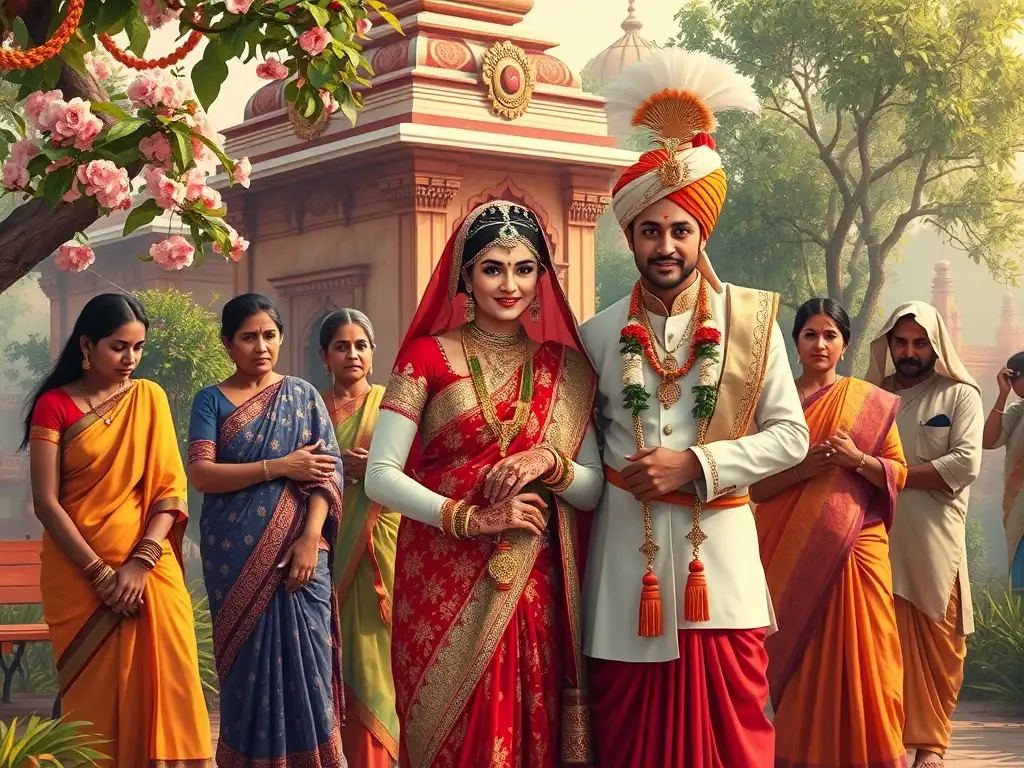
The caste system has been a foundational aspect of Indian society, influencing various facets of life, including marriage practices. In ancient India, marriage was not merely a union between two individuals but a significant social contract that reinforced the familial lineage and caste identity. Caste dictated the choice of a spouse, often leading to endogamous marriages, where individuals typically married within their caste to preserve social status and maintain cultural traditions. This practice solidified caste boundaries and reinforced social hierarchies, creating a complex web of expectations and obligations that shaped the dynamics of family life.
The implications of caste on marriage extended beyond individual unions to affect entire communities. Marriages were seen as alliances that bolstered familial and caste prestige, with families often seeking matches that would enhance their social standing. Consequently, marriages were not solely personal decisions; they were strategic moves that could have lasting impacts on social relationships and community structures. The intertwining of caste and marriage thus played a crucial role in maintaining the socio-economic order of ancient India.
Caste and Familial Expectations
Familial expectations surrounding marriage were heavily influenced by caste norms. Each caste had its own set of customs and practices that dictated the qualities deemed desirable in a spouse. For instance, higher castes often sought spouses from equally high-status families to preserve their social standing, placing significant emphasis on attributes like wealth, education, and family reputation. In contrast, lower castes faced additional pressures, as they navigated societal stigma and limited opportunities, which often resulted in marriages that adhered strictly to local customs.
Parents typically played a pivotal role in arranging marriages, as they were viewed as guardians of family honor. The involvement of parents often meant that personal preferences of individuals were secondary to the expectations of caste and family lineage. This dynamic frequently led to tensions between individual desires and familial obligations, with many individuals feeling compelled to conform to the expectations set by their caste.
The Role of Dowry in Caste-Based Marriages
Dowry has historically been a significant element of marriage practices in India, particularly within the framework of the caste system. In caste-based marriages, the dowry, typically paid by the bride's family to the groom's family, served as a means of enhancing the groom's status and ensuring the bride's security. The amount and nature of the dowry often correlated with the caste of both families, with higher castes expecting more substantial dowries, reinforcing socio-economic disparities.
The practice of dowry, while deeply embedded in tradition, has also been a source of conflict and controversy. It has led to financial strain on the bride's family and has, in some instances, resulted in violence against women if the dowry expectations were not met. This complex interplay of caste and dowry not only shaped marriage dynamics but also highlighted the socio-economic struggles faced by families within the caste system.
Caste Conflicts and Marriage
Caste conflicts significantly impacted marriage practices in ancient India. Inter-caste marriages were often met with resistance from both families and communities, as they threatened established social hierarchies. Such unions could lead to social ostracism, violence, or even legal repercussions, as individuals sought to uphold caste boundaries. The fear of retribution often deterred couples from pursuing love marriages across caste lines, perpetuating the cycle of rigid caste divisions.
Moreover, caste conflicts could lead to broader societal tensions, as communities reacted to perceived threats from outside groups. These conflicts often manifested in public demonstrations or riots, highlighting the deep-rooted nature of caste identity in ancient Indian society. The complexities surrounding caste and marriage thus reveal not only individual struggles but also collective societal challenges that have persisted through history.
Case Studies of Caste and Marriage Practices
Regional Variations in Caste Marriage Practices
Caste marriage practices varied significantly across different regions of ancient India, influenced by local traditions, cultures, and social structures. In South India, for instance, marriages within the Brahmin community often involved elaborate rituals and strict adherence to caste norms, while in parts of North India, the practice of kanyadaan (giving away the bride) was a hallmark of marriage ceremonies across various castes.
Additionally, certain regions exhibited unique practices, such as the practice of swayamvara, where brides chose their grooms from a pool of suitors, which was more prevalent among royal and higher caste families. These regional variations underscore the diverse landscape of caste marriage practices in ancient India, reflecting the interplay of local customs and overarching caste norms.
Examples of Prominent Caste-Based Marriages in History
Throughout history, several prominent caste-based marriages have left a significant mark on society. One notable example is the marriage between the Mauryan Emperor Ashoka and his wife, Devi, who belonged to a lower caste. This union highlighted the complexities of caste in royal contexts and illustrated the potential for social mobility, although it was not without its challenges.
Another example is the marriage alliances among the Rajput kingdoms, where strategic marriages between ruling families were essential for political consolidation and power dynamics. Such marriages were often celebrated in grand ceremonies that underscored the significance of caste in political and social landscapes.
These historical instances of caste-based marriages provide insight into how caste has shaped not only personal relationships but also the broader historical narrative of ancient India, revealing the enduring influence of caste on the fabric of society.
The Evolution of Caste Marriage Practices Over Time
The caste system in ancient India significantly shaped marriage practices, establishing social hierarchies that dictated not just social interactions but also marital alliances. Initially, marriage in ancient India was largely based on kinship and community ties rather than rigid caste classifications. However, over time, the intertwining of caste with marriage began to solidify, leading to a more structured approach to marital unions.
The early Vedic texts suggest that inter-caste marriages, although not mainstream, were not entirely uncommon. However, as society evolved and stratified, particularly with the codification of the caste system, endogamy—marriage within one's caste—became a predominant practice. This evolution was marked by a gradual acceptance of strict caste boundaries, influencing not only personal relationships but also social stability and cohesion within communities.
Caste marriage practices varied across regions and communities, reflecting the diverse cultural landscape of ancient India. The emphasis on maintaining purity and social order meant that marriages were often arranged by families, reinforcing caste lines and preserving lineage. Over centuries, the evolution of these practices became increasingly formalized, culminating in the rigid structures seen in later periods.
Changes During the Maurya and Gupta Periods
The Maurya (322-185 BCE) and Gupta (c. 240-550 CE) periods were pivotal in shaping the caste marriage practices that would define ancient Indian society. During the Maurya Empire, there was an increased emphasis on state authority and social order, which influenced marriage practices. Marriages were often used as strategic alliances, not just for social standing but also to secure political power. This period saw the emergence of royal inter-caste marriages that aimed to unify different groups under a central authority, albeit these remained exceptions rather than the norm.
In contrast, the Gupta period is noted for its cultural renaissance and consolidation of the caste system. The texts from this era, such as the Manusmriti, codified caste norms, including those surrounding marriage. The Gupta period further reinforced endogamy, with increased restrictions on inter-caste marriages. The concept of "gotra" (clan) also gained prominence, leading to a more intricate understanding of lineage and marriage restrictions.
As a result of these sociopolitical changes, marriage began to reflect social aspirations and obligations, making it a crucial aspect of identity within the caste framework. The influence of these periods can still be observed in modern marriage practices in India, where caste considerations continue to play a significant role.
Influence of Religion and Philosophy on Marriage Practices
Religion and philosophy had a profound impact on marriage practices in ancient India, particularly concerning the caste system. Hindu scriptures, including the Vedas and later texts, outlined the roles and duties of individuals within the societal framework, which included family and marriage. These religious texts emphasized the importance of dharma (duty) and the preservation of caste purity, dictating strict norms around who could marry whom.
Philosophical thought, particularly from the Upanishads and later schools of thought, introduced concepts of karma and reincarnation, which further intertwined marriage with spiritual beliefs. The notion that one's actions could affect future lives led to a heightened emphasis on marrying within one's caste to ensure social and spiritual harmony.
Moreover, the influence of other religions, such as Buddhism and Jainism, also contributed to marriage practices, albeit in differing ways. While Buddhism introduced some flexibility in caste norms, it still retained certain social hierarchies that influenced marital alliances. Jainism, on the other hand, upheld strict endogamous practices, reinforcing caste boundaries even more firmly.
Throughout these influences, marriage emerged not just as a social contract but as a spiritual obligation, deeply embedded within the fabric of caste identity and societal norms.
Conclusion: The Lasting Influence of Caste on Marriage in Ancient India
The influence of caste on marriage practices in ancient India created a complex web of social relations that has persisted through centuries. The establishment of strict marriage norms based on caste played a significant role in shaping family structures, social interactions, and community dynamics.
The historical trajectory of caste marriage practices reveals a duality: while they provided a sense of belonging and identity within communities, they often perpetuated social inequalities and restrictions that marginalized certain groups.
Summary of Key Points on Caste and Marriage
- Endogamy: The practice of marrying within one's caste became predominant, reinforcing social boundaries and identity.
- Strategic Alliances: Marriages were often used as tools for political gain, especially during the Maurya and Gupta periods.
- Religious Influence: Hindu texts and philosophies provided a framework that linked marriage to spiritual obligations and caste purity.
- Cultural Variability: While caste practices were dominant, variations existed across different regions and communities, reflecting the diverse cultural context of ancient India.
Reflections on the Legacy of Caste Marriage Practices in Modern India
The legacy of caste marriage practices continues to shape contemporary Indian society, where marriage often remains influenced by caste considerations. Despite modernization and changing social dynamics, many communities still adhere to traditional practices, reflecting deeply rooted beliefs about identity, lineage, and societal norms.
However, there is a growing movement advocating for inter-caste marriages, aimed at breaking down the rigid boundaries established by centuries of caste-based practices. This ongoing evolution indicates a potential shift towards more inclusive and equitable marriage practices, challenging the historical constraints of caste.
Understanding the influence of caste on marriage in ancient India provides valuable insights into contemporary societal structures, highlighting the need for continued dialogue and reform in the face of rigid traditions.
- Introduction to Caste and Marriage in Ancient India
- Understanding Caste in Ancient Indian Society
- Caste and Its Role in Marriage Practices
- Marriage Customs Across Different Caste Groups
- The Impact of Caste on Social Dynamics within Marriages
- Case Studies of Caste and Marriage Practices
- The Evolution of Caste Marriage Practices Over Time
- Conclusion: The Lasting Influence of Caste on Marriage in Ancient India
Frequently Asked Questions
What are the caste marriage practices in ancient India?
Caste marriage practices in ancient India often involved strict regulations governing whom individuals could marry based on their social class, promoting endogamy within castes to preserve cultural and social integrity.
How did the caste system influence marriage decisions?
The caste system played a significant role in marriage decisions by enforcing rules and expectations that dictated suitable partners, often leading to arranged marriages based on caste affiliations.
Were there any exceptions to the caste marriage rules?
Yes, while the caste system imposed rigid restrictions, there were instances of inter-caste marriages, often found in lower castes or among individuals who defied societal norms, although these were usually met with social resistance.
How did the Gupta Empire impact marriage practices?
During the Gupta Empire, marriage practices became more formalized, with an emphasis on patrilineal systems, leading to the institutionalization of caste marriage practices and the establishment of dowries as a norm.
What role did religion play in caste marriage practices?
Religion significantly influenced caste marriage practices by prescribing rituals and customs that governed marriage ceremonies, reinforcing the social hierarchy and the importance of maintaining caste purity through religious observance.
Final Reflection: The Enduring Legacy of Caste in Marriage Practices
The influence of caste on marriage practices in ancient India remains a poignant reminder of how societal structures shape personal relationships. Today, as we navigate a world increasingly aware of social inequalities, the historical context of caste-based marriage practices serves as a critical lens through which we can examine contemporary issues of identity, belonging, and social mobility. The legacy of these practices continues to echo in modern society, urging us to confront the complexities of tradition and its impact on individual lives.
Caste has not only defined social hierarchies but has also woven itself into the very fabric of cultural identity. The remnants of these ancient practices can still be observed in various forms, influencing marriage decisions and family dynamics across generations. As we reflect on this, we are reminded of the words of Dr. B.R. Ambedkar, who stated, “I measure the progress of a community by the degree of progress which women have achieved.” This highlights the ongoing struggle against the constraints imposed by caste, particularly in the realm of marriage, where choices are often limited by societal expectations.
As we conclude this exploration of caste and marriage practices, I invite you to reflect on your own beliefs and actions regarding social structures in your life. Consider how you can challenge outdated norms and advocate for inclusivity and equality in your community. By understanding the historical context of these practices, we can work towards a future where love and partnership transcend caste, fostering a society that values individual choice and mutual respect. Let us embrace the lessons of the past to create a more equitable future for all.
Unveil the Threads of Tradition: Take Action Today!
Thank you for diving into the fascinating world of marriage practices in ancient India. Your interest in the intricacies of caste influences enriches your understanding of this vibrant culture and its historical context. Now, let’s turn that curiosity into meaningful action!
Here are a few steps you can take to deepen your exploration:
- Join a discussion group or online forum focused on ancient Indian history to share insights and learn from others.
- Visit a local library or museum to uncover artifacts and texts related to caste dynamics in ancient marriage practices.
- Share this article with friends and family—initiate a conversation about how cultural practices continue to shape society today!
As you reflect on the profound impact of these traditions, consider this: How do you think the marriage customs of ancient India influence the societal structures in your own community today?