
The Secrets of Ancient Indian Bone Surgery Revealed


Welcome to Ancient India History, where we embark on a fascinating journey through the rich tapestry of India's past. Here, we unravel the wonders of ancient civilizations that laid the groundwork for modern science and medicine. In our featured article, “The Secrets of Ancient Indian Bone Surgery Revealed,” we delve into the remarkable ancient Indian bone surgery techniques that showcase the ingenuity and sophistication of early medical practices.
Prepare to be captivated by the intricate knowledge that these civilizations possessed, and join us as we explore the profound contributions that continue to influence the world today. Ready to uncover the mysteries that time has obscured? Dive in and discover the secrets waiting for you!
Introduction to Ancient Indian Bone Surgery Techniques
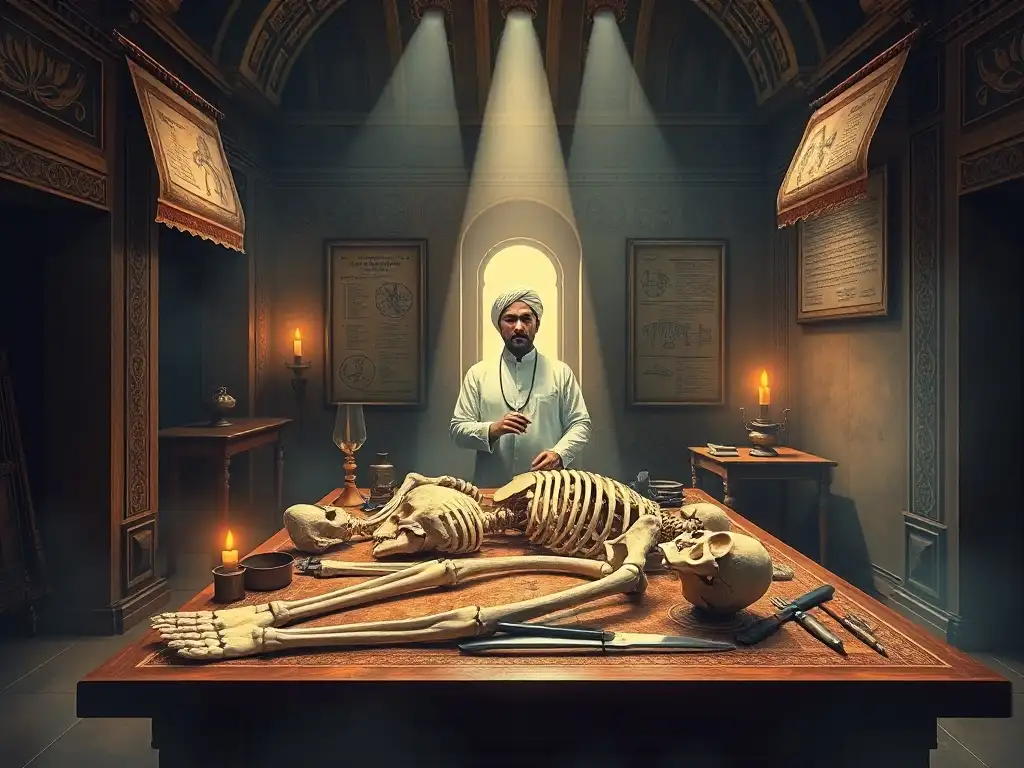
The exploration of ancient Indian bone surgery techniques provides a fascinating insight into the advanced medical practices that thrived in India thousands of years ago. While modern medicine has made remarkable strides, the surgical techniques developed by ancient Indian physicians reveal a sophisticated understanding of anatomy, healing, and surgical intervention.
This article delves into the rich history of bone surgery in ancient India, shedding light on the methods, tools, and philosophies that underpinned these medical practices. By examining the intricacies of ancient Indian bone surgery, we can appreciate the remarkable contributions of Indian civilization to the field of medicine, as well as the enduring legacy of these techniques in contemporary practices.
Importance of Bone Surgery in Ancient India
Bone surgery held significant importance in ancient Indian medicine, particularly due to the prevalence of injuries and ailments related to bones and joints. The ability to perform surgical interventions not only addressed physical injuries but also played a crucial role in restoring mobility and quality of life for individuals. The ancient texts, such as the Sushruta Samhita, highlight the importance of bone surgery, detailing various conditions that required surgical attention, including fractures, dislocations, and deformities.
- Key Aspects of Bone Surgery:
- Trauma Treatment: Addressing injuries from warfare and accidents.
- Restoration of Function: Ensuring that patients regained mobility post-surgery.
- Cultural Significance: The practice was intertwined with the spiritual and holistic approaches prevalent in ancient Indian medicine.
Overview of Ancient Surgical Practices
Ancient Indian surgical practices were characterized by a blend of empirical knowledge and surgical skills. Surgeons known as Sushrutas were trained in various techniques that encompassed not only bone surgery but also soft tissue procedures. The comprehensive approach to medicine in ancient India integrated surgical practices with herbal remedies and spiritual healing.
- Surgical Techniques Included:
- Reduction of Fractures: Techniques for realigning broken bones.
- Amputation: Procedures performed when limbs could not be saved.
- Setting of Dislocations: Methods to restore joints to their proper position.
Historical Context of Bone Surgery in Ancient India
Understanding the historical context of bone surgery in ancient India allows us to appreciate the evolution of surgical techniques and their integration into medical practices. From the early civilizations to the flourishing Gupta Empire, each period contributed significantly to the advancement of surgical knowledge and practices.
The Indus Valley Civilization and Early Surgical Practices
The Indus Valley Civilization, one of the world's earliest urban cultures, laid the groundwork for various medical practices, including surgery. Archaeological findings suggest that the inhabitants possessed a rudimentary understanding of surgical techniques, with evidence of surgical instruments made from bronze and other materials.
- Key Contributions:
- Evidence of Surgical Tools: Discoveries of tools that indicate surgical practices.
- Healing Practices: Use of natural remedies alongside surgical techniques.
Contributions of the Vedic Period to Surgical Techniques
During the Vedic period, which followed the Indus Valley Civilization, there was a significant advancement in medical knowledge. The compilation of the Atharva Veda included references to various surgical techniques, highlighting the importance of surgery in healing and health.
- Notable Developments:
- Detailed Descriptions: Early texts began to document surgical procedures.
- Integration of Spiritual Healing: Surgery was often combined with rituals to ensure successful outcomes.
Advancements during the Gupta Empire
The Gupta Empire, often referred to as the Golden Age of India, was marked by remarkable advancements in science and medicine, including bone surgery. Renowned physicians like Sushruta emerged during this period, whose contributions laid the foundation for surgical practices in ancient and modern India.
- Significant Achievements:
- Refinement of Techniques: Development of more sophisticated surgical methods.
- Establishment of Medical Schools: Training future generations of surgeons and physicians.
As we delve deeper into the specifics of ancient Indian bone surgery techniques, we uncover a wealth of knowledge that not only highlights the ingenuity of ancient practitioners but also emphasizes the enduring legacy of these practices in today’s medical landscape.
Key Ancient Indian Bone Surgery Techniques
Ancient Indian bone surgery techniques were remarkably advanced for their time, showcasing the ingenuity and expertise of physicians in ancient India. The most prominent figures in this field were the practitioners of the Sushruta Samhita, which laid the groundwork for surgical practices. Techniques included setting fractures, trepanation, and arthroscopy, all aimed at restoring function and alleviating pain. The methodology emphasized precision and a deep understanding of human anatomy, which was attained through rigorous observation and practice.
Among the notable techniques, fracture reduction stood out. Surgeons utilized various instruments crafted from metals and wood to realign broken bones. They also employed bandaging techniques with natural materials like cloth and plant fibers to stabilize the injured site. The ancient Indians acknowledged the importance of sterility, even if they did not fully comprehend germ theory, as they advocated for cleanliness during surgical procedures.
Sushruta Samhita: The Foundation of Ancient Surgical Knowledge
The Sushruta Samhita, attributed to the ancient surgeon Sushruta, is a critical text in the history of medicine, particularly in the field of surgery. Composed around 600 BCE, this comprehensive work serves as a significant source of knowledge about ancient Indian surgical techniques. In the text, Sushruta detailed over 300 surgical procedures and introduced innovative techniques for bone surgery, including methods for setting fractures and performing amputations.
Sushruta emphasized the importance of anatomy and dissection, which was quite advanced in the context of ancient practices. He categorized surgeries based on their complexity and devised several instruments specifically for bone surgery. His teachings also included guidelines on patient care and the significance of postoperative management, underscoring a holistic approach to surgery that is still relevant today.
Other Notable Texts and Their Contributions
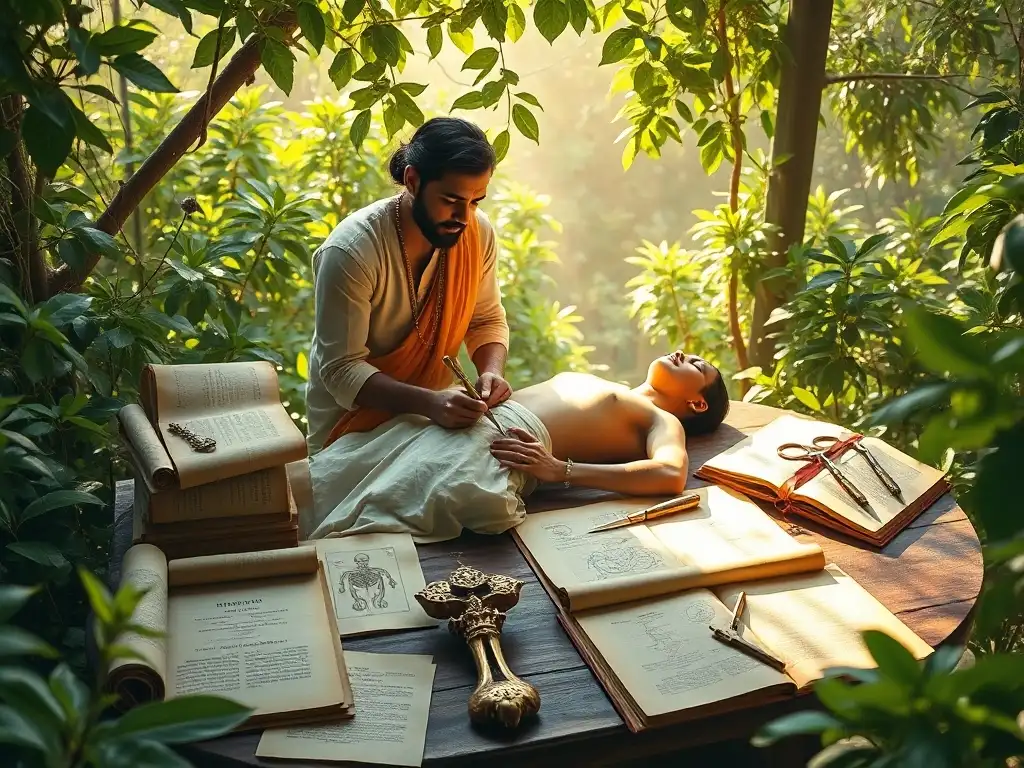
In addition to the Sushruta Samhita, other ancient texts contributed significantly to the knowledge of bone surgery in India. The Charaka Samhita, primarily focused on medicine and herbal treatments, also touched upon surgical practices and the management of traumatic injuries. This text provided insights into the physiological aspects of healing and the role of nutrition in recovery.
The Ashtanga Hridaya, another important Ayurvedic text, combined surgical practices with holistic treatments. It offered guidance on the interplay between surgery and herbal medicine, suggesting that effective healing required a comprehensive approach.
These texts collectively enriched the understanding of surgical techniques and patient care in ancient India, ensuring that the knowledge was preserved and transmitted over generations.
Methods and Procedures of Ancient Indian Bone Surgery
Ancient Indian bone surgery involved several methods, which were carefully documented in texts like the Sushruta Samhita. The procedures began with a meticulous assessment of the injury, followed by the selection of an appropriate surgical technique.
- Setting Fractures: Surgeons often employed manual manipulation to realign broken bones, after which they would immobilize the area with splints.
- Trepanation: This involved drilling a hole into the skull to relieve pressure or treat head injuries, demonstrating advanced knowledge of cranial anatomy.
- Surgical Instruments: A variety of instruments were crafted, including scalpels, forceps, and specialized tools for bone surgery, showcasing high levels of craftsmanship.
Types of Bone Surgeries Performed in Ancient India
Several types of bone surgeries were routinely performed in ancient India, reflecting the expertise of ancient surgeons. Key types included:
- Fracture Management: The primary focus was on reducing and stabilizing fractures using techniques that minimized pain and promoted healing.
- Amputations: In cases of severe injury or infection, amputations were performed, often with the use of cauterization to manage bleeding.
- Joint Surgeries: Procedures to address dislocations and other joint issues were also documented, indicating an understanding of joint anatomy and function.
These surgeries were not merely mechanical but were integrated into a broader medical practice that considered the patient's overall health.
Anesthesia and Pain Management in Ancient Indian Surgery
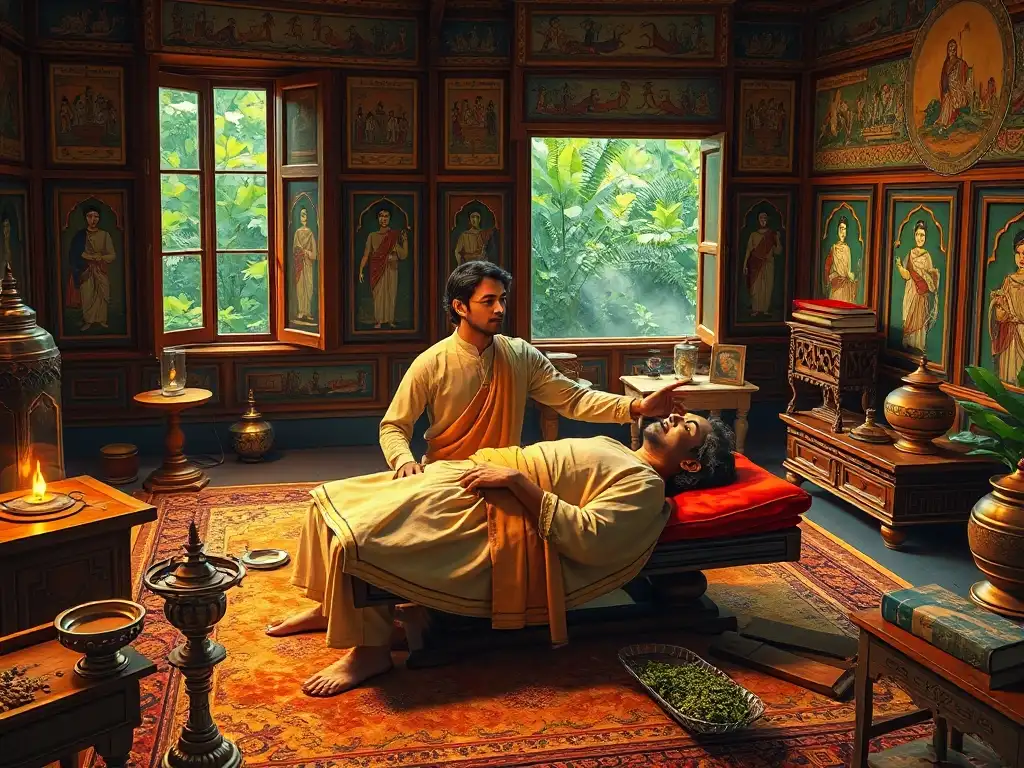
Pain management was a crucial aspect of ancient Indian bone surgery, with various techniques employed to ensure patient comfort during procedures. Ancient texts provide evidence of the use of natural anesthetics derived from herbs, including cannabis, opium, and other plant-based substances known for their sedative properties.
- Herbal Anesthetics: These substances were often combined to enhance their effectiveness, creating potent mixtures that could dull pain and induce a state of relaxation.
- Physical Techniques: In addition to herbal remedies, physical methods such as massage and the application of warmth were used to alleviate discomfort before and after surgical procedures.
This holistic approach to anesthesia and pain management reflects the sophisticated understanding of both medicine and human physiology that existed in ancient Indian surgical practices.
Comparison of Ancient Indian Bone Surgery with Other Cultures
The exploration of ancient Indian bone surgery reveals a fascinating landscape of medical practices that both align with and diverge from other ancient cultures. This comparative analysis not only highlights the unique aspects of ancient Indian surgical techniques but also underscores the shared knowledge and innovations that crossed cultural boundaries. By examining the similarities and differences with practices from ancient Greece and traditional Chinese medicine, we can better understand the significance of these ancient methodologies.
Similarities with Ancient Greek Surgical Techniques
Ancient Indian bone surgery shares several notable similarities with the surgical practices of ancient Greece, particularly in the context of anatomical understanding and surgical instruments. Both cultures recognized the importance of precise anatomical knowledge, which was essential for successful surgeries. Greek surgeons, such as Hippocrates and Galen, documented various surgical procedures and emphasized the importance of hygiene, akin to the principles outlined in ancient Indian texts like the Sushruta Samhita.
Additionally, both cultures developed specialized surgical instruments. For instance, the ancient Greeks utilized tools such as scalpels and forceps, paralleling the sophisticated instruments described in Indian texts. The emphasis on suturing techniques also resonates across both cultures, as they sought to minimize infection and promote healing.
The exchange of ideas between these civilizations likely facilitated advancements in surgical practices, fostering a shared legacy that enriched both cultures.
Differences from Traditional Chinese Medicine Practices
While ancient Indian bone surgery and traditional Chinese medicine (TCM) share a holistic view of health, their approaches to surgery and treatment diverge significantly. TCM primarily focuses on balancing the body's energy (Qi) through herbal remedies, acupuncture, and non-invasive techniques. In contrast, ancient Indian practitioners like Sushruta engaged in more invasive surgical procedures, including orthopedic surgeries such as bone setting and trepanation.
Furthermore, the philosophical underpinnings of each tradition reflect these differences. TCM's emphasis on energy flow contrasts with the anatomical and empirical approach adopted by ancient Indian surgeons, who were more inclined to explore the physical structures of the body. This divergence highlights the cultural context in which each medical tradition developed, resulting in distinct practices that addressed similar health concerns through different methodologies.
The Legacy of Ancient Indian Bone Surgery Techniques
The ancient Indian techniques of bone surgery have left an indelible mark on the field of medicine, influencing not only contemporary practices but also the preservation of medical knowledge through generations. The legacy of these techniques continues to be relevant even in modern medical discourse.
Influence on Modern Surgical Practices
Modern surgical practices owe much to the foundational techniques established by ancient Indian surgeons. The principles of asepsis, anesthesia, and surgical precision that emerged from texts like the Sushruta Samhita have been integrated into contemporary medicine. For example, the methods of skin grafting and reconstructive surgery outlined by Sushruta are echoed in today's surgical protocols.
Moreover, the historical emphasis on training and surgical education in ancient India has influenced modern medical curricula. The systematic approach to surgical training laid the groundwork for advanced surgical techniques and the development of specialties within medicine, enabling a more comprehensive understanding of human anatomy and surgical intervention.
Preservation of Ancient Knowledge in Contemporary Medicine
The preservation of ancient Indian bone surgery techniques is evident in various contemporary medical practices and educational structures. Many of the surgical techniques documented in ancient texts have been revived and adapted in modern contexts, ensuring that valuable knowledge is not lost. Institutions dedicated to Ayurvedic medicine often incorporate these ancient techniques into their curricula, blending traditional practices with modern medical science.
Additionally, ongoing research into ancient texts has prompted a resurgence of interest in the historical contributions of Indian medicine. This ongoing dialogue between ancient practices and modern science fosters a rich environment for innovation and discovery in the field of surgery, demonstrating the enduring relevance of ancient Indian bone surgery techniques in contemporary medicine.
Conclusion: The Impact of Ancient Indian Bone Surgery on Modern Medicine
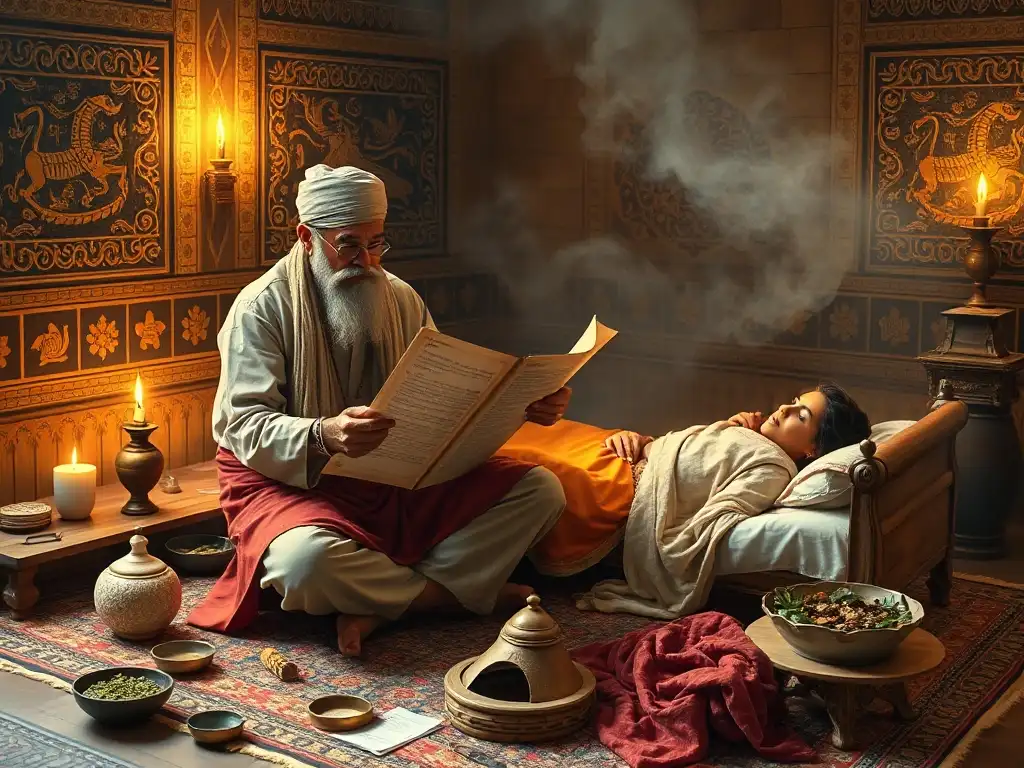
The ancient Indian bone surgery techniques, particularly those documented in texts like the Sushruta Samhita, have profoundly influenced modern medical practices. These techniques, which included intricate surgical procedures such as trepanation and orthopedic surgeries, showcased a remarkable understanding of human anatomy and innovative surgical methods. The meticulous descriptions of surgical instruments and procedures highlight the advanced knowledge that ancient Indian surgeons possessed, which was unparalleled in many parts of the world during that era.
Modern medicine has seen a revival of interest in these ancient practices, as contemporary surgeons and researchers explore the potential applications of traditional techniques in today’s medical landscape. The principles of asepsis, careful patient management, and the focus on holistic healing that characterized ancient Indian surgery resonate with current medical approaches. Additionally, the ethical considerations and patient-centered care advocated by ancient surgeons are increasingly relevant in today’s healthcare systems.
Reflection on the Significance of Historical Techniques
The historical significance of ancient Indian bone surgery techniques cannot be overstated. These methodologies not only laid the groundwork for future advancements in surgery but also contributed to the global understanding of medical practices. The integration of surgical knowledge with Ayurveda, the traditional system of medicine in India, demonstrated a holistic approach to health that encompassed physical, mental, and spiritual well-being.
Moreover, the preservation of these techniques provides valuable insights into the evolution of surgical practices over centuries. By studying ancient texts and artifacts, modern scholars can trace the development of surgical instruments and methods, illuminating the scientific and cultural context of the time. This reflection on past practices encourages a greater appreciation of the rich medical heritage of ancient India and its contributions to global medicine.
Call to Study and Preserve Ancient Surgical Knowledge
As we advance into an era of rapid technological innovation, it becomes imperative to study and preserve the ancient surgical knowledge of India. Academic institutions and researchers should prioritize the documentation and analysis of ancient texts, manuscripts, and artifacts related to bone surgery. Collaborative efforts between historians, surgeons, and cultural scholars can lead to a comprehensive understanding of these techniques and their relevance today.
Furthermore, integrating ancient surgical principles into contemporary medical education can foster a more profound respect for traditional practices. Workshops, seminars, and courses focused on ancient surgery can inspire new generations of medical professionals to appreciate the wisdom of their predecessors. By preserving this knowledge, we not only honor the legacy of ancient Indian surgeons but also enrich the future of medicine with diverse insights and methodologies that have stood the test of time.
The study of ancient Indian bone surgery techniques is not merely an academic pursuit; it is a vital endeavor that can enhance modern medicine and promote a holistic approach to health care that honors both tradition and innovation.
- Introduction to Ancient Indian Bone Surgery Techniques
- Historical Context of Bone Surgery in Ancient India
- Key Ancient Indian Bone Surgery Techniques
- Sushruta Samhita: The Foundation of Ancient Surgical Knowledge
- Other Notable Texts and Their Contributions
- Methods and Procedures of Ancient Indian Bone Surgery
- Types of Bone Surgeries Performed in Ancient India
- Anesthesia and Pain Management in Ancient Indian Surgery
- Comparison of Ancient Indian Bone Surgery with Other Cultures
- The Legacy of Ancient Indian Bone Surgery Techniques
- Conclusion: The Impact of Ancient Indian Bone Surgery on Modern Medicine
- Reflection on the Significance of Historical Techniques
- Call to Study and Preserve Ancient Surgical Knowledge
Frequently Asked Questions
What were ancient Indian bone surgery techniques?
Ancient Indian bone surgery techniques involved advanced medical practices such as trepanation and the use of herbal remedies for healing fractures and injuries.
How did ancient Indian surgeons learn their craft?
Surgeons in ancient India were trained through rigorous apprenticeships and education in Ayurveda, the traditional system of medicine, which emphasized practical skills and theoretical knowledge.
What materials were used in ancient Indian bone surgery?
Ancient Indian surgeons utilized surgical instruments made from metals like iron and bronze, as well as natural materials such as bamboo for splints and herbal pastes for wound care.
What contributions did ancient Indian surgery make to modern medicine?
The techniques and principles of ancient Indian bone surgery laid groundwork for modern surgical practices, particularly in areas like anesthesia and post-operative care.
Where can I find more information about ancient Indian medicine?
You can explore further details on ancient Indian medicine through historical texts, academic journals, and resources provided by websites dedicated to the history of ancient civilizations.
Final Reflection: Unveiling the Wisdom of Ancient Indian Bone Surgery Techniques
The exploration of ancient Indian bone surgery techniques reveals a profound connection between historical practices and modern medicine. In an era where we often overlook the wisdom of our ancestors, it is striking to consider how these age-old methods not only laid the groundwork for contemporary surgical practices but also highlight the importance of holistic healing approaches that prioritize the well-being of the patient. The intricate knowledge and skills of ancient surgeons remind us that innovation often stems from a deep understanding of the human body and a commitment to care.
The influence of these ancient techniques extends beyond the operating room; they resonate within our cultural narrative and challenge our perceptions of medical history. As we delve into the past, we uncover a rich tapestry of knowledge that has shaped the way we view health and healing today. The greatest medicine of all is teaching people how not to need it.
This quote encapsulates the essence of ancient practices, which emphasized prevention and a comprehensive understanding of health, reminding us that the lessons of the past are invaluable in shaping our future.
As we reflect on the secrets of ancient Indian bone surgery, I invite you to consider how these insights can inspire your own journey toward wellness and healing. Embrace the idea that knowledge is a continuum; what we learn from history can empower us to make informed choices in our lives today. Let the wisdom of ancient practices guide you in nurturing your health, fostering a deeper connection with your body, and appreciating the intricate balance between tradition and modernity.
Unveil the Wonders of Ancient Medical Wisdom!
Thank you for diving into the incredible world of ancient Indian bone surgery! We hope you gained valuable insights into the remarkable techniques and practices of the past. Now, it's your turn to connect with this fascinating history and explore further.
Here are some inspiring actions you can take next:
- Delve Deeper: Research more about ancient medical practices and discover how they have shaped modern surgery. Consider visiting libraries or credible online resources to uncover more fascinating secrets.
- Share the Knowledge: Spread the word! Discuss your newfound insights with friends or share them on social media—who knows, you may spark someone's curiosity about ancient medicine!
- Join the Conversation: Engage with our community by leaving a comment below. Share your thoughts or any intriguing facts you might know about ancient surgical practices.
What aspect of ancient Indian bone surgery surprised you the most, and how do you think it influences today's medical practices?