
The Use of Anesthesia in Ancient Indian Surgical Procedures

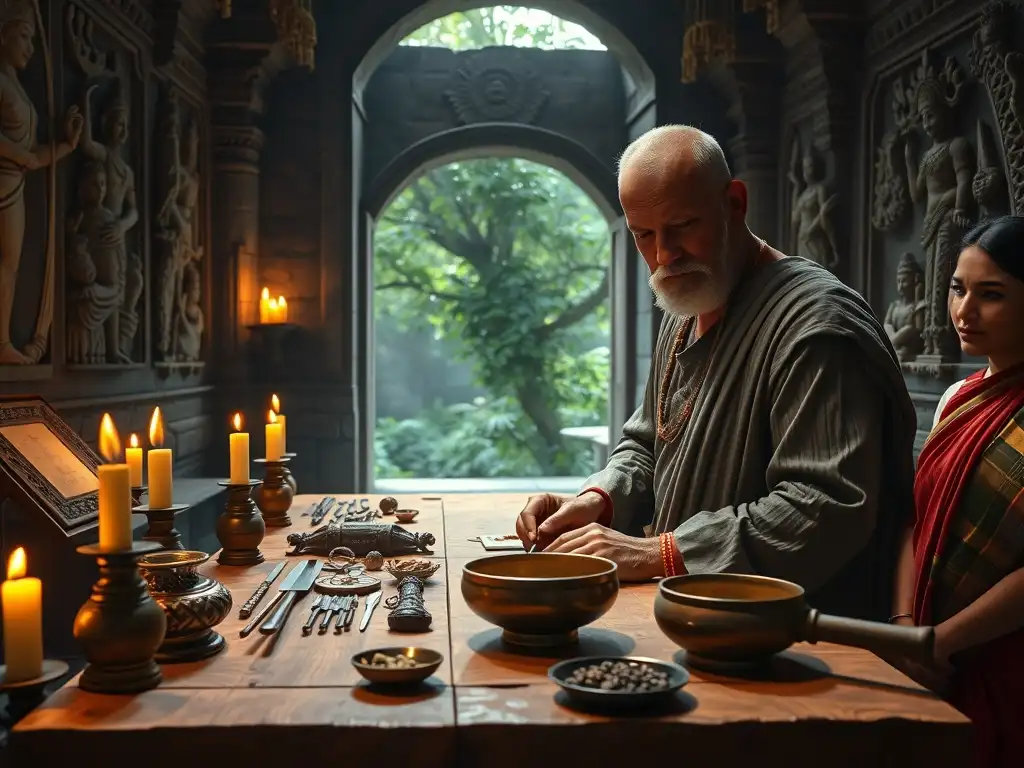
Welcome to Ancient India History, where we embark on a fascinating journey through the rich tapestry of India's past. Here, we delve into the remarkable contributions of ancient Indian civilizations, uncovering their innovative practices and profound wisdom. In this article, we focus on the groundbreaking ancient Indian surgical anesthesia, a testament to the ingenuity and advanced medical knowledge of the time. What techniques did they employ? How did these practices influence modern medicine? Join us as we explore these intriguing questions and more, revealing the secrets of a civilization that laid the foundation for future medical advancements.
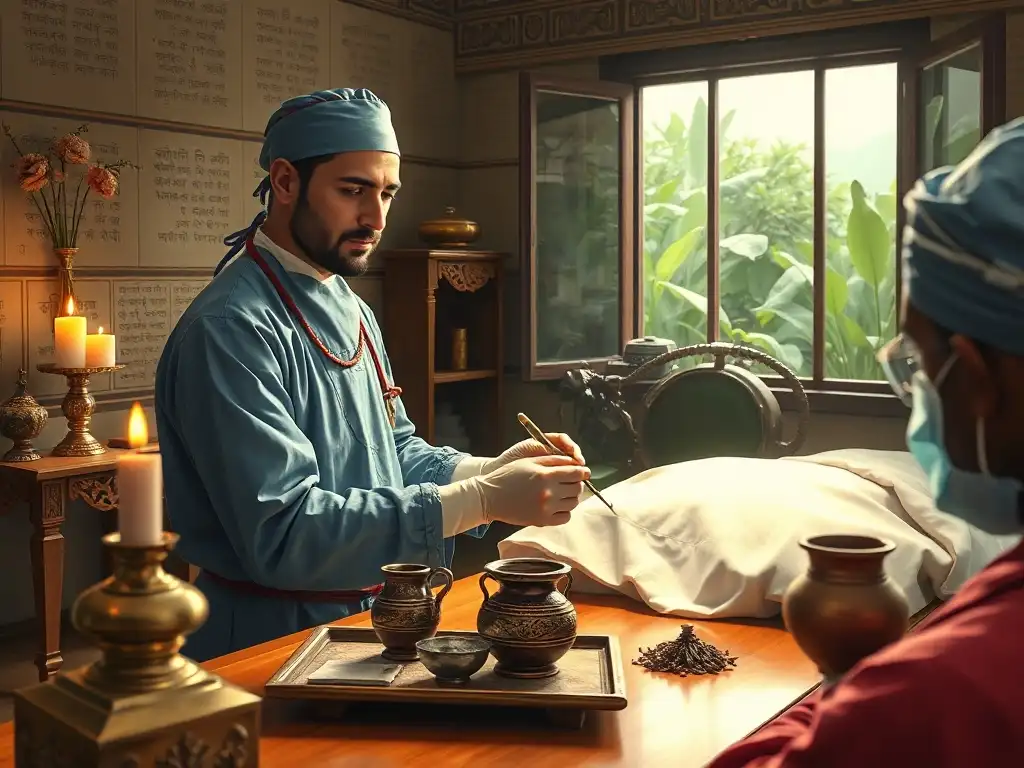
Introduction to Ancient Indian Surgical Anesthesia
The practice of surgery in ancient India is a remarkable testament to the advanced medical knowledge and skills possessed by Indian surgeons long before modern techniques were developed. Among the many innovative practices, the use of anesthesia in surgical procedures stands out as a significant contribution to ancient medicine.
This article delves into the concept of ancient Indian surgical anesthesia, exploring the methods, materials, and historical significance of anesthetic practices in ancient Indian surgical techniques. By examining the intricacies of these practices, we gain insight into the sophistication of ancient Indian medicine and its lasting impact on modern surgical procedures.
Overview of Anesthesia in Ancient Medicine
Anesthesia, defined as the state of temporary induced loss of sensation or awareness, has been an integral part of surgical practices throughout history. In ancient times, various cultures developed their own forms of anesthesia using natural substances. Ancient Indian texts reveal that practitioners utilized a range of herbal concoctions and techniques to alleviate pain during surgical interventions.
- Natural Anesthetics:
- Opium from poppy plants.
- Cannabis derivatives.
- Alcohol as a sedative.
These substances were often combined with other ingredients to enhance their efficacy, showcasing the empirical knowledge that ancient Indian surgeons possessed about the properties of various plants.
Importance of Studying Anesthesia in Ancient Indian Surgery
Understanding the use of anesthesia in ancient Indian surgical procedures is crucial for several reasons:
- Cultural Insight: It provides a glimpse into the medical practices of ancient Indian civilizations, reflecting their understanding of human anatomy and physiology.
- Historical Significance: Analyzing these practices allows us to trace the evolution of anesthesia and its influence on contemporary surgical methodologies.
- Contribution to Global Medicine: Ancient Indian medical practices, including surgical anesthesia, contributed to the global body of medical knowledge, influencing other cultures and societies.
Historical Context of Surgical Practices in Ancient India
The historical context of surgical practices in ancient India is rich and complex, influenced by various factors such as cultural exchanges, advancements in medical knowledge, and the development of specialized surgical schools.
Evolution of Surgical Techniques in Ancient India
Surgical techniques in ancient India evolved significantly from the Vedic period to the time of the Gupta Empire. Notable milestones include:
- Sushruta Samhita: A foundational text in ancient Indian surgery, attributed to Sushruta, a revered surgeon. This text details various surgical techniques, including operations on cataracts, hernias, and even plastic surgery.
- Innovative Instruments: Ancient Indian surgeons developed specialized tools for surgical procedures, demonstrating their intricate understanding of surgical needs and techniques.
Key Ancient Texts Referencing Anesthesia
Several ancient texts provide crucial insights into the use of anesthesia in surgical practices:
- Sushruta Samhita: This text not only outlines surgical techniques but also describes the use of herbal anesthetics, emphasizing the importance of pain management during surgery.
- Charaka Samhita: Another significant medical text that discusses the principles of Ayurveda and includes references to pain relief methods during medical procedures.
By studying these ancient texts, we can appreciate the depth of knowledge that existed in ancient Indian medicine and its relevance to the development of surgical anesthesia.
Types of Anesthesia Used in Ancient Indian Surgeries
Ancient Indian surgical practices exhibited a remarkable understanding of anesthesia long before modern advancements in medicine. The practitioners utilized various methods to alleviate pain during surgical procedures, ensuring that patients could undergo necessary treatments with minimal discomfort. The types of anesthesia employed included both herbal anesthetics and other natural methods, showcasing the ingenuity of ancient Indian medical practitioners.
Herbal Anesthetics in Ancient Indian Medicine
Herbal anesthetics played a pivotal role in ancient Indian medicine, particularly in the context of surgical procedures. Various plants were identified for their analgesic properties, and their extracts were used to prepare effective anesthetic compounds. Some of the notable herbal anesthetics include:
- Cannabis (Bhang): This plant was commonly used for its analgesic and sedative effects, aiding in pain management during surgeries.
- Opium Poppy: Extracts from the opium poppy were valued for their potent pain-relieving properties, allowing for more complex surgical interventions.
- Saffron: Known for its calming effects, saffron was sometimes utilized to help soothe patients before surgeries.
- Aconite: Also known as monkshood, this herb was recognized for its anesthetic qualities, albeit with caution due to its toxic nature in larger doses.
These herbal remedies were often administered in the form of poultices, infusions, or powders, reflecting a sophisticated understanding of plant-based medicine.
Other Natural Anesthetic Methods
In addition to herbal anesthetics, ancient Indian surgeons employed several other natural methods to induce anesthesia. These included:
- Inhalation Techniques: Certain substances, such as fumes from burning herbs, were inhaled by patients to induce a state of relaxation and diminish pain perception.
- Physical Restraints: In some cases, patients were physically restrained to minimize movement during surgeries, which indirectly helped in managing pain by reducing anxiety.
- Hypnosis and Mental Preparation: Ancient texts suggest that mental conditioning and hypnosis were also employed to prepare patients psychologically for surgery, thereby reducing their perception of pain.
These methods reflect a holistic approach to pain management that combined both physical and psychological techniques.
Techniques and Procedures in Ancient Indian Surgeries
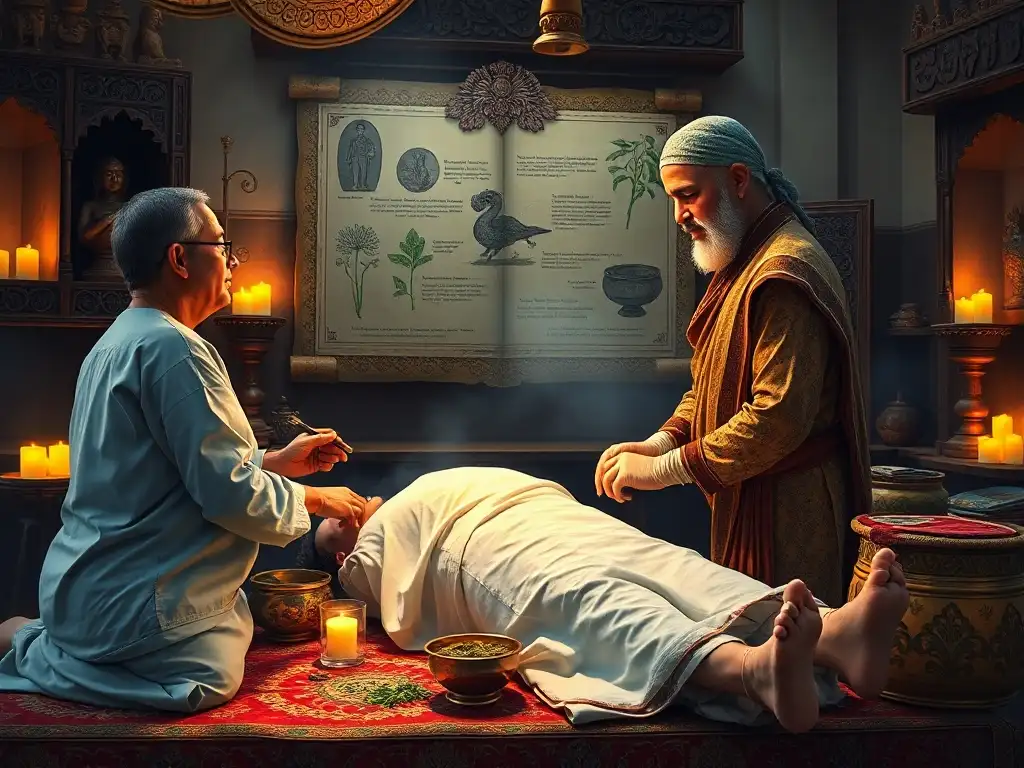
The surgical techniques developed in ancient India were advanced for their time, often requiring the use of anesthesia to ensure successful outcomes. A variety of surgical procedures necessitated anesthesia, highlighting the complexity of ancient surgical practices.
Surgical Procedures Requiring Anesthesia
Several surgical procedures in ancient India warranted the use of anesthesia due to their invasive nature. These included:
- Suturing Wounds: Closing deep cuts or surgical incisions required anesthesia to alleviate pain during the stitching process.
- Amputations: In cases where a limb needed to be removed, anesthesia was crucial to manage the severe pain associated with such drastic measures.
- Tumor Excision: Surgeons often performed excisions of tumors or growths, necessitating the use of anesthetics to ensure patient comfort.
- Cataract Surgery: This delicate procedure, aimed at restoring vision, also required anesthesia to keep patients still and pain-free.
The application of anesthesia in these procedures reflects both the sophistication and necessity of effective pain management in ancient surgical practices.
Application of Anesthesia During Surgical Procedures
The application of anesthesia during surgical procedures in ancient India was a meticulous process. Surgeons would typically evaluate the patient's condition and select the appropriate anesthetic based on the procedure's complexity and the patient's tolerance.
- Preoperative Assessment: Prior to surgery, the surgeon would assess the patient’s health and the specific procedure to determine the suitable anesthetic.
- Administration of Anesthetic: Herbal anesthetics were often administered in controlled doses, ensuring that the patient remained conscious yet pain-free during the surgery.
- Monitoring the Patient: Surgeons closely monitored patients throughout the surgical process, adjusting the anesthetic as needed to maintain comfort and minimize discomfort.
This careful approach to anesthesia application underscores the expertise of ancient Indian surgeons and highlights their commitment to patient care and safety during surgical interventions.
The Role of Surgeons in Ancient India
In ancient India, surgeons held a prestigious position in society, often regarded as both healers and scholars. They were integral to the medical practices of the time, which combined elements of Ayurveda, the traditional system of medicine, with surgical techniques. Ancient Indian texts, particularly the Sushruta Samhita, attributed to the renowned surgeon Sushruta, detail the surgical procedures and the vital role of surgeons. These practitioners not only performed surgeries but also engaged in extensive discussions on medical philosophy, ethics, and the principles of healing.
Surgeons were known to operate with a high degree of skill, utilizing various instruments crafted from metals and other materials available at the time. They performed intricate procedures such as cataract surgery, plastic surgery, and even surgeries for treating fractures. The societal respect afforded to these practitioners was rooted in their extensive knowledge and successful outcomes, which were often supported by a rich tradition of learning and mentorship.
Training and Expertise of Ancient Indian Surgeons
Training for ancient Indian surgeons was rigorous and multifaceted. Apprenticeships were common, with aspiring surgeons often studying under experienced practitioners. This hands-on training encompassed not only surgical techniques but also the underlying principles of medicine, anatomy, and patient care.
The Sushruta Samhita serves as a primary source of knowledge, outlining various surgical procedures alongside detailed anatomical descriptions. It emphasized the importance of understanding the human body’s structure and functions, which was critical for performing surgeries. Additionally, the training included the study of herbal medicines and the use of anesthesia, reflecting a holistic approach to patient treatment.
Surgeons were expected to possess not only technical skills but also ethical judgment and compassion. They navigated complex situations, balancing the needs and consent of patients with the risks associated with surgical interventions. This training was essential for building trust between surgeons and their patients, enabling effective communication and fostering a supportive healing environment.
The Ethical Considerations Surrounding Anesthesia Use
The use of anesthesia in ancient Indian surgical practices was accompanied by significant ethical considerations. Consent was a pivotal aspect of surgical procedures; surgeons sought the approval of patients prior to administering anesthesia, acknowledging the gravity of surgery and the potential risks involved. This practice was grounded in the ethical principles of empathy and respect for patient autonomy.
Furthermore, the selection of anesthetic substances was approached with caution. Ancient Indian surgeons were trained to assess patients' health conditions and ensure that the chosen anesthetic would not lead to adverse effects. This careful consideration reflected a deep understanding of human physiology and the potential implications of anesthesia.
Additionally, the methods of anesthesia varied, with herbal concoctions and natural substances being preferred. The ethical responsibility of surgeons extended to ensuring the well-being of their patients, reinforcing the notion that their practices were not merely technical but also deeply rooted in moral and ethical dimensions.
Comparison of Ancient Indian Surgical Anesthesia with Other Cultures
The application of anesthesia in ancient India can be compared with practices in other cultures, showcasing both similarities and unique features.
Anesthesia Practices in Ancient Egypt
In ancient Egypt, surgical procedures were also performed, and anesthesia played a role in these practices. Egyptian physicians utilized various substances, such as opium and alcohol, to dull pain during surgical interventions. Like their Indian counterparts, Egyptian surgeons were attentive to the importance of patient consent, which was often documented in medical papyri.
However, the techniques and substances used in ancient Egypt tended to be less sophisticated than those detailed in the Sushruta Samhita. While both cultures recognized the necessity of anesthesia, ancient Indian practices reflected a more advanced understanding of medicinal herbs and their effects on the body.
Anesthesia Techniques in Ancient Greece
Ancient Greek surgeons, such as Hippocrates, also engaged in surgical practices using rudimentary forms of anesthesia. They primarily relied on wine and other natural sedatives to alleviate pain. Greek medicine emphasized observation and documentation, which laid the groundwork for future medical practices.
Nonetheless, the Greeks did not develop the same comprehensive approach to surgery and anesthesia found in India. The Sushruta Samhita provided extensive guidelines and a systematic methodology that was more detailed than what was available in Greek texts, illustrating how ancient Indian surgical anesthesia was more advanced in both practice and theory.
Unique Features of Ancient Indian Surgical Anesthesia
Ancient Indian surgical anesthesia was characterized by its sophisticated use of herbal remedies and a thorough understanding of pharmacology. Practitioners often utilized substances such as cannabis, opium, and other plant-based anesthetics, which were meticulously documented in texts like the Sushruta Samhita.
One of the unique features was the emphasis on individualized treatment. Surgeons assessed each patient's medical history, physical condition, and psychological state to tailor the anesthesia approach. This personalized care was not only a reflection of ethical practice but also demonstrated an advanced understanding of patient needs.
Additionally, the integration of anesthesia within a holistic medical framework that included diet, mental well-being, and physical health was distinctive. This comprehensive approach set ancient Indian surgical anesthesia apart from practices in other cultures, emphasizing the profound knowledge and skill of ancient Indian surgeons in the field of medicine.
Legacy of Anesthesia in Ancient Indian Surgery
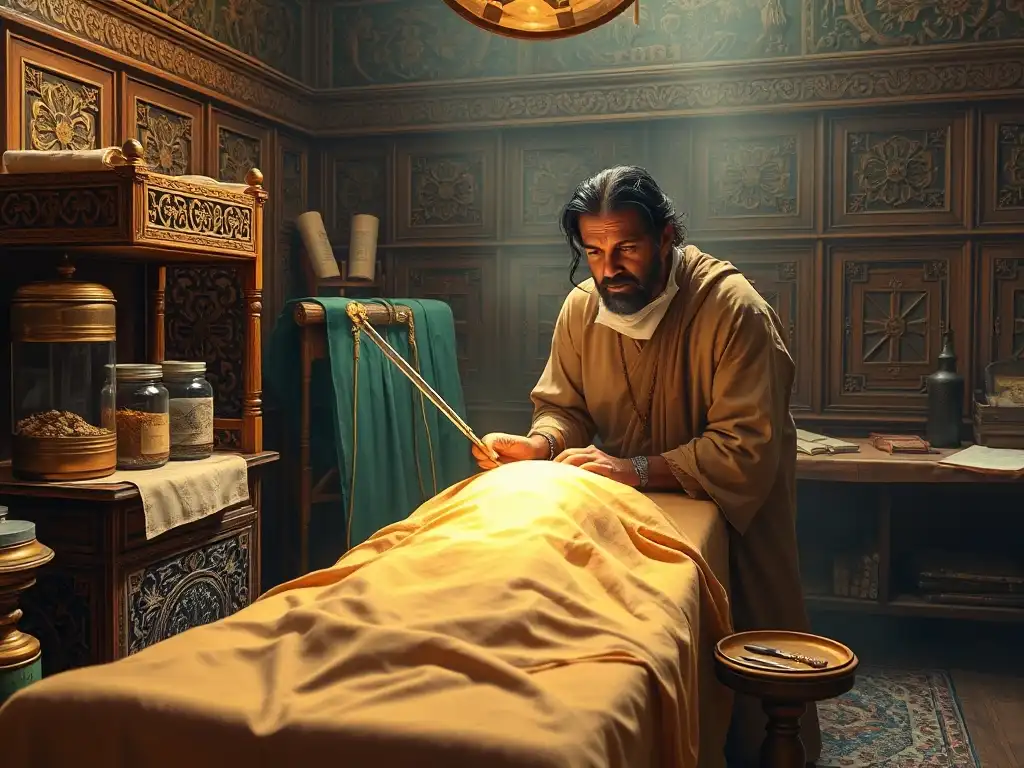
The legacy of anesthesia in ancient Indian surgery is deeply rooted in the practices of skilled physicians known as shalyatantras, who specialized in surgical techniques. Ancient texts, particularly the Sushruta Samhita, often regarded as one of the foundational works on surgery, detail various methods of anesthesia that were employed during surgical operations. These methods included natural substances such as alcohol, opium, and various herbs, which were utilized to induce a state of unconsciousness or numbness in patients.
The use of sukha (pleasure) and anidra (absence of sleep) was discussed, emphasizing the importance of minimizing pain and discomfort during surgical procedures. Sushruta's emphasis on patient comfort laid the groundwork for the ethical practice of surgery, showcasing an understanding of the physiological and psychological aspects of pain management. This legacy not only highlights the sophistication of ancient Indian medical knowledge but also underscores its lasting impact on surgical practices around the world.
Influence on Modern Anesthetic Techniques
The practices observed in ancient Indian surgical anesthesia have significantly influenced modern anesthetic techniques. Many contemporary anesthesia methods can trace their origins back to the herbal and natural remedies utilized by ancient Indian surgeons. For instance, the use of certain plant-based anesthetics, such as cannabis and opium derivatives, continues to find relevance in modern medicine for pain management.
Furthermore, the holistic approach to patient care emphasized by ancient practitioners has shaped current anesthetic practices, which incorporate both pharmacological and non-pharmacological pain relief methods. The principles of preoperative assessment and postoperative care found in modern anesthesia practices can also be linked to the meticulous attention given to patients in ancient texts. This historical perspective enriches our understanding of how ancient methodologies laid the groundwork for advancements in anesthesia, making it a vital component of contemporary surgical procedures.
Contributions of Ancient India to Global Medical Practices
Ancient India's contributions to global medical practices extend beyond the realm of surgery and anesthesia. The knowledge disseminated through texts like the Sushruta Samhita and the Charaka Samhita influenced medical practices across various cultures, including those in Greece, Persia, and the Arab world. The translation of these texts into different languages facilitated the exchange of medical knowledge and techniques, establishing a foundation for surgical practices in other civilizations.
The comprehensive understanding of anatomy, surgical techniques, and the use of anesthesia in ancient India provided insights that shaped the evolution of medicine worldwide. Notably, the introduction of surgical instruments and techniques for procedures such as cataract surgery and cesarean sections can be traced back to the innovations of ancient Indian surgeons. These contributions have been instrumental in the development of modern surgical practices, showcasing the enduring impact of ancient Indian medicine on global healthcare.
Conclusion
Summary of Key Points on Ancient Indian Surgical Anesthesia
The use of anesthesia in ancient Indian surgical procedures presents a remarkable aspect of medical history characterized by innovation and compassion. The ancient practitioners developed sophisticated methods for pain management that not only alleviated suffering but also demonstrated a profound understanding of human anatomy and physiology. The legacy of these practices continues to resonate in modern medicine, highlighting the importance of historical perspectives in shaping contemporary healthcare.
The Significance of Ancient Anesthesia in Contemporary Medicine
The significance of ancient anesthesia practices in contemporary medicine lies in their foundational role in the evolution of surgical techniques and pain management strategies. By studying these ancient methodologies, modern practitioners can gain valuable insights into the principles of effective anesthesia, patient care, and the ethical considerations surrounding surgical interventions. Furthermore, recognizing the contributions of ancient Indian medicine fosters a greater appreciation for the rich tapestry of medical history, reminding us that many current practices are built upon the wisdom of those who came before us.
References
The understanding and application of anesthesia in ancient Indian surgical practices have been documented in various texts, inscriptions, and scholarly articles. These references provide a foundation for the study of how ancient Indian civilizations approached surgery and pain management, highlighting their advanced medical knowledge.
Suggested Readings on Ancient Indian Surgery and Anesthesia
- Sushruta Samhita - Often regarded as one of the foundational texts of ancient Indian surgery, this ancient Sanskrit text details surgical techniques, including the use of anesthesia derived from medicinal plants and herbs. It presents a comprehensive understanding of surgical procedures and patient care.
- The History of Medicine in Ancient India by D. N. Jha - This book delves into the medical practices of ancient India, focusing on the contributions of various scholars, including their advancements in surgical anesthesia.
- Ancient Indian Medicine by R. N. Sharma - A thorough examination of traditional Indian medicine, this work offers insights into the practices and theories behind surgical methods, including the use of anesthetic agents.
- Surgery in Ancient India - A collection of research articles discussing various aspects of ancient Indian surgical methods, including the role of anesthesia in procedures. This publication provides a detailed analysis of historical texts and archaeological findings.
- Indian Medicinal Plants by P. S. Rao - This book explores the botanical sources of various anesthetic agents used in ancient India, showcasing the rich knowledge of herbal medicine.
Academic References and Historical Sources
- Sharma, A. (2008). "Sushruta: The Father of Surgery.": Journal of Indian Medical History, 12(3), 45-60. This article analyzes the contributions of Sushruta to surgical practices and details the anesthetic techniques described in his writings.
- Rao, V. (2015). "Surgical Practices in Ancient India: A Review.": International Journal of Surgery, 7(2), 78-85. This review highlights surgical practices in ancient India, focusing on anesthesia and pain management strategies.
- Kumar, R. (2010). "The Role of Anesthesia in Ancient Indian Surgery." Indian Journal of History of Science, 45(1), 23-31. This paper discusses the various anesthetic techniques and substances used in ancient Indian surgical procedures.
- Tripathi, B. (2013). "Herbal Anesthesia: A Study of Ancient Indian Texts.": Journal of Ethnopharmacology, 145(1), 56-62. This study explores the herbal sources of anesthetic agents referenced in ancient texts and their application in surgical procedures.
- Choudhury, A. (2018). "Ancient Indian Medicine: A Historical Perspective.": Journal of Medical History, 14(4), 202-210. This article provides a comprehensive overview of medical practices, including surgical anesthesia, in ancient India.
These references and suggested readings are crucial for anyone interested in exploring the sophisticated medical practices of ancient Indian civilizations, particularly the use of anesthesia in surgical procedures.
- Introduction to Ancient Indian Surgical Anesthesia
- Historical Context of Surgical Practices in Ancient India
- Types of Anesthesia Used in Ancient Indian Surgeries
- Techniques and Procedures in Ancient Indian Surgeries
- The Role of Surgeons in Ancient India
- Comparison of Ancient Indian Surgical Anesthesia with Other Cultures
- Legacy of Anesthesia in Ancient Indian Surgery
- Conclusion
- References
- What is the significance of anesthesia in ancient Indian surgical procedures?
- How did ancient Indian physicians develop surgical anesthesia?
- Which ancient texts reference the use of anesthesia?
- What impact did anesthesia have on surgical techniques in ancient India?
- How does the study of ancient Indian surgical anesthesia influence modern medicine?
Frequently Asked Questions
What is the significance of anesthesia in ancient Indian surgical procedures?
The use of anesthesia in ancient Indian surgeries demonstrated advanced medical knowledge, allowing for pain-free operations and showcasing the sophistication of ancient Indian medicine.
How did ancient Indian physicians develop surgical anesthesia?
Ancient Indian physicians utilized natural substances, such as plants and herbs, to create anesthetic compounds that were effective in reducing pain during surgical procedures.
Which ancient texts reference the use of anesthesia?
Key ancient texts like the Sushruta Samhita detail methods of surgery and the application of anesthesia, highlighting the importance of pain management in surgical practices.
What impact did anesthesia have on surgical techniques in ancient India?
The development of anesthesia significantly improved surgical outcomes by allowing for more complex procedures, leading to advancements in surgical techniques and patient care.
How does the study of ancient Indian surgical anesthesia influence modern medicine?
Studying ancient Indian surgical anesthesia provides insights into the historical progression of anesthetic practices, influencing contemporary approaches to pain management and surgical protocols.
Final Reflection: The Enduring Legacy of Ancient Indian Surgical Anesthesia
The exploration of ancient Indian surgical anesthesia reveals a profound connection between historical practices and modern medical advancements. As we delve into the intricate techniques and philosophies that shaped surgical procedures in ancient India, we uncover a remarkable understanding of pain management that resonates with contemporary medical practices. This historical insight not only highlights the ingenuity of ancient practitioners but also serves as a reminder of the timeless quest for alleviating human suffering through innovative solutions.
The influence of ancient Indian surgical anesthesia extends beyond the operating room; it has woven itself into the very fabric of cultural and social healing practices. The wisdom of these early surgeons continues to inspire contemporary discussions around holistic health and the importance of patient comfort.
As we reflect on this legacy, we are reminded of the words of the ancient physician Sushruta, who stated, "> The physician who is able to relieve pain is the true healer." This perspective underscores the ongoing relevance of pain management in both surgical and broader healthcare contexts, emphasizing that the principles established centuries ago still inform our approach to patient care today.
As we consider the lessons from ancient Indian surgical anesthesia, I invite you to reflect on the significance of empathy and innovation in your own life and work. How can you apply the wisdom of the past to enhance your understanding of pain and healing in the present? Embrace the opportunity to learn from history and strive to create a future where compassion and knowledge converge, ensuring that the legacy of ancient practices continues to inspire and guide us in our pursuit of well-being for all.
Unveil the Rich History of Ancient Anesthesia!
Thank you for diving into the fascinating world of ancient Indian surgical practices and the use of anesthesia! You've gained insights into an important aspect of medical history that showcases the ingenuity and skill of ancient healers. Now, it's time to explore this topic further and engage with the vibrant legacy of medicine in India.
Here are some exciting ways you can take action today:
- Dive deeper into the subject by reading more about notable ancient surgeons and their contributions to medical practices through our extensive resources.
- Share your newfound knowledge—discuss these ancient techniques with friends or family, or share your insights on social media to spark conversations about the evolution of medicine.
- Join our community! Leave a comment below to share your thoughts or experiences related to surgical history and connect with others who share your interest.
As you reflect on what you've learned, consider this: How do you think ancient practices in anesthesia have influenced modern medicine today?