
The Legacy of Raja Vikramaditya: A Cultural Icon of Ancient India

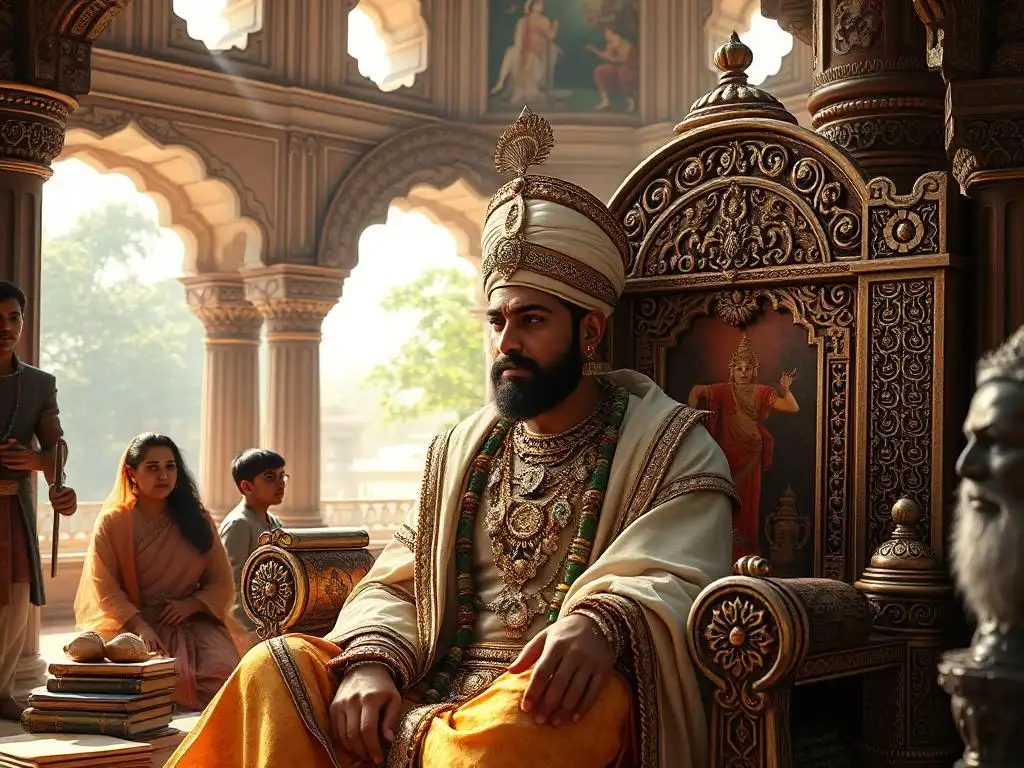
Welcome to Ancient India History, where we embark on a captivating journey through the rich tapestry of India's past. Dive into the fascinating world of Raja Vikramaditya, a cultural icon whose legacy continues to inspire and intrigue. From the majestic heights of the Gupta Empire to the innovative spirit of the Indus Valley, our exploration reveals how these ancient civilizations shaped modern India. Are you ready to uncover the profound impact of Vikramaditya's reign and his contributions to art, literature, and governance? Join us as we unravel the stories that have defined a nation!
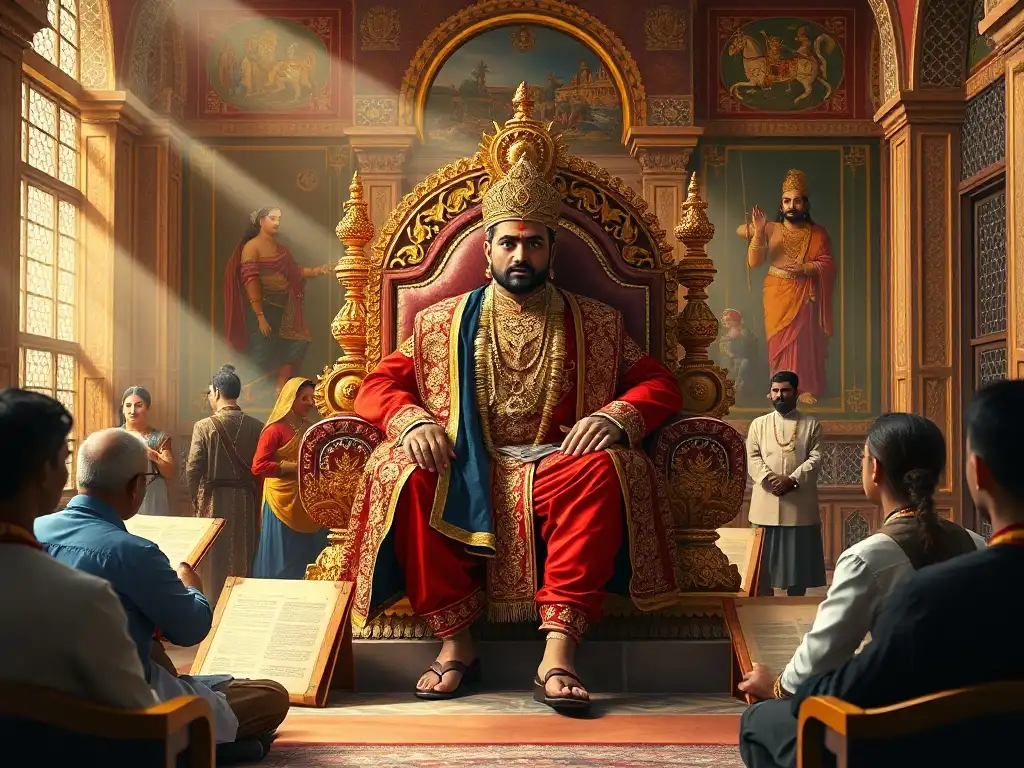
Introduction to Raja Vikramaditya
Raja Vikramaditya stands out as a monumental figure in the annals of ancient Indian history, renowned for his multifaceted contributions to culture, governance, and the arts. His legacy transcends mere historical accounts; he embodies the spirit of an era that flourished in creativity and intellectual pursuits.
Often celebrated in folklore and literature, Vikramaditya's reign is a testament to the rich tapestry of ancient Indian civilization, reflecting a blend of valor, wisdom, and cultural patronage. This article delves into the cultural legacy of Raja Vikramaditya, exploring how his leadership not only shaped his time but also left an indelible mark on future generations.
Overview of Raja Vikramaditya's Historical Significance
Raja Vikramaditya, often associated with the Ujjain region, is believed to have ruled during the 1st century BCE to the 1st century CE. His historical significance is underscored by his legendary status, as he became synonymous with justice, bravery, and benevolence. Vikramaditya's legacy is often framed within the context of his famed court of scholars, which included luminaries like Kalidasa, whose works continue to resonate in Indian literature today. His reign is frequently referenced in the Vikramorvasiyam, a play attributed to Kalidasa, highlighting the intertwining of cultural and literary advancements during his rule.
Vikramaditya's court was a beacon of knowledge and culture, attracting scholars and poets from far and wide.
Context of Ancient India During Vikramaditya's Reign
The period of Vikramaditya's reign was marked by significant developments in political stability and cultural flowering. Ancient India was experiencing a phase of consolidation after the fragmentation caused by earlier invasions and conflicts. The Mauryan and subsequent dynasties had laid a strong foundation, and Vikramaditya's leadership further solidified the socio-political landscape.
- Political Environment: The unification of regional kingdoms under a central authority allowed for more cohesive governance.
- Cultural Flourishing: The era witnessed a robust exchange of ideas, particularly in the fields of philosophy, science, and the arts.
- Economic Growth: Trade routes flourished, contributing to the prosperity that fostered cultural and intellectual pursuits.
The Cultural Legacy of Raja Vikramaditya
Raja Vikramaditya's reign heralded a golden age in ancient Indian culture, characterized by notable advancements in various fields. His patronage of the arts, literature, and sciences not only enriched his kingdom but also laid the groundwork for future cultural developments.
Contributions to Literature and Poetry
Vikramaditya's court is celebrated as a literary hub, attracting poets, playwrights, and scholars who produced enduring works. His support for literary endeavors fostered a vibrant cultural milieu, leading to the creation of masterpieces that are still revered today.
- Kalidasa's Influence: Vikramaditya's association with Kalidasa exemplifies the literary brilliance of the time. Works such as Shakuntala and Meghaduta are hallmarks of Indian literature.
- Folklore and Mythology: The tales of Vikramaditya himself evolved into folklore, inspiring countless stories that celebrate his wisdom and heroism.
Advancements in Science and Astronomy
Under Vikramaditya's patronage, significant strides were made in the realms of science and astronomy, reflecting the era's commitment to knowledge and exploration of the cosmos.
- Astronomical Observatories: Establishment of observatories facilitated the study of celestial bodies, leading to advancements in navigation and calendars.
- Mathematical Innovations: The period saw the development of sophisticated mathematical concepts, some of which laid the groundwork for modern mathematics.
Promoting Arts and Architecture
The artistic legacy of Vikramaditya's reign is evident in the architectural marvels and artistic expressions that emerged during this time.
- Architectural Achievements: Temples and structures built during his reign showcased intricate designs and craftsmanship, influencing subsequent architectural styles.
- Cultural Festivals: Vikramaditya promoted various cultural festivals that celebrated art, music, and dance, further embedding these traditions into the fabric of society.
Through these contributions, Raja Vikramaditya not only shaped the cultural landscape of his time but also ensured that his legacy would resonate through the ages, making him a towering figure in the history of ancient India.
Raja Vikramaditya as a Symbol of Righteous Leadership
Raja Vikramaditya is often celebrated as a paragon of righteous leadership in ancient India, embodying the virtues of wisdom, strength, and compassion. His reign is characterized by a commitment to the welfare of his subjects, establishing him as a model king whose principles resonate through the ages. Vikramaditya's leadership is frequently depicted in literature and folklore, showcasing his dedication to justice and ethical governance. His legacy is not merely limited to his rulership but extends to the cultural and moral fabric of society, influencing future generations.
The stories and legends surrounding Vikramaditya highlight his role as a protector of the weak and a champion of dharma, the moral law that governs individual conduct. His leadership style emphasized the importance of righteousness over tyranny, which contributed to a stable and prosperous kingdom. Vikramaditya's reign is often referred to as a golden age, where art, science, and culture flourished, reflecting his holistic approach to governance that prioritized both material and spiritual well-being.
The Ideals of Dharmic Governance
Dharmic governance, rooted in the principles of dharma, is central to understanding Raja Vikramaditya's leadership. This concept emphasizes moral righteousness, ethical conduct, and social justice as the foundations of a ruler's authority. Vikramaditya is often depicted as a king who upheld these ideals, ensuring that his administration was not just about power but also about responsibility toward his subjects.
His policies are said to have promoted welfare programs, equitable taxation, and public infrastructure development, demonstrating a commitment to the common good. The ideals of dharmic governance under Vikramaditya fostered a sense of community and belonging among his people, creating an atmosphere where cultural and intellectual pursuits could thrive. This approach ultimately solidified his reputation as a just and enlightened ruler, whose legacy continues to inspire leaders in contemporary society.
Vikramaditya's Role in Justice and Fairness
Justice and fairness were hallmarks of Raja Vikramaditya’s rule, as illustrated by countless tales that depict him as a wise and impartial judge. His court was renowned for its fairness, where the grievances of the poor and marginalized were heard and addressed with compassion. Vikramaditya's judicial practices included a commitment to due process, ensuring that justice was not only served but seen to be served.
The story of Vikramaditya's throne, which was said to choose the deserving, further exemplifies his dedication to fairness. It is believed that the throne would only acknowledge those who possessed true wisdom and virtue, reflecting the king’s values. This narrative not only reinforces his image as a just ruler but also serves as a metaphor for the ideal qualities that leaders should aspire to possess. Through his actions, Vikramaditya established a legacy of justice that resonated deeply within the cultural consciousness of India.
Historical Accounts and Legends Surrounding Vikramaditya
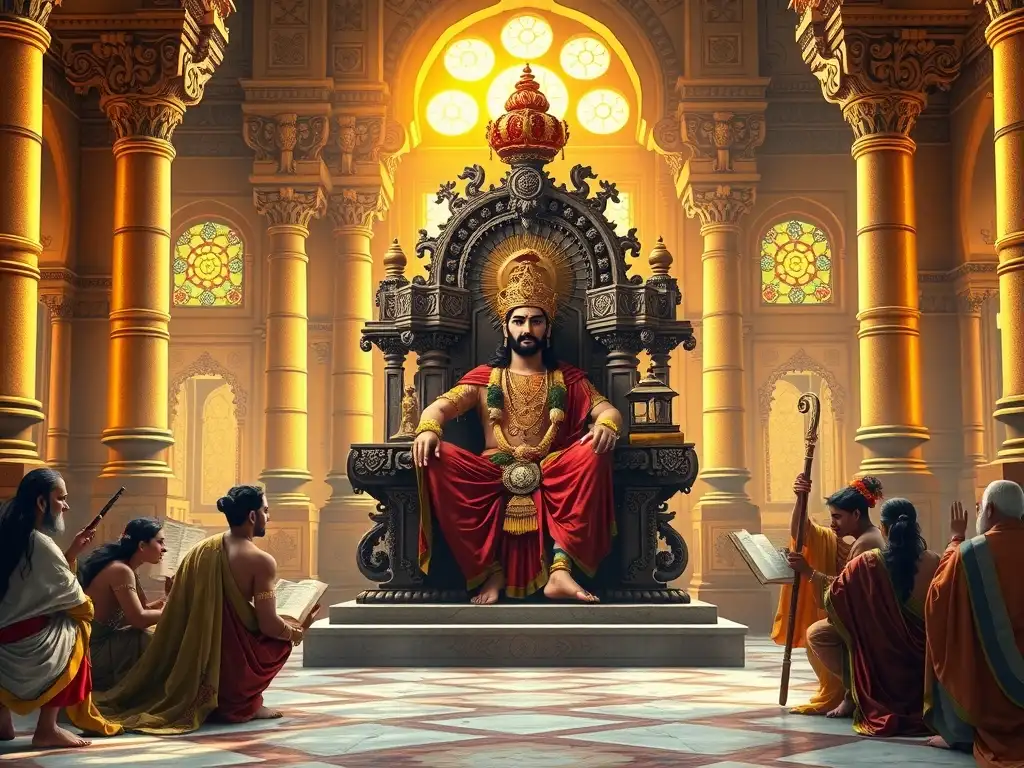
The historical accounts and legends of Raja Vikramaditya blend fact with folklore, creating a rich tapestry that has fascinated scholars and enthusiasts alike. Various texts and stories depict his life, achievements, and the moral lessons drawn from his reign. These narratives, while sometimes exaggerated, serve to illustrate the values and ideals that Vikramaditya embodied, making him an enduring cultural icon.
The Vikram and Betal Tales: Myth vs. Reality
Among the most famous tales associated with Vikramaditya are the Vikram and Betal stories, a collection of folk tales that explore themes of moral dilemmas, wit, and wisdom. In these stories, Vikramaditya engages in a battle of wits with the clever spirit Betal, who poses challenging questions and ethical conundrums. While these tales are rooted in mythology, they reflect the king's reputation for intelligence and moral fortitude.
The interplay between myth and reality in these stories raises intriguing questions about the historical Vikramaditya. Scholars debate the extent to which these tales are fictionalized accounts versus factual representations of his character and accomplishments. Nevertheless, the Vikram and Betal tales have become integral to the cultural lexicon of India, highlighting the timeless appeal of Vikramaditya as a symbol of wisdom and moral integrity.
Historical Texts Documenting Vikramaditya’s Life
Several historical texts document the life of Raja Vikramaditya, offering insights into his reign and contributions. Notable among these are the Vikramankadevacharita, a biographical poem by the poet Bilhana, which celebrates Vikramaditya’s valor and accomplishments. Furthermore, inscriptions and coins from his era provide tangible evidence of his governance and military prowess.
The Vikram Samvat, a calendar system believed to have been initiated by Vikramaditya, signifies his lasting impact on Indian culture and timekeeping. Historical accounts also mention his patronage of scholars, artists, and philosophers, fostering an environment of intellectual growth. These texts collectively contribute to an understanding of Vikramaditya not just as a ruler but as a pivotal figure in the cultural and historical landscape of ancient India, solidifying his legacy as a cultural icon.
The Impact of Raja Vikramaditya's Legacy on Subsequent Generations
Raja Vikramaditya, often celebrated as a paragon of wisdom and valor, has left an indelible mark on Indian history that continues to resonate across generations. His reign is characterized by a flourishing of arts, literature, and science, which set the foundation for cultural prosperity in ancient India. The legacy he established not only influenced his contemporaries but also served as a guiding light for future rulers and cultural icons. The reverberations of Vikramaditya's legacy can be traced through historical narratives, folklore, and the cultural ethos that shaped unity and identity in India.
Influence on Later Indian Rulers
The impact of Raja Vikramaditya's legacy on subsequent Indian rulers is profound. His image as a just and compassionate king became a prototype for ideal leadership. Many rulers, including the famous Chola and Gupta dynasties, sought to emulate his governance style, which prioritized cultural patronage and public welfare. The concept of a king as a Dharmaraja (righteous ruler) gained traction, inspiring rulers to promote arts and education as part of their civic responsibilities.
Moreover, Vikramaditya's legendary court, often associated with the famed Navratnas or Nine Gems, influenced later courts to foster intellectual gatherings. This tradition of collecting great minds under one roof can be seen in the courts of later rulers, such as Akbar, who established similar councils of scholars and artists, reinforcing the importance of culture in governance.
Cultural References in Modern Indian Society
The legacy of Raja Vikramaditya is not confined to history; it continues to thrive in modern Indian society. Numerous literary works, plays, and films depict his valor and wisdom, revitalizing interest in his stories and ideals. Vikramaditya's character often symbolizes justice and enlightenment, making him a popular figure in contemporary narratives that promote ethical leadership and civic responsibility.
In addition, various festivals and cultural events celebrate the contributions of Vikramaditya, highlighting his influence on regional identities. His stories are integral to traditional storytelling, often used in educational contexts to instill values of courage and integrity among younger generations. Furthermore, the lexicon of modern governance in India often echoes the principles laid down by Vikramaditya, advocating for the pursuit of knowledge and the welfare of the people.
Conclusion
Summary of Raja Vikramaditya's Enduring Cultural Legacy
Raja Vikramaditya's cultural legacy is characterized by a harmonious blend of wisdom, valor, and artistic patronage. His approach to governance has inspired a multitude of rulers, shaping leadership philosophy throughout Indian history. The arts and sciences flourished under his reign, establishing an enduring cultural framework that has influenced Indian society for centuries. This legacy continues to inspire leaders and citizens alike, reflecting an ideal of governance that prioritizes the well-being of the populace.
Reflection on the Importance of Historical Icons in Shaping Identity
Reflecting on the importance of historical icons like Raja Vikramaditya, we recognize their role in shaping collective identity and values. Such figures serve as cultural touchstones, reminding society of its rich heritage and inspiring future generations to aspire to greatness. By studying their contributions, we not only honor their memory but also gain insights into the principles that can guide contemporary society. As custodians of history, we must continue to celebrate and learn from these icons to foster a culture of integrity, wisdom, and progress.
- Introduction to Raja Vikramaditya
- The Cultural Legacy of Raja Vikramaditya
- Raja Vikramaditya as a Symbol of Righteous Leadership
- Historical Accounts and Legends Surrounding Vikramaditya
- The Impact of Raja Vikramaditya's Legacy on Subsequent Generations
- Conclusion
- What is the significance of Raja Vikramaditya in ancient Indian history?
- How did Raja Vikramaditya influence literature in ancient India?
- What are some key achievements attributed to Raja Vikramaditya?
- How does Raja Vikramaditya's legacy impact modern Indian culture?
- What role did the Gupta Empire play in Raja Vikramaditya's legacy?
Frequently Asked Questions
What is the significance of Raja Vikramaditya in ancient Indian history?
Raja Vikramaditya is regarded as a cultural icon due to his contributions to literature, science, and the arts, particularly during the Gupta Empire.
How did Raja Vikramaditya influence literature in ancient India?
Under his reign, there was a flourishing of literature, with significant works being produced, including classical poetry and mythological texts that continue to influence Indian culture today.
What are some key achievements attributed to Raja Vikramaditya?
Raja Vikramaditya is known for his administrative reforms, promoting scholarship, and establishing a court of scholars, which included notable figures like Kalidasa and Varahamihira.
How does Raja Vikramaditya's legacy impact modern Indian culture?
His legacy persists in modern literature, folklore, and art, symbolizing wisdom, valor, and the patronage of the arts that are revered in contemporary Indian society.
What role did the Gupta Empire play in Raja Vikramaditya's legacy?
The Gupta Empire provided a robust framework for Raja Vikramaditya's cultural contributions, fostering an environment where art, science, and philosophy thrived, solidifying his status as a cultural legacy.
Final Reflection: The Enduring Cultural Legacy of Raja Vikramaditya
The legacy of Raja Vikramaditya remains profoundly relevant today, as it embodies the timeless values of wisdom, justice, and cultural patronage that resonate across generations. In a world increasingly characterized by division and discord, the stories and ideals associated with Vikramaditya serve as a beacon of hope and inspiration. His reign symbolizes the potential for enlightened leadership, reminding us that the power of culture can unite and uplift societies.
The influence of Raja Vikramaditya extends far beyond the historical narratives; it permeates the very fabric of our cultural identity. His tales of valor and wisdom have inspired countless works of art, literature, and folklore, shaping the cultural landscape of India and beyond. As we reflect on his contributions, we are reminded of the words of the poet Kalidasa: The earth is but a canvas to our imagination.
This sentiment captures the essence of Vikramaditya's legacy, encouraging us to envision a world where creativity and justice thrive hand in hand.
As we ponder the lessons of Raja Vikramaditya's life and reign, I invite you to reflect on how you can embody his values in your own journey. Consider how you might contribute to your community, champion the arts, or advocate for justice in your daily life. Let the spirit of Vikramaditya inspire you to become a cultural icon in your own right, fostering a legacy that will resonate for generations to come.
Ignite Your Curiosity About Raja Vikramaditya!
Thank you for taking the time to explore the fascinating life and legacy of Raja Vikramaditya. You've uncovered inspiring tales of courage, wisdom, and culture that have shaped ancient India. Now, let’s transform that knowledge into action and celebration!
- Dive deeper: Explore articles related to Ancient Indian history to uncover more captivating figures and events that have contributed to India's rich heritage.
- Join the conversation: Share your thoughts or insights about Raja Vikramaditya in the comments below, and connect with fellow history enthusiasts who share your passion!
- Unleash the storyteller in you: Consider writing your own piece about how Vikramaditya’s values can influence today’s world—your voice is important!
What aspect of Raja Vikramaditya’s legacy inspires you the most, and how would you apply it to your life today?