
The Feminine Force: Exploring the Leadership of Rani Durgavati and Her Legacy


Welcome to Ancient India History, where we embark on a fascinating journey through the vibrant tapestry of India's past. Today, we delve into the remarkable story of Rani Durgavati, a true embodiment of strength and resilience. As we explore her leadership legacy, you'll uncover the profound impact she had on her kingdom and how her courage continues to inspire generations.
Join us as we unravel the threads of history that bind us to this extraordinary queen, and ignite your curiosity about the powerful women who shaped ancient India. Ready to discover the feminine force that carved a path through history? Let’s dive in!

Introduction to Rani Durgavati
Rani Durgavati, a name that resonates with valor and resilience, stands as a remarkable figure in the annals of Indian history. Her legacy is a testament to the indomitable spirit of women in leadership roles during a time when patriarchal norms dominated society. Rani Durgavati ruled the Gondwana region in central India during the 16th century and is celebrated for her courage, strategic acumen, and unwavering commitment to her kingdom.
This article delves into the multifaceted aspects of Rani Durgavati's leadership, exploring her significant contributions and the enduring impact of her legacy on Indian history. By examining her life and reign, we can gain insights into the challenges she faced and how her leadership style continues to inspire future generations.
Brief Overview of Rani Durgavati
Born into the royal family of the Gond dynasty, Rani Durgavati ascended to the throne following the death of her husband, King Dalpat Shah. She became the queen regent and ruler of the fort of Mandla, where she displayed an exceptional blend of administrative skills and military prowess. Durgavati is often remembered for her unwavering dedication to her subjects and her fierce resistance against the Mughal Empire's expansion. Her reign, though short-lived, was marked by significant developments in governance, culture, and military strategy.
Historical Context of Rani Durgavati’s Reign
The 16th century was a transformative period in Indian history, characterized by the rise of powerful regional kingdoms and the expansion of the Mughal Empire. Rani Durgavati ruled during a tumultuous time as the Mughal Emperor Akbar sought to consolidate his power over central India. The socio-political landscape was fraught with challenges, including frequent conflicts among various kingdoms and external invasions. In this context, Rani Durgavati emerged as a formidable leader, navigating the complexities of governance while fiercely defending her territory against external threats.
The Leadership of Rani Durgavati
Rani Durgavati's leadership was defined by her exceptional qualities that set her apart as a significant historical figure. Her reign exemplified the traits of true leadership—courage, compassion, and strategic foresight.
Key Qualities of Rani Durgavati’s Leadership Style
- Courageous Decision-Making: Rani Durgavati displayed remarkable bravery in the face of adversity. Her decision to lead her troops personally into battle against the Mughals exemplifies her indomitable spirit and willingness to protect her kingdom at all costs.
- Strategic Acumen: Known for her keen strategic mind, Durgavati employed innovative tactics during warfare. She was adept at using the terrain to her advantage, which often turned the tide in her favor during battles.
- Compassionate Governance: Beyond her military prowess, Rani Durgavati was a compassionate ruler. She prioritized the welfare of her subjects, ensuring their needs were met and fostering a sense of community and loyalty among her people.
- Inspiration to Women: Rani Durgavati’s leadership style has inspired countless women throughout history. Her legacy serves as a beacon of empowerment, encouraging women to take on leadership roles and break societal barriers.
Rani Durgavati as a Warrior Queen
Rani Durgavati’s image as a warrior queen is firmly entrenched in the historical narrative of India. Her battles against the Mughal forces, particularly the significant confrontation at the fort of Mandla, are legendary. Despite being outnumbered, she exhibited unparalleled bravery and tactical brilliance during the conflict. Her ability to rally her troops and instill a sense of purpose among them is a testament to her skills as a leader.
Rani Durgavati’s leadership legacy is not just a story of a queen who ruled a territory; it is a profound example of strength, resilience, and dedication to one’s homeland. Her life and reign continue to resonate, reminding us of the powerful role women have played in shaping history.
Major Achievements of Rani Durgavati
Rani Durgavati, the valiant queen of Gondwana, is celebrated for her remarkable leadership and significant contributions to her kingdom. Her reign, marked by military prowess, strategic governance, and cultural patronage, left an indelible mark on the history of India. Among her major achievements, the following stand out:
- Defensive Warfare: Rani Durgavati's most notable achievement was her fierce resistance against the Mughal invasions. During the attacks led by the Mughal general Asaf Khan in the 1560s, she showcased exceptional bravery and tactical brilliance in defending her kingdom. Her ability to mobilize her forces and execute effective battle strategies under pressure was instrumental in delaying the Mughal advance.
- Cultural Patronage: Rani Durgavati was not only a warrior queen but also a patron of art and culture. She supported the construction of temples and encouraged artists and scholars, thus enriching the cultural landscape of her kingdom. Her reign saw a flourishing of literature and the arts, which helped to preserve and promote Gondwana's heritage.
- Promotion of Welfare: Durgavati's leadership extended beyond warfare. She implemented various welfare measures aimed at improving the lives of her subjects, including irrigation projects and agricultural reforms that boosted food production and economic stability.
Military Campaigns and Strategies
Rani Durgavati's military campaigns were characterized by innovative strategies and an unwavering spirit. Her approach to warfare was multifaceted:
- Guerrilla Tactics: Understanding the limitations of her forces compared to the Mughal army, she adopted guerrilla warfare tactics. This involved surprise attacks and ambushes, which allowed her troops to leverage their knowledge of the terrain.
- Alliances and Diplomacy: Rani Durgavati sought to form strategic alliances with neighboring kingdoms to strengthen her position against the Mughals. These diplomatic efforts were crucial in securing additional resources and troop support during her campaigns.
- Defensive Fortifications: She invested in fortifying her capital, Mandla, and other strategic locations within her territory. These improvements not only enhanced her military defenses but also instilled a sense of security among her subjects.
- Personal Leadership: Rani Durgavati led her troops into battle, inspiring them with her courage and determination. Her presence on the battlefield rallied her soldiers and demonstrated her commitment to defending her kingdom.
Administrative Innovations Under Rani Durgavati
Rani Durgavati's reign was marked by significant administrative innovations that improved governance and efficiency in her kingdom:
- Decentralized Governance: She implemented a system of decentralized administration that empowered local leaders and officials. This approach ensured that various regions within Gondwana could manage their affairs effectively while still being accountable to the queen.
- Revenue Reforms: Durgavati reformed the tax system to make it more equitable for her subjects. She emphasized the importance of fair taxation, which helped to increase state revenues and fostered trust between the monarchy and the populace.
- Judicial Reforms: Under her rule, a more structured judicial system was established, allowing for swift and just resolution of disputes. This not only maintained order but also reinforced her image as a fair and just leader.
- Focus on Infrastructure: Rani Durgavati prioritized infrastructure development, including roads, irrigation systems, and public buildings, which enhanced trade and communication within her kingdom.
Rani Durgavati's Legacy
Rani Durgavati's legacy is profound, extending far beyond her reign and influencing future generations in various ways.
The Impact of Rani Durgavati on Future Generations
The legacy of Rani Durgavati continues to inspire and resonate with people today. Her life story is a testament to resilience and courage, particularly for those facing adversity. The impact of her leadership can be summarized in several key aspects:
- Symbol of Resistance: Rani Durgavati is often viewed as a symbol of resistance against oppression. Her fight against the Mughal Empire is remembered as an act of valor, encouraging future generations to stand firm against tyranny.
- Inspiration for Leaders: Her strategic mindset and effective governance serve as a model for modern leaders. Rani Durgavati’s ability to adapt to changing circumstances and her commitment to her people offer valuable lessons in leadership and public service.
- Cultural Heritage: The stories and legends surrounding her life contribute to the cultural tapestry of India, enriching the narratives of female empowerment and leadership in Indian history.
Rani Durgavati's Influence on Women in Leadership
Rani Durgavati's legacy is especially significant for women in leadership roles:
- Empowerment of Women: As a powerful queen who led her troops into battle, Durgavati challenged traditional gender roles and demonstrated that women could wield power and influence in a male-dominated society. Her story encourages women to pursue leadership positions and assert their rights.
- Role Model: Durgavati serves as a role model for women aspiring to leadership. Her unwavering spirit and determination exemplify the qualities needed to overcome obstacles and achieve greatness, inspiring women across generations.
- Cultural Recognition: The recognition of her contributions has led to greater awareness of women's roles in history. Institutions and organizations continue to celebrate her life, promoting discussions around women’s leadership and their vital contributions to society.
Rani Durgavati's leadership legacy is a powerful narrative intertwined with themes of courage, resilience, and the enduring spirit of women in leadership. Her achievements continue to inspire not only those who study history but also the leaders of tomorrow.
Cultural Significance of Rani Durgavati
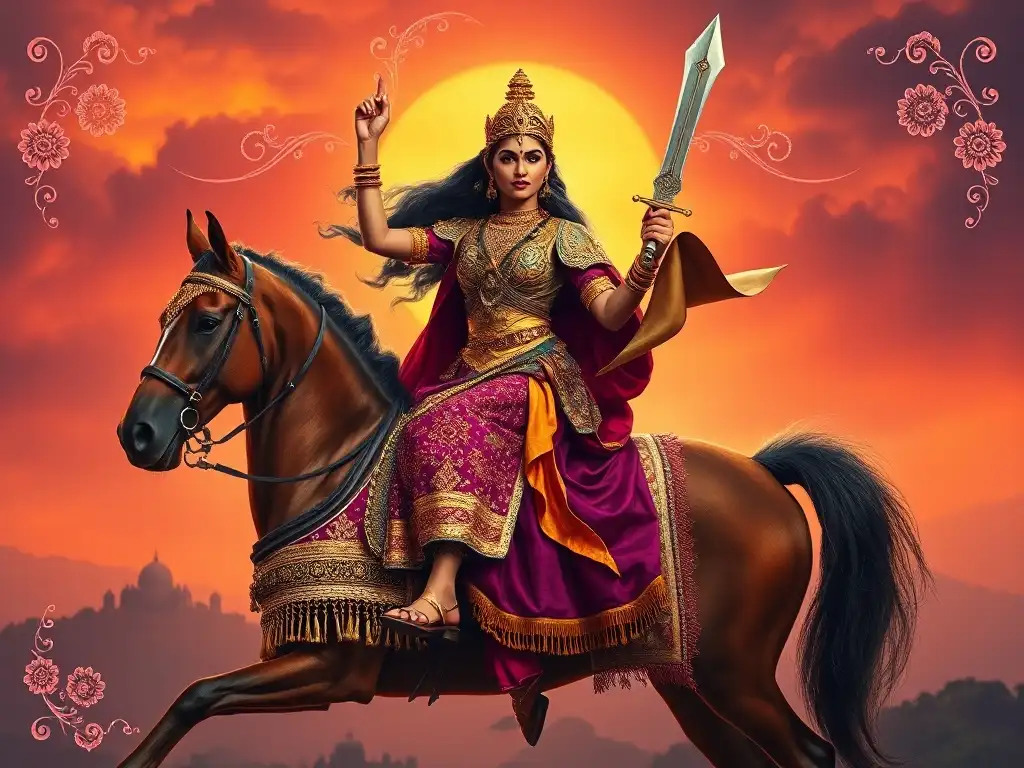
Rani Durgavati holds a prominent place in the cultural tapestry of ancient India, symbolizing the strength and resilience of women in leadership roles. Her reign in the mid-16th century as the queen of Gondwana is marked not only by her military prowess but also by her dedication to the welfare of her subjects and the promotion of culture and the arts. As a patron of art and architecture, Rani Durgavati's contributions laid the groundwork for the cultural richness that the region enjoys even today.
Her legacy extends beyond her lifetime, as she is often invoked as a symbol of female empowerment in various cultural narratives. By challenging the patriarchal norms of her time, she has inspired countless individuals, particularly women, to pursue leadership roles and assert their rights in society. Rani Durgavati's story is a testament to the enduring spirit of resistance against oppression, making her a cultural icon whose influence resonates across generations.
Representation of Rani Durgavati in Art and Literature
Rani Durgavati has been immortalized in various forms of art and literature, showcasing her as a fierce warrior and a devoted ruler. A notable representation is found in the numerous historical paintings and sculptures that depict her valor and grace during battle. Artists have often portrayed her with a bow and arrow, emphasizing her skills as a warrior queen who led her troops into combat. These artistic expressions serve as a visual narrative of her strength and leadership.
In literature, Rani Durgavati's life and legacy have been celebrated in poems, plays, and historical accounts. Writers have chronicled her heroism and sacrifices, often highlighting her unwavering commitment to her kingdom and people. These literary works not only document her achievements but also encourage a deeper understanding of her role in history, fostering a sense of pride among those who identify with her legacy.
Festivals and Memorials Celebrating Rani Durgavati
Rani Durgavati's legacy is commemorated through various festivals and memorials that celebrate her contributions to society and her indomitable spirit. One of the most significant events is the Rani Durgavati Jayanti, celebrated annually to honor her birth and achievements. During this festival, cultural programs, including folk dances, theatrical performances, and discussions on her life, are organized, fostering a sense of community and pride in her legacy.
Additionally, memorials and statues dedicated to Rani Durgavati can be found in various locations across Madhya Pradesh, especially in and around her former kingdom of Gondwana. These sites serve as reminders of her enduring influence and as places for reflection on the values she embodied—courage, integrity, and dedication to one's duties. Such celebrations and memorials play a crucial role in keeping her legacy alive, inspiring future generations to embrace leadership and resilience.
Conclusion
Summary of Rani Durgavati’s Leadership Legacy
Rani Durgavati's leadership legacy is characterized by her exceptional bravery, strategic acumen, and deep commitment to her people. Her reign stands as a powerful example of how women can excel in leadership roles, breaking through societal constraints to achieve greatness. Despite facing immense challenges, including invasions and political strife, she remained steadfast in her dedication to her kingdom. Her legendary status continues to inspire leaders and activists, reminding us of the potential for transformative change that lies in courageous leadership.
The Importance of Remembering Rani Durgavati in Ancient Indian History
Remembering Rani Durgavati is crucial for understanding the broader narrative of women's roles in ancient Indian history. Her life exemplifies the contributions of women leaders who played pivotal roles in shaping their societies. By studying her legacy, we can gain insights into the dynamics of power, resistance, and cultural identity during a tumultuous period in Indian history.
Additionally, acknowledging her significance helps to challenge contemporary perceptions of gender roles, encouraging a re-evaluation of the contributions women have made throughout history. Rani Durgavati's story serves as a powerful reminder that history is enriched by the diverse voices and experiences of all its leaders.
References
Rani Durgavati, a prominent figure in the history of India, has been the subject of various scholarly texts and historical analyses. Her life and leadership continue to inspire and inform discussions about female rulers in ancient India. Below are some key texts and resources that provide valuable insights into her legacy.
Key Texts and Resources on Rani Durgavati and Her Legacy
- "Rani Durgavati: The Warrior Queen" by Rachna Sharma
- This book provides an in-depth exploration of Rani Durgavati's life, her ascension to power, and her military campaigns against the Mughal Empire. It highlights her strategic prowess and her role in establishing a legacy of female leadership in India.
- "Women in Ancient India: A Historical Perspective" by R. S. Sharma
- This comprehensive work discusses the roles of women in various historical contexts, including notable figures such as Rani Durgavati. It places her leadership within the broader spectrum of women's contributions to Indian history.
- "The Legacy of Rani Durgavati: A Study of Her Reign" by Prakash Chandra
- Chandra's analysis focuses specifically on the political and cultural implications of Rani Durgavati's reign. It examines her administration, her policies, and their lasting impact on her kingdom and beyond.
- "Feminine Leadership in Ancient India" - Journal of Historical Studies
- This academic journal article discusses the concept of feminine leadership in ancient India, using Rani Durgavati as a case study. It examines the challenges she faced and how she overcame them, providing a scholarly perspective on her legacy.
- "The Life and Times of Rani Durgavati" - Indian Historical Review
- This review article collates various historical accounts and narratives related to Rani Durgavati's life. It emphasizes her significance in the context of the socio-political landscape of 16th-century India.
- Online Archives and Digital Libraries
- Several online platforms, such as the Digital Library of India and the National Digital Library of India, offer access to primary sources, manuscripts, and historical documents related to Rani Durgavati. These resources are invaluable for researchers seeking to understand her leadership legacy.
These texts and resources form a foundational library for anyone interested in studying Rani Durgavati's life, leadership, and the enduring legacy she left behind as a powerful female ruler in ancient India. They contribute to a richer understanding of her impact on Indian history and the role of women in leadership during that era.
- Introduction to Rani Durgavati
- The Leadership of Rani Durgavati
- Major Achievements of Rani Durgavati
- Rani Durgavati's Legacy
- Cultural Significance of Rani Durgavati
- Conclusion
- References
Frequently Asked Questions
What was Rani Durgavati known for in Indian history?
Rani Durgavati was a remarkable ruler of the Gondwana kingdom, renowned for her leadership skills and valiant resistance against Mughal invasions in the 16th century.
How did Rani Durgavati demonstrate her leadership?
She showcased her leadership through strategic military tactics, inspiring her troops, and maintaining administrative control over her kingdom during challenging times.
What is the significance of Rani Durgavati's legacy?
Rani Durgavati's legacy is significant as it highlights the role of women in leadership and combat during ancient times, emphasizing their strength and resilience in the face of adversity.
How did Rani Durgavati's reign impact the Gondwana kingdom?
Her reign brought about prosperity and stability, as well as cultural advancements, reinforcing the importance of independence and self-governance in the region.
In what ways is Rani Durgavati honored today?
Today, Rani Durgavati is celebrated through memorials, literature, and cultural representations, symbolizing the empowerment of women and their contributions to Indian history.
Final Reflection: Embracing the Legacy of Rani Durgavati's Leadership
Rani Durgavati's leadership legacy is not just a historical narrative; it resonates profoundly in today's world, reminding us of the strength and resilience that women can embody in positions of power. As we navigate an era where gender equality remains a pressing issue, her story serves as a beacon of inspiration, urging us to recognize and celebrate the contributions of female leaders throughout history. The courage and determination displayed by Rani Durgavati in the face of adversity challenge us to rethink the boundaries of leadership and the roles women can play in shaping society.
The impact of Rani Durgavati's leadership extends beyond her time, influencing contemporary discussions on female empowerment and representation in leadership roles. Her legacy is a testament to the idea that leadership knows no gender; it is defined by vision, strength, and the ability to inspire others. A leader is one who knows the way, goes the way, and shows the way.
This quote encapsulates the essence of Rani Durgavati's influence, as she not only led her people but also paved the way for future generations of women to embrace their potential and assert their voices in the public sphere.
As we reflect on the lessons from Rani Durgavati's life, let us challenge ourselves to embody her spirit of resilience and courage in our own lives. Consider how you can contribute to fostering an environment that uplifts and empowers women in leadership today.
Whether through mentorship, advocacy, or simply by sharing stories of remarkable women, we can all play a part in continuing the legacy of Rani Durgavati. Embrace the feminine force within you and strive to make a difference, for the future of leadership is not just about who leads, but how we uplift one another along the journey.
Embrace the Legacy of Rani Durgavati!
Thank you for diving into the inspiring journey of Rani Durgavati and her remarkable leadership! Your interest in her legacy reflects a commitment to understanding the powerful role women have played throughout history. Now, let's transform that knowledge into action!
Here are a few impactful steps you can take:
- Join a local or online book club that focuses on historical figures to further explore the stories of influential women like Rani Durgavati.
- Share this article with friends and family to ignite discussions about the impact of women in leadership roles throughout history.
- Develop a personal project that highlights women leaders from your community or family, showcasing their contributions and sharing their inspiring stories.
What qualities of Rani Durgavati’s leadership encourage you to take action in your own life?