
The Temples of Khajuraho: A Study of Eroticism in Ancient Architecture

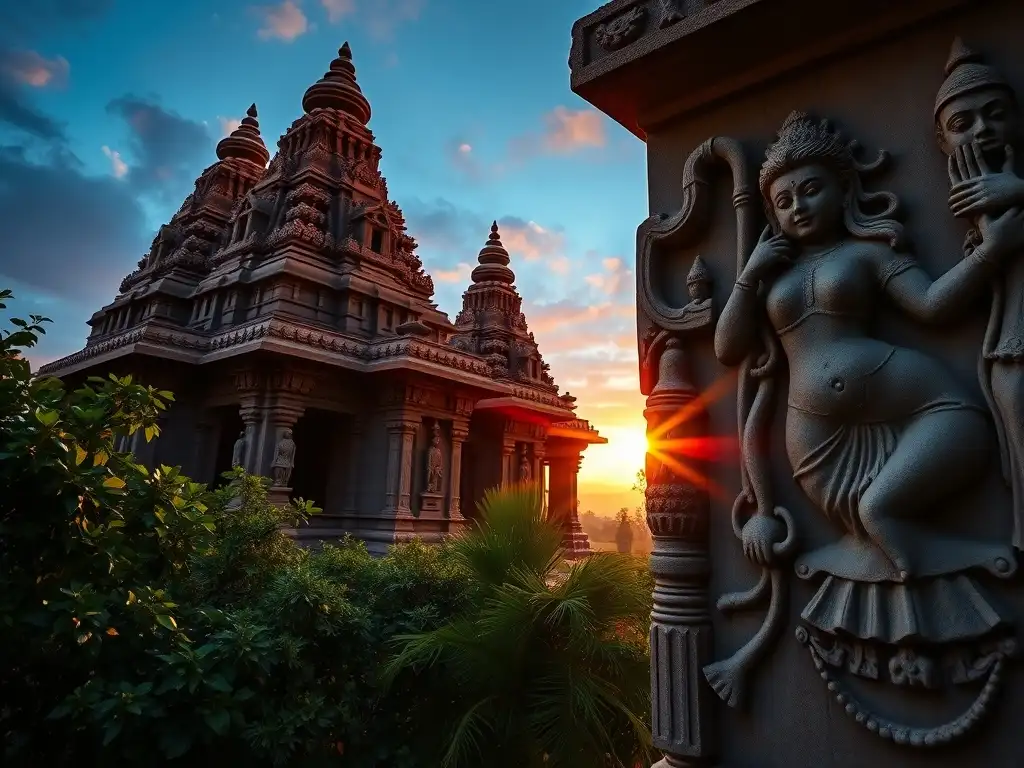
Welcome to Ancient India History, where we embark on a captivating journey through the rich tapestry of India's past. Delve into the mystique of the Khajuraho temples, renowned for their breathtaking erotic architecture that challenges the conventional boundaries of art and spirituality. What secrets do these intricate carvings hold? As we explore the intertwining of eroticism and devotion in ancient Indian architecture, prepare to uncover insights that will forever change your understanding of this remarkable civilization. Let curiosity guide you as we unveil the profound narratives behind these legendary structures.
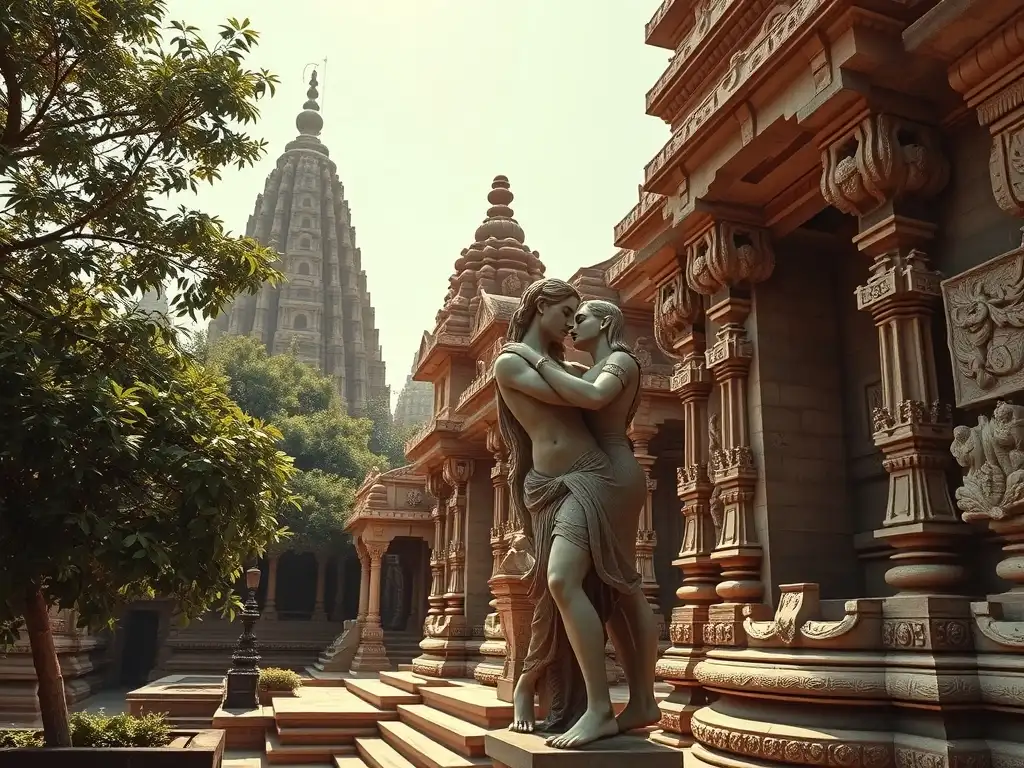
Introduction to Khajuraho Temples
The Khajuraho temples, a UNESCO World Heritage Site, stand as a testament to the rich cultural and architectural heritage of ancient India. Located in the heart of Madhya Pradesh, these temples were constructed between 950 and 1050 CE during the rule of the Chandela dynasty.
Renowned for their intricate sculptures and unique architectural style, the Khajuraho temples are particularly famous for their depictions of eroticism, which offer a fascinating glimpse into the social, religious, and artistic lives of the people of that era. This exploration of the Khajuraho temples' erotic architecture not only reveals the aesthetic sensibilities of ancient India but also challenges modern perceptions of sexuality and spirituality.
Overview of Khajuraho and its Historical Significance
Khajuraho was once a thriving political and cultural center, serving as the capital of the Chandela rulers. The temples reflect the zenith of Indian temple architecture, harmoniously blending art, spirituality, and eroticism. The Chandela dynasty, which ruled from the 9th to the 12th century, was known for its patronage of the arts, leading to the construction of around 85 temples, of which approximately 25 remain today.
These temples are not merely places of worship; they are also a celebration of life, embodying the philosophy that the divine can be experienced through the sensual. The intricate carvings and sculptures depict a wide range of subjects, from celestial beings to the everyday life of humans, emphasizing a holistic view of existence that encompasses both the sacred and the profane.
Understanding the Concept of Erotic Architecture in Ancient India
The presence of erotic sculptures in the Khajuraho temples has often sparked intrigue and debate among historians and art enthusiasts alike. In ancient Indian culture, sexuality was not seen as taboo but as an essential aspect of life, intricately linked to spirituality and the pursuit of dharma (righteousness). The term "erotic architecture" in the context of the Khajuraho temples refers to the celebration of love, sensuality, and human experience through art.
These erotic depictions serve multiple purposes: they are a celebration of life, a reflection of the Kamasutra's teachings, and a means of conveying deeper philosophical ideas. The sculptures invite viewers to appreciate the beauty of the human form and the complexity of human relationships, emphasizing the importance of love and desire in the quest for spiritual enlightenment.
The Architectural Features of Khajuraho Temples
The Khajuraho temples are a remarkable blend of artistic expression and architectural innovation. Each temple showcases unique design elements that illustrate the advanced techniques and aesthetic sensibilities of the time.
Unique Design Elements of Khajuraho Temples
The architecture of Khajuraho temples is characterized by its intricate carvings, towering spires (shikharas), and a layout that often includes a sanctum (garbhagriha), hall (mandapa), and an assembly hall (sabha mandapa). The temples are constructed primarily from sandstone, which allowed for detailed carvings and a striking visual appeal.
Some of the notable design elements include:
- Sikhara: The towering spire that symbolizes the mythical Mount Meru, the axis of the universe in Hindu cosmology.
- Mandapas: Open pillared halls that serve as gathering spaces for worshippers and community events.
- Intricate Carvings: Each temple is adorned with thousands of sculptures that depict various aspects of life, including gods, goddesses, and scenes of daily activities.
Iconography and Symbolism in Erotic Sculpture
The erotic sculptures of Khajuraho are not merely for aesthetic enjoyment but are laden with symbolism and meaning. They often depict couples in various stages of intimacy, as well as celestial beings engaging in playful interactions. This iconography can be interpreted as a portrayal of the union of the divine and earthly, illustrating the belief that sensuality and spirituality are intertwined.
The sculptures serve as an artistic representation of the Kama Shastras, ancient texts that explore the philosophy of love and desire. The presence of these erotic elements encourages a broader understanding of spirituality, suggesting that embracing one's sensuality can lead to a deeper connection with the divine.
The Khajuraho temples stand as an extraordinary example of ancient Indian erotic architecture, inviting visitors to explore the rich tapestry of life, love, and spirituality that permeated the civilization of their time.
Historical Context of Khajuraho Temples
The Khajuraho temples, renowned for their stunning erotic sculptures and intricate carvings, are a testament to the architectural and artistic achievements of ancient India. Built between 950 and 1050 CE, these temples were constructed during the reign of the Chandela dynasty, a time when Hinduism and Jainism flourished. The temples serve not only as places of worship but also as reflections of the cultural, social, and religious dynamics of the period. The intricate designs and erotic motifs found in the sculptures suggest a society that embraced sensuality and viewed it as an integral aspect of life and spirituality.
The temples are located in the heart of Madhya Pradesh, India, and originally numbered over 80, though only about 25 have survived to this day. This UNESCO World Heritage site provides invaluable insights into the artistic and architectural innovations of the time, showcasing the unique blend of spirituality and eroticism that characterizes much of ancient Indian art.
The Chandela Dynasty: Patrons of Khajuraho Temples
The Chandela dynasty, a powerful ruling dynasty in northern India, played a pivotal role in the construction of the Khajuraho temples. Ascending to prominence in the 9th century, the Chandelas were known for their patronage of the arts, culture, and religion. Their reign marked a period of significant architectural development, and they commissioned the construction of the Khajuraho temples as a reflection of their power and devotion.
The dynasty's rulers, such as Dhanga and his son, Dhangadeva, were instrumental in the temple's development. They not only provided the resources necessary for construction but also influenced the thematic elements of the artwork, integrating symbols of sexuality, love, and marital harmony into the religious context. The temples served to legitimize their rule and demonstrate their devotion to the deities worshipped within their walls, particularly Shiva, Vishnu, and the Jain Tirthankaras.
The Historical Timeline of Temple Construction
The construction of the Khajuraho temples can be divided into distinct phases that reflect the evolution of architectural styles and religious practices.
- Early Phase (950-1000 CE): The initial temples were built, focusing on Hindu deities, predominantly Shiva and Vishnu. This period marked the establishment of a unique architectural language that combined intricate sculptures with elaborate temple layouts.
- Mature Phase (1000-1050 CE): The peak of Khajuraho's architectural grandeur occurred during this time. It was characterized by the construction of the largest and most elaborate temples, such as the Kandariya Mahadeva Temple. The use of erotic themes became more pronounced, reflecting the societal acceptance of sexuality.
- Decline Phase (1050-1150 CE): Following the peak, the temples witnessed a gradual decline due to political instability and the rise of other regional powers. Many temples fell into disrepair, though the remaining structures continued to be revered as sacred sites.
The timeline of the Khajuraho temples provides a window into the historical and cultural shifts that shaped ancient Indian society, illustrating the complex interplay between art, religion, and politics.
Thematic Exploration of Eroticism in Khajuraho Temples
The erotic sculptures of Khajuraho have garnered global attention and sparked extensive discussions about their significance. These carvings offer a rich thematic exploration of sexuality within the context of ancient Indian culture.
Representation of Sexuality in Ancient Indian Culture
In ancient India, sexuality was not viewed with the same stigma as in many contemporary societies. Instead, it was celebrated as a natural and integral part of life. The Khajuraho temples encapsulate this ethos, presenting sexuality openly and artistically. The sculptures depict various aspects of human relationships, including love, desire, and marital intimacy, often featuring couples in a myriad of poses and activities.
These representations are reflective of the Kama Sutra, an ancient Indian text that discusses love, desire, and the art of living. The temples serve as a physical manifestation of these ideals, encouraging viewers to embrace their sensuality within the larger framework of spirituality. This acceptance of eroticism in art highlights the importance of love and desire as components of human experience, fostering a holistic understanding of life.
The Role of Eroticism in Religious and Spiritual Contexts
Eroticism in the Khajuraho temples transcends mere depiction of physical intimacy; it plays a crucial role in the spiritual realm. The sculptures suggest that sexual union can be a metaphor for the divine union between the human soul and the ultimate reality, or Brahman. This philosophical perspective is rooted in the belief that the sacred and the profane are interconnected.
The temples' erotic imagery invites worshippers to contemplate the divine through the lens of human experience. The celebration of eroticism within a sacred context encourages a deeper understanding of the interconnectedness of all aspects of life, promoting spiritual growth through the acknowledgment of human desires. This unique fusion of eroticism and spirituality exemplifies the complexity of ancient Indian thought, where the physical and metaphysical realms coexist harmoniously.
Analyzing Specific Temples Known for Erotic Sculpture
Among the Khajuraho temples, several stand out for their remarkable erotic sculptures. Notable examples include:
- Kandariya Mahadeva Temple: This is the largest and most ornate temple in Khajuraho, dedicated to Lord Shiva. Its elaborate exterior features numerous erotic sculptures, showcasing various sexual positions and themes of love.
- Lakshmana Temple: Known for its stunning carvings, the Lakshmana Temple depicts couples engaging in intimate acts, emphasizing the celebration of love and desire. It is also adorned with intricate motifs and divine figures that enhance its spiritual significance.
- Vishvanatha Temple: This temple is dedicated to Lord Shiva and features both erotic and non-erotic sculptures. The erotic carvings on its walls reflect the cultural values of the time, illustrating the importance of sexuality in the spiritual narrative.
These temples serve as prime examples of how eroticism was intricately woven into the fabric of religious architecture, providing a profound commentary on the values and beliefs of ancient Indian civilization. The Khajuraho temples remain a compelling study of the intersection between art, culture, and spirituality.
Cultural Impact and Legacy of Khajuraho Temples
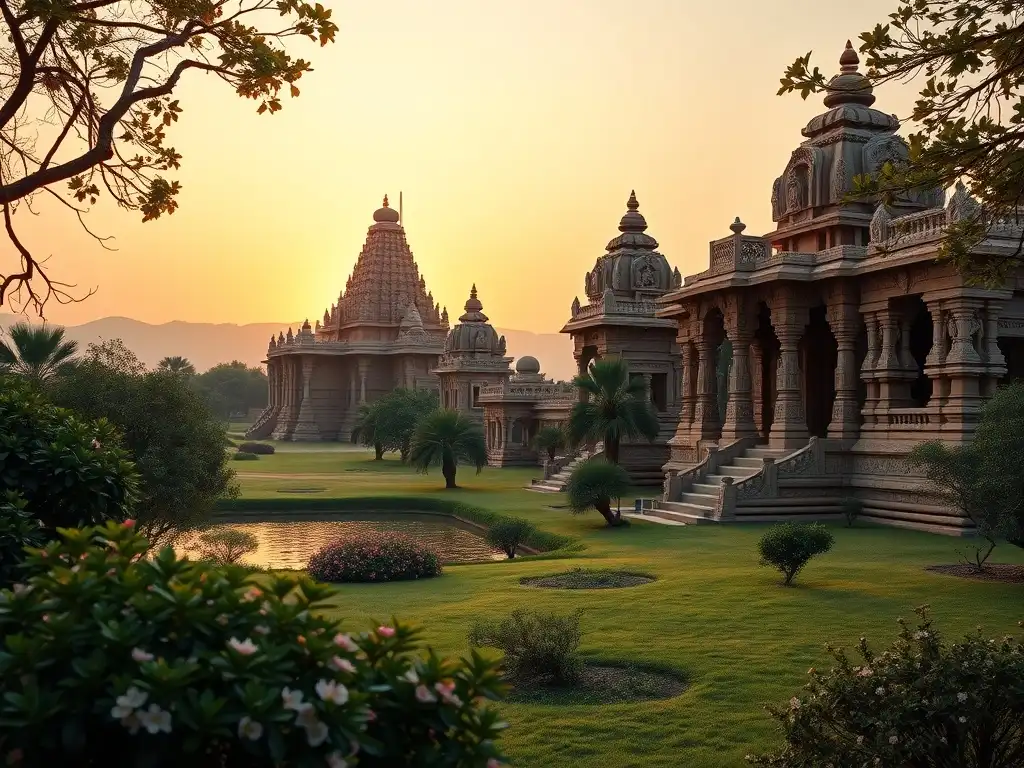
The Khajuraho temples stand as a testament to the artistic and cultural zenith of ancient Indian civilization. Built between 950 and 1050 AD during the rule of the Chandela dynasty, these temples not only reflect the religious fervor of the period but also reveal a complex interplay of spirituality, sexuality, and social norms. The intricate carvings and sculptures depict various aspects of life, including daily activities, dance, and eroticism, all of which contribute to their cultural significance.
The legacy of the Khajuraho temples extends beyond their physical structure; they have influenced literature, art, and cinema. In modern literature, the temples have been referenced as symbols of love and human experience, showcasing the acceptance of sexuality in ancient Indian society. Furthermore, their unique artistry has inspired numerous artists, sculptors, and architects, who draw from the intricate designs and themes present in the temple carvings.
The temples' cultural impact is also reflected in their ability to foster a sense of identity among the local populace. They serve as a reminder of the region's rich history and attract scholars and tourists alike, contributing to a collective understanding of India's diverse heritage.
Influence on Modern Art and Architecture
The Khajuraho temples have significantly influenced modern art and architecture, both in India and globally. Their unique blend of eroticism and spirituality has prompted architects to explore the boundaries of expression in their own designs. Contemporary artists often reference the motifs and figures found in the temple sculptures, integrating these elements into modern artworks to evoke a dialogue between the past and present.
In architecture, the principles of composition and ornamentation observed in Khajuraho have inspired the design of various structures. Notably, the use of intricate carvings and detailed reliefs has found its place in many modern buildings, where architects aim to create spaces that celebrate beauty and craftsmanship.
Additionally, the temples have encouraged a revival of interest in traditional Indian architectural practices, emphasizing the need for sustainable and culturally relevant designs. This resurgence can be seen in various construction projects that aim to reflect the historical richness encapsulated by the Khajuraho temples.
Preservation Efforts and UNESCO World Heritage Status
The preservation of the Khajuraho temples is crucial for maintaining their historical integrity and cultural significance. Recognized as a UNESCO World Heritage Site in 1986, these temples have garnered international attention, leading to increased efforts for their conservation. The designation has not only helped in securing funding for restoration projects but has also raised awareness about the importance of safeguarding this architectural marvel.
Preservation efforts involve a combination of restoration techniques, research, and community engagement. Organizations and government bodies work together to monitor the structural integrity of the temples, address damage caused by weather and natural elements, and control the impact of tourism. Educational programs aim to instill a sense of pride and responsibility within the local community, encouraging them to participate actively in conservation efforts.
The UNESCO status has also spurred global interest in the Khajuraho temples, leading to scholarly research and international collaborations focused on their history, artistry, and cultural context. This ongoing dialogue fosters a deeper understanding of the significance of these temples within the broader narrative of ancient Indian civilization.
Conclusion: The Significance of Khajuraho Temples in Understanding Ancient Indian Civilization
The Khajuraho temples serve as a crucial link to understanding the complexities of ancient Indian civilization. Their intricate depictions of eroticism and daily life highlight the cultural acceptance of sexuality and the celebration of human experiences during a time when such themes were often considered taboo in other parts of the world. The temples represent a synthesis of spirituality, artistry, and societal values, offering insights into the philosophical and cultural paradigms of the era.
Reflections on the Legacy of Erotic Architecture in Khajuraho
The legacy of erotic architecture in Khajuraho invites reflection on the role of sexuality in art and culture. Unlike many cultures where eroticism is shunned, the temples present it as an integral part of life and spirituality. This perspective encourages a re-evaluation of modern attitudes towards sexuality and its representation in art. The intricate carvings challenge viewers to confront their perceptions and embrace a more holistic understanding of the human experience.
The temples also emphasize the importance of context in interpreting art. The erotic sculptures are not merely aesthetic expressions but are deeply embedded within the cultural and religious narratives of the time. They invite discussions about the dualities of life, love, and spirituality, urging contemporary society to reconsider how these themes are portrayed in modern art and architecture.
Future Research Directions on Khajuraho Temples and Their Meaning
Future research on the Khajuraho temples promises to uncover more about the socio-political and cultural dynamics of the Chandela dynasty. Scholars are encouraged to explore the connections between the temple art and the broader historical context of ancient India, examining how these structures were influenced by and contributed to the prevailing ideologies of the time.
Additionally, interdisciplinary studies that integrate archaeology, anthropology, and art history can provide a more comprehensive understanding of the temples' significance. By examining the interplay between eroticism and spirituality, researchers can contribute to a richer narrative that encompasses the diverse meanings encoded within the temple sculptures.
There is also a growing interest in the impact of globalization on the interpretation of Khajuraho's erotic architecture. As tourism continues to increase, understanding how modern perceptions influence the legacy of these temples will be essential for fostering respect for their historical and cultural significance. Engaging with local communities in this research can further empower them to share their knowledge and perspectives, enriching the discourse surrounding the Khajuraho temples.
References
The exploration of the Khajuraho temples and their intricate erotic architecture has attracted the attention of scholars, archaeologists, and art historians alike. Below are key references that provide valuable insights into the historical, cultural, and artistic significance of these remarkable structures.
Recommended Reading on Khajuraho Temples and Ancient Indian Architecture
-
"Khajuraho: The Temples of Love" by D. C. Sircar
This book offers a comprehensive overview of the Khajuraho temples, delving into their architectural styles, historical context, and the symbolism behind the erotic sculptures. Sircar's detailed analysis makes it an essential read for anyone interested in ancient Indian architecture.
-
"The Art and Architecture of the Indian Subcontinent" by James C. Harle
Harle's work is an authoritative guide on the art and architecture of India, including a section dedicated to the Khajuraho temples. This book contextualizes the temples within the broader narrative of Indian architectural evolution.
-
"Erotic Sculpture in India" by R. C. Sharma
This publication focuses specifically on the erotic elements found in Indian sculpture, with a significant portion dedicated to the Khajuraho temples. Sharma explores the themes of love, sexuality, and their representation in art.
-
"Temples of Khajuraho: A Global Perspective" edited by Michael W. Meister
This anthology brings together various scholars to discuss the Khajuraho temples from multiple perspectives, including cultural, religious, and artistic. It is a valuable resource for understanding the temples' global significance.
-
"Sacred Architecture of India" by S. K. Jain
Jain's book examines the spiritual and religious dimensions of Indian architecture, with particular emphasis on how the Khajuraho temples reflect Hindu beliefs and practices.
Academic Studies and Articles on Erotic Architecture
-
"The Sexuality of the Divine: A Study of Khajuraho Temples" by Aditi Dutta
This academic paper explores the theological implications of eroticism within the Khajuraho temples, arguing that these representations are deeply rooted in the worship of the divine.
-
"Art and Eroticism in Indian Temples" by R. S. Gupta
Gupta's research provides an analytical framework for understanding the role of eroticism in Indian temple architecture, using the Khajuraho temples as a primary case study. The article discusses various artistic techniques employed to depict sensual themes.
-
"Cultural Symbolism in the Sculptures of Khajuraho" by Priya Rao
This study examines how the sculptures at Khajuraho convey cultural narratives and societal values related to sexuality and relationships, highlighting the complexity of the imagery.
-
"Khajuraho: The Interplay of Architecture and Eroticism" by Aakash Verma
Verma’s article investigates the architectural elements that contribute to the erotic themes in Khajuraho, analyzing how the design enhances the viewer's experience of the sculptures.
-
"Decoding the Khajuraho Temples: A Feminist Perspective" by Neela Bhattacharya
This feminist analysis discusses the representation of women in the Khajuraho sculptures, focusing on how these images reflect societal attitudes towards gender and sexuality in ancient India.
These references provide a solid foundation for understanding the artistic, cultural, and historical significance of the Khajuraho temples and their celebrated erotic architecture.
- Introduction to Khajuraho Temples
- The Architectural Features of Khajuraho Temples
- Historical Context of Khajuraho Temples
- Thematic Exploration of Eroticism in Khajuraho Temples
- Cultural Impact and Legacy of Khajuraho Temples
- Conclusion: The Significance of Khajuraho Temples in Understanding Ancient Indian Civilization
- References
Frequently Asked Questions
What are the Khajuraho temples known for?
The Khajuraho temples are renowned for their intricate erotic sculptures and detailed carvings that depict various aspects of life, including sensuality and spirituality.
When were the Khajuraho temples built?
These temples were constructed during the Chandela dynasty, primarily between 950 AD and 1050 AD, showcasing the architectural brilliance of that era.
How do the Khajuraho temples reflect ancient Indian culture?
The temples illustrate the diverse cultural values of ancient India, emphasizing the importance of love, relationships, and the spiritual aspects of eroticism in society.
Are all the sculptures in Khajuraho erotic?
While a significant portion of the sculptures depict erotic themes, many also represent mythological figures, deities, and scenes from everyday life, illustrating a holistic view of existence.
Why are the Khajuraho temples considered a UNESCO World Heritage Site?
The Khajuraho temples were designated as a UNESCO World Heritage Site for their exceptional architectural beauty, historical significance, and their unique representation of erotic architecture in ancient India.
Final Reflection: Embracing the Beauty of Khajuraho's Erotic Architecture
The Khajuraho temples stand as a testament to the intricate interplay between art, spirituality, and human expression, showcasing how ancient civilizations embraced themes of love and sensuality within their sacred spaces. In a world where discussions around sexuality often remain shrouded in taboo, the boldness of Khajuraho's erotic architecture invites us to reconsider our perspectives on intimacy and the human experience. These temples are not merely relics of the past; they are vibrant reminders of the cultural richness that celebrates the multifaceted nature of existence.
The influence of Khajuraho's erotic architecture extends beyond its historical context, continuing to resonate in contemporary discussions about sexuality, art, and cultural identity. As we navigate a society that often grapples with the dichotomy of repression and expression, the temples serve as a powerful symbol of acceptance and celebration of the human body. Art is the most beautiful of all lies.
This quote encapsulates the essence of Khajuraho, where the sculptures tell stories of love, desire, and the divine, encouraging us to embrace our own narratives without shame or fear.
As we reflect on the lessons embedded within the intricate carvings of Khajuraho, let us challenge ourselves to explore our own relationships with love and sexuality. I invite you to engage with the themes of this article, allowing the beauty and complexity of human expression to inspire your journey. Whether through art, conversation, or personal exploration, may we all find the courage to celebrate the eroticism inherent in our lives, just as the artisans of Khajuraho did centuries ago.
Unveil the Secrets of Khajuraho!
Thank you for diving into the fascinating world of the Khajuraho temples! By exploring their intricate designs, you’ve uncovered the captivating fusion of art and spirituality in ancient architecture. Now, it’s time to take your newfound knowledge to the next level.
Here are some empowering steps to continue your journey:
- Visit a Local Museum: Look for exhibitions showcasing the rich tapestry of Indian art and architecture. Experiencing similar styles up close can significantly enhance your understanding!
- Join an Online Community: Connect with fellow history enthusiasts to discuss and share insights about the legacy of Khajuraho. Your thoughts and discoveries can inspire and engage others!
- Plan a Trip: Consider visiting Khajuraho in person. These magnificent temples offer an immersive experience that books or articles alone cannot provide.
How do you plan to share the wonders of ancient architecture with others?