
The Global Impact of Indian Festivals: Cultural Exchange and Influence

Welcome to Ancient India History, where we invite you to embark on a fascinating journey through the vibrant tapestry of ancient Indian civilizations. From the majestic Indus Valley to the illustrious Gupta Empire, our exploration reveals the profound cultural significance of Indian festivals that resonate far beyond their origins.
In our featured article, "The Global Impact of Indian Festivals: Cultural Exchange and Influence," you'll uncover how these celebrations not only enrich our heritage but also create bridges of understanding across the globe. Prepare to be captivated by the stories that shape our past and inspire our present—dive in and let the journey begin!
Introduction to Indian Festivals Cultural Significance
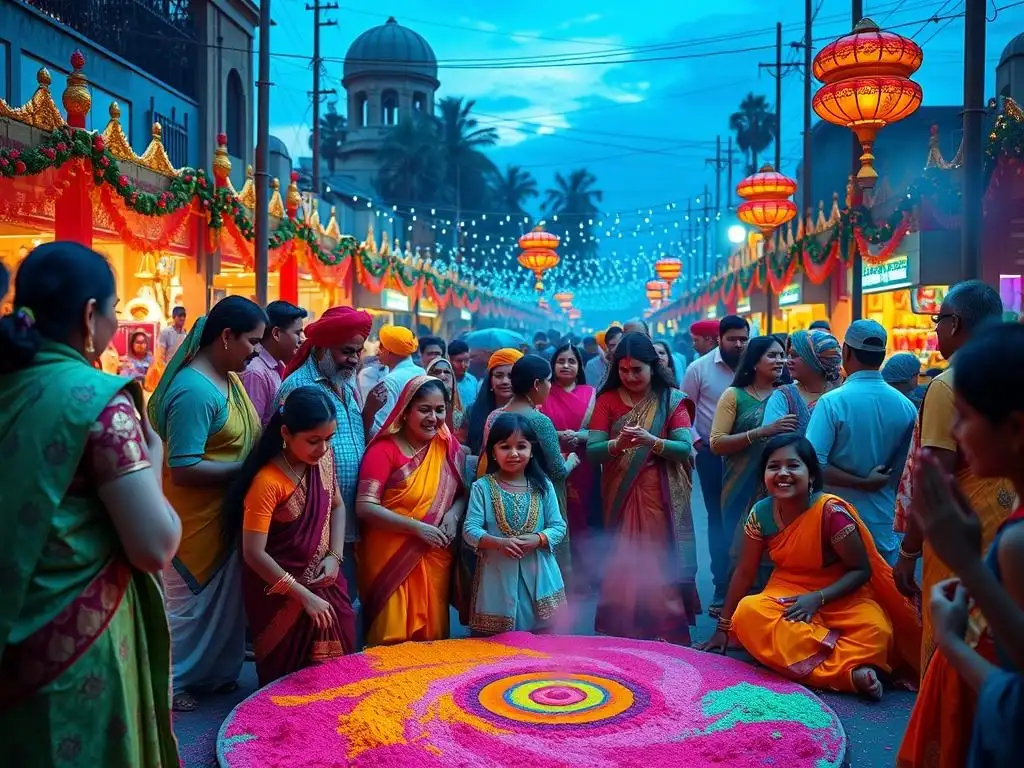
Indian festivals are not just celebrations; they are vibrant reflections of the country’s rich tapestry of history, culture, and spirituality. From the colorful streets adorned with lights during Diwali to the solemn rituals of Durga Puja, these festivals encapsulate the essence of Indian identity and heritage. They serve as a unifying force, bringing together people from diverse backgrounds and communities, fostering a sense of belonging, and facilitating cultural exchange.
The significance of Indian festivals extends far beyond their religious roots, encompassing themes of renewal, gratitude, and social harmony. This article will delve into the cultural significance of Indian festivals, exploring their historical context and tracing their evolution through ancient civilizations.
Historical Context of Indian Festivals
The Roots of Indian Celebrations
The origins of Indian festivals can be traced back to ancient rituals and agricultural practices. Many festivals are closely linked with the agricultural calendar, celebrating the harvest and the changing seasons. For instance, Makar Sankranti marks the end of winter solstice and the onset of longer days, symbolizing the transition from darkness to light. These celebrations were deeply intertwined with nature, reflecting the agrarian lifestyle of ancient Indian societies. In addition, festivals served as a means to honor deities and express gratitude for the bounties of life.
Throughout history, these celebrations evolved, absorbing influences from various cultures and traditions. The syncretism of ideas and practices resulted in a rich diversity of festivals across different regions of India, each with its unique flavors and customs. Consequently, Indian festivals became a melting pot of cultural significance, showcasing the interplay between tradition and modernity.
Festivals in Ancient Indian Civilizations
In ancient Indian civilizations, festivals played a crucial role in social and communal life. The Indus Valley Civilization, one of the earliest urban cultures, is believed to have celebrated seasonal festivals that revolved around agricultural cycles. Archaeological findings suggest that rituals were performed to appease nature and ensure prosperity.
As we move to the Vedic period, religious festivals gained prominence, with elaborate rituals and ceremonies performed to honor various deities. The festivals of this era emphasized the importance of community participation, reinforcing social bonds among individuals. Similarly, during the Maurya and Gupta Empires, festivals like Ashoka's celebrations of his Dhamma and the observance of solar and lunar events highlighted the cultural significance of time and nature in ancient Indian societies.
Festivals in ancient India were not merely occasions for merriment; they were deeply rooted in the socio-cultural fabric, reflecting the values, beliefs, and aspirations of the people. The legacy of these celebrations continues to influence modern Indian festivals, making them a vital part of the global cultural exchange.
Major Indian Festivals and Their Cultural Significance
Indian festivals are a vibrant reflection of the country's rich cultural tapestry, representing its diverse traditions, beliefs, and values. Each festival carries profound cultural significance and showcases a unique aspect of Indian heritage. From ancient rituals to modern interpretations, these celebrations foster a sense of community and belonging. They not only mark the passage of time but also serve as occasions for families and friends to come together, strengthening social bonds and promoting cultural continuity.
The major festivals—such as Diwali, Holi, Eid, and Christmas—offer insights into the philosophical and spiritual ethos of the Indian civilization. They often symbolize triumph over adversity, the arrival of seasons, or the honoring of deities, illustrating the intricate relationship between culture and spirituality. Understanding these festivals allows for a deeper appreciation of their role in shaping not just local, but global cultural narratives.
Diwali: The Festival of Lights
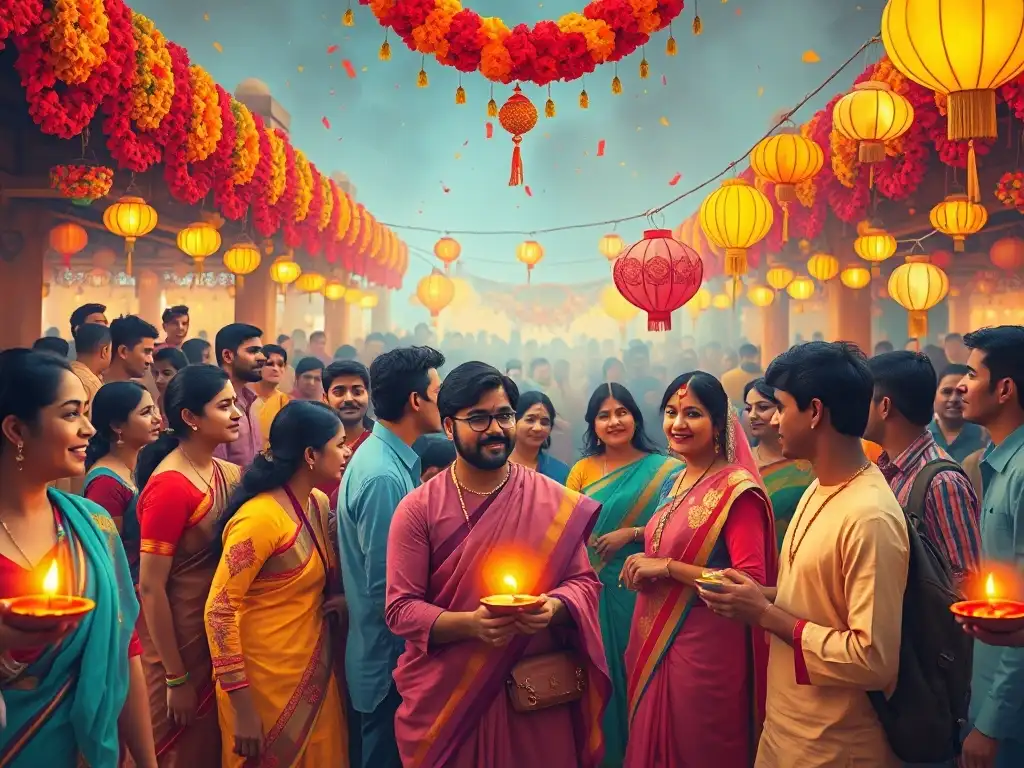
Diwali, also known as Deepavali, is one of the most celebrated festivals in India, symbolizing the victory of light over darkness and good over evil. Observed by millions across the globe, Diwali lasts for five days and is characterized by the lighting of oil lamps (diyas), bursting of fireworks, and the exchange of sweets and gifts. Each day of Diwali holds its own significance, with the third day being the main celebration, marking Lord Rama's return to Ayodhya after defeating the demon king Ravana.
The cultural significance of Diwali extends beyond its religious roots; it encompasses themes of renewal, forgiveness, and unity. Families clean and decorate their homes, symbolizing the welcoming of prosperity and happiness. The festival also encourages charity and community service, as people often donate to the less fortunate during this time. With its increasing global recognition, Diwali has become an occasion for cultural exchange, celebrated by people of various backgrounds, further highlighting its universal values of hope and joy.
Holi: The Festival of Colors
Holi, known as the Festival of Colors, celebrates the arrival of spring and the victory of love and devotion. This exuberant festival is marked by the playful throwing of colored powders and water, symbolizing joy, fertility, and the blossoming of relationships. Holi is deeply rooted in Hindu mythology, particularly the legend of Prahlad and Holika, which underscores the themes of devotion and the triumph of good over evil.
Culturally, Holi transcends religious boundaries, inviting people from different backgrounds to partake in the festivities. It serves as a powerful reminder of the importance of community and camaraderie. The festival promotes social harmony as individuals come together, irrespective of caste, creed, or background, to celebrate love and friendship. Globally, Holi has gained popularity, with events held in various countries, showcasing its appeal as a vibrant cultural celebration that fosters connection and understanding among diverse groups.
Eid and Christmas: Interfaith Celebrations in India
In India, the celebration of Eid and Christmas reflects the country's commitment to interfaith harmony and coexistence. Eid, celebrated by Muslims, marks the end of Ramadan and is characterized by communal prayers, feasting, and acts of charity. The festival emphasizes the values of compassion, generosity, and community spirit, inviting everyone to partake in the celebrations, regardless of their faith.
Christmas, celebrated by Christians, commemorates the birth of Jesus Christ. It is marked by festive decorations, carols, and family gatherings, emphasizing themes of love, peace, and goodwill. The melding of these two significant religious celebrations showcases India's pluralistic ethos, where diverse traditions coexist and enrich one another.
Both Eid and Christmas have become occasions for cultural exchange, with people from different communities participating in each other's celebrations. This cross-cultural engagement fosters mutual respect and understanding, allowing individuals to appreciate the rich tapestry of beliefs that form India's identity.
The Role of Indian Festivals in Promoting Cultural Exchange
Indian festivals play a pivotal role in promoting cultural exchange, both within the country and across the globe. They provide opportunities for individuals to engage with diverse traditions, fostering an environment of learning and appreciation. When festivals are celebrated collectively, they break down barriers and cultivate a sense of shared identity, allowing participants to explore the nuances of each other's heritage.
Through cultural exchange, Indian festivals introduce global audiences to various customs, rituals, and cuisines, enhancing cross-cultural dialogue. This interaction not only enriches the lives of those involved but also promotes a more inclusive understanding of cultural practices worldwide.
Festivals as a Medium for Cultural Dialogue
Festivals serve as a dynamic platform for cultural dialogue, where different communities can come together to share their traditions and practices. This interaction encourages respect and curiosity about other cultures, leading to a more harmonious coexistence. For instance, during festivals like Diwali and Holi, people from various backgrounds participate in the celebrations, learning the stories and customs associated with each event.
The shared experience of festivities fosters an appreciation of diversity, allowing individuals to find common ground in their differences. Workshops, cultural performances, and community events during festivals also highlight the importance of cooperation and dialogue, ultimately enriching the social fabric of society.
The Influence of Indian Festivals on Global Celebrations
The influence of Indian festivals has extended beyond national borders, impacting global celebrations in diverse ways. Festivals like Diwali and Holi have found their way into the cultural calendars of various countries, attracting participants from different backgrounds. Cities around the world now host large-scale events, parades, and celebrations that incorporate traditional Indian customs, music, and cuisine.
This global recognition of Indian festivals underscores their universal themes of joy, unity, and renewal. Moreover, the fusion of Indian elements into local celebrations promotes cultural diversity and encourages people to engage with traditions different from their own. As a result, Indian festivals have become a vital part of the global cultural landscape, enriching the world's celebrations while emphasizing the importance of inclusivity and shared human experiences.
The Economic Impact of Indian Festivals on Global Scale
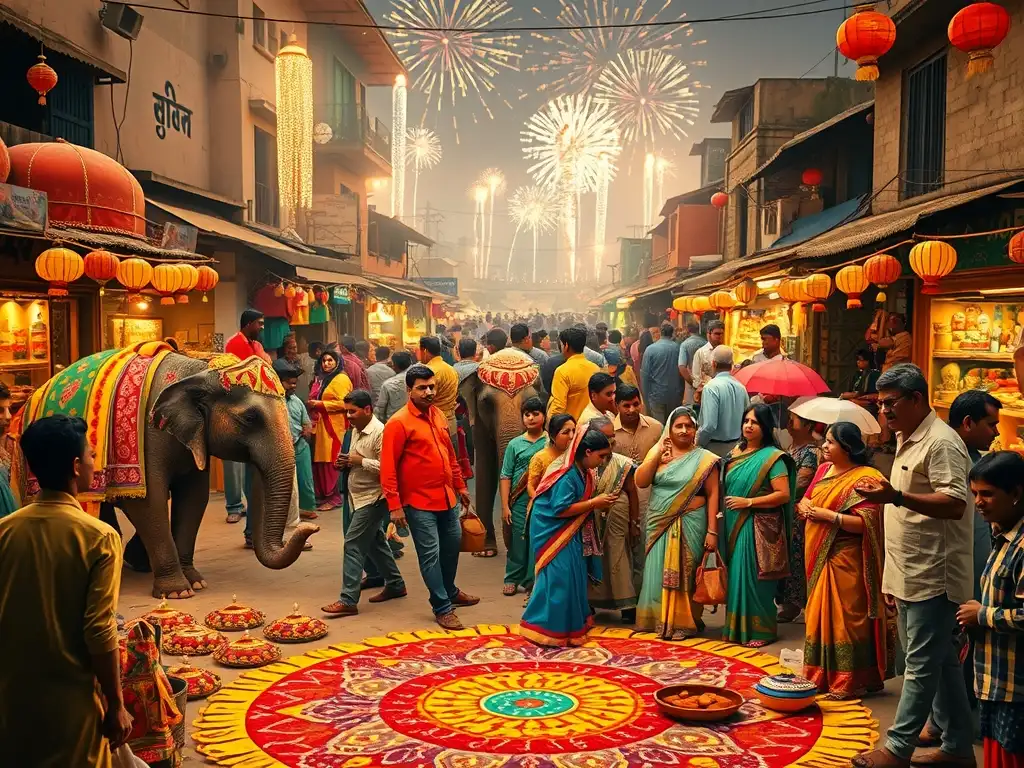
Indian festivals have garnered global attention not only for their vibrant celebrations but also for their significant economic impact. The multifaceted economic contributions stem from tourism, local business stimulation, and global market integration. By attracting visitors from around the world, Indian festivals serve as a catalyst for economic growth, creating jobs and generating revenue in various sectors, including hospitality, retail, and entertainment.
The infusion of cultural elements into the global economy reflects the growing interest in Indian traditions and practices. As people engage with these festivals, they foster a greater appreciation for Indian culture, leading to a more profound cultural exchange. This interplay between culture and economy highlights the importance of Indian festivals in shaping global economic landscapes while preserving their unique cultural significance.
Tourism Boost from Indian Festivals
The influx of tourists during Indian festivals significantly boosts local economies. Major celebrations like Diwali, Holi, and Durga Puja draw millions of visitors both domestically and internationally. These festivals showcase India's rich cultural heritage, attracting tourists who seek authentic experiences.
Tourism during these events leads to increased occupancy rates in hotels, heightened demand for local transportation, and expansion of the food and beverage industry. For instance, during the Ganesh Chaturthi festival, cities like Mumbai see a surge in hotel bookings, while local vendors benefit from the sale of festival-related goods. The economic impact is profound, with estimates suggesting that festivals can contribute millions of dollars to local economies in a short span.
Indian Festivals in Global Markets
The globalization of Indian festivals has opened new avenues in international markets. Many Indian festivals have transcended geographical boundaries, influencing cultural practices in countries with significant Indian diaspora populations. For example, Diwali is celebrated not only in India but also in countries like the United States, Canada, and the United Kingdom, often featuring elaborate public festivities and cultural programs.
Moreover, the rise of social media and digital platforms has enhanced the visibility of these festivals, creating opportunities for global brands to engage with diverse audiences. Businesses leverage the excitement surrounding these festivals to promote their products, resulting in innovative marketing strategies that blend cultural themes with consumer interests. This dynamic fosters a unique cultural exchange, where Indian festivals enrich global markets while adapting to local contexts.
Contemporary Relevance of Indian Festivals
In today's rapidly changing world, Indian festivals continue to hold significant relevance. They serve as a bridge connecting generations, promoting a sense of community and shared identity among diverse populations. The celebration of these festivals fosters unity and reinforces cultural pride, especially among the diaspora, who may be distanced from their native land.
Additionally, contemporary celebrations often incorporate modern elements, reflecting societal changes while maintaining traditional values. This adaptability ensures that festivals remain meaningful and engaging for younger generations, promoting the continuation of cultural practices.
Preservation of Cultural Heritage
Indian festivals play a crucial role in the preservation of cultural heritage. They act as living traditions that pass down customs, rituals, and stories from one generation to the next. Through participation in festivals, individuals gain a sense of belonging and connection to their cultural roots.
Moreover, festivals often highlight regional art forms, music, and dance, providing a platform for artists and artisans to showcase their talents. This not only helps in preserving these art forms but also in promoting them on a global scale. As communities celebrate their heritage, they contribute to the rich tapestry of human culture, ensuring that these traditions endure in an increasingly globalized world.
Challenges and Opportunities
Despite their significance, Indian festivals face challenges in the contemporary context. Urbanization and modernization often lead to the dilution of traditional practices, as younger generations may prioritize global influences over local customs. Furthermore, environmental concerns have emerged, with some festivals leading to pollution and waste generation, prompting calls for more sustainable practices.
However, these challenges also present opportunities for innovation and adaptation. Communities are increasingly embracing eco-friendly practices, such as using biodegradable materials during celebrations. Additionally, festivals are evolving to incorporate technology, enabling virtual participation and broader outreach.
The contemporary landscape of Indian festivals reflects a dynamic interplay between tradition and modernity, showcasing the resilience of cultural practices while addressing the realities of today's world. Through these adaptations, Indian festivals continue to thrive, demonstrating their enduring cultural significance on a global scale.
Conclusion: The Enduring Impact of Indian Festivals on Global Culture
The influence of Indian festivals on global culture is profound and multifaceted, reflecting the rich heritage and vibrant traditions of the subcontinent. As various Indian festivals, such as Diwali, Holi, and Eid, gain popularity beyond their geographical boundaries, they foster a unique cultural exchange that transcends national and ethnic lines.
One significant aspect of this enduring impact is the celebration of diversity. Festivals often integrate local customs and practices, leading to hybrid celebrations that unite various communities. For instance, Holi has been embraced by numerous cultures around the world, often celebrated as a festival of colors in multicultural cities. This adaptability showcases the universal themes of joy, love, and unity that resonate with people from different backgrounds.
Moreover, Indian festivals serve as a bridge for cultural understanding. Through culinary exchanges, music, dance, and art, these celebrations provide opportunities for people to engage with and appreciate the intricacies of Indian culture. The global diaspora has played a crucial role in this dissemination, with Indian communities organizing events that highlight their traditions, thereby inviting others to participate and learn.
The economic impacts of Indian festivals also contribute to their global significance. Festivals stimulate tourism, with travelers seeking authentic experiences tied to cultural celebrations. Cities like Varanasi and Jaipur see a surge in visitors during major festivals, which helps local economies and promotes cultural heritage on an international stage.
The cultural significance of Indian festivals extends far beyond mere celebration; they are vital to fostering global interconnectedness. The enduring impact of these festivals lies in their ability to promote cultural exchange, enhance mutual respect, and create a shared sense of joy and community across diverse populations. As we continue to witness this cultural diffusion, the essence of Indian festivals remains as vibrant and relevant as ever, enriching global culture and fostering unity in diversity.
- Introduction to Indian Festivals Cultural Significance
- Historical Context of Indian Festivals
- Major Indian Festivals and Their Cultural Significance
- The Role of Indian Festivals in Promoting Cultural Exchange
- The Economic Impact of Indian Festivals on Global Scale
- Contemporary Relevance of Indian Festivals
- Conclusion: The Enduring Impact of Indian Festivals on Global Culture
Frequently Asked Questions
What are some of the most significant Indian festivals?
Indian festivals like Diwali, Holi, and Eid are celebrated widely, each with its own cultural significance and historical background that reflects the diversity of Indian traditions.
How do Indian festivals promote cultural exchange?
These festivals serve as a platform for cultural exchange, where people from different backgrounds come together to celebrate, share traditions, and learn about each other's customs and beliefs.
What role do Indian festivals play in societal cohesion?
Indian festivals foster societal cohesion by bringing communities together, promoting unity and harmony among diverse groups, and reinforcing shared values through collective celebrations.
How have Indian festivals influenced global cultures?
The global impact of Indian festivals can be seen in their adoption and adaptation in various countries, where elements of these celebrations are integrated into local traditions and customs.
What is the cultural significance of Indian festivals in ancient history?
In ancient times, festivals were not just celebrations; they held spiritual and ritualistic importance, marking seasonal changes, agricultural cycles, and serving as a means of honoring deities within Indian civilization.
Final Reflection: Celebrating Cultural Significance Through Indian Festivals
The exploration of Indian festivals and their cultural significance reveals a vibrant tapestry of traditions that transcend geographical boundaries and foster global connections. In today's increasingly interconnected world, these festivals serve not only as a celebration of heritage but also as a powerful medium for cultural exchange. They remind us that our differences can unite us, sparking curiosity and appreciation for diverse customs and beliefs. The essence of these celebrations resonates deeply, inviting us to embrace the richness of our shared human experience.
The influence of Indian festivals on the cultural and social landscape is profound and ongoing. These celebrations are not merely events; they are living expressions of identity, community, and continuity. They inspire a sense of belonging and encourage dialogue among people from various backgrounds. As the renowned author Pico Iyer once said, "> We travel, initially, to lose ourselves; and we travel, next, to find ourselves." This sentiment captures the essence of how engaging with Indian festivals allows individuals to explore their own identities while discovering the beauty of others.
As we reflect on the lessons imparted by these vibrant celebrations, I invite you to consider how you can incorporate the spirit of Indian festivals into your own life. Whether through participating in local events, learning about different cultures, or simply sharing stories with friends and family, every small action contributes to a broader understanding and appreciation of our world's diversity. Let us celebrate the cultural significance of Indian festivals not just as observers but as active participants in the ongoing narrative of humanity, fostering connections that enrich our lives and the lives of those around us.
Thank you for exploring the vibrant world of Indian festivals and their profound impact on global cultural exchange. Your engagement with this topic paves the way for greater understanding and appreciation of diverse traditions. Now, let's take the next step together!
- Join a local festival this weekend to immerse yourself in a new culture and experience the joy firsthand.
- Share this article with friends and family to spark conversations about cultural influences and the stories behind them.
- Start a dialogue on social media about your favorite festival experiences and what they mean to you—your insights could inspire others!
How have you seen cultural festivals shape your community or personal experiences? We invite you to share your thoughts with us!