
Indian Art Forms
Indian Art Forms
59 articles in this topic
Read more about this topic
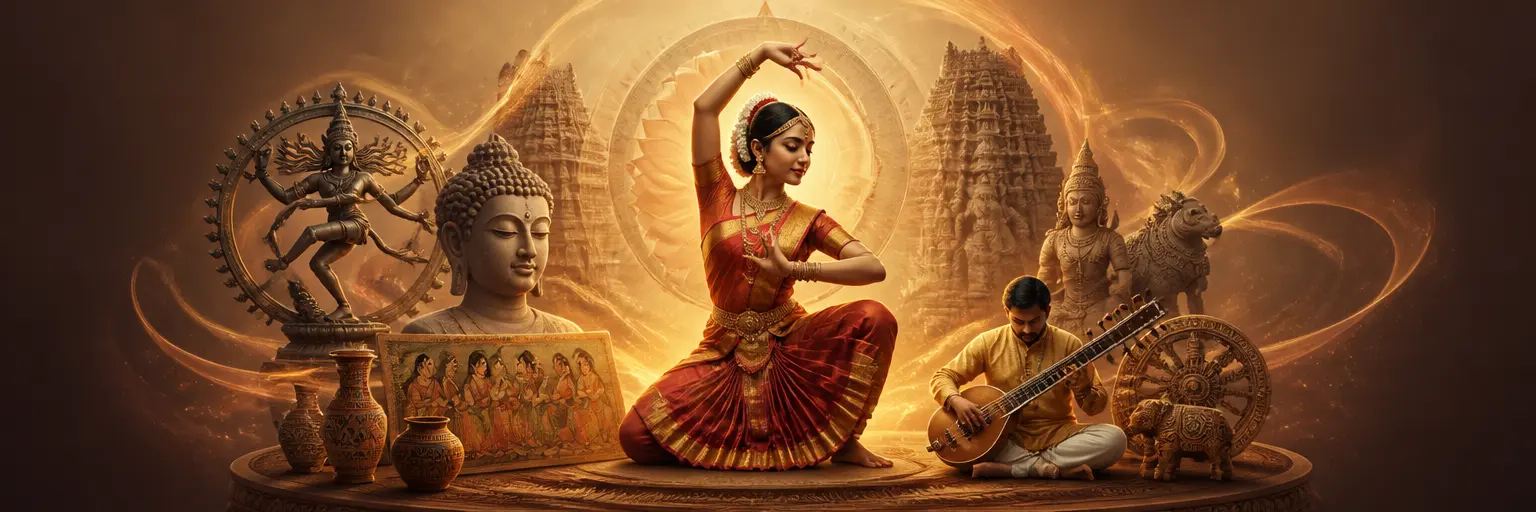
Discover the vibrant world of Indian art forms, where ancient creativity, spirituality, and cultural heritage come to life. Explore classical painting, sculpture, temple art, textiles, pottery, music, dance, and other artistic traditions that flourished from the Indus Valley Civilization through the Gupta Empire. 🪷 Uncover how these masterpieces reflect ancient Indian history, philosophy, religious beliefs, and everyday life, offering timeless insights into one of the world’s most influential civilizations.
More in Indian Art Forms
Indian Art Forms
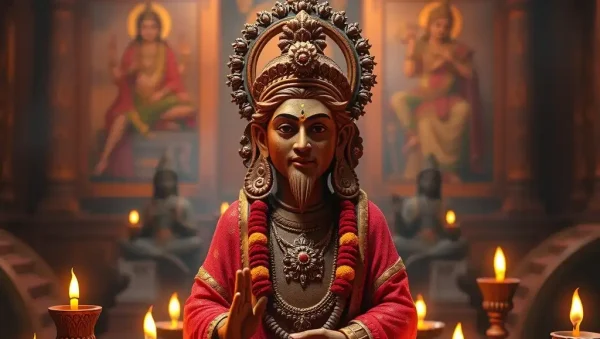
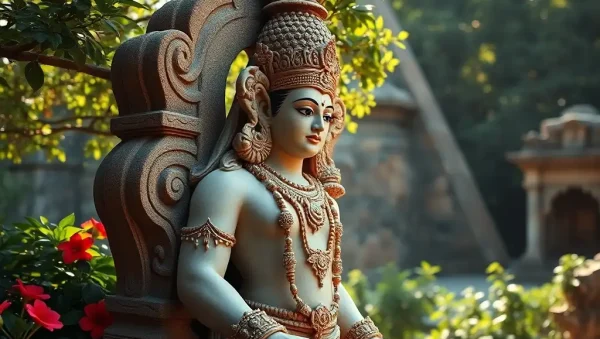
The Significance of Murtis in Indian Art: Beyond Aesthetics
Indian Art Forms
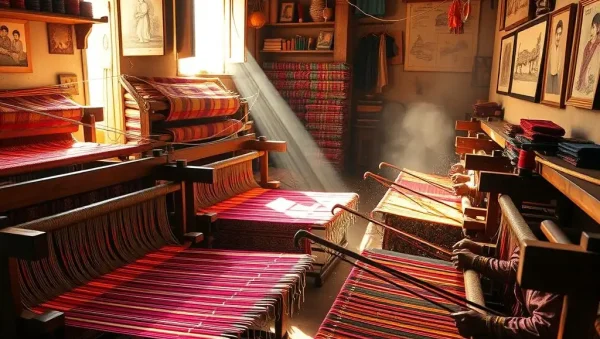
Unveiling the Secrets of Ancient Indian Textile Art: Weaving Stories
Indian Art Forms
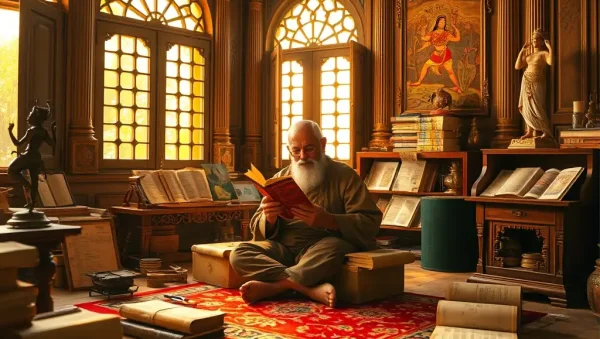
A Study of Ancient Indian Art Criticism: Perspectives Through Time
Indian Art Forms
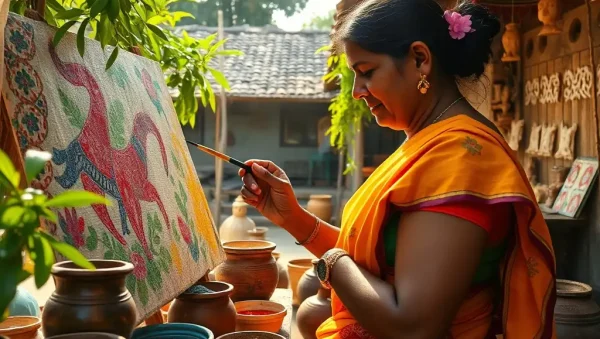
The Legacy of Indian Folk Art: A Living Tradition
Indian Art Forms
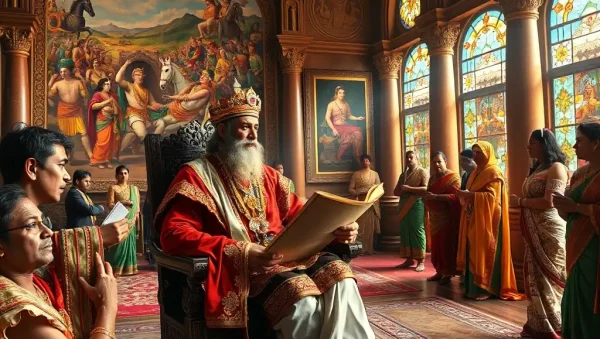
The Use of Art in Ancient Indian Politics: Propaganda and Power
Indian Art Forms
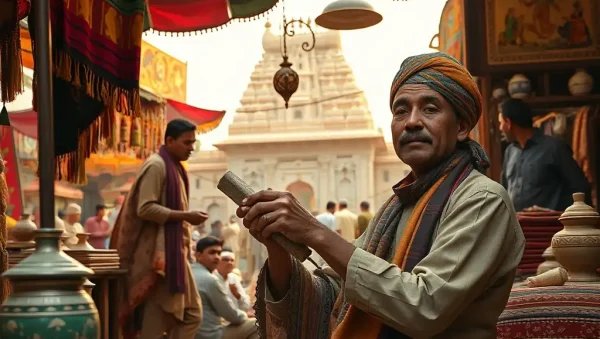
The Global Impact of Indian Art: From Ancient Times to Today
Indian Art Forms
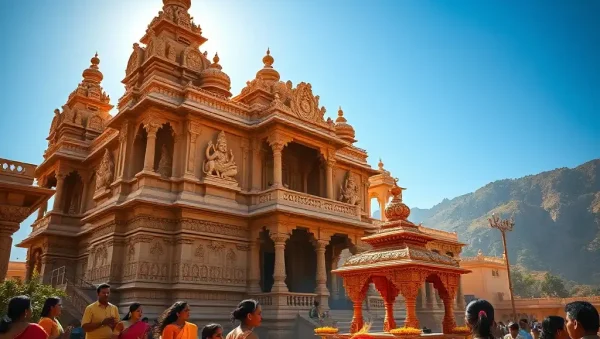
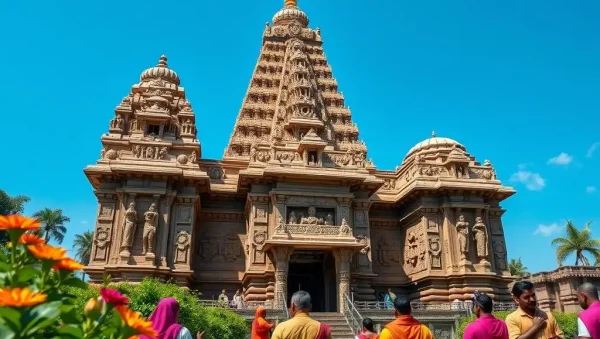
The Architectural Marvels of Ancient India: Temples that Tell Tales
🎨 Indian Art Forms: Ancient Traditions, Symbols, and Cultural Expression
Explore the fascinating world of Indian art forms through the history, beliefs, and creativity of ancient Indian civilizations. This subcategory examines painting, sculpture, architecture, pottery, textiles, jewelry, dance, music, and other artistic traditions that developed from the Indus Valley Civilization to the Gupta Empire and beyond. Discover how ancient Indian artists used materials, symbols, stories, and spiritual ideas to preserve cultural memory and communicate religious and philosophical beliefs.
🏺 Indus Valley Art and Craftsmanship
Learn about the remarkable artistic achievements of the Indus Valley Civilization, including terracotta figurines, painted pottery, stone sculptures, seals, beads, ornaments, and metalwork. Archaeological discoveries from Harappa, Mohenjo-daro, Dholavira, and other settlements reveal advanced craftsmanship, organized production, and a strong appreciation for visual design.
Readers can explore the famous Indus Valley seals, animal motifs, geometric patterns, bronze casting techniques, and evidence of early textile and jewelry traditions. These artifacts provide important clues about trade, social life, religious practices, and the artistic language of one of the world’s earliest urban civilizations.
🗿 Ancient Indian Sculpture and Iconography
Discover how sculpture became an essential form of religious and cultural expression in ancient India. This section explores stone, bronze, terracotta, and wood sculptures associated with Buddhism, Hinduism, and Jainism, including images of deities, yakshas, yakshis, Buddhas, bodhisattvas, and sacred animals.
Understand the meaning of Indian iconography, including gestures, postures, crowns, weapons, ornaments, and symbolic attributes. Articles explain how sculptors followed artistic principles such as proportion, idealized beauty, spiritual presence, and sacred geometry while developing distinctive regional styles at sites such as Mathura, Gandhara, Sanchi, and Amaravati.
🛕 Temple Architecture and Sacred Design
Explore the relationship between Indian architecture, religion, and cosmology through ancient temples, stupas, monasteries, rock-cut caves, and ceremonial structures. Readers can learn how sacred buildings were planned, decorated, and positioned to reflect ideas about the universe, divine order, and the connection between the earthly and spiritual realms.
This section covers important architectural features such as stupas, chaityas, viharas, pillars, gateways, sanctums, relief panels, and carved facades. Discover the development of Buddhist, Hindu, and Jain architectural traditions and the artistic achievements represented by monuments at Sanchi, Ajanta, Ellora, Karle, and other historic sites.
🖌️ Ancient Indian Painting and Murals
Learn about the evolution of ancient Indian painting, from decorative pottery designs and early symbols to sophisticated mural traditions. The Ajanta paintings provide exceptional examples of narrative art, showing scenes from the Jataka tales, royal courts, daily life, nature, clothing, jewelry, and religious devotion.
Readers can explore ancient painting techniques, natural pigments, wall preparation, composition, shading, and storytelling. These works demonstrate how Indian artists combined spiritual themes with human emotion and social observation, creating visual records of ancient culture that remain influential in Indian art history.
🎭 Performing Arts, Dance, and Music
Indian art forms extend beyond objects and monuments to include dance, music, theater, poetry, and storytelling. This section examines the historical roots of Indian performing arts, including the influence of the Natya Shastra, a foundational text associated with drama, performance, gesture, rhythm, expression, and aesthetic experience.
Discover how music and dance were connected with temple rituals, royal courts, festivals, and religious education. Topics may include ancient instruments, melodic traditions, dramatic performance, hand gestures, facial expressions, and the importance of rasa in communicating emotion and meaning through performance.
🧵 Textiles, Pottery, Jewelry, and Decorative Arts
Explore the practical and artistic traditions of ancient Indian craftsmanship, including weaving, dyeing, pottery, beadmaking, metalwork, ivory carving, and jewelry design. Archaeological evidence reveals the importance of cotton, wool, ornaments, glazed materials, semi-precious stones, shells, copper, bronze, gold, and silver in ancient Indian society.
These decorative arts offer insight into ancient Indian trade networks, social identity, technology, and ritual life. Articles explain how patterns, colors, materials, and forms reflected regional traditions, economic status, religious symbolism, and connections with civilizations across Central Asia, Mesopotamia, and the wider Indian Ocean world.
📚 Art, Philosophy, and Spiritual Meaning
Ancient Indian art was closely connected with philosophy, mythology, meditation, and religious practice. Explore how concepts such as dharma, karma, moksha, reincarnation, ahimsa, and cosmic order influenced visual and performing arts across Hindu, Buddhist, and Jain traditions.
Readers will gain a deeper understanding of art as more than decoration. In ancient India, images, buildings, stories, and performances often served as tools for teaching, worship, contemplation, and preserving cultural knowledge. This connection between art, architecture, and philosophy makes Indian artistic history especially rich and meaningful.
🌏 Regional Diversity and Cultural Exchange
Discover the remarkable regional variety of Indian art forms, shaped by geography, local materials, political kingdoms, religious movements, and cultural exchange. From the northwest traditions of Gandhara to the sculptural styles of Mathura and the mural heritage of the Deccan, each region contributed distinctive forms and artistic innovations.
This section also examines connections between ancient India and neighboring cultures through trade, migration, diplomacy, and the spread of Buddhism. Learn how artistic ideas traveled along land and maritime routes, influencing sculpture, architecture, symbolism, and decorative traditions across Asia.
❓ Frequently Asked Questions About Indian Art Forms
What are the main types of ancient Indian art forms?
Major ancient Indian art forms include sculpture, painting, temple and stupa architecture, pottery, metalwork, jewelry, textiles, music, dance, drama, and storytelling. These traditions developed across different civilizations, regions, and religious communities.
What is the oldest known Indian art tradition?
Some of the earliest known Indian artistic traditions are associated with prehistoric rock art and the Indus Valley Civilization. Indus artifacts include painted pottery, terracotta figures, carved seals, beads, bronze objects, and architectural decorations.
Why is ancient Indian art important?
Ancient Indian art preserves evidence of religious beliefs, social organization, technology, trade, clothing, architecture, and everyday life. It also shows how Indian civilizations expressed philosophical ideas through symbols, stories, sacred spaces, and artistic forms.
How did religion influence Indian art?
Religion strongly influenced ancient Indian art by providing themes, symbols, stories, and purposes for creative work. Hindu, Buddhist, and Jain traditions inspired temples, stupas, sculptures, paintings, manuscripts, rituals, and performance practices.
Where can ancient Indian art be studied today?
Important examples can be studied at archaeological sites, museums, temples, caves, and heritage monuments throughout India. Notable locations include Harappa, Mohenjo-daro, Sanchi, Ajanta, Ellora, Mathura, Amaravati, and Gandhara-related collections. Always consult reliable archaeological and historical sources for accurate interpretation.