
Architectural Marvels

Architectural Marvels
60 articles in this topic
Read more about this topic
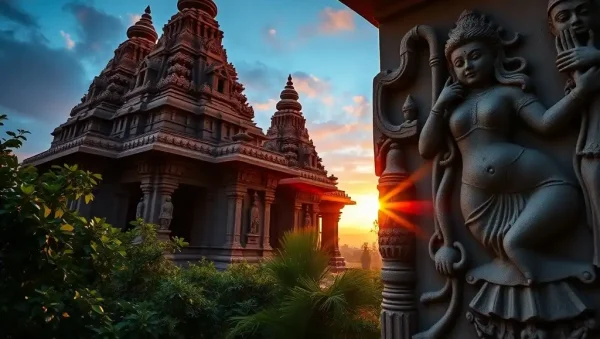
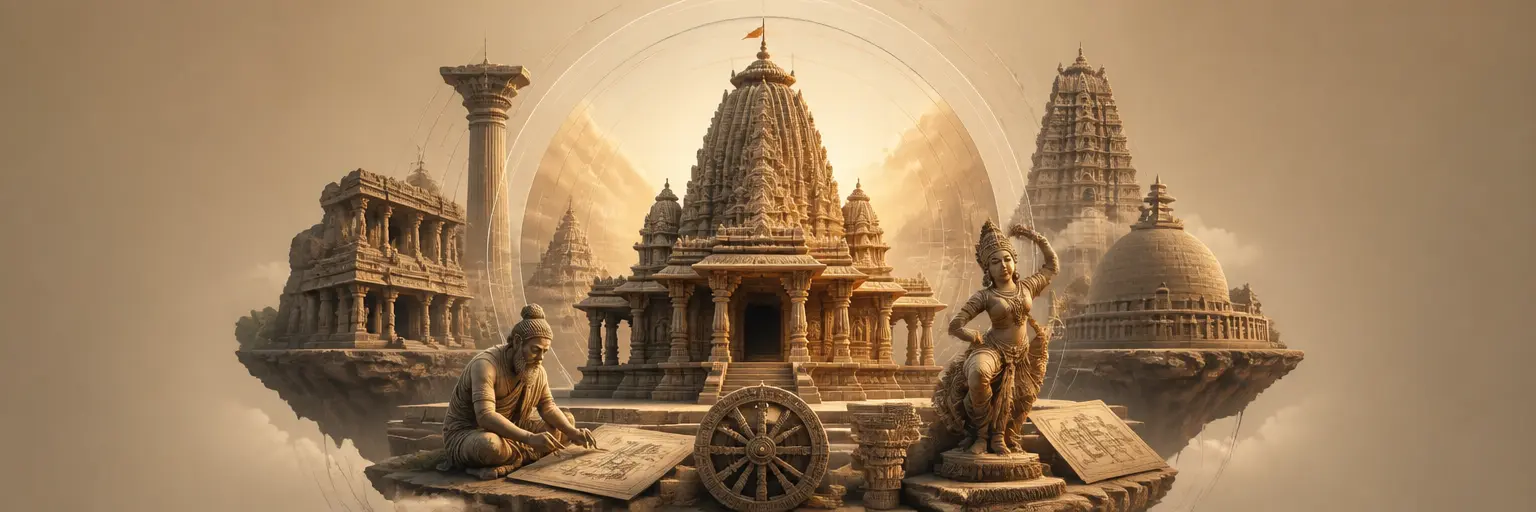
Discover India’s architectural marvels—from the engineering brilliance of the Indus Valley Civilization to the ornate temples, stupas, caves, and monumental structures of the Gupta era. Explore how ancient Indian architecture reflects spiritual beliefs, artistic innovation, advanced construction techniques, and the cultural legacy of one of the world’s oldest civilizations.
More in Architectural Marvels
Architectural Marvels
The Role of Symbolism in Ancient Indian Temple Design
Architectural Marvels
The Architectural Techniques That Defined Ancient Indian Urban Centers
Architectural Marvels
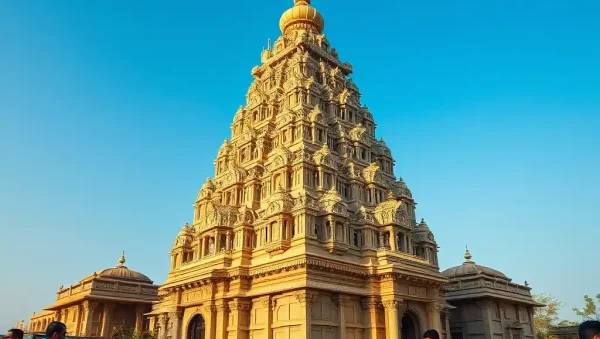
The Architectural Significance of the Jagannath Temple in Puri
Architectural Marvels
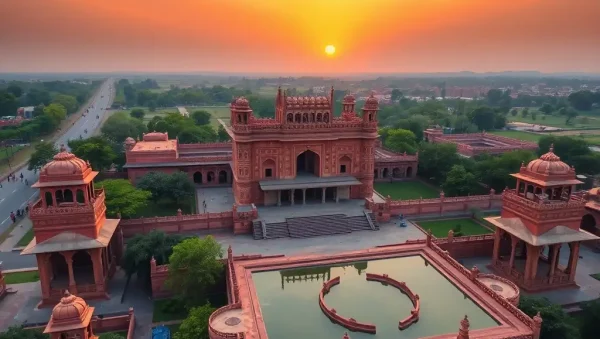
The Ancient City of Fatehpur Sikri: A Blend of Culture and Architectural Splendor
Architectural Marvels
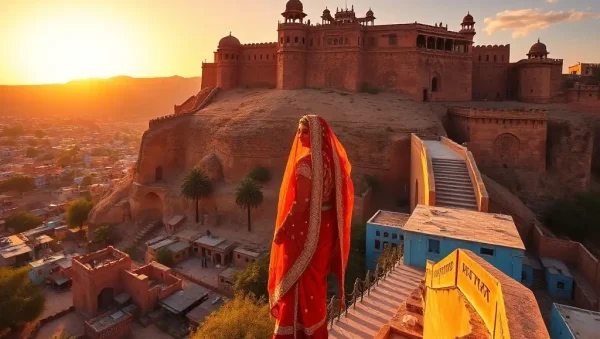
Exploring the Forts of Rajasthan: Architectural Wonders and Their Histories
Architectural Marvels
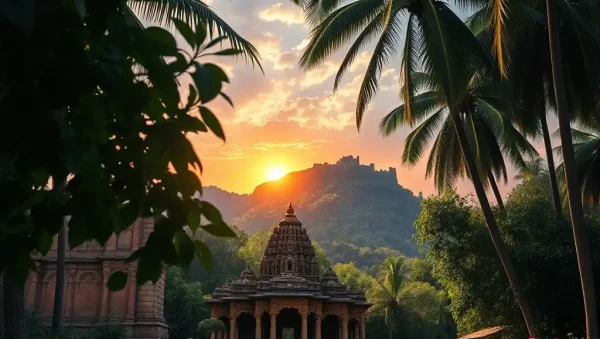
The Forgotten Ruins of Ancient Indian Cities: What They Reveal
Architectural Marvels
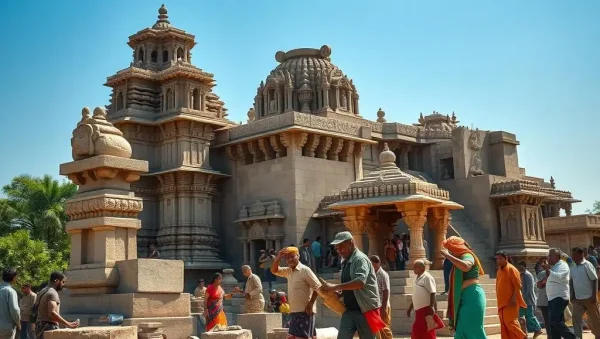
The Role of Community in the Construction of Ancient Indian Structures
Architectural Marvels
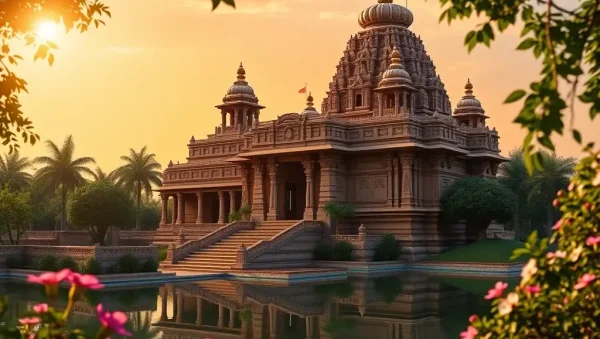
How Ancient Indian Architecture Influenced Modern Design
🏛️ Architectural Marvels of Ancient India
Explore the extraordinary architectural marvels of ancient India through a rich collection of articles about temples, stupas, caves, palaces, cities, pillars, gateways, and sacred monuments. Within the Art, Architecture, and Philosophy category of Ancient India History, this subcategory reveals how Indian civilizations transformed stone, brick, wood, and metal into enduring expressions of religion, science, artistic skill, and cultural identity. Discover the architectural achievements of the Indus Valley Civilization, Mauryan Empire, Buddhist kingdoms, Satavahanas, Kushanas, and Gupta Empire, while learning how ancient Indian builders planned cities, engineered water systems, carved rock sanctuaries, and designed monuments that continue to inspire the world.
🧱 Indus Valley Civilization Architecture
Learn about the remarkable urban planning of Harappa, Mohenjo-daro, Dholavira, Lothal, and Kalibangan. Articles in this section examine carefully organized streets, sophisticated drainage systems, granaries, wells, reservoirs, public buildings, fortified settlements, and standardized baked bricks. These discoveries demonstrate the advanced engineering and civic planning of one of the world’s earliest urban civilizations.
Readers can expect detailed explanations of how Indus Valley cities were built and managed, including their water conservation methods, sanitation systems, residential layouts, and trading facilities. Explore how archaeological evidence helps historians understand ancient Indian city planning, community life, technology, craftsmanship, and the still-unanswered mysteries of Harappan architecture.
🪨 Rock-Cut Architecture and Cave Monuments
Discover the evolution of rock-cut architecture in ancient India through Buddhist, Jain, and Hindu cave complexes. Explore chaityas, viharas, prayer halls, monastic residences, sculptures, inscriptions, and beautifully carved interiors at sites such as Barabar, Ajanta, Ellora, Karla, Bhaja, Udayagiri, and Elephanta.
These articles explain how ancient artisans transformed natural rock into sacred spaces using advanced planning, chiseling techniques, geometry, and artistic imagination. Readers will also learn how cave architecture supported religious practices, pilgrimage, meditation, education, and artistic storytelling across different regions and historical periods.
🛕 Ancient Indian Temples and Sacred Design
Explore the beginnings and development of ancient Indian temple architecture, including early shrine forms, sanctums, mandapas, gateways, pillars, circumambulatory paths, and sculptural programs. This section introduces the religious and symbolic ideas behind temple construction while examining how sacred buildings evolved during the Mauryan, post-Mauryan, Satavahana, Kushana, and Gupta periods.
Readers can discover how temple plans reflected Hindu cosmology, ritual traditions, mythology, astronomy, and philosophical concepts. Articles may also compare regional architectural styles and explain the importance of the garbhagriha, temple orientation, iconography, sacred geometry, and the relationship between architecture and spiritual experience.
☸️ Buddhist Stupas, Viharas, and Monasteries
Study the architectural history of Buddhist stupas and monasteries, including the Great Stupa at Sanchi, Bharhut, Amaravati, Taxila, and other important centers of Buddhist art and learning. Discover the meaning of the anda, harmika, chattra, torana, vedika, and circumambulatory path, as well as the narrative reliefs that depict the life and teachings of the Buddha.
This section explains how Buddhist architecture spread across the Indian subcontinent and developed alongside trade routes, pilgrimage networks, royal patronage, and monastic education. Readers will gain insight into the social, religious, and artistic roles of ancient Buddhist monuments and their lasting influence on Asian architecture.
🏺 Mauryan and Gupta Architectural Achievements
Examine the architectural contributions of the Mauryan Empire, including polished stone pillars, royal construction, stupas, caves, and monumental symbols associated with Emperor Ashoka. Learn how Mauryan craftsmanship, imperial patronage, inscriptions, and engineering established important foundations for later Indian architectural traditions.
Explore why the Gupta period is often regarded as a formative age in Indian temple architecture, sculpture, and religious art. Articles cover early structural temples, refined stone carving, symbolic design, and the cultural developments that influenced later Hindu, Buddhist, and Jain architectural styles throughout India.
🌸 Sculptures, Pillars, Gateways, and Decorative Arts
Discover the decorative details that make ancient Indian monuments visually and historically significant. Explore stone sculpture, carved pillars, toranas, capitals, friezes, floral motifs, animal figures, divine images, yakshas, yakshis, and narrative panels that communicate religious stories, royal authority, social customs, and artistic ideals.
Readers will learn how decoration was integrated with architectural structure rather than treated as simple ornament. Detailed discussions connect sculpture and design with mythology, symbolism, Buddhist and Hindu philosophy, royal patronage, craftsmanship, and the development of Indian artistic traditions.
🌏 Regional Diversity and Cultural Heritage
Ancient Indian architecture was shaped by geography, climate, available materials, political power, religious movements, and local craftsmanship. Explore how architectural traditions differed across the Indus region, Gangetic plains, Deccan plateau, western India, central India, and the southern peninsula.
This section highlights the cultural diversity of India’s ancient heritage while identifying shared principles such as sacred orientation, symbolic planning, water management, monumentality, and community use. Readers can better understand how regional traditions contributed to the broader story of Indian architectural history.
🔎 Frequently Asked Questions About Ancient Indian Architectural Marvels
🏛️ What are the most famous architectural marvels of ancient India?
Important examples include the planned cities of Harappa and Mohenjo-daro, the Great Stupa at Sanchi, Ashokan pillars, Barabar Caves, Ajanta and Ellora caves, Amaravati Stupa, ancient Taxila, and early Gupta temples. Each monument reflects distinctive achievements in engineering, religious architecture, sculpture, urban planning, or stone craftsmanship.
🧱 What did the Indus Valley Civilization contribute to architecture?
The Indus Valley Civilization contributed advanced urban planning, standardized brick construction, covered drainage systems, wells, reservoirs, public buildings, fortified settlements, and carefully organized streets. Sites such as Mohenjo-daro and Dholavira show sophisticated approaches to sanitation, water management, trade, and city administration.
☸️ Why are stupas important in ancient Indian architecture?
Stupas were important Buddhist monuments associated with relics, remembrance, meditation, pilgrimage, and the teachings of the Buddha. Their circular form, raised dome, ceremonial gateways, railings, and circumambulatory paths created a sacred setting for worship and helped spread Buddhist artistic and architectural traditions.
🪨 How were ancient Indian rock-cut caves created?
Artisans carved caves directly into cliffs and hills using iron tools, careful measurement, architectural planning, and extensive labor. They created halls, chambers, pillars, shrines, sculptures, and inscriptions by removing stone rather than assembling separate building materials, producing durable spaces for worship, residence, education, and meditation.
📚 Why is ancient Indian architecture important today?
Ancient Indian architecture provides valuable knowledge about engineering, ecology, religion, urban life, art, social organization, and cultural exchange. Studying these monuments helps preserve India’s heritage, supports historical research, and reveals how earlier societies developed creative and practical solutions that remain relevant to architecture and conservation today.