

Engineering and Construction Techniques

Engineering and Construction Techniques
54 articles in this topic
Start here
- Engineering and Construction TechniquesThe Engineering Techniques Behind Ancient Indian Sculpture
- Engineering and Construction TechniquesIngenious Lift Systems in Ancient Indian Temples: A Closer Look
- Engineering and Construction TechniquesDecoding the Engineering Techniques Used in Ancient Indian Tombs
Read more about this topic
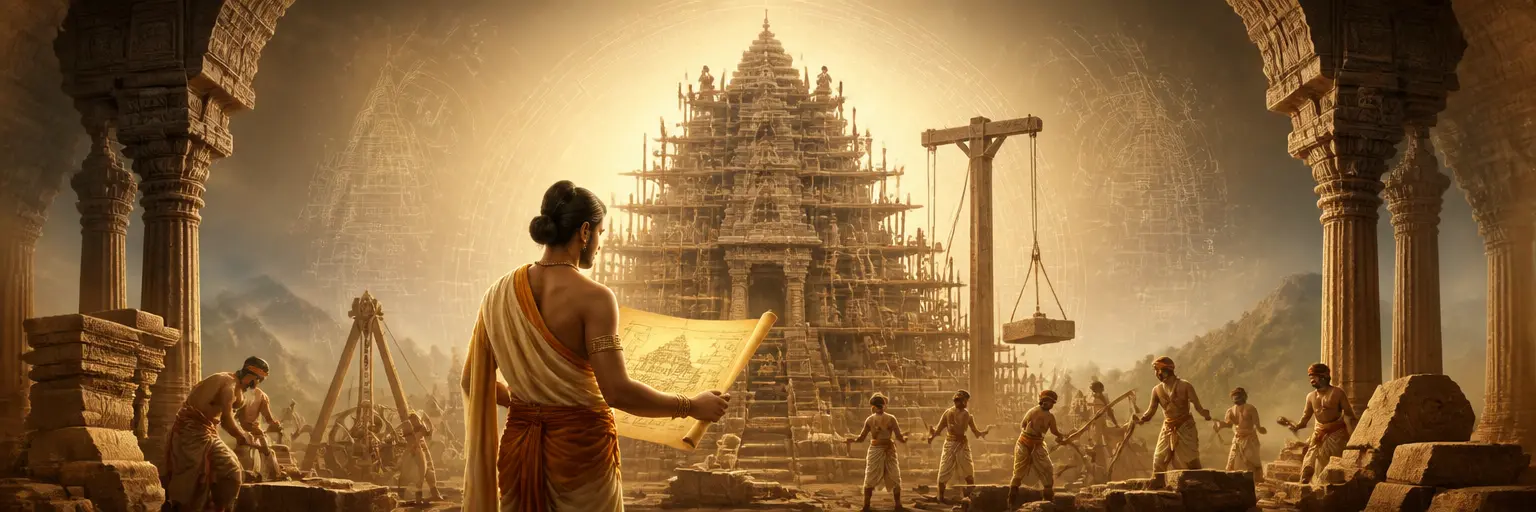
Discover the remarkable engineering and construction techniques of ancient India, where visionary design, advanced craftsmanship, and practical innovation shaped enduring cities, temples, roads, reservoirs, and monuments. Explore how ancient Indian civilizations mastered urban planning, water management, architecture, metallurgy, and structural engineering—revealing technological achievements that continue to inspire historians, architects, and engineers today.
More in Engineering and Construction Techniques
Engineering and Construction Techniques
Insights into Ancient Indian Road Construction Techniques
Engineering and Construction Techniques
The Advanced Techniques Behind Ancient Indian Fortifications

Engineering and Construction Techniques
The Forgotten Techniques of Ancient Indian Shipbuilding
Engineering and Construction Techniques
How the Great Bath of MohenjoDaro Showcased Advanced Engineering

Engineering and Construction Techniques
The Role of Craftsmen and Artisans in Ancient Indian Engineering

Engineering and Construction Techniques
The Architectural Influence of Ancient Indian Dynasties on Southeast Asia
Engineering and Construction Techniques
Unraveling the Mysteries of Ancient Indian Fortress Construction

Engineering and Construction Techniques
The Role of Geometry in Ancient Indian Temple Architecture
🏗️ Engineering and Construction Techniques in Ancient India
Discover the remarkable engineering and construction techniques of ancient India, a fascinating subcategory within Technology and Innovations on Ancient India History. Explore how civilizations from the Indus Valley to the Gupta Empire designed cities, built temples, developed water-management systems, engineered roads, and created monumental architecture. This collection examines the practical knowledge, materials, tools, mathematics, and craftsmanship that shaped ancient Indian civilization and influenced the history of engineering, architecture, and urban planning.
🏙️ Indus Valley Urban Planning and Civil Engineering
Readers can explore the advanced city planning of Harappa, Mohenjo-daro, Dholavira, Lothal, and other Indus Valley Civilization settlements. Topics include grid-pattern streets, carefully planned neighborhoods, standardized bricks, raised platforms, fortified areas, and sophisticated drainage systems. These features reveal an impressive understanding of surveying, public health, construction organization, and urban administration.
Articles in this section explain how ancient engineers managed water, sanitation, housing, and trade infrastructure. Detailed discussions of covered drains, wells, reservoirs, bathing platforms, dockyards, and hydraulic planning show why Indus Valley cities are considered among the earliest examples of organized urban engineering in world history.
🧱 Ancient Indian Building Materials and Construction Methods
Learn how ancient Indian builders selected and used locally available materials such as baked brick, mud brick, stone, timber, lime plaster, clay, and metal. This subcategory examines brick proportions, masonry techniques, foundations, roofing systems, structural supports, and methods for creating durable public and religious buildings.
Readers can also discover how construction knowledge evolved across different regions and historical periods. From early settlements to monumental temples and fortified cities, the content explains the relationship between climate, geography, material availability, craftsmanship, and architectural design in ancient India.
🛕 Temple Architecture and Structural Innovation
Explore the engineering principles behind ancient Indian temples, including the development of Nagara, Dravida, and Vesara architectural traditions. Articles may discuss temple plans, sanctums, mandapas, pillars, gateways, towers, foundations, and decorative stonework while connecting architectural form with religious symbolism and ritual requirements.
This section also highlights the practical skills of architects, sculptors, masons, and artisans. Readers can understand how large stone blocks were quarried, transported, shaped, and assembled, as well as how temples were designed to remain stable while expressing complex artistic and spiritual ideas.
💧 Water Management, Irrigation, and Hydraulic Engineering
Ancient India developed diverse methods for collecting, storing, distributing, and conserving water. Discover stepwells, tanks, reservoirs, canals, dams, wells, embankments, and rainwater-harvesting systems that supported agriculture, cities, trade routes, and religious centers. These systems demonstrate practical hydraulic engineering adapted to local environments.
Readers will learn how water technologies responded to monsoons, droughts, seasonal rivers, and expanding populations. The subcategory also explores the social and economic importance of irrigation, showing how engineering supported food production, settlement growth, public welfare, and long-term environmental adaptation.
🛡️ Fortifications, Roads, Bridges, and Transport Infrastructure
Discover how ancient Indian communities engineered defensive walls, gates, watchtowers, moats, ramparts, and fortified settlements. Discussions of forts and defensive architecture reveal how builders combined geography, stonework, military strategy, and resource planning to protect cities, royal centers, trade hubs, and frontier regions.
This section also examines roads, bridges, causeways, caravan routes, ports, and transport networks. Readers can learn how infrastructure connected agricultural areas, markets, pilgrimage centers, and political capitals, helping ancient kingdoms manage trade, communication, administration, and military movement.
📐 Mathematics, Measurement, and Architectural Knowledge
Ancient Indian construction depended on measurement, geometry, proportion, orientation, and careful planning. Explore the role of mathematics, surveying, geometric layouts, astronomical alignments, units of measurement, and architectural manuals in the design of cities, temples, residences, and public works.
Articles may introduce the knowledge preserved in texts such as the Shulba Sutras, Vastu-related traditions, and classical architectural treatises. Readers will see how theoretical principles were transformed into practical building techniques by skilled engineers, architects, craftsmen, and guilds.
⚙️ Tools, Machinery, and Traditional Craftsmanship
Learn about the tools and working methods used by ancient Indian builders, including chisels, hammers, drills, plumb lines, measuring cords, ramps, levers, scaffolding, and lifting equipment. This content explains how hand tools and simple machines enabled the construction of large structures before modern technology.
The subcategory also presents the importance of specialized labor and knowledge transmission. Stonecutters, metalworkers, carpenters, brickmakers, potters, architects, and guilds contributed to a sophisticated building economy based on training, cooperation, experimentation, and inherited craftsmanship.
🌿 Sustainable Engineering and Environmental Adaptation
Ancient Indian engineering often responded intelligently to natural conditions. Explore building practices designed for heat, monsoon rainfall, flooding, water scarcity, seismic risks, and regional landscapes. Thick walls, courtyards, shaded spaces, elevated foundations, ventilation systems, and water-storage structures reveal valuable forms of climate-responsive architecture.
Readers can also consider how ancient construction balanced human needs with available resources. By studying durable materials, passive cooling, rainwater collection, local stone, and landscape-based planning, this section offers insight into the environmental knowledge behind ancient Indian technology and sustainable design.
❓ Frequently Asked Questions About Ancient Indian Engineering
🏛️ What were the most advanced engineering achievements of ancient India?
Major achievements included Indus Valley drainage systems, planned cities, standardized bricks, wells, reservoirs, dockyards, irrigation works, monumental temples, fortified settlements, and sophisticated stone construction. These accomplishments demonstrate advanced knowledge of urban planning, hydraulics, surveying, materials, and structural design.
🧱 How did ancient Indian builders construct large monuments?
Builders used locally sourced stone, brick, timber, clay, and lime-based materials. They relied on quarrying, shaping, ramps, scaffolding, levers, measuring tools, skilled labor, and organized craft communities to transport and assemble heavy materials with precision.
💧 Why were water-management systems important in ancient India?
Water systems supported drinking water, agriculture, sanitation, industry, trade, and religious activities. Wells, tanks, canals, reservoirs, stepwells, and drainage networks helped communities manage monsoon rainfall, dry seasons, flooding, and population growth.
📐 What role did mathematics play in ancient Indian construction?
Mathematics helped builders calculate dimensions, angles, proportions, orientations, areas, and structural layouts. Geometric principles were applied to city planning, temple design, foundations, ritual spaces, astronomical alignments, and the standardization of building materials.
🌏 What can modern engineers learn from ancient Indian techniques?
Modern readers can learn from ancient approaches to passive cooling, rainwater harvesting, local materials, durable construction, resource efficiency, urban sanitation, and climate adaptation. Ancient Indian engineering offers valuable examples of practical innovation, sustainability, and environment-sensitive design.