
Major Trade Routes (e.g., Silk Road)

Major Trade Routes (e.g., Silk Road)
55 articles in this topic
Start here
- Major Trade Routes (e.g., Silk Road)The Economic Impact of the Silk Road on Ancient Indian Civilizations
- Major Trade Routes (e.g., Silk Road)Trade and Cultural Exchange: How Ancient India Shaped the World
- Major Trade Routes (e.g., Silk Road)From Goods to Ideas: The Intellectual Exchange Along Ancient Trade Routes
Read more about this topic
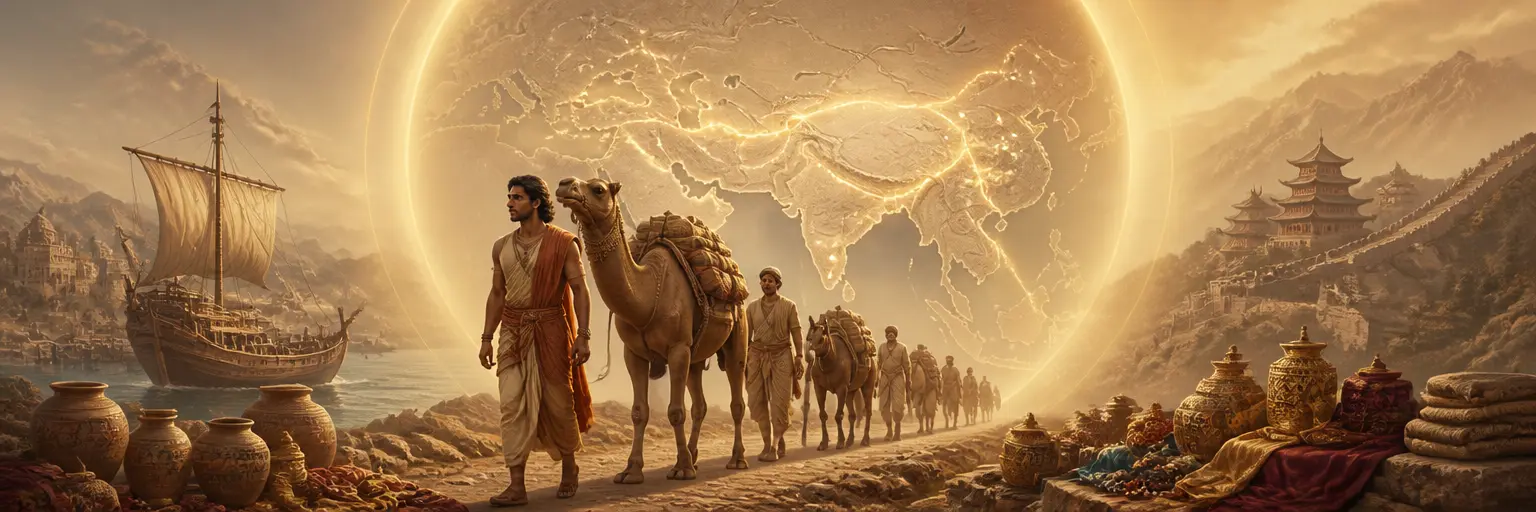
Explore Major Trade Routes that connected ancient India with distant civilizations, from the legendary Silk Road to thriving maritime networks across the Indian Ocean. Discover how merchants exchanged spices, textiles, precious stones, ideas, technologies, and cultural traditions, shaping ancient Indian trade and economy while linking the Indus Valley, South Asia, Central Asia, the Middle East, and beyond. 🌏📜
More in Major Trade Routes (e.g., Silk Road)
Major Trade Routes (e.g., Silk Road)
The Impact of Geography on Ancient Indian Trade Routes
Major Trade Routes (e.g., Silk Road)
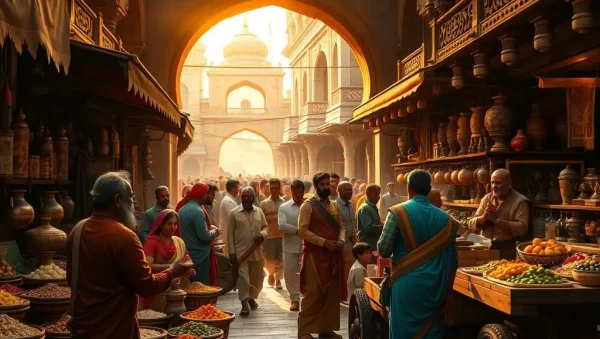
The Indus Valley Civilization: Pioneers of Trade in Ancient India
Major Trade Routes (e.g., Silk Road)
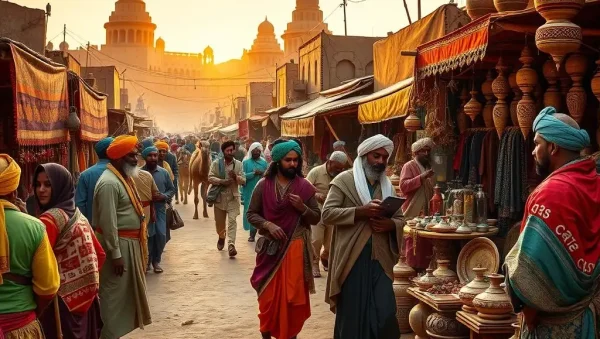
The Role of Guilds in Ancient Indian Trade and Economy
Major Trade Routes (e.g., Silk Road)
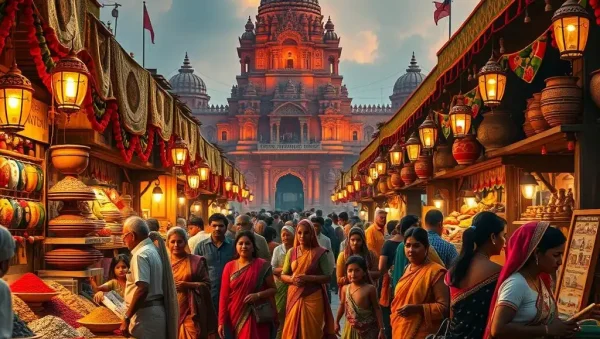
The Role of Indian Merchants in the Silk Road Economy
Major Trade Routes (e.g., Silk Road)
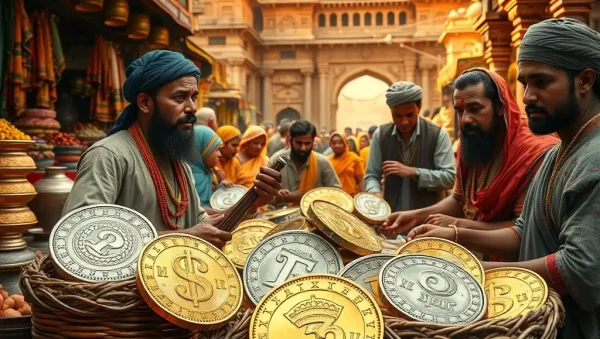
The Role of Festivals in Ancient Indian Trade and Commerce
Major Trade Routes (e.g., Silk Road)
The Role of Currency in Facilitating Ancient Indian Trade
Major Trade Routes (e.g., Silk Road)
The Significance of Trade in the Urbanization of Ancient Indian Cities
Major Trade Routes (e.g., Silk Road)
The Relationship Between Ancient Indian Trade and Technological Advancements
Major Trade Routes in Ancient India: The Silk Road and Beyond
Discover how major trade routes in ancient India connected the Indian subcontinent with Central Asia, China, the Middle East, Africa, and the Mediterranean world. This subcategory explores the Silk Road, maritime trade routes, caravan networks, ports, markets, and commercial centers that supported the growth of ancient Indian civilizations from the Indus Valley Civilization to the Gupta Empire. Learn how merchants exchanged spices, textiles, precious stones, metals, horses, ideas, religions, languages, and technologies across Asia and beyond.
🐫 The Silk Road and India’s Overland Connections
Explore India’s important role in the Silk Road trade network, including the routes that linked northern India with Central Asia, the Tarim Basin, Persia, and China. These overland pathways carried luxury goods such as silk, cotton textiles, ivory, spices, gemstones, and medicinal products, while Indian merchants helped connect regional markets across difficult mountain passes and desert landscapes.
Readers can learn how cities such as Taxila, Mathura, Pataliputra, and Varanasi participated in long-distance trade. Articles in this section examine caravan travel, trading communities, toll stations, border regions, and the political powers that protected or controlled ancient trade routes.
🌊 Ancient Indian Maritime Trade Routes
Ancient India possessed extensive maritime connections across the Indian Ocean trade network. Merchants used seasonal monsoon winds to sail between the western and eastern coasts of India, Arabia, East Africa, Sri Lanka, Southeast Asia, and the Roman world. These sea routes supported the export of spices, pearls, textiles, indigo, ivory, and precious stones.
This section highlights historic ports including Bharuch, Muziris, Arikamedu, Tamralipti, Sopara, and Kaveripattinam. Discover how port cities became centers of commerce, cultural exchange, shipbuilding, and international contact, and how archaeological evidence, inscriptions, and ancient travel accounts reveal India’s maritime importance.
🏺 Trade Goods, Merchants, and Ancient Markets
Learn about the products that moved along ancient Indian trade routes. Important commodities included cotton and silk textiles, black pepper, cinnamon, sandalwood, salt, iron, steel, pearls, gemstones, ivory, ceramics, and agricultural goods. Trade in these products encouraged specialized crafts, urban development, and the expansion of regional economies.
Readers can also explore the lives of merchants, guilds, caravan leaders, sailors, artisans, and moneylenders. Topics may include merchant guilds, trade contracts, coinage, weights and measures, taxation, marketplaces, and commercial law, providing a deeper understanding of how ancient Indian economies operated.
🛕 Trade Routes, Buddhism, and Cultural Exchange
Trade routes were pathways not only for goods but also for religions, philosophies, art, literature, and scientific knowledge. Buddhist monks and merchants traveled together across Asia, helping establish monasteries and cultural centers along major commercial roads. Buddhist ideas spread from India toward Central Asia, China, and Southeast Asia through these interconnected networks.
Explore the relationship between trade and religious institutions at locations such as Taxila, Sanchi, Bharhut, Ajanta, Ellora, and Nalanda. This section explains how donations from merchants supported monasteries and how artistic styles, scripts, architectural traditions, and religious practices developed through sustained cultural contact.
🏛️ Major Trade Centers and Ancient Indian Kingdoms
Powerful kingdoms and empires played a central role in maintaining trade routes. The Mauryan, Satavahana, Kushan, Chera, Chola, Pandya, and Gupta realms benefited from taxes, customs duties, port revenues, and commercial growth. Their governments often protected roads, issued coins, maintained administrative centers, and supported the development of urban markets.
Discover how strategic cities and regional capitals became major economic hubs. By examining inscriptions, coins, archaeological sites, and foreign accounts, readers can understand how political stability, geography, river systems, mountain passes, and access to coastlines shaped the history of trade in ancient India.
🧭 Archaeology and Sources for Ancient Trade Routes
Our content introduces the evidence historians use to reconstruct ancient trade networks. Important sources include archaeological excavations, inscriptions, coins, pottery, ship remains, warehouse sites, seals, religious monuments, and ancient literature. These discoveries help identify the movement of people and goods across India and the wider ancient world.
Foreign accounts, including writings associated with Greek, Roman, Chinese, and Arab observers, provide valuable descriptions of Indian ports, products, cities, and commercial practices. Comparing these records with Indian sources offers a balanced view of ancient Indian commerce, international trade, and economic history.
❓ Frequently Asked Questions About Major Trade Routes in Ancient India
What was the Silk Road’s connection to ancient India?
The Silk Road was a network of overland routes connecting China, Central Asia, India, Persia, and the Mediterranean region. Northern Indian cities such as Taxila and Mathura served as important links between South Asian markets and Central Asian trade routes. Indian goods, religious ideas, artistic traditions, and technologies traveled along these connections.
Which goods did ancient India export?
Ancient India exported cotton textiles, spices, pepper, indigo, ivory, pearls, gemstones, sandalwood, medicines, steel, and other luxury products. The exact goods varied by region, but Indian textiles and spices were especially valued in Central Asia, Southeast Asia, the Roman Empire, and the Middle East.
Why were monsoon winds important to Indian maritime trade?
Seasonal monsoon winds made it possible for sailors to travel more efficiently across the Indian Ocean. Merchants learned to use one wind direction for outward journeys and the reverse seasonal winds for return voyages. This knowledge supported regular trade between Indian ports, Arabia, East Africa, Sri Lanka, and Southeast Asia.
What were the most important ancient Indian trade cities?
Important trade centers included Taxila, Pataliputra, Mathura, Varanasi, Bharuch, Muziris, Arikamedu, Sopara, Tamralipti, and Kaveripattinam. These cities connected inland production areas with regional and international markets through roads, rivers, caravan routes, and sea lanes.
How did trade influence ancient Indian culture?
Trade encouraged the movement of religions, languages, artistic styles, technologies, foods, and customs. Merchants and monks helped spread Buddhism, while contact with Central Asia, China, Rome, Arabia, and Southeast Asia introduced new cultural influences. Trade also contributed to urban growth, the construction of monuments, and the development of diverse communities in ancient India.