
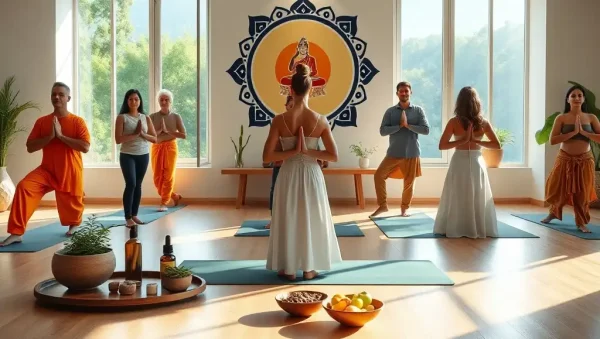
History and Philosophy of Yoga
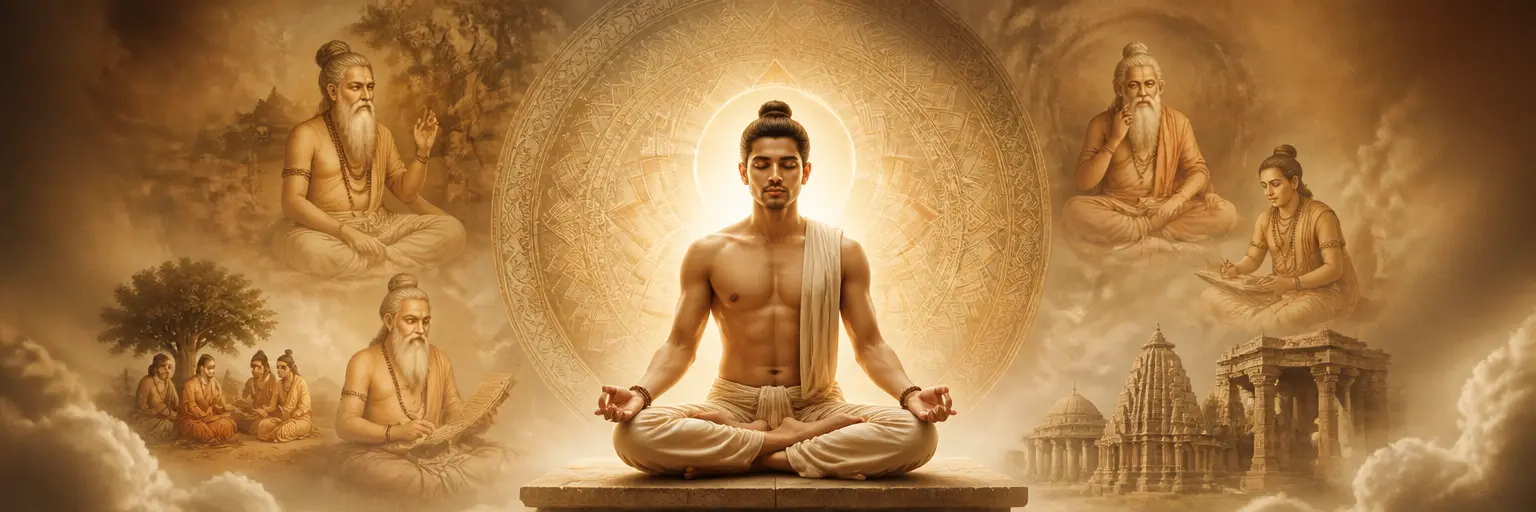
History and Philosophy of Yoga
30 articles in this topic
Read more about this topic
Explore the profound roots of yoga through the history and philosophy of yoga 🧘♀️📜—from ancient Indian traditions and sacred texts to timeless teachings on mindfulness, ethics, meditation, and self-realization. Discover how yoga evolved across centuries and continues to inspire holistic wellness, inner balance, and spiritual growth today.
More in History and Philosophy of Yoga
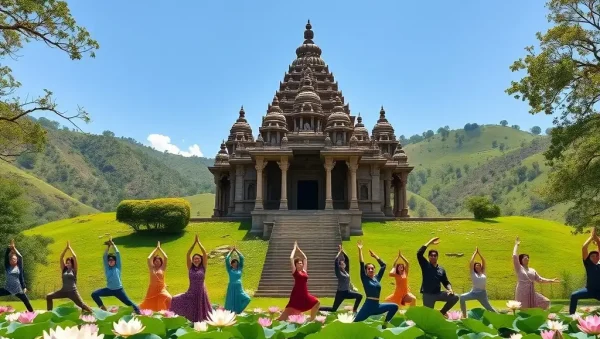
History and Philosophy of Yoga
The Global Spread of Yoga: Tracing Its Ancient Indian Origins

History and Philosophy of Yoga
The Historical Journey of Hatha Yoga: From Ancient Roots to Modern Practice
History and Philosophy of Yoga
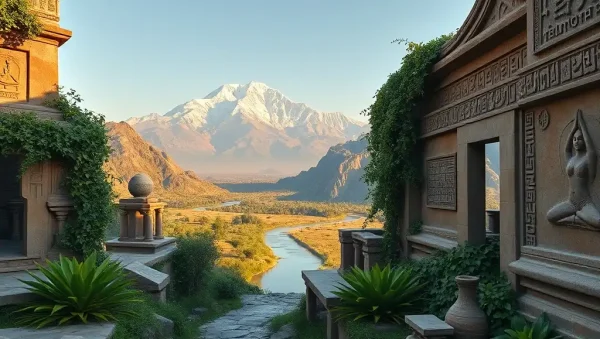
Discovering the Indus Valley Civilization: The Birthplace of Yoga
History and Philosophy of Yoga
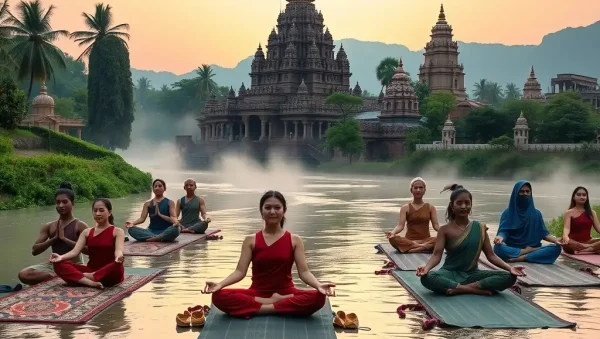
Exploring the Spiritual Dimensions of Yoga in Ancient Indian Traditions
History and Philosophy of Yoga
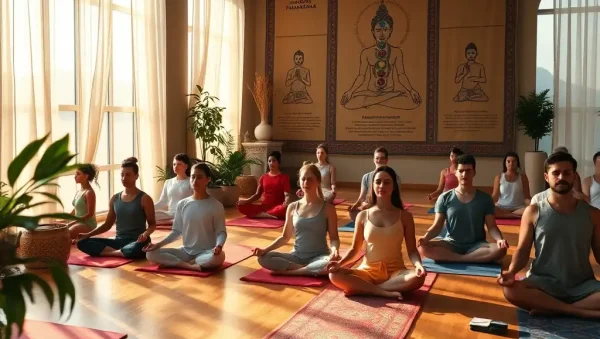
The Art of Breath: Pranayama and Its Historical Significance in Yoga
History and Philosophy of Yoga
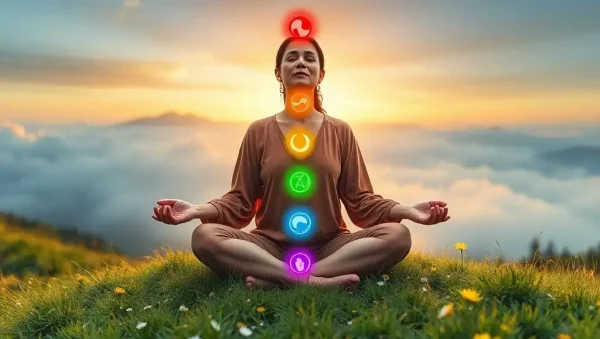
The Relationship Between Yoga and the Chakras in Ancient Texts
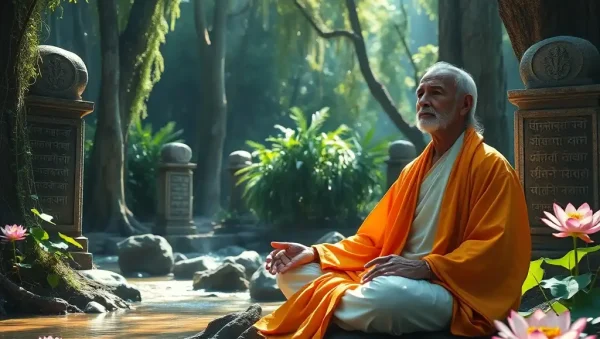
History and Philosophy of Yoga
The Philosophical Foundations of Yoga: Insights from Ancient Texts
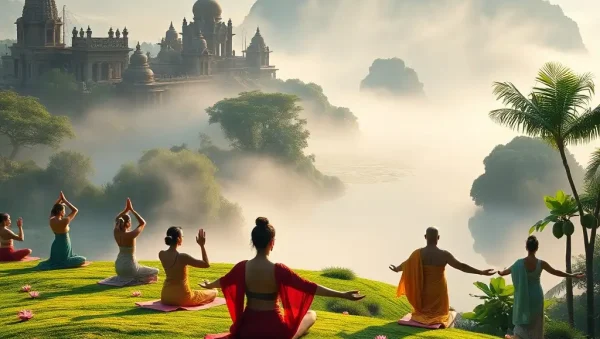
History and Philosophy of Yoga
The Role of Yoga in Ancient Indian Society: More Than Just a Practice
📜 History and Philosophy of Yoga: Ancient Wisdom, Spiritual Traditions, and Indian Heritage
Welcome to History and Philosophy of Yoga, a dedicated subcategory of Yoga and Wellness at Ancient India History. Explore how yoga developed from the spiritual, philosophical, and cultural traditions of ancient India, from early Vedic practices and the Upanishads to the teachings of Patanjali and the classical yoga schools. This section connects the history of yoga with ancient Indian civilization, meditation, ethics, self-knowledge, spirituality, and holistic wellness, helping readers understand yoga as far more than a modern physical exercise.
🕉️ Origins of Yoga in Ancient India
Discover the early roots of yoga in the religious and intellectual traditions of the Indian subcontinent. Articles explore possible connections between early ascetic practices, the Indus Valley Civilization, Vedic rituals, and the development of contemplative disciplines that later became associated with yoga. Readers can learn how concepts such as meditation, breath control, sacrifice, discipline, and liberation evolved across centuries.
This section provides historical context for understanding where yoga began and how it became an important part of Indian philosophy. Expect discussions of archaeological evidence, ancient Sanskrit sources, oral traditions, and the cultural exchanges that shaped yoga before the rise of its classical systems.
📖 Yoga in the Vedas and Upanishads
Explore the role of yoga-related ideas in the Vedic literature and the Upanishads, some of the foundational texts of Indian philosophy. These teachings introduce major concepts such as atman, Brahman, karma, rebirth, meditation, inner knowledge, and spiritual liberation. Readers will see how the focus gradually moved from external ritual toward direct insight and self-realization.
Learn how the Upanishadic vision influenced later yoga traditions and continues to shape modern discussions of consciousness and wellness. Clear explanations of difficult philosophical terms make this section valuable for students, researchers, yoga practitioners, and anyone interested in the spiritual history of India.
🧘 Patanjali and the Classical Yoga Tradition
Examine the life, influence, and teachings associated with Patanjali and the Yoga Sutras. This section explains the eight limbs of yoga—ethical principles, personal observances, posture, breath regulation, withdrawal of the senses, concentration, meditation, and samadhi. It also explores how Patanjali organized earlier practices into a systematic philosophical framework.
Readers can expect accessible introductions to key Sanskrit concepts, including yama, niyama, asana, pranayama, dharana, dhyana, and samadhi. The emphasis is on historical meaning and philosophical context, while also showing how classical yoga continues to influence contemporary yoga teaching and wellness practices.
⚖️ The Six Schools of Indian Philosophy
Understand yoga in relation to the six orthodox schools of Indian philosophy: Samkhya, Yoga, Nyaya, Vaisheshika, Mimamsa, and Vedanta. Articles in this section explain the shared questions these traditions asked about reality, knowledge, consciousness, suffering, and liberation. Particular attention is given to the close relationship between Samkhya philosophy and the classical Yoga system.
Comparative discussions help readers distinguish yoga philosophy from Buddhism, Jainism, Vedanta, and other Indian intellectual traditions. This broader perspective reveals how yoga developed within a rich philosophical environment rather than as an isolated practice.
🔥 Bhagavad Gita and the Paths of Yoga
Explore the influential teachings of the Bhagavad Gita, including Karma Yoga, Jnana Yoga, and Bhakti Yoga. The text presents yoga as a disciplined way of living, acting, understanding, and cultivating devotion. Readers will learn how the Gita addressed moral responsibility, spiritual purpose, detachment from results, and the challenges of human decision-making.
This section explains why the Bhagavad Gita remains central to the history of yoga and Hindu philosophy. Expect historical background, thematic analysis, and clear interpretations of how its teachings connect spiritual practice with daily life, ethical action, and personal transformation.
🌿 Hatha Yoga, Tantra, and Medieval Traditions
Trace the development of Hatha Yoga and related tantric traditions during the medieval period. Articles examine the growing importance of physical postures, breath practices, mudras, bandhas, subtle energy, chakras, and kundalini. These traditions expanded the understanding of the body as a vehicle for spiritual practice and transformation.
Readers will also learn how medieval texts and lineages influenced modern yoga. Historical explanations distinguish traditional Hatha Yoga from contemporary fitness-based interpretations, providing a balanced view of its religious, philosophical, therapeutic, and cultural significance.
🌏 Yoga’s Journey from India to the Modern World
Discover how yoga moved from Indian monastic, religious, and philosophical settings into global culture. This section explores modern teachers, colonial encounters, reform movements, international yoga organizations, and the transformation of yoga into a worldwide wellness practice. It also considers how traditional teachings were adapted for new audiences.
Articles address important questions about authenticity, cultural exchange, commercialization, and the preservation of Indian heritage. Readers can better understand the relationship between ancient yoga philosophy and modern yoga classes, meditation programs, mindfulness, health culture, and holistic wellness.
🧠 Core Concepts in Yoga Philosophy
Build a strong foundation in essential ideas such as karma, dharma, moksha, samsara, avidya, kleshas, purusha, prakriti, consciousness, and liberation. Each topic is presented with historical context and practical clarity, helping readers understand how philosophical principles shaped yoga’s goals and methods.
This section is useful for anyone searching for yoga philosophy explained, the meaning of yoga, ancient Indian spirituality, or the history of meditation. Definitions, comparisons, and examples make complex concepts easier to study without removing their depth or cultural significance.
❓ Frequently Asked Questions About the History and Philosophy of Yoga
What is the historical origin of yoga?
Yoga originated within the religious, philosophical, and contemplative traditions of ancient India. Its development involved several stages, including early Vedic practices, Upanishadic meditation, ascetic movements, classical philosophical systems, and later Hatha Yoga traditions. Because yoga evolved over many centuries, it does not have a single founder or exact starting date.
Is yoga a religion or a philosophy?
Yoga can be understood as a spiritual discipline, philosophical system, religious practice, or wellness tradition depending on its historical and modern context. Classical yoga addresses ethics, meditation, consciousness, suffering, and liberation, while contemporary yoga may focus primarily on physical health and stress reduction.
What are the eight limbs of Patanjali’s yoga?
The eight limbs are yama, niyama, asana, pranayama, pratyahara, dharana, dhyana, and samadhi. Together they describe an integrated path involving ethical conduct, personal discipline, posture, breath regulation, sensory withdrawal, concentration, meditation, and profound absorption.
How is ancient yoga different from modern yoga?
Ancient yoga primarily focused on spiritual discipline, meditation, ethical living, self-knowledge, and liberation. Modern yoga often emphasizes physical postures, flexibility, strength, stress management, and general wellness. Although contemporary practice can preserve elements of traditional yoga, its goals and methods may differ substantially from historical systems.
Why is the history of yoga important for practitioners?
Learning the history of yoga helps practitioners understand the cultural roots, philosophical goals, and ethical principles behind the practices they follow. It encourages respectful engagement with Indian heritage and shows how techniques such as meditation, pranayama, and asana developed within broader ideas about consciousness, health, responsibility, and spiritual freedom.