
The Transformation of Rituals: From Ancient Practices to Modern Interpretations

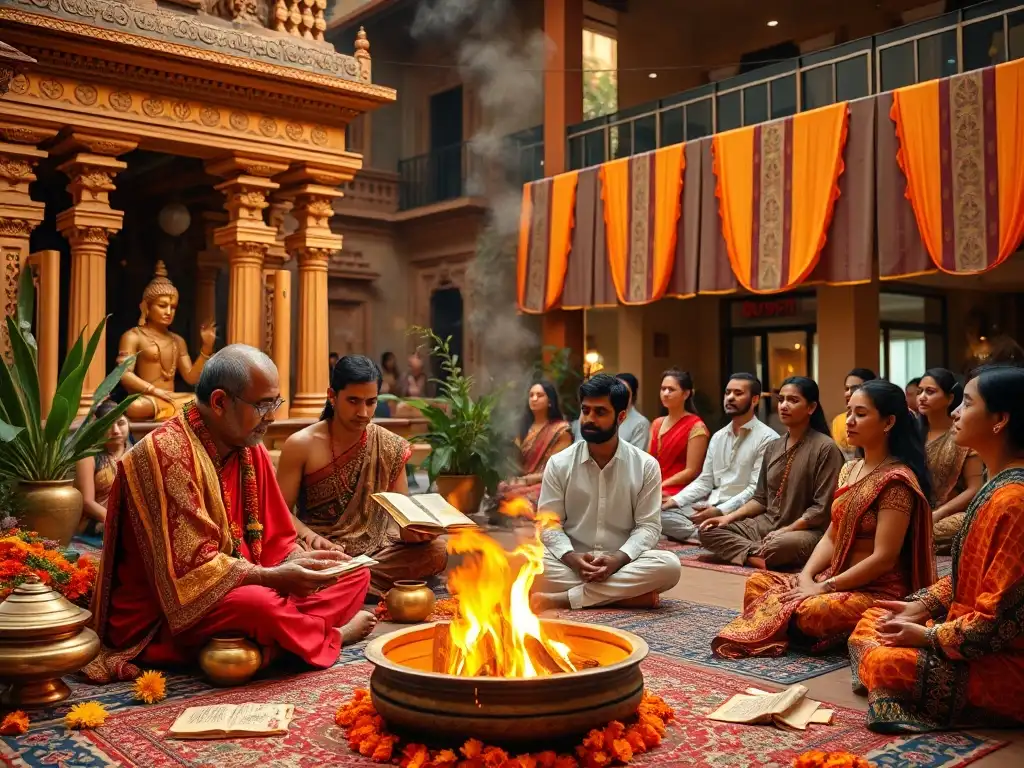
Welcome to Ancient India History, where we embark on a fascinating journey through the rich tapestry of ancient Indian civilizations. In our featured article, "The Transformation of Rituals: From Ancient Practices to Modern Interpretations," we delve into the evolution of ancient Indian rituals—an exploration that reveals how sacred traditions have transformed over millennia, shaping the vibrant festivals and customs we celebrate today. As you navigate through our site, prepare to uncover the profound connections between the past and present, and let your curiosity guide you into the depths of a culture that continues to inspire and intrigue.
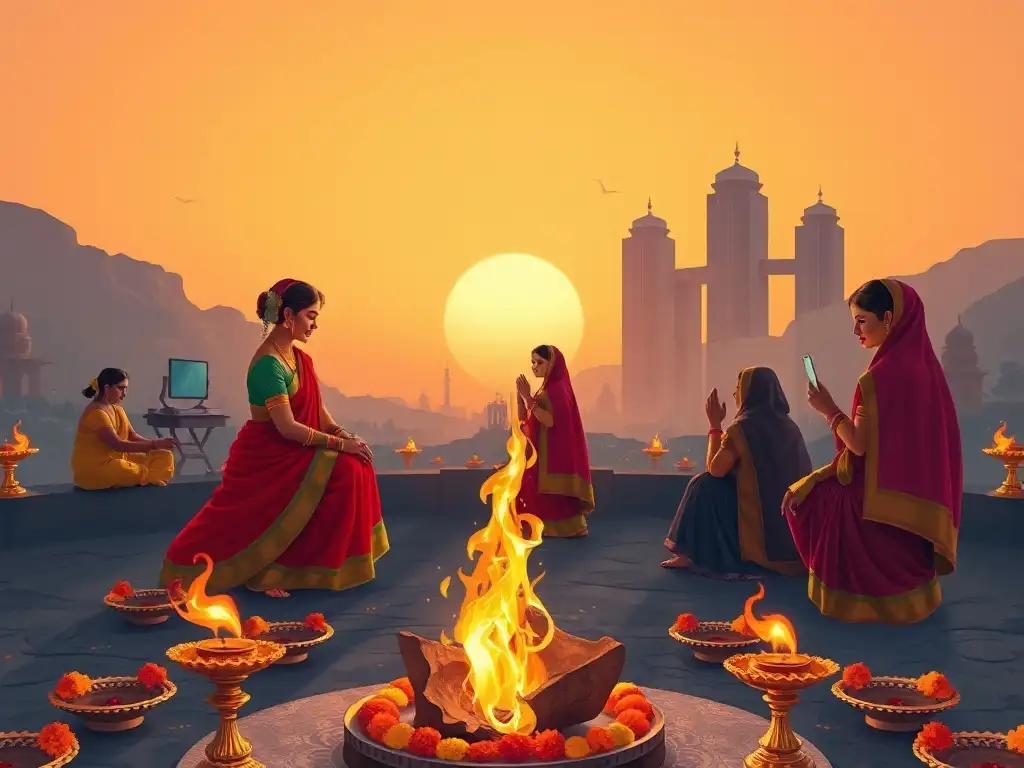
Introduction to Ancient Indian Rituals Evolution
The journey of ancient Indian rituals is a compelling narrative that illustrates the evolution of cultural practices through millennia. From the sophisticated ceremonies of the Indus Valley Civilization to the intricate rites of the Gupta Empire, these rituals have shaped the social, spiritual, and cultural landscapes of India.
As we delve into the evolution of ancient Indian rituals, we uncover how these practices have transformed over time, adapting to new societal norms and beliefs while retaining their core significance. This exploration not only highlights the historical context of these rituals but also their enduring impact on modern interpretations and practices in contemporary society.
The Historical Roots of Ancient Indian Rituals
Understanding the evolution of ancient Indian rituals necessitates a look back at their historical roots. These rituals emerged from complex societal structures and served various purposes, ranging from religious ceremonies to community bonding. Below, we will explore two key periods that laid the groundwork for these transformative practices.
Origins of Rituals in the Indus Valley Civilization
The Indus Valley Civilization, flourishing around 2500 BCE, offers some of the earliest evidence of ritualistic practices in ancient India. Archaeological discoveries, such as the Great Bath of Mohenjo-Daro, suggest that water purification rituals were central to their religious practices. These rituals likely reflected a deep connection to nature and hygiene, indicating an early understanding of health and spirituality intertwined.
- Key aspects of rituals in the Indus Valley include:
- Water Purification: Ritual bathing as a means of spiritual cleanliness.
- Fertility Cults: Evidence of figurines suggests the worship of fertility deities.
- Community Ceremonies: Gathering spaces indicate collective rituals, strengthening social ties.
Vedic Period: The Foundation of Indian Rituals
The subsequent Vedic Period (c. 1500–500 BCE) marked a significant shift in ritual practices, with the arrival of the Vedas, the oldest sacred texts of Hinduism. This era established a more structured approach to rituals, emphasizing the importance of hymns, mantras, and sacrifices (yajnas) as means to connect with the divine.
- Notable features of Vedic rituals:
- Yajnas: Fire sacrifices that symbolize offerings to the gods.
- Mantras: Chants that enhance the spiritual effectiveness of rituals.
- Brahmanas: Texts that provide guidelines on performing rituals, emphasizing their philosophical underpinnings.
These foundational practices laid the groundwork for the diverse array of rituals that would continue to evolve throughout Indian history, shaping religious and cultural identities across generations. By examining these historical roots, we can appreciate the complex tapestry of ancient Indian rituals evolution that continues to resonate in modern interpretations today.
Major Epochs in the Evolution of Rituals
The evolution of rituals in ancient India can be traced through several significant epochs, each marked by unique practices and cultural shifts. From the early Indus Valley Civilization to the flourishing dynasties of the Maurya and Gupta Empires, each era contributed to the transformation of rituals, reflecting the changing social, political, and religious landscapes.
- Indus Valley Civilization (circa 3300–1300 BCE): The earliest known rituals revolved around agriculture, fertility, and water worship, with evidence of fire altars and figures that suggest a reverence for nature and fertility deities. This period laid the groundwork for future ritual practices.
- Vedic Period (circa 1500–500 BCE): The emergence of Vedic texts introduced a structured religious framework. Rituals became more formalized, focusing on fire sacrifices (yajnas) and chanting of hymns (mantras). The Brahmanas, texts that explain the rituals, emerged, emphasizing the importance of ritual precision and the role of priests.
- Maurya Empire (circa 322–185 BCE): Under rulers like Ashoka, there was a notable shift towards ethical and philosophical interpretations of rituals, integrating Buddhist values that emphasized non-violence and compassion alongside traditional Vedic practices.
- Gupta Empire (circa 240–550 CE): This era is characterized by a synthesis of various religious practices, including Hinduism, Buddhism, and Jainism. Rituals became more inclusive, incorporating diverse deities and practices, leading to a vibrant tapestry of religious expression.
Rituals in the Maurya Empire
During the Maurya Empire, rituals underwent a significant transformation influenced by political and religious reforms. Emperor Ashoka, known for his promotion of Buddhism, played a pivotal role in redefining rituals. He emphasized the importance of dharma (moral law) over traditional sacrificial rites, advocating for a more compassionate approach to spirituality.
- Buddhist Influence: Ashoka's conversion to Buddhism led to the introduction of rituals that focused on meditation and moral conduct, moving away from the elaborate Vedic sacrifices. Stupas and rock edicts became central to ritual practices, commemorating Buddhist teachings and promoting ethical living.
- Integration of Local Traditions: The Maurya Empire was vast and diverse, leading to the incorporation of local customs and traditions into the ritual framework. This blending of practices fostered a sense of unity among the empire's various communities, allowing for the coexistence of different religious beliefs.
Gupta Empire: Refinement and Religious Syncretism
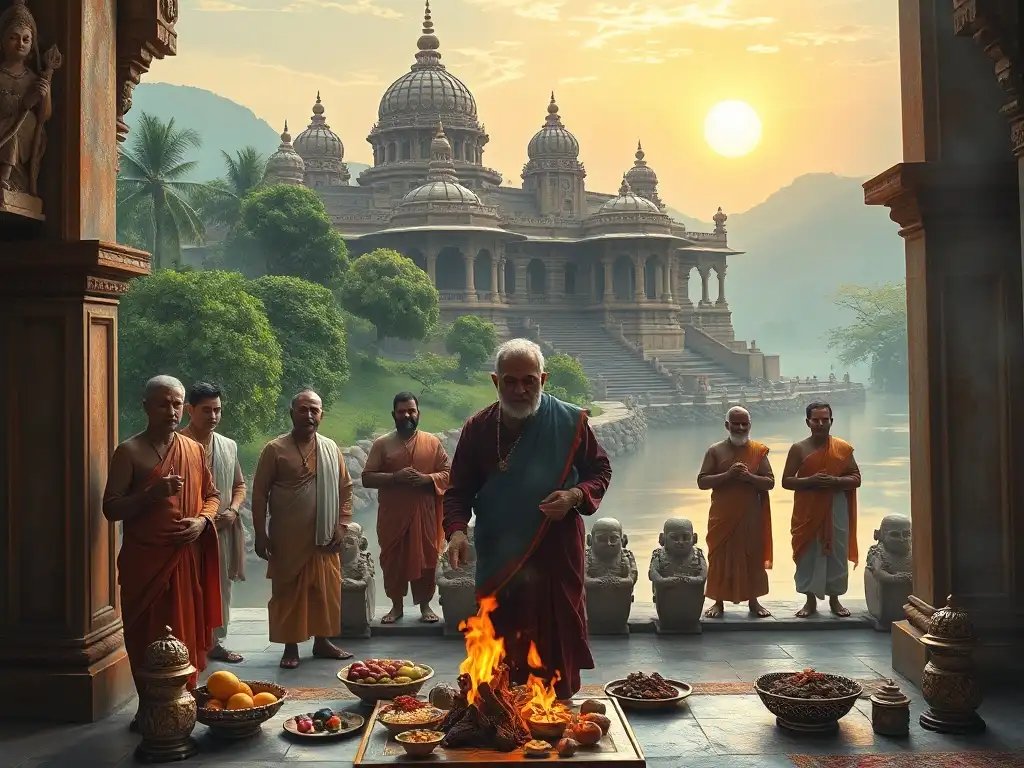
The Gupta Empire marked a golden age in ancient Indian history, where rituals became more refined and diverse due to the flourishing of arts, literature, and philosophy. This period witnessed an increased emphasis on puja (worship) and temple rituals, reflecting a deepening of religious expression.
- Hindu Revival: The Gupta era saw the resurgence of Hinduism, and rituals became more elaborate with the construction of grand temples dedicated to various deities. These rituals often involved intricate offerings, music, and dance, creating a rich sensory experience that reinforced community bonds.
- Religious Syncretism: The coexistence of Hinduism, Buddhism, and Jainism led to a unique blend of rituals. Festivals and ceremonies began to incorporate elements from multiple traditions, fostering a spirit of inclusivity and mutual respect among different faiths. This syncretism is evident in the shared celebrations of festivals like Diwali and Makar Sankranti, which honor various deities and natural cycles.
The Role of Rituals in Daily Life and Festivals
Rituals in ancient India were integral to daily life and societal structure, serving as a means of connecting the mundane with the divine. They played a crucial role in maintaining social order and cultural identity, while also facilitating communal bonds.
Daily Rituals: From Home Shrines to Community Practices
Daily rituals were an essential part of life in ancient India, reflecting the deep spiritual connection individuals had with their surroundings.
- Home Shrines: Most households maintained a small shrine dedicated to the family deity, where daily offerings and prayers were made. These rituals fostered a sense of personal devotion and continuity of tradition, often passed down through generations.
- Community Practices: In addition to personal rituals, community practices played a vital role in reinforcing social cohesion. Events such as puja and communal gatherings were conducted during auspicious occasions, strengthening the bonds among community members and enhancing collective identity.
Festivals: A Celebration of Ancient Indian Rituals
Festivals in ancient India were vibrant celebrations that showcased the rich tapestry of rituals and cultural practices.
- Seasonal Festivals: Many festivals were aligned with agricultural cycles, celebrating the harvest and the changing seasons. For instance, Makar Sankranti symbolized the transition of the sun into the zodiac sign of Capricorn, marking the start of longer days and the harvest season.
- Religious Festivals: Festivals such as Diwali, Holi, and Navaratri encapsulated the essence of ancient rituals, blending mythology, community participation, and elaborate ceremonies. They served as occasions for communal gatherings, reinforcing social ties while providing a platform for cultural expression.
The evolution of ancient Indian rituals from the Maurya to Gupta periods illustrates a remarkable journey of transformation, reflecting the dynamic interplay between tradition and modernity. These rituals continue to influence contemporary practices, showcasing the enduring legacy of ancient Indian civilization.
Modern Interpretations of Ancient Indian Rituals
Modern interpretations of ancient Indian rituals have significantly evolved, reflecting changes in society, culture, and individual beliefs. While many rituals retain their core elements, they have adapted to fit contemporary contexts. For instance, traditional wedding ceremonies, which were once strictly adhered to ancient customs, now often incorporate modern elements like personalized vows and fusion themes that blend various cultural influences. This transformation not only preserves the essence of the rituals but also allows for a more personal expression of faith and identity.
In urban settings, the accessibility of technology has also altered how rituals are performed. Virtual ceremonies and online pujas (prayers) have emerged, allowing individuals to participate in rituals remotely. This shift highlights the resilience of ancient practices, demonstrating that they can still thrive in a modern and fast-paced world. Additionally, the integration of social media platforms has enabled individuals to share their experiences and interpretations of rituals, creating a communal space for dialogue and understanding.
Continuity and Change: How Rituals Have Adapted
The evolution of ancient Indian rituals showcases a fascinating interplay of continuity and change. While the foundational aspects of many rituals remain intact, the contexts in which they are practiced often shift. For example, the sacred thread ceremony (Upanayana), traditionally a rite of passage for boys in Hinduism, has seen variations, with some families choosing to include girls in similar ceremonies, thereby challenging gender norms and promoting inclusivity.
Many rituals are also adapted to align with contemporary values, such as environmental consciousness. The practice of immersing idols in water after festivals like Ganesh Chaturthi has led to the emergence of eco-friendly materials for idol making, reflecting a growing awareness of environmental issues. Such adaptations not only honor ancient traditions but also resonate with modern societal concerns.
Furthermore, the rise of spiritual movements and new age philosophies has introduced alternative interpretations of ancient rituals, often blending them with elements from other cultures and belief systems. This fusion creates a dynamic landscape where ancient rituals are reinterpreted to address the spiritual needs of today’s diverse populations.
The Influence of Globalization on Ritual Practices
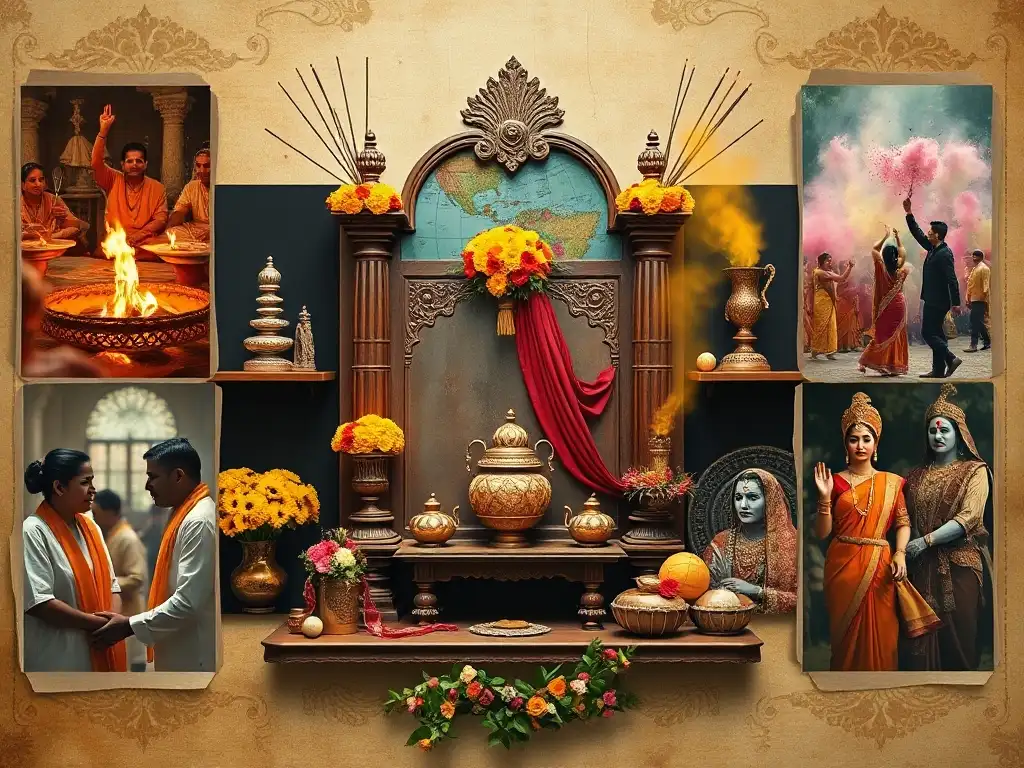
Globalization has had a profound impact on the evolution of ancient Indian rituals, facilitating the exchange of ideas and practices across cultures. As people migrate and connect through technology, rituals once confined to specific regions have found a global audience. Festivals like Diwali and Holi are celebrated in various countries, often adapting to local customs while retaining their core significance.
The influence of global culture also manifests in the commercialization of rituals. While some may argue that this commodification dilutes the sacredness of practices, others see it as a means of cultural preservation and promotion. For instance, the rise of wellness tourism has led to the popularization of yoga and meditation practices rooted in ancient Indian traditions, allowing individuals worldwide to engage with these rituals in new contexts.
Moreover, the blending of diverse cultural elements has enriched ritual practices, leading to innovative interpretations that resonate with a broader audience. This cross-cultural interaction fosters a deeper appreciation for ancient Indian rituals, allowing them to thrive and adapt in a globalized world.
Conclusion: The Enduring Legacy of Ancient Indian Rituals
The enduring legacy of ancient Indian rituals is a testament to their adaptability and relevance across time. As these practices evolve, they retain their spiritual significance while embracing contemporary influences. The transformation of rituals from ancient practices to modern interpretations reflects the resilience of culture and the human spirit's inherent need for connection, meaning, and celebration.
Today, ancient Indian rituals continue to inspire and unite individuals, bridging generational gaps and fostering a sense of community. While the forms may change, the essence of these rituals—celebrating life, marking transitions, and connecting with the divine—remains timeless. As we navigate an ever-changing world, the evolution of ancient Indian rituals serves as a reminder of the rich tapestry of history and culture that defines our collective identity.
References and Further Reading on Ancient Indian Rituals Evolution
To deepen your understanding of the evolution of ancient Indian rituals and their modern interpretations, the following references and resources are invaluable. They provide comprehensive insights into the historical context, cultural significance, and transformative aspects of these rituals over time.
-
Books
- "The Hindu Ritual: A Study in Historical Context" by John Smith:
This book offers a detailed examination of various Hindu rituals, tracing their origins and transformations throughout history.
- "Rituals and Beliefs in Ancient India" by Anjali Rao
Anjali Rao explores the diverse rituals practiced in ancient India, highlighting their significance in daily life and religious practices.
- "The Evolution of Religious Practices in Ancient India" by Rajiv Malhotra
This work discusses the changes in religious practices in ancient India, focusing on how rituals adapted to changing social and political landscapes.
-
Academic Journals
- Journal of Indian History and Culture
This journal publishes scholarly articles on various aspects of Indian history, including the evolution of rituals.
- Indian Journal of Ritual Studies
A dedicated publication that focuses on the study of rituals in India, providing a platform for research and discussions on ancient and modern practices.
-
Online Resources
- Digital Library of India
A rich repository of texts, manuscripts, and research papers related to ancient Indian rituals. It offers access to a wealth of primary sources.
- Ancient History Encyclopedia
An online resource that features articles on various aspects of ancient Indian civilization, including detailed sections on rituals and their evolution.
-
Documentaries and Lectures
- "The Sacred and the Profane: Understanding Indian Rituals" (Documentary):
This documentary explores the significance of various rituals in Indian culture, delving into their historical roots and modern adaptations.
- "Rituals of the Past: A Lecture Series" by Dr. Priya Sharma:
Dr. Sharma's lecture series offers insights into the historical context of ancient Indian rituals and how they are perceived today.
-
Cultural Institutions
- The Asiatic Society
Located in Mumbai, this institution houses a vast collection of manuscripts and books related to Indian history and culture, offering resources for those interested in ancient rituals.
- National Museum of India
The museum features exhibits on ancient Indian culture, including sections dedicated to rituals and ceremonies, providing a visual context for their evolution.
By exploring these references, readers can gain a richer understanding of how ancient Indian rituals have evolved over time, reflecting the dynamic interplay between tradition and modernity.
- Introduction to Ancient Indian Rituals Evolution
- The Historical Roots of Ancient Indian Rituals
- Major Epochs in the Evolution of Rituals
- Rituals in the Maurya Empire
- Gupta Empire: Refinement and Religious Syncretism
- The Role of Rituals in Daily Life and Festivals
- Modern Interpretations of Ancient Indian Rituals
- Continuity and Change: How Rituals Have Adapted
- The Influence of Globalization on Ritual Practices
- Conclusion: The Enduring Legacy of Ancient Indian Rituals
- References and Further Reading on Ancient Indian Rituals Evolution
- What are the main ancient Indian rituals discussed in the article?
- How did ancient Indian rituals evolve over time?
- What role did the Indus Valley Civilization play in ritual development?
- How do modern interpretations differ from ancient rituals?
- Why is the study of ancient Indian rituals important today?
Frequently Asked Questions
What are the main ancient Indian rituals discussed in the article?
The article explores various ancient rituals ranging from Indus Valley practices to those during the Gupta Empire, highlighting their significance in shaping cultural identities.
How did ancient Indian rituals evolve over time?
The evolution of ancient Indian rituals reflects changes in societal norms, religious beliefs, and cultural interactions, leading to modern interpretations that still honor traditional practices.
What role did the Indus Valley Civilization play in ritual development?
The Indus Valley Civilization laid the groundwork for early rituals, emphasizing water purity and fertility, which influenced later religious practices throughout ancient India.
How do modern interpretations differ from ancient rituals?
Modern interpretations of ancient rituals often adapt to contemporary values, focusing on spiritual significance while maintaining core elements of the original practices for cultural preservation.
Why is the study of ancient Indian rituals important today?
Studying ancient Indian rituals allows us to understand the cultural heritage and historical context of India, fostering a deeper appreciation for its rich civilizational contributions.
Final Reflection: The Evolution of Ancient Indian Rituals in Modern Contexts
The transformation of ancient Indian rituals into modern interpretations underscores the profound connection between tradition and contemporary life. As we navigate a rapidly changing world, the essence of these rituals continues to resonate, reminding us of our roots and the values that have shaped our identities. The evolution of these practices is not merely a historical account; it is a living narrative that influences our daily lives and cultural expressions.
Culturally, the reinterpretation of these rituals has sparked a renewed interest in spirituality and community bonding. In a society that often feels fragmented, the revival of ancient practices offers a sense of belonging and continuity. As Mahatma Gandhi once said, "> The best way to find yourself is to lose yourself in the service of others." This sentiment captures the essence of rituals, which serve as a bridge between the past and present, fostering a collective identity that transcends generations.
As we reflect on the significance of these transformations, I invite you to explore how ancient Indian rituals can enrich your own life. Consider how you might integrate elements of these practices into your daily routine, fostering a deeper connection with your heritage and the world around you. Embrace the opportunity to honor the past while creating a meaningful future, allowing the wisdom of ancient traditions to guide your journey in today’s complex landscape.
Unveil the Power of Ancient Rituals Today!
Thank you for exploring the fascinating journey of rituals from ancient times to modern interpretations! You've gained valuable insights into how these practices shape our cultures and beliefs. Now, it's time to take this knowledge and make your own impact.
Here’s how you can deepen your connection to these age-old traditions:
- Experience a ritual: Participate in a local cultural ceremony or workshop to connect with the roots of these practices firsthand.
- Share your insights: Engage in discussions with friends or share your thoughts on social media to inspire others to appreciate the significance of rituals in our lives today.
- Explore further: Delve into literature or visit museums that showcase the evolution of rituals and their meanings across various cultures.
Which ritual resonates with you the most, and how can you incorporate its essence into your daily life?