
The Decline of Empires: Lessons from the Leadership of the Later Gupta Kings


Welcome to Ancient India History, where we journey through the rich tapestry of India’s past, uncovering the profound cultures and remarkable contributions of ancient civilizations. In our featured article, "The Decline of Empires: Lessons from the Leadership of the Later Gupta Kings," we delve into the intricate dynamics of leadership during one of India's most influential eras. Discover the invaluable lessons that resonate beyond time, offering insights into governance, resilience, and the art of leadership. Prepare to be captivated as we unearth the stories that shaped a civilization, inviting you to explore the depths of India's ancient legacy.
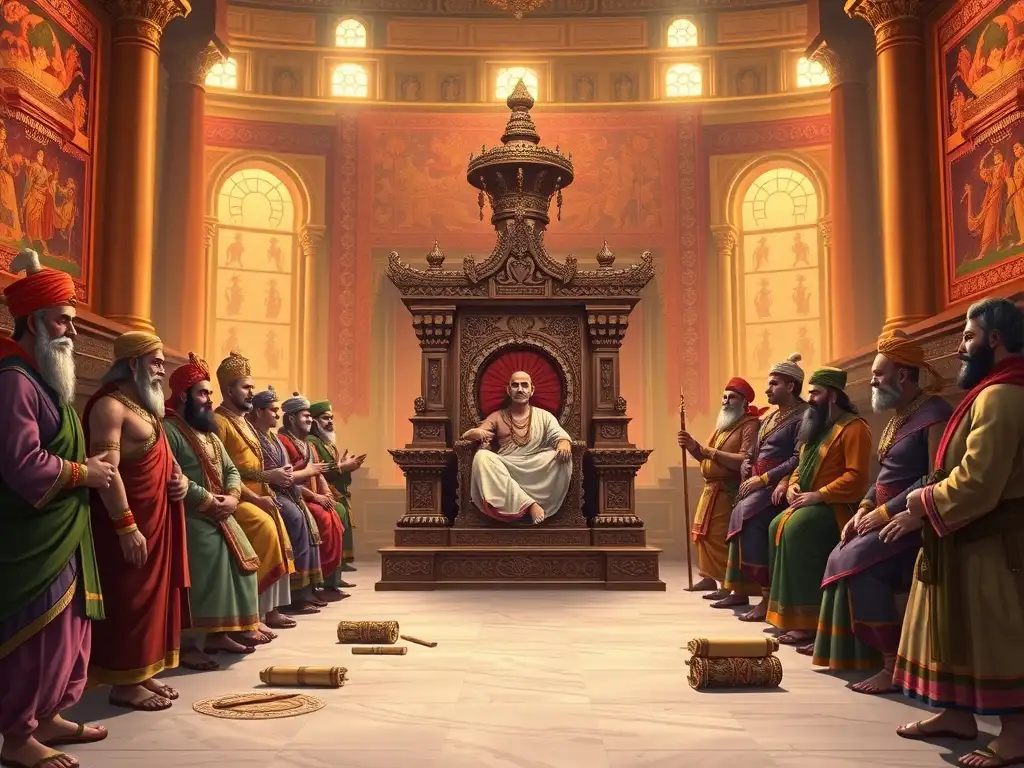
The decline of empires is a recurring theme in the study of history, and the Later Gupta Empire offers rich insights into the leadership dynamics that influenced its trajectory. As one of the foremost ancient Indian empires, the Later Gupta Empire is noted for its cultural advancements and political innovations.
However, understanding the lessons of leadership from this period is crucial not only for historians but also for contemporary leaders seeking to navigate the complexities of governance and authority. In this article, we will delve into the leadership lessons derived from the Later Gupta kings, exploring their strategies, challenges, and the overarching significance of their decisions in shaping the empire's fate.
Introduction to the Later Gupta Empire
Overview of the Gupta Empire
The Gupta Empire, which flourished from approximately the 4th to the 6th centuries CE, is often hailed as a golden age of Indian civilization. Characterized by remarkable advancements in art, science, and literature, it laid the groundwork for future Indian cultural development. The Later Gupta period, however, was marked by a gradual decline, prompted by internal strife and external pressures. Understanding this decline requires a close examination of the leadership during this era and the factors that contributed to their challenges.
Significance of Leadership in Ancient India
Leadership in ancient India was not merely about governance; it encompassed a deep understanding of societal dynamics, cultural contexts, and spiritual philosophies. The effectiveness of a ruler often dictated the stability and prosperity of their empire. In the case of the Later Gupta kings, their leadership styles and decisions played a pivotal role in the empire's resilience and eventual decline. Analyzing these leadership traits provides valuable lessons for contemporary governance, highlighting the importance of adaptability, vision, and moral integrity.
The Leadership of the Later Gupta Kings
Key Figures of the Later Gupta Empire
The Later Gupta Empire featured several notable monarchs, each leaving their mark on history. Among them, King Narasimhagupta is recognized for his attempts to maintain stability amidst growing challenges. Conversely, King Adityagupta faced significant external invasions that tested his leadership capabilities. Understanding the actions and strategies of these key figures reveals critical insights into the leadership dynamics that influenced the empire's fate.
Leadership Styles of the Later Gupta Monarchs
The leadership styles of the Later Gupta kings varied significantly, reflecting their responses to the unique challenges of the time. While some monarchs exhibited autocratic tendencies, others embraced a more collaborative approach, engaging with local leaders and scholars. This section will explore the contrasting leadership styles, examining how these approaches affected their rule and contributed to the empire's decline. Through this analysis, we will draw lessons applicable to modern leadership scenarios, emphasizing the need for flexibility and foresight in governance.
Factors Contributing to the Decline of the Later Gupta Empire
The Later Gupta Empire, which flourished from the 4th to the 6th century CE, experienced a gradual decline due to a combination of internal and external factors. Understanding these contributing elements provides valuable insights into the dynamics of power and governance in ancient India. The decline is often attributed to a trifecta of internal conflicts, economic challenges, and external threats that, when combined, undermined the foundation of this once-mighty empire.
Internal Conflicts and Political Fragmentation
One of the most significant internal factors leading to the decline of the Later Gupta Empire was political fragmentation. As the empire expanded, it became increasingly difficult to manage its vast territories effectively. The succession of weak rulers, following the death of the strong leadership provided by the earlier Gupta emperors, led to instability.
- Noble Rivalries: Internal rivalries among the nobility and regional governors weakened central authority. As local leaders sought to assert their independence, they often engaged in factional conflicts, diverting resources and attention away from governance and defense.
- Succession Crises: The lack of a clear and stable line of succession also contributed to political instability. Disputes over succession often resulted in civil wars, further fracturing the empire and eroding the power of the Gupta rulers.
- Administrative Challenges: The vast geographic span of the empire created challenges in communication and governance, leading to inefficiencies and corruption within the administrative framework.
These internal conflicts created a power vacuum that diminished the Gupta Empire's ability to respond to external threats effectively.
Economic Challenges and Resource Management
The economic decline of the Later Gupta Empire was marked by several challenges that hindered its ability to sustain itself. The empire's economy relied heavily on agriculture, trade, and tribute from vassal states, but mismanagement and external pressures strained these resources.
- Agricultural Decline: Frequent droughts and possible soil degradation impacted agricultural productivity. The inability to maintain a stable food supply led to famine and discontent among the populace.
- Taxation Issues: High taxation imposed to fund military campaigns and maintain the lavish lifestyles of the ruling elite further burdened the common people. This led to widespread resentment and a decline in loyalty to the empire.
- Trade Disruptions: The empire's trade routes were increasingly threatened by external invasions and competition from emerging powers. Disruptions in trade not only affected the economy but also diminished cultural exchanges that had previously bolstered the empire.
These economic challenges ultimately weakened the empire's capacity to support military endeavors and maintain social order.
Invasions and External Threats
The Later Gupta Empire faced significant external threats that played a crucial role in its decline. These invasions not only destabilized the region but also exploited the weaknesses within the Gupta administration.
- Huna Invasions: One of the most notable external threats came from the Huna tribes, who invaded northern India during the 5th century. Their military prowess and strategic invasions further weakened the already fragile Gupta state.
- Pressure from Regional Powers: As the Gupta Empire weakened, neighboring states began to assert their dominance. The rise of regional powers, such as the Maitraka kingdom and the Maukharis, contributed to the fragmentation of Gupta authority.
- Cultural and Religious Shifts: The invasions also brought cultural and religious changes that undermined traditional Gupta values. The spread of new religious ideologies sometimes conflicted with the established order, leading to further dissent among the populace.
The combination of these external threats exacerbated the internal challenges faced by the Later Gupta Empire, hastening its decline.
Leadership Lessons from the Later Gupta Kings
The decline of the Later Gupta Empire offers several leadership lessons that remain relevant in contemporary governance. By analyzing the successes and failures of its kings, we can derive principles that are applicable to modern leadership and management.
Importance of Strong Governance in Empires
One of the key lessons from the Later Gupta kings is the necessity of strong, centralized governance. Effective leadership is vital for maintaining order and unity within an empire.
- Decisive Leadership: The earlier Gupta emperors demonstrated the importance of decisive and capable leadership. Strong leaders can inspire loyalty and ensure efficient governance, while weak rulers can lead to chaos and fragmentation.
- Institutional Integrity: The establishment of reliable institutions is crucial for sustaining governance. The Gupta Empire’s eventual decline illustrates the risks associated with neglecting institutional frameworks and allowing corruption to flourish.
- Crisis Management: Leaders must be adept at crisis management, particularly in times of internal conflict or economic hardship. Proactive measures can mitigate the impacts of such crises and sustain the empire's stability.
Strategies for Managing Diversity and Unity
The Gupta Empire was characterized by its cultural and religious diversity. Effective leadership must embrace this diversity while fostering unity among different groups.
- Inclusive Governance: The Gupta rulers initially adopted policies that promoted inclusivity and tolerance among various religious and cultural groups. This approach can reduce tensions and enhance social cohesion.
- Cultural Patronage: By supporting the arts, literature, and scholarship, leaders can create a shared cultural identity that transcends individual differences. The Gupta period is often referred to as a golden age of Indian culture, partly due to this patronage.
- Conflict Resolution: Leaders should implement strategies for conflict resolution that consider the interests of diverse communities. This helps in building trust and collaboration among different factions.
Economic Policies for Sustaining an Empire
The economic policies of the Later Gupta kings reveal critical insights into the management of an empire's resources.
- Sustainable Resource Management: An emphasis on sustainable practices in agriculture and resource extraction is vital for long-term stability. Mismanagement can lead to resource depletion and societal unrest, as seen in the Gupta decline.
- Balanced Taxation: Effective taxation policies should balance the needs of the state with the welfare of the populace. Excessive taxation can lead to discontent and rebellion, while too lenient a policy can undermine state revenues.
- Trade and Commerce Promotion: Leaders should actively promote trade and commerce to enhance economic resilience. Establishing and protecting trade routes can stimulate economic growth and cultural exchange, strengthening the empire's overall stability.
The decline of the Later Gupta Empire serves as a case study in leadership, illustrating the importance of strong governance, the management of diversity, and sound economic policies. These lessons remain pertinent for contemporary leaders striving to navigate complex political landscapes.
Case Studies of Leadership During the Later Gupta Period
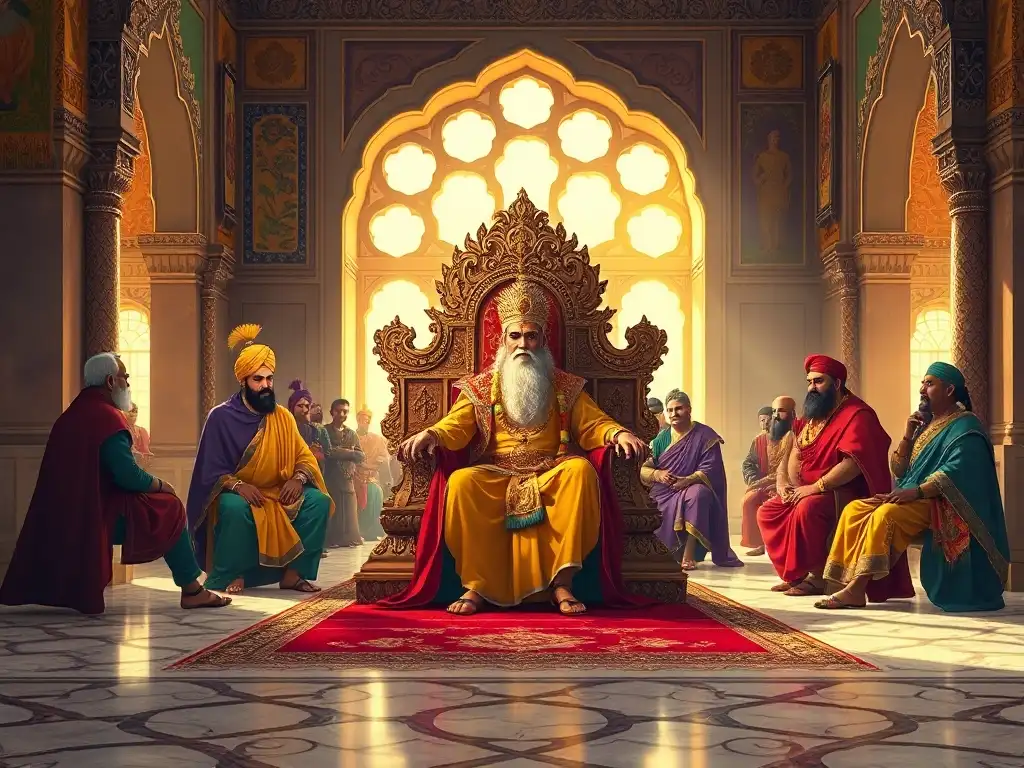
The Later Gupta Empire, which flourished from the 5th to the 6th centuries CE, is characterized by a series of rulers whose leadership styles and policies significantly influenced the empire's trajectory. By examining specific kings during this period, we can glean valuable lessons in governance, strategy, and the complexities of leadership.
Analysis of Specific Kings and Their Reigns
-
Bhanugupta (c. 500 CE)
Bhanugupta's reign was marked by challenges from external forces, particularly the Huns. His leadership demonstrated resilience as he attempted to consolidate power while navigating these threats. Bhanugupta’s strategic alliances were crucial, including engaging with local chieftains. However, his inability to fully repel invaders ultimately marked a turning point in the empire's stability.
-
Vishnugupta (c. 540–550 CE)
Often considered one of the last strong rulers, Vishnugupta's reign featured notable cultural patronage and a revival of arts and literature. His leadership style emphasized diplomacy and cultural integration, which temporarily strengthened the empire's internal cohesion. Nonetheless, his later decisions to ignore rising discontent among the nobility led to significant internal strife.
-
Adityagupta (c. 570–590 CE)
Adityagupta faced the dual challenge of external threats and internal dissent. His reign is a classic study in the balance of power; while he showed military prowess, his failure to address the grievances of local governors and nobles fostered instability. This period highlights the importance of listening to diverse voices within a leadership structure.
Successes and Failures: Learning from History
The Later Gupta kings exhibited varying degrees of success and failure, providing a rich tapestry of lessons:
- Successes: The emphasis on cultural patronage during Vishnugupta’s reign fostered a sense of unity and pride among the populace. His support for scholars and artists helped preserve and propagate the rich traditions of ancient Indian culture.
- Failures: Many kings, including Bhanugupta and Adityagupta, struggled with military overreach and the inability to adapt to changing political landscapes. Their reliance on traditional methods of governance without addressing emerging threats ultimately led to their downfall.
These historical reflections reveal the necessity of adaptability and responsiveness in leadership. The decline of the Later Gupta Empire serves as a cautionary tale about the consequences of ignoring both external pressures and internal dissent.
Conclusion: The Enduring Legacy of the Later Gupta Empire Leadership Lessons
The leadership lessons drawn from the Later Gupta Empire provide valuable insights applicable even today. As we analyze the successes and failures of these rulers, we encounter timeless themes relevant to leadership in any era.
Reflections on Leadership in Ancient India
In ancient India, leadership was often intertwined with cultural, spiritual, and military dimensions. The Gupta kings exemplified a blend of these aspects, demonstrating that effective leadership requires not only political acumen but also cultural sensitivity and an understanding of societal dynamics. Their experiences remind us that leaders must cultivate a vision that resonates with their people while remaining vigilant against both internal and external threats.
Relevance of Gupta Leadership Lessons in Modern Context
The lessons from the Later Gupta Empire can be applied to modern leadership contexts. The importance of adaptability, the need for listening to constituents, and the significance of cultural engagement remain critical in today's political and organizational landscapes. Leaders across various domains can benefit from analyzing how the Gupta kings navigated their complexities, ensuring that history continues to inform and guide contemporary practices in leadership. By embracing these lessons, modern leaders can foster environments that promote resilience and unity, echoing the enduring legacy of the Later Gupta Empire.
Further Reading on Ancient Indian Leadership and Empires
Understanding the complexities of the Later Gupta Empire and its leadership requires delving into a variety of resources. The decline of this influential empire provides crucial lessons on governance, strategy, and the impacts of leadership decisions. For those interested in exploring these themes further, a selection of recommended books and articles can offer valuable insights into ancient Indian leadership and the broader context of empires.
Recommended Books and Articles on the Gupta Empire
-
"The Gupta Empire" by Romila Thapar
This comprehensive book provides an in-depth analysis of the Gupta period, focusing on its political structure, economic prosperity, and cultural achievements. Thapar's work is essential for understanding the nuances of Gupta leadership and the factors that contributed to the empire's eventual decline.
-
"A History of Ancient India" by Upinder Singh
This text covers the entire spectrum of ancient Indian history, with significant sections dedicated to the Gupta Empire. Singh's narrative explores the social, political, and economic frameworks of the time, offering insights into the leadership styles that characterized this era.
-
"The Decline of the Gupta Empire: A Historical Perspective" – Journal of Historical Research
This article examines the various reasons for the decline of the Gupta Empire, focusing on leadership challenges and external pressures. It provides a scholarly perspective on how leadership decisions impacted the empire's stability.
-
"Lessons from the Gupta Empire: A Leadership Perspective" – Indian Journal of Leadership Studies
This paper analyzes the leadership strategies employed by the Later Gupta kings and the lessons that modern leaders can learn from their successes and failures. It provides a direct connection to contemporary leadership challenges.
-
"The Gupta Empire: A New History" by R. S. Sharma
Sharma's work offers a fresh perspective on the Gupta Empire, emphasizing the importance of leadership in shaping the empire's trajectory. The book discusses the role of key figures and their influence on the empire's rise and decline.
Resources for Exploring Ancient Indian History
-
Digital Archives and Libraries
Many universities and cultural institutions have digitized collections of ancient Indian texts and artifacts. Websites like the Digital South Asia Library and the British Library's Asian and African Studies collection provide access to historical manuscripts and documents that shed light on the Gupta era.
-
Online Courses and Lectures
Platforms such as Coursera and edX offer courses on ancient Indian history that cover various aspects, including the Gupta Empire. These courses often feature lectures from renowned historians and provide a structured approach to learning.
-
Podcasts on Ancient History
Numerous podcasts delve into the themes of ancient Indian history, including the Gupta Empire. Episodes often feature discussions with historians and experts, making complex topics more accessible and engaging.
-
Documentaries and Educational Videos
Various documentaries focusing on ancient Indian civilizations are available on platforms like YouTube and educational streaming services. These visual resources can provide a more dynamic understanding of the historical narrative.
-
Historical Societies and Organizations
Joining organizations such as the Indian History Congress or the Association of Indian Historians can provide networking opportunities, access to research papers, and invitations to conferences focused on ancient Indian studies.
By engaging with these resources, readers can deepen their understanding of the Later Gupta Empire and the leadership lessons it offers, enriching their knowledge of ancient Indian history.
- Introduction to the Later Gupta Empire
- The Leadership of the Later Gupta Kings
- Factors Contributing to the Decline of the Later Gupta Empire
- Leadership Lessons from the Later Gupta Kings
- Case Studies of Leadership During the Later Gupta Period
- Conclusion: The Enduring Legacy of the Later Gupta Empire Leadership Lessons
- Further Reading on Ancient Indian Leadership and Empires
- What were the main causes of the decline of the Later Gupta Empire?
- How did the leadership styles of the Later Gupta kings influence their empire's fate?
- Can we draw modern leadership lessons from the Later Gupta Empire?
- What role did cultural achievements play in the Later Gupta Empire?
- How did the Later Gupta leadership address challenges during their reign?
Frequently Asked Questions
What were the main causes of the decline of the Later Gupta Empire?
The decline of the Later Gupta Empire was primarily due to external invasions, internal conflicts, and economic instability that weakened their control over vast territories.
How did the leadership styles of the Later Gupta kings influence their empire's fate?
The leadership styles of the Later Gupta kings, characterized by centralized authority and cultural patronage, initially strengthened the empire but later contributed to its vulnerability as they faced administrative challenges.
Can we draw modern leadership lessons from the Later Gupta Empire?
Yes, modern leaders can learn about the importance of adaptability, effective communication, and diversity in governance from the successes and failures of the Later Gupta kings.
What role did cultural achievements play in the Later Gupta Empire?
Cultural achievements during the Later Gupta Empire, such as advancements in art, literature, and science, played a crucial role in fostering a sense of unity and identity, which temporarily masked underlying issues.
How did the Later Gupta leadership address challenges during their reign?
The Later Gupta leadership attempted to address challenges through alliances and military strategies, but their inability to maintain a stable political structure ultimately led to their decline.
Final Reflection: Lessons from the Decline of Empires and the Power of Leadership
The decline of empires is not merely a historical phenomenon; it serves as a poignant reminder of the fragility of power and the importance of effective leadership. As we examine the leadership lessons from the Later Gupta Empire, we find that the challenges faced by these rulers resonate deeply with contemporary issues of governance and societal cohesion. The lessons learned from their rise and fall can guide current and future leaders in navigating the complexities of leadership in an ever-changing world.
The legacy of the Later Gupta kings continues to influence our understanding of leadership dynamics and the consequences of neglecting the needs of the populace. Their experiences remind us that leadership is not solely about authority but also about responsibility and vision. As historian R. S. Sharma aptly noted, The strength of an empire lies not in its conquests but in the well-being of its people.
This observation underscores the ongoing relevance of empathetic and inclusive leadership in fostering stability and growth within societies.
As we reflect on the lessons from the Later Gupta Empire, I invite you to consider how these insights can be applied in your own life and leadership journey. What can you learn from the past to create a more resilient future? Whether in your personal relationships, community involvement, or professional endeavors, embodying the principles of thoughtful leadership can lead to transformative change. Embrace the opportunity to learn from history, and let it inspire you to lead with purpose and integrity.
Uncover the Secrets of Resilient Leadership!
Thank you for diving into the intriguing world of the Gupta Empire and its leadership lessons. By exploring the decline of this great empire, you've equipped yourself with insights that can illuminate contemporary challenges in governance and decision-making.
Now, let’s transform that knowledge into action! Here’s how you can apply these valuable lessons today:
- Reflect on leadership styles: Identify a leader from history or the present day whose approach resonates with you. Consider the lessons you can incorporate into your own leadership journey.
- Share your insights: Engage in discussions about your learnings with friends or online communities. How can these historical insights inform our future?
- Join a community: Connect with individuals who share your passion for history and leadership. Participate in discussions on social media or join local history groups to gain diverse perspectives.
How will you leverage the lessons from the Gupta era to influence your leadership journey or community today?