
Harsha Vardhana: The Unifying Emperor Who Bridged North and South India

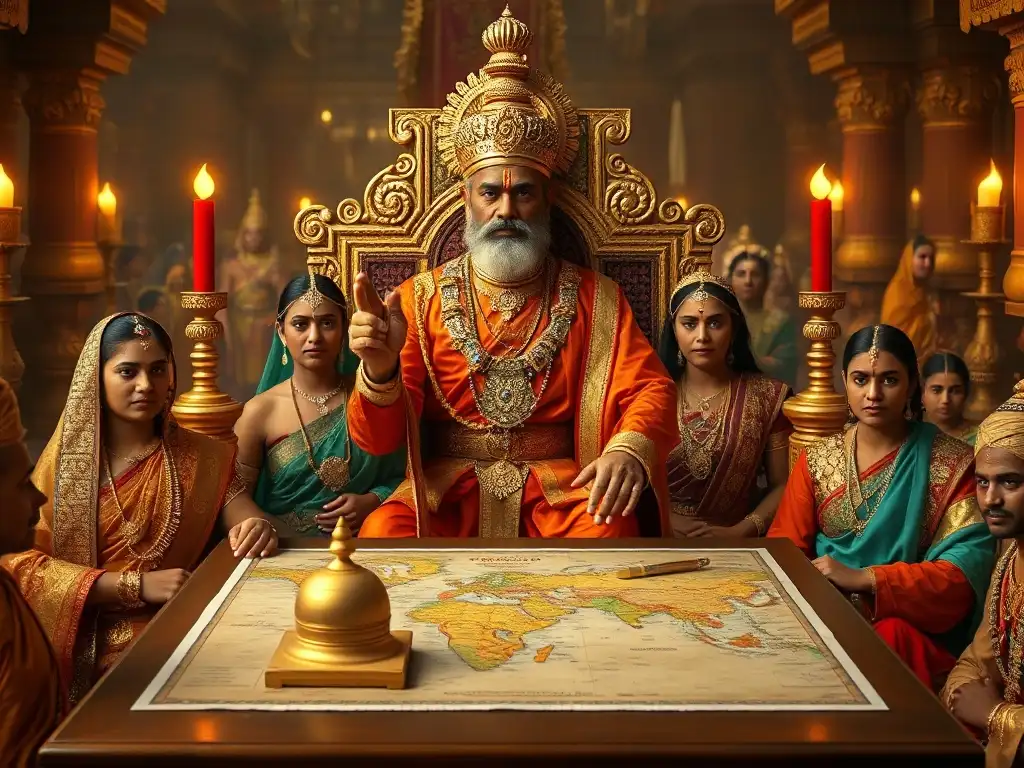
Welcome to Ancient India History, where we embark on a captivating journey through the rich tapestry of India's past! In this exploration, we delve into the remarkable reign of Harsha Vardhana, a pivotal figure in unifying India history. Discover how this extraordinary emperor not only bridged the cultural and geographical divides between North and South India but also left an indelible mark on the subcontinent's legacy. Prepare to unlock the secrets of a time when diverse civilizations flourished, and let your curiosity guide you as you continue to explore the profound impact of Harsha Vardhana and his era!
- Introduction to Harsha Vardhana
- The Rise of Harsha Vardhana
- Harsha Vardhana’s Unifying Efforts
- Cultural Contributions of Harsha Vardhana
- Harsha Vardhana’s Legacy
- Conclusion: Harsha Vardhana’s Place in Unifying India History
- Further Reading on Harsha Vardhana and Ancient Indian History
-
Frequently Asked Questions
- What was the significance of Harsha Vardhana in Indian history?
- How did Harsha Vardhana contribute to the spread of Buddhism?
- What were the key achievements of Harsha Vardhana's reign?
- How did Harsha Vardhana's rule impact the cultural landscape of ancient India?
- Who were Harsha Vardhana's notable contemporaries?
- Final Reflection: The Legacy of Harsha Vardhana in Unifying India
- Unleash the Legacy of Harsha Vardhana!
Introduction to Harsha Vardhana
Harsha Vardhana, often hailed as one of the most significant rulers in Indian history, played a pivotal role in unifying diverse regions of the subcontinent during the 7th century CE. His reign marked a period of cultural, political, and economic flourishing, bridging the gap between North and South India.
This article delves into the life and contributions of Harsha Vardhana, exploring how his leadership transcended regional boundaries, fostering a sense of unity amidst the rich tapestry of ancient Indian civilization. Understanding Harsha's influence is crucial for appreciating the intricate historical dynamics that shaped India’s development during this transformative era, highlighting his legacy as a unifying emperor who sought to integrate the vast and diverse territories under his rule.
Overview of Harsha Vardhana’s Era
The era of Harsha Vardhana, approximately from 606 to 648 CE, was characterized by significant political and cultural developments. Rising to power after the decline of the Gupta Empire, Harsha established his kingdom in Kanauj, which became a vital center for trade, culture, and politics in Northern India. His reign was marked by:
- Territorial Expansion: Harsha successfully expanded his empire through military conquests, which included significant regions such as Punjab, parts of present-day Uttar Pradesh, and even ventures into the Deccan. His campaigns not only consolidated his power but also facilitated trade and cultural exchanges across diverse regions.
- Cultural Flourishing: The period saw a renaissance in Hinduism and Buddhism, with Harsha being a patron of both religions. His court attracted scholars, poets, and artists, fostering an environment where literature and philosophy thrived. The famous Chinese traveler Xuanzang visited Harsha's court, documenting the vibrant cultural life and the emperor's commitment to religious tolerance.
- Economic Prosperity: Under Harsha's rule, the economy of North India flourished, with advancements in agriculture, trade, and commerce. He implemented policies that enhanced trade routes, leading to increased interactions between various regions and promoting economic stability.
These factors contributed to a vibrant socio-political landscape that laid the groundwork for future empires and interactions among the subcontinent’s diverse cultures.
Significance of Harsha Vardhana in Indian History
Harsha Vardhana's significance in Indian history extends beyond his military prowess and administrative capabilities. His legacy is multifaceted, encompassing several key aspects:
- Unification of India: Harsha is often referred to as the unifying emperor due to his efforts to bring together various kingdoms and regions under a single banner. This political unification was crucial in establishing a sense of identity among the diverse populations of India, fostering a collective consciousness that transcended regional differences.
- Cultural Integration: By promoting both Hindu and Buddhist traditions, Harsha played a vital role in cultural integration. His reign witnessed the flourishing of arts, literature, and religious discourse, which contributed to a rich cultural mosaic that defined ancient India.
- Administrative Innovations: Harsha is credited with implementing effective administrative systems that enhanced governance. His emphasis on justice, welfare, and public works left a lasting impact on subsequent rulers and set a precedent for effective leadership in the Indian subcontinent.
Harsha Vardhana’s influence as a unifying force in Indian history is evident through his military conquests, cultural patronage, and administrative reforms. His reign not only marked a significant chapter in the annals of ancient India but also laid the foundation for future leaders and the socio-political landscape of the region. Understanding his contributions provides valuable insights into the complexities of Indian history and the enduring legacy of its key historical figures.
The Rise of Harsha Vardhana
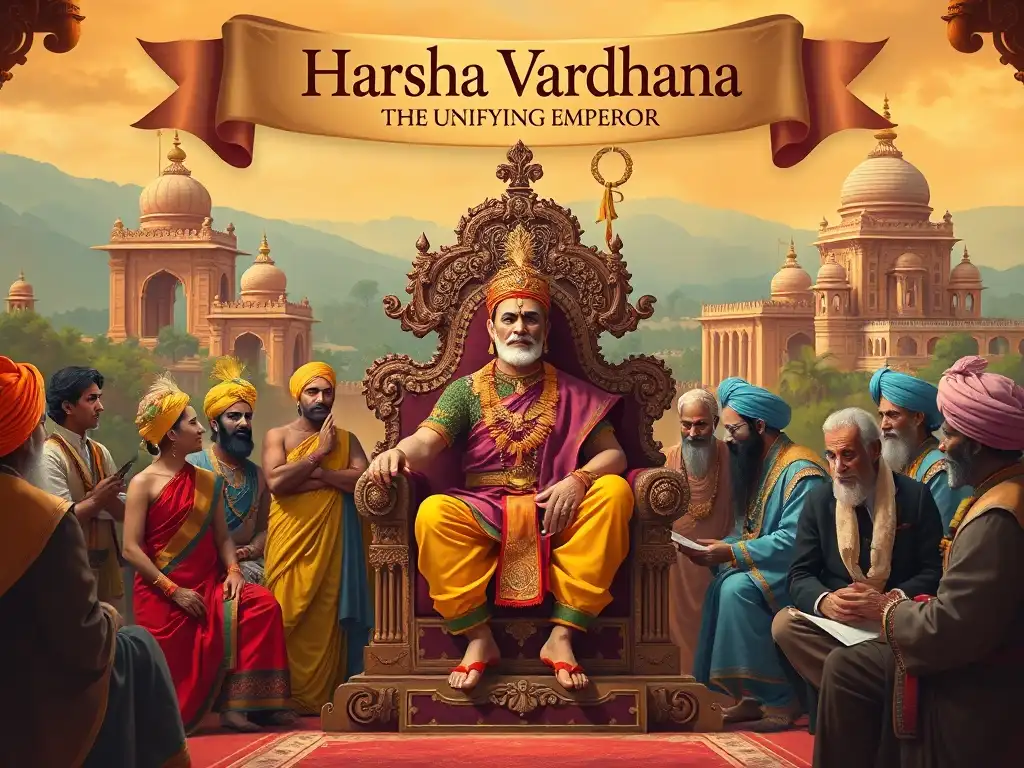
Early Life and Background of Harsha Vardhana
Harsha Vardhana was born in 590 CE into the Vardhana dynasty, which was a prominent political family in the region of present-day Haryana. His father, King Prabhakar Vardhana, ruled the kingdom of Thaneshwar, and Harsha was the younger brother of the illustrious king, Rajya Vardhana. The early years of Harsha's life were marked by a rich cultural environment, as the region was a melting pot of various traditions, languages, and philosophies.
From a young age, Harsha displayed remarkable intelligence and an aptitude for leadership. His education was deeply influenced by the prevailing Buddhist and Hindu philosophies, which later shaped his governance style. The kingdom's political landscape was tumultuous, with frequent conflicts arising from rival kingdoms, especially from the west, including the Persians and the Maitrakas of Gujarat.
When Harsha was around 16 years old, his life took a dramatic turn following the untimely death of his brother Rajya Vardhana. This pivotal event compelled Harsha to step into the political arena, taking on the responsibilities of leadership and defense of his family's kingdom. His early experiences forged a sense of unity and resilience that would define his reign.
Ascension to Power: The Context of His Rule
Harsha's ascension to power was not merely a personal ambition but a response to the chaotic political scenario of 7th century India. After the death of Rajya Vardhana, Harsha managed to consolidate his power swiftly, demonstrating both strategic acumen and military prowess. He effectively united the surrounding regions, including the kingdoms of Punjab and parts of Northern India.
In 606 CE, Harsha declared himself the emperor of the newly expanded Vardhana Empire after defeating the Maitraka rulers of Gujarat. His reign marked a significant shift in the political landscape, as he sought to establish a centralized authority capable of maintaining order and promoting prosperity. The unification of North India under his banner was a critical turning point, as it laid the foundation for a more cohesive cultural identity spanning diverse linguistic and regional communities.
Harsha's rule was characterized by a commitment to both justice and patronage of the arts. He invited scholars and poets to his court, notably the famous Chinese traveler Xuanzang, who chronicled the vibrant cultural and religious life during this period. This exchange of ideas and cultures further solidified Harsha's role as a unifier, as he bridged gaps between various traditions and communities, fostering a sense of collective identity among his subjects.
Establishment of the Vardhana Dynasty
The establishment of the Vardhana dynasty under Harsha Vardhana heralded a new era in Indian history. His reign lasted from 606 CE to 647 CE and was marked by significant advancements in administration, culture, and the arts. Harsha implemented reforms that enhanced trade, agriculture, and infrastructure, which contributed to economic stability in the region.
The administrative framework he established was notable for its inclusivity. Harsha appointed local rulers to govern various regions, which allowed him to maintain control while fostering loyalty among diverse populations. This decentralization of power was instrumental in managing the vast territories of his empire.
Moreover, Harsha was a patron of Buddhism, yet he maintained a policy of religious tolerance, allowing Hinduism and other faiths to flourish. His commitment to building monasteries, temples, and educational institutions attracted scholars and religious leaders, making his capital, Kanauj, a thriving center of learning and culture.
Harsha Vardhana's efforts to unify North and South India were not only political maneuvers but also cultural integrations that enriched the historical tapestry of ancient India. The legacy of his dynasty continues to be reflected in the cultural and historical narratives of the region, emphasizing the importance of unity and diversity in shaping India's identity.
Harsha Vardhana’s Unifying Efforts
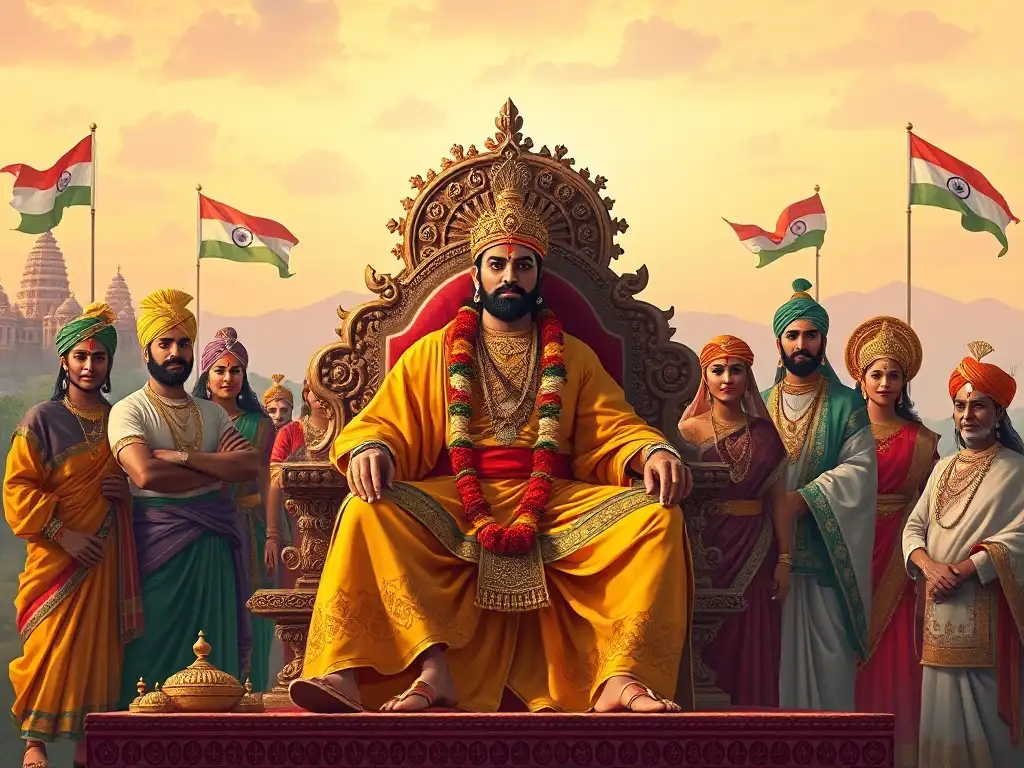
Strategies for Unifying North and South India
Harsha Vardhana, who ruled from 606 to 647 CE, is often celebrated for his efforts in unifying India, particularly during a time of fragmented regional powers. His strategies for unification can be categorized into several key areas:
- Centralization of Power:
- Harsha established a centralized administrative structure, which allowed for more efficient governance across his empire. By appointing loyal officials and governors in various regions, he ensured that his authority was recognized from the northern plains to the southern territories.
- Promotion of Religious Tolerance:
- Recognizing the religious diversity in India, Harsha embraced a policy of tolerance towards various faiths, particularly Buddhism and Hinduism. This approach fostered a sense of unity among different communities, as people felt respected and valued regardless of their religious affiliations.
- Cultural Integration:
- Harsha actively promoted cultural exchanges by patronizing scholars, poets, and artists from different regions. This not only enhanced the cultural fabric of his empire but also helped in bridging the cultural gaps between North and South India.
- Infrastructure Development:
- The emperor invested in the development of roads and communication systems, facilitating trade and movement of people. Improved infrastructure played a crucial role in connecting distant regions, thus enhancing economic and cultural interactions.
- Conducive Environment for Trade:
- By ensuring peace and stability across his empire, Harsha created a conducive environment for trade. This economic interdependence between the northern and southern regions further strengthened his unifying efforts.
Key Military Campaigns and Their Impact on Indian Unity
Harsha's military campaigns were instrumental in establishing a unified Indian identity. Notable campaigns include:
- Conquest of the Kanauj Region:
- Harsha's successful conquest of Kanauj enabled him to control a strategic point in North India, allowing him to exert influence over neighboring territories. This victory not only expanded his empire but also solidified his reputation as a formidable ruler.
- Involvement in the Deccan:
- Harsha extended his military campaigns to the Deccan region, where he aimed to subdue the local rulers and bring them under his banner. His efforts in this area facilitated the integration of Southern India into the broader imperial structure.
- Defense Against External Threats:
- Throughout his reign, Harsha faced threats from various regional powers, including the Chalukyas and the Maitrakas. His military strategies not only defended his empire but also encouraged alliances and cooperation among different Indian states against common adversaries.
- Cultural Conquests:
- Beyond mere territorial expansion, Harsha's campaigns often resulted in cultural exchanges and assimilation. His military victories prompted the spread of Buddhism, especially in the southern regions, fostering a sense of unity through shared beliefs.
Diplomatic Alliances and Relationships with Other Kingdoms
Diplomatic relations were a critical aspect of Harsha Vardhana's strategy for unification. He established several key alliances that solidified his position and promoted stability:
- Alliance with the Chalukyas:
- Through strategic marriages and negotiations, Harsha sought to forge alliances with the Chalukya dynasty. Although conflicts did arise, his attempts at diplomacy were significant in maintaining peace in certain areas of Southern India.
- Relations with Buddhist Monarchs:
- Harsha maintained strong ties with various Buddhist kingdoms, which facilitated cultural and religious exchanges. His patronage of Buddhism helped in building alliances that were crucial for fostering unity across diverse regions.
- Engagement with Local Rulers:
- Harsha utilized diplomacy to engage local rulers, often offering them autonomy in exchange for loyalty. This pragmatic approach allowed him to incorporate various regional powers into his empire without resorting to constant warfare.
- Participation in Religious Gatherings:
- Harsha's attendance at significant religious gatherings, such as the great assembly at Kanauj, showcased his commitment to fostering unity. These gatherings not only promoted religious discourse but also served as a platform for political alliances.
Harsha Vardhana's unifying efforts were multifaceted, combining military strength, cultural integration, and diplomatic finesse to bridge the divides between North and South India. His legacy as a unifying emperor remains a significant chapter in the history of ancient India.
Cultural Contributions of Harsha Vardhana
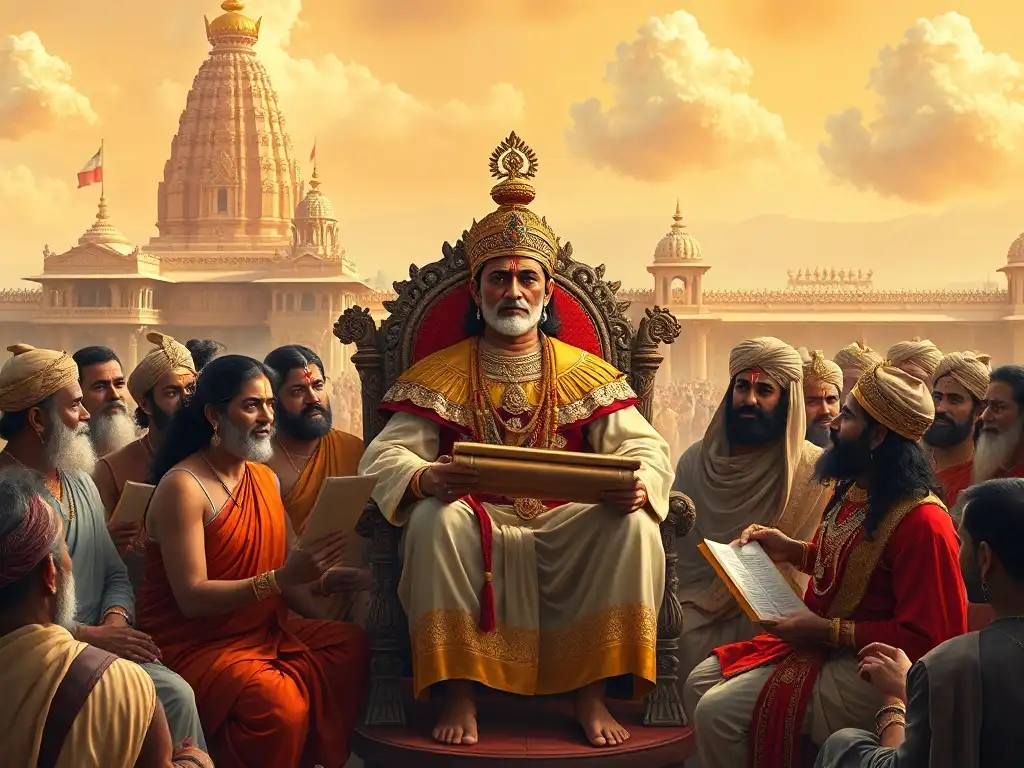
Under the reign of Harsha Vardhana, a significant cultural renaissance emerged that profoundly impacted the Indian subcontinent. This era was characterized by the flourishing of art, literature, and philosophical discourse, which were pivotal in uniting the diverse regions of India. Harsha's patronage of various cultural fields not only enriched the existing traditions but also laid the groundwork for future developments in Indian culture and society.
Promotion of Art and Literature under Harsha Vardhana
Harsha Vardhana was a notable patron of the arts and literature, which played a crucial role in the cultural landscape of his empire. He actively encouraged poets, playwrights, and scholars, leading to a vibrant artistic atmosphere.
- Literary Figures: One of the most prominent figures of this period was Banabhatta, Harsha's court poet, who authored the famous work "Harshacharita." This biography of Harsha not only provides insights into his life and reign but also reflects the literary style and cultural values of the time.
- Dramatic Arts: The era also saw the flourishing of dramatic arts, with Harsha himself being a playwright. He composed three plays, namely "Nagananda," "Ratnavali," and "Priyadarshika," which are celebrated for their intricate plots and character development. These works highlight the themes of love, devotion, and moral dilemmas, showcasing the sophistication of Indian drama.
- Artistic Expression: Sculptural and architectural developments during Harsha's reign also flourished. The temples constructed during this period displayed intricate carvings and sculptures, embodying both religious and aesthetic values of the time.
Through his patronage, Harsha Vardhana ensured that the arts thrived, fostering a sense of identity and continuity that bridged various cultural divides.
Religious Tolerance and Cultural Syncretism
Harsha Vardhana's reign was marked by a remarkable degree of religious tolerance, which played a significant role in fostering cultural syncretism across his empire.
- Diverse Beliefs: Harsha himself was a follower of Buddhism, yet he respected and supported other religions, including Hinduism and Jainism. This inclusivity created an environment where diverse religious practices could coexist harmoniously.
- Festivals and Celebrations: The emperor organized grand festivals that invited participation from various religious communities. Notably, he held a major religious assembly at Kanauj, where representatives of different sects came together, promoting a spirit of unity and shared cultural heritage.
- Cultural Exchange: This ethos of tolerance facilitated cultural exchanges and interactions between different communities, enriching the social fabric of the empire. The blending of traditions and practices resulted in a unique cultural identity, reflective of the myriad influences that characterized ancient India.
Harsha's emphasis on religious tolerance not only enhanced social cohesion but also contributed to the richness of Indian cultural heritage.
The Role of Nalanda University in Harsha Vardhana’s Era
Nalanda University, one of the ancient world's foremost centers of learning, flourished during Harsha Vardhana's reign, becoming a beacon of knowledge and scholarship.
- Academic Excellence: Under Harsha's patronage, Nalanda attracted scholars and students from across Asia, including China, Korea, and Tibet. The university offered a diverse curriculum that encompassed various fields such as philosophy, mathematics, astronomy, and medicine.
- Support for Scholars: Harsha was known for his generous support of the university, providing funding and resources that ensured its growth and prosperity. He frequently visited Nalanda, engaging with scholars and participating in intellectual discussions, which exemplified his commitment to education.
- Cultural Exchange Hub: Nalanda served as a crucial hub for cultural exchange, where ideas and knowledge flowed freely between different cultures and traditions. This exchange significantly contributed to the intellectual and cultural richness of the Indian subcontinent.
The legacy of Harsha Vardhana's support for Nalanda University not only advanced educational pursuits but also reinforced the importance of knowledge and learning in unifying diverse cultures within his empire.
Harsha Vardhana’s Legacy
Long-Term Effects on Indian Political Landscape
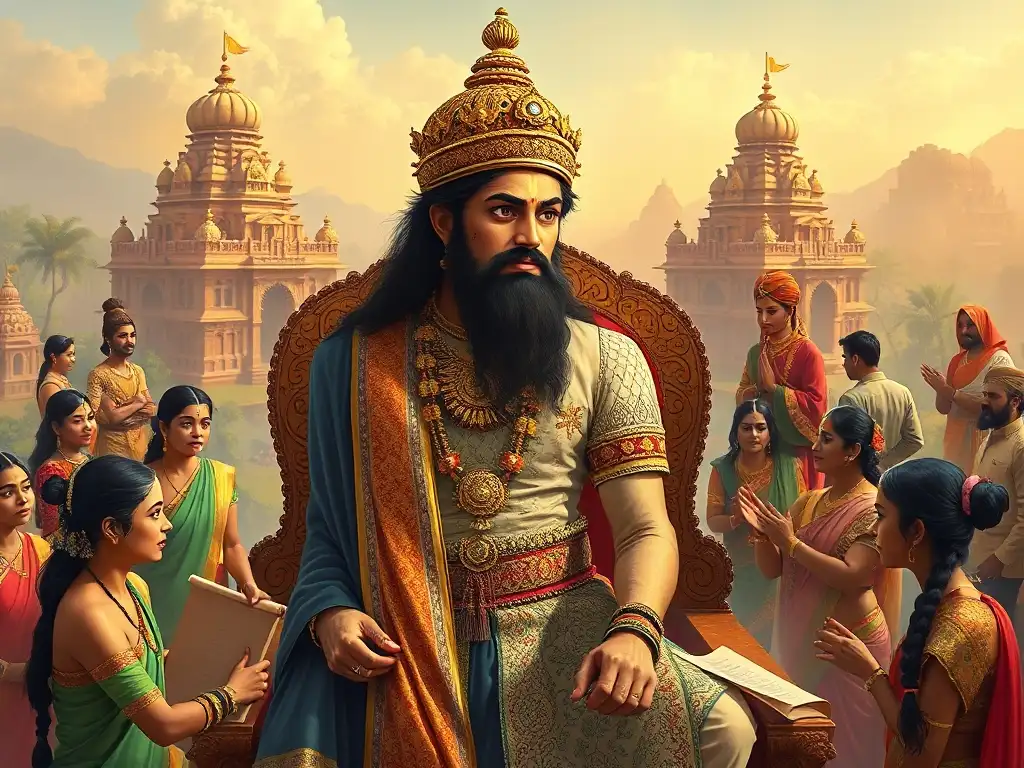
Harsha Vardhana's reign (606-647 CE) marked a significant turning point in the political history of ancient India, establishing a template for governance that would influence future empires. His ability to unify diverse regions under a single administration set a precedent that persisted long after his death. Harsha's administrative system was characterized by a centralized government, where local rulers were integrated into a larger framework, promoting both stability and efficiency.
- Centralized Authority: Harsha established a strong central authority that was crucial for maintaining order across his vast empire. This model would later be emulated by various dynasties, such as the Pala and Chola empires, which sought to consolidate their power in a similar fashion.
- Prominence of Regional Governors: The emperor appointed regional governors, known as Uparikas, to manage different provinces. This delegation of authority allowed for the efficient administration of justice and tax collection, fostering a sense of loyalty among local rulers.
- Cultural Integration: Harsha’s reign facilitated the blending of cultures across North and South India. His policies promoted regional languages and customs, thereby laying the foundation for a more integrated Indian identity, which would be crucial in times of conflict and fragmentation.
The long-term effects of Harsha Vardhana's political strategies can be seen in the way subsequent rulers approached governance, emphasizing unity and cultural diversity as essential components of their rule.
Influence on Subsequent Dynasties and Rulers
The legacy of Harsha Vardhana significantly influenced later dynasties and rulers in several ways:
- Inspiration for Future Leaders: Rulers such as Raja Raja Chola I and Krishna Deva Raya of the Vijayanagara Empire drew inspiration from Harsha’s model of governance, particularly his focus on administration and cultural patronage.
- Military Strategies: Harsha’s military campaigns against the Huna tribes showcased the importance of a strong military presence. Subsequent rulers recognized the necessity of military prowess for both defense and expansion, leading to the establishment of powerful armies in empires like the Gupta and Mughal.
- Promotion of Religion: Harsha was known for his patronage of Buddhism and Hinduism, which set a precedent for religious tolerance. This policy of inclusiveness was emulated by rulers like Ashoka and later Akbar, fostering a sense of unity among diverse religious communities.
- Cultural Flourishing: The cultural renaissance during Harsha's reign, characterized by advancements in literature, art, and philosophy, inspired subsequent dynasties to invest in cultural patronage. This resulted in the flourishing of vernacular literature and the arts in the medieval period.
Harsha Vardhana in Historical Literature and Memory
Harsha Vardhana's impact on Indian history is reflected not only in the political landscape but also in historical literature and collective memory. His life and reign have been immortalized in various texts and narratives:
- Prabhākaravardhana’s Accounts: The Harshacharita, written by his court poet Banabhatta, provides a detailed account of Harsha's life and achievements. This work is pivotal in understanding his personality, governance style, and the socio-political dynamics of his time.
- Buddhist Texts: Harsha's patronage of Buddhism is documented in numerous Buddhist texts, which portray him as a benevolent ruler who supported the spread of Buddhism across northern India. His contributions to the development of monasteries and stupas are well noted.
- Cultural Symbol: Over time, Harsha has come to symbolize unity and cultural integration in Indian historiography. His legacy is invoked in discussions about national identity, particularly in the context of India's diverse cultural heritage.
- Modern Interpretations: In contemporary literature, Harsha Vardhana is often referenced as a model of enlightened leadership. His governance style is analyzed in the context of modern political discourse, emphasizing the relevance of his principles in today's multicultural society.
Harsha Vardhana's legacy as a unifying emperor resonates through the ages, influencing not only the political landscape of ancient India but also shaping the cultural and literary narratives that define India's historical identity.
Conclusion: Harsha Vardhana’s Place in Unifying India History
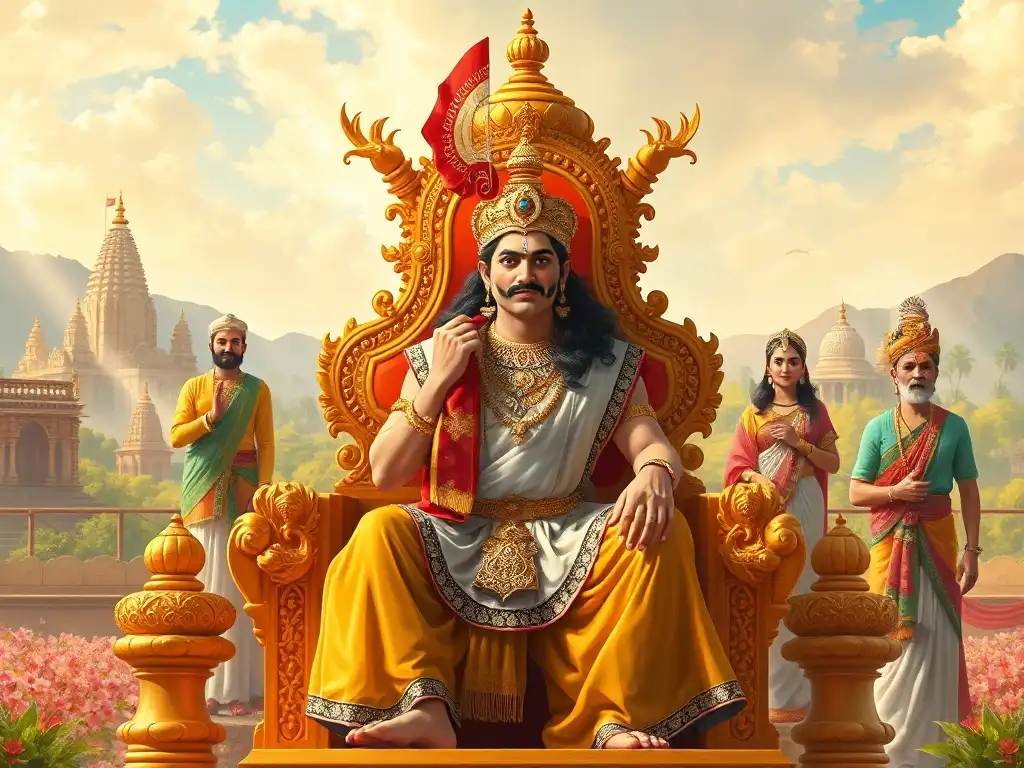
In examining the legacy of Harsha Vardhana, it becomes clear that his reign was pivotal in shaping the historical landscape of ancient India. His ability to unify diverse regions and cultures under one umbrella not only fostered a sense of national identity but also laid the groundwork for subsequent dynasties. Harsha's efforts in consolidating power across North and South India can be seen as a significant precursor to later unification efforts in the subcontinent.
Summary of Harsha Vardhana’s Contributions
Harsha Vardhana's contributions to Indian history are multifaceted and significant:
- Political Unification: Harsha managed to unite a fragmented India by conquering territories and assimilating various regional powers. His empire stretched from Punjab in the north to Kannauj, influencing the socio-political dynamics of the time.
- Cultural Patronage: He was a great patron of arts and literature. His court attracted scholars, poets, and philosophers, most notably the Chinese traveler Xuanzang, who documented his experiences in India. This cultural flourishing led to advancements in literature and philosophy.
- Religious Tolerance: Harsha practiced and preached religious tolerance, promoting Buddhism while respecting Hinduism and Jainism. His support for various faiths facilitated a harmonious coexistence among different communities.
- Infrastructure Development: He invested in infrastructure, building roads and rest houses to facilitate trade and pilgrimage. This development not only improved connectivity but also stimulated economic growth.
- Administrative Reforms: Harsha's administration was marked by effective governance. He implemented policies that aimed to improve the welfare of his subjects, ensuring prosperity across his empire.
The Importance of Harsha Vardhana in Understanding Ancient Indian Civilization
Understanding Harsha Vardhana's role is essential in grasping the complexities of ancient Indian civilization. His reign exemplifies the synthesis of political and cultural elements that characterized early medieval India.
- Bridging Regional Divides: Harsha's efforts to bridge the cultural and political divides between North and South India highlight the interconnectedness of various regions. His reign serves as a case study for historians examining the dynamics of regionalism and centralization.
- Influence on Successive Dynasties: The frameworks established during Harsha’s reign influenced subsequent dynasties, such as the Chola and Gupta empires. His policies and practices set a precedent for governance and cultural patronage.
- Cultural Exchange: The interactions between different cultures during Harsha's time laid the foundation for a rich tapestry of Indian heritage. His reign facilitated cultural exchanges that would shape the future of Indian society.
- Documentation and Legacy: The records left by travelers and scholars of the period provide invaluable insights into the socio-political and cultural environment of ancient India. Harsha's legacy continues to be a focal point for understanding the evolution of Indian civilization.
Harsha Vardhana's reign was not merely a political episode but a significant chapter in the broader narrative of Indian history, encapsulating themes of unity, cultural exchange, and governance that resonate through the ages. His contributions remain essential for comprehending the rich and diverse fabric of ancient Indian civilization.
Further Reading on Harsha Vardhana and Ancient Indian History
Suggested Books and Resources on Harsha Vardhana
When delving into the life and legacy of Harsha Vardhana, various books and resources provide detailed insights into his reign and the socio-political landscape of ancient India. Here are some recommended texts:
- "Harsha: The Life and Times of a Great Indian Emperor" by R. C. Majumdar
- This comprehensive biography explores Harsha's life, his unifying efforts in India, and his contributions to culture and governance.
- "A History of Ancient India: From the Earliest Times to the Sixteenth Century" by R. S. Sharma
- This book sets Harsha's reign within the broader context of Indian history, providing a thorough overview of the political dynamics of ancient India.
- "The Age of Harsha" by R. C. Gupta
- Focusing specifically on Harsha's era, this work delves into the administrative structures and cultural developments during his reign.
- "Harsha Vardhana: A Historical Study" by V. S. Bhatia
- This study investigates Harsha’s policies and military campaigns, examining how his leadership contributed to the unification of India.
- Online Databases and Journals
- Digital resources such as JSTOR or Google Scholar can provide access to academic papers and articles that discuss Harsha Vardhana's influence in greater detail.
Recommended Articles on Ancient Indian Leaders and Dynasties
Exploring articles on ancient Indian leaders and dynasties can further enrich your understanding of Harsha Vardhana's role in unifying India. Here are some noteworthy articles:
- "The Gupta Empire: A Cultural Golden Age"
- This article discusses the cultural advancements during the Gupta period, highlighting the environment that Harsha Vardhana inherited and influenced.
- "The Indus Valley Civilization: Foundations of Indian Society"
- Understanding the earlier civilizations provides crucial context for Harsha's achievements as a unifier. This article explores the roots of Indian society.
- "Chalukyas and Their Influence on South India"
- Investigating the Chalukyan dynasty offers insights into the regional dynamics that Harsha navigated, especially his interactions with southern kingdoms.
- "The Maurya Empire: Lessons from Ashoka"
- This piece reflects on the unifying strategies employed by Emperor Ashoka, drawing parallels to Harsha Vardhana’s own governance methods.
- "The Role of Religion in Unifying Ancient India"
- Analyzing the religious landscape during Harsha's reign reveals how spirituality contributed to social cohesion across diverse regions.
These resources collectively provide a nuanced understanding of Harsha Vardhana's contributions to unifying India, offering a deeper appreciation for his historical significance within the broader tapestry of ancient Indian history.
Frequently Asked Questions
What was the significance of Harsha Vardhana in Indian history?
Harsha Vardhana is known as a unifying emperor who played a crucial role in bridging North and South India during the 7th century, promoting cultural exchange and political stability.
How did Harsha Vardhana contribute to the spread of Buddhism?
Harsha was a patron of Buddhism, supporting its development and dissemination across his empire, which encouraged the construction of monasteries and the hosting of religious assemblies.
What were the key achievements of Harsha Vardhana's reign?
During his reign, Harsha Vardhana established a strong centralized government, supported arts and literature, and promoted trade, linking various regions of India through road networks.
How did Harsha Vardhana's rule impact the cultural landscape of ancient India?
Harsha's era marked a flourishing of culture, with advancements in literature, art, and philosophy, ultimately leading to a greater sense of unity among the diverse cultures of India.
Who were Harsha Vardhana's notable contemporaries?
Harsha Vardhana's reign coincided with prominent figures like Hiuen Tsang, a Chinese traveler who documented Indian culture, and King Bhoja, who ruled in the Western part of India, illustrating the vibrant political landscape.
Final Reflection: The Legacy of Harsha Vardhana in Unifying India
The story of Harsha Vardhana serves as a powerful reminder of the importance of unity in diversity. In today's world, where divisions often overshadow our shared humanity, the historical narrative of Harsha Vardhana's reign highlights how one visionary leader can bridge cultural and geographical divides. His efforts to unify North and South India during a time of fragmentation resonate deeply with contemporary challenges, reminding us that unity is not merely a historical concept but a pressing need in our current societal landscape.
The impact of Harsha Vardhana's legacy continues to shape our cultural and social fabric. His reign exemplified the potential for collaboration and mutual respect among diverse communities, fostering an environment where art, religion, and philosophy flourished. This historical example encourages us to reflect on our own roles in promoting unity today. As the historian Romila Thapar noted, History is not just about the past; it is a guide for the present and the future.
Harsha's legacy challenges us to cultivate an inclusive society that honors our differences while celebrating our shared identity.
As we contemplate the lessons from Harsha Vardhana's life, let us take a moment to reflect on our own contributions to unity in our communities. How can we embody the spirit of Harsha in our daily interactions? Whether through fostering dialogue, embracing cultural diversity, or advocating for collaboration, each of us has the power to create a more harmonious society. Let this reflection inspire you to be a unifying force in your own sphere of influence, carrying forward the timeless message of unity that Harsha Vardhana so profoundly exemplified.
Unleash the Legacy of Harsha Vardhana!
Thank you for diving into the remarkable journey of Harsha Vardhana, the emperor who united diverse cultures across India. Your interest in his story not only enriches your understanding of history but also inspires us to celebrate **unity in diversity**.
Now, let’s take that inspiration to the next level! Here are some powerful steps you can take:
- Embrace the spirit of unity: Share this article with friends or on social media to spread awareness about Harsha Vardhana's legacy and the significance of cultural exchange.
- Explore more about the history of Ancient India by delving into related articles or visiting your local library to learn about other influential figures who shaped our world.
- Consider joining a historical society or an online forum where you can engage with others who share your passion for history and discuss its relevance in today's context.
What insights about Harsha Vardhana resonate most with you, and how can they inspire change in today’s society? Share your thoughts below!