
The Role of Ancient Indian Leaders in Promoting Religious Tolerance

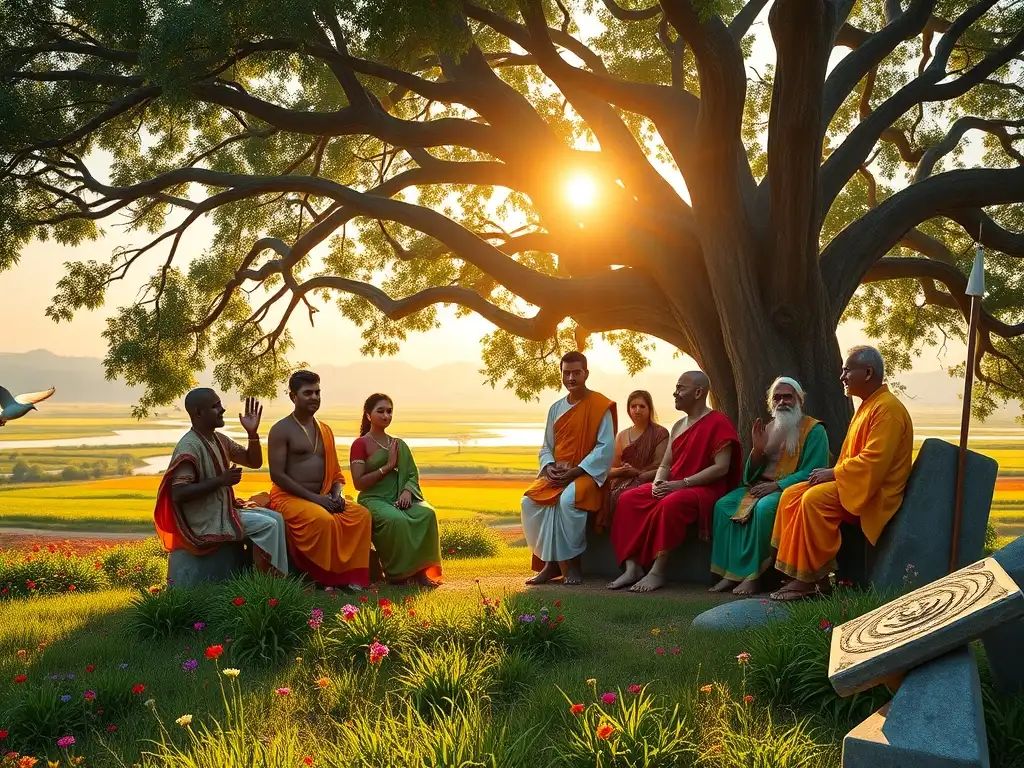
Welcome to Ancient India History, where we embark on a fascinating journey through the vibrant tapestry of one of the world's oldest civilizations. In this exploration, we delve into the remarkable role of ancient Indian leaders in promoting religious tolerance, a principle that not only shaped societal harmony but also enriched the cultural landscape of India. What strategies did these visionary leaders employ to foster acceptance among diverse belief systems?
Join us as we uncover the nuances of their governance and the profound impact it had on the unity of ancient Indian society. Prepare to be intrigued as you discover how the legacy of these key historical figures continues to resonate today!
Introduction to Ancient Indian Leaders and Religious Tolerance
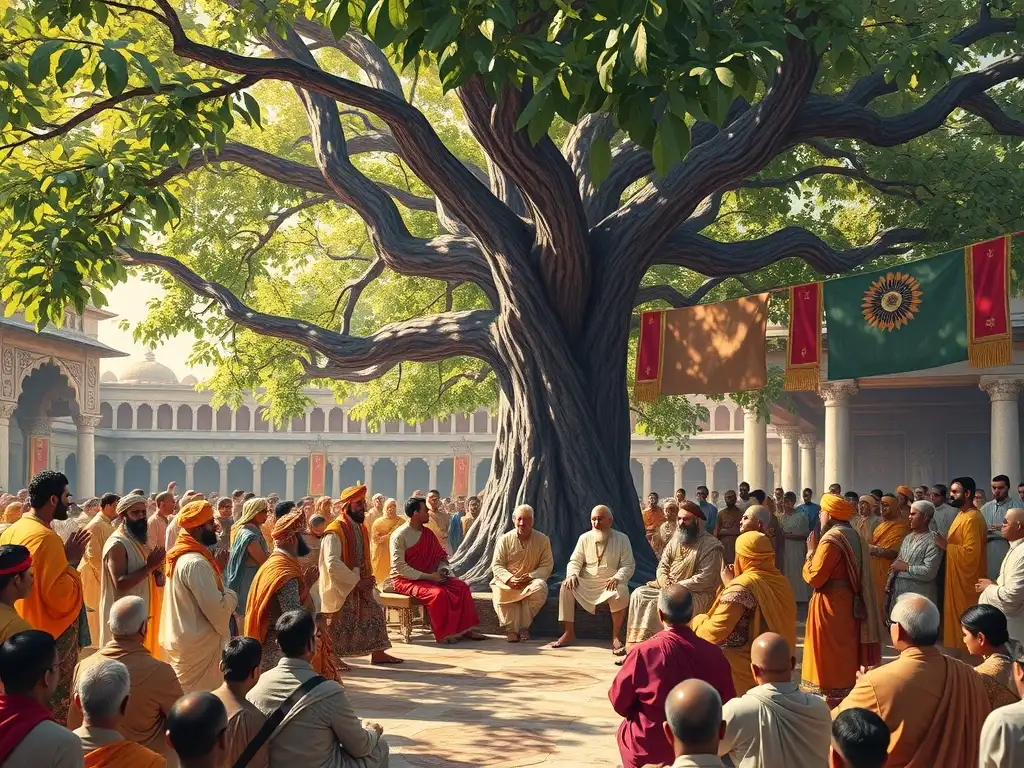
The history of ancient India is a tapestry woven with the threads of diverse cultures, languages, and religions. Throughout the millennia, various leaders emerged who not only shaped the political landscape but also fostered an environment of religious tolerance. This article delves into the pivotal role that ancient Indian leaders played in promoting coexistence among different faiths, paving the way for a society that valued harmony and respect for diversity. Understanding the efforts of these leaders provides insight into the foundations of India's rich cultural heritage and its commitment to pluralism, which resonates even in contemporary times.
Overview of Ancient Indian Civilizations and Their Diversity
Ancient India was home to several remarkable civilizations, each contributing uniquely to the region's cultural and religious mosaic. From the Indus Valley Civilization, known for its advanced urban planning and trade networks, to the Vedic period, which laid the groundwork for Hindu philosophy, ancient Indian societies were characterized by a variety of beliefs and practices. Major religions such as Hinduism, Buddhism, Jainism, and later Islam coexisted, often influencing one another in profound ways.
- Key Civilizations:
- Indus Valley Civilization
- Vedic Period
- Maurya Empire
- Gupta Empire
The rich philosophical discourses and religious texts originating from these periods reflect a society that engaged in dialogues about spirituality, ethics, and governance, highlighting the importance of mutual respect among varying belief systems.
Importance of Religious Tolerance in Ancient India
Religious tolerance in ancient India was not merely a virtue but a necessity for maintaining peace and stability in a diverse society. Leaders recognized that a harmonious coexistence among different faiths could foster economic prosperity, social cohesion, and cultural enrichment. This tolerance allowed for:
- Cultural Exchange: Diverse religious practices contributed to art, literature, and philosophy, enriching the cultural landscape.
- Social Stability: By promoting tolerance, leaders reduced conflict arising from religious differences, enabling their empires to thrive.
- Philosophical Development: A climate of respect for various beliefs encouraged intellectual growth and the flourishing of ideas.
This foundational principle of tolerance set a precedent for future generations, influencing India's approach to diversity and coexistence.
Key Ancient Indian Leaders Who Promoted Religious Tolerance
Ashoka the Great: A Pillar of Peace and Compassion
Ashoka the Great, the third emperor of the Maurya Dynasty, is often celebrated for his transformative approach to governance following the Kalinga War. His conversion to Buddhism marked a significant shift towards non-violence and compassion, which he championed throughout his reign. Ashoka's edicts, inscribed on pillars across the empire, emphasized the importance of tolerance and respect for all religions, urging his subjects to embrace compassion and understanding.
- Key Contributions:
- Promotion of Buddhist values of peace and non-violence.
- Establishment of the Dhamma, a moral code that encouraged interfaith dialogue.
- Support for the spread of Buddhism, which fostered a culture of inclusivity.
Chandragupta Maurya: The Foundation of a Tolerant Empire
Chandragupta Maurya, the founder of the Maurya Empire, played a crucial role in unifying diverse Indian territories under a single rule. His reign laid the groundwork for a society where various religions could coexist. Chandragupta's alliance with Jainism, particularly through his mentor, Chanakya, showcased an early example of religious tolerance in governance.
- Key Contributions:
- Establishment of a centralized administration that respected local customs and beliefs.
- Promotion of trade and commerce, which facilitated cultural exchanges across different religious communities.
Akbar the Great: A Champion of Pluralism
While not strictly ancient, Akbar the Great, the third Mughal emperor, significantly influenced the discourse on religious tolerance in India during the late 16th century. His innovative policies aimed to integrate the diverse communities within his empire, fostering a sense of unity amidst diversity. Akbar's establishment of the Din-i Ilahi, a syncretic religion, exemplified his commitment to pluralism.
- Key Contributions:
- Abolition of the jizya tax on non-Muslims, promoting equality.
- Encouragement of interfaith dialogues and debates among scholars of different religions.
- Implementation of policies that recognized and respected diverse cultural practices.
Through the efforts of these leaders, ancient India emerged as a beacon of religious tolerance, setting an enduring example for future generations. Their legacies remind us of the importance of fostering understanding and respect in a world that is often divided by belief.
The Philosophical Foundations of Religious Tolerance in Ancient India
The concept of religious tolerance in ancient India is deeply rooted in its philosophical traditions. Various religious and philosophical systems coexisted and interacted, promoting an atmosphere of acceptance and respect for diverse beliefs. This tolerance was not merely a social necessity but was also embedded in the very fabric of Indian thought, shaped by the teachings of key religions such as Hinduism, Buddhism, and Jainism. Each of these systems contributed unique principles that emphasized compassion, respect, and the interconnectedness of all beings, laying the groundwork for a society where multiple faiths could thrive simultaneously.
Hinduism and the Concept of Dharma
In Hinduism, the concept of Dharma plays a crucial role in promoting religious tolerance. Dharma refers to the moral law combined with spiritual discipline that guides an individual’s conduct. It encourages adherents to respect the paths chosen by others, as each person’s dharma may differ based on their circumstances and stage in life. This pluralistic approach allowed for various practices and beliefs to coexist under the umbrella of Hinduism. The sacred texts, such as the Vedas and Upanishads, emphasize the importance of understanding and respecting diverse perspectives, reinforcing the idea that multiple paths can lead to the ultimate truth.
Buddhism’s Emphasis on Non-violence and Compassion
Buddhism, founded by Siddhartha Gautama (the Buddha), introduced the principles of non-violence (ahimsa) and compassion as central tenets. The teachings of the Buddha advocate for kindness towards all living beings and discourage harm or hostility. This philosophy fostered an environment where differing beliefs were viewed with compassion rather than contempt. Buddhist monastic communities often engaged in dialogues with followers of other faiths, promoting mutual respect and understanding. The spread of Buddhism throughout Asia exemplifies how these principles of tolerance facilitated cross-cultural exchanges and influenced countless societies.
Jainism’s Principles of Ahiṃsā and Respect for All Life
Jainism, another significant religious tradition in ancient India, is renowned for its strict adherence to ahiṃsā, or non-violence. Jains believe in the sanctity of all life forms, advocating for extreme care in thought, word, and deed to avoid causing harm to any being. This unwavering commitment to non-violence extends to their interactions with other religions, fostering an environment of respect and tolerance.
Jain philosophy underscores the idea that all souls are on a journey toward liberation, promoting a sense of unity among various faiths. The Jains’ practice of tolerance not only shaped their community but also encouraged broader societal acceptance of diverse beliefs.
Impact of Religious Tolerance on Ancient Indian Society
The religious tolerance cultivated by ancient Indian leaders had profound effects on society. It contributed to social cohesion, spurred cultural exchanges, and left a lasting legacy that continues to influence modern India.
Social Cohesion and Stability in Diverse Communities
The promotion of religious tolerance facilitated social cohesion among diverse communities in ancient India. By encouraging acceptance of different beliefs and practices, leaders helped to mitigate conflicts that could arise from religious differences. This stability allowed various communities, including Hindus, Buddhists, Jains, and others, to coexist peacefully, fostering a sense of unity and shared identity despite their distinct traditions. The recognition of multiple faiths as valid paths to truth created a framework for collaboration and mutual support, reinforcing societal bonds.
Cultural Contributions Resulting from Religious Interactions
The intermingling of various religious traditions led to a rich tapestry of cultural contributions in literature, art, and philosophy. Ancient Indian literature, such as the epics Mahabharata and Ramayana, reflects themes of tolerance and the importance of understanding differing viewpoints. Artistic expressions, including temple architecture and sculptures, often integrated motifs and symbols from multiple faiths, showcasing a shared cultural heritage. The dialogues and exchanges among religious thinkers fostered philosophical advancements, enriching the intellectual landscape of ancient India.
Long-lasting Influence on Modern Indian Society
The legacy of religious tolerance in ancient India continues to resonate in modern Indian society. The principles of acceptance and coexistence remain integral to India’s identity as a pluralistic nation. Contemporary leaders often draw inspiration from ancient philosophies that advocate for harmony among diverse groups. The historical examples of tolerance serve as a reminder of the importance of nurturing mutual respect in today’s increasingly globalized world. As India navigates the complexities of modernity, the lessons of its ancient leaders in fostering religious tolerance provide a guiding framework for maintaining social harmony.
Challenges Faced by Ancient Indian Leaders in Promoting Religious Tolerance
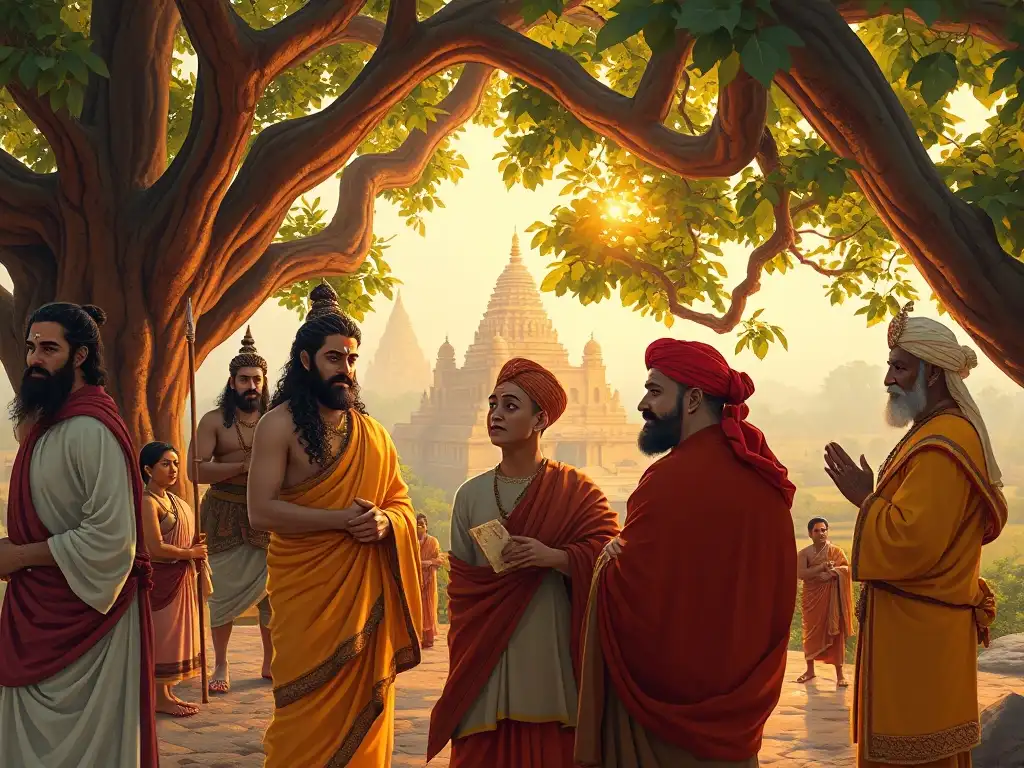
Ancient Indian leaders encountered numerous challenges while striving to foster religious tolerance within their diverse societies. These challenges were deeply rooted in the historical, cultural, and social fabric of the time. Understanding these obstacles is crucial to appreciating the efforts made by these leaders to create a more harmonious society.
Conflicts Between Different Religious Groups
One of the most significant challenges was the existence of conflicts between various religious groups. Ancient India was home to a myriad of faiths, including Hinduism, Buddhism, Jainism, and later, Islam. Each of these religions had its own beliefs, rituals, and social structures, which sometimes led to tensions and conflicts.
Leaders such as Ashoka the Great, who embraced Buddhism and propagated its teachings, sought to mediate these conflicts through the establishment of the Edicts of Ashoka, which emphasized moral governance and respect for all religions. However, despite their efforts, the underlying rivalries often flared up, complicating the leaders' initiatives for fostering unity.
Resistance from Conservative Factions within Society
Another considerable challenge was the resistance from conservative factions within society, which often adhered to traditional beliefs and practices. These groups were typically resistant to the changes proposed by more progressive leaders who advocated for inclusivity and interfaith dialogue. For example, during the reign of Ashoka, while many accepted his vision of a compassionate society, there were factions within the Brahminical tradition that viewed the promotion of Buddhism as a threat to their established status and influence. Such resistance made it difficult for leaders to implement widespread reforms and achieve lasting religious tolerance.
Legacy of Ancient Indian Leaders in Modern Context
The legacy of ancient Indian leaders in promoting religious tolerance is not merely a historical footnote but continues to resonate in modern society. Their teachings and principles provide valuable insights into the significance of coexistence and mutual respect among different faiths.
Relevance of Their Teachings on Religious Tolerance Today
The teachings of ancient leaders like Ashoka and others remain highly relevant today in an increasingly polarized world. Their emphasis on empathy, understanding, and dialogue serves as a guiding framework for contemporary societies grappling with religious intolerance and conflict. Modern movements advocating for peace and interfaith dialogue often draw inspiration from the principles established by these ancient leaders. For instance, Ashoka's concept of "Dharma" underscores ethical conduct and respect for all living beings, which is echoed in various peace-building initiatives around the globe.
Examples of Contemporary Movements Inspired by Ancient Leaders
Numerous contemporary movements have emerged that are inspired by the ethos of ancient Indian leaders in promoting religious tolerance. Initiatives such as the communal harmony programs led by various non-governmental organizations (NGOs) in India aim to bridge gaps between different religious communities. Furthermore, educational programs that focus on the teachings of leaders like Ashoka and their philosophies of tolerance and compassion are being integrated into curricula, fostering a new generation that values interfaith understanding. Leaders today often invoke the legacies of these ancient figures to promote social cohesion and combat rising intolerance, highlighting the enduring impact of their efforts.
Conclusion: The Enduring Influence of Ancient Indian Leaders on Religious Tolerance
The legacy of ancient Indian leaders in fostering religious tolerance is a testament to their visionary governance and deep understanding of societal dynamics. Leaders such as Ashoka the Great, who ruled during the Mauryan Empire, exemplified the significance of compassion and understanding in promoting peaceful coexistence among diverse religious groups. His edicts, which advocated for non-violence and respect for all faiths, illustrate how governance can be harmonized with spiritual principles.
Similarly, the Gupta Empire, renowned for its cultural and intellectual advancements, also exemplified a society that embraced various religions, including Hinduism, Buddhism, and Jainism. The patronage offered by Gupta rulers allowed these faiths to flourish alongside one another, fostering an environment where dialogue and mutual respect were encouraged.
The influence of these leaders extends beyond their time, shaping the social fabric of India and setting a precedent for future generations. Their efforts in promoting religious tolerance not only contributed to the political stability of their realms but also enriched the cultural and philosophical landscape of ancient India. This enduring legacy serves as a powerful reminder of the importance of inclusivity and understanding in addressing contemporary societal challenges.
Final Thoughts on the Importance of Religious Harmony in Ancient India
Religious harmony played a crucial role in the development of ancient Indian civilization, and the contributions of its leaders were instrumental in this regard. The promotion of tolerance and understanding among different faiths laid the groundwork for a pluralistic society that celebrated diversity rather than succumbed to division.
The teachings and policies of ancient Indian leaders provided a framework for resolving conflicts and fostering dialogue. This approach not only helped in mitigating religious tensions but also facilitated the exchange of ideas, which was vital for the growth of art, philosophy, and science during that era.
The importance of religious harmony as championed by ancient Indian leaders cannot be overstated. Their commitment to fostering an inclusive society resonates today, reminding us of the value of coexistence in a world often marked by conflict. By studying their approaches, modern society can glean insights into the importance of nurturing respect and understanding among diverse communities, ultimately leading to a more harmonious existence.
- Introduction to Ancient Indian Leaders and Religious Tolerance
- Key Ancient Indian Leaders Who Promoted Religious Tolerance
- The Philosophical Foundations of Religious Tolerance in Ancient India
- Impact of Religious Tolerance on Ancient Indian Society
- Challenges Faced by Ancient Indian Leaders in Promoting Religious Tolerance
- Legacy of Ancient Indian Leaders in Modern Context
- Conclusion: The Enduring Influence of Ancient Indian Leaders on Religious Tolerance
- What was the significance of religious tolerance in ancient India?
- Which ancient Indian leaders are noted for their promotion of religious tolerance?
- How did Ashoka promote religious tolerance?
- What impact did religious tolerance have on ancient Indian society?
- How is religious tolerance reflected in ancient Indian texts?
Frequently Asked Questions
What was the significance of religious tolerance in ancient India?
Religious tolerance played a crucial role in maintaining social harmony and cultural diversity within ancient Indian civilizations, fostering an environment where various faiths could coexist peacefully.
Which ancient Indian leaders are noted for their promotion of religious tolerance?
Leaders such as Ashoka the Great and Chandragupta II are highly regarded for their principles of tolerance, actively encouraging dialogue and respect among different religious communities.
How did Ashoka promote religious tolerance?
Ashoka promoted religious tolerance through his Edicts, which emphasized compassion and respect for all religions, advocating for peaceful coexistence and understanding among diverse groups.
What impact did religious tolerance have on ancient Indian society?
The promotion of religious tolerance contributed to a vibrant cultural landscape, allowing for the exchange of ideas and fostering artistic and intellectual achievements across different communities.
How is religious tolerance reflected in ancient Indian texts?
Ancient texts, such as the Arthashastra and various Puranas, highlight the importance of coexistence and respect among different faiths, showcasing the philosophical foundations of tolerance in ancient Indian thought.
Final Reflection: Embracing the Legacy of Ancient Indian Leaders in Religious Tolerance
The teachings and actions of ancient Indian leaders in promoting religious tolerance remain profoundly relevant today. In an era marked by division and conflict, their commitment to coexistence serves as a powerful reminder of the strength found in diversity. The principles they championed not only shaped their societies but also offer us a blueprint for fostering harmony in our increasingly polarized world.
The influence of these leaders extends far beyond their time, echoing through the corridors of history and into our contemporary cultural landscape. Their dedication to understanding and respecting different beliefs has inspired countless movements for peace and unity. As Mahatma Gandhi once said, I do not want to be a mere spectator of the world; I want to be a participant in the great drama of life.
This sentiment captures the essence of what ancient Indian leaders embodied—a call to engage actively in the pursuit of tolerance and understanding.
As we reflect on the lessons from these remarkable figures, let us challenge ourselves to embody their spirit in our daily lives. Consider how you can promote religious tolerance in your community, fostering dialogue and understanding among diverse groups. By embracing the legacy of ancient Indian leaders, we can contribute to a more inclusive and compassionate world, ensuring that their vision of harmony continues to thrive for generations to come.
Embrace Tolerance: Build Bridges Inspired by Ancient Wisdom
Thank you for exploring the rich history of ancient Indian leaders and their pivotal role in promoting religious tolerance. Your interest in this vital subject helps keep the spirit of acceptance alive today. Now, let’s harness that inspiration and take meaningful action towards fostering a more inclusive community!
Here’s how you can make a difference:
- Engage with diverse communities: Attend local cultural or religious events to broaden your understanding and appreciation of different beliefs.
- Share your insights: Spread awareness about the importance of tolerance by discussing what you’ve learned with friends and family or on social media.
- Support local initiatives: Get involved with organizations that focus on fostering interfaith dialogue and building community connections.
What steps will you take today to promote understanding and empathy in your community?